2025-12-23 05:42
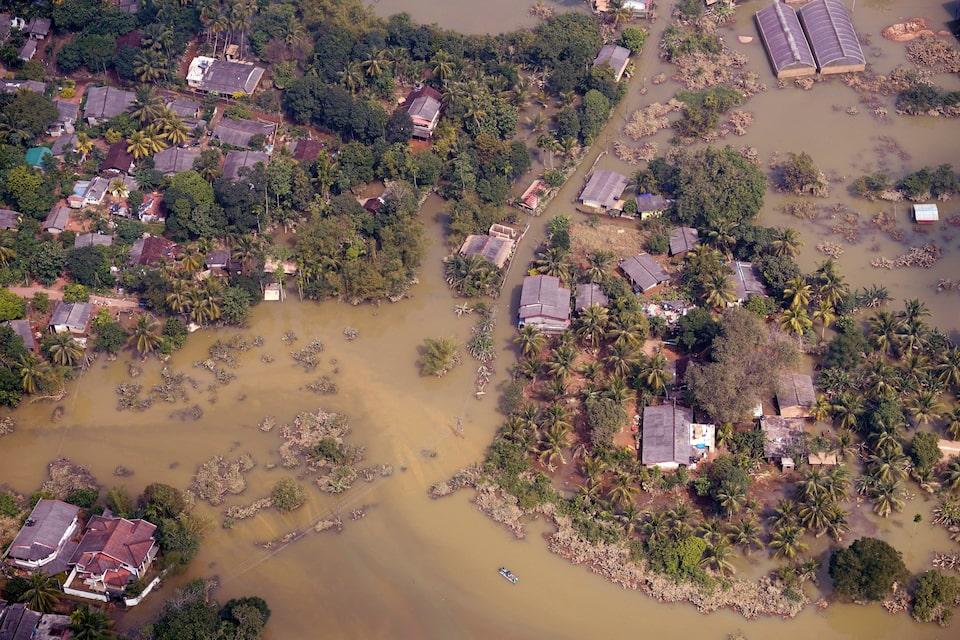
Dec 23 (Reuters) - India will provide an assistance package worth $450 million to Sri Lanka for cyclone relief and repair, Indian Foreign Minister Subrahmanyam Jaishankar said on Tuesday. "Just as Sri Lanka was recovering from the economic crisis of 2022, this natural disaster has created new difficulties," Jaishankar, who is on a two-day visit to the island nation, said in remarks made alongside Sri Lankan Foreign Minister Vijitha Herath. Sign up here. Jaishankar said the assistance would cover areas worst hit by the cyclone such as the restoration of railway, road and bridge connectivity, as well as rebuilding destroyed houses. https://www.reuters.com/world/asia-pacific/india-provide-450-million-cyclone-relief-package-sri-lanka-foreign-minister-says-2025-12-23/
2025-12-23 05:40
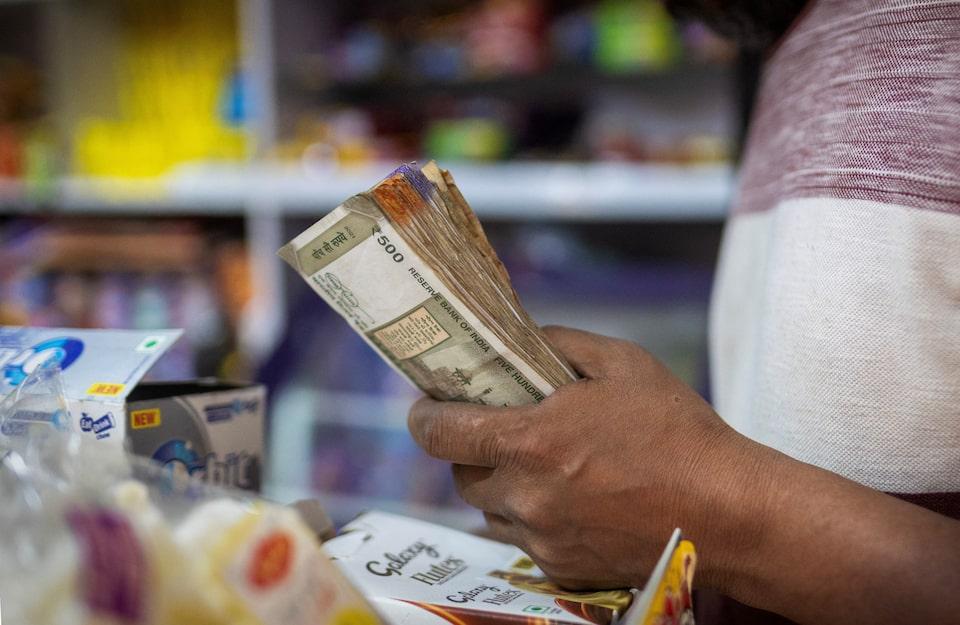
MUMBAI, Dec 23 (Reuters) - The rupee ended flat on Tuesday, hemmed in by persistent dollar demand from local corporates and the non-deliverable forwards market, which outweighed positive cues from gains in most regional currencies. The rupee closed at 89.65 against the dollar, unchanged from its closing level in the previous session. Sign up here. Traders pointed to dollar bids from local oil companies, among other importers, alongside lingering downward pressure on the currency from the NDF market, which at least partially reflects speculative pressure on the unit. The rupee has eased off its record lows and onshore traders "remain hesitant to build longs (on USD/INR)," a trader at a state-run bank said, referring to hesitance that has crept in on wagering against the rupee following the central bank's heavy-handed interventions last week. "USD/INR is expected to trade in the 89.20–90.20 range. A sustained break below 89.20 could open the door towards 88.50, while on the upside, a break above 90.10 may trigger a move higher," said Amit Pabari, managing director at FX advisory firm CR Forex. While the interventions managed to pull the rupee up by about 2% from its all-time low, they failed to faze dollar-rupee forward premiums, which have relentlessly climbed to multi-year peaks across near and far tenors. Outsized moves in the forward market intensified last week as the dollar glut collided with regulatory and balance-sheet constraints, leading to a spike in premiums. Bankers have urged the central bank to intervene to limit the pressure. On Tuesday, the 1-month dollar-rupee forward premium soared to nearly 48 paisa, the highest since 2019, while the 1-year implied yield touched a peak of 3.29% before retreating. Receiving interest from state-run banks helped cool off far forward premiums, two traders said. Elsewhere, the dollar index was down 0.2% at 97.9, the lowest in over two months, while Asian currencies were mostly higher between 0.1% and 0.4%. https://www.reuters.com/world/india/rupee-anchored-by-weak-dollar-restricted-by-levels-that-attract-dollar-buying-2025-12-23/
2025-12-23 05:14
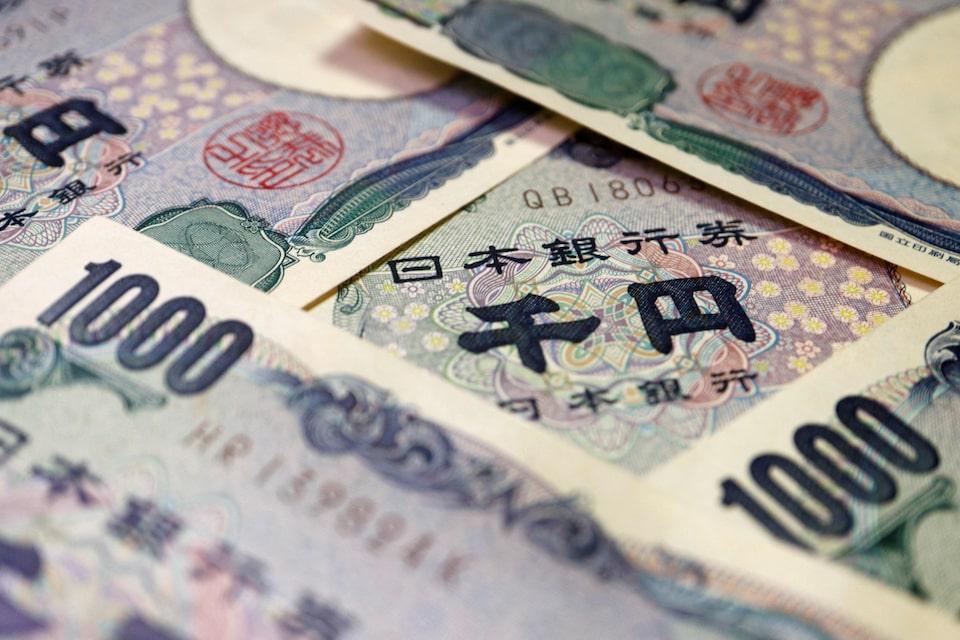
Strong pushback from Japan FM sends yen stronger vs major peers Yen bears retreat for now but yen weakness to persist Dollar soft before US GDP, traders still expect two cuts in 2026 SINGAPORE/LONDON, Dec 23 (Reuters) - The yen strengthened amid broad U.S. dollar weakness on Tuesday after the severest warning yet from authorities signalling Tokyo's readiness to intervene while traders awaited U.S. GDP data. The Japanese currency hovered near recent lows against major peers, with the threat of intervention keeping yen bears at bay for now. But near-term yen weakness is likely to persist, analysts say, as the cautious tone from the Bank of Japan last week hinted at a slow pace of rate hikes next year. Sign up here. The yen rose 0.6% to 156.1 per U.S. dollar, extending its gains from the previous session and retracing most of the losses sustained since Friday after the BOJ delivered a rate hike. The yen also appreciated 0.5% against the euro, the Australian dollar and sterling on Tuesday, but hung around recent lows. Finance Minister Satsuki Katayama said Japan has a free hand in dealing with excessive moves in the yen, the strongest indication yet that Tokyo was ready to intervene. Kit Juckes, chief FX strategist at Societe Generale said the case for intervention was clear. "Thin turn of year markets provide opportunity and market participants who are scrambling around to justify current unjustifiable levels, suggest that intervention has more chance of success than would sometimes be the case," he wrote in a note. Japan intervened in 2022 as well as in 2024 to support the yen. Japanese government bonds pared gains after Reuters reported that Tokyo's new debt issuance for fiscal 2026 was likely to slightly exceed the 28.6 trillion yen ($182 billion) sold during the current fiscal year. The government is expected to finalise the fiscal 2026 draft budget on Friday. Matt Simpson, senior market analyst at StoneX, said that if Japanese authorities have any intention of intervening, "the low-liquidity period between Christmas and New Year would give them the most bang for their yen, so to speak." "I'm just not convinced they need to, unless we see a volatile breakout above 159," he said. The drop in the yen has come in the face of dollar weakness after the Federal Reserve this month cut interest rates and projected another cut in 2026, although traders are pricing in two more rate cuts from the Fed next year. Charu Chanana, chief investment strategist at Saxo, said a slow BOJ hiking cycle and potential Fed easing in 2026 point to less one-way yen weakness and a better chance of range trading with yen strength likely when U.S. yields fall or risk sentiment turns. "Biggest risk will be if U.S. stays 'higher-for-longer' and BOJ turns cautious again with key catalysts ahead being the Shunto wage negotiations as well as U.S. rates," Chanana said. DOLLAR DRIFTS IN DECEMBER The dollar also remained under pressure, with the euro 0.3% firmer at $1.179 and sterling rising 0.3% to a 12 week high of $1.35. The dollar index , which measures the U.S. currency against six rivals, slid 0.3% to 97.94 on Tuesday, extending losses into a second day after dropping 0.5% on Monday. The index is at its lowest level since early October and on course for a 1.6% decline for the month and a 9.8% drop for the year, its steepest annual fall since 2017. Strategists at MUFG said the drop for the dollar this year is unlikely to be a one-off with scope for further gains ahead. Investor focus will be on U.S. GDP data due later on Tuesday. The data was delayed by the 43-day government shutdown and is now outdated, with markets unlikely to be swayed too much by it. The data will likely confirm what economists call a K-shaped economy in which higher-income households are doing well, while middle- and lower-income are barely staying afloat. GDP likely increased at a 3.3% annualised rate last quarter, a Reuters survey of economists estimated. The economy grew at a 3.8% pace in the second quarter. In other currencies, the Australian dollar climbed 0.56% to $0.67, while the New Zealand dollar was 0.8% higher at $0.584. The Swiss franc firmed 0.5% to a six-week high of 0.788 per U.S. dollar. https://www.reuters.com/world/asia-pacific/frail-yen-whipped-around-intervention-threat-swirls-2025-12-23/
2025-12-23 04:33
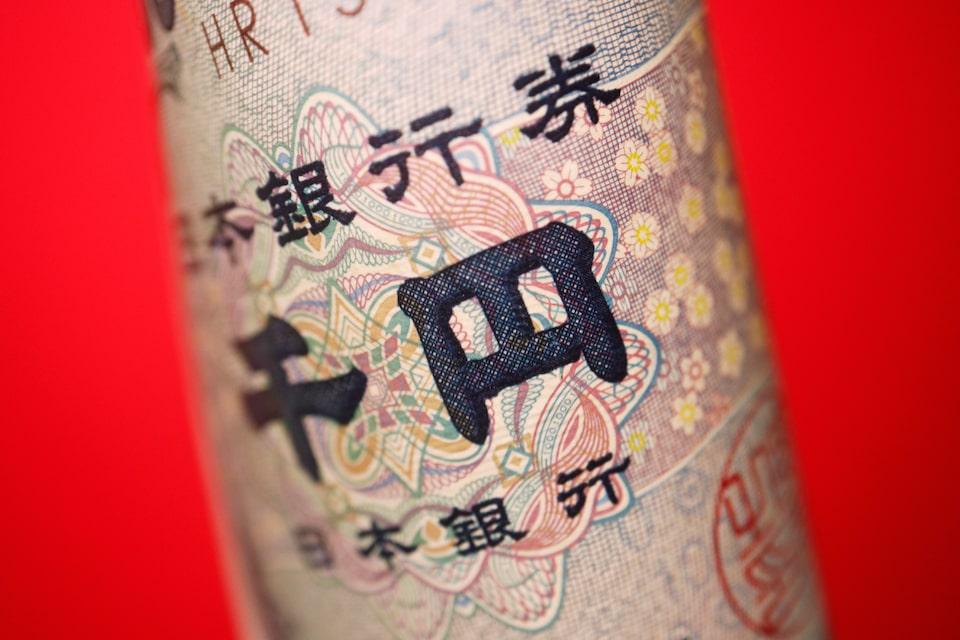
Weak yen, yield rise driven by concern over Japan's finances Yield rise biggest risk for Japan's economy in 2026 BOJ may be forced to review taper plan if bond rout persists Adachi expects BOJ to next raise interest rates around July TOKYO, Dec 23 (Reuters) - Japan may face further yen declines and a relentless rise in bond yields driven by market concern over the government's expansionary fiscal policy, former central bank policymaker Seiji Adachi told Reuters. The yen has fallen despite the Bank of Japan's decision on Friday to raise interest rates to a 30-year high of 0.75%, as markets interpreted Governor Kazuo Ueda's post-meeting comments as signalling that it would be in no rush to hike rates further. Sign up here. But Adachi, who was a member of the BOJ board until March, said the yen's declines were driven largely by market doubts about Japan's ability to keep its fiscal house in order. "The yen is weakening despite narrowing Japan-U.S. interest rate differentials, which means it has little to do with BOJ policy," he said in an interview on Monday. "I think investors are starting to demand a higher premium for Japan's fiscal risk," which is also clear in recent rises in Japanese government bond (JGB) yields, he said. The benchmark 10-year government bond yield hit a 27-year high of 2.1% on Monday, reflecting prospects of further BOJ rate hikes and big debt issuance. Adachi said the BOJ may eventually raise interest rates up to 1.5% with the next increase to come around July next year. The BOJ's rate-hike cycle would increase the cost of funding Japan's huge public debt, which is seen growing further on the back of Prime Minister Sanae Takaichi's expansionary fiscal policy. The size of next fiscal year's budget, the first to be compiled by Takaichi, will likely exceed 122 trillion yen ($781 billion) to hit a new record and require new bond issuance above the previous year's 28.6 trillion yen, the Nikkei newspaper reported. It would come on top of a 21.3-trillion-yen stimulus package, funded by an extra budget for the current fiscal year, to cushion the blow to households from rising living costs. The BOJ may be forced to review its bond taper plan if the bond market selloff continues, or come up with a framework to rescue smaller banks hit by huge losses on its bond holdings, Adachi said. "It's hard to erase market doubts over Japan's finances after Takaichi so powerfully branded her policies as proactive fiscal policy," he said. "Rising bond yields will be the biggest risk to Japan's economy next year." ($1 = 156.2700 yen) https://www.reuters.com/world/asia-pacific/japans-fiscal-woes-may-cause-more-yen-falls-yield-rises-says-ex-boj-policymaker-2025-12-23/
2025-12-23 02:03
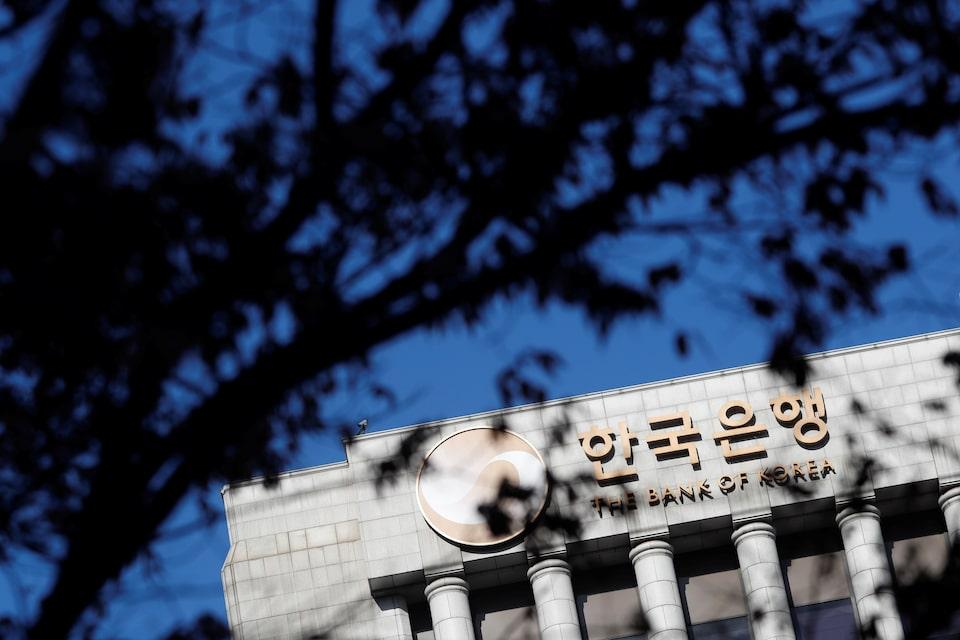
SEOUL, Dec 23 (Reuters) - South Korea's central bank needs to remain wary of financial stability risks, such as heightened volatility in the won currency and upward pressure on house prices, a board member said on Tuesday. "Volatility is increasing in financial and foreign exchange markets with sharp fluctuations in stock prices and comparative weakness in the won," said Chang Yong-sung, a member of the Bank of Korea's seven-seat monetary policy board. Sign up here. The won hit on Tuesday its weakest level since early April at 1,483.5 per dollar. It has fallen more than 8% in the second half of 2025. Chang also warned of high credit risks for some vulnerable sectors and continuously rising house prices in his comments released with the central bank's semiannual financial stability report. In the report, the BOK said it would monitor risk factors within the financial system and proactively seek market stabilising measures if needed, though it noted most indicators of foreign exchange conditions remained stable. Monetary policy would continue to be coordinated with macroprudential policies, it added. The BOK held rates steady for the fourth straight monetary policy meeting last month and signalled it could be nearing the end of the current rate cut cycle, as currency weakness reduced scope for further easing. Following the November meeting, it has rolled out various currency stabilisation measures. The BOK's next monetary policy meeting is in January. https://www.reuters.com/world/asia-pacific/bank-korea-needs-remain-wary-financial-stability-risks-board-member-says-2025-12-23/
2025-12-23 00:21
MUMBAI, Dec 22 (Reuters) - India's rice inventories in government warehouses climbed nearly 12% from a year earlier to a record high for early December after state-run agencies stepped up procurement of the new-season paddy crop, government data showed. The swelling stockpiles could allow the world's biggest rice exporter to boost shipments, putting pressure on supplies from rivals such as Thailand, Vietnam and Pakistan. Sign up here. State reserves of rice, including unmilled paddy, totalled a record 57.57 million metric tons as of December 1, far exceeding the government's target of 7.61 million tons for January 1. Wheat stocks stood at 29.14 million tons on December 1, up from last year's 20.6 million tons, the data showed. State-run agencies are being forced to buy large quantities from farmers as open-market prices remain below the government-set minimum support price, said a New Delhi based dealer with a global trade house. "Despite the government buying heavily, traders still have plenty of stock for exports," he said. Since the start of the marketing year on October 1, the government has procured 42.2 million tons of paddy from farmers. "Export demand isn't very strong right now, but the weakening rupee is helping traders land deals at competitive prices," said one Mumbai-based trader. The Indian rupee dropped to a record low this month, enhancing returns for traders on overseas sales. India, which accounts for about 40% of global rice exports, removed the last of its export curbs on the grain last March. India's rice exports in the first 10 months of 2025 jumped 37% from a year earlier to 18.49 million tons. The Rice Exporters Association expects shipments from India to rise by nearly 25% from a year earlier to a record 22.5 million tons this year. Alongside rice, wheat stocks are at comfortable levels this year, helping the government to manage food grain prices more effectively, the trader said. https://www.reuters.com/world/india/indias-rice-stocks-surge-record-high-paddy-procurement-climbs-2025-12-23/