2024-10-31 18:44
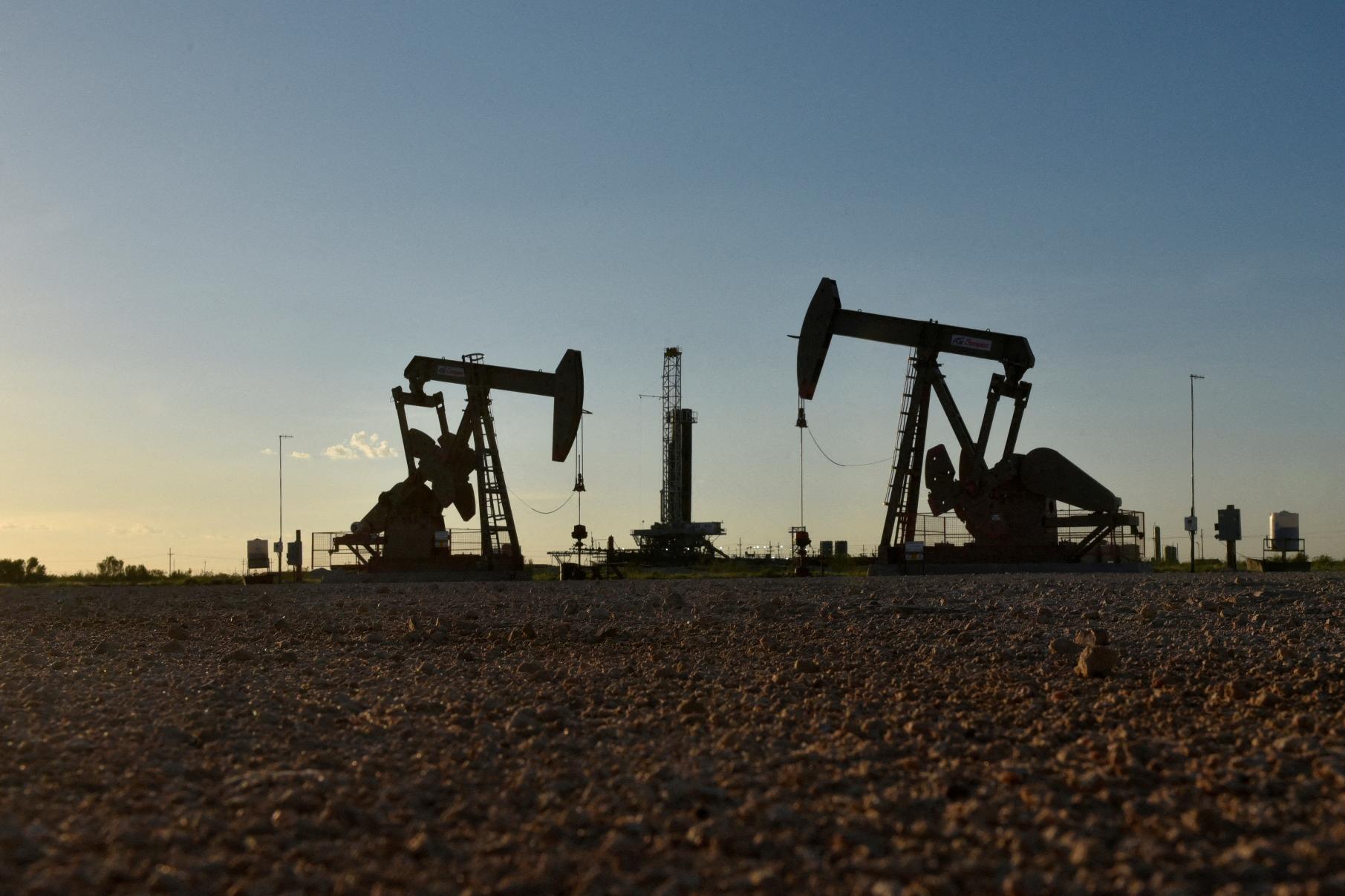
Oct 31 (Reuters) - U.S. oil production rose 1.5% in August to a monthly record high of 13.4 million barrels per day, the U.S. Energy Information Administration said in its monthly oil and natural gas production report. That topped the prior record high of 13.31 million bpd in December 2023, the data showed. In top oil-producing states, output in Texas rose 1.7% in August to a record 5.82 million bpd, while New Mexico's output increased 2.8% to a record 2.09 million bpd. That compared with previous record highs of 5.76 million bpd in June in Texas and 2.04 million bpd in July in New Mexico. Gross natural gas production in the U.S. Lower 48 states, meanwhile, eased by about 0.6% in August to 115.9 billion cubic feet per day, according to the agency's 914 production report. That compared with a monthly record high of 118.2 bcfd in December 2023. In top gas-producing states, monthly output in Texas rose 1.2% to a record high of 36.1 bcfd in August, but fell 4.4% to a three-month low of 20.0 bcfd in Pennsylvania. That compares with prior monthly record highs of 35.6 bcfd in July in Texas and 21.9 bcfd in December 2021 in Pennsylvania. U.S. crude and petroleum products supplied, or demand, rose in August to 20.7 million bpd, the highest reading since May, according to the agency's data. Demand for finished motor gasoline fell in August to 9.3 million bpd, the lowest level since June, while demand for distillate fuel oil rose in August to 3.9 million bpd, the highest level since February. Sign up here. https://www.reuters.com/markets/commodities/us-oil-output-hits-monthly-record-high-august-eia-says-2024-10-31/
2024-10-31 18:29
ATLANTIC CITY, New Jersey, Oct 31 (Reuters) - U.S. offshore wind developers put on a brave face at a conference this week, touting their ability to work with leaders from both political parties, although privately attendees fretted that things could get rough for them if Republican Donald Trump wins the Nov. 5 presidential election. The Republican nominee and former president has vowed to scrap offshore wind projects through an executive order on his first day in office if he retakes the White House, claiming windmills ruin the environment and kill birds and whales. Trump is in a tight race against Democratic Vice President Kamala Harris, who has championed ambitious offshore wind targets as part of President Joe Biden's administration. The tight election race has made a challenging year worse for the industry, already roiled by canceled projects, shelved lease sales and a construction accident at the country's first major offshore wind project. "We have this conference in October every year and obviously a week before a federal election, that adds a certain amount of energy and uncertainty," American Clean Power Association CEO Jason Grumet said on the sidelines of ACP's Offshore Windpower conference in Atlantic City. "The fact that this election is so polarized across the country I think increases the sense of uncertainty, not just around the economic questions about the deployment of offshore wind, but people are generally quite passionate about the direction of the country. So I think we felt just a bit of anxiety that was much broader than anybody's commercial commitments." Speaking on background, at least a dozen industry participants at the conference spoke of an uncertain future for the industry under a Trump administration. Two executives in offshore wind development expressed fears of a long, slow spiral for the industry if Trump wins and halts federal permitting for projects. All of them declined to comment on the record. Other executives and regulators Reuters approached at the conference either declined to comment on the implications of a Trump presidency or said they will work with whoever is in the White House, without detailing how. "Our goal persists no matter who is in the White House," New York State Research and Development Authority CEO Doreen Harris said. New York wants to install 9 Gigawatts (GW) of offshore wind energy by 2035. In an emailed statement, Equinor (EQNR.OL) , opens new tab said it does not view providing renewable energy and creating a domestic supply chain as a partisan issue. Separately, a White House advisor on renewable energy said a Trump presidency would likely mean a reduction in federal offshore wind leasing, adding to other challenges. "I'm not sure that just the administration is going to be the only impediment. But clearly it'll be a major impediment if someone's not behind those projects," Carl Fleming, a partner at law firm McDermott Will & Emery, told Reuters by phone. He added the offshore wind industry would struggle to meet the Biden administration's target of 30 GW by 2030, regardless of who wins the Nov. 5 election. "The industry has hit some challenges and bumps along the way, but our role is to continue to try and bring that ambition and demonstrate that the U.S. is serious about the clean energy transition," Liz Klein, director of the U.S. Bureau of Ocean Energy Management, said when asked if the targets are achievable. The conference overlapped with the Biden administration's first offshore wind lease sale in the Gulf of Maine, which drew just $22 million in bids. Several industry watchers blamed election jitters for low auction turnout by developers. Sign up here. https://www.reuters.com/world/us/us-offshore-wind-execs-fret-privately-over-possible-trump-election-win-2024-10-31/

2024-10-31 17:18
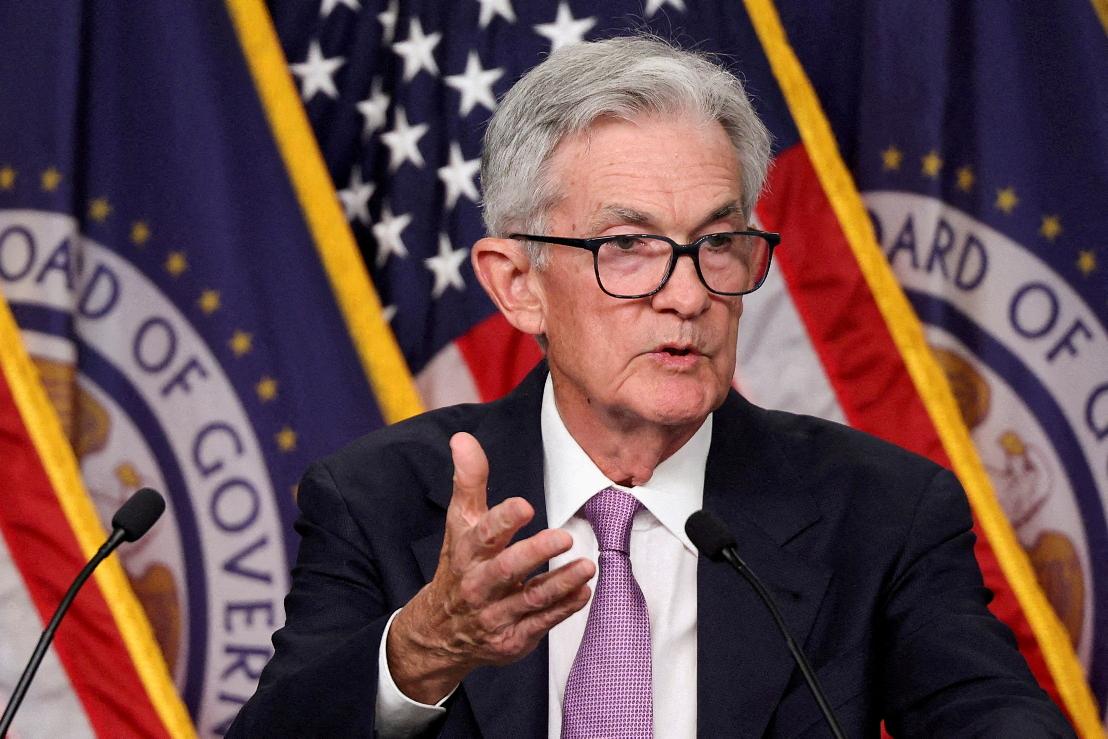
ORLANDO, Florida, Oct 31 (Reuters) - As if financial markets needed another factor to complicate the near-term outlook for Federal Reserve policy, the U.S. economy and asset prices, investors now have to make sense of a growing disconnect between real interest rates and financial conditions. In simple terms, is U.S. monetary policy too tight or too loose? Normally this would be a fairly straightforward question, but there are currently contradictory signals. By some measures, the Fed's inflation-adjusted policy rate is nearing the highest level since 2007. And that's after the jumbo-sized 50 basis point rate cut in September. This would suggest the Fed has plenty of scope to continue cutting rates, perhaps even by "hundreds of basis points", as Chicago Fed President Austan Goolsbee recently suggested. The Fed's current policy stance also appears highly restrictive when set against estimates of 'R-Star' – the nebulous real rate of interest that neither accelerates nor slows growth in a world of 2% inflation – which is currently estimated to be somewhere between 0.7% and 1.2%. Yet many market-based measures of financial conditions tell a different story. They're the loosest they've been in years by some gauges, largely due to Wall Street's relentless rise. So something has got to give: either the real cost of borrowing comes down, or financial conditions tighten. Or a bit of both. Yet it's currently unclear which force will prevail. MIXED MESSAGES The U.S. economy looks to be in rude health, as evidenced by the 2.8% annualized GDP growth reported on Wednesday and the strong start to the corporate earnings season. Meanwhile, investor risk appetite is holding up despite rising geopolitical risk and the looming U.S. presidential election. Stock prices have climbed more than 40% over the last 12 months – a remarkable run – and U.S. corporate credit spreads are the narrowest they've been in 20 years. Yet as inflation has cooled, real borrowing costs have risen to their highest level in 17 years, and expectations of further Fed easing are steadily being pared back because of the economy's solid performance. What explains this divergence? BNP Paribas economists note that even though Fed policy is technically restrictive given today's high real rates, what matters for the real economy is broader financial conditions. And these conditions have eased substantially over the past year. The economists cite Fed modeling that suggests the change in overall financial conditions over the last year could boost GDP growth by as much as 0.7 percentage points over the coming 12 months. That hardly sounds restrictive. 'TAIL WAGGING THE DOG' "It's a very unusual environment we're in," says Joe Lavorgna, managing director and chief economist at SMBC Nikko Securities, who contends that these loose financial conditions are largely the result of the stock market boom. "Equities are the tail wagging the dog." In other words, appreciating stocks are helping to push up asset prices broadly and making financing easier to access, creating a self-reenforcing loop that is proving difficult to break. This could help explain why the economy has been so resilient despite elevated interest rates, but it could also complicate the Fed's job moving forward. A 'no landing' for the economy – i.e., strong economic growth despite elevated interest rates – could prompt a market repricing of the Fed outlook that, somewhat paradoxically, tips equities and asset prices lower. This would obviously tighten financial conditions, but perhaps more rapidly and dangerously than the central bankers would like. Fed Chair Jerome Powell told reporters after the rate cut on Sept. 18 that the process of shifting policy to a more neutral stance has begun. Financial conditions will play a crucial role in determining the pace and depth of the Fed's easing cycle. (The opinions expressed here are those of the author, a columnist for Reuters.) Sign up here. https://www.reuters.com/markets/rates-bonds/financial-conditions-vs-real-rates-is-fed-policy-too-tight-or-too-loose-mcgeever-2024-10-31/
2024-10-31 17:12
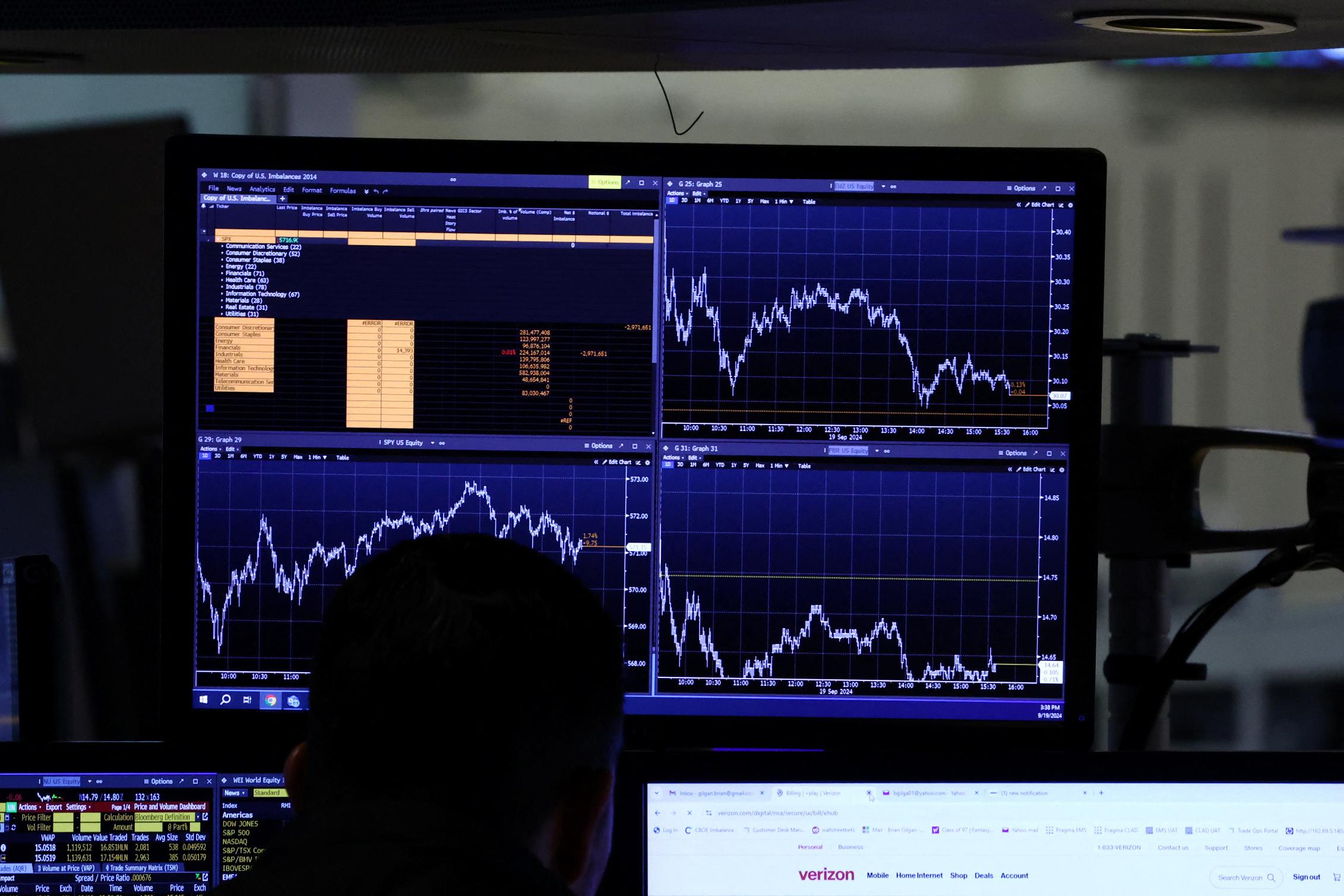
NEW YORK, Oct 31 (Reuters) - Bond trading platform Tradeweb plans to extend trading hours on Nov. 6, the day after the U.S. presidential election, and offer overnight support on Election Day. "We are providing overnight operational support and some early trading hours to cover the U.S. Presidential Election," it said in an email to clients on Thursday. Several banks, brokerages, investment managers and exchanges are adding staff to handle high trading volumes on and around Election Day, Reuters has reported, as markets are expected to be volatile as results come in. Tradeweb, which specialises in electronic trading for rates, credit, equities and money markets, said on Thursday customer relations and dealer relations teams will be available throughout the night of Nov. 5 to provide "additional operational and technical support." Trading will begin earlier than usual on Nov. 6 for products including European credit and equities, as well as repurchase agreements, U.S. credit and U.S. exchange-traded funds, it said. Trading for U.S. credit default swaps - derivatives used to insure against credit exposure - will start just after midnight (0500 GMT) on Nov. 6, as opposed to normal trading hours which start at 7:00 a.m. Tradeweb had an average daily trading volume of $2.2 trillion in the quarter ending on Sept. 30, a 55.3% increase year on year, it said in its quarterly results on Wednesday. Sign up here. https://www.reuters.com/business/finance/tradeweb-extend-trading-hours-day-after-us-election-2024-10-31/
2024-10-31 16:43
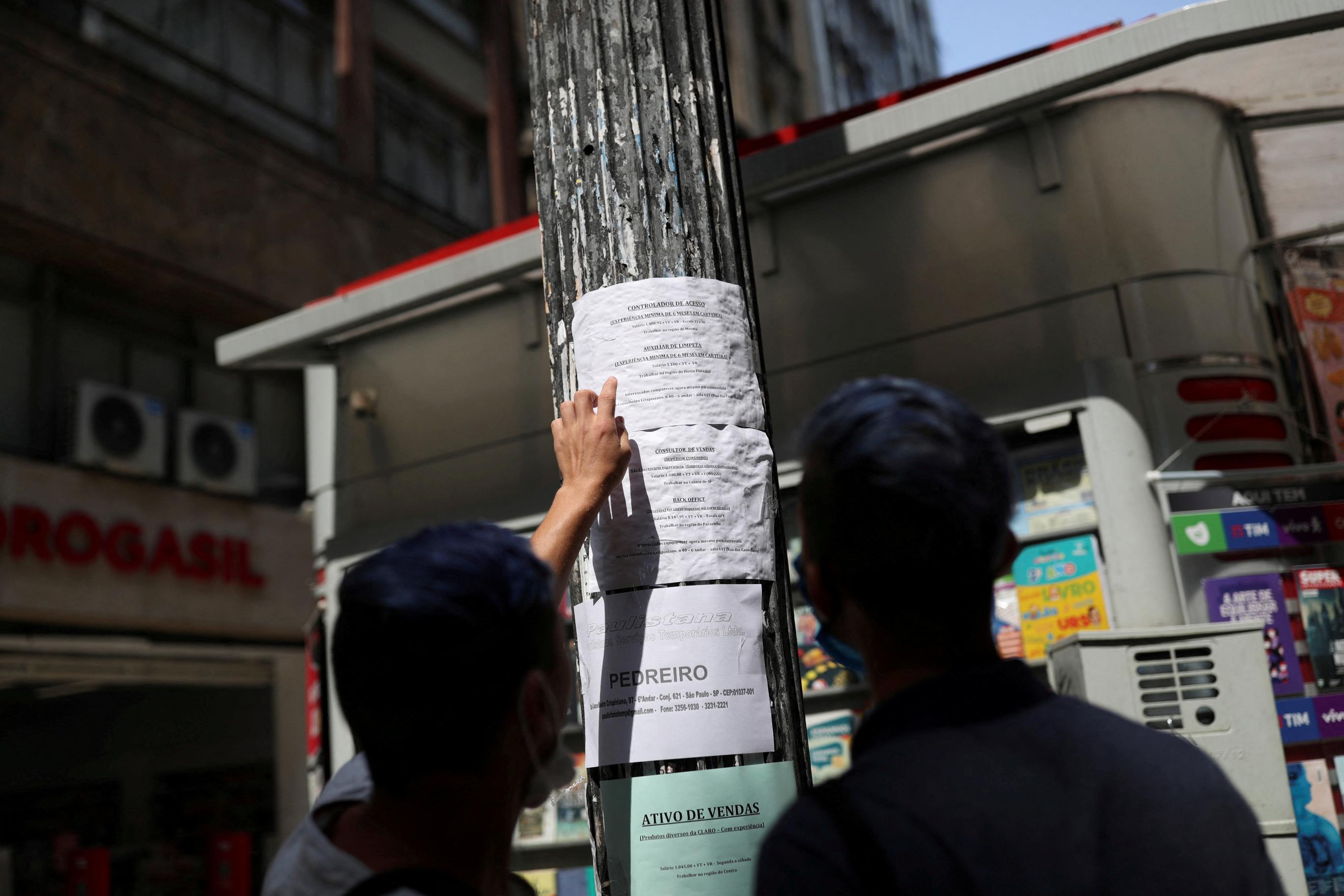
SAO PAULO, Oct 31 (Reuters) - Brazil's labor market is posting blockbuster numbers ahead of a central bank rate decision next week, amid bets that the country's rate-setting committee will need to speed up monetary tightening due to inflationary risks. Brazil's jobless rate fell to 6.4% in the three months through September, statistics agency IBGE said on Thursday, below market expectations and marking the second-lowest unemployment level on record. The jobless rate was down from 6.9% in the April through June period and from 7.7% a year earlier, according to IBGE. Economists polled by Reuters had projected an unemployment rate of 6.5%. (BRPNAD=ECI) , opens new tab That comes after data released on Wednesday showed that Latin America's largest economy created a net 247,818 formal jobs in September, the most since February and above analysts' estimates of a net 227,600. Brazilian President Luiz Inacio Lula da Silva and Finance Minister Fernando Haddad cheered the unemployment figures on Thursday in separate posts on X. But the fact that Brazil's jobless rate has been hovering around historically low levels, and that job creation keeps surprising to the upside, is fueling market fears that the tight labor market could trigger inflationary pressures. "This improvement takes place in a delicate macroeconomic environment, where inflation and the cost of credit may require a more intense response from the central bank in adjustments to the interest rate," Jefferson Laatus, chief strategist at Laatus Group, said. "Especially if the increase in the number of workers puts pressure on consumption and makes controlling inflation difficult." The central bank last month hiked its interest rate for the first time in more than two years, delivering a 25 basis-point increase to 10.75%. Market participants have fully priced in an acceleration in monetary tightening, with a 96% chance of a 50 basis-point increase at the central bank's rate-setting committee's meeting on Nov. 6. The remaining 4% probability is of an even larger increase of 75 basis points. The number of unemployed in Brazil was 7.0 million in the July to September period, down 7.2% quarter-on-quarter. Employed citizens totaled 103 million, up 1.2% on a sequential basis and the highest ever for the data series, IBGE said. Average real wages were at 3,227 reais ($559) a month in the period, the statistics agency added. ($1 = 5.7698 reais) Sign up here. https://www.reuters.com/markets/emerging/brazil-unemployment-drops-second-lowest-level-record-64-2024-10-31/
2024-10-31 16:21
LONDON, Oct 31 (Reuters) - The first budget of Britain's Labour government was about restoring stability to the public finances with two strong new fiscal rules, Prime Minister Keir Starmer's spokesperson said, declining to comment on a fall in government bond prices. British two-year government borrowing costs rose sharply for a second day on Thursday as investors judged the Bank of England would cut rates more slowly due to bigger-than-expected government borrowing and spending in the budget. The pound fell against the euro and the U.S. dollar. Asked to comment on the fall in bond prices, the spokesperson said: "We don't comment on market movements." "The Chancellor (Rachel Reeves) has been very clear that first and foremost, this budget has been about restoring fiscal stability, and she's outlined two new robust fiscal rules, which put public finances on a sustainable path," the spokesperson said. Sign up here. https://www.reuters.com/world/uk/uk-pm-starmers-office-asked-about-bond-price-falls-cites-strong-fiscal-rules-2024-10-31/