2024-10-31 07:47
Oct 31 (Reuters) - French consumer prices rose in line with expectations in October, preliminary data from statistics agency INSEE showed on Thursday. France's harmonized inflation rate (FRCPIP=ECI) , opens new tab, adjusted for comparison with other euro zone countries, increased to 1.5% year-on-year in October. A poll of 19 economists surveyed by Reuters was expecting a rise of 1.5% on average. In September, French inflation slowed more than expected to 1.4%. This near-stability in inflation is due to a slowdown in service prices and a less marked year-on-year fall in energy prices than in September, INSEE said. Prices for manufactured goods, food and tobacco are expected to evolve year-on-year at rates close to those of the previous month, it added. Sign up here. https://www.reuters.com/markets/europe/french-preliminary-inflation-15-october-line-with-expectations-2024-10-31/

2024-10-31 07:44
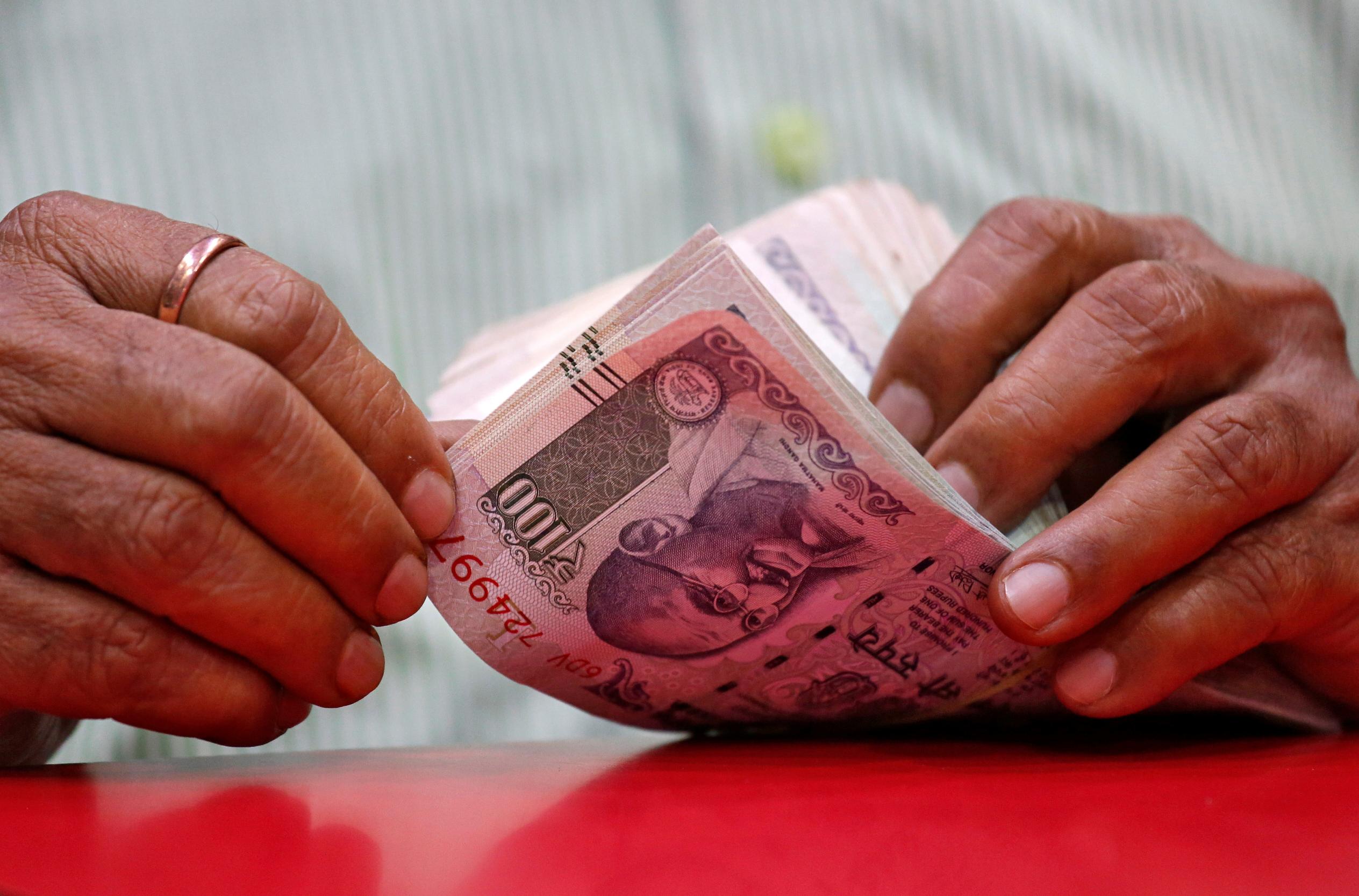
MUMBAI, Oct 31 (Reuters) - The Indian rupee was little changed on Thursday, similar to most of this month during which the central bank's stranglehold on the currency helped it avoid the pressure on its Asian peers from the rising odds of Donald Trump winning the U.S. elections. The rupee was at 84.0825 to the U.S. dollar, little changed from Thursday and week-on-week. Indian financial markets are shut on Friday. Asian currencies had a choppy month as betting markets flipped , opens new tab to price in a higher chance of Trump winning the Nov. 5 election. Trump has vowed to impose a 10% tariff on imports from all countries and 60% duties on imports from China. The offshore Chinese yuan dropped to a 2-1/2-month low this week and is down 1.5% this month. Other Asian currencies have fared worse, falling between 3% and 5%. The RBI's relentless intervention has helped the rupee. The central bank has sold dollars on almost all days in the last two weeks, not allowing the rupee to fall and dampening volatility. The rupee's 1-month volatility is less than 1%, in contrast to other Asian currencies. The surge in the dollar index and the rise in Treasury yields have had no impact on the rupee. EQUITY OUTFLOWS The rupee's lack of volatility is all the more remarkable considering foreign investors are withdrawing money from Indian equities at a record pace. They have taken out nearly $11 billion, on a net basis, from Indian equities in October, a sharp U-turn from the $7 billion inflows in September. The RBI is supplying dollars to fund the foreign outflows, said Anil Bhansali, head of treasury at Finrex Treasury Advisors. He recommends exporters "wait and watch" following the rupee's drop past 84 and that importers hedge on dips in the dollar/rupee pair. Sign up here. https://www.reuters.com/markets/currencies/india-cenbank-helps-rupee-outperform-peers-month-marred-by-us-election-anxiety-2024-10-31/
2024-10-31 07:27
MADRID, Oct 31 (Reuters) - The chief executive of Spanish oil company Repsol (REP.MC) , opens new tab said on Thursday that the company confirmed its payout outlook despite a significant decline in third-quarter profit. Third-quarter adjusted net profit fell around 50% as it was hit by a significant decline in oil refining margins. "As we move forward, our strategic priorities remain intact," CEO Josu Jon Imaz said in a statement, adding that shareholders will get "between 25 and 35 per cent of our cash flow from operations." Quarterly adjusted net profit fell to 558 million euros ($605.71 million) from 1.1 billion euros a year earlier, slightly below a company-provided average forecast of 567 million euros. Refining margins declined more than 70% from the same period last year. ($1 = 0.9212 euros) Sign up here. https://www.reuters.com/business/energy/repsol-confirms-payout-levels-despite-sharp-q3-profit-decline-2024-10-31/

2024-10-31 07:23
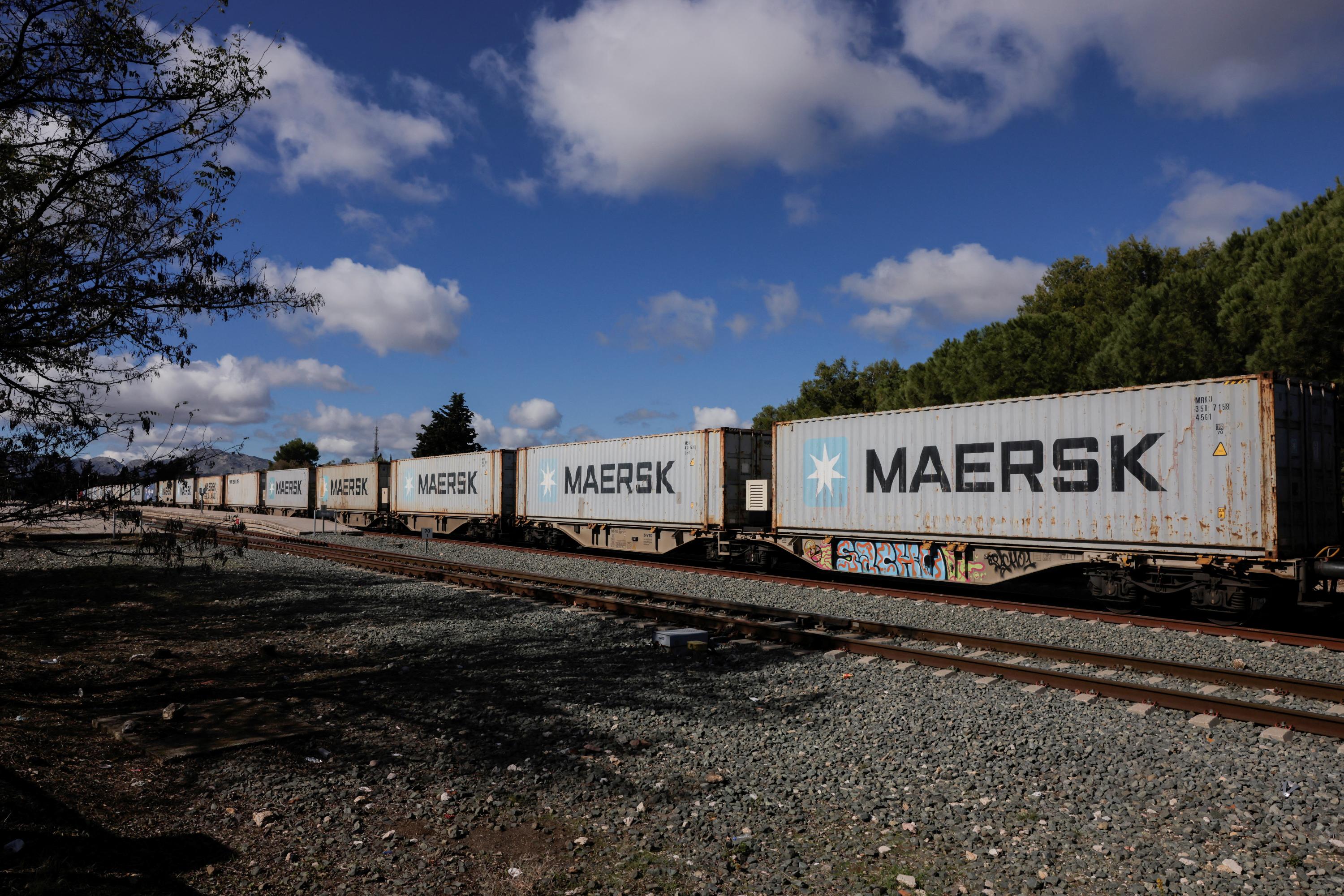
COPENHAGEN, Oct 31 (Reuters) - Shipping company Maersk (MAERSKb.CO) , opens new tab said on Thursday it saw strong demand in the third quarter especially driven by exports out of China and Southeast Asia while the global supply chain continued to be upset by the situation in the Middle East. Maersk also confirmed robust preliminary third-quarter earnings released on Oct. 21, when it also raised its full-year forecasts on the back of its profit, solid demand and the continuing disruption to shipping in the Red Sea. "Container trade remained strong in Q3. Demand is estimated to have grown 4-6% year-over-year. Exports out of China and Southeast Asia make a very large portion of such growth," the Danish company said in a statement. Maersk, viewed as a barometer of world trade, said China's economy continues to be marked by manufacturing overcapacity and a reliance on export-driven growth, while domestic demand and consumer confidence remain subdued. Sign up here. https://www.reuters.com/markets/europe/maersk-saw-strong-demand-q3-driven-by-china-southeast-asia-exports-2024-10-31/
2024-10-31 07:14
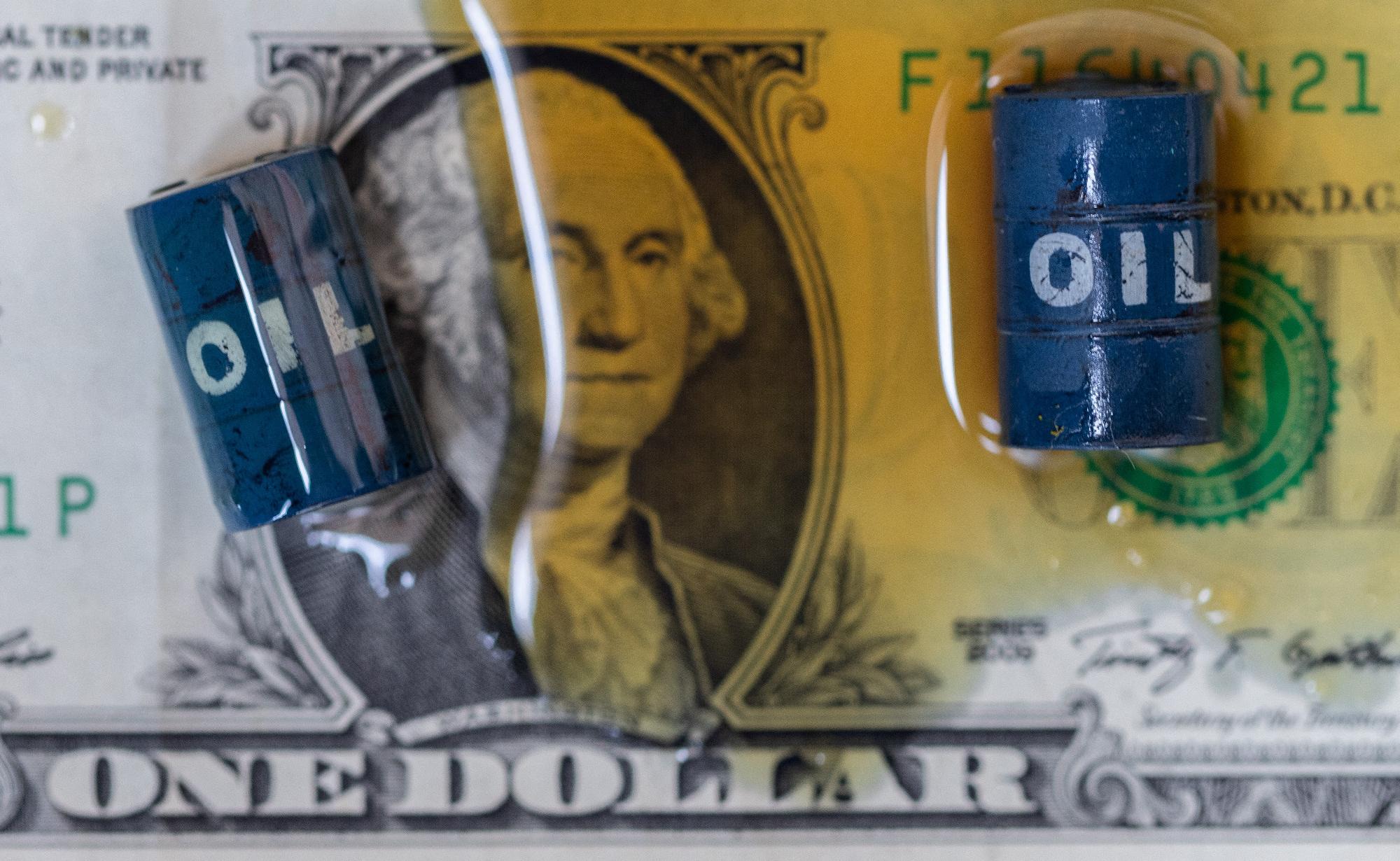
ORLANDO, Florida, Oct 30 (Reuters) - U.S. Treasury yields often move in tandem with the price of oil, but this relationship has broken down in recent weeks, suggesting that the near-term inflation outlook has taken a back seat to long-term deficit fears in the bond market. Falling oil prices – especially negative year-on-year price moves – are usually disinflationary. And year-on-year crude oil prices have been negative since mid-July, nearing -30% in September. This would typically be a bullish signal for Treasuries, as lower inflation increases the likelihood that rates will fall across the yield curve. Yet yields and oil have diverged sharply. Since the Federal Reserve's jumbo 50 basis point rate cut on Sept. 18, the 10-year Treasury yield has spiked by almost 70 basis points – a historically large shift – even as the price of oil has fallen. Monday's price movements were particularly noteworthy. Crude slumped 6%, while the 10-year yield leapt 5 bps to hit 4.30% for the first time in nearly four months. Oil's recent decline was primarily driven by geopolitics, specifically signs of de-escalation in the conflict between Iran and Israel. Regardless of the driver, a fall in oil of that scale would normally be accompanied by lower bond yields. The 10-year yield has declined on seven of the nine days in which the oil price has fallen by 4% or more over the past year. The two occasions where it hasn't were both this month. Importantly, the recent rise in yields coincided with a week of heavy debt issuance from the Treasury: some $178 billion of two-, five- and seven-year bonds were on the block, not to mention a wave of bill sales and inflation-linked bonds too. Fiscal issues nay be causing this market indigestion. TRUMP TRADE Can investors expect the relationship between Treasuries and inflationary pressures to reassert itself any time soon? Bob Elliott, a former executive at Bridgewater and founder and CEO of asset manager Unlimited, notes that other bond markets around the world are also selling off, indicating a wider issue. "My sense is the divergence stays rather than compresses. It highlights that sovereign debt is increasingly out of favor for not just U.S. but global investors," Elliott says. Andreas Steno Larsen, CIO at Steno Global Macro Fund, reckons the link will probably reestablish itself soon, but notes that the current divergence is one element of the wider "Trump trade". That is, investors are positioning for extremely lax fiscal policy, with the expectation that former president Donald Trump will win the White House and possibly be supported by both a Republican house and senate. In that scenario, Trump would be able to push through tax cuts and other potentially budget-busting policies. LOSING CONTROL? The prospect of rising bond yields amid a Fed easing cycle could cause headaches for many, including Trump himself, a former real estate operator and long-time vocal advocate of lower borrowing costs. This may also be rustling a few feathers on the Federal Open Market Committee, particularly among the doves, as mortgage rates are rising again due to the upward pressure of longer-dated yields. Could Fed Chair Jerome Powell address this issue next week? It wouldn't come as a total shock given the massive move in yields since September. According to Jim Bianco of Bianco Research, the 10-year yield's rise of almost 70 bps is the biggest rise following the initial cut in a Fed easing cycle since 1989. This super-sized move suggests the Fed may have lost control of the longer end of the curve, and Powell may be eager to regain the reins. But, for now, politics remain in the driver's seat. With the presidential election less than one week away, bond investors appear to be voting with their feet, fearful that widening fiscal deficits will push up longer-term inflation and the risk premium on federal debt. Perhaps this will change after the election. Maybe President Kamala Harris or President Trump will unexpectedly vow to restore fiscal discipline, but that's a long shot. In the meantime, Treasuries are likely to remain under pressure, regardless of the oil price. (The opinions expressed here are those of the author, a columnist for Reuters) Sign up here. https://www.reuters.com/markets/commodities/oil-bonds-divergence-highlights-us-fiscal-fears-mcgeever-2024-10-30/
2024-10-31 06:51
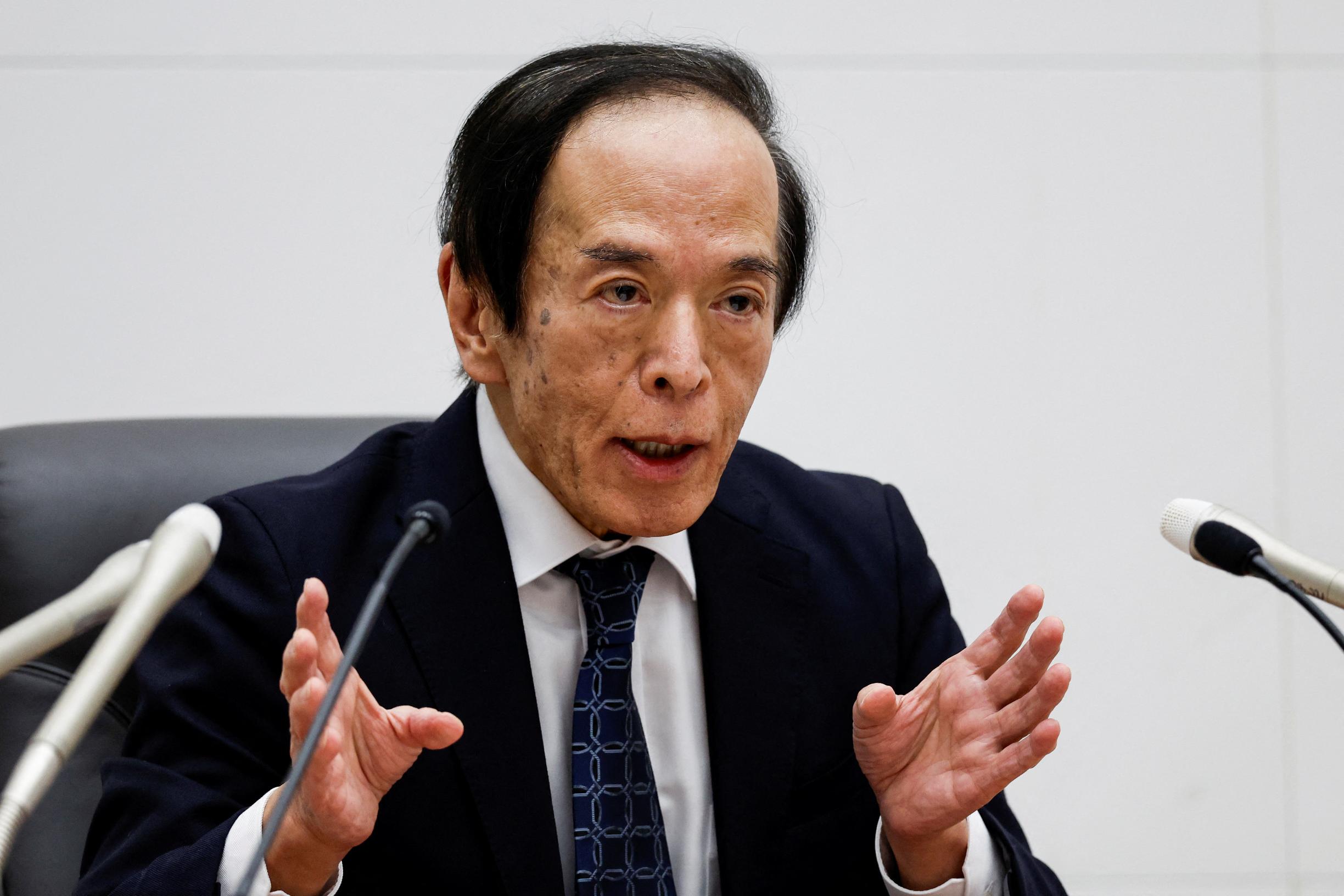
Jan 23 (Reuters) - The Bank of Japan raised its growth estimate and maintained its hawkish inflation forecasts on Friday even as it kept interest rates steady, signalling its confidence a moderate recovery would justify raising still-low borrowing costs further. At a two-day meeting that ended on Friday, the BOJ maintained its key policy rate at 0.75% in a widely expected decision after having just hiked the rate from 0.5% in December. Sign up here. Following are excerpts from BOJ Governor Kazuo Ueda's comments at his post-meeting news conference, which was conducted in Japanese, as translated by Reuters: IMPACT OF PAST RATE HIKES "Not much time has passed since we last raised rates in December, but companies' fund demand continues to rise moderately. Banks' lending attitude remains active... Financial conditions remain accommodative in Japan. It might take some time to gauge the impact of our past rate hikes. We hope to scrutinise developments carefully." RATE-HIKE PATH AND PACE "We will continue to raise interest rates if our economic and price forecasts materialise. As for our rate-hike path and pace, that will depend on economic, price and financial developments at the time. We will carefully look at available data at each policy meeting, and update our view on economic and price developments, risks and the likelihood of achieving our forecasts." RECENT RISES IN LONG-TERM INTEREST RATES "Long-term interest rates are rising at quite a fast pace... As we've been saying, we are ready to take nimble action to cope with exceptional moves that are different from usual. We will communicate closely with the government, and stand ready to play each of our roles." WEAK YEN "I won't comment on yen levels. Currency rates move on various factors, including interest-rate differentials. As the yen weakens, import prices would rise, which could then work to push up inflation for the time being. Companies are becoming more active in raising prices and wages, so they could pass on rising import costs more aggressively. That's something we need to keep an eye out on." IF BOARD DISCUSSED WHETHER TO TWEAK BOND TAPER PLAN "There was discussion on that topic. But the conclusion was that the BOJ would communicate closely with the government, and that each would play their role as needed." PRICE HIKES "In the past, most firms raising prices were doing so to pass on rising raw material costs. Now, a lot of firms are saying they are hiking prices to pass on labour costs. We hope to scrutinise wage moves affect inflation. It's true April is an important period as many firms change prices at that month. But if you ask me whether it's the most important factor in gauging the rate-hike timing, I would say not necessarily. It's among factors we will look carefully." FACTORS BEHIND NEXT RATE-HIKE TIMING "Unlike last time, we won't focus on any particular aspect. As prices and wages rise gradually, we're at a phase where we need to scrutinise whether this will continue and if so, at what pace, looking at various data in making our rate decision. We also need to look at how our previous rate hike affects the economy." TIME TO GAUGE IMPACT OF PAST RATE HIKES ON ECONOMY "The key would be how higher rates affect capital expenditure, investment and consumption, and how that affects inflation. But that will take a very long time to judge. We don't want to wait that long and want to grasp clues earlier. One way to do this is to look at financial conditions. Another is to conduct surveys on companies frequently, as they are the ones that make spending decisions." WHAT DETERMINES PACE OF RATE HIKE? "We'd like to scrutinise how our rate hikes last year affect the economy. We'd like to gather information as much as possible. The outcome would determine the pace of rate hikes. Since it's hard to grasp the exact level of neutral interest rate, that's the only way we can decide." INFLATION "I'm not of the view we are behind the curve in dealing with inflation. We will conduct monetary policy appropriately to ensure we don't fall behind the curve." WHETHER THE BOJ HAS ALREADY PRODUCED ESTIMATE ON NEUTRAL RATE BASED ON LATEST DATA "We haven't had updated data, so that's something our staff will probably do in the future. But our forecasts suggest that even if we use new data, our neutral rate estimate won't change much. We'll look into releasing our findings such as through a staff paper." WHETHER HE AGREED WITH FINANCE MINISTER KATAYAMA THAT THE BOND MARKET SELLOFF HAS RUN ITS COURSE FOR NOW "Volatility remains high, so I would like to scrutinise developments carefully." https://www.reuters.com/world/asia-pacific/boj-governor-uedas-comments-news-conference-2026-01-23/