2024-10-30 09:37
TOKYO, Oct 30 (Reuters) - Japan's major life insurers are expected to continue purchasing Japanese government bonds (JGBs) into the second half of the fiscal year, but the pace and extent of these purchases will vary as firms strive to balance risk and return. Life insurance companies, some of the country's largest institutional investors, have long relied on superlong JGBs as the backbone of their asset management. The strategy appears unlikely to change in the six months through March. Nippon Life Insurance (NPNLI.UL) and Dai-ichi Life Insurance were among a majority of life insurers planning to increase or continue to buy JGBs at a steady pace, although demand was somewhat more prominent among mid-tier firms. This trend follows an uptick in JGB yields, which have become increasingly attractive to life insurers as the Bank of Japan (BOJ) has begun normalising its ultra-easy monetary policy this year. The firms unveiled their investment strategy updates for the fiscal year ending in March 2025 in interviews and news conferences over the past two weeks. The yield on the 30-year government bond , a mainstay of many life insurers' investment strategies, was at 2.2% at the time the companies spoke to Reuters, above major life insurers' average liability cost level of 1.8%. Nippon Life, the country's largest private insurer, has said it will focus on the superlong government bonds while selling off lower-yielding bonds. But companies indicated that they will buy more aggressively when yields rise further, anticipating the appeal of super-long government bonds to increase. Dai-ichi Life, the second-largest private insurer and part of Dai-ichi Life Holdings (8750.T) , opens new tab, has set "a rise to 2.5% in 30-year yields" as a guideline for accelerating purchases of the bond, a view that was in line with other life insurers. However, the prospect of yields reaching this level within the remainder of the fiscal year was seen as uncertain. Nippon Life and Meiji Yasuda Life (MEIJY.UL) set 2.5% as the upper limit in forecasts, while some others expected a high of only 2.4%. The BOJ is expected to hold short-term interest rates steady on Thursday, but market players expect another hike could occur at the end of the year or early 2025. Despite Nippon Life joining mid-tier insurers indicating more appetite to buy JGBs in the second half of the fiscal year, Dai-ichi and other large firms were still a bit reluctant given they have already bought enough bonds to comply with new capital regulations coming into effect in April. Meiji Yasuda Life was among companies planning to consider diversifying to include other assets as they evaluate return versus risk. "We will not blindly buy JGBs to meet the new regulations as we have done in the past few years," said Kenichiro Kitamura, head of investment planning department at Meiji Yasuda Life. "For us, yen bonds are just one portion of global bonds. We don't rely on JGBs only and will diversify our investments while maintaining balance." Sign up here. https://www.reuters.com/markets/rates-bonds/japans-life-insurers-set-buy-jgbs-oct-march-weigh-risk-returns-2024-10-30/
2024-10-30 08:58
India considers flexibility in foreign investment instruments - sources India may allow mezzanine financing under FDI rules - sources Proposal at discussion stage; finance ministry in favour - sources NEW DELHI, Oct 30 (Reuters) - The Indian government is considering expanded measures to allow greater flexibility for strategic foreign investors to buy stakes in local companies after offshore investment slumped to a five-year low, three sources with knowledge of the matter said. Policymakers are looking at the option of foreign investments through a mix of equity and debt, which aren't permitted currently, the sources said, noting that a final decision is still pending. Opening the door to such offshore investments would mark a further liberalisation of the nation's capital market and foreign capital flows, which are subject to numerous restrictions as the Indian currency is not fully convertible. The plan to allow use of instruments that are a mix of equity and debt, often termed as "mezzanine instruments" in market parlance, are part of a government plan to shore up foreign direct investment into India, the sources said, declining to be identified as they are not allowed to speak to the media. Government discussions around the proposal have not been previously reported. Currently, India's foreign exchange laws do not recognise mezzanine instruments in corporate financing, which are common globally, particularly in large transactions involving mergers and acquisition. Authorities see FDIs as a more stable source of capital though they have remained weak in recent years despite a fast growing economy. Gross FDI, which includes reinvested earnings and equity inflows, fell to $71 billion in 2023-24, the lowest since 2018-19, from $71.4 billion in 2022-23 and $84.8 billion in 2021-22, according to data from the Reserve Bank of India. The proposal to further expand foreign investment options could lead to an additional $20-30 billion in overseas inflows into the South Asian economy, according to internal estimates, said one of the three sources. The government estimates didn't provide a timeline for the potential investment boost, the source said. The proposal is currently in discussion stage with the federal finance ministry which is in favour of the change, said one of the sources. The finance ministry did not immediately respond to an email seeking comment. India attracted 2.1% of global FDI in 2023 after peaking at 6.5% in 2020, according to ratings agency India Ratings and Research. Finance Minister Nirmala Sitharaman last week said India needs $100 billion FDI each year to meet its investment needs, up from $70-$80 billion at present. Companies are currently allowed to raise equity or securities that are compulsorily convertible to equity under the FDI rules, where caps are imposed on foreign investment for some sectors such as banking and defence. They can also raise debt from foreign sources under a separate set of rules which limit the cost and use of loans and bonds raised. Allowing investments through mezzanine instruments provides greater flexibility for foreign investors, said Teena Goyal, an investment banker at En Pointe Adwisers. It also allows for an easier exit since investors find it tougher to access buyers for large chunks of equity unlike for debt, Goyal said. However, these investments could also stoke currency volatility and put pressure on the rupee, she said. Sign up here. https://www.reuters.com/world/india/india-considers-expanded-measures-boost-strategic-foreign-investment-5-year-lows-2024-10-30/

2024-10-30 08:04
MADRID, Oct 30 (Reuters) - At least 13 people have died in flash floods affecting southeastern Spain, state broadcaster TVE reported on Wednesday, citing police. Hours earlier, the leader of the Valencia region told reporters that an unspecified number of corpses had been found but did not provide a number "out of respect for the families". Torrential rains caused by a cold front moving across the country's south and east had been flooding roads and towns on Tuesday, prompting authorities in the worst-hit areas to advise citizens to stay at home and avoid all non-essential travel. Sign up here. https://www.reuters.com/business/environment/least-13-dead-eastern-spain-flash-floods-tve-reports-2024-10-30/

2024-10-30 07:50
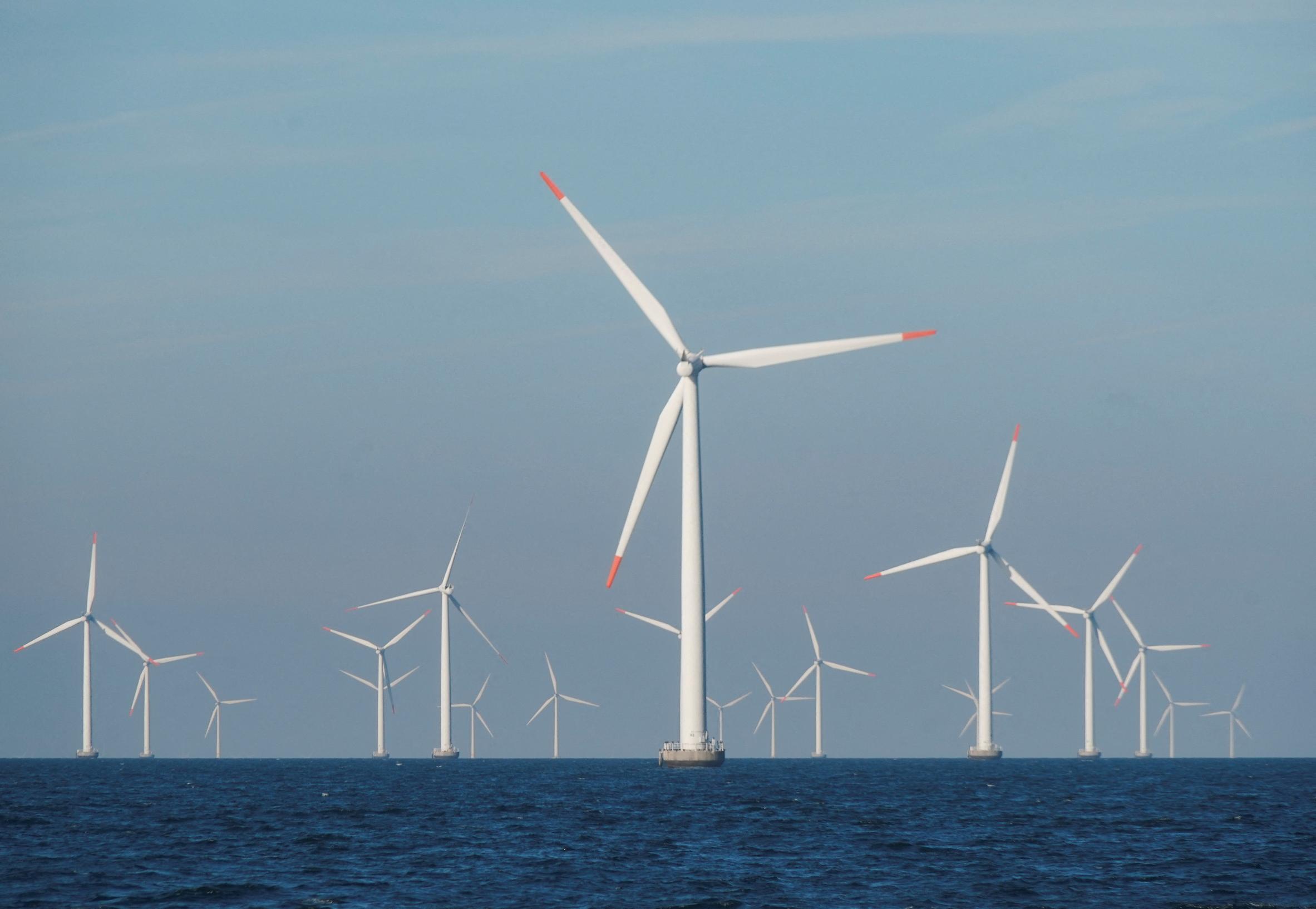
COPENHAGEN, Oct 30 (Reuters) - Denmark's Orsted said on Wednesday it had agreed to sell a 12.45% minority stake in four of its operational British offshore wind farms to Brookfield in a transaction worth 1.75 billion pounds ($2.28 billion). "Today's transaction is an important milestone in the farm-down programme as part of our business plan, supporting our significant re-investment in new assets," Orsted CEO Mads Nipper said in a statement. Orsted, the world's biggest offshore wind farm developer, in February trimmed its investment and capacity targets following a strategic review. ($1 = 0.7689 pounds) Sign up here. https://www.reuters.com/business/energy/orsted-sells-stakes-four-uk-offshore-wind-farms-brookfield-2024-10-30/
2024-10-30 07:43
LONDON, Oct 30 (Reuters) - Glencore (GLEN.L) , opens new tab on Wednesday reported lower copper, cobalt, zinc, nickel and thermal coal production for the first nine months, but reiterated that it expects its trading profit to reach the high-end of its long-term range at up to $3.5 billion. The miner and trader's own sourced copper production fell 4% to 705,200 metric tons, while its own sourced cobalt output fell 18% to 26,500 tons. Glencore left its overall 2024 outlook for copper, a metal needed for energy transition applications, unchanged at between 950,000 and 1.01 million tons. Its trading division, whose profit hit a record $6.4 billion in 2022, includes coal, oil, liquefied natural gas and related products, as well as metals. Glencore expects its full-year marketing earnings before interest and tax (EBIT) in the $3 billion-$3.5 billion range, around the top-end of the firm's long-term forecast range of $2.2 billion to $3.2 billion. The miner has kept its coal business after concluding the purchase of Teck Resources' (TECKb.TO) , opens new tab coking coal assets and securing backing from a majority of its investors who see lucrative earnings from the fossil fuel. CEO Gary Nagle in August said the company could acquire more steelmaking coal. It is one of the largest producers and exporters of thermal coal, with an expected output of between 98 million and 106 million tons this year. It produced 73.1 million tons so far, 7% lower than year-ago levels. Its 2024 steelmaking coal production should increase to 19 million-21 million tons post-acquisition, from 7 million-9 million tons. Sign up here. https://www.reuters.com/markets/commodities/glencore-posts-lower-metals-output-first-nine-months-reiterates-guidance-2024-10-30/

2024-10-30 07:30
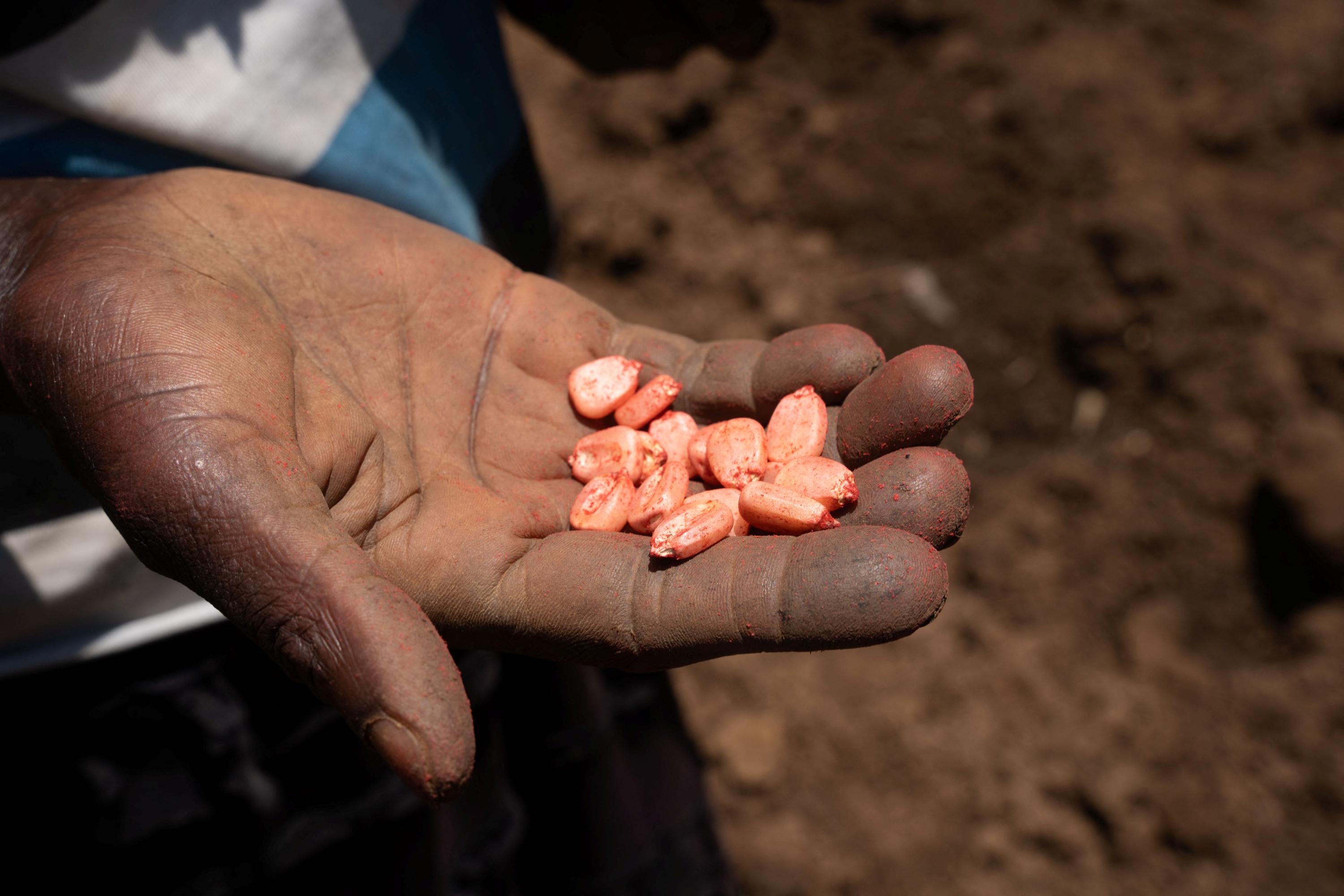
KAKAMEGA/NAIROBI, Kenya, Oct 30 (Reuters) - Catherine Wanjala's small maize farm in western Kenya was suffering. Her crops would stop growing at knee height and her field was peppered with the lilac flowers indicative of witchweed. The parasitic plant, also known as striga, was attacking the maize at its roots, sucking the water and nutrients out of it, meaning she was unable to produce enough to keep her three children fed regularly or in school. A couple of seasons ago, however, Wanjala started coating her maize seeds in a fungal bioherbicide which, unlike traditional pesticides, targets specific weeds while leaving others untouched. Her maize harvest jumped 675% to 270 kg. Kichawi Kill, the bioherbicide made by the social enterprise Toothpick, was launched commercially in Kenya in June last year. The World Food Programme's innovation unit has funded trials to help scale up Kichawi Kill, with the hope the fungus can begin to reach the estimated 1.4 million hectares of land plagued by witchweed across sub-Saharan Africa, WFP's Michael Njagi said. Meanwhile Wanjala's children are back in school full time and no longer miss meals, she said. "I am able to provide for my family and live well with them," she said. Studies show that witchweed attacks maize, rice, millet and sorghum, causing an estimated $7 billion-$14 billion of damage to farms in sub-Saharan Africa every year, roughly the same as the United States' annual aid budget to the region. However, chemical pesticides, while helping farmers grow more intensively, can accumulate in soils and waterways, killing off plants, insects and wildlife, disrupting food chains and causing major biodiversity loss. Kichawi Kill is made from a naturally occurring fungus that has been engineered to help it kill the witchweed it targets more effectively, causing no harm to farmers or the local ecosystem. At a cost of 2,000 Kenyan shillings ($15) to protect an acre of farmland, it produces a five to 10-fold return on investment, Toothpick's studies show. "Using biology to solve biological problems is a far better way than using chemicals," David Sands, a plant pathologist and one of Toothpick's co-founders, said. At the U.N. biodiversity summit in Colombia, known as COP16, nearly 200 countries have been debating how they can save nature from the current rapid rate of destruction, including cutting the use of pesticides. Sands said his early research into the use of fungus to kill specific plants stemmed from the U.S. government wanting to wipe out opium poppy and coca plants in the war on drugs in the 1980s -- a project that was eventually abandoned. Decades later, Kichawi Kill was launched with a very different motive. The fungus has reached over 12,000 farmers like Wanjala, saving almost a million dollars worth of crops. Toothpick is awaiting regulatory approval for Kichawi Kill's commercial use in Uganda, and is initiating trials in Nigeria, Ethiopia, Cameroon and Ghana, said co-founder Claire Baker. ($1 = 128.5000 Kenyan shillings) Sign up here. https://www.reuters.com/world/africa/bioherbicide-helps-lift-kenyas-witchweed-curse-farmers-2024-10-30/