2024-10-29 23:03
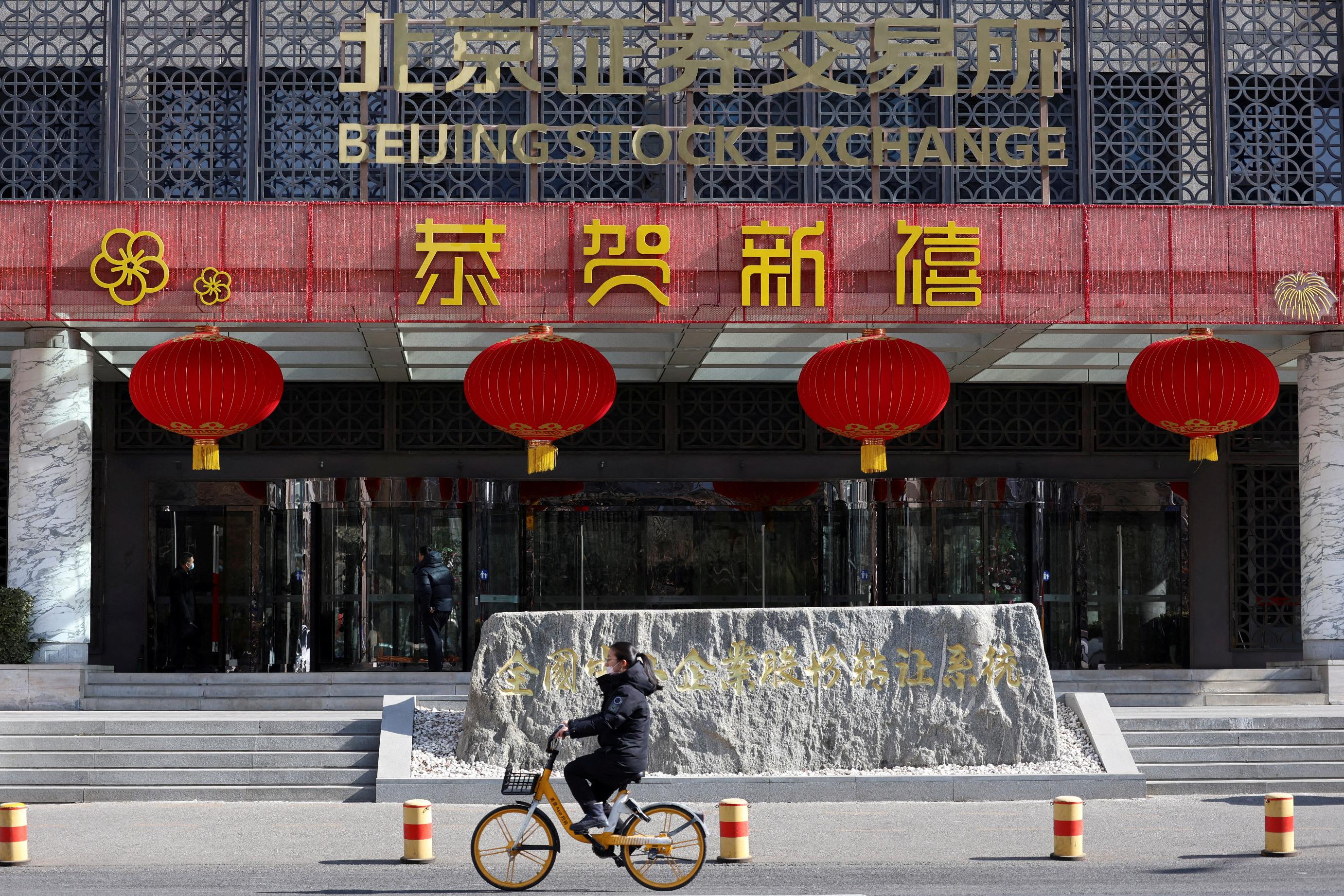
Nov 4 (Reuters) - China's currency and equities will bear the brunt of a protectionist shift in the U.S. and are seen trading sensitively to the election's trade and foreign policy implications. Investors say a win for Donald Trump, particularly if accompanied by a Republican sweep of Congress, is expected to squeeze the yuan and shares in export sectors. A victory for Democrat Kamala Harris is likely to result in opposite trades. Here are how investors see markets moving: DOLLAR/YUAN TO 7.3 ON RED SWEEP China's currency is tightly managed. Still, or perhaps because of that, it is expected to fall if the U.S. hikes tariffs on Chinese goods. Analysts see it sliding to 7.3 per dollar or beyond should Trump - who promises dramatically higher tariffs - win the presidency and especially if Republicans control Congress and the White House. In the lead up to polling day the currency has come under pressure, with exporters reluctant to sell dollars, meaning a rebound may occur if Harris wins office, driving the yuan towards 7 per dollar or below. In the longer run the exchange rate will be driven by the large gap between U.S. and Chinese yields that is likely to persist regardless of the election result and by the trade policy actually imposed by any incoming administration. STOCKS China's equity market is in the midst of recovering from a years-long slump as authorities promise to address weak consumption and a downturn in the real estate sector. The election is peripheral to that but likely to drive price moves in export or sanctions-exposed sectors. Defence (.CSI399813) , opens new tab and telecom (.CSI931235) , opens new tab stocks may receive a boost from a Trump victory, said analysts at Huatai Securities, as investors seek out sectors likely to benefit from state support or those paying handsome dividends. Textile (.CSI931938) , opens new tab, computer (.CSI930651) , opens new tab, machinery (.CSI000812) , opens new tab and home appliance makers (.CSI931021) , opens new tab would likely be sold, they said. However, since both Democrats and Republicans are relatively united in antagonism to China and markets may not react dramatically until there are concrete policy changes announced. OFFSHORE ASSETS Hong Kong stocks and U.S.-listed depositary receipts may be more volatile as they tend to be traded by foreigners and used by hedge funds who want to bet against Chinese assets. Index futures and stocks like Hong Kong-listed China internet companies (.HSTECH) , opens new tab have retraced almost half their recent gains and are likely to be vulnerable if investors go short to hedge election risks. Selling in Hong Kong could also pressure the Hong Kong dollar or widen the premium of mainland stocks against Hong Kong-listed counterparts (.HSCAHPI) , opens new tab. Sign up here. https://www.reuters.com/world/china/whats-stake-chinas-markets-us-election-2024-10-29/
2024-10-29 22:35
Reeves to raise taxes by 40 billion pounds annually Investors react positively, government bond prices rise Company bosses warn higher taxes could undermine economic growth LONDON, Oct 30 (Reuters) - Britain's new finance minister Rachel Reeves announced the biggest tax increases in three decades in her first budget on Wednesday, saying she had to repair the country's broken public services with heavy spending. Businesses and the wealthy faced the brunt of the tax hikes and Reeves also paved the way for higher borrowing for investment to speed up an economy hit by the 2007-09 financial crisis, Brexit, COVID and soaring energy prices. The former Bank of England economist - who told parliament of her pride at being the first female Chancellor of the Exchequer - vowed no repeat of former Prime Minister Liz Truss's unfunded tax cuts which caused a bond slump in 2022. Investors were initially unfazed by the Labour Party's economic programme. But government bond prices fell later as the scale of the planned spending became clear and investors scaled back their bets on Bank of England interest rate cuts next year. Reeves said she would raise taxes by 40 billion pounds ($52 billion) a year, blaming the Conservatives for leaving her Labour Party with a budget "black hole". "Any responsible Chancellor would take action," she said. "That is why today, I am restoring stability to our public finances and rebuilding our public services." She painted a grim picture of record waiting times in the health service, children studying in crumbling schools and dysfunctional transport and justice systems. But in a setback for Reeves, Britain's budget watchdog said the economy would grow less than it previously thought in 2026-2028 after outperforming only slightly in 2024 and 2025. The watchdog said higher public investment was likely to boost growth but mostly only in the 2030s. "This is, in some sense, the central trade-off of this budget," Ben Zaranko, an economist with the Institute for Fiscal Studies think tank, said. "Tens of billions of extra borrowing for investment might push up interest rates but that's seen as a price worth paying for the long-term benefits." Reeves' plans will take the government's tax take to a historic high of 38.2% of economic output by 2030. That is still lower than in many other European economies but is up from 36.4% now and more than 5 points higher than before the pandemic. According to the IFS, tax hikes of 40 billion pounds would be equivalent to 1.25% of economic output, surpassed in recent history only in 1993 by a budget plan under the Conservatives. Prime Minister Keir Starmer had said the budget would target "those with the broadest shoulders" to spare "working people." The yield on 10-year British government bonds - which moves in the opposite direction to prices - was up by about three basis points in late trade after dropping during Reeves' speech. Investors were pricing fewer BoE interest rate cuts in 2025 given the inflationary impact of higher government spending. TAXES UP FOR BUSINESSES AND THE WEALTHY Reeves announced a string of tax increases to meet her new rule for day-to-day spending to be in balance by 2030. The rate of social security contributions paid by employers will rise by 1.2 percentage points to 15% from April, and a threshold at which firms start paying it will fall, generating an extra 25 billion pounds a year in five years' time. Company bosses warned that higher taxes, combined with planned new protections for workers and minimum wage rises, could undermine Labour's growth ambitions. "This is a tough budget for business," Rain Newton-Smith, the Confederation of British Industry's chief executive, said. A cap on a tax on business profits was welcome but the overall rise in employer costs would "hit the ability to invest and ultimately make it more expensive to hire people or give pay rises," she said. Other revenue-raisers included changes to capital gains and inheritances and tax paid by private equity executives, non-domiciled residents, North Sea oil and gas firms and users of private jets and private schools. But Reeves unexpectedly ruled out making more individuals pay basic and higher income tax rates after a freeze on the threshold for payments expires in 2028/29. She also extended a freeze on fuel duty and cut a tax on draught beer in pubs, measures that could help reverse a fall in support for Starmer's fledgling government in opinion polls. Asked by the BBC if she planned further similarly big tax increases in future, Reeves said: "This is not the sort of budget we would want to repeat, this is the budget that is needed to wipe the slate clean." In another significant move, Reeves said she would change a second fiscal rule to allow for more borrowing, paving the way for 100 billion pounds in investment over the next five years. Reeves said she would now target a fall in public sector net financial liabilities as a share of the economy, rather than public sector net debt excluding the BoE. The latest forecasts showed the government was on course to borrow almost 142 billion pounds more over the next five years than previously estimated. Combined with higher taxes, the outlook for investors remained difficult, Neil Birrell, Chief Investment Officer with Premier Miton Investors, said. "It’s likely that gilt and equity markets will view the package as not as bad as it could have been. But with the investment plans being long-term in nature, it doesn’t feel like a budget for growth," he said. ($1 = 0.7686 pounds) Sign up here. https://www.reuters.com/world/uk/uks-new-finance-minister-reeves-lines-up-tax-hikes-borrowing-first-budget-2024-10-29/

2024-10-29 21:48
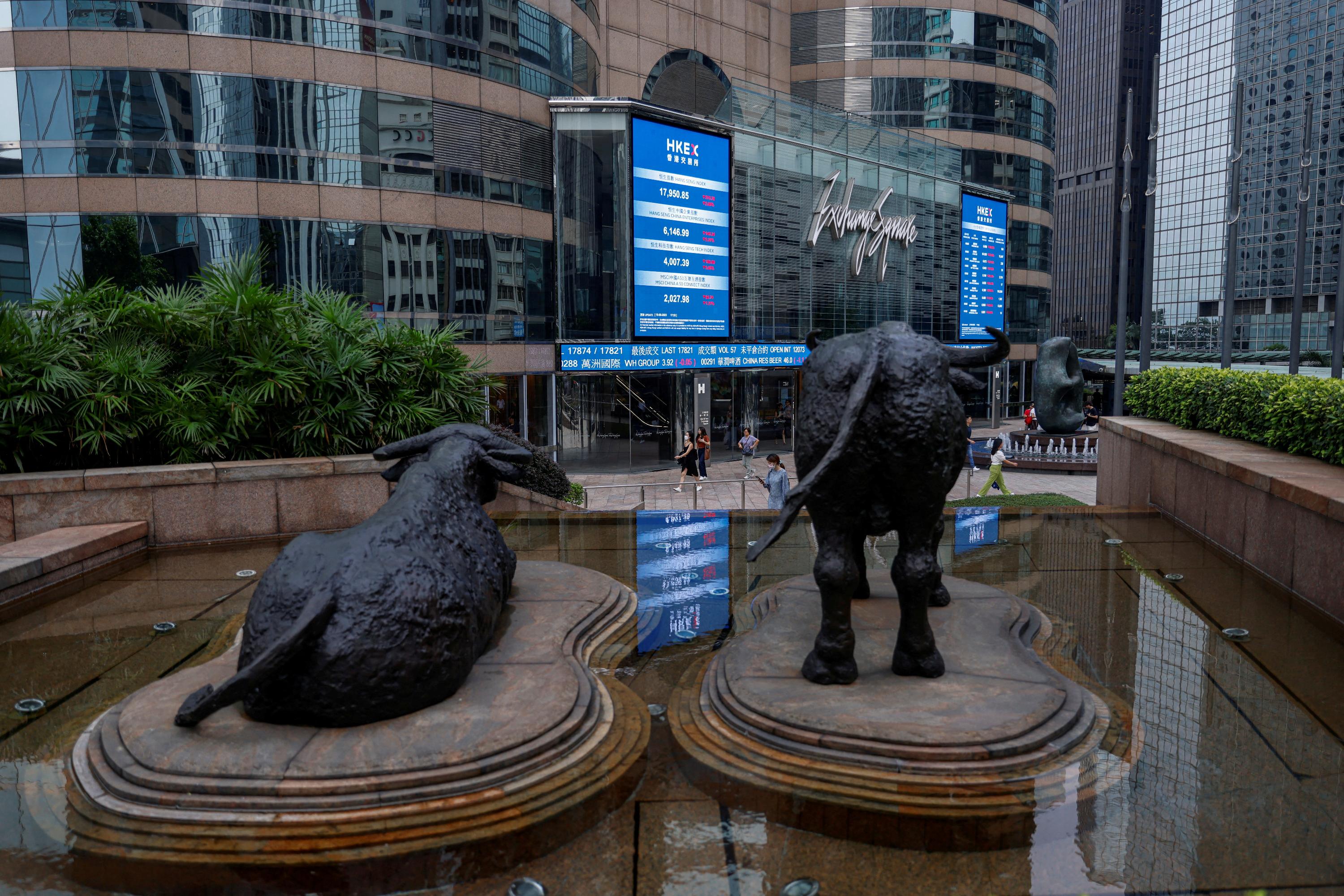
Oct 30 (Reuters) - A look at the day ahead in Asian markets. Markets in Asia appear to lack clear direction at the open on Wednesday, with investors still digesting the news of a potential 10 trillion yuan fiscal boost from China, while weighing the impact of a firm U.S. dollar and buoyant Treasury yields. Political paralysis in Japan following Sunday's inconclusive general election still hangs over markets there, although stocks could benefit from the weak yen and view that political gridlock clips the wings of the Bank of Japan's more hawkish officials. The main events in the Asia and Pacific region's economic calendar on Wednesday include Australian inflation and a monetary policy forum held by the Bank of Thailand, while the BOJ begins its two-day policy meeting. The flow of Asian company earnings picks up pace, with Mitsubishi and Hitachi in Japan, and China's BYD, Standard Chartered and ICBC among the big names reporting on Wednesday. If there is a catalyst for early Asian trading on Wednesday it could come from U.S. corporate news on Tuesday, namely Alphabet's third-quarter results after the closing bell, which sent its shares up as much as 5% in after-hours trade. The Nasdaq hit a record high on Tuesday, and megacaps Meta Platforms, Microsoft, Apple and Amazon report later this week too. Investors in Asia will still be weighing up the exclusive Reuters report on Tuesday that China is considering approving the issuance of over 10 trillion yuan ($1.4 trillion) in extra debt in the coming years to revive its fragile economy, a fiscal package that would be further bolstered if Donald Trump wins the U.S. election. The news failed to prevent Chinese stocks from falling 1% on Tuesday, however, as weakness in the energy and property sectors dragged the market lower. Perhaps the yuan's latest slip to a two-month low could put a temporary floor under stocks. Many analysts believe China needs a weaker exchange rate to boost exports and growth, and steer the economy away from the clutches of deflation. But policymakers must balance that against the possibility that the weaker currency triggers waves of capital flight out of China. However, any positive sentiment may be tempered by another rise in U.S. bond yields and the dollar. The 10-year Treasury yield rose above 4.30% for the first time since July, while the dollar climbed to a three-month high on an index basis. The dollar is on course for its biggest monthly rise in two and a half years, and second biggest in over a decade. Many investors will be feeling the pain - a month ago hedge funds' short dollar position was worth $14.5 billion, according to U.S. futures market data, and that has now been flipped to a net long position worth almost $10 billion. Here are key developments that could provide more direction to markets on Wednesday: - Australia inflation (September, Q3) - Bank of Thailand monetary policy forum - Japan, China corporate earnings Sign up here. https://www.reuters.com/markets/asia/global-markets-view-asia-graphic-2024-10-29/
2024-10-29 21:45
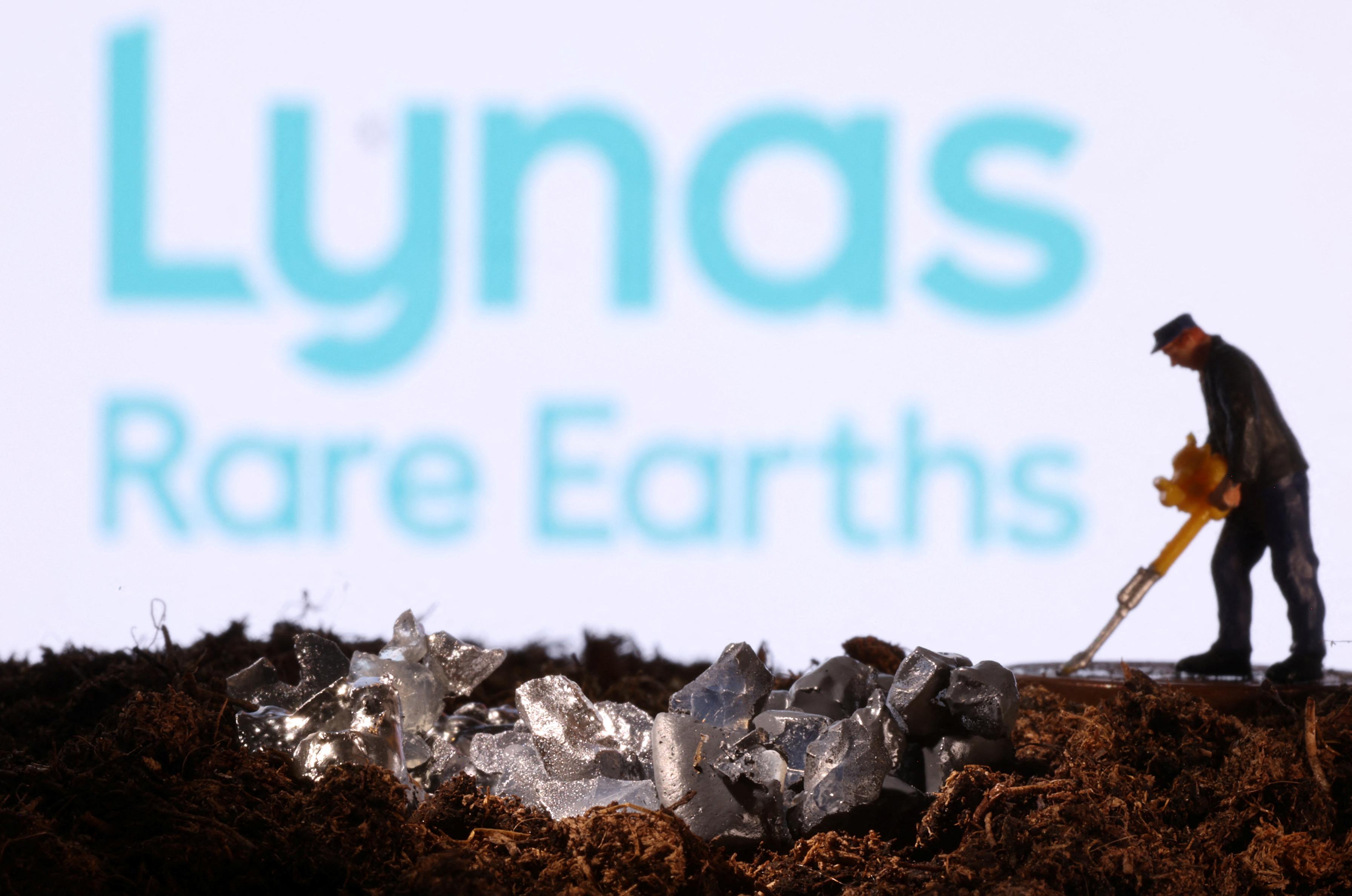
Oct 30 (Reuters) - Australia's Lynas Rare Earths (LYC.AX) , opens new tab reported a nearly 6% decline in first-quarter revenue on Wednesday due to falling prices for strategic minerals and muted demand. Rare earth prices sustained at low levels during the quarter with a slight improvement in neodymium and praseodymium (NdPr) prices towards the end, the company said. The largest producer of rare earths outside China reported sales revenue of A$120.5 million for the three months ended Sept. 30, down from A$128.1 million in the same period last year. The average selling price for the rare earth miner's product range came in at A$42.5 per kilogram (kg) compared with a restated number of A$46.9 per kg a year ago. Total rare-earth oxide output for the first quarter was at 2,722 REO tons, compared to 3,609 REO tons reported last year. Rare earth metals are essential for industries like electric vehicles and defense due to their powerful magnetic properties, which contribute to increased energy efficiency. Sign up here. https://www.reuters.com/markets/commodities/australias-lynas-rare-earths-first-quarter-revenue-falls-nearly-6-2024-10-29/
2024-10-29 21:38
Oct 29 (Reuters) - U.S. solar panel maker First Solar (FSLR.O) , opens new tab has notified several large rivals that it believes they are infringing on its patents on a leading solar technology, executives said on a conference call with analysts on Tuesday. First Solar said it has sent letters, through its attorneys, to Canadian Solar (CSIQ.O) , opens new tab, JA Solar (002459.SZ) , opens new tab, Longi (601012.SS) , opens new tab, Jinko Solar (688223.SS) , opens new tab and Trina Solar (688599.SS) , opens new tab, according to a slide presentation on its web site. First Solar said in July that it held patents on Tunnel Oxide Passivated Contact (TOPCon) crystalline silicon technology and was looking into infringement by rivals. TOPCon's emergence has sparked a flurry of lawsuits in the last year between many of the world's biggest solar manufacturers. None of the companies targeted by First Solar were immediately available for comment. Sign up here. https://www.reuters.com/business/energy/first-solar-says-several-large-rivals-are-infringing-patents-2024-10-29/
2024-10-29 21:32
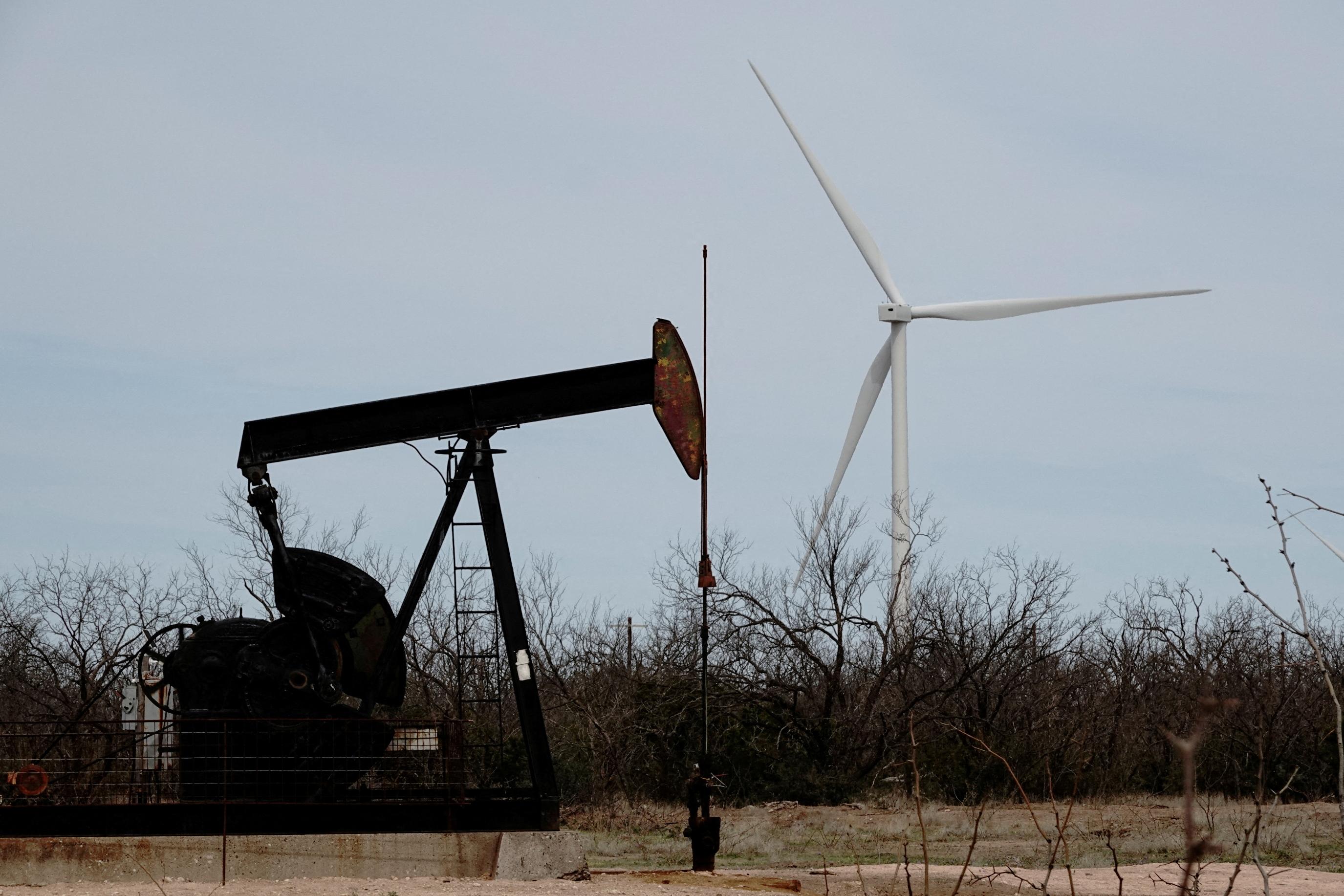
Oct 29 (Reuters) - Republican Donald Trump and Democrat Kamala Harris have a couple of things in common on the issue of U.S. energy policy: both say they want to expand production and keep prices down for consumers. The core difference is that Harris says she wants to do so in a way that favors clean energy technologies crucial to fighting climate change, while Trump would do so by rolling back green regulations that hinder oil and gas drilling and coal mining. That contrast that has come to define the U.S. political debate around energy and climate in recent years, and voters will face it yet again as they prepare to head to the polls next Tuesday to choose their next president. The stakes are huge for global climate efforts, which scientists say are already falling short of addressing the speed and enormity of global warming, and which would take a further hit should the world’s largest historical emitter abandon its efforts to clean up. Here are details about Harris and Trump’s proposed energy and climate policies: 'ENERGY DOMINANCE' The U.S. has become the world’s largest oil and gas producer in recent years thanks to a drilling boom in fields like the Permian Basin under Texas and New Mexico. This happened under the watch of Democratic President Joe Biden, even as he sought to advance the nation’s most ambitious climate agenda that included historic subsidies for solar, wind, and other clean energy technologies as well as regulations to curb greenhouse gas pollution. Trump’s campaign says Trump paved the way for the boom , opens new tab by slashing red tape during his term in the White House. It argues Trump could expand U.S. dominance in fossil fuel production in a second term by rolling back Biden’s climate initiatives. Harris, by contrast, says high oil and gas production are beneficial to the U.S. energy transition , opens new tab by keeping consumer prices low at a time the country is investing in a shift to lower emissions energy sources. She has also said she no longer supports a ban on fracking, the drilling technology that has unlocked much of the new U.S. production, a reversal from her stance during her 2020 run for the White House. INFLATION REDUCTION ACT Trump has said he would "rescind all unspent funds" under the Inflation Reduction Act, the Biden-Harris administration’s signature climate law. The 2022 law includes hundreds of billions of dollars in subsidies for electric vehicles, solar and wind energy, and other clean energy technologies and has drawn huge investments in domestic manufacturing in those industries. Any changes to the law would require an act of Congress and several Republican lawmakers have expressed support for keeping it, or parts of it, in place. Many of Trump’s allies benefit from the IRA through their investments in clean energy technologies. Harris backs the IRA and has said her administration would keep making investments in clean energy if she won the election. PARIS AGREEMENT During his 2017-2021 term as U.S. president, Trump withdrew the U.S. from the Paris Agreement, an international pact to fight climate change, arguing it was unnecessary and put the country at a competitive disadvantage to China. Trump’s campaign said he would do it again if he wins. Harris would keep Washington in the deal, which Biden swiftly rejoined in 2021. THE GRID Trump’s campaign has said the Biden-Harris administration’s efforts to support adoption of electric vehicles and eventually curb the use of fossil fuels poses a risk to the nation’s power grid at a time of soaring electricity demand. It pledged changes that would ease permitting for new power plants. In April, Biden's Environmental Protection Agency finalized rules targeting pollution from power plants, an industry responsible for nearly 25% of U.S. carbon emissions. The rules will effectively require coal-fired power plants and new natural gas-fired generators in the coming decade to capture emissions before they reach the atmosphere. In a Sept. 5 speech, Trump slammed the rule, saying it set the stage "for a catastrophic energy shortfall that will make inflation far worse." "I will immediately issue a National Emergency Declaration to achieve a massive increase in domestic energy supply," Trump said in the speech. "With these sweeping authorities, we will blast through every bureaucratic hurdle to issue rapid approvals for new drilling, new pipelines, new refineries, and new power plants and reactors." Harris’ campaign has also promised to speed up permitting, but mainly for projects that have low or no emissions. "A Harris-Walz Administration will do this by continuing to invest in a thriving clean energy economy and helping realize the full potential of those investments by cutting red tape so that clean energy projects are completed quickly and efficiently in a manner that protects our environment and public health," according to her campaign website. Trump also opposes U.S. auto-emissions regulations announced in March, lumping them into a group of Biden’s green initiatives that he says are distorting markets, driving up prices and limiting consumer choice. Trump has also promised to put an end to the offshore wind industry, already struggling under the weight of high costs and local opposition to projects. The policy differs from that of his first administration, which supported the technology. Harris supports both offshore wind and EVs. LIQUEFIED NATURAL GAS The Biden-Harris administration froze new liquefied natural gas (LNG) export permits in January to study their environmental impacts, an election-year move that pleased green groups and voters. If Harris wins, she will likely be tasked with unwinding the pause and incorporating any new recommendations from the promised review, which the administration says is expected to land after the vote. Trump has said he would immediately lift the freeze, while Harris’ campaign has said her approach on LNG will be guided by the review's outcome. Sign up here. https://www.reuters.com/business/energy/how-do-trump-harris-differ-energy-policy-2024-10-29/