2024-10-28 04:27
SINGAPORE, Oct 28 (Reuters) - PetroChina is set to shut its largest refinery in north China's Dalian around mid-2025, marking the first major closure at a state-run oil plant, part of a long-mooted project to replace it with a smaller facility at a new site, sources said. The planned shutdown of the entire 410,000 barrels per day (bpd) Dalian Petrochemical plant, representing 3% of the country's total refinery output, comes as Chinese refiners struggle with overcapacity and weakened fuel demand from slowing economic growth and the electrification of its car fleet. PetroChina has already shut in 210,000 bpd, or about half of the plant's total crude processing capacity at its Dalian Petrochemical subsidiary, said the sources, declining to be named as the matter is not public. PetroChina did not immediately respond to a request for comment. The closures are part of a long-proposed plan pushed by Dalian to relocate the refinery, which is in a densely populated area near downtown, after several deadly accidents including a major oil spill in 2010, an explosion in 2013 and a fire in 2017, the sources said. Under a framework agreement announced by Dalian authorities in November 2022, CNPC, parent of PetroChina, agreed to build a new 70-billion yuan ($9.84 billion) refinery and chemical complex on Changxing island, about two hours' drive from downtown Dalian. The new project would encompass a 200,000 bpd crude refinery, which is half the current plant's capacity, and a 1.2 million ton-per-year ethylene complex, Dalian's government said at the time. However, the project remains at a pre-feasibility stage and PetroChina has not taken a final investment decision, said two of the sources. PetroChina earlier this month shut a 90,000 bpd crude distillation unit (CDU) indefinitely at Dalian, sources said, one of the country's oldest refineries, with history dating to 1933. This follows closure of a 120,000-bpd CDU around October last year, sources said, leaving the third and the last unit, a 200,000-bpd CDU running. "The shutdowns are based on a pre-set timeline," said a senior industry executive with direct knowledge of the matter. Sign up here. https://www.reuters.com/business/energy/petrochina-set-shut-top-north-china-refinery-2025-sources-say-2024-10-28/

2024-10-28 04:07
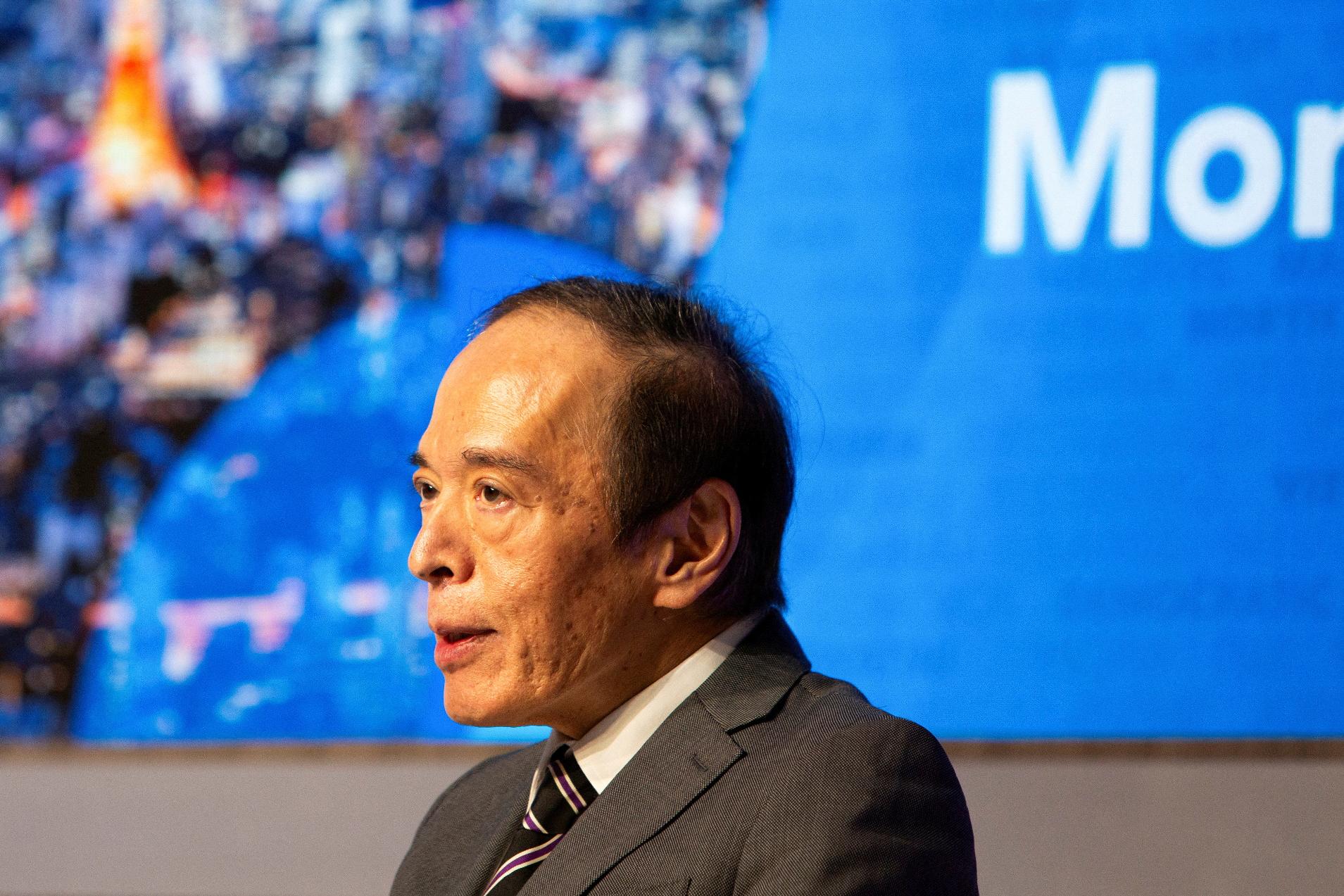
August rout leads to discussions on better communication BOJ chief Ueda says speaking 'a bit more' could have been nice Deputy governor Himino points to ambiguous 'BOJ speak' IMF sees no problem with way BOJ communicated on policy shifts WASHINGTON, Oct 28 (Reuters) - Aside from the mixed policy signals dropped during his trip to the International Monetary Fund and World Bank meetings in Washington, Bank of Japan Governor Kazuo Ueda offered a glimpse of how the central bank was doing some soul searching on ways to better communicate with markets. The BOJ was blamed for amplifying a market rout in early August with its surprise interest rate hike in July, and Ueda's comments pledging to keep pushing up rates if sustainable achievement of its 2% inflation target was foreseen. While the direct trigger of the August sell-off was weaker-than-expected U.S. labor market data that fueled concerns the Federal Reserve should have started rate cuts earlier, the experience has led to discussions within the BOJ on ways to avoid future rate hikes from becoming a huge market surprise. To be sure, BOJ officials had dropped signs of a chance of a July rate hike by saying the central bank would "adjust the degree of monetary accommodation" if inflation moved in line with its forecast. But the signals did not resonate with many market players, who saw consumption as too weak to justify a hike. For Deputy Governor Ryozo Himino, the problem was the BOJ's ambiguous, technical language that proved hard for markets to digest. "Communication is not about what we intend to convey, but about what actually reaches people's mind," he told a seminar in Tokyo earlier this month. "I remember being baffled by the 'BOJ speak' when I joined the bank a year and half ago." Reserve Bank of New Zealand Governor Adrian Orr seemed to agree, explaining how central banks "need to tell a story that people can understand." "They need to show empathy - seeing things through the eyes of many and speaking in plain language," Orr said in a speech on Wednesday on the sidelines of the IMF meetings. In the weeks ahead of July's move, though, Ueda had no public events at which he could remind the financial press and markets of the BOJ's basic policy strategy. "There was a period in July where there were no communication, explicit or formal communication, between board members, and the market and media," he said in a seminar at the IMF on Wednesday. "Even though we may have said the same thing as we were saying in June, it could have been nice to speak a bit more in July," he said, when asked what the BOJ could have done differently. NO SILVER BULLET Aside from the press briefings after the eight policy meetings held each year, the BOJ governor delivers speeches at set events roughly once every two-to-three months. Each of the nine board members speak roughly twice a year outside of Tokyo. The schedule of these events are set well in advance with little room to shift around the dates. There were no such events planned in July where BOJ board members could have used to communicate their views to markets. Meanwhile, their policymaker counterparts at both the Fed and European Central Bank collectively often speak at a couple of dozen or more public events between meetings. Fed officials spoke during at least 40 public appearances between their September meeting and the onset of the blackout period ahead of their Nov. 6-7 meeting. And in just the last week, two-thirds of the ECB's governing council spoke publicly, some having three or more appearances. Some BOJ board members have flagged ideas like increasing the number of media opportunities, or enhancing the BOJ's market intelligence. But communicating in a unified voice could prove challenging if each policymaker interprets data differently in deciding whether conditions for raising rates were falling into place. "We can't telegraph all our future movements ex ante," Ueda said on Wednesday. "What we can do is to explain carefully what our economic outlook is and explain the basic monetary policy strategy." Not all outside observers see the BOJ as having muffed its communications. For example Nada Choueiri, the IMF's Japan mission chief, sees nothing wrong with the way the BOJ communicated its policy intentions. "The BOJ has been saying that they would remain flexible and data dependent, and they explained in the monetary policy statement that the upside risks to inflation have increased," which was a good rationale to hike rates in July, she said. "The trigger for (the August) turmoil was really the data of the U.S. It wasn't the BOJ policy, and certainly not their communication." The search for a solution will likely continue and could lead to changes in the way the BOJ delivers its messages, such as an increase in media interviews by its executives. "There is no silver bullet in better communication. Each approach comes with pros and cons, and I would say that there is no clear consensus yet among board members about future approaches to pursue," deputy governor Himino said. "But I can testify that there is a strong will among us to learn from what happened, and continue to try to do better." Sign up here. https://www.reuters.com/markets/rates-bonds/boj-quest-better-communication-more-rate-hikes-loom-2024-10-28/
2024-10-28 04:05
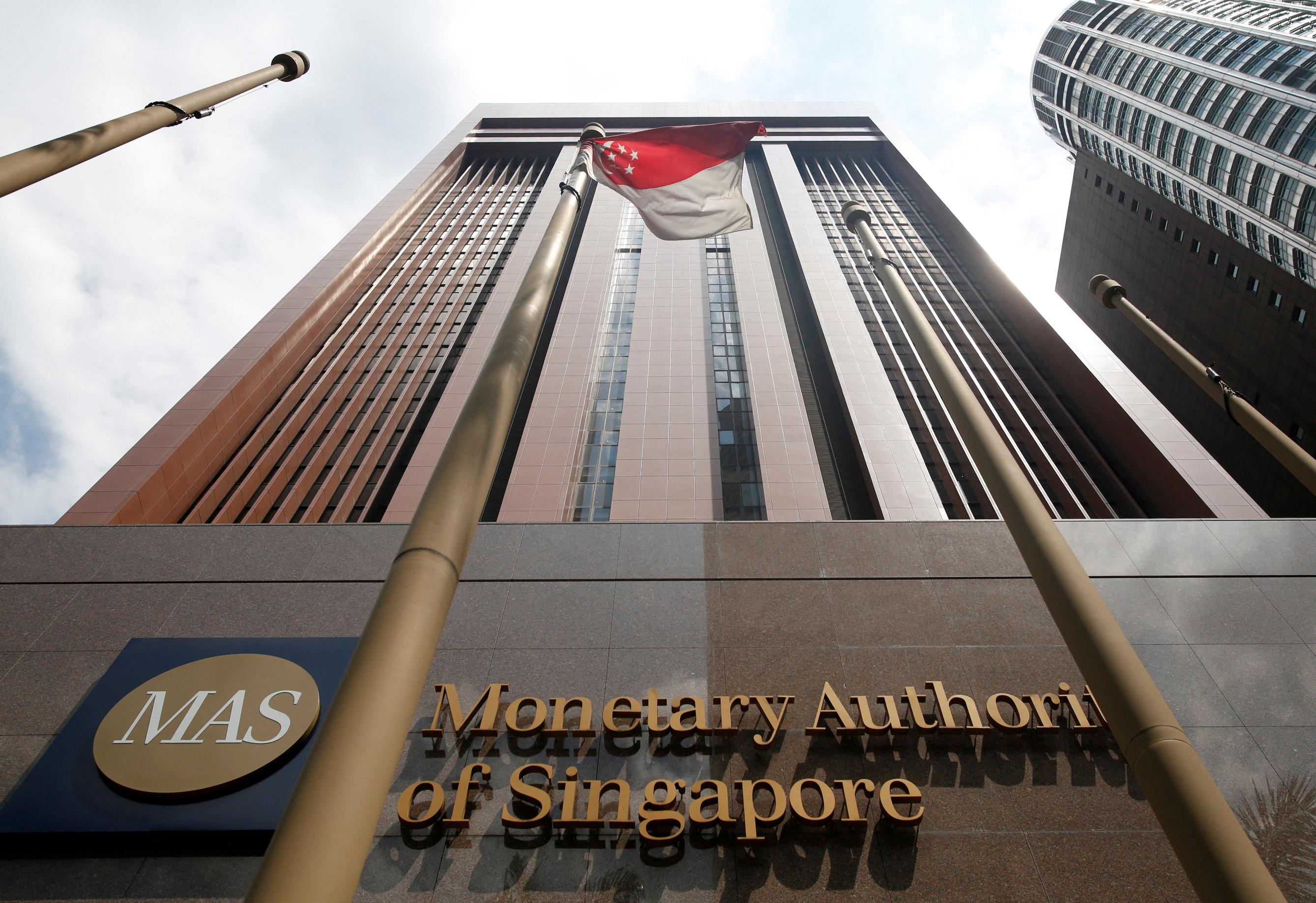
SINGAPORE, Oct 28 (Reuters) - Singapore's central bank said on Monday it expects 2024 gross domestic product growth at the upper end of the 2%-3% forecast range, and for next year to have a similar growth pace. In its macroeconomic review released on Monday, the Monetary Authority of Singapore (MAS) said economic growth "strengthened decisively" in the third quarter and pegged the performance to recovery in the manufacturing sector, increased trading in the financial sector and the return of Chinese tourists after a visa exemption started in February. Preliminary data showed Q3 GDP was up 4.1% , opens new tab year-on-year after posting 2.7% growth in Q2. The central bank cautioned that 2025 has a risk of lower growth for Singapore, a trade-dependent regional financial hub, because of heightened global uncertainties. "The outcome of the upcoming U.S. presidential election, an escalation in geopolitical tensions including in the Middle East, or a sharper slowdown in China could adversely affect global trade and growth, and in turn weigh on Singapore's economic prospects," said the MAS. "Additionally, the durability of the AI-led global tech cycle recovery remains uncertain and could be sensitive to aggregate demand conditions." The MAS maintained that core inflation should ease to around 2% by the end of this year despite inflation rising to 2.8% on an annual basis in September after hitting a 2-1/2 year low of 2.5% in July. It expects core and headline inflation to average 1.5%–2.5% in 2025. "Given the progressive decline in inflation, the risks to Singapore’s inflation outlook are now assessed to be more balanced compared to previous monetary policy reviews," said the MAS, which held its monetary policy settings again this month in its last review of the year. Sign up here. https://www.reuters.com/markets/asia/singapore-central-bank-expects-gdp-upper-end-2-3-range-2024-2025-2024-10-28/
2024-10-28 03:56
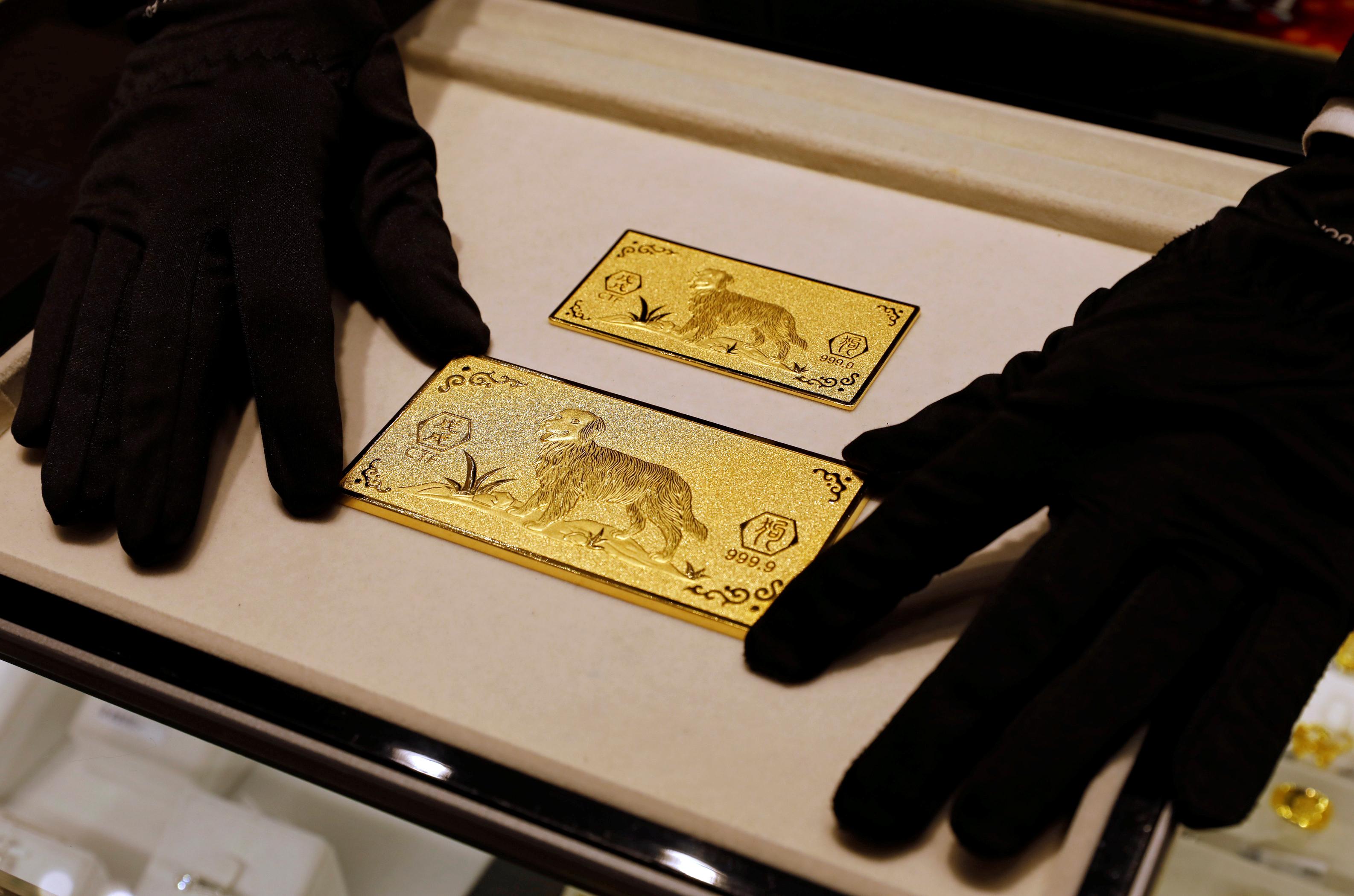
Gold jewellery purchase falls 27.53% y/y Buying for gold bars and coins climbs 27.14% y/y Domestically produced gold dips 1.17% y/y China's total gold output increases 3.2% y/y BEIJING, Oct 28 (Reuters) - China's gold consumption in the first three quarters of 2024 slid 11.18% from the same period a year ago to 741.732 metric tons as high prices dented buying interest for jewellery products, the state-backed gold association said on Monday. Gold jewellery buying, which accounts for 53.9% of total consumption, slipped during January to September to 400.038 tons, down 27.53% from the prior year period, data from the China Gold Association showed. "Gold prices have been on the rise over the first three quarters, affecting jewellery buying, although the rapid development of new e-commerce models such as live streaming and instant retail has driven the growth of small gram gold jewelry consumption," the association said. The most-active gold contract on the Shanghai Futures Exchange jumped by 23.5% from the beginning of the year to 596.72 yuan ($83.69) a gram on Sept. 30. The contract climbed over 600 yuan a gram to hit a record at 630.44 yuan a gram on Oct. 23 amid the intensified conflict in the Middle East. Purchases of gold bars and coins, which usually reflect safe-haven demand, climbed by 27.14% to 282.721 tons thanks to "relatively low premium", it said. OUTPUT China's gold output from domestically produced raw materials dipped by 1.17% to 268.068 tons in the first three quarters of the year. "The domestic industry is in the middle of old-new capacity conversion with the newly built large mines yet to form new production capacity, so output did not pose the expected increase," the association said. "But in the long run, the future (of domestic gold output) is promising despite the temporary fall." Output of gold from imported raw materials increased 15.51% on the year to 111.207 tons, bringing the total gold output in China from January to September to 379.275 tons, an annual rise of 3.2%. ($1 = 7.1303 Chinese yuan) Sign up here. https://www.reuters.com/markets/commodities/china-jan-sept-mined-gold-output-falls-117-yy-gold-association-says-2024-10-28/
2024-10-28 00:43
US stocks end higher, with earnings, jobs report this week Crude oil settles 6% lower Yen hits three-month low after election NEW YORK, Oct 28 (Reuters) - Global stock indexes rose on Monday as investors awaited earnings reports this week from several of the biggest U.S. tech-related companies, while oil prices dropped 6% after Israel's retaliatory strike against Iran at the weekend bypassed oil and nuclear facilities. The Japanese yen fell to a three-month low against the dollar following an election in Japan thrust the country into political turmoil. U.S. earnings season is in full swing, with a long list of names due to report this week including five of the biggest U.S. companies: Google parent Alphabet (GOOGL.O) , opens new tab, Microsoft (MSFT.O) , opens new tab, Facebook owner Meta Platforms (META.O) , opens new tab, Apple (AAPL.O) , opens new tab and Amazon.com (AMZN.O) , opens new tab. The week also brings the U.S. jobs report for October on Friday, while investors are keeping a close eye on political news with the U.S. presidential election just over a week away. Employers are expected to have added 123,000 jobs during October, while the unemployment rate is likely to have stayed steady at 4.1%, according to economists polled by Reuters. (USNFAR=ECI) , opens new tab, (USUNR=ECI) , opens new tab The election for U.S. president is expected to be close. Vice President Kamala Harris, a Democrat, was leading Republican Donald Trump nationally by a marginal 46% to 43%, a recent Reuters/Ipsos poll showed. Election Day in the U.S. is Nov. 5. Benchmark 10-year U.S. Treasury yields hit a three-month high ahead of this week's data and the election. They were last up 4.4 basis points at 4.274% in afternoon U.S. trading. "It's the calm before the storm," said Subadra Rajappa, head of U.S. rates strategy at Societe Generale in New York. "A lot of investors are a little bit more cautious heading into the elections." Oil prices tumbled as worries about a wider Middle East war eased. Brent futures settled at $71.42 a barrel, down $4.63 or 6.09%. WTI U.S. crude futures settled at $67.38, down $4.40 or 6.13%. Energy shares eased along with oil prices, with the S&P 500 energy sector (.SPNY) , opens new tab ending down 0.7%, while the three major U.S. stock indexes closed higher. The Dow Jones Industrial Average (.DJI) , opens new tab rose 273.17 points, or 0.65%, to 42,387.57, the S&P 500 (.SPX) , opens new tab rose 15.40 points, or 0.27%, to 5,823.52 and the Nasdaq Composite (.IXIC) , opens new tab rose 48.58 points, or 0.26%, to 18,567.19. Shares of Trump Media & Technology Group (DJT.O) , opens new tab, parent company of Trump's Truth Social platform, surged 21.6% on Monday, extending a recent rally. MSCI's gauge of stocks across the globe (.MIWD00000PUS) , opens new tab rose 2.44 points, or 0.29%, to 847.93. The STOXX 600 (.STOXX) , opens new tab index rose 0.41%. The yen remained under pressure as the election loss by Japan's ruling coalition raises political and monetary policy uncertainty. Japan's ruling Liberal Democratic Party lost its parliamentary majority. The party, with junior coalition partner Komeito, won 215 lower-house seats in Sunday's election, public broadcaster NHK reported, well short of the 233 needed for a majority. Against the yen, the dollar rose by as much as 1% to a high of 153.88, the yen's weakest level since late July. The dollar was last up 0.64% at 153.28. Also, the dollar index , which measures the greenback against a basket of currencies, fell 0.08% to 104.30, and the euro was up 0.19% at $1.0813. Sign up here. https://www.reuters.com/markets/global-markets-wrapup-1-2024-10-28/
2024-10-28 00:30
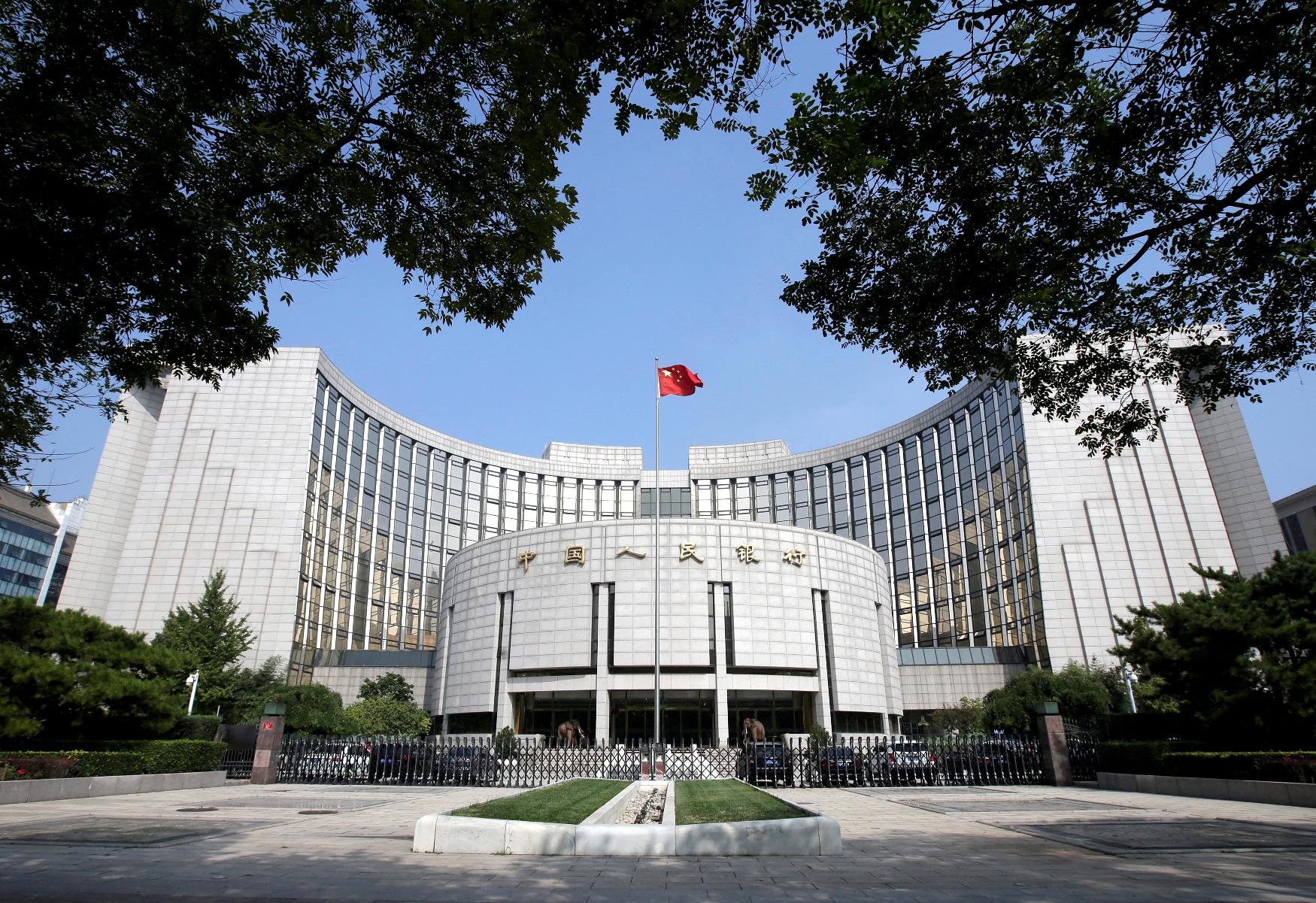
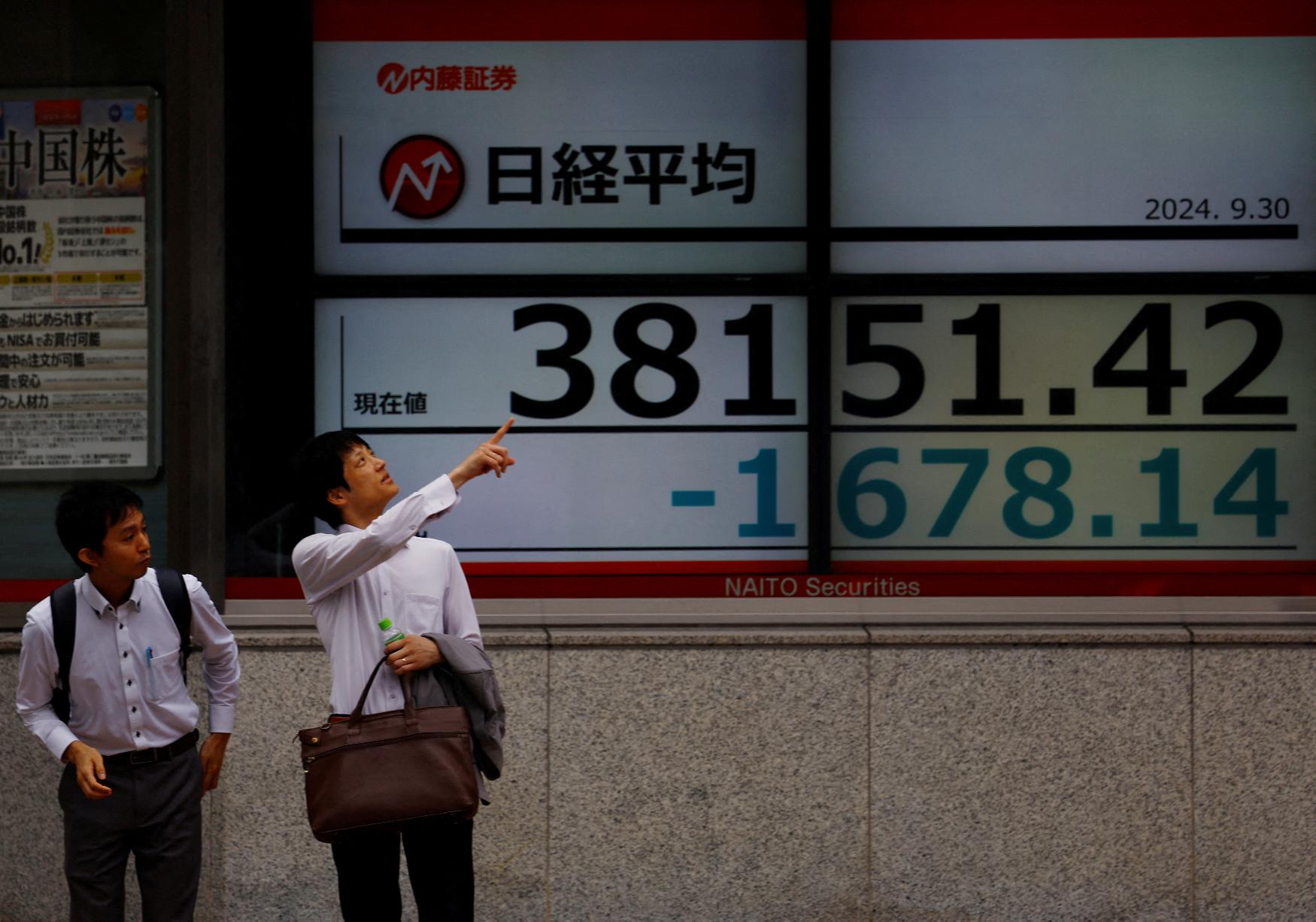
China launches new lending tool to counter year-end shortfall Some 2.9 trillion yuan of medium-term loans due to expire Central bank under pressure to see economy hit 5% growth target BEIJING, Oct 28 (Reuters) - China's central bank launched a new lending tool on Monday to inject more liquidity into the market and support credit flow in the banking system ahead of the expiration of trillions of yuan in loans at the end of the year. The People's Bank of China said in a statement it had activated the open market outright reverse repo operations facility to "maintain a reasonable abundance of liquidity in the banking system and further enrich the central bank's policy toolbox". Some 2.9 trillion yuan ($406.6 billion) in medium-term loans are due to mature between now and the end of December, which would make it harder for banks to finance investment and revive flagging growth in the world's second-largest economy. Despite taking effect on Monday, the PBOC did not mention the new tool in its open market operations statement. In a separate statement announcing the new facility, the PBOC said it would use it to trade with primary dealers in OMO on a monthly basis. The announcement said the new tool would have a tenor of less than one year, longer than those for regular reverse repo operations, which typically have tenors of seven, 14 or 28 days, are conducted daily and normally require collateral. "It looks like a technical optimisation, part of an effort by the central bank to make its monetary policy framework more functional and to better regulate liquidity provision," said Xu Tianchen, senior economist at the Economist Intelligence Unit. "This type of repo is far more common in the European Union and the United States, so it's a step to modernise the PBOC's policy toolbox and bring it more in line with them," he added. Beijing is counting on massive financial stimulus announced in September to kick-start lending and investment, as a sharp property market downturn and frail consumer confidence weigh on investor confidence. The PBOC, which has steadily reduced interest rates and injected liquidity, is under pressure to do more to ensure the economy grows at the government's target of around 5% this year. State-owned Shanghai Securities News said in an article published shortly after the PBOC notice that the new tool would cover three- and six-month tenors and aid liquidity adjustments over the next year, citing people close to the central bank. "The central bank's choice to launch this new tool at this time is also expected to be a better hedge against the concentrated expiry of medium-term lending facility before the end of the year," the article added. ($1 = 7.1326 Chinese yuan) (This story has been refiled to fix the spelling of economist Xu Tianchen's name in paragraph 7) Sign up here. https://www.reuters.com/markets/asia/china-central-bank-activates-open-market-outright-reverse-repo-operations-2024-10-28/