2024-10-25 09:34
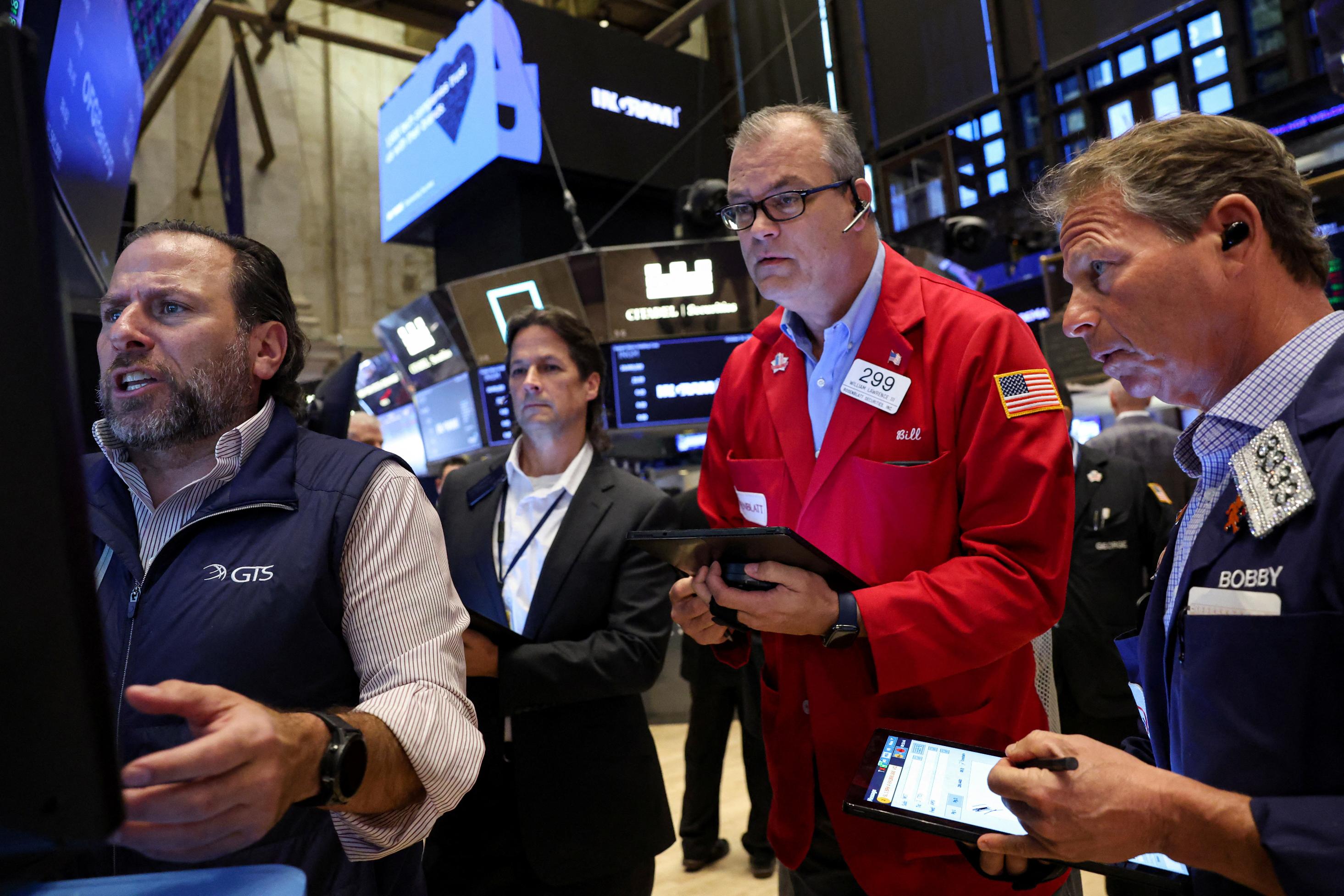
LONDON, Oct 28 (Reuters) - Traders will have their work cut out keeping up with Japan's snap election, U.S. jobs data, a UK budget, euro zone growth numbers and a slew of third-quarter earnings. And as a U.S. presidential election nears, global market swings are getting bigger. Here's all you need to know about the week ahead from Lewis Krauskopf in New York, Kevin Buckland in Tokyo and Naomi Rovnick, Amanda Cooper and Sinead Cruise in London. 1/ MEGACAPS, THEN JOBS A full-on week of U.S. earnings is capped by Friday's key jobs data. Five of the "Magnificent Seven" U.S. titans report quarterly results: Google parent Alphabet (GOOGL.O) , opens new tab on Oct. 29, Microsoft (MSFT.O) , opens new tab and Facebook parent Meta Platforms (META.O) , opens new tab on Oct. 30, and Apple (AAPL.O) , opens new tab and Amazon (AMZN.O) , opens new tab on Oct. 31. The companies have an outsized influence on markets because of their massive market values. Tesla (TSLA.O) , opens new tab, the first of the "Magnificent Seven" to report, said on Wednesday it expects to achieve slight growth in vehicle deliveries this year and reported a higher-than-expected third-quarter profit margin. Economists meanwhile expect the U.S. economy created 140,000 new jobs in October, versus 254,000 in September. Two significant storms could skew the data, which comes just ahead of the Nov. 5 U.S. election and a potential 25-basis-point rate cut from the Federal Reserve on Nov. 7. 2/ SNAP Japanese voters punished the ruling Liberal Democratic Party for a spate of scandals on Sunday. From an outright parliamentary majority heading into the election, Prime Minister Shigeru Ishiba's LDP emerged without a mandate even combined with coalition partner Komeito. In a news conference on Monday, Ishiba again vowed to stay on, saying such trying economic and geopolitical times call for continuity. Protracted political wrangling is the likely next phase, as the coalition seeks allies to remain in power - although concessions are expected. Even bigger fiscal spending seems a given, particularly with a senate election in July. And likely partners tend to favour easy monetary policy. The yen tumbled as much as 1% to a three-month trough in response. But unexpectedly, the Nikkei stock average shook off early softness to rally some 2%, buoyed by the weaker currency and relief that the election had passed. 3/ TRICK OR TREAT? Britain's new Labour government unveils its first budget on Wednesday. With few choices available to finance minister Rachel Reeves as she balances high debt, public spending pledges and a promise not to hike income tax, markets fear extra borrowing and tax grabs on capital gains, dividends and inherited wealth. The 10-year gilt yield is about 18 bps higher this week, dragged up in part by rising U.S. Treasury yields, even after soft inflation fuelled hopes for UK rate cuts. Gripped by budget uncertainty, UK stocks are underperforming again after a promising pre-election rally for these long-term laggards. But bullish UK investors, a thinning crowd, reckon British markets could bounce if Reeves' Halloween-eve budget is less frightening than Labour's gloomy assessments of the economy suggested. 4/ EVEN SICKER MAN The euro is witnessing one of its worst runs ever. It has only posted four up-days in the last month, its weakest performance since May 2012, when a sovereign debt crisis threatened the survival of the currency bloc. The prospect of U.S. rates not falling as quickly as anticipated has boosted the dollar, while expectations for Republican Donald Trump to win the November election are hitting the euro, given the risk of a sharp rise in U.S. tariffs on European goods. The European Central Bank is expected to ramp up rate cuts as the currency bloc's economy sputters, especially in Germany. Europe's powerhouse is deteriorating faster than any other industrialised country and the coming week brings data on growth and inflation that are unlikely to offer much reassurance. 5/ TRUST US UBS (UBSG.S) , opens new tab and HSBC (HSBA.L) , opens new tab are leading European banks reporting Q3 earnings in the coming days, following Deutsche Bank and Barclays. The sector is healthier than at any point since the global financial crisis, yet investors want reassurance they can trust its longer-term earnings power as interest rates fall. Besides looking for evidence of asset quality resilience, they want a sharper strategy, lower costs and the potential to outperform in a low growth global economy. HSBC has already set the tone this week, unveiling a streamlined executive committee and a merger of some costly banking operations in a sweeping restructuring along East-West lines. But as Deutsche showed, past problems can still detract from future goals. The German lender blamed a lacklustre domestic economy for higher provisions against a possible rise in bad debts to 1.8 billion euros ($1.95 billion) for the full year, from 1.5 billion euros last year. ($1 = 0.9239 euros) Sign up here. https://www.reuters.com/business/take-five/global-markets-themes-graphic-2024-10-25/
2024-10-25 07:52
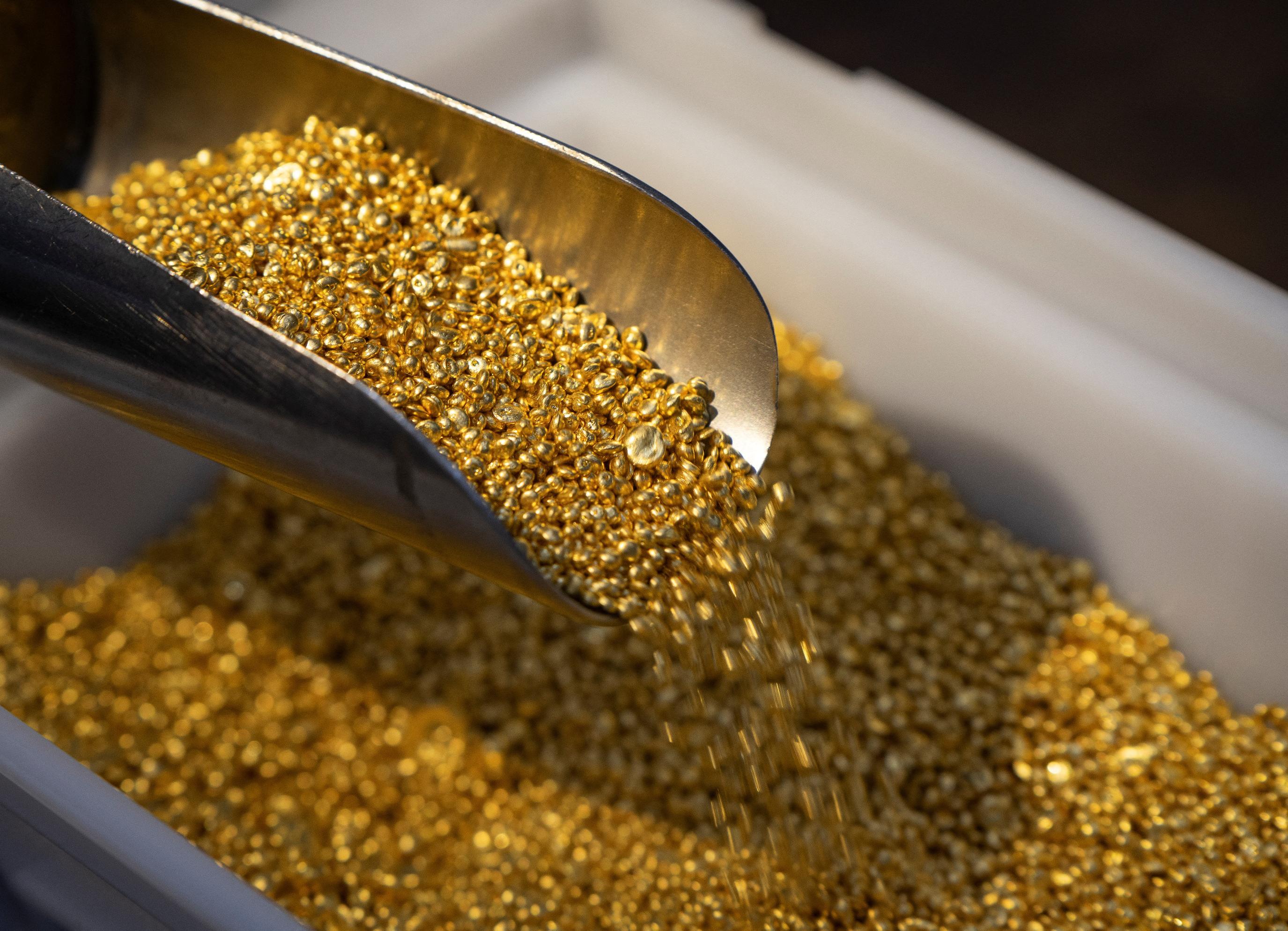
US GDP, PCE inflation data due next week Israeli military strikes kill 38 in Khan Younis Palladium hits ten-month high Oct 25 (Reuters) - Gold prices edged up on Friday after recovering from a profit-taking bout as Middle East tensions and U.S. election jitters supported prices, while palladium prices extended gains to 10-month highs. Spot gold was up 0.2% at $2,741.50 per ounce by 01:44 p.m. ET (1744 GMT). Prices hit a record $2,758.37 on Wednesday and logged a third straight weekly gain. U.S. gold futures settled 0.2% higher at $2,754.60. The fact that maybe something is going to happen this weekend between Israel and Iran could have triggered some safe-haven buying going into the weekend, said Bob Haberkorn, senior market strategist at RJO Futures. At least nine Palestinians were killed and several wounded in an Israeli air strike on Al-Shati, medics told Reuters. Non-yielding gold has risen over 32% so far this year as safe-haven demand stemming from ongoing tensions in the Middle East bolstered prices, along with a half-point basis cut by the Federal Reserve. Uncertainty around U.S. presidential elections also boosted bullion demand as opinion polls show the race to the White House remains tight. Gold has rallied despite gains in the U.S. dollar, which is set for its fourth weekly rise on increasing odds of a Donald Trump victory. Gold prices have slipped back into anti-traditional-driver mode in recent weeks, seemingly caught up in a wider "Trump trade," Capital Economics said in a note. "One can make logical cases for gold prices to rise further from here. But we would stress that gold is not a one-way bet," Capital Economics said as they see a good chance of a sizeable price correction. Spot palladium hit a ten-month high for the second consecutive day, amid concerns about exports from Russia. It was last up 3.2% at $1,194.36 per ounce. Palladium rose 9% on Thursday following news that the U.S. asked Group of Seven allies to consider additional ways to restrict Russian revenues for the metal sector by exploring restriction on palladium and titanium. Spot silver fell 0.3% to $33.61 per ounce after hitting a 12-year high of $34.87 earlier this week. Platinum lost 0.2% to $1,024.20. Sign up here. https://www.reuters.com/markets/commodities/gold-eyes-weekly-gains-geopolitical-uncertainty-boosts-appeal-2024-10-25/
2024-10-25 07:24
NEW DELHI, Oct 25 (Reuters) - India's Reliance Industries Ltd(RELI.NS) , opens new tab, operator of the world's biggest refining complex, is restructuring its trading operations, including moving most of its Dubai crude oil trading team back to Mumbai, two sources familiar with the plan said. The relocation of its crude trading team by the end of this year comes after the private refiner secured long-term oil supplies from Russia, reducing the need to buy spot cargoes, said one of the sources, who spoke on condition of anonymity as the information was private. "Now Reliance has a crude import deal with Russia. It also has evergreen kind of crude import deals with major producers in the Middle East, so there is no need to incur extra cost for keeping the staff there," the source said. Reliance did not respond to Reuters' email seeking comments. In 2021, the private refiner, controlled by billionaire Mukesh Ambani, announced the opening of an office in UAE to trade oil and refined fuels including petrochemicals. A year later, Reliance moved its crude trading team to Dubai as the city became the hub for Russian oil trade after the invasion of Ukraine by Moscow. The conglomerate, which rarely used to buy Russian oil in the past, now imports about two-fifth of its oil needs from Moscow, data obtained from trade sources showed. Reliance's two sophisticated refineries at its Jamnagar complex can process nearly 1.4 million barrels of oil daily. The private refiner is capable of processing some of the toughest heavy crude grade, sold at discounts which improves its profit margins. Reliance currently has about 20 crude traders in the Dubai office, the sources said. "Barring 3-4 crude traders all will be (moved) back to Mumbai," the second source said, adding that the remaining traders will eventually return to Reliance's headquarters. The company has already informed its Dubai traders about the plans to relocate them to Mumbai, the sources said. Reliance plans to keep its product trading team in Dubai for the time being, the first source said. The Indian conglomerate also has trading offices in Houston and London. Reliance plans to expand its team in London, the sources said. In the last quarter, Reliance transferred its petrochemical trade team from Dubai to Malaysia where it owns production facilities, they added. Reliance owns Recron, an integrated polyester and textile company, and RP Chemicals in Malaysia. Sign up here. https://www.reuters.com/markets/commodities/reliance-move-dubai-crude-team-back-india-global-trade-rejig-sources-say-2024-10-25/
2024-10-25 07:13
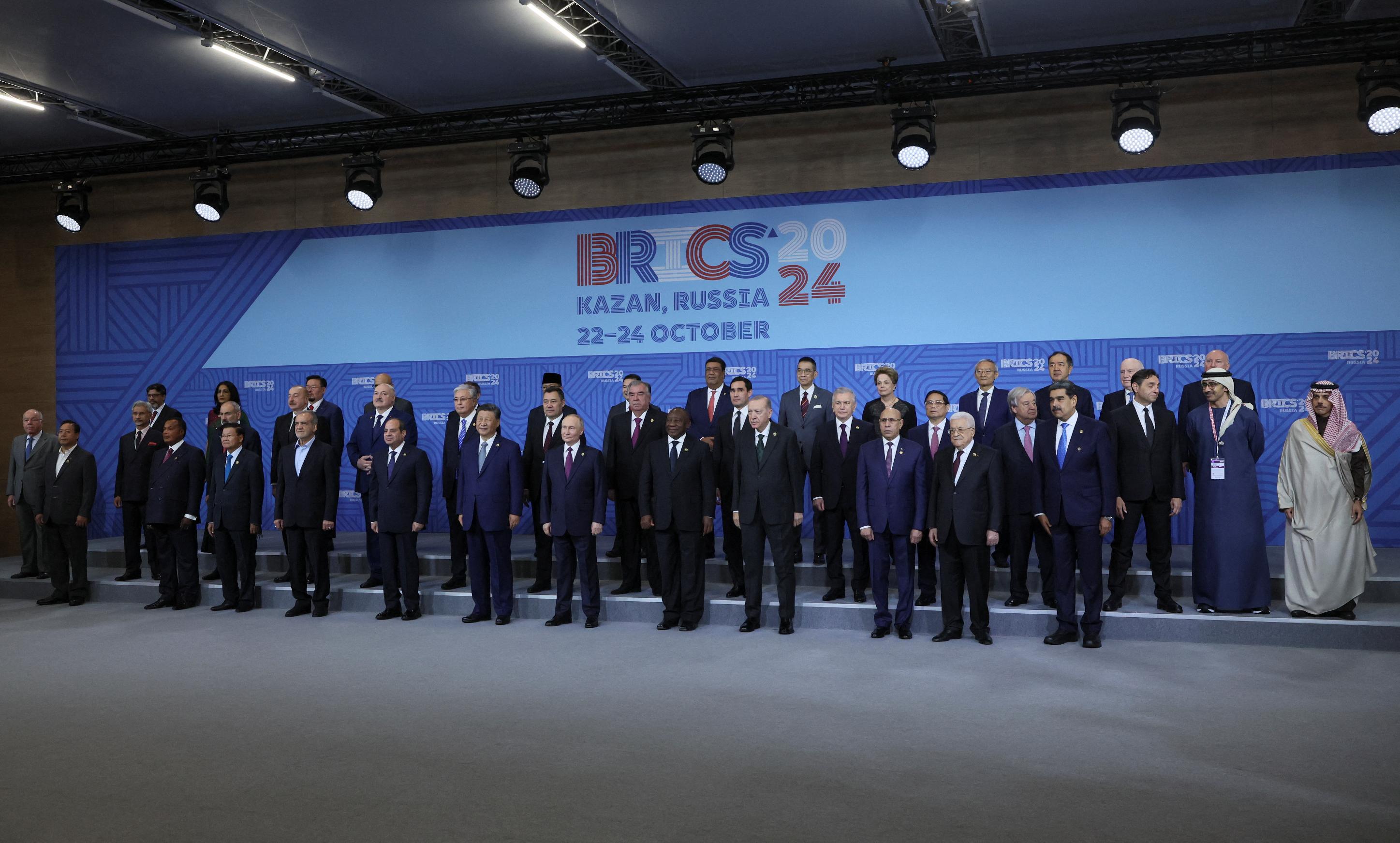
First expanded BRICS summit chalks diplomatic wins Fear of Western sanctions looms for some members No real challenge to dollar dominance for now LONDON, Oct 24 (Reuters) - (This Oct. 24 story has been corrected to replace the quote that was wrongly attributed to Shi Yinhong in paragraph 20) As U.S. election jitters hung over this week's meeting of global finance chiefs in Washington, a smiling Vladimir Putin was in the Russian city of Kazan welcoming leaders of countries which together make up nearly half the world's population. The BRICS club of emerging economies may be a long way from rivalling the International Monetary Fund (IMF) or challenging U.S. dollar dominance. But the first summit with its new batch of members showed clear signs of its growing weight. The final communique was long on words and short on detail about creating new payment and trade mechanisms which could by-pass Western-dominated structures - including, notably in Russia's case, sanctions imposed after its invasion of Ukraine. But the summit scored a series of diplomatic wins: the presence of U.N. Secretary-General Antonio Guterres and of Tayyip Erdogan, president of NATO member Turkey, which has expressed interest in joining the BRICS group. India and China chose the summit to profile new efforts to nurture ties. For Putin, the simple fact that so many leaders travelled to Russia for the talks was useful in countering the narrative that his country faces isolation from the global economy. "They (Western capitals) are not getting the importance of this thing," said Alicia Garcia-Herrero, a senior fellow at the Bruegel economic think tank. "It's all signalling that the West is losing power." Kazan may not go on to occupy the same place in history as Bretton Woods, the New Hampshire town where 80 years ago the victors of World War Two fashioned a monetary order that would dominate the global economy and consolidate dollar supremacy. However this week's talks underlined dissatisfaction with a system seen under-serving much of the world, with a collapse in capital transfers to developing economies over the past decade and emerging countries under-represented in IMF decision-making. "See how many people are scrambling to apply to join the BRICS," Mo Ibrahim, a Sudanese-British businessman who runs a foundation that tracks governance in Africa, told Reuters. Putin has said that more than 30 countries have applied. "People see institutions which are not really representative or democratic - infrastructure established in 1945 or so after the world war, and nothing changes," added Ibrahim. The club's track record has been mixed since Brazil, Russia, India and China launched it in 2006. For one thing, its creation has not yet altered the earlier growth-per-capita path of those four founding nations, calculated Mario Holzner of the Vienna Institute for International Economic Studies (wiiw). Moreover, the $5 billion in loans which the BRICS' New Development Bank (NDB) expects to make this year pales next to the $72.8 billion distributed by the World Bank in credits, loans and grants. Other projects remain in their infancy. "They might be able to establish some kind of money transfer systems which at least on a low level will work but that most likely won't really be a game-changer," said Holzner. HEDGING BETS Many commentators also note that as the group grows, imbalances in size and influence among member countries and sometimes duelling national agendas will make consensus-building on joint initiatives harder. But those queuing up to join see it as a de facto trade forum - already accounting for a fifth of global commerce. "There is a huge upside in sort of linking these corridors," Pakistan's Finance Minister Muhammad Aurangzeb told Reuters on the sidelines of the IMF meeting in Washington. "So indeed, we are keen to become a member of BRICS." While most observers doubt BRICS' pact to launch its own payment system will challenge the dollar's supremacy any time soon, such initiatives appeal to countries who fear their own policies might one day draw Western sanctions. "You're kind of geopolitically cushioning yourself against future friction with the West by coming up with this alternative structure," said Hamish Kinnear, a senior analyst at global risk intelligence firm Verisk Maplecroft, who described BRICS as "the signal and not the cause of the changing world order". Indeed, rather than an outright alternative to the IMF, as some have ventured, many BRICS members and aspirant joiners view it opportunistically as a vehicle for hedging bets in a world facing geopolitical change. "BRICS is (for China) not a strategic and economic coalition," said Shi Yinhong, Professor at the School of International Studies at Renmin University of China, noting many BRICS members are also nurturing their ties with the West. Sign up here. https://www.reuters.com/world/spurred-by-shared-grievances-brics-gathers-pace-2024-10-24/
2024-10-25 06:57
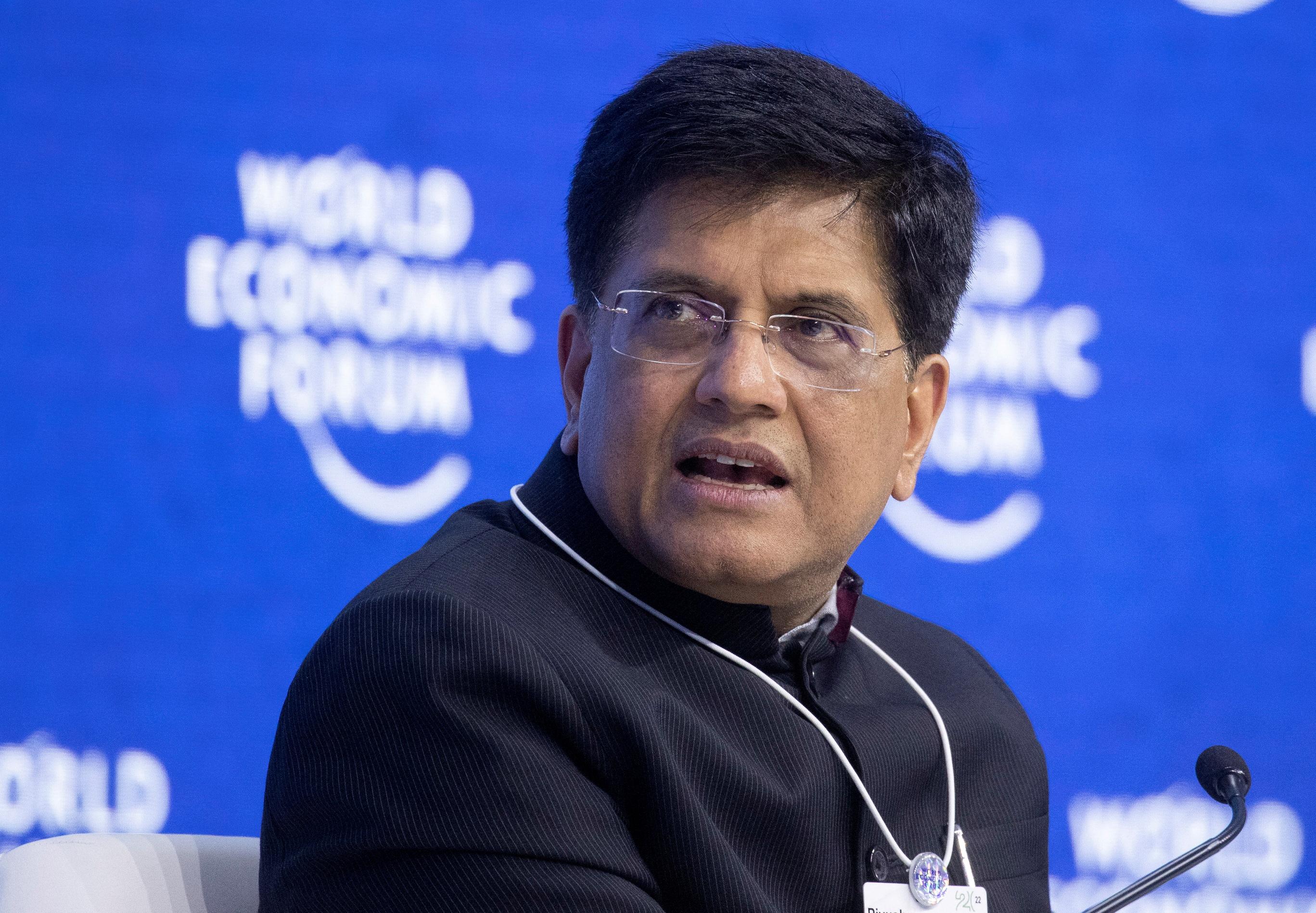
NEW DELHI, Oct 25 (Reuters) - German Chancellor Olaf Scholz said on Friday he wanted to deepen defence ties with New Delhi and bring the two countries' militaries closer, in comments following a meeting with Indian Prime Minister Narendra Modi. Germany, which has not traditionally had close defence ties with India, is now pitching to join the latter's effort to wean its arms base from decades of dependence on Russia, at a time when the West seeks to counter China's growing influence. "Our overall message is clear, we need more co-operation, not less," Scholz said. "At our inter-governmental consultations with India, we also want to deepen co-operation in defence and agree to bring our militaries together." Scholz, accompanied by most of his cabinet, is leading a high-level delegation to New Delhi, betting that greater access to the vast Indian market can reduce Germany's reliance on China. German Thyssenkrupp (TKAG.DE) , opens new tab is one of two bidders that have partnered with Indian firms to build six conventional submarines in India, in a deal estimated to be worth $5 billion. The Indian Navy is expected to pick between the German company or Spain's Navantia soon. Scholz reiterated his economy minister's comments on pushing for swift progress on talks for a free-trade pact between India and the European Union. Earlier, Trade Minister Piyush Goyal warned that India would be unable to strike such a deal if the bloc insisted on getting access to the Asian giant's dairy industry. The two sides initially aimed to wrap up talks on the pact by the end of 2023, but progress has been slow, with India blaming the EU for what it called "irrational" standards as one reason. A trade deal could be concluded swiftly if sensitivities were respected on both sides, Goyal told the Asia-Pacific conference of German business in the Indian capital, attended by German Economy Minister Robert Habeck. On Thursday, Habeck had said agriculture was the "most problematic" area in the deal talks, suggesting it would be better if the two sides focused first on the industrial sector. Sign up here. https://www.reuters.com/world/india-eu-free-trade-deal-cannot-include-dairy-sector-trade-minister-says-2024-10-25/
2024-10-25 06:53
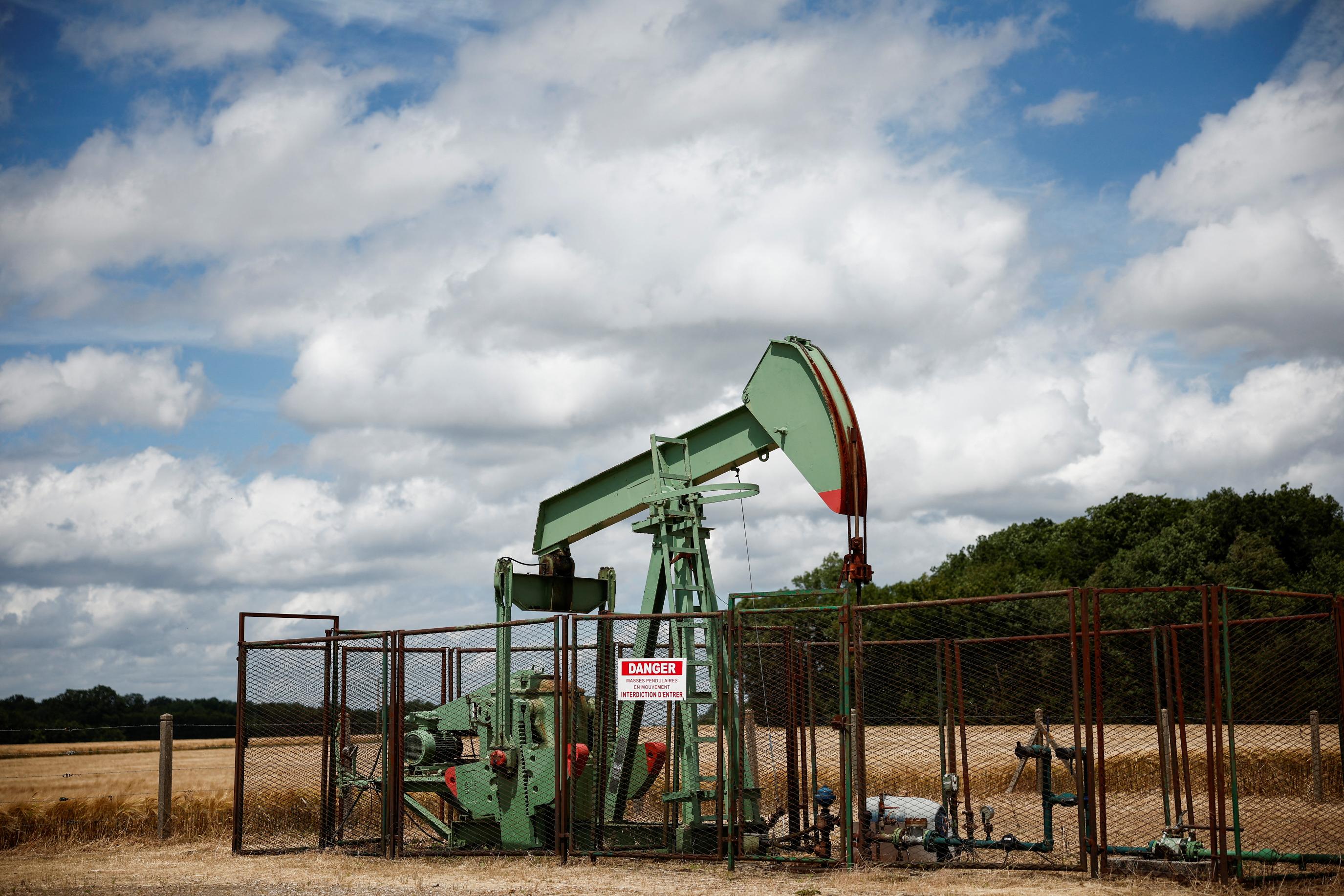
HOUSTON, Oct 25 (Reuters) - Oil prices settled higher on Friday and gained 4% on the week, with investors taking stock of the ongoing conflict in the Middle East as well as the U.S. election next month. Brent crude futures settled up $1.67, or 2.25%, at $76.05 a barrel. U.S. West Texas Intermediate crude settled up $1.59, or 2.27%, to $71.78. Brent settled 4% up on the week, while WTI settled 3.7% higher on the week. "Really it seems like the market is bouncing around in a holding pattern till we get an answer to some of these questions on Israel, the war and the election," said Phil Flynn, senior analyst at Price Futures Group. "The election is creating uncertainty in a lot of markets and people are pulling in their horns a little bit, not ready to be making big commitments because of the potential for spikes, volatility and uncertainty," Flynn added. Investors globally are piling into the U.S. dollar and betting on rising volatility ahead of these next crucial two weeks leading up to the Nov. 5 election in the U.S., as well as an election in Japan, and three major central banks deciding on interest rates and the UK government presenting its new budget. Both benchmarks have fluctuated this week, rising on Monday and Tuesday before falling on Wednesday and Thursday, largely on expectations of heightened or reduced Middle East risk. "Geopolitics is the leading force today that we are seeing, otherwise we are just waiting to see what happens with the (U.S.) election, and what direction that will push markets in," said Tim Snyder, chief economist at Matador Economics. An Israeli strike killed three journalists in south Lebanon on Friday, Lebanon's health ministry said, and the UN refugee agency warned that Israeli airstrikes on a border crossing with Syria were hindering refugees trying to flee the war. U.S. Secretary of State Antony Blinken said there was a sense of urgency in getting to a diplomatic resolution to end the conflict in Lebanon between Israel and Iran-aligned Hezbollah, while calling for the protection of civilians. U.S. and Israeli officials are set to restart talks for a ceasefire and the release of hostages in Gaza in the coming days. Investors continue to await Israel's response to an Iranian missile attack on Oct. 1. A response could involve strikes on Tehran's oil infrastructure, though media reports last week said Israel would strike military rather than nuclear or oil targets. Elsewhere, traders are also seeking more clarity on China's stimulus policies, though analysts do not expect such measures to provide a major boost to oil demand. Goldman Sachs on Thursday left its oil price forecasts unchanged at between $70 and $85 a barrel for Brent in 2025, expecting the impact from any Chinese stimulus to be modest relative to bigger drivers such as Middle East oil supply. Bank of America is forecasting Brent crude to average $75 a barrel in 2025 without any rolling back of OPEC+ production cuts into next year, it said in a note on Friday. Sign up here. https://www.reuters.com/business/energy/oil-heads-weekly-gain-middle-east-tensions-keep-traders-edge-2024-10-25/