2024-10-24 12:11
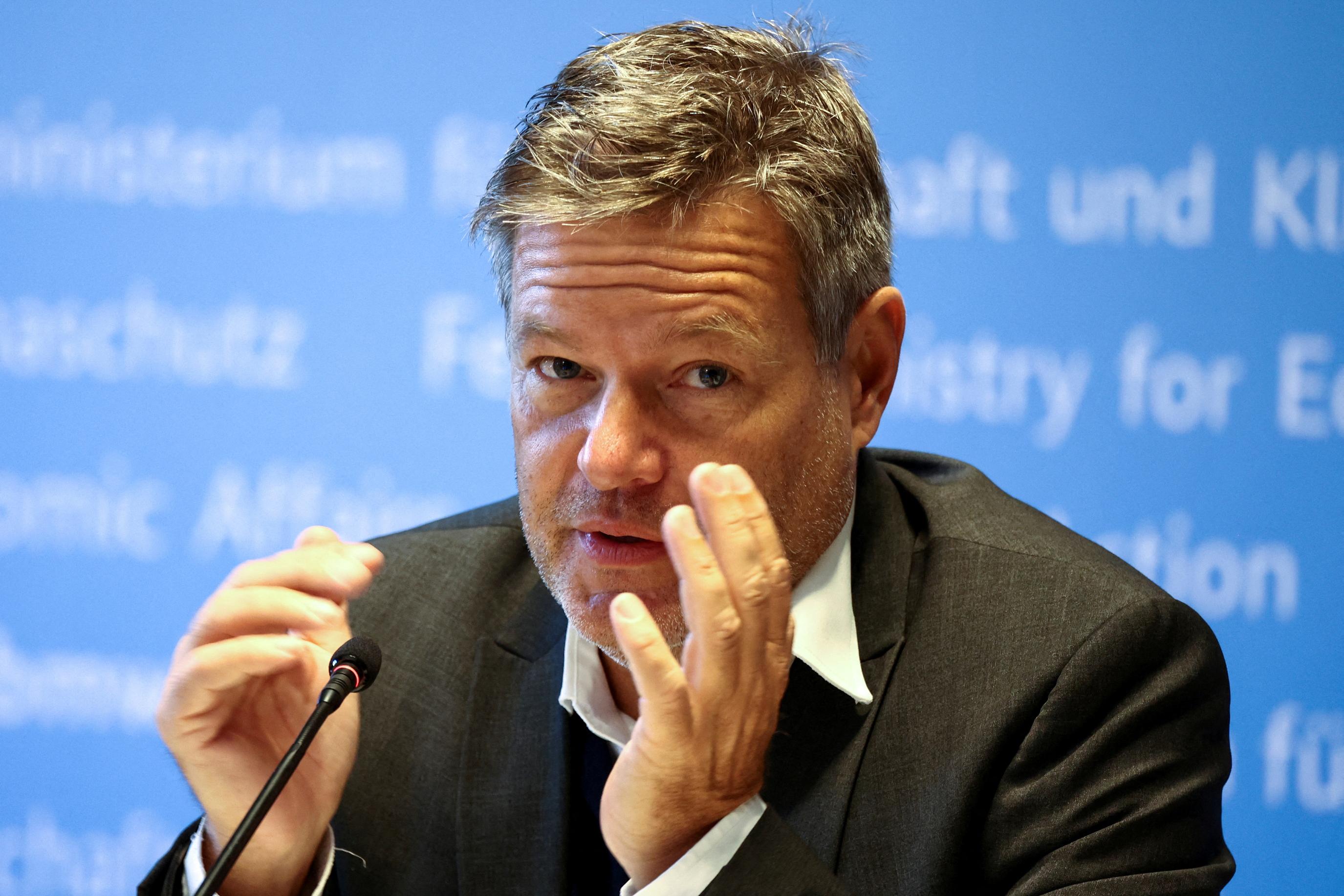
NEW DELHI, Oct 24 (Reuters) - Agriculture is the "most problematic" area in talks to secure a free trade pact between India and the European Union, German Economy Minister Robert Habeck said on Thursday. It would be faster, smoother and practical to focus on the industrial sector, he told reporters in New Delhi. Sign up here. https://www.reuters.com/markets/commodities/agriculture-most-problematic-area-india-eu-trade-pact-talks-german-minister-says-2024-10-24/
2024-10-24 12:07
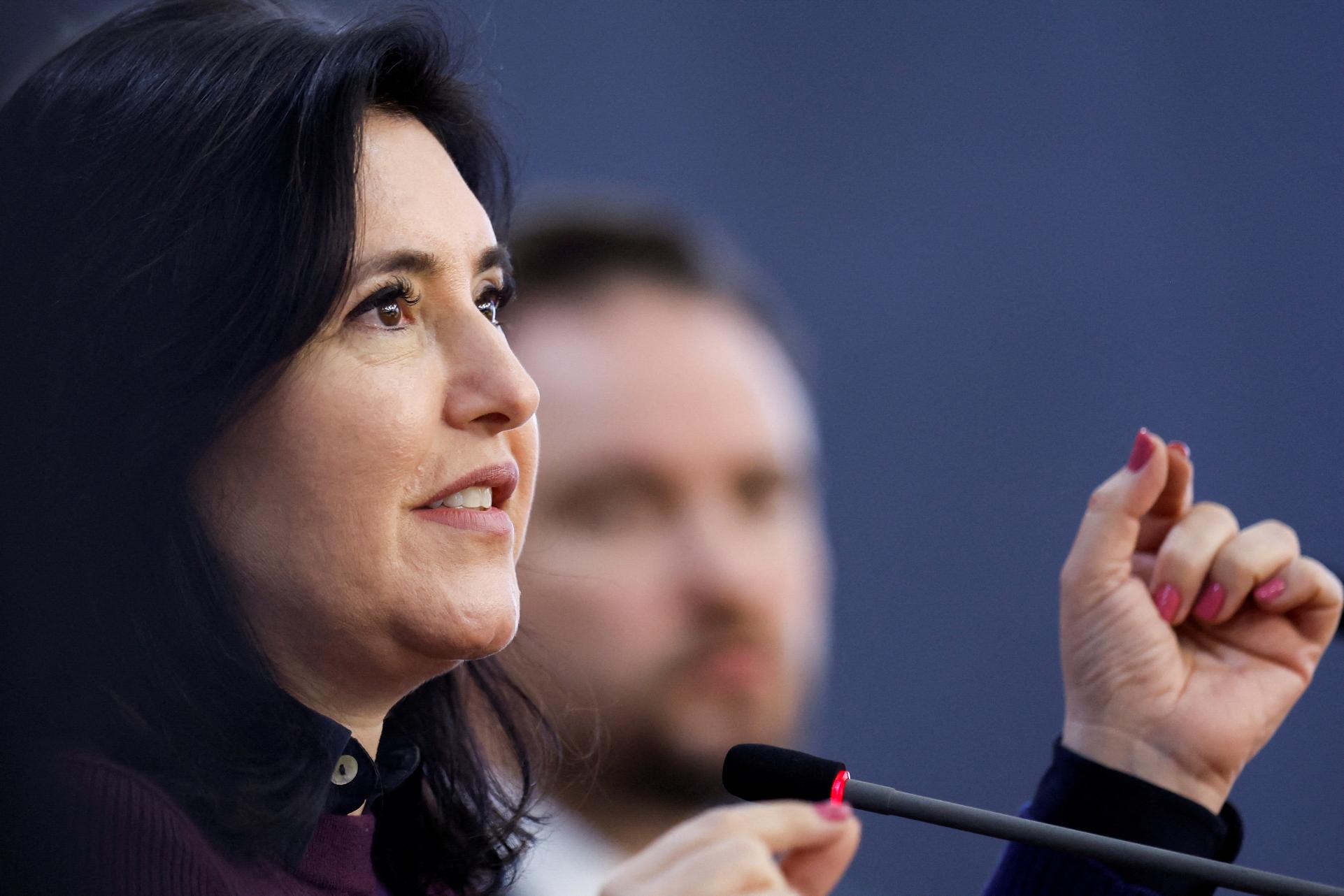
WASHINGTON, Oct 24 (Reuters) - Brazil's government is considering calculating the country's potential growth rate in addition to the official GDP to show that there is room for the economy to expand robustly without fueling inflation, according to Planning Minister Simone Tebet. Speaking on the sidelines of the IMF and World Bank annual meetings on Wednesday, Tebet told Reuters that Brazil's interest rates should not be raised just on the assumption that the economy has reached a point where growth drives inflation. That is especially true, she said, because economists' forecasts for activity have been consistently off for the past three years. "Our ministry and (think tank) IPEA will seek partnerships, including with BNDES, which has expressed willingness to join, to officially determine Brazil's potential GDP. If the IMF is talking about 2.5%, maybe it's 2.8%," she said. Estimating the Brazilian economy's growth potential would allow for more balanced discussions on interest rates while respecting the autonomy of the central bank, Tebet said. Brazil's central bank has been at odds with President Luiz Inacio Lula da Silva over the country's high interest rates, which he says hinders growth and job creation. The central bank recently emphasized that stronger-than-expected growth was a concern when it began a tightening cycle last month, raising interest rates by 25 basis points to 10.75%. On Tuesday, the IMF raised the forecast for Brazil's economic growth for this year to 3.0% from 2.1% in its World Economic Outlook, the largest upward revision among major economies this year. In its July country report on Brazil, the IMF projected the country’s medium-term growth at 2.5%, an increase of 0.5 percentage point from its earlier estimate in 2023. The government's forecast is 3.2% GDP growth this year. "Brazil's potential GDP is no longer the 1.5% they used to talk about. The IMF is already saying 2.5%, and if they've always underestimated, could it actually be 3%? That's the question we need to ask," Tebet said. Sign up here. https://www.reuters.com/world/americas/brazil-calculate-potential-gdp-balance-debate-rates-says-minister-2024-10-24/
2024-10-24 12:04
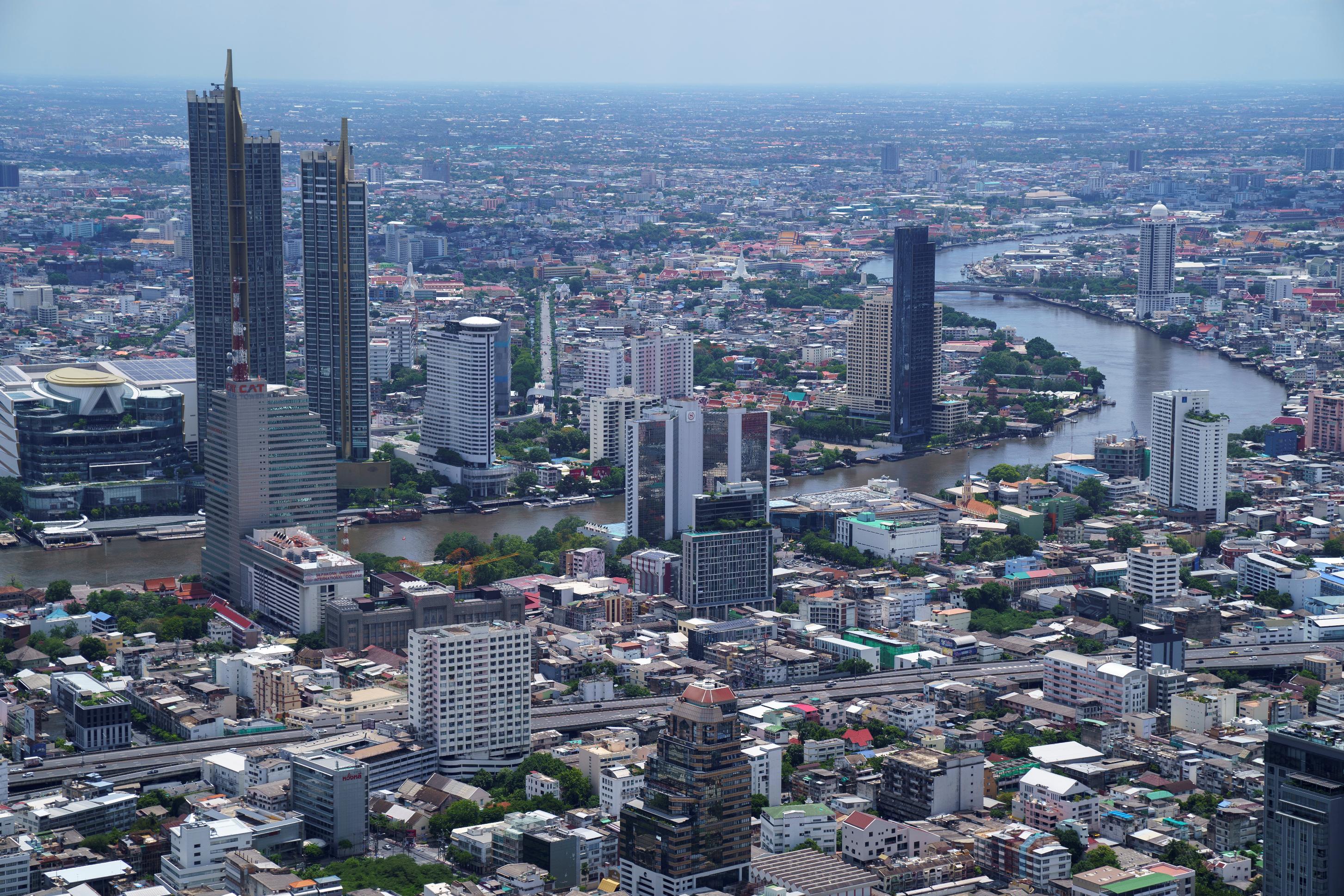
C.bank, finmin to discuss inflation target on Oct. 29 BOT not fighting with government on policy, deputy gov says GDP growth seen at 2.7% to 2.8% yr/yr in Q3 C.bank aims for neutral policy stance BANGKOK, Oct 24 (Reuters) - Thailand's current inflation target range of 1% to 3% has "served pretty well" and should not be changed, a deputy central bank governor told Reuters on Thursday, as the government pushes for a higher price target to boost economic activity. Inflation is low and well anchored, and there is no risk of deflation, while the economy is converging to trend growth, Bank of Thailand (BOT) Deputy Governor Piti Disyatat said in an interview. The BOT has been at odds for nearly a year with a government that has complained repeatedly that the central bank's refusal until last week to cut interest rates has stymied its efforts to revive a flagging economy. Piti said he was hoping for agreement and a constructive discussion on the inflation target for 2025 when the BOT and finance ministry meet next Tuesday. "We are mandated to agree, the law tells us to have to agree," he said. Asked if the central bank was still in conflict with the government, Piti said: "We are not fighting with anyone". Despite last week's surprise rate cut, Finance Minister Pichai Chunhavajira still called for a higher target to lift inflation, which was just 0.61% in September, with the government pushing for a review of the existing target, which has been in place since 2020. The target is reviewed annually and agreed by the BOT and finance ministry. Piti said lifting that would increase inflation expectations and bond yields, which would have consequences for financing for the private sector and for the government, on the outstanding debt, which was not low. "Looking back up to now, I think it's served pretty well," he said of the current target. "So we don't see any very clear reasons right now to really change it." Headline inflation would be close to 1% in October, he said, and above 1% in November, returning to within the target. NO EASING CYCLE Piti reiterated that last week's interest rate cut, the first reduction since 2020, was a recalibration and not the start of an easing cycle. The cut was to help ease the debt burden on borrowers without derailing the deleveraging process, he said. The central bank is aiming for a neutral stance, and policy could be adjusted if the macroeconomic picture changes materially, Piti said. Thailand's economy, Southeast Asia's second largest, is expected to have grown 2.7% to 2.8% in the third quarter from a year earlier, he said, up from the second-quarter's 2.3% growth. The BOT last week raised its 2024 GDP growth forecast to 2.7 from 2.6% but trimmed its 2025 growth outlook to 2.9% from 3.0%. Last year's expansion of 1.9% lagged regional peers. The Thai baht was still aligned with economic fundamentals, Piti said, and the central bank would only smooth out excessive volatility in the currency. "But for the most part, we let the market determine the level of the exchange rates," he said. On the U.S. elections, Piti said "no matter who wins, we think, will increase trade tensions with China", which would be a challenge for Thailand. There would also be more volatility in financial markets, he added. Sign up here. https://www.reuters.com/world/asia-pacific/thai-cbank-sees-no-need-inflation-target-change-no-easing-cycle-ahead-2024-10-24/
2024-10-24 11:32
MOSCOW, Oct 24 (Reuters) - Russian investigators detained one current and one former deputy energy minister on Thursday, Russian media reported, as part of an investigation into fraud in the coal industry. Deputy Energy Minister Sergei Mochalnikov, who has been in office since April 2022, and Anatoly Yanovsky, who served from 2008 until 2021, have been detained, Interfax news agency reported citing law enforcement sources. The charges are related to fraud linked to the closure of coal mines, Interfax reported. Both men were responsible for the coal industry in their positions at the ministry. The Kommersant business daily reported that a further four unnamed people had been detained alongside Mochalnikov. It said that direct damages in the case amounted to 500 million roubles ($5 million), with indirect damages of 12 billion roubles. Neither Mochalnikov nor Yanovsky were available for comment, and Russia's Federal Security Service (FSB) did not immediately confirm the detentions. Russia in recent months has been swept by a series of high-profile corruption cases with a string of senior defence officials arrested on charges including large scale bribery and embezzlement. ($1 = 96.6500 roubles) Sign up here. https://www.reuters.com/world/europe/russia-detains-deputy-energy-minister-coal-sector-fraud-charges-ifax-2024-10-24/

2024-10-24 11:32
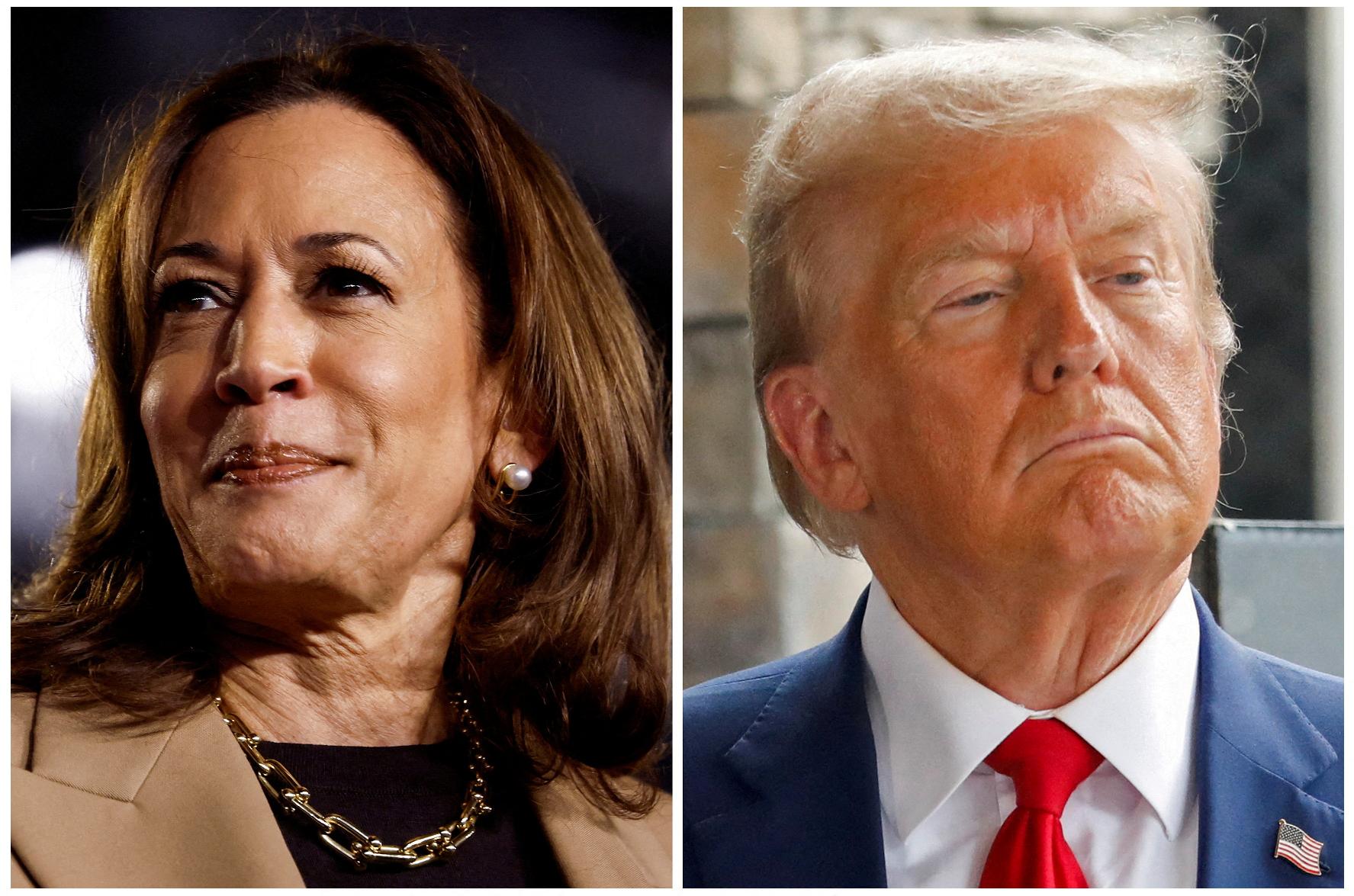
SAO PAULO, Oct 24 (Reuters) - Policymakers at Brazil's central bank will head into their November interest rate-setting meeting with an additional and unpredictable concern that goes way beyond local inflation figures: the U.S. presidential election. As the prospects of a potential Donald Trump win help weaken Brazil's real against the U.S. dollar, the central bank's nine-person board will likely have few clues about the election outcome when they vote on the country's interest rate. U.S. Election Day is Nov. 5, with polls showing the race between Trump and Vice President Kamala Harris essentially tied, and the final results may not be known for days. The monetary authority in Latin America's largest economy holds its next rate-setting meeting on Nov. 5-6 and will announce its decision late on Nov. 6, a day before the U.S. Federal Reserve sets its own borrowing costs. "The committee won't have cues coming from the Fed decision and the election, which may force it to be more incisive in conducting monetary policy," BGC Liquidez chief strategist Daniel Cunha said. "There is a very reasonable possibility that they'll have to discuss a 75-basis-point hike," Cunha said. Brazil's central bank kicked off a monetary tightening cycle in September, when it raised its benchmark Selic rate by 25 basis points to 10.75% to tackle a challenging inflation outlook driven by stronger-than-expected economic activity. It is now widely expected to accelerate its tightening pace next month, with the local interest rate curve pricing in a 90% chance of a 50 bps hike to 11.25%. The remaining 10% are pointing to a 75 bps increase. The possibility of Republican former President Trump beating Democrat Harris in the Nov. 5 vote and returning to office next year has taken its toll on Brazil's financial markets. The Brazilian real weakened from 5.44 per dollar in late September to 5.73 per greenback this week, with market participants citing both local fiscal concerns and Trump's victory chances as reasons behind the drop. The effects of the real's depreciation on Brazil's inflation is one of the factors the central bank will closely monitor ahead of its November meeting. "We have seen the foreign exchange rate more pressured whenever the possibility of a Trump win seems more prominent, much of it because of his proposed import surcharges," StoneX market intelligence analyst Leonel Mattos said. Trump has said he would impose tariffs of 10% or 20% on all imports and 60% or more on Chinese imports, a plan Harris has described as a tax on U.S. consumers. "That is negative for Brazilian exports as the U.S. is the country's second-largest trading partner," Mattson said. "If it exports less to the U.S., Brazil will also get fewer dollars, which tends to weaken the real." Sign up here. https://www.reuters.com/business/finance/tight-us-election-clouds-scenario-brazils-next-interest-rate-decision-2024-10-24/
2024-10-24 11:27
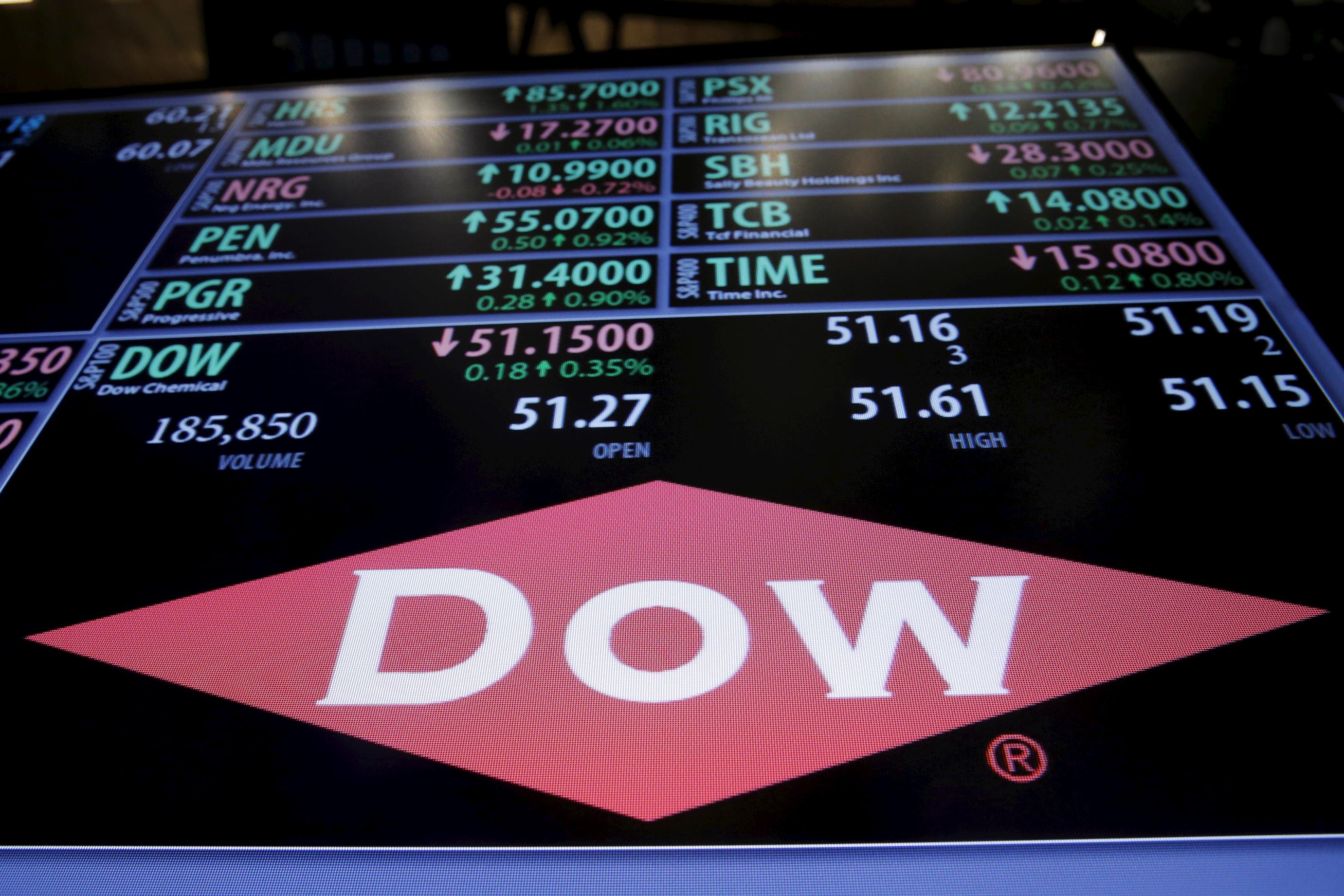
Oct 24 (Reuters) - Chemical company Dow (DOW.N) , opens new tab said on Thursday it has begun a review of some of its European assets even as its third-quarter profit beat estimates on higher North America demand for industrial items such as polyethylene used in packaging. Dow said the review was necessitated by weak demand recovery and competitive regulatory policies. Its shares rose 1.7% to $52.37 in premarket trading. The company's review will primarily focus on assets in its polyurethane business, CEO Jim Fitterling said. Dow aims to complete the review by mid-2025. Lower prices and volumes in polyurethane partly resulted in the underperformance of its industrial intermediates and infrastructure segment, which saw a 2% drop in net sales. The company said overall demand in Europe and China remained muted. "Meaningful recovery has yet to materialize in Europe and China. In addition, Europe's regulatory environment has led to increasing challenges across many sectors and value chains," Fitterling said. Quarterly net sales from its packaging and specialty plastics segment, its largest by revenue, rose 1.1% to $5.52 billion, led by higher polyethylene sales for industrial, consumer, and flexible food packaging. Quarterly revenue rose 1.4% to $10.88 billion, despite operations taking a hit due to Storm Beryl. Analysts on average were expecting $10.65 billion. Dow said it was reducing low-value merchant order exposure by shutting down its Freeport unit in 2025, which represents about 20% of North America industry capacity. Its adjusted profit of 47 cents per share exceeded market expectations by a cent, according to data compiled by LSEG. Sign up here. https://www.reuters.com/markets/commodities/dow-beats-third-quarter-profit-estimates-packaging-demand-2024-10-24/