2024-10-24 06:50
PARIS, Oct 24 (Reuters) - Eramet (ERMT.PA) , opens new tab has bought Chinese group Tsingshan's 49.9% stake in a lithium mine project in Argentina, taking back full control of a project it sees as crucial for tapping demand for electric vehicle batteries, the French miner said on Thursday. The deal, worth $699 million, was done using Eramet's available liquidity, it said in a statement. The Centenario project, due to start production in the coming weeks, remained attractive despite a drop in lithium prices and full control would let Eramet decide how to pursue a planned second production facility, Chair and CEO Christel Bories told reporters on a call. Tsingshan remains Eramet's partner in Indonesia where they operate a nickel mine. In a separate third-quarter sales , opens new tab statement, Eramet also announced the suspension of a project to develop recycling of electric vehicle batteries in France, citing uncertainty over development of the market in Europe. The group cut its capital investment target for this year, with cost control measures including the suspension of its mine production in Gabon announced last week in response to a sharp downturn in the manganese market. Eramet's shares have slid to three-year lows since last week when it reduced its production targets for both manganese and nickel. Bories said the manganese market was expected to return to normal conditions around the end of this year or early next year. The group did not update its projection for full-year adjusted earnings before interest, tax, debt and amortisation (EBITDA), with Chief Financial Officer Nicolas Carre telling reporters metal price forecasts have been too volatile. Eramet nonetheless reiterated its expectation for higher EBITDA in the second half compared with the first half, with Carre adding it also expected to achieve a full-year net profit. Sign up here. https://www.reuters.com/markets/deals/eramet-takes-full-control-lithium-project-halts-battery-recycling-plan-2024-10-24/

2024-10-24 06:49
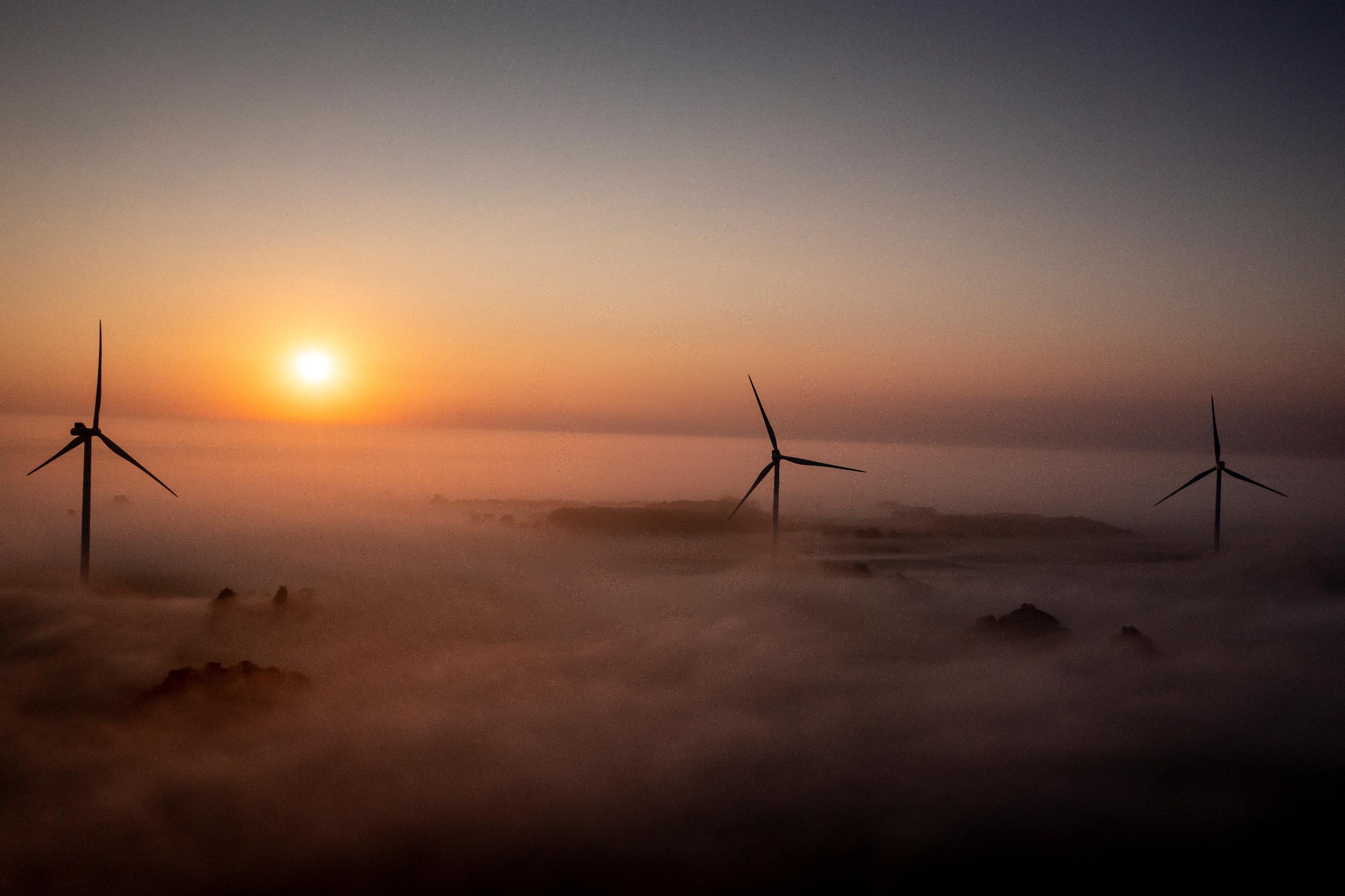
ODENSE, Denmark, Oct 24 (Reuters) - Denmark will seek a common EU approach for how to tackle increased Chinese competition in the European wind market, the country's climate and energy minister said ahead of a meeting on Thursday with the EU Commission and industry leaders. The European wind turbine market is dominated by local turbine makers Vestas (VWS.CO) , opens new tab and Siemens Gamesa (ENR1n.DE) , opens new tab, but Chinese turbine makers have built momentum in the region recently, adding to concern in the EU industry that it faces an existential threat. "For me as a Danish minister, and with the role the wind turbine industry has in our country, I'm of course concerned about whether European manufacturers are outperformed by state aid in a way which is unfair," Denmark's energy and climate minister Lars Aagaard told Reuters. He was speaking ahead of a meeting between energy ministers from North Sea countries, the EU Commission, and industry leaders to discuss the current challenges in meeting their ambitious targets. "It's important that we get some common European answers, because it is a challenge that will be quite difficult to handle on a national level," Aagaard said, referring to increased Chinese competition. In April, the EU said it would investigate subsidies received by Chinese suppliers of wind turbines destined for Europe, a move aimed at protecting domestic firms from cheap clean tech products. Last year, the North Sea countries pledged to build 120 GW of offshore wind by 2030 and at least 300 GW of offshore wind in the North Sea by 2050, equivalent to around 20,000 offshore wind turbines. All of Europe today has 35 GW installed offshore capacity, according to data from industry group WindEurope. Aagaard said it was good to have "ambitious targets as a guiding star" but acknowledged that those targets were set at a time of lower costs for building offshore wind. Sign up here. https://www.reuters.com/business/energy/denmark-wants-common-eu-answers-chinese-wind-competition-2024-10-24/
2024-10-24 06:42
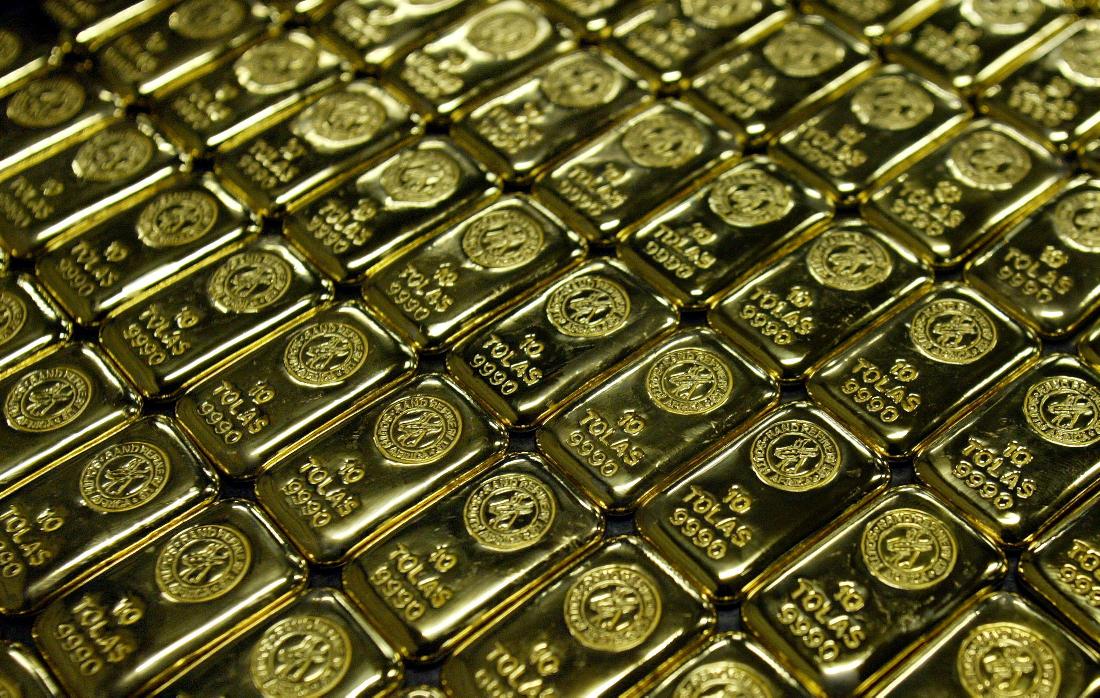
Gold hit a record high of $2,758.37 on Wednesday Palladium touches a peak since December 2023 US urges G-7 to sanction Russian palladium, titanium - Bloomberg Oct 24 (Reuters) - Gold prices firmed on Thursday as the bullion remained in demand in the face of ongoing geopolitical risks, while palladium jumped 8% to a near 10-month peak on fears of supply sanctions on top-producer Russia. Spot gold rose 0.8% to $2,739.09 per ounce by 1150 GMT after pulling back from the record high of $2,758.37 on Wednesday. U.S. gold futures gained 0.8% to $2,751.70. "The fact that gold has rebounded from yesterday's lows is a positive signal confirming the strong massive interest that investors have currently in bullion," said Kinesis Money market analyst Carlo Alberto De Casa. "We have the U.S. election in just 10 days, a very complicated geopolitical scenario. In this situation, investors are betting on gold," Carlo said, adding that massive demand from central banks is supporting prices. Gold, used as a safe store of value during times of uncertainty, has hit multiple record highs and surged over 33% so far this year. Expectations of further monetary policy easing by major central banks have also boosted the non-yielding bullion's appeal. "Further, concerns around rising U.S. fiscal debt outlook is strengthening the investment case for gold. We think that the recent rally can fade once the market focus shifts to prospects of a gradual easing cycle by the Fed rather than deeper cuts," ANZ said in a note. In other metals, palladium jumped 8% to $1,142.75, its highest level since December 2023. The U.S. asked the Group of Seven allies to consider sanctions on Russian palladium and titanium, Bloomberg News reported. "Considering that Russia accounts for about 40% of palladium mine supply, such a decision would tighten the market and see prices rising considerably," UBS analyst Giovanni Staunovo said. "With a larger producer scaling back production next year, we see the market balanced to slightly under-supplied in 2025, with prices trading around $1,000/oz" Spot silver firmed 1.1% to $34.10, having hit its highest since late 2012 touched on Oct. 22. Platinum rose 2% to $1,036.10. Sign up here. https://www.reuters.com/markets/commodities/gold-ticks-higher-safe-haven-bids-offset-firm-dollar-2024-10-24/
2024-10-24 06:36
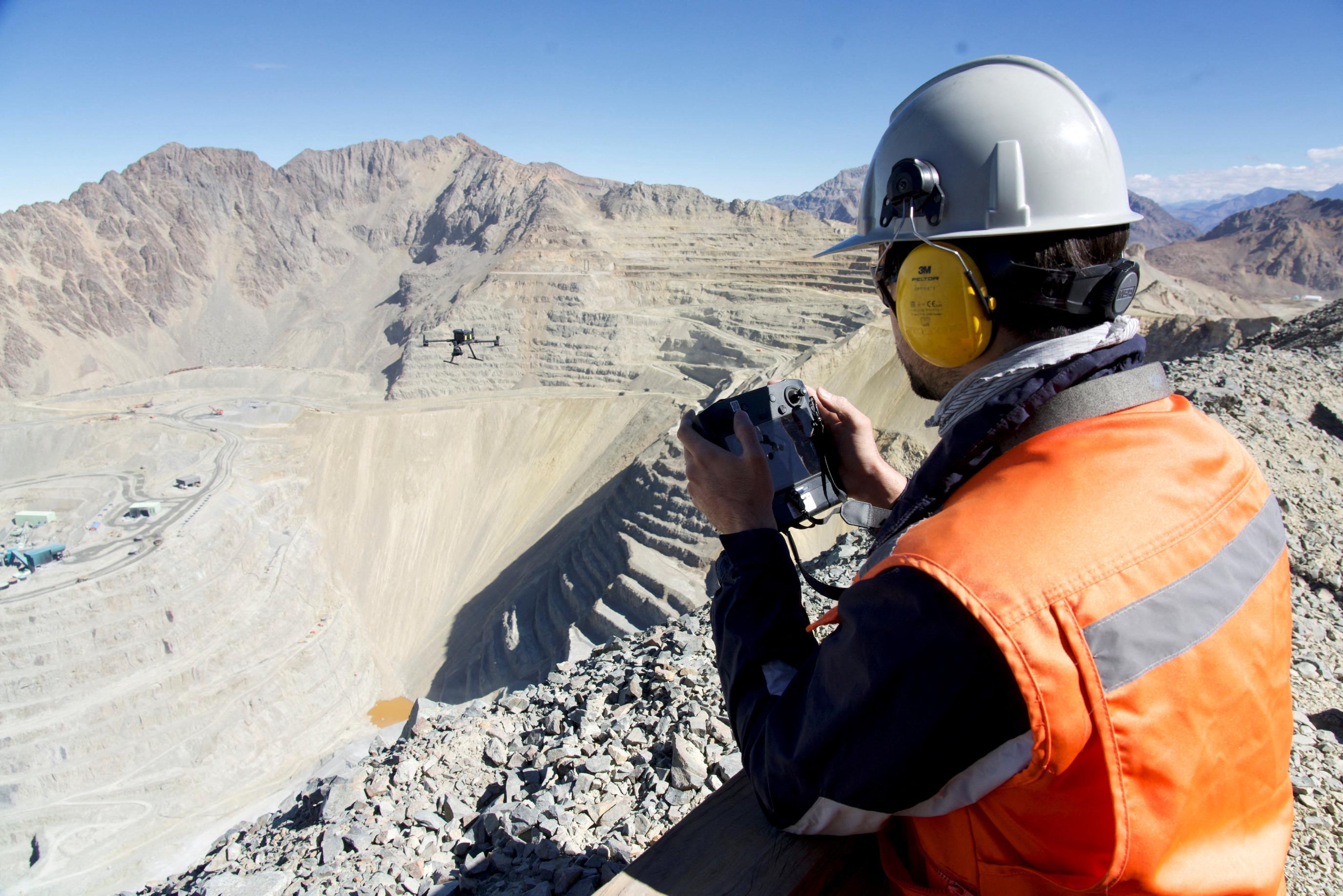
Q3 copper output down 13%, diamond output down 25% De Beers exploring options for further output cuts Anglo keeps full-year output guidance unchanged LONDON, Oct 24 (Reuters) - Global miner Anglo American (AAL.L) , opens new tab on Thursday posted double-digit falls in its third-quarter copper and diamond production but maintained its 2024 guidance for the commodities. Anglo said its copper output fell 13% in the July to September quarter, while rough diamond production decreased by 25% on cuts due to prolonged lower demand. Its De Beers diamonds unit is exploring options for further output cuts in future, Anglo said. For the first nine months of 2024, copper output fell 4% to 575,000 tons and diamond production was down 21% at 18.9 million carats. Anglo still expects to produce 730,000-790,000 tons of copper and 23-26 million carats of rough diamonds this year, even as it assesses additional production cuts going forward. Its shares, which have risen around 18% this year, opened up 2.2%. The mining giant is restructuring its business to mainly focus on energy transition metal copper after fending off a $49 billion takeover offer from bigger rival BHP Group (BHP.AX) , opens new tab in May. Copper will make up 60% of Anglo's business after it sells its Australian steelmaking coal assets and nickel mines in Brazil, as well as divesting De Beers and its platinum business Amplats (AMSJ.J) , opens new tab in South Africa. Apart from its copper assets in Chile, Anglo will also retain iron ore mines in South Africa and Brazil, as well as the Woodsmith fertiliser project in the United Kingdom, which it has now slowed down. Anglo said steelmaking coal's production fell by 6% in the third quarter after shutting its Grosvenor mine in Queensland due to an underground fire. The London-listed miner, the world's third-largest exporter of metallurgical coal, lowered its yearly production guidance to 14-15.5 million tons from a previous forecast of 15-17 million. Anglo said the final round of bidders for the coal assets was in place and it expected to announce the sale agreement within months. Sign up here. https://www.reuters.com/markets/commodities/anglo-american-copper-diamond-output-down-q3-2024-guidance-unchanged-2024-10-24/
2024-10-24 06:32
S&P 500 and Nasdaq finish higher Crude prices settle lower Sentiment helped by earnings reports Benchmark 10-year US yields retreat Dollar slips, gold rises NEW YORK, Oct 24 (Reuters) - Global shares edged higher in choppy trading on Thursday, snapping three straight sessions of losses, while U.S. Treasury yields and strong corporate results allayed worries over upcoming U.S. elections and interest rate cuts. Tesla (TSLA.O) , opens new tab soared nearly 22% after CEO Elon Musk provided on Wednesday a forecast for robust car sales growth next year that reassured investors. The benchmark S&P 500 and the Nasdaq finished higher, with gains in consumer discretionary stocks and losses in materials and utilities equities. The Dow ended lower. The Dow Jones Industrial Average (.DJI) , opens new tab fell 0.33% to 42,374.36, the S&P 500 (.SPX) , opens new tab rose 0.21% to 5,809.86 and the Nasdaq Composite (.IXIC) , opens new tab advanced 0.76% to 18,415.49. European shares (.STOXX) , opens new tab gained 0.03%, ending a streak of three consecutive losses following positive results from companies including Renault (RENA.PA) , opens new tab, Unilever (ULVR.L) , opens new tab and Hermes (HRMS.PA) , opens new tab. MSCI's gauge of stocks across the globe (.MIWD00000PUS) , opens new tab rose 0.2% to 846.07. "Markets have traded lower over the past three or four days as a bit of a pause after a huge surge, with most of the equity indexes still trading rather near their all-time highs." said Michael Farr, president and chief executive at Farr, Miller & Washington. "Perhaps the Fed isn't going to be lowering rates quite as extensively and quickly as (investors) hope. However, the real bottom line is the economy doing OK and earnings season is coming on with reasonable gains," Farr added. Traders are pricing in a near-95% chance of a 25-basis-point cut at the Federal Reserve's November meeting, the CME Group's FedWatch Tool showed. Benchmark 10-year note yields were last down 3.4 basis points at 4.208% after reaching 4.26% on Wednesday, the highest since July 26. The 10-year Treasury yield has been rising in recent weeks partly because both candidates in the U.S. presidential election are keen on spending money, which will widen the deficit, said Mark Malek, chief investment officer at SiebertNXT in New York. "An increase in the deficit will certainly require more government debt and more government debt supply will certainly put upward pressure on yields, especially 10-year yields," Malek said. The U.S. dollar slipped as data supported views for a slower pace of rate cuts by the Fed. The number of Americans filing claims for unemployment aid unexpectedly fell to 227,000 last week, suggesting a more resilient labor market. The greenback weakened 0.6% against the Japanese yen to 151.84. The euro was up 0.44% at $1.0828, while the sterling strengthened 0.42% to $1.29874. The dollar index , which measures the greenback against a basket of currencies including the yen and the euro, fell 0.4% to 104.02. Gold prices rose to near-record highs amid safe-haven demand from persistent geopolitical concerns and as investors sought safety from close U.S. elections on Nov. 5. Spot gold rose 0.69% to $2,736.10 an ounce. U.S. gold futures settled 0.7% higher at $2,748.9. Oil prices eased about 1% in volatile trade on reports the U.S. and Israel will try to restart talks on a possible ceasefire in Gaza. Brent futures settled 0.8% lower at $74.38 a barrel, while U.S. West Texas Intermediate crude (WTI) slipped 0.8% to end at $70.19. "The volatility from things like elections and geopolitical events around the globe tends to add to market volatility, but they don't tend to be significant over longer periods of time in terms of moving share prices," Farr said. Sign up here. https://www.reuters.com/markets/global-markets-wrapup-1-2024-10-24/
2024-10-24 06:18
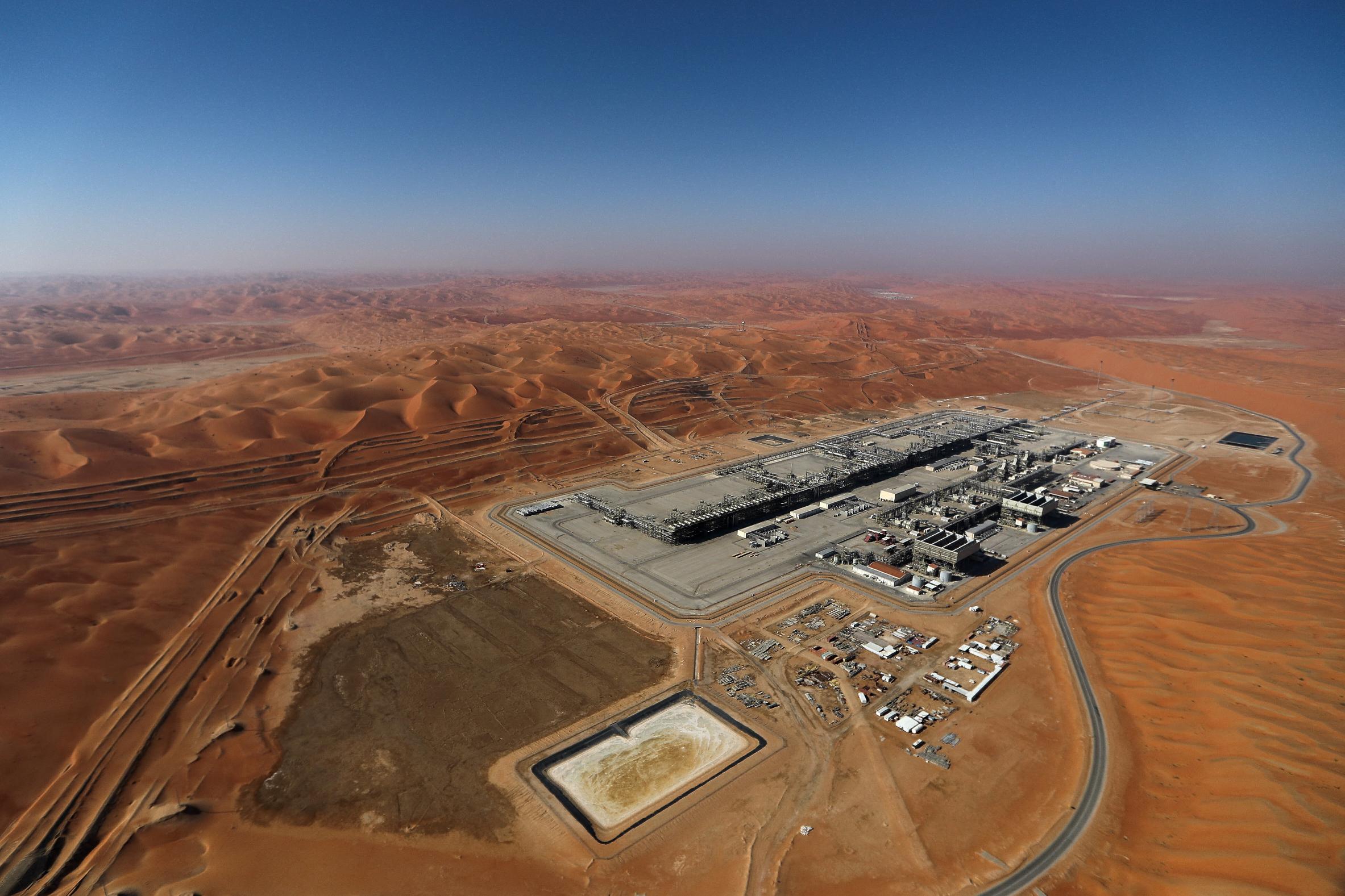
LONDON, Oct 24 (Reuters) - Fears that Middle East instability would create an energy price shock have proven wide of the mark over the past year. But investors may be thinking about this crisis' potential risk premium in the wrong way. Instead of focusing solely on energy prices, they should consider what could happen if an escalating conflict impacts Gulf states' trillions in global investments. Crude prices are down almost 20% since before Hamas attacked Israel in October 2023, starting the devastating war in Gaza. The conflict has expanded, as Israel has responded to rocket barrages from Hezbollah, the Houthis and Iran. But the global economic fallout from the conflict has been minimal so far. Container costs rose due to attacks by Yemen's Iran-backed Houthis on shipping routes in the Gulf, but these costs seem to have been absorbed. And yet concern remains that the conflagration could widen into a regional interstate war that could draw superpowers into direct confrontation or even elevate nuclear threats. This scenario may seem far-fetched, but many market experts continually cite it as a real under-appreciated risk. The International Monetary Fund , opens new tab this week called the still-raging conflict a cloud hanging over the world economy, but the organization continued to focus almost exclusively on the potential impact an expanded regional conflict could have on commodity prices. While there's little doubt a major supply outage or further shipping disruptions could send energy prices higher, the past year shows numerous counter factors - ebbing Chinese demand, U.S. oil self-sufficiency, Saudi output offsets and the ongoing green energy push. But the major vulnerability in the region may have moved from the oil market itself to the trillions in dollars in oil windfalls that have been banked and invested far and wide in recent decades. This money has been plowed into everything from Wall Street stocks to Western governments' bonds, big banks and even sports franchises. The sovereign wealth funds of the Gulf Cooperation Council, which includes Bahrain, Kuwait, Oman, Qatar, Saudi Arabia and the United Arab Emirates, currently hold combined assets under management in excess of $4.1 trillion. In short, if even a modest portion of this vast pool of savings had to be repatriated to support damaged local economies or hobbled financial institutions, the impact could reverberate throughout world markets and amplify any commodity hit. HYPOTHETICAL STRESS TEST To consider how an escalation of the conflict could affect GCC banks, credit rating firm S&P Global , opens new tab this week drew up four different scenarios ranging from the status quo to a multi-state conflict involving superpowers. It assumed that a widening war could result in major bank losses - not to mention direct or indirect physical or economic damage. And it's not hard to see how GCC countries may be forced to tap their rainy day funds. S&P Global's analysis suggested the conflict is likely to continue into 2025 but is unlikely to lead to direct and protracted engagement between Israel/U.S. and Iran - and on that basis would likely be modest downward pressure on regional sovereign and bank credit quality. But the risks balloon in the "severe stress" scenario, which involves fighting between regional and non-regional allies - including Iran, its proxy forces, the U.S. and Gulf allies and possibly other major global actors. S&P said that not only would this lead to significant energy and shipping disruptions, it would also sow macro and fiscal instability across the GCC. And if that materialized, it could cause massive outflows of overseas funding from GCC banks, domestic capital flight akin to the 1990-1991 Gulf War, and a spike in loan defaults among the banks' corporate and retail clients. The ratings firm modeled the potential impact of a "worst case" scenario based on central bank data on external funding at mid-year and asset quality reports from 45 GCC banks. It found that the region could see 50% outflows of non-resident interbank deposits, 30% outflows of broader non-resident deposits, 20% outflows of private local deposits and a 20% haircut on banks' domestic investments. What's more, there could potentially be a 50% increase in non-performing loans. The domestic deposit outflows could total as much as $275 billion - just under the cumulative $284 billion of available cash or equivalents held at the GCC countries' central banks. While this may be manageable, S&P added, it would require liquidation of a portion of these banks' investment portfolios and government supports. The wild card is just how much government intervention would be needed and to what extent sovereign wealth funds could be tapped, as that could result in the repatriation of hundreds of billions of dollars invested overseas. Along with an incalculable human cost, something as devastating as an interstate war would obviously have many unpredictable outcomes, with myriad potential ripple effects impacting regional confidence, travel and capital flows. The S&P exercise can't predict what will happen, but it's useful in that it puts some specifics around what is often vaguely referred to as "escalation" risk. And it suggests that instead of focusing so much on oil prices, investors should instead consider what could happen to the trillions of dollars in windfall oil savings. The opinions expressed here are those of the author, a columnist for Reuters Sign up here. https://www.reuters.com/business/energy/watch-gulf-funds-not-oil-middle-east-stress-fallout-mike-dolan-2024-10-24/