2024-10-23 15:25
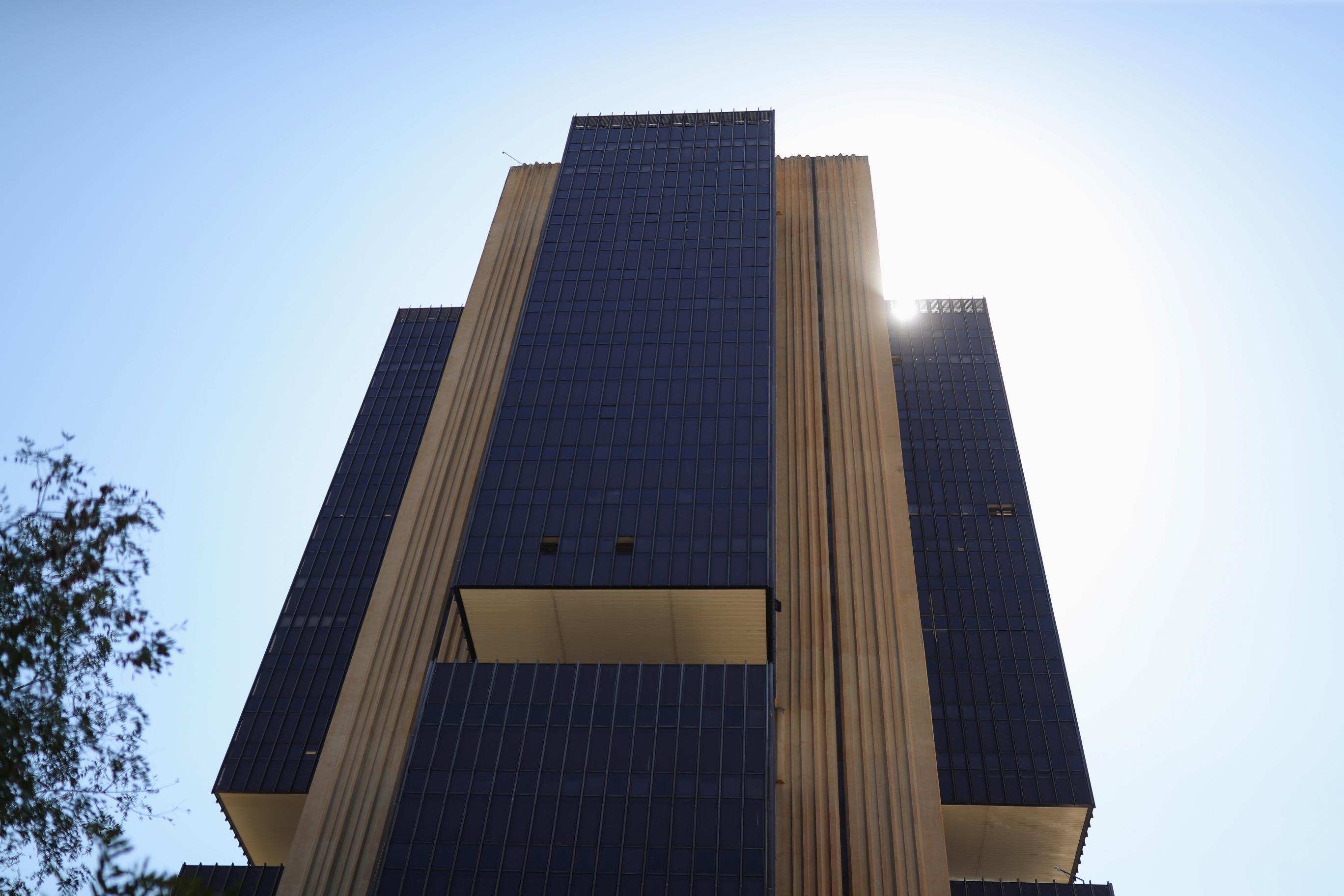
BoC cuts policy interest rates by 50 bps to 3.75% Says further cuts possible if economy evolves in line Markets see 25% chance of another 50 bps cut in December Revises near-term GDP, inflation forecast OTTAWA, Oct 23 (Reuters) - The Bank of Canada on Wednesday reduced its key benchmark rate by 50 basis points to 3.75%, its first bigger-than-usual move in more than four years, and hailed signs the country has returned to an era of low inflation. The central bank, which hiked rates to a 20-year high to fight soaring prices, has now cut four times in a row since June. Inflation in September sank to 1.6%, below the 2% target. "Canadians can breathe a sigh of relief. It's a good news story," Governor Tiff Macklem said during a press conference after the rate announcement. "It's been a long fight against inflation, but it's worked, and we're coming out the other side." Despite three previous cuts totaling 75 basis points, demand has been muted, sales at businesses are sluggish and consumer sentiment is tepid, hurting economic growth. "Today's interest rate decision should contribute to a pickup in demand," Macklem said, adding that the BoC would like to see growth strengthen. The U.S. Federal Reserve last month started its own rate reduction cycle with a similar size move. Economists and analysts now see a possibility of another jumbo cut building up in December. "Based on the logic offered to justify today’s decision, it would take a significant turn of events to stand in the way of another cut of that magnitude in December," CIBC Chief Economist Avery Shenfeld wrote in a note. The last time the Bank of Canada cut rates by 50 basis points at a scheduled meeting was in March 2020. The headline September inflation rate of 1.6% underscored concerns the high cost of borrowing might have suppressed the rise in prices more than the economy needed. "Now our focus is to maintain low, stable inflation. We need to stick the landing," Macklem said. Money markets are fully pricing in a 25-basis-point cut in the final monetary policy decision announcement of the year on Dec. 11. They are seeing an over 25% chance of another 50-basis-point cut. The Canadian dollar was down 0.15% at 1.3839 to the U.S. dollar, or 72.26 U.S. cents. Yields on Canada's two-year government bond eased 2.1 basis points to 3.013% after the rate cut announcement. "Another 50 (basis points) in December is not a slam dunk. It will depend on where the BoC thinks neutral is," said Kyle Chapman, forex markets analyst at Ballinger Group. The central bank said it sees the neutral rate - where the monetary policy is not considered to be restricting growth but also accelerating growth - between 2.25% and 3.25%. Macklem reiterated that if the economy continues to evolve broadly in line with forecasts, the bank would cut rates again, with the timing and pace depending on the latest data. Canada's economic growth has sputtered under the impact of high rates. July GDP grew by just 0.2% on a monthly basis and provisional data suggest August growth will likely stall. The bank revised its forecast for quarterly and annual growth in its latest monetary policy report (MPR) released along with the rates announcement on Wednesday. It now expects annualized GDP growth in the third quarter to be 1.5%, down from the 2.8% it predicted in July, but kept its full year forecast unchanged at 1.2%. The overall annual inflation rate this year is seen at 2.5%, falling to 2.2% in 2025 and 2.0% in 2026, the MPR showed. The bank, however, is still concerned about inflation coming in higher or lower than expected going forward. "The economy functions well when inflation is around 2%," Macklem said. Sign up here. https://www.reuters.com/business/finance/bank-canada-cuts-rates-hails-good-news-low-inflation-2024-10-23/
2024-10-23 15:06
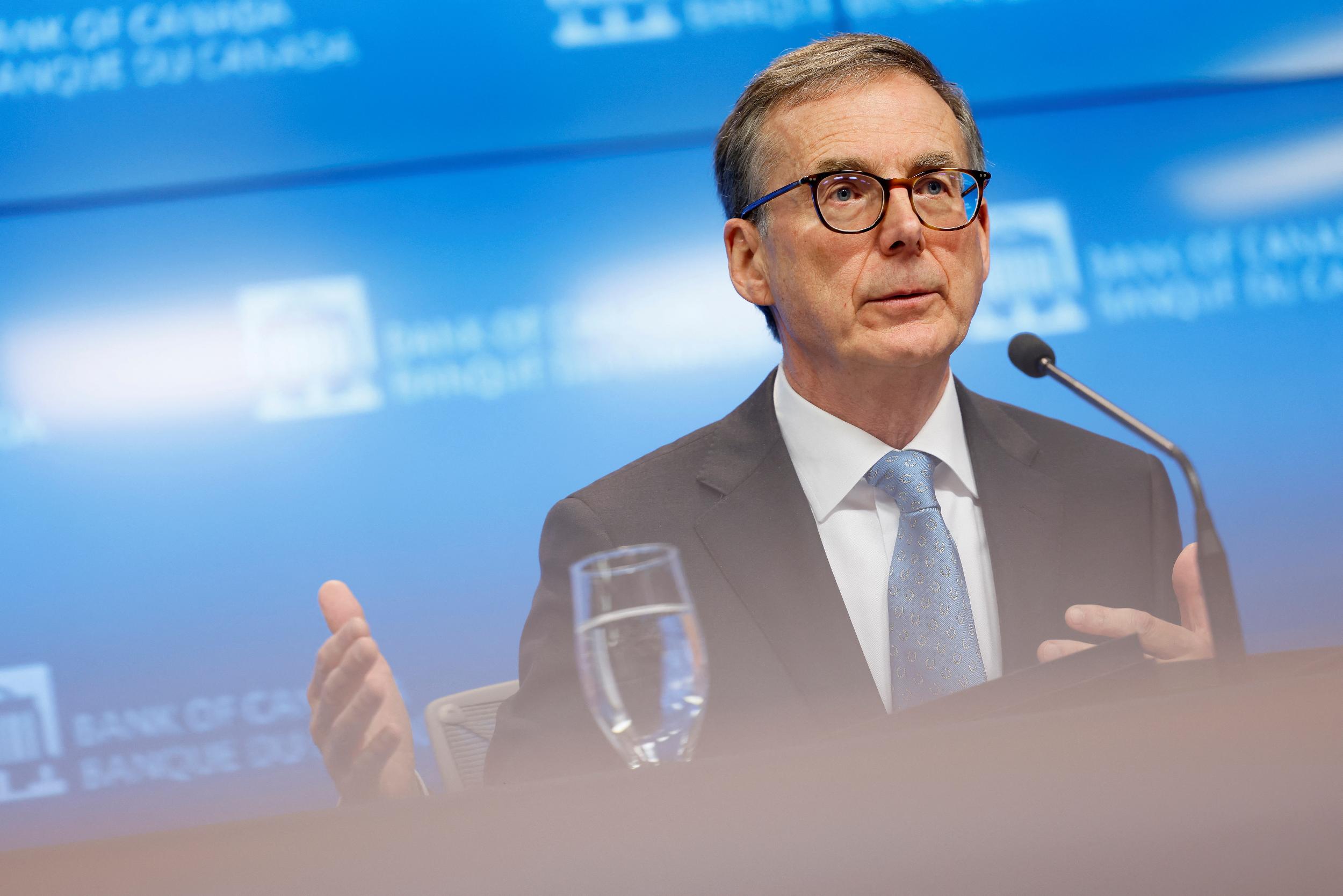
Oct 23 (Reuters) - Policymakers at Brazil's central bank on Wednesday stressed that they will do whatever it takes to bring inflation back down to the country's 3% target, while voicing concern about unanchored consumer price expectations. The central bank in Latin America's largest economy last month delivered a 25-basis-point increase to its benchmark interest rate, bringing it to 10.75%, and is expected to speed up the pace of tightening when its board meets in November. Brazil's monetary authority has been trying to tackle a challenging inflation outlook driven by stronger-than-expected economic activity. Central bank Governor Roberto Campos Neto said that it was important to convince investors that policymakers will do "what is necessary" to reach inflation targets, echoing remarks made earlier by Paulo Picchetti, the central bank's international affairs director. Both men indicated that the central bank would maintain its data-driven approach going forward, and noted they are worried about inflation expectations exceeding the target. "When you see the inflation de-anchoring and the risk premium where it is today, (those are) signs that worry us a lot," Campos Neto said at an event hosted by UBS. A poll of private economists showed earlier this week that Brazil's inflation rate is expected to close out the year at 4.5%, hitting the upper-end of the central bank's 1.5%-4.5% target range, and decelerate to 3.99% by the end of next year. Markets are pricing in an 89% chance that the central bank will hike borrowing costs by 50 basis points next month, while the other 11% point to an even larger increase of 75 basis points. "We chose to be completely data-dependent" on the next policy steps, Picchetti told an event hosted by XP, "with a clear commitment to do what is necessary in terms of monetary policy to make inflation converge to the target." Annual inflation in Brazil hit 4.42% in September. Sign up here. https://www.reuters.com/markets/brazil-inflation-expectations-above-target-says-cenbank-director-picchetti-2024-10-23/
2024-10-23 13:24
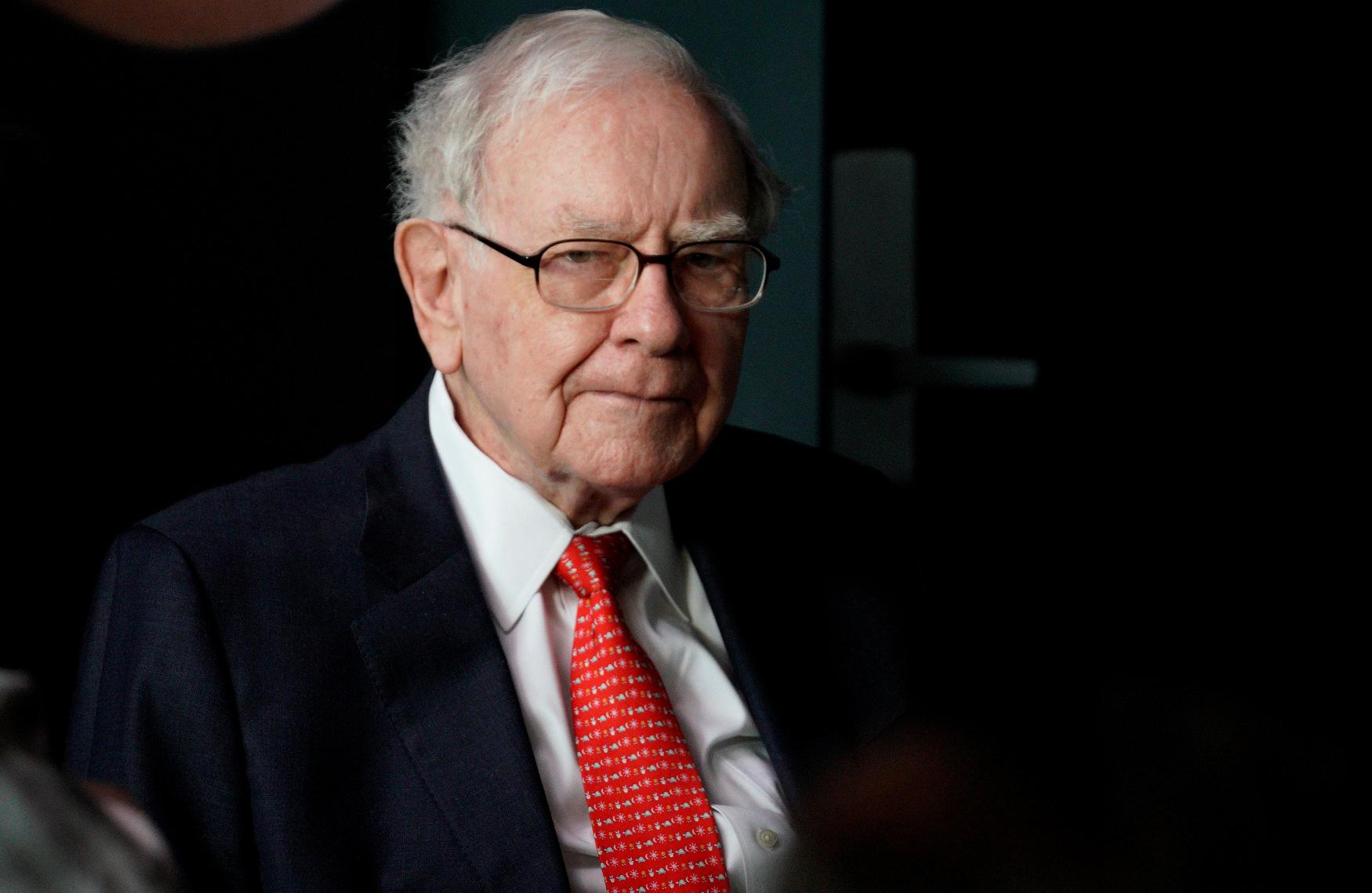
Oct 23 (Reuters) - Warren Buffett will not endorse investment products or political candidates, according to a statement on conglomerate Berkshire Hathaway's (BRKa.N) , opens new tab website, in an apparent effort to ward off people trying to capitalize on his reputation. "In light of the increased usage of social media, there have been numerous fraudulent claims regarding Mr. Buffett's endorsement of investment products as well as his endorsement and support of political candidates," the statement said. "Mr. Buffett does not currently and will not prospectively endorse investment products or endorse and support political candidates." Berkshire did not immediately respond to a request for comment on Wednesday, including on which bogus endorsements prompted the statement , opens new tab, which is undated. He told CNBC the statement resulted partially from a fake political endorsement on Meta Platforms' (META.O) , opens new tab Instagram social media platform. "I don't even know how to get on Instagram," Buffett told the network. "Anything they see with my image or my voice, it just ain't me." Buffett, a Democrat, has been a supporter of Democratic former President Barack Obama and Democratic former presidential candidate Hillary Clinton. Investors often try to piggyback on Berkshire when the Omaha, Nebraska-based conglomerate announces new investments. Buffett shuns cryptocurrency, and has said many investors are better off owning stock index funds. Buffett, 94, has run Berkshire since 1965. Through Tuesday, investors who have owned the stock since then have had a more than 5,500,000% overall gain. Sign up here. https://www.reuters.com/world/us/warren-buffett-says-he-wont-endorse-investment-products-or-candidates-2024-10-23/
2024-10-23 12:48
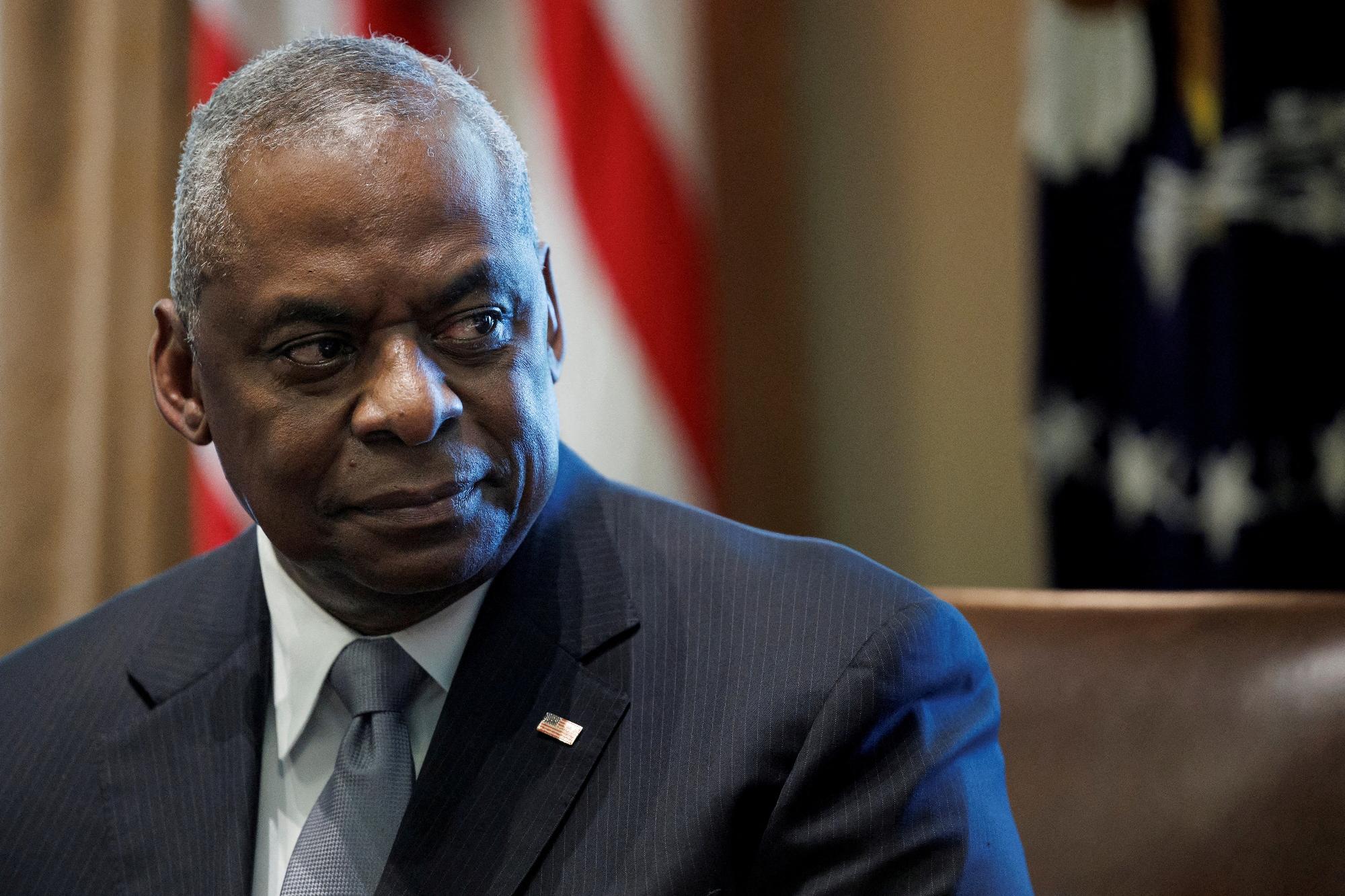
ROME, Oct 23 (Reuters) - U.S. Defense Secretary Lloyd Austin said on Wednesday that he had not seen evidence that there was a Hezbollah bunker filled with cash built under a hospital in Beirut, adding that Washington would continue to work with Israel to get better insights. Israel's military said that Hezbollah has stashed hundreds of millions of dollars in cash and gold in a bunker built under a hospital in Beirut, adding that it would not strike the facility as it keeps up attacks against the group's financial assets. "We have not seen evidence of that at this moment. But, you know, we will continue to collaborate with our Israeli counterparts to gain better fidelity on exactly what they are looking at," Austin told reporters in Rome. Fadi Alameh, a Lebanese lawmaker with the Shi'ite Amal Movement party and the director of the hospital in question, Al-Sahel, has told Reuters that Israel was making false and slanderous claims and called on the Lebanese Army to visit and show it had only operating rooms, patients and a morgue. In a televised statement on Monday, the Israeli military's chief spokesman said Hezbollah leader Sayyed Hassan Nasrallah, killed by Israel last month, had built the bunker which was designed for lengthy stays. Sign up here. https://www.reuters.com/world/middle-east/us-has-not-seen-evidence-hezbollah-cash-bunker-under-beirut-hospital-pentagon-2024-10-23/
2024-10-23 12:30
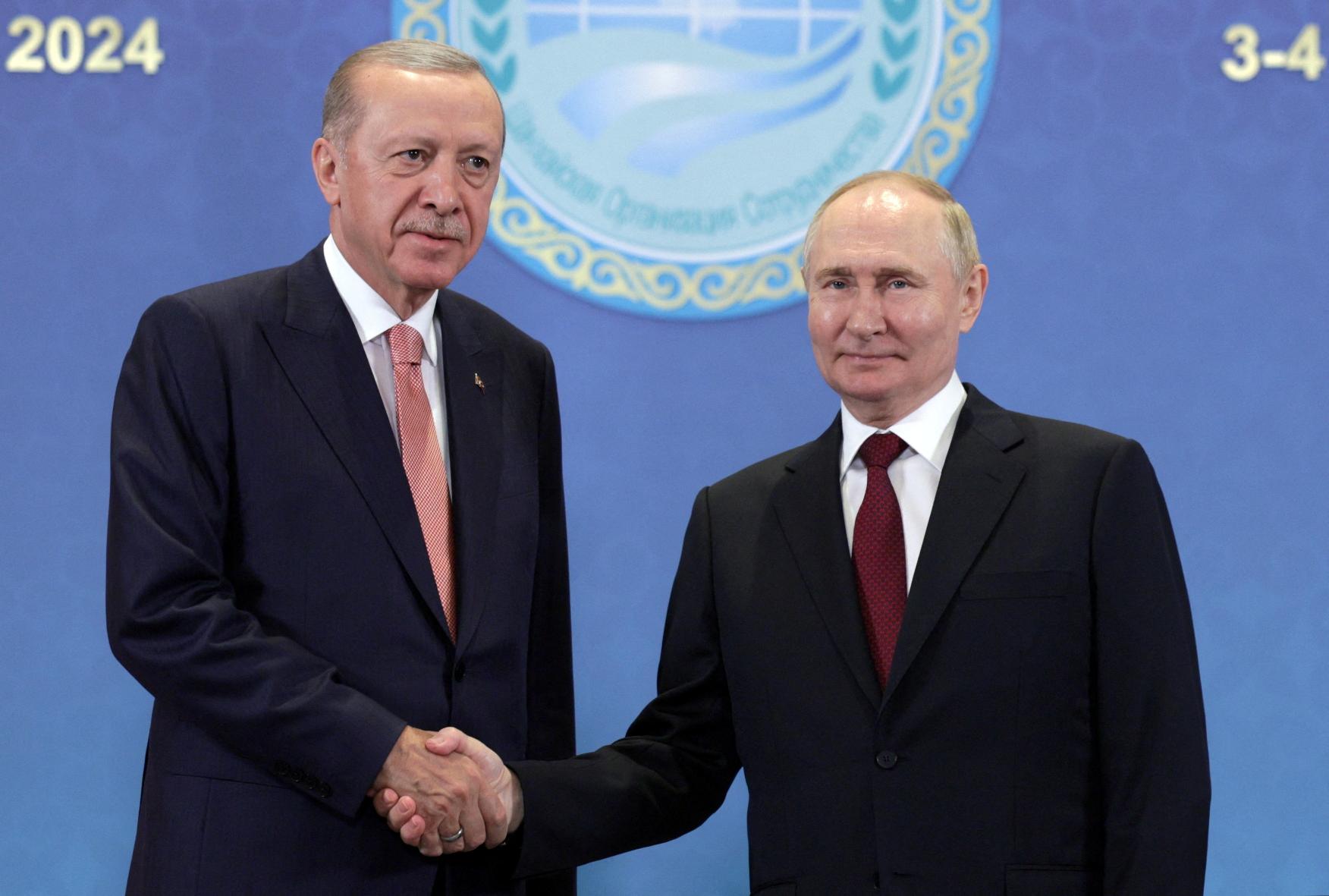
ANKARA, Oct 23 (Reuters) - Here are some of the issues underpinning ties between Tayyip Erdogan and Vladimir Putin, who met on Wednesday in Russia on the sidelines of the summit of the BRICS grouping which NATO-member Turkey has voiced interest in joining: WARY RESPECT Relations between the long-serving Turkish and Russian presidents are sometimes tense, but they have both rebuffed U.S. influence and in differing ways have shaped military conflicts from the South Caucasus to Syria and North Africa. Erdogan has said his relationship with Putin is based on a "joint understanding, mutual trust and respect". Putin has called Erdogan a "strong leader" and "reliable" partner while also saying he has not always found him easy to deal with. Their two countries, both with Black Sea coasts, have expanded cooperation on trade, tourism and energy since Russia's full-scale invasion of Ukraine, although Turkey has opposed Moscow's intervention and provided Kyiv with attack drones. Military powerhouse Russia and regional power Turkey supported opposing sides in wars in Syria and Libya, and were not always on the same page in conflicts between Armenia and Azerbaijan over the Nagorno-Karabakh region. In Syria, Putin backed President Bashar al-Assad while Erdogan backed rebel fighters. To head off the threat of direct confrontation in early 2020, they struck one of a series of ceasefire deals after 34 Turkish soldiers were killed in an air strike in Idlib, where Russian jets were patrolling. In 2019, Turkey angered its NATO allies by buying Russian S-400 missiles, air defences that the Western defence alliance had warned were incompatible with its systems and a security risk. In response, Washington imposed sanctions on Turkey's defence industries and ousted it from an F-35 fighter jet programme where it was a manufacturer and buyer. Ankara has not used the S-400 batteries since then, but says they are at the ready. ENERGY, ELECTIONS AND FOREIGN EXCHANGE RESERVES When energy prices soared with Russia's invasion of Ukraine in early 2022, Turkey was vulnerable as an importer of nearly all its energy needs with an economy hit by a currency crash that fuelled inflation and depleted its foreign exchange reserves. Russia, Turkey's largest gas supplier, threw Ankara a lifeline by allowing it to defer payment of gas imports until 2024, a move that sources said covered up to $4 billion in payments. The deal helped Turkish authorities maintain enough reserves to stabilise the lira until a May 2023 election that Erdogan narrowly won. Afterwards, the currency hit new lows. Just before the vote, Erdogan's challenger accused Russia of interfering in Turkey's internal affairs and said his party had evidence - without revealing any - that it was behind the release of "deep-fake" online content. Both the Kremlin and Erdogan dismissed the allegation and continued expanding energy cooperation, including at Turkey's Akkuyu nuclear power plant. Russia's nuclear energy agency Rosatom built the plant, the opening of which has been delayed after Germany withheld key parts. In 2022, Putin proposed creating a Russian "gas hub" in Turkey that would help it reroute exports, after European countries curbed imports over the Ukraine war. Turkey is negotiating the proposal and could leverage its extensive gas infrastructure to become an alternative supplier to countries such as Bulgaria, Hungary and Moldova, with which it signed separate deals in 2023. SANCTIONS, TRADE AND OLIGARCHS Turkey has opposed sanctions on Russia and opened its doors to Russian tourists and migrants, including oligarchs seeking safe havens for their yachts and investments. Russians are now the top foreign buyers of Turkish homes. Bilateral trade has reached record levels, with Turkish exports to Russia up 17% to $11 billion in 2023, according to the Turkish Statistics Institute data. Ankara has faced Western accusations that Russia is acquiring war-related goods such as chips and semiconductors via Turkey and the United States; European countries have imposed sanctions on several Turkish entities - and threatened more. Ankara has said nothing that transits its territory is used in Russia's war in Ukraine. Earlier this year, Turkish exporters to Russia faced more payments problems. The Kremlin said it was aware of Turkish banks tightening rules on Russian clients, and has been working with Turkey to find mutually acceptable solutions. DIPLOMACY Turkey has kept close ties with both Kyiv and Moscow, hosted talks between them in 2022 and positioned itself as a natural facilitator of future peace talks. Putin and Erdogan have held several calls and a handful of meetings since the war began, contacts that provided the Russian president a platform alongside a NATO leader and NATO with a reliable line to Moscow. Underscoring his balancing act with Russia and NATO, Erdogan has declared support for Ukraine joining the military alliance but delayed Sweden's membership bid. Turkey's diplomacy and control of the straits connecting the Black Sea to world markets put it at the centre of an agreement between Russia, Ukraine and the United Nations on safe passage of Ukrainian agriculture exports and enhanced Russian exports. The U.N. heralded Erdogan's role in co-brokering the 2022 Black Sea Grain Initiative, which it said helped relieve world hunger by freeing up exports of two top global producers. Putin quit the deal in July 2023, despite pleas by Turkey to both sides, citing obstacles to Russian food and fertiliser exports and questions about the destinations of Ukrainian grain. In recent months, Turkey has also voiced a desire to join the BRICS group, which originally consisted of Brazil, Russia, India, China and South Africa, and has expanded to include Ethiopia, Iran, Egypt and the United Arab Emirates. Ankara sees BRICS as an opportunity for more economic cooperation with member states, rather than an alternative to its Western ties and NATO membership. Then U.S. Ambassador to Turkey Jeff Flake told Reuters in June that while he hoped Turkey would not join BRICS, such a move would not change its alignment with the West. Sign up here. https://www.reuters.com/world/how-close-are-turkeys-erdogan-russias-putin-2024-10-23/
2024-10-23 12:14
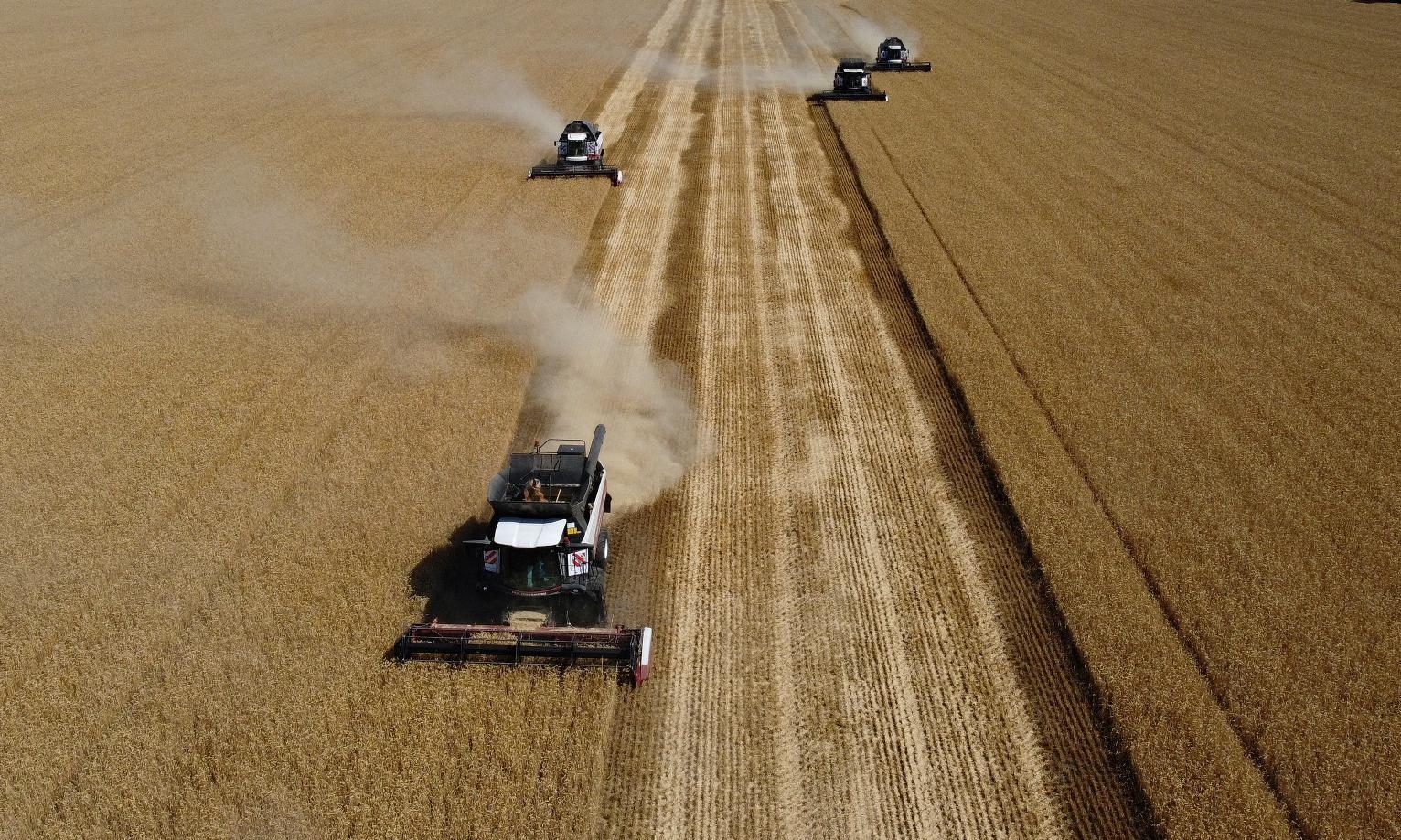
Putin says BRICS role in global economic affairs will strengthen Joint communique attacks Western sanctions BRICS leaders back common grain exchange, payment system BRICS communique backs use of national currencies KAZAN, Russia, Oct 23 (Reuters) - Leaders of the nations in the BRICS grouping, which accounts for 37% of global economic output, predicted its influence would grow as they met in Russia on Tuesday, outlining common projects ranging from a grain exchange to a cross-border payments system. Russia's President Vladimir Putin, who has sought support from BRICS leaders amid his standoff with the West over the war in Ukraine, said that BRICS' average economic growth in 2024/25 would be 3.8%, compared to global growth of 3.2-3.3%. "The trend for the BRICS' leading role in the global economy will only strengthen," Putin said, citing population growth, urbanization, capital accumulation, and productivity growth as key factors. The joint communique of the summit, called the Kazan Declaration, attacked unilateral sanctions imposed on some of the group's members, including Russia and Iran, saying that they harm the poorest people in targeted states. "Therefore, we call for their elimination," the Kazan Declaration said. Russia, the world's biggest wheat exporter, proposed the creation of a BRICS grain exchange which could later be expanded to trade other major commodities such as oil, gas and metals. The Kazan Declaration welcomed the initiative. "BRICS countries are among the world's largest producers of grains, legumes, and oilseeds. In this regard, we proposed opening a BRICS grain exchange," Putin told the leaders. CROSS BORDER PAYMENTS He added that the exchange "will contribute to the formation of fair and predictable price indicators for products and raw materials, considering its special role in ensuring food security". "The implementation of this initiative will help protect national markets from negative external interference, speculation, and attempts to create an artificial food shortage," Putin said. Kremlin spokesman Dmitry Peskov, asked why the declaration paid relatively little attention to the Ukraine conflict, told Russian radio that Ukraine was not the central issue for BRICS. "This is an important question for Russia's agenda but it is far from being the central issue for BRICS. And to the extent that it should figure on the BRICS agenda, this was reflected." Ukraine's Foreign Ministry said the declaration showed Russia had been unable to impose on other participants its view of the war in Ukraine. Other leaders backed the creation of a common cross-border payments system, which would help BRICS countries trade with each other, bypassing the dollar-dominated global financial system. Brazilian President Luiz Inacio Lula da Silva, who took part in the BRICS summit via video conference after a head injury over the weekend, said that it is time for the BRICS nations to create alternative payment methods. He added that the group's New Development Bank (NDB) was designed as an alternative to what he called failing Bretton Woods institutions such as the International Monetary Fund (IMF). LOCAL CURRENCIES India's Prime Minister Narendra Modi said that he welcomed the steps for financial integration of BRICS countries while China's President Xi Jinping urged BRICS countries to deepen financial and economic cooperation. The Kazan Declaration called for a feasibility study on the other Russian initiatives, a BRICS Clear depositary and securities trade settlement system and a common reinsurance company. In his speech, Putin also called for the creation of a BRICS investment platform, which will facilitate mutual investment between BRICS countries and could also be used for investment in other countries in the Global South. Contrary to earlier statements from senior Russian officials on the need to find an alternative to the International Monetary Fund (IMF), the Kazan Declaration enhanced the role of the IMF, stressing the need for further reforms. The declaration did not mention global dollar dominance, an issue that was often raised during the Russian presidency, nor a BRICS single currency and the use of cryptocurrencies, mentioned by Russia as a way to protect trade from Western sanctions. "We welcome the use of local currencies in financial transactions between BRICS countries and their trading partners," the Kazan Declaration said. Sign up here. https://www.reuters.com/markets/commodities/russias-putin-outlines-brics-grain-exchange-proposal-2024-10-23/