2024-10-17 16:30
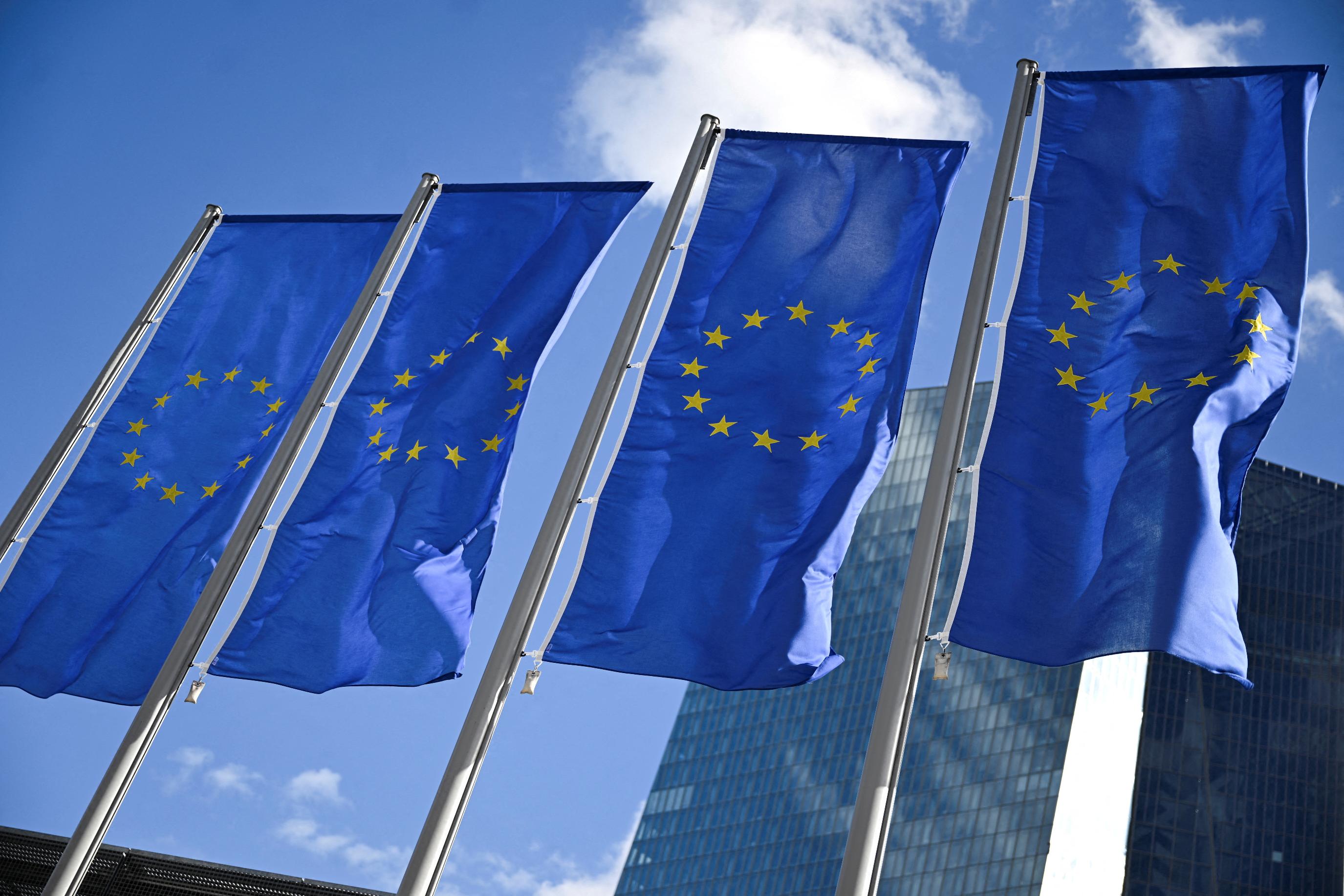
ECB delivers first back-to-back rate cut since 2011 Markets raise rate cut bets See chance of 50 bps move in December Euro seen under pressure as U.S. election looms Oct 17 (Reuters) - Traders raised their bets on quick-fire European Central Bank rate cuts on Thursday, taking the bank's first consecutive rate cut in 13 years as a green light from policymakers that a speedier easing cycle has begun. A worsening economic outlook and signs that inflation is increasingly under control prompted the ECB to cut its deposit rate by 25 basis points (bps) to 3.25%, following a September move, in the first back-to-back rate cut since 2011. Policymakers repeated that they were not committing to a particular rate path and would keep monetary policy restrictive as long as necessary to make sure they had tamed inflation. But hearing little pushback from ECB chief Christine Lagarde against market expectations, traders added to rate-cut bets and pushed the euro down further. "Lagarde said one thing and one thing only, and that's that the ECB is data-dependent," said Seema Shah, chief global strategist at Principal Asset Management. "So from the perspective of where the economy is going, given weakness across the euro area, there is more urgency for the ECB to deliver back-to-back rate cuts." Indeed, ECB governors expect a rate cut in December barring a marked economic turnaround, sources told Reuters on Thursday. Traders now price in around 29 bps worth of cuts at the December meeting, having fully priced a 25 bps move earlier on Thursday. That suggests markets are pricing in more than a 15% chance of a 50 bps cut then. "The markets will now wonder whether it will move by 25 bps or by 50 bps at the next meeting," said Marchel Alexandrovich, economist at consultancy Saltmarsh Economics. Thereafter, markets price a high chance of back-to-back rate cuts through next June. Germany's rate-sensitive two-year bond yield touched its lowest since Oct. 4 and euro zone stocks held onto their gains (.STOXX) , opens new tab. But the euro fell to $1.0811 -- its lowest levels since early August. EURO RISKS Including Thursday's move, traders see the ECB delivering around 160 bps of rate cuts by the end of 2025, versus 145 bps from the U.S. Federal Reserve and just over 135 from the Bank of England. Bets that Thursday's move heralded the start of back-to-back rate cuts have already proved a boon for euro zone government bonds. While underperforming U.S. Treasuries this year, they have outpaced them so far in October. Euro zone government bonds have returned 0.1% since the start of October, while Treasuries lost investors 1.2% as the yield premium Treasuries pay relative to German bonds has widened sharply. But the euro, which has taken a beating this month, was seen staying under pressure. It has fallen roughly 3% since the end of September, when an unexpected contraction in euro zone business activity sent bets on Thursday's rate cut surging. That came just as traders abandoned wagers on a second jumbo Fed rate cut in November, boosting the dollar. Uncertainty over the Nov. 5 U.S. presidential election and the prospects of a Donald Trump win are key risks for the euro, analysts reckon. The former president has floated plans for blanket tariffs of 10% to 20% on virtually all imports, which no doubt would hurt the euro zone economy, and Lagarde flagged this as a downside risk on Thursday. While such tariffs may at first prove inflationary "what you will be left with in the medium term is the negative impact on the investment outlook and on animal spirits, and that tends to be disinflationary," said Mariano Cena, senior European economist at Barclays, adding it would likely lead to further ECB easing. Matthew Landon, global market strategist at JPMorgan Private Bank, expects the euro to trade in the $1.07-$1.11 range, but said that could skew 3-4% lower if higher tariffs become a real possibility following the election. "The euro in particular feels vulnerable, and has been one of our preferred shorts into the U.S. election," he said. The outlook for the ECB and euro zone markets is also clouded by the trajectory of the U.S. economy, which has wrongfooted traders repeatedly this year. Indeed, stronger U.S. retail sales curbed bets on Fed rate cuts on Thursday, adding to the euro's pain. "You don't really have a growth driver in the euro area, but the U.S. is a global growth driver," said Danske Bank chief analyst Piet Christiansen. If blowout U.S. jobs data extends into the end of the year "that is something that can give upside risk to rates," he added. Sign up here. https://www.reuters.com/markets/europe/traders-bet-ecbs-rate-cut-floodgates-are-open-2024-10-18/
2024-10-17 15:50
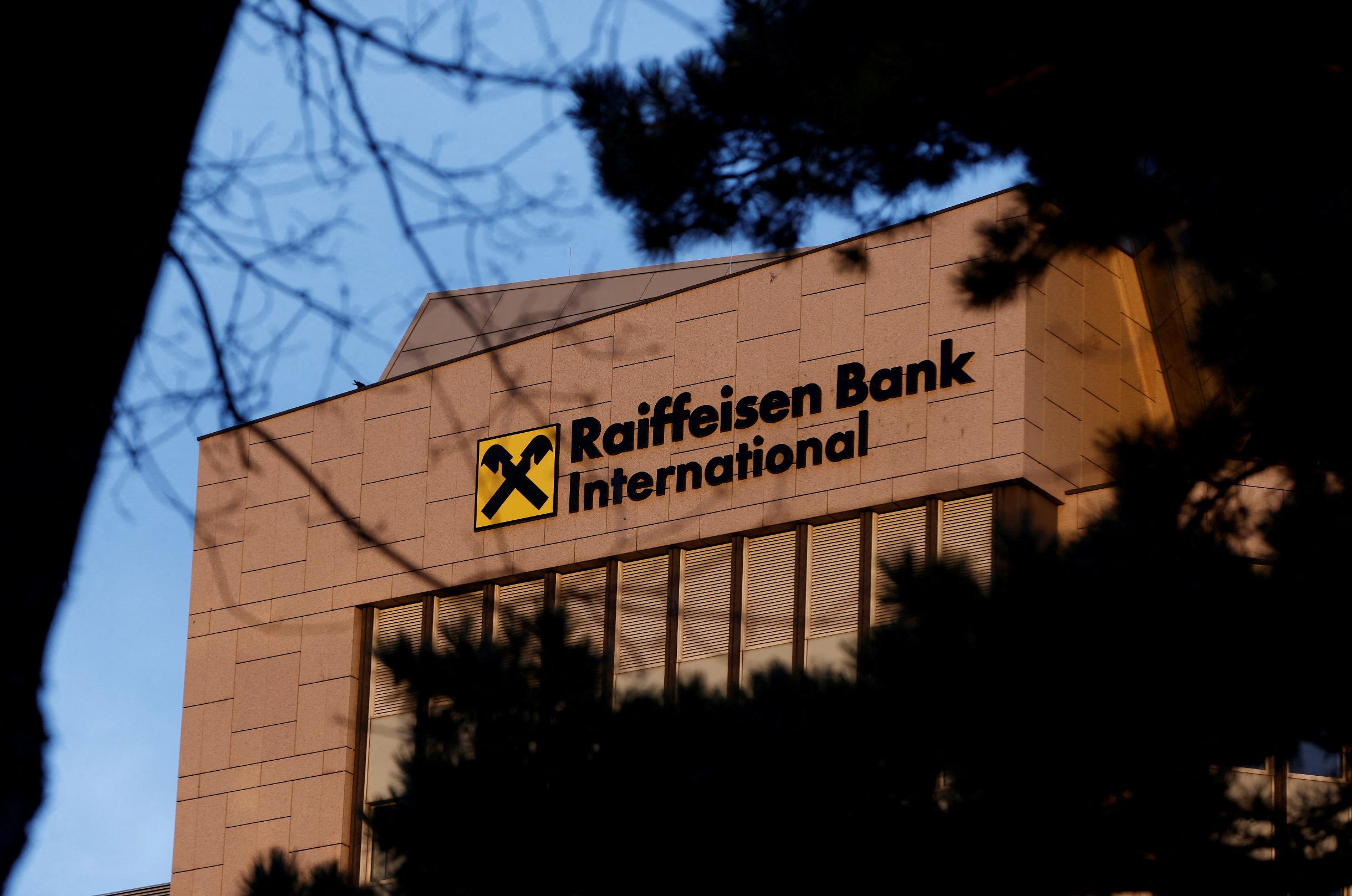
SOCHI, Russia, Oct 17 (Reuters) - Russia expects the local subsidiaries of European banks Raiffeisen Bank International (RBI) and UniCredit to participate in the mass launch of the digital rouble in July 2025 or face potential fines, the central bank said on Thursday. Austria's RBI (RBIV.VI) , opens new tab and Italy's UniCredit are two of Russia's 13 systemically important banks but they are also under pressure from the European Central Bank to cut their exposure to Russia. Russia has been piloting a digital rouble and plans to begin mass implementation on July 1, 2025. Under the pilot scheme, a select group of individuals and companies has been allowed to open digital wallets and make purchases and transfers with digital roubles. Bank of Russia Governor Elvira Nabiullina said the full rollout next year would be voluntary for individuals, but not for systemically important lenders. "We envisage that those who are not ready must pay a fine, but for this, legislation must be adopted," Nabiullina told reporters at a financial forum in Sochi. "(The legislation) has been introduced. We hope that it will be passed." Raiffeisen's Russian subsidiary declined to comment. UniCredit did not immediately respond to a request for comment. More than 130 countries are exploring digital versions of their currencies as the world's financial authorities respond to declining cash usage and the threat to their money-printing powers from the likes of bitcoin and 'Big Tech'. The digital rouble could be crucial for Russia as it tries to circumvent payment issues caused by sweeping Western sanctions and as major trading partners such as China become more cautious in their dealings with Russia due to sanctions. Moscow is seeking to convince BRICS countries to build an alternative platform for international payments that would be immune to Western sanctions when it hosts the group's leaders at a summit next week. It will be several years before the digital rouble is fit for mass usage, Bank of Russia First Deputy Governor Olga Skorobogatova said. She confirmed that Raiffeisen and UniCredit's subsidiaries would be expected to take part. "Naturally, all structures should support the digital rouble for its clients, both banks and trade-service enterprises," Skorobogatova said. "For all systemically important banks and for universal banks, we envisage the same terms and there is no exception here." Sign up here. https://www.reuters.com/markets/currencies/russia-expects-raiffeisen-unicredit-subsidiaries-help-launch-digital-rouble-2024-10-17/
2024-10-17 15:12
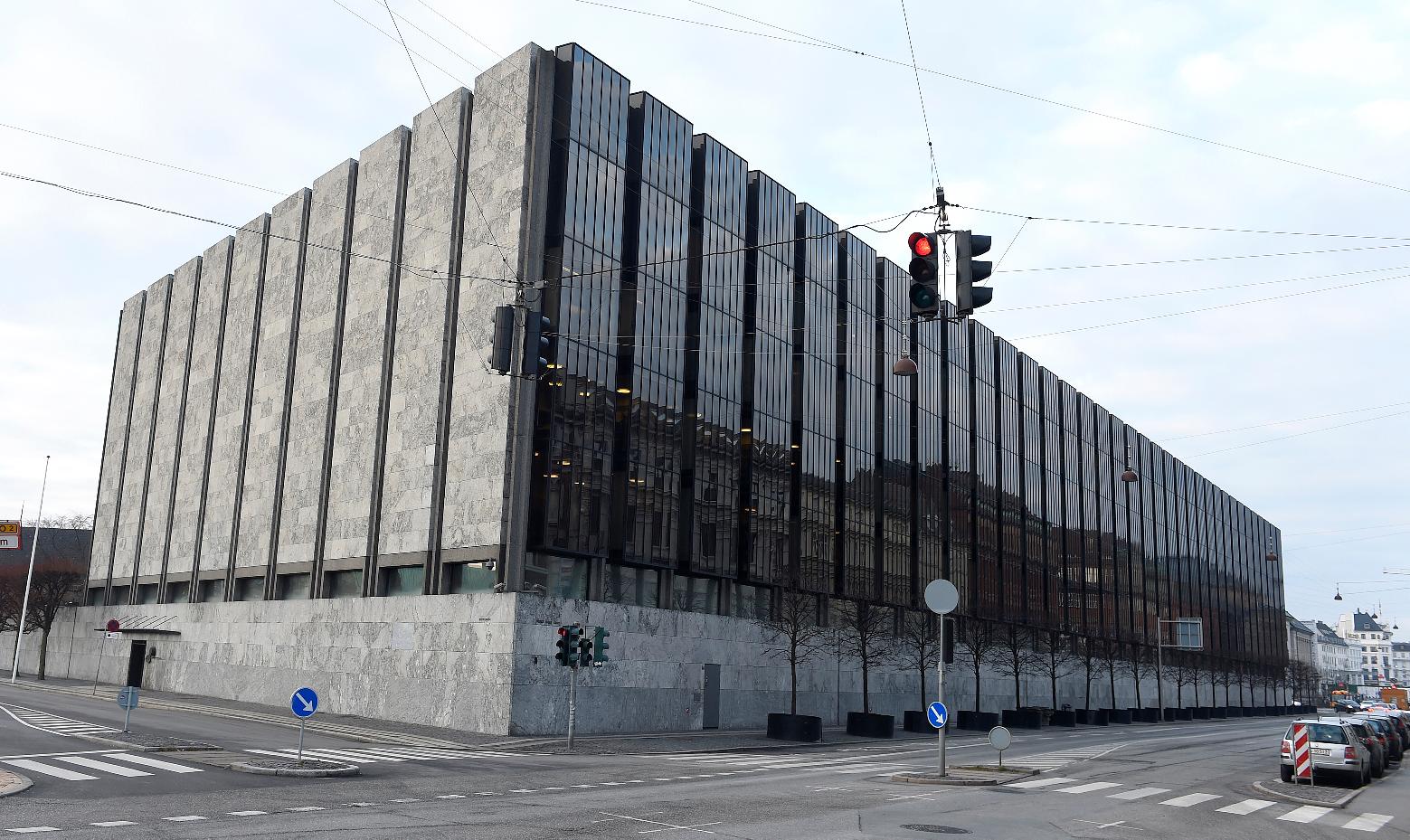
COPENHAGEN, Oct 17 (Reuters) - Denmark's central bank cut its key policy interest rate by 25 basis points to 2.85% on Thursday as expected, following the European Central Bank's decision earlier in the day to reduce euro zone rates. "The interest rate reduction is a consequence of the reduction by the European Central Bank of its main monetary policy rate, the deposit facility rate, by 0.25 percentage point," Danmarks Nationalbank said in a statement. "Thereby, the monetary policy spread vis-á-vis the euro area will remain unchanged," it added. The primary mandate of the Danish central bank is to keep the crown currency stable versus the euro, an objective it upholds through currency interventions and interest rate moves. Denmark's benchmark current account interest rate and the certificate of deposit rate were each cut by 25 basis points to 2.85% from 3.10%, while the so-called lending rate was cut by 25 basis points to 3% from 3.25%. The ECB earlier lowered its deposit rate by 25 basis points to 3.25%, its third cut this year, pointing out that inflation in the euro zone is now increasingly under control and the economic outlook has worsened. Sign up here. https://www.reuters.com/markets/europe/denmarks-central-bank-cuts-key-interest-rate-285-mirroring-ecb-2024-10-17/
2024-10-17 13:40
LONDON, Oct 17 (Reuters) - Seven of the 10 big developed-market central banks tracked by Reuters have now started easing policy, with expectations of how quickly each will move swinging back and forth as policymakers stress data dependency. Here's where major rate-setters stand and what traders expect next. 1/ SWITZERLAND Demand for Switzerland's haven currency gave its central bank less of an inflation problem than other rate setters when commodity costs soared after Russia's 2022 Ukraine invasion. The Swiss National Bank now faces prices falling too far. Swiss inflation has softened to 0.8% year-on-year, enabling the SNB to follow up a rate cut to 1% in September with more easing that could boost exporters suffering from the franc's persistent strength against the euro. Money markets price strong odds of Swiss rates dropping to 0.5% by March 2025. 2/ CANADA Rates markets show traders fully expect the Bank of Canada to lower rates for its fourth consecutive meeting on Oct. 23 and see even chances of a jumbo 50 basis point cut to 3.75%. Canadian inflation has eased to 2%, the economy is sluggish, pessimistic businesses reckon , opens new tab still-high rates are curbing demand, and the BoC has reported , opens new tab concerns about rising consumer credit distress levels. 3/ SWEDEN Sweden's Riksbank, which started cutting rates in May after its hikes crushed inflation but hastened an economic downturn, is now trying to jump-start growth. It cut rates to 3.25% in September and guided markets to fully price further back-to-back cuts in November, December and January. 4/ NEW ZEALAND Inflation in New Zealand dropped to 2.2% in the second quarter, the first time it has been within the Reserve Bank of New Zealand's 1-3% target range since March 2021. That leaves the RBNZ with room to continue its aggressive easing, after its 50 bps cut in October. Traders price another such move in November, and likely February too. 5/ EURO ZONE The ECB cut rates for the third time this year on Thursday in a tacit acknowledgement that inflation could settle around its 2% target more quickly than previously thought. Markets expect further 25 bp moves at each of its next three meetings, and for the ECB to take its benchmark rate from a level where it restricts growth to at least a neutral setting by the second half of 2025. 6/ UNITED STATES The Federal Reserve last month kicked off an easing cycle with a big 50 bps rate cut, the first reduction in more than four years. Traders now expect it to hold off from further aggressive measures as the U.S. economy remains resilient. Markets are pricing in roughly 50 bps worth of further easing by year-end, down from about 70 bps weeks ago, after Fed officials suggested that a first big cut had made a recession less likely and said the labour market was running at average levels. 7/ BRITAIN The Bank of England cut rates from 5.25% to 5% in August, and markets have ramped up bets for further easing after data on Wednesday showed inflation has dropped significantly below target. Consumer prices rose by 1.7% overall in September year-on-year and fell to 4.9% in Britain's dominant services sector, undershooting BoE forecasts and driving money markets to price almost a nine in ten chance of two more rate cuts this year. 8/ NORWAY Norway's central bank remains in the hawkish camp. It left its policy rate unchanged at 4.50% last month and said any cuts must wait until the first quarter of 2025, boosting the crown currency. Even though core inflation eased unexpectedly in September, headline is sticky. Markets price just a one in three chance of a cut by year-end, meaning Norway's easing cycle will likely start well after those of its peers. 9/ AUSTRALIA Also hawkish is Australia. The Reserve Bank of Australia has held rates at 4.35% since last November and has not ruled out further hikes to bring inflation back sustainably within its 2-3% target band. Inflation may have slowed to a three-year low of 2.7% in August, but Thursday's strong labour market data has left traders pricing just a 30% chance of a quarter-point cut by year end. 10/ JAPAN Rising inflation prompted longtime outlier the Bank of Japan to nudge borrowing costs up to 0.25% in July, a move that wreaked havoc on global trades that were underpinned by its ultra-loose monetary policies. After that drama, a slim majority of economists polled by Reuters expect the BOJ to leave rates steady for the rest of this year. That is perhaps not surprising as new Prime Minister Shigeru Ishiba, once seen as a monetary hawk, says the economy was not ready for further hikes. Oct. 27's election , opens new tab is another reason for the BOJ to stand pat at its late October meeting. Sign up here. https://www.reuters.com/markets/rates-bonds/big-central-banks-are-firmly-rate-cut-mode-2024-10-17/
2024-10-17 12:52
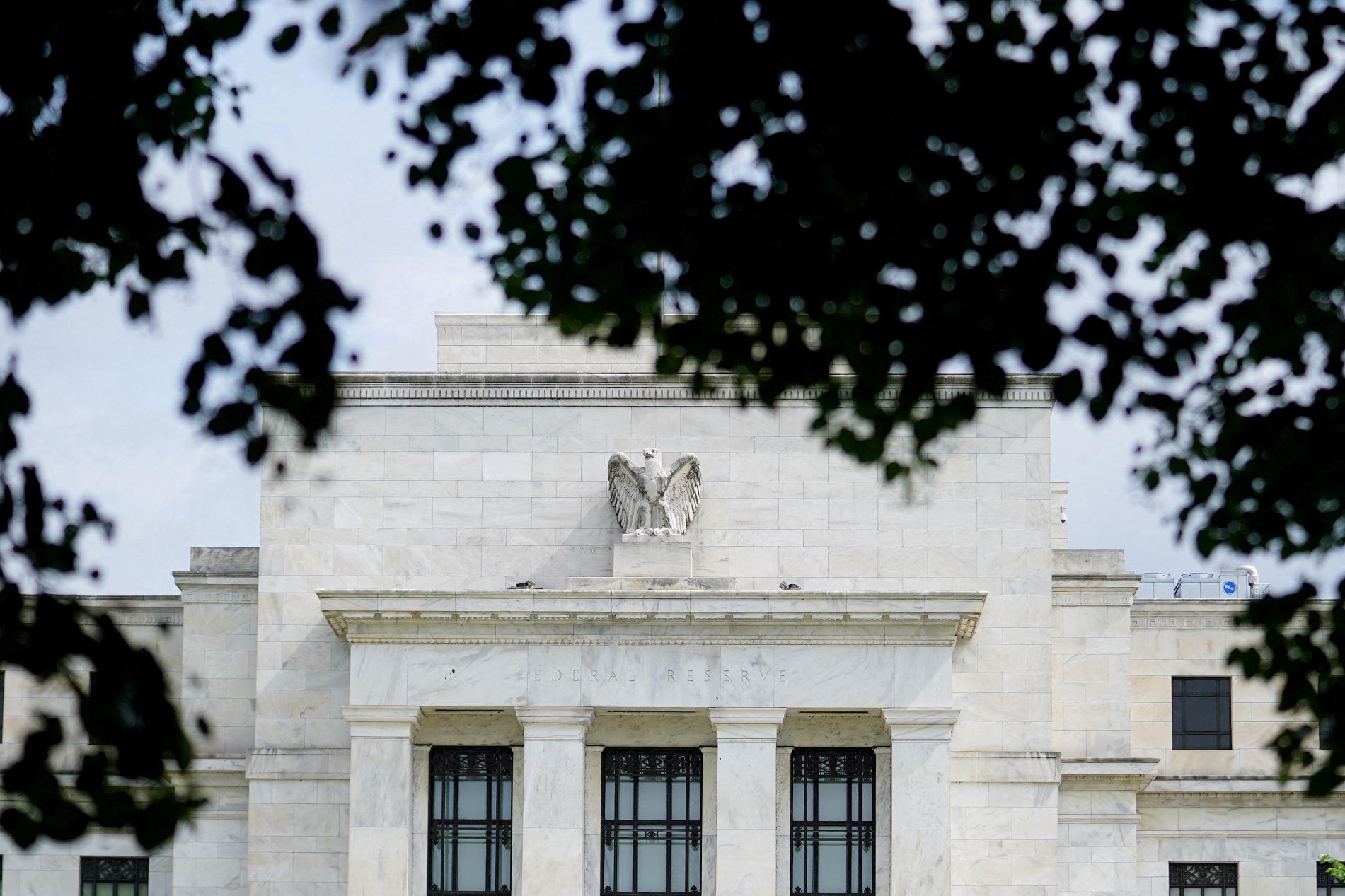
LONDON, Oct 17 (Reuters) - The European Central Bank cut interest rates for the third time this year on Thursday, pointing out that inflation in the euro zone is now increasingly under control and the economic outlook has worsened. The euro initially rose following the rate decision, but fell back following stronger-than-expected U.S. data. It was last trading 0.25% lower on the day at $1.0836, compared with $1.0863 just before the ECB announcement . Europe's broad STOXX 600 index was last up 0.8% (.STOXX) , opens new tab, while Germany's 10-year government bond yield , the benchmark for the bloc, was last up 3 basis points at 2.21%, versus 2.197% previously. Yields move inversely to prices. COMMENTS: ROBERT FARAGO, HEAD OF STRATEGIC ASSET ALLOCATION AT HARGREAVES LANDSDOWN, UK: "Growth is so slow in Europe and inflation is back at target, it would be a surprise if they (the ECB) didn't continue to cut." "I think in practice for European stocks, what matters more is what's happening in the U.S., because in the U.S., the rate decision is more difficult, given that the economy remains very strong and core inflation remains potentially pretty sticky." "The U.S. is where we look for a surprise. I think the case for European rate cuts is pretty clear cut." "During the (ECB chief Christine Lagarde's) speech, we'll be focused on the stickiness of wage inflation, core inflation, service inflation." DEAN TURNER, CHIEF EUROZONE ECONOMIST, UBS GLOBAL WEALTH MANAGEMENT, LONDON: "In our view, this is unlikely to be the last cut from the ECB this year. Another cut is likely in December, and we expect this will be followed by a series of cuts at every meeting through to June next year, with the deposit rate hitting 2% before the ECB reaches for the pause button." "In the equity market, small and mid-caps in the euro zone offer attractive value and should be one of the main beneficiaries of ECB rate cuts, in our view." "We expect the lower rates environment, together with the ongoing resilience in the U.S. economy to support cyclical currencies like the euro, which we expect to perform well against the U.S. dollar in the coming months." ROBERTO MIALICH, FOREX STRATEGIST, UNICREDIT, MILAN: "The message is exactly what we had in mind. ECB cut rates and made it clear that they are still dependent on data." SEEMA SHAH, CHIEF GLOBAL STRATEGIST, PRINCIPAL ASSET MANAGEMENT, LONDON: "It has become increasingly evident that gradual ECB monetary easing is insufficient and that back-to-back rate cuts are necessary." "While the ECB has resisted providing forward guidance and President Lagarde will emphasise data dependence, it is unlikely that there will be such a turnaround in the data in the next month that the central bank can afford to stand pat in December." "And while inflation pressures may continue to trouble the Governing Council, the troubling state of the euro area economy suggests that the path forward is fairly clear." CARSTEN BRZESKI, GLOBAL HEAD OF MACRO, ING, FRANKFURT: "The decision to cut rates only five weeks after the last cut and with only very few pieces of economic data since then, suggests that the ECB must have become much more concerned about the euro zone’s growth outlook and the risk of inflation undershooting the target. Interestingly, the official language in the ECB's decision was almost unchanged from the September meeting." MATTHEW LANDON, GLOBAL MARKET STRATEGIST, JPMORGAN PRIVATE BANK, LONDON: "The European Central Bank abandoned their quarterly cadence of cuts with a second consecutive 25 bps rate reduction. This appears to send a clear signal to the market that concerns within the Governing Council are shifting from inflation to growth. It is hard to disagree." "They didn’t give much away in terms of what to expect going forward. We expect to see sequential cuts into 2025 towards a terminal rate around 2%." "Faster cuts and slower growth should keep pressure on European assets. The euro in particular feels vulnerable, and has been one of our preferred shorts into the U.S. election. We’ve been anchoring on a $1.07-1.11 range on euro/dollar, but that could skew 3-4% lower if higher tariffs become a real possibility post-election." MARK WALL, CHIEF EUROPEAN ECONOMIST, DEUTSCHE BANK, LONDON: "The cut is still significant in the sense that the ECB has accelerated the easing cycle with the back-to-back cut. At the same time, the ECB continues to avoid guidance and is not committing to a particular path for policy. This is sensible given the uncertainties that lie ahead." "Chances are that today’s decision represents a pivot point into a faster normalisation of monetary policy.” ARNE PETIMEZAS, DIRECTOR RESEARCH, AFS GROUP, AMSTERDAM: "ECB cuts rates by 25 bps expected. Inflation and economic assessment is stating the obvious, and contains no surprises." "However, I had expected the ECB would drop the 'not on a particular rate path' language from the statement and instead, acknowledge that we're now in an easing cycle. After all, this is the third cut in four months." MARCHEL ALEXANDROVICH, ECONOMIST, SALTMARSH ECONOMICS, LONDON: "The ECB lowers interest rates at consecutive meetings for the first time since 2011 and looks set to cut again in December." "Even after today’s move, policy remains in restrictive territory. And with inflationary pressures easing, the Governing Council feels comfortable to nudge interest rates lower toward their neutral level." Sign up here. https://www.reuters.com/markets/rates-bonds/view-ecb-cuts-key-rates-again-2024-10-17/
2024-10-17 12:31
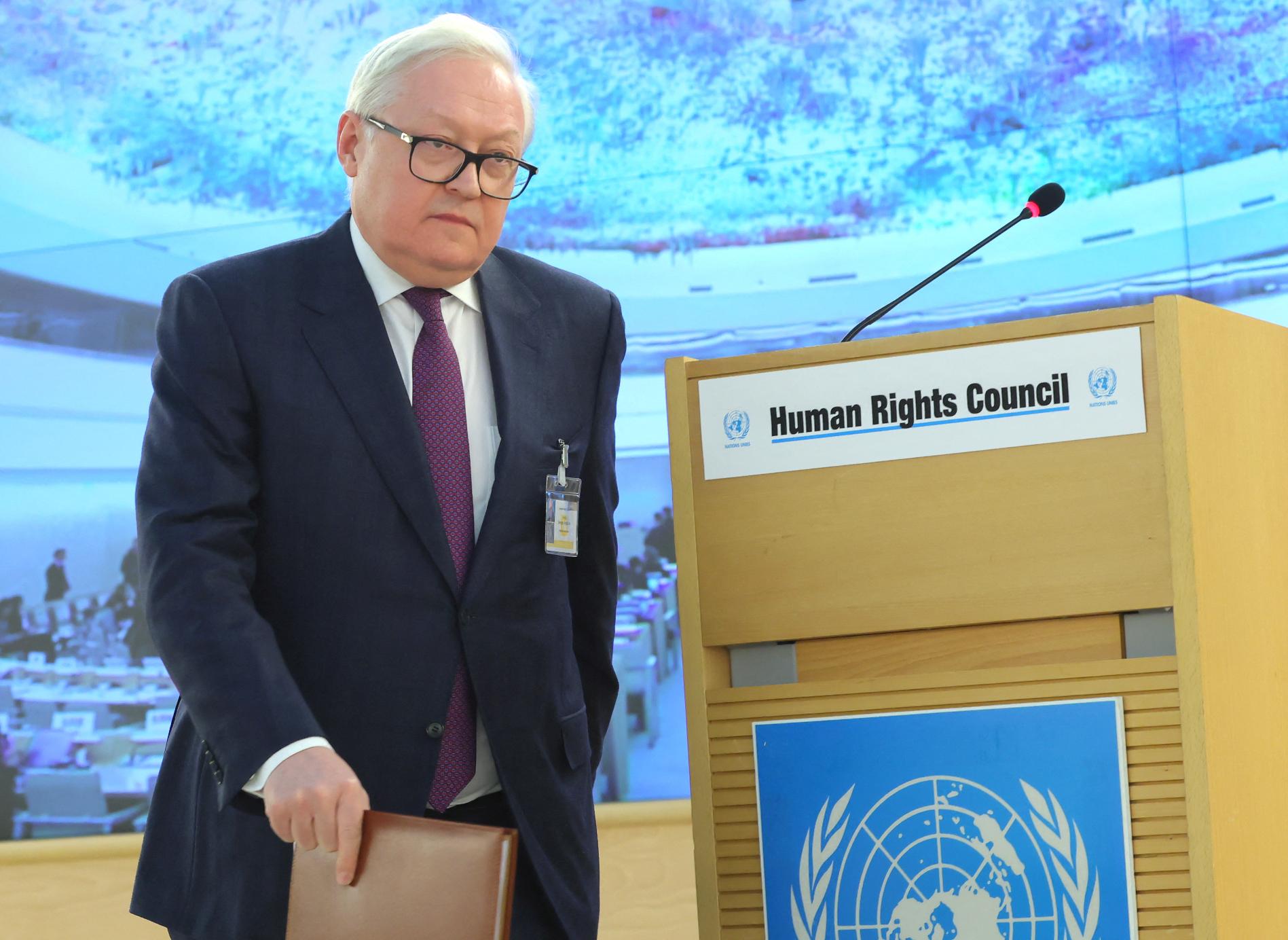
MOSCOW, Oct 17 (Reuters) - Russia is warning Israel to not even consider striking Iranian nuclear facilities, state news agency TASS quoted Deputy Foreign Minister Sergei Ryabkov as saying on Thursday. After Iran's missile attack on Israel on Oct. 1, there has been speculation that Israel could strike Iran's nuclear facilities, as it has long threatened to do. "We have repeatedly warned and continue to warn, to caution (Israel) against even hypothetically considering the possibility of a strike on (Iranian) nuclear facilities and nuclear infrastructure," Ryabkov was quoted by TASS as saying. "This would be a catastrophic development and a complete negation of all existing principles in the area of ensuring nuclear safety." It was not clear in what form Moscow had conveyed such a message to Israel. Israel and Western countries have long feared that Iran is developing a nuclear bomb under the cover of a civilian nuclear energy programme, something Tehran denies. Prime Minister Benjamin Netanyahu's office said in a statement on Tuesday that Israel would listen to the United States, which has also cautioned against striking nuclear facilities in Iran, but would determine its actions according to its own national interest. The statement was attached to a Washington Post article which said Netanyahu had told President Joe Biden's administration that Israel would strike Iranian military targets, not nuclear or oil targets. Russian state media also quoted Ryabkov as saying that Moscow was in constant contact with Iran, irrespective of the level of tensions in the region. Russia has strengthened ties with the Islamic Republic since the start of its war in Ukraine and is preparing to sign a major partnership agreement with Tehran. Sign up here. https://www.reuters.com/world/russia-tells-israel-not-even-consider-attacking-iranian-nuclear-facilities-tass-2024-10-17/