2024-10-16 22:51
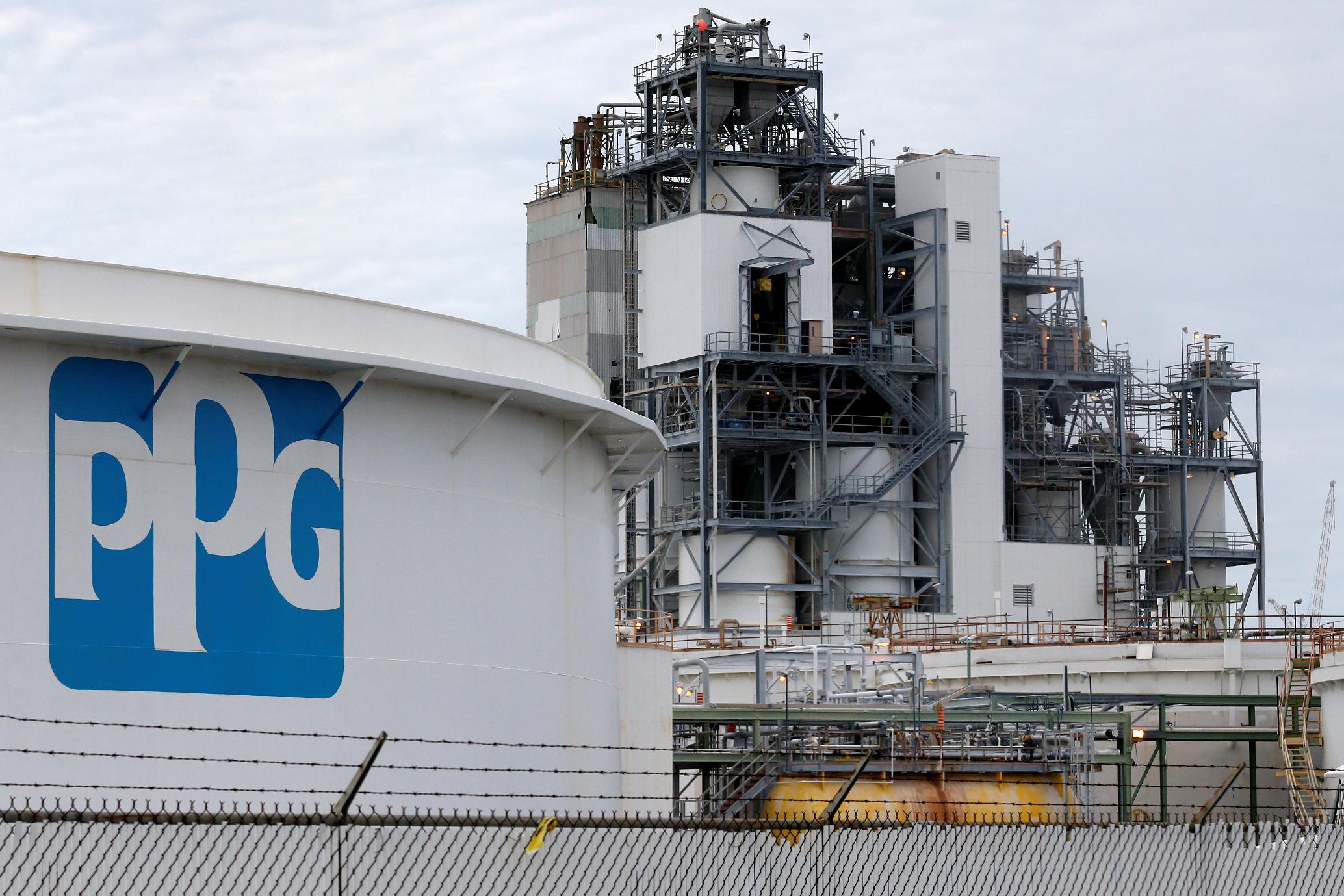
Oct 16 (Reuters) - Paints and coatings maker PPG Industries (PPG.N) , opens new tab missed Wall Street estimates for third-quarter profit on Wednesday, hurt by lower sales at its industrial coatings unit. The company posted an adjusted profit of $2.13 per share in the July-September quarter, compared with estimates of $2.15, according to data compiled by LSEG. WHY IT'S IMPORTANT U.S. new vehicle sales fell during the third quarter due to fewer selling days, weaker consumer spending and higher interest rates, which impacted demand for automotive coatings. Production at factories in the United States held steady at weaker levels in September, although new orders improved. CONTEXT The Pittsburgh, Pennsylvania-based firm is a global supplier of paints, coatings and specialty materials. It is the largest coatings company in the world, followed by Sherwin-Williams. At PPG's automotive OEM coatings unit, which sells paints, coatings and adhesives to the auto industry, organic sales declined by double-digit percentage. However, performance coatings sales during the third-quarter rose compared to last year led by aerospace coatings. BY THE NUMBERS Net sales at PPG's performance coatings segment rose to $2.92 billion in the third quarter, compared with $2.88 billion a year earlier. Meanwhile, sales at its industrial coatings segment fell 6% to $1.65 billion from the same quarter a year ago. KEY QUOTE "Automotive OEM coatings organic sales decreased more than initially forecasted...due to lower U.S. and European industry build rates, which deteriorated notably late in the quarter, partly offset by PPG growth in China and Mexico," PPG said. Sign up here. https://www.reuters.com/markets/commodities/ppg-misses-quarterly-profit-estimates-weak-industrial-coatings-demand-2024-10-16/
2024-10-16 22:35
Set to offer trading in derivatives for lower fees Aim to be primary financial services provider - exec Oct 16 (Reuters) - Robinhood (HOOD.O) , opens new tab launched its long-awaited desktop platform and added futures and index options trading features to its mobile app on Wednesday, as the fintech firm aims to take market share from traditional brokerages. The 11-year-old commission-free trading app, which became synonymous with mom-and-pop investors in 2021, is now seeking to mature into a full-fledged financial services provider and compete with established brokerages that serve institutional investors. The Menlo Park, California-based company said its desktop trading platform, dubbed 'Robinhood Legend,' will focus on active traders. "We've matured alongside our customers and have heard loud and clear that they want access to more advanced products and more active trading tools," Chief Brokerage Officer Steve Quirk told Reuters. "Our long-term goal is for Robinhood to be the primary financial services company that meets all of customers' needs." The platform, available at no additional cost, will offer advanced trading tools, real-time data, as well as custom and preset layouts. Meanwhile, the app will allow users to trade futures on the benchmark S&P 500 (.SPX) , opens new tab index, oil and bitcoin , among others. Customers can also trade index options BATTLE FOR MARKET SHARE Long dominated by high-profile names like Vanguard, Charles Schwab (SCHW.N) , opens new tab, and Fidelity Investments, the U.S. brokerage industry saw its first disruption in decades when Robinhood pioneered commission-free trading in 2013. A decade on, Robinhood is expanding to cater to more seasoned investors. Trading in futures and options has typically been the domain of large banks, hedge funds and asset managers, due to higher margin requirements, increased volatility, complexity and commissions. Subscribers to Robinhood's premium Gold tier will be able to trade futures for as low as 50 cents per contract, while non-Gold users will need to pay a commission of 75 cents. This compares with Schwab's charges of $2.25 per contract, while Morgan Stanley's (MS.N) , opens new tab E*TRADE takes $1.50 for futures and $2.50 for crypto futures. Robinhood's fees for index options, set at 35 cents per contract for Gold members and 50 cents for others, is also lower than industry peers. The company had 11.8 million monthly active users and 1.98 million premium 'Gold' customers, as of June 30. Analysts have previously said Robinhood's entry into futures trading this year could be met with some caution by retail traders if it charges a fee, but it could also create new opportunities for expanding its market share. Earlier this year, the company had committed to expanding margins while focusing on driving "profitable growth" in 2024. Three consecutive quarters of reported profits have also bolstered investor enthusiasm, contributing to a year-to-date stock gain of over 100%. Sign up here. https://www.reuters.com/technology/robinhood-launches-desktop-platform-adds-futures-index-options-trading-app-2024-10-16/

2024-10-16 22:25
Oct 16 (Reuters) - The U.S. Department of Energy said on Wednesday it has approved conditional loan guarantee commitments totaling nearly $3 billion for two sustainable aviation fuel projects. The agency's Loan Programs Office said the funding of up to $1.44 billion to Calumet's (CLMT.O) , opens new tab unit would support the expansion of its facility in Montana. The facility will utilize vegetable oils, fats, and greases to produce SAF, renewable diesel, and renewable naphtha. If finalized, the loan guarantee would fund facility expansion to produce about 315 million gallons per year of biofuels, most of which will be SAF, the agency said. The White House aims to meet all of the U.S.'s aviation fuel demand with SAF by 2050 and to supply at least 3 billion gallons of SAF annually by 2030. Once the Montana facility reaches full capacity, its output would represent 10% of the SAF Grand Challenge goal of 3 billion gallons annually by 2030, DOE said. The government body also approved an up to $1.46 billion loan guarantee to renewable fuels company Gevo (GEVO.O) , opens new tab to help finance a corn starch-to-jet fuel facility in Lake Preston, South Dakota. Gevo would be the first integrated, commercial-scale facility in the United States to convert corn starch to SAF with carbon capture and renewable power, DOE said. The U.S. Energy Information Administration expects domestic production of biofuels to increase by about 50% in 2024, led by rising SAF production. Sign up here. https://www.reuters.com/sustainability/climate-energy/us-offers-conditional-loan-guarantees-worth-about-3-bln-two-sustainable-aviation-2024-10-16/

2024-10-16 22:09
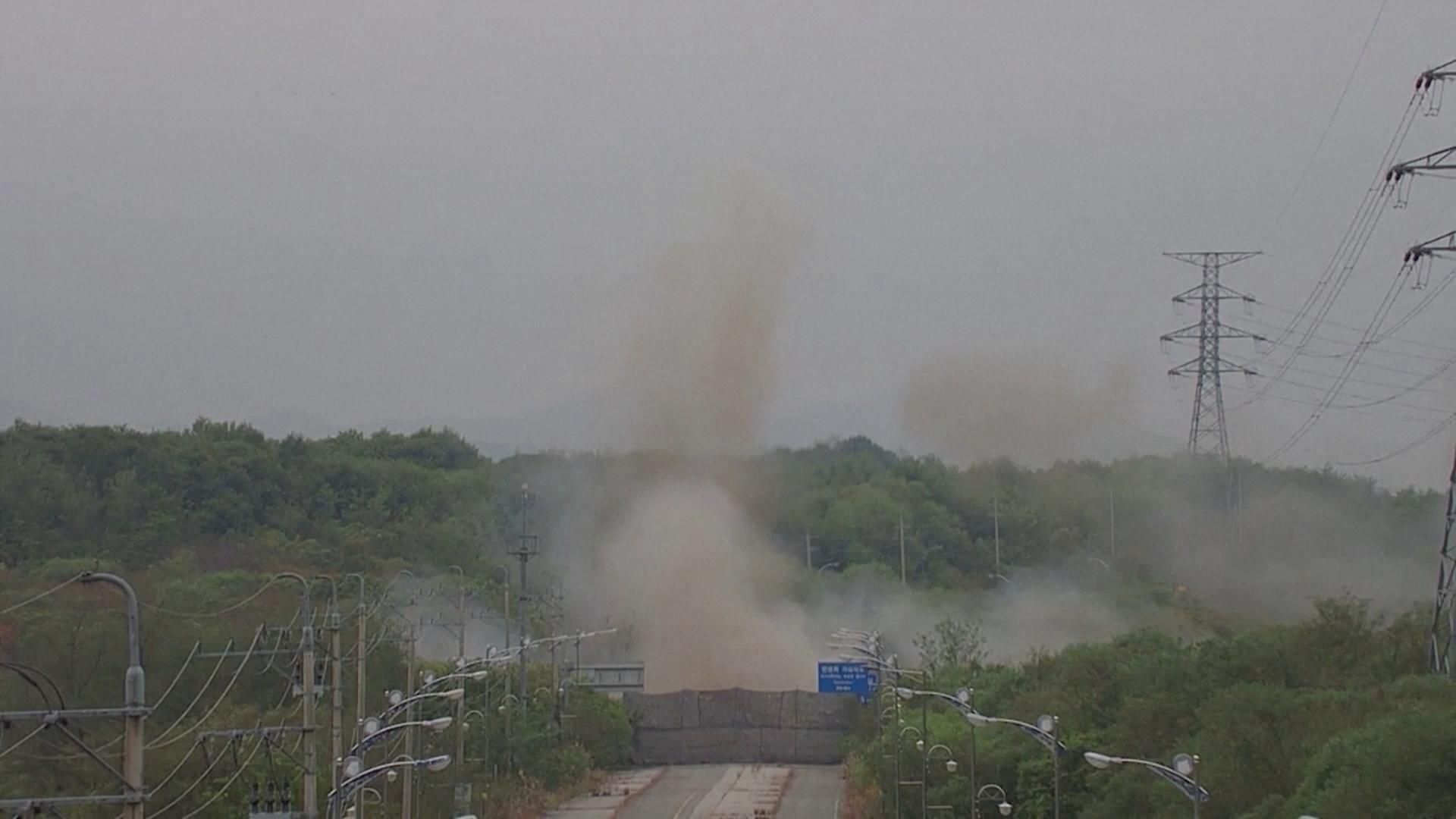
SEOUL, Oct 17 (Reuters) - North Korea has designated South Korea a "hostile state", its state media said on Thursday, confirming that its national assembly had amended the country's constitution in line with their leader's vow to drop unification as a national goal. The North's KCNA news agency reported that the military had blasted sections of road and rail links with South Korea on Tuesday as legitimate action taken against a hostile state as defined by its constitution. Sixty-metre (66-yard) sections of the road and railway on its side of the border that had been laid as crossings were now completely blocked as part of a "phased complete separation of its territory" from the South, it said. "This is an inevitable and legitimate measure taken in keeping with the requirement of the DPRK Constitution which clearly defines the ROK as a hostile state," KCNA said, using the North's official name, the Democratic People's Republic of Korea, and South Korea's, the Republic of Korea. KCNA cited a defence ministry spokesperson as saying the country would take further steps to "permanently fortify the closed southern border" but did not mention any other changes to the constitution that leader Kim Jong Un had ordered. In January, Kim called for a constitutional amendment to erase unification as a goal in its ties with the South, accusing Seoul of colluding with the United States to seek the collapse of his communist regime and a clear defining of its territory. North Korea's Supreme People's Assembly met over two days last week where it had been expected to amend the constitution to officially designate South Korea as a separate country and a main enemy. State media had not reported on such a move, drawing speculation whether the change to the constitution had been postponed. South Korea has said its policy was to continue to pursue national unification but respond with force if North Korea mounts any aggression. Tensions between the rivals have been escalating since last year with both sides declaring an agreement signed in 2018 to ease military tension was no longer valid. North Korea sharply intensified its hostile rhetoric in recent days, accusing the South of intruding on its airspace by flying drones and vowing retaliation. South Korea's government has declined to say whether its military or civilians flew the alleged drones. The South's military fired warning shots south of the border on Tuesday in response to the North's detonations on roads and railways. Pyongyang said last week it would cut off the inter-Korean roads and railways entirely and further fortify the areas on its side of the border as part of its push for a "two-state" system scrapping its longstanding goal of unification. Sign up here. https://www.reuters.com/world/asia-pacific/north-korea-reports-road-rail-links-cut-off-with-hostile-state-south-korea-kcna-2024-10-16/
2024-10-16 22:05
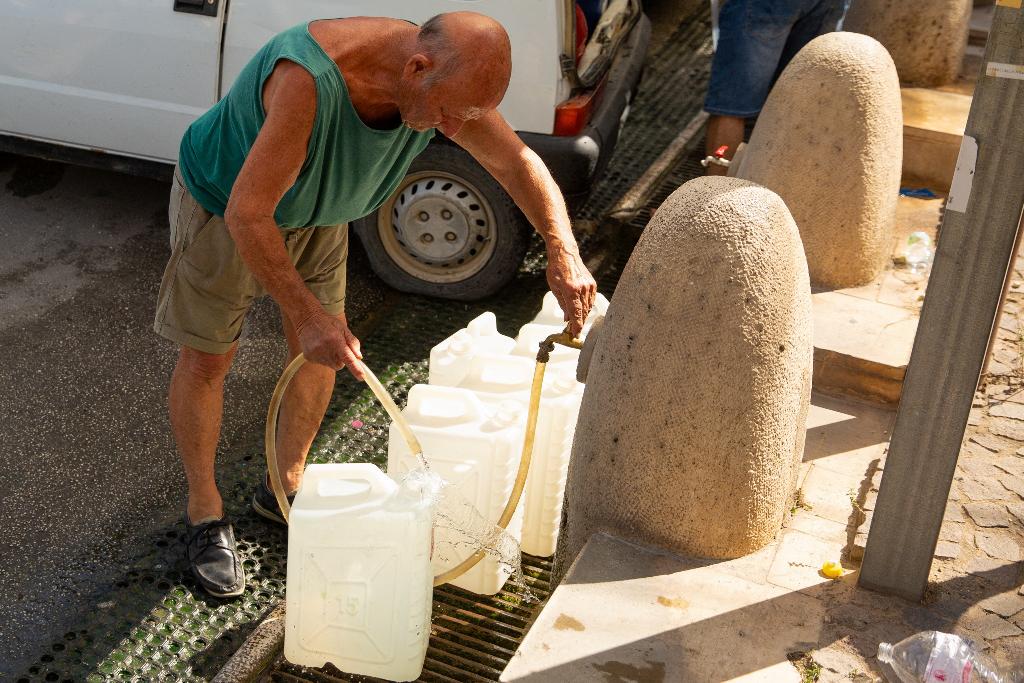
SINGAPORE, Oct 17 (Reuters) - Countries need a new international pact to fix a mounting water crisis that could cut economic growth by at least 8% and put half the world's food supplies at risk by 2050, an OECD-backed commission said on Thursday. Climate change, destructive land use and chronic mismanagement has put the global water cycle under "unprecedented stress", said the Global Commission on the Economics of Water (GCEW), a two-year research initiative set up by the Netherlands in 2022. Densely populated regions like northwestern India, northeastern China and southern and eastern Europe are especially vulnerable to water shortages, it said. Governments must work together to create incentives to transform how water is consumed and ensure that investment in vital infrastructure reaches the right places, GCEW said in its final report. "We are going to have to set common goals for water sustainability," said Singapore President Tharman Shanmugaratnam, GCEW co-chair. "Ultimately, it will require a global water pact. It is going to take several years to get there, but we are going to start that process," he said at a briefing ahead of the report's launch. The report said global water supplies can no longer be counted on, partly as a result of shifting rainfall patterns, with each 1 degree Celsius of warming estimated to increase atmospheric moisture retention by 7%. "For the first time, we are actually changing the very source of all freshwater - namely precipitation," said Johan Rockstrom, director of the Potsdam Institute for Climate Impact Research and another commission co-chair. As well as "blue water" in rivers and lakes, the commission looked at "green water" contained in soils and plant life. After evaporating, green water provides around half of global rainfall in a process known as "atmospheric rivers". Rising temperatures have created a vicious cycle, with lower soil moisture worsening droughts and wildfires and causing more degradation and biodiversity loss, further disrupting those atmospheric river flows, the commission said. Regions relying on high levels of irrigation could suffer from water storage capacity declines. On current trends, global cereal production could fall by as much 23%. Financing mechanisms are required to encourage investment in water infrastructure, especially in more vulnerable countries, and banks should also make lending conditional on protecting water supplies, the report said. Global efforts are also needed to price water correctly and "redeploy" an estimated $600 billion in annual agriculture subsidies that encourage overconsumption and the planting of water-intensive crops in unsuitable regions, said Ngozi Okonjo-Iweala, Director General of the World Trade Organization and another GCEW co-chair. While multilateral cooperation is needed to address threats to global water supplies, growing shortages could aggravate geopolitical tensions, said Genevieve Donnellon-May, a researcher at the Oxford Global Society think tank, who studies water politics. "One worry is that growing water scarcity could lead to less transboundary cooperation, both at a subnational level… and also between nations," she said. Sign up here. https://www.reuters.com/world/oecd-backed-group-calls-global-pact-solve-water-crisis-2024-10-16/
2024-10-16 22:05
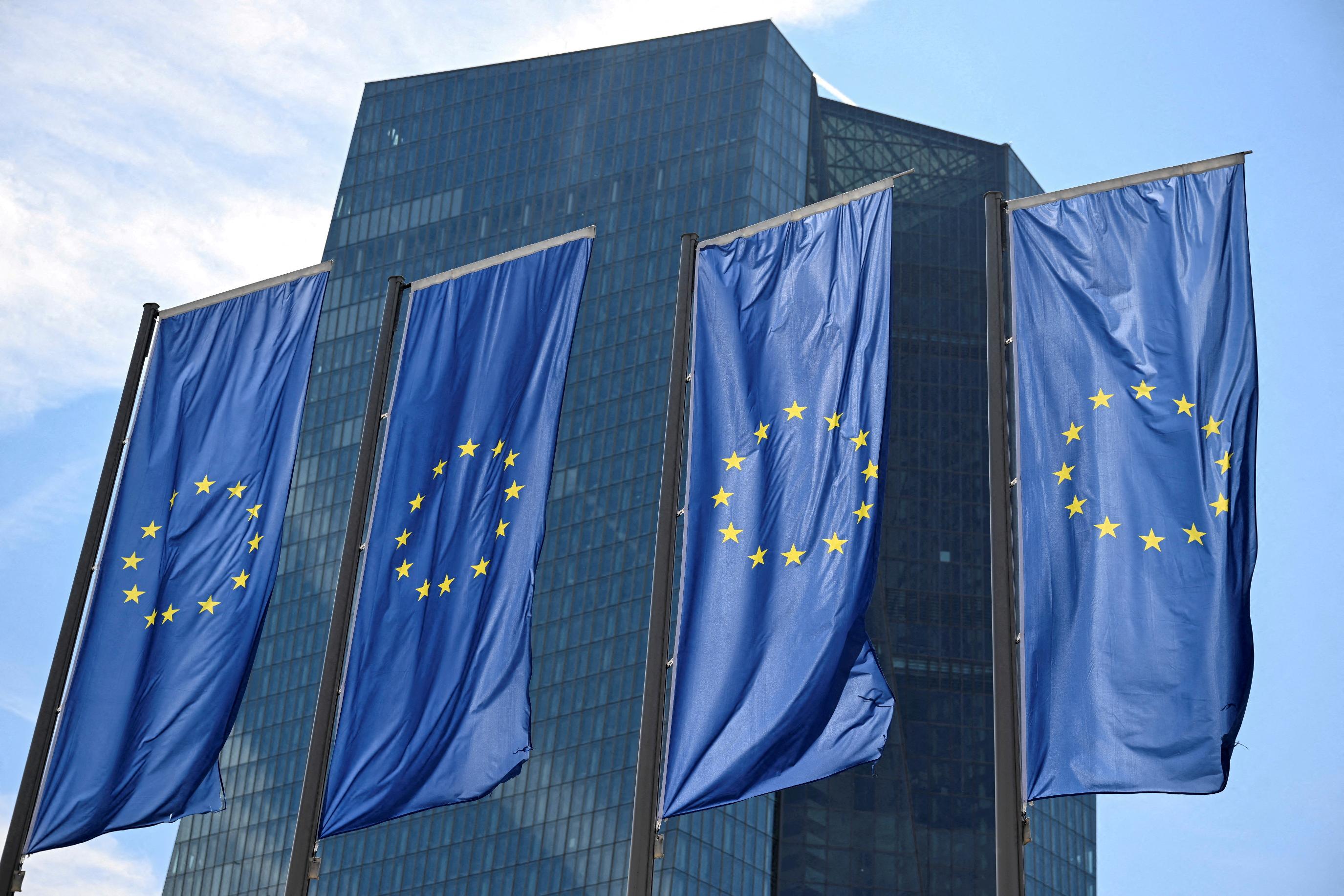
Third rate cut this year, first back-to-back cut in 13 years Recent economic data supports case for reduction Quarter-point cut lowers benchmark ECB rate to 3.25% High interest rates have hurt investment, economic growth Lagarde says still on track for "soft landing" Oct 17 (Reuters) - The European Central Bank cut interest rates on Thursday for the third time this year, saying inflation in the euro zone was increasingly under control while the outlook for the bloc's economy was worsening. The first back-to-back rate cut in 13 years marks a shift in focus for the euro zone's central bank from bringing down inflation to protecting economic growth, which has lagged far behind that of the United States for two years straight. "We believe the disinflationary process is well on track and all the information we received in the last five weeks were heading in the same direction - lower," ECB President Christine Lagarde told a press conference. Lagarde did not provide hints about future moves but four sources close to the matter told Reuters a fourth cut in December is likely unless economic or inflation data turns around in the coming weeks. Yet the U.S. elections, and the threat of fresh trade tariffs if Donald Trump is elected president, were seen as a major source of uncertainty, the sources said. Asked about that risk, Lagarde said any trade obstacles were a "downside" for Europe. "Any restriction, any uncertainty, any obstacles to trade matter for an economy like the European economy, which is very open," she said, adding that the ECB was also "very attentive" to possible oil price moves linked to the Middle East conflict. However, she added that the ECB did not expect recession at present and was still working on the assumption that the economy would stage a "soft landing", jargon for lower - but still positive - growth. The quarter-point cut brings the rate that the ECB pays on banks' deposits down to 3.25%. Money markets are almost fully pricing in three further reductions through next March. "We believe that downside risks to growth in a context of easing inflationary pressure will lead to more rate cuts starting in December and continuing in 2025 until interest rates are back around a neutral level, that the ECB itself estimates around 2%," Gianluigi Mandruzzato, a senior economist at EFG Asset Management, said. The euro and euro bond yields were little changed after the ECB's decision which had been well flagged by a number of speakers including Lagarde herself. The balance within the ECB had tilted in favour of a rate cut in recent weeks, when business activity and sentiment surveys as well as the inflation reading for September all came in slightly lower than expected. INFLATION AND GROWTH The ECB can finally claim it has all but tamed the worst bout of inflation in at least a generation. Prices grew by just 1.7% last month, falling below the 2% target for the first time in three years. While inflation may edge above the ECB's target by the end of this year, it is expected to hover around that level for the foreseeable future. The ECB noted pay hikes are still supporting "domestic inflation" - that is growth in the price of services and goods that don't rely much on imports - but this too was waning. "Domestic inflation remains high, as wages are still rising at an elevated pace," it said. "At the same time, labour cost pressures are set to continue easing gradually, with profits partially buffering their impact on inflation." Yet the economy has had to pay a high price for that. High interest rates have sapped investment and economic growth, which has been weak for nearly two years. The most recent data, including about industrial output and bank lending, is pointing to more of the same in the coming months. A resilient labour market is also now starting to show some cracks, with the vacancy rate - or the proportion of vacant jobs as a share of the total - falling from record highs. This has fuelled calls inside the ECB and from politicians from Germany to Italy to ease policy before it is too late. "The ECB has been overly cautious in the past and it is good news that Lagarde does not make the same mistake twice," said Markus Ferber, a German member of the European parliament for the centre-right European People's Party. Yet some of the economic weakness is due to structural problems, such as the high energy costs and low competitiveness hobbling Europe's industrial powerhouse Germany. Lagarde repeated the ECB's customary call on Europe's politicians to push ahead with "ambitious" reforms to make the region's economy more productive, competitive and resilient. Sign up here. https://www.reuters.com/markets/rates-bonds/ecb-set-second-straight-rate-cut-economy-stagnates-2024-10-16/