2024-10-16 12:34
MOSCOW, Oct 16 (Reuters) - Russia has begun designing nuclear-powered submarines to export liquefied natural gas (LNG) from the Arctic to Asia to try to nearly halve the journey time along the Northern Sea Route (NSR), a senior state official has said. Russia already uses nuclear-powered ice breakers to pave the way for such transport via the NSR, which runs along Russia's Arctic shores from Murmansk in the west to the Bering Strait in the east, a route Moscow sees as a faster alternative to the Suez Canal and has plans to develop. But Russia is suffering from a shortage of vessels able to battle thick Arctic ice, an obstacle for its new Arctic LNG 2 project which has been sanctioned by the United States over Moscow's war in Ukraine. The Arctic LNG 2 facility started production of sea-borne LNG last December. But although the first cargoes with the super cooled gas were shipped in early August, it has yet to be passed on to the end-buyers. Mikhail Kovalchuk, a close associate of President Vladimir Putin and director of the Kurchatov Institute, Russia's leading nuclear research facility, presented the submarine project at an industry conference in St. Petersburg last week, according to the event's official website. "This is about the creation of a fundamentally new class of vessel capable of becoming an alternative to 'traditional' gas carriers, which in Arctic conditions are unable to navigate all year-round without icebreaker escort," the Offshore Marintec Russia 2024 website said. It cited Kovalchuk, who held talks in the Kremlin with Putin on Sept. 24, as telling the conference: "The creation of underwater nuclear-powered gas carriers has been discussed for a long time, since the early 2000s. Now we (the Kurchatov Institute) and Gazprom have started designing one, and this work will move forward." The RBC news outlet said the idea was to cut the time it takes to navigate the NSR from 20 days to 12 and said the submarines would be able to carry around 180,000 tons of LNG, in line with a conventional Arc 7 ice class gas carrier. The planned submarines would be 360 metres long and no more than 70 metres wide, it said, and would be powered by RITM-200 nuclear reactors, which Russia uses to power its newest icebreakers. Some experts are sceptical though about the feasibility of the submarine project. Alexander Nikitin, a former Russian Navy officer who is a nuclear expert at the Vilnius-based Bellona Environmental Transparency Center, said Russia lacked the capabilities to build such a submarine. And additional servicing vessels and docks as well as crews with special training would be needed too, he said. "My opinion is that people think, 'Maybe it'll work.' But given the situation, it's unlikely," he said, calling the project "a bluff". Sign up here. https://www.reuters.com/business/energy/russia-has-begun-designing-nuclear-powered-submarines-export-gas-says-top-2024-10-16/

2024-10-16 12:14
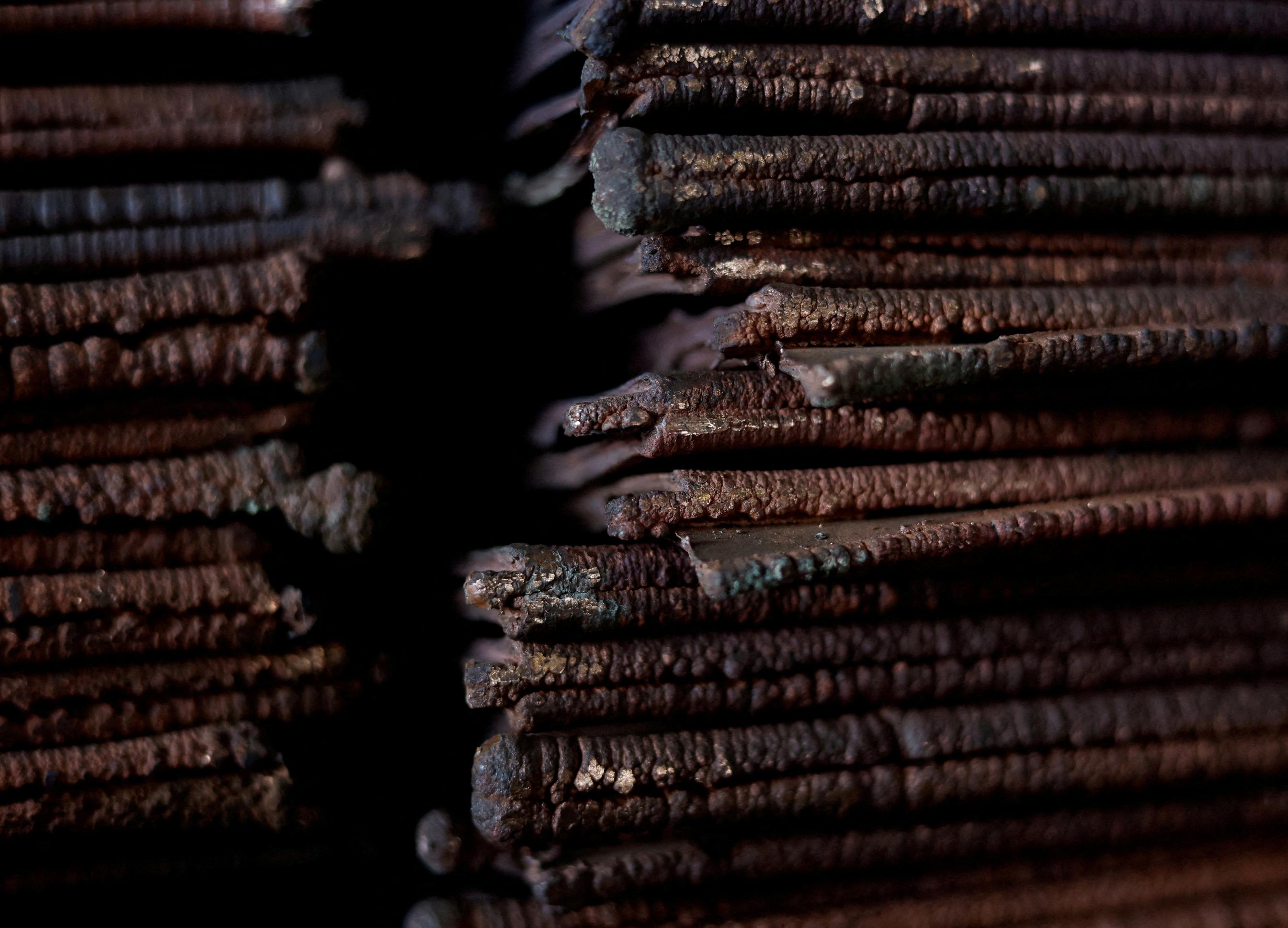
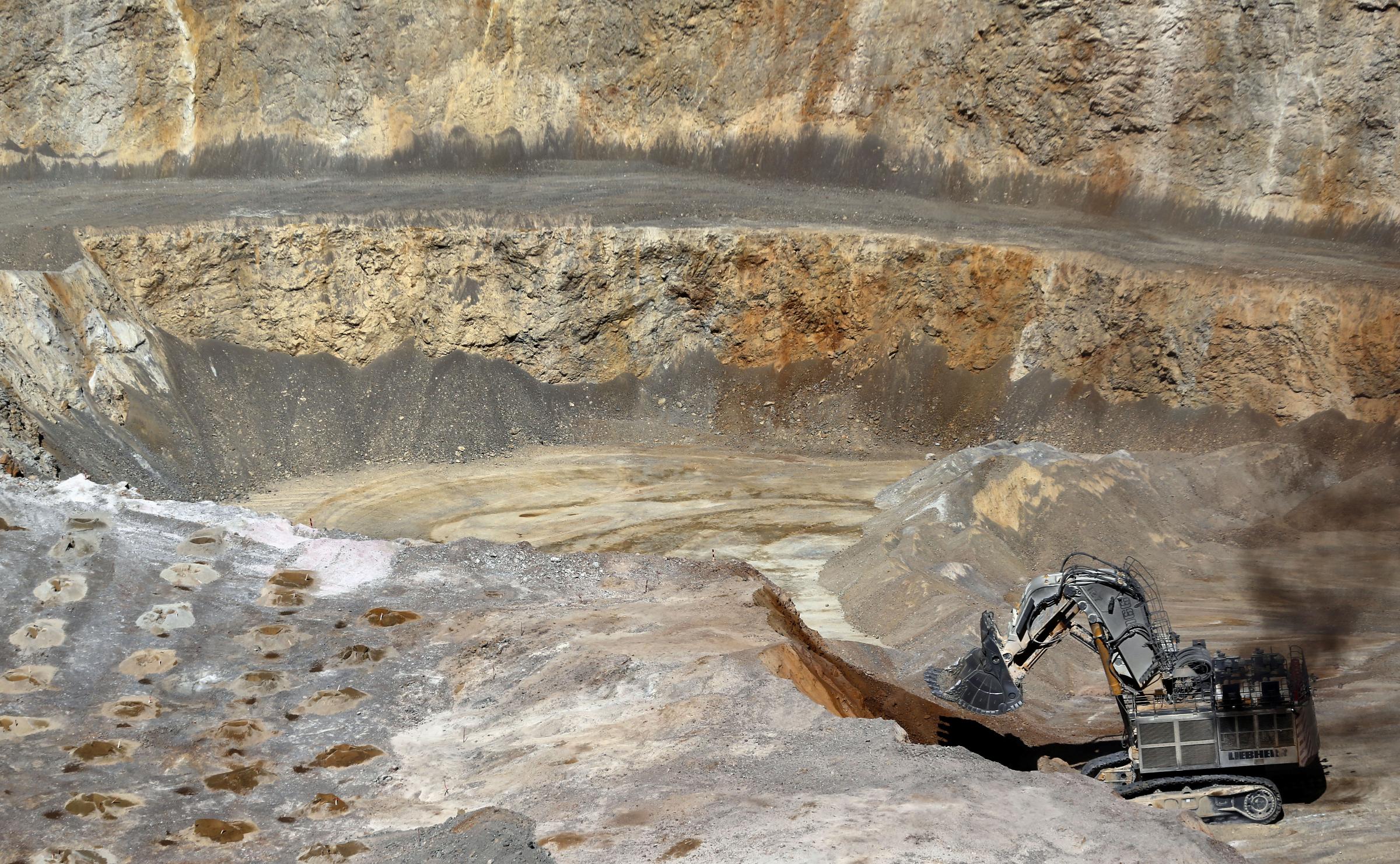
Oct 16 - Saudi Arabia's Manara Minerals is closing in on a deal to buy a minority stake in Canadian miner First Quantum Minerals' (FM.TO) , opens new tab Zambian copper and nickel assets, three people familiar with the details told Reuters. Manara, a joint venture between Saudi Arabian mining company Ma'aden (1211.SE) , opens new tab and its $925 billion Public Investment Fund, is in advanced talks to acquire between 15% and 20% equity in the Zambian assets, the sources said. The stake could be worth between $1.5 billion and $2 billion, one of the sources added. First Quantum's sale of a stake in the Zambian assets could be concluded by year-end, the sources said. There is no certainty that a deal will be signed as the negotiations are ongoing, they added. Both First Quantum and Manara Minerals declined to comment on the sale. The potential deal is in the spotlight as copper is a much sought-after element for the clean energy transition due to its uses in the manufacture of electric cars and data centers powering artificial intelligence. First Quantum earlier this year said it was in talks , opens new tab with potential investors to sell a partial stake in the Zambian mines, while also exploring the sale of its Spanish mine Las Cruces to raise capital and cut debt after the Panama government ordered the shutdown of its flagship Cobre Panama mine. Manara has emerged as a front runner for the purchase as the Saudi firm's strategy to acquire a minority interest fits with First Quantum's aim to retain a majority stake in the mines, said the sources, who did not wish to be quoted as they are not authorised to speak with media. First Quantum owns the Kansanshi and Sentinel copper mines in Zambia, which have become key to future output after Cobre Panama's shutdown. First Quantum also owns the Enterprise nickel mine in the country. The Zambian mines contributed $1.08 billion to First Quantum's revenue in the second quarter of this year. Zambian state firm ZCCM-IH (ZCCM.LZ) , opens new tab owns 20% of Kansanshi. First Quantum plans to spend an additional $1.3 billion at Kansanshi over the next five years, part of a $2 billion spending plan to raise copper output to about 277,000 tons per year by 2033 from about 130,000 tons in 2023. The Canadian miner has shed 40% of its revenue due to the closure of its flagship Cobre Panama mine last November, which when operational was one of the newest and biggest copper mines of the world. The company had to undertake a series of capital restructuring measures earlier this year to strengthen its balance sheet, including a share offering worth $1 billion. Manara has made significant investments in metals including copper, nickel and lithium as part of Saudi Arabia's aggressive push to secure minerals and transform into a hub for battery and electric vehicle manufacturing. The firm is also in talks with the Pakistan government to be part of the Reko Diq copper mine currently under development, which is owned by Barrick Gold (ABX.TO) , opens new tab, Pakistan state enterprises and the provincial government of Balochistan. An anticipated rally in the price of copper, spurred by a widening supply gap, is expected to continue to support the metal above $10,000 per ton by the end of 2025, according to Bank of America. Sign up here. https://www.reuters.com/markets/deals/saudis-manara-advanced-talks-buy-stake-first-quantums-zambian-mines-2024-10-16/
2024-10-16 11:40
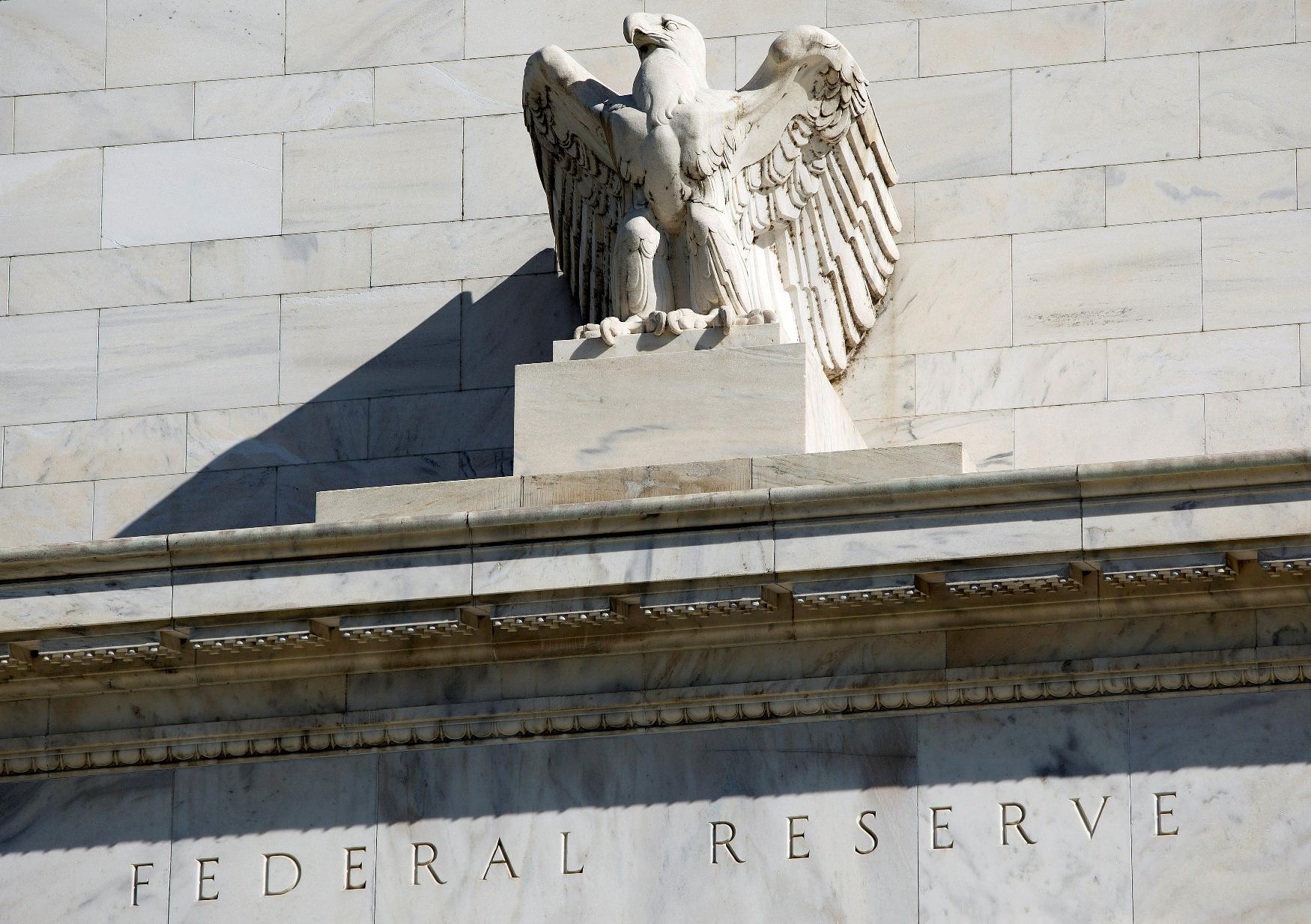
Oct 16 (Reuters) - Asian bond markets attracted overseas investments for the fifth consecutive month in September, though the pace of inflows slowed due to diminished expectations for further rate cuts by the U.S. Federal Reserve and caution ahead of U.S. elections. Cross-border investors bought local bonds in Indonesia, India, Malaysia, South Korea and Thailand, totalling a net $4.99 billion, which was less than $14.09 billion worth of net purchases the prior month, data from regulatory authorities and bond market associations showed. Analysts anticipate a further decline in flows into Asian bonds due to the recent strengthening of the U.S. dollar and the increase in U.S. bond yields this month. The U.S. dollar index hit a two-month high of 103.397, this week, while the yield on U.S. 10-year notes reached a two-and-a-half-month high of 4.12% after strong jobs data and higher-than-expected September inflation reduced expectations for large Fed rate cuts. Saktiandi Supaat, an analyst at Maybank, noted that near-term risks for emerging market currencies persist, with a potential win by Republican presidential candidate Donald Trump possibly triggering de-risking due to his tariff proposals, while a victory by Democrat Kamala Harris might support a global soft landing and gradual Fed rate easing. In September, foreigners purchased a net $2.76 billion worth of South Korean bonds, less than half the amount received in the previous month, while Indonesian bonds attracted about $1.4 billion in overseas capital. Additionally, foreigners pumped about $427 million, $253 million and $156 million respectively into Thai, Malaysian and Indian bonds last month. However, analysts are optimistic about the inclusion of Asian bonds in global bond indexes, which should bolster inflows. Indian government securities were added to JPMorgan's Government Bond Index-Emerging Markets in June 2024 and will join Bloomberg Index Services' Emerging Market Local Currency Index in January 2025. Additionally, FTSE Russell will include South Korean government bonds in the World Government Bond Index and Indian bonds in the Emerging Markets Government Bond Index starting in November 2025 and September 2025, respectively. "Hopefully, the KTB yields’ upward march could be somewhat offset by the capital inflow amid its inclusion into the WGBI Index. The changing rate cut expectations will particularly weigh on higher yielders like IDR rates," said Samuel Tse, an analyst at DBS Bank. Sign up here. https://www.reuters.com/markets/rates-bonds/inflows-into-asian-bonds-slow-caution-over-us-rate-cuts-elections-2024-10-16/
2024-10-16 11:35
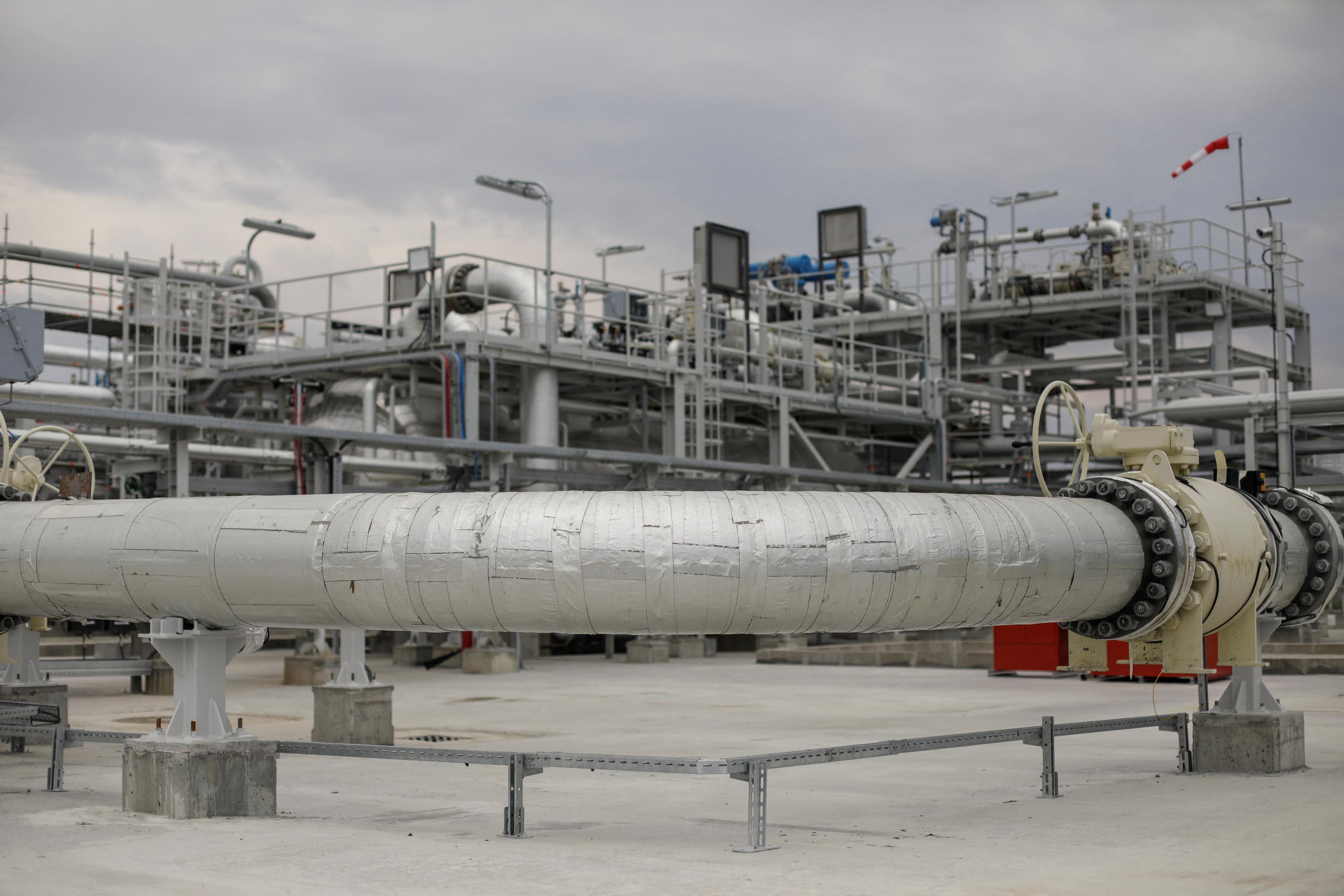
BUCHAREST, Oct 16 (Reuters) - Romanian offshore gas producer Black Sea Oil & Gas (BSOG), controlled by private equity firm Carlyle Group LP (CG.O) , opens new tab, and leading livestock farm DN Agrar (RODN.BX) , opens new tab, said on Wednesday they will develop a 15 MW biomethane production plant, the first in the EU state. Romania uses a mix of gas, coal, hydro, nuclear and renewables for electricity generation and has committed to phasing out lignite, or brown coal. Biomethane is chemically identical to natural gas and can be injected into existing pipeline grids, but is produced by bacteria feeding on crops and manure in a process called anaerobic digestion. EU rules label biomethane "renewable", meaning countries and companies can count it as green energy alongside wind and solar. The site BSOG and DN Agrar plan to build will cost an estimated 30 million euros ($32.68 million), with construction taking two years from when a final agreement is signed. "While commercial scale production of biomethane is well established in Western Europe, this project represents the first of its kind in Romania, and we anticipate that we will soon be able to expand it from 15 MW to over 20 MW," BSOG Chief Executive Mark Beacom said in a statement. "With a supportive regulatory framework in place, we believe this project can pave the way for further large-scale biomethane developments in Romania." DN Agrar, the country's largest producer of cow milk, said it estimated the project could lead to a 90% reduction in its carbon emissions. BSOG launched Romania's first offshore Black Sea development in three decades two years ago, extracting roughly 10% of Romania's consumption. ($1 = 0.9179 euros) Sign up here. https://www.reuters.com/business/energy/romanian-bsog-dn-agrar-plan-15-mw-biomethane-production-site-2024-10-16/
2024-10-16 11:33
Oct 16 (Reuters) - Barrick Gold (ABX.TO) , opens new tab produced lower-than-expected gold in the third quarter because of a fall in output at its Carlin and Cortez mines in Nevada, the Canadian miner said on Wednesday. Carlin and Cortez mines are a part of Nevada Gold Mines, which is Barrick's joint venture with rival Newmont (NEM.N) , opens new tab. Total gold output at Nevada Gold Mines fell to 385,000 ounces in the July-September quarter, compared with 401,000 ounces in the preceding three months. The world's second-largest gold producer, however, expects a "materially stronger fourth quarter". An operational expansion at Carlin mine, completed during a shutdown in the third quarter, would support higher throughput and recoveries in the last quarter of the year, the company said. Barrick's total preliminary output stood at 943,000 ounces of gold in the third quarter, compared with analysts' estimate of 975,000 ounces, according to data compiled by LSEG. The company expects all-in sustaining costs (AISC) for gold, an industry metric used to express total expenses, to rise at least 2% over the previous quarter's $1,498 per ounce. Analysts' estimate was $1,491 for the three months ended Sept. 30. Barrick also reported preliminary copper output of 48,000 tonnes in the third quarter, compared with 43,000 tonnes in the previous three months, driven by higher output at its Lumwana mine in Zambia. The miner is scheduled to release its third-quarter results on Nov. 7. Analysts expect Barrick to post an adjusted profit of 35 cents per share during the period, compared with 24 cents it earned a year earlier, mainly boosted by higher bullion prices. Gold prices jumped 13% in the quarter, their best since early 2020, driven by the U.S. Federal Reserve's interest rate cut and demand for safe haven due to heightened tensions in the Middle East. Sign up here. https://www.reuters.com/markets/commodities/barrick-posts-fall-third-quarter-gold-production-2024-10-16/
2024-10-16 11:32
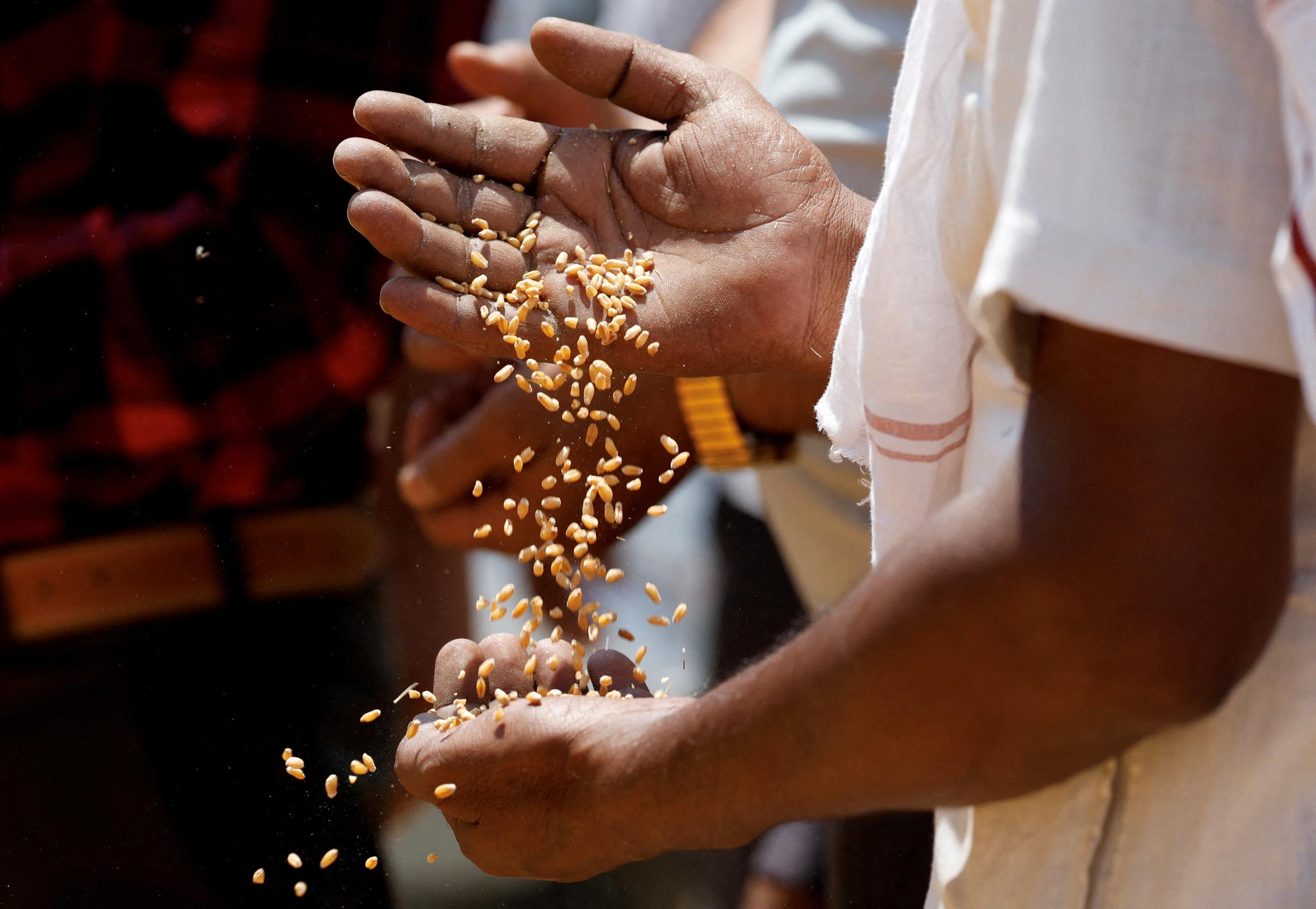
NEW DELHI, Oct 16 (Reuters) - India has raised the price at which it will buy new-season wheat from domestic farmers by 150 rupees or 6.6% to encourage growers to expand acreage and remove the need for imports in the world's second-biggest producer of the grain. The revised purchase price of 2,425 rupees ($28.88) per 100 kg for 2025 compares with 2,275 a year earlier, Minister for Information Technology Ashwini Vaishnaw told a news conference after a meeting of Prime Minister Narendra Modi's cabinet. India sets a price each year at which it will buy wheat and rice from local farmers to distribute for free to 800 million beneficiaries of the world's biggest food welfare programme. A reasonable increase in the state-set support or guaranteed prices encourages farmers to boost output. Unlike rice, India does not have large stockpiles of wheat. Still, Modi's administration has resisted calls for removing a 40% tax on wheat imports, as facilitating imports is seen as an anti-farmer move. India's millions of farmers are considered an influential voting bloc and Modi's ruling Bharatiya Janata Party lost 75 rural seats in this year's general election. After five consecutive record harvests, a sharp rise in temperatures shrivelled India's wheat crop in 2022 and 2023, prompting the world's No. 2 producer to ban exports. India grows one wheat crop a year, with plantings in October and November and harvests from April. This year's crop was also nearly 6.25% lower than a government estimate of 113.3 million metric tons, a leading industry body said earlier this year. Domestic prices have stayed above this year's minimum purchase rate of 2,275 rupees per 100 kg but New Delhi has struggled to replenish state wheat stocks. The government has this year bought 26.6 million metric tons of wheat, falling short of its target of 30 million to 32 million tons. That was despite its advice to trading houses to refrain from purchases to enable state stockpiler the Food Corporation of India to procure large quantities. Separately, Vaishnaw said Modi's cabinet approved a 3% increase in inflation-linked allowance for government employees. ($1 = 83.97 rupees) Sign up here. https://www.reuters.com/markets/commodities/india-raises-wheat-purchase-price-by-66-boost-output-2024-10-16/