2024-10-14 05:28
LAUNCESTON, Australia, Oct 14 (Reuters) - Western and Chinese investors had different reactions to the latest stimulus pronouncements by Beijing, and it's likely that both groups are somewhat missing the point. At what was a highly anticipated press conference on Saturday, the Ministry of Finance said it was ready to significantly boost spending, but didn't put a yuan figure to its thinking. It appears that Western investors were disappointed that they didn't get an amount, while their Chinese counterparts took the view that Beijing remains determined to lift the world's second-largest economy out of its growth funk. The divergence can be seen in the price moves in early Monday trade in copper, the key industrial metal used in construction and manufacturing. Shanghai copper futures opened higher, gaining as much as 0.5% to a high of 77,700 yuan ($10,990) a metric ton on Monday. Their London counterparts moved the opposite way in early trade, dropping as much as 1.1% to $9,683 a ton. While not massive moves, they do show that China's investors seemed prepared to give the benefit of the doubt to Beijing on coming stimulus, while Western investors need to be convinced that enough will be done. It's worth looking at the detail of what was announced at the weekend, with three of the four measures aimed at easing the financial burden of local governments, the bodies responsible for some 80% of all government spending. In effect, what Beijing is proposing is to refinance the mountains of local government debt, and by doing so allow these authorities to take out new loans and use the money to kick-start construction and infrastructure projects. Fixing the ailing property sector is the key to re-energising the Chinese economy, as this will boost consumer sentiment while increasing physical demand for commodities, especially steel and copper, but also refined fuels such as diesel. CHAIN PRICE GAINS Shanghai steel rebar futures responded positively to the weekend news, rising as much as 2.2% in early trade on Monday to 3,531 yuan a ton. Dalian Commodity Exchange iron ore contracts jumped as much as 3.2% to an intraday high of 810 yuan, but Singapore Exchange futures were up a much more restrained 1.4% at $107.90. Dalian iron ore futures have gained about 23% since the low of 658 yuan a ton on Sept. 23, which was prior to the start of the latest round of stimulus measures. In contrast, Singapore Exchange contracts, which are more traded by investors outside of China, have risen by a more modest 16.5%. In some ways the gains are hard to justify on a fundamental basis, as the China stimulus measures are unlikely to result in a significant increase in demand for the key steel raw material. It's unlikely that China's steel mills will boost production in the final quarter of 2024, given weak margins and still soft demand for steel. Even if Beijing's stimulus measures do prove the antidote to the struggling property sector, it's more likely that demand will only increase in the first half of 2025. There are also substantial risks for China's economy that are largely beyond Beijing's control, such as a global trade war should Donald Trump be successful in his bid to win the U.S. presidential elections next month. What is clear is that China's stimulus package is incomplete, and thus the rallies in the prices of some commodities on the country's local exchanges remain largely sentiment-driven. But it also appears that China's leaders are stepping up the rhetoric and getting closer to promising to do whatever it takes to fire up the economy. The trick for them will be to deliver stimulus that will deliver both real world success through increased activity, as well as winning over still cautious investors. The opinions expressed here are those of the author, a columnist for Reuters. Sign up here. https://www.reuters.com/markets/commodities/china-copper-iron-ore-stay-stimulus-believers-others-sceptical-russell-2024-10-14/

2024-10-14 05:21
China's stimulus announcement lacking in details Dollar index touches ten-week high Oil prices fall on softening demand worries Bond market closed for Columbus Day NEW YORK, Oct 14 (Reuters) - U.S. stocks ended higher with a boost from technology shares amid light Columbus Day trading on Monday, while crude prices dipped as investors parsed signs of economic softness in China and girded themselves for a string of high-profile corporate earnings. Megacap tech-adjacent growth stocks provided much of the upside muscle, putting the Nasdaq out front. The S&P 500 and blue-chip Dow both nabbed fresh record closing highs. "Today is obviously kind of an anomaly of a day because of the lack of economic data and the closure of the bond market," said Peter Tuz, president of Chase Investment Counsel in Charlottesville, Virginia. "Momentum is on the upside until something changes." "The smattering of earnings so far have been pretty good," Tuz added. "We’ll see what this coming week brings." Oil prices dipped and the dollar was flat as dour news from China stoked fears of softening global demand. On Saturday, Beijing pledged to "significantly increase" debt in its attempt to breathe life into the world's second-largest economy, but disappointed investors with its lack of detail. This was followed on Monday by a report showing a sharp deceleration in Chinese export growth, which missed expectations by a wide margin, underscoring the need for robust stimulus. "China is having economic difficulties," said Sam Stovall, chief investment strategist of CFRA Research in New York. "Oil prices are another indication of lack of confidence that China will be able to pull itself up by its own boot straps, primarily because the stimulus details are so sketchy." The bond market was closed in observance of Columbus Day, and there were no earnings reports or economic data to sway investor sentiment. That will change later in the week, with retail sales, industrial production, and housing starts/building permits, among the scheduled data releases. High-profile earnings on tap for the rest of the week include Bank of America (BAC.N) , opens new tab, Citigroup (C.N) , opens new tab, Goldman Sachs (GS.N) , opens new tab, Morgan Stanley (MS.N) , opens new tab and Netflix (NFLX.O) , opens new tab, along with a host of healthcare and industrial names. The Dow Jones Industrial Average (.DJI) , opens new tab rose 203.14 points, or 0.47%, to 43,067.00, the S&P 500 (.SPX) , opens new tab rose 45.17 points, or 0.78%, to 5,860.20 and the Nasdaq Composite (.IXIC) , opens new tab rose 159.75 points, or 0.87%, to 18,502.69. European shares reached a two-week high at the close of a choppy session as investors mostly shrugged off China's stimulus plans and focused on earnings season and a European Central Bank policy meeting due later this week. MSCI's gauge of stocks across the globe (.MIWD00000PUS) , opens new tab rose 4.37 points, or 0.51%, to 857.10. The STOXX 600 (.STOXX) , opens new tab index rose 0.53%, while Europe's broad FTSEurofirst 300 index (.FTEU3) , opens new tab rose 11.55 points, or 0.56%. Emerging market stocks (.MSCIEF) , opens new tab rose 0.21 points, or 0.02%, to 1,159.77. MSCI's broadest index of Asia-Pacific shares outside Japan (.MIAPJ0000PUS) , opens new tab closed 0.02% lower 0.02%, at 613.46, while Japan's Nikkei (.N225) , opens new tab rose 224.91 points, or 0.57%, to 39,605.80. The dollar touched a ten-week high against a basket of world currencies, extending a run sparked by economic data supporting modest interest rate cuts from the U.S. Federal Reserve. The dollar index , which measures the greenback against a basket of currencies including the yen and the euro, rose 0.18% to 103.23, with the euro down 0.31% at $1.0903. Against the Japanese yen , the dollar strengthened 0.42% to 149.76. Crude prices dipped as OPEC lowered its 2024 and 2025 oil demand growth view, while China's oil imports dropped for the fifth straight month. U.S. crude fell 2.29% to $73.83 per barrel, while Brent fell to $77.46 per barrel, down 2.00% on the day. Gold backed down from a one-week high in opposition to the greenback's strength. Spot gold fell 0.12% to $2,652.68 an ounce. U.S. gold futures fell 0.09% to $2,655.30 an ounce. Sign up here. https://www.reuters.com/markets/global-markets-wrapup-1-2024-10-14/
2024-10-14 05:14
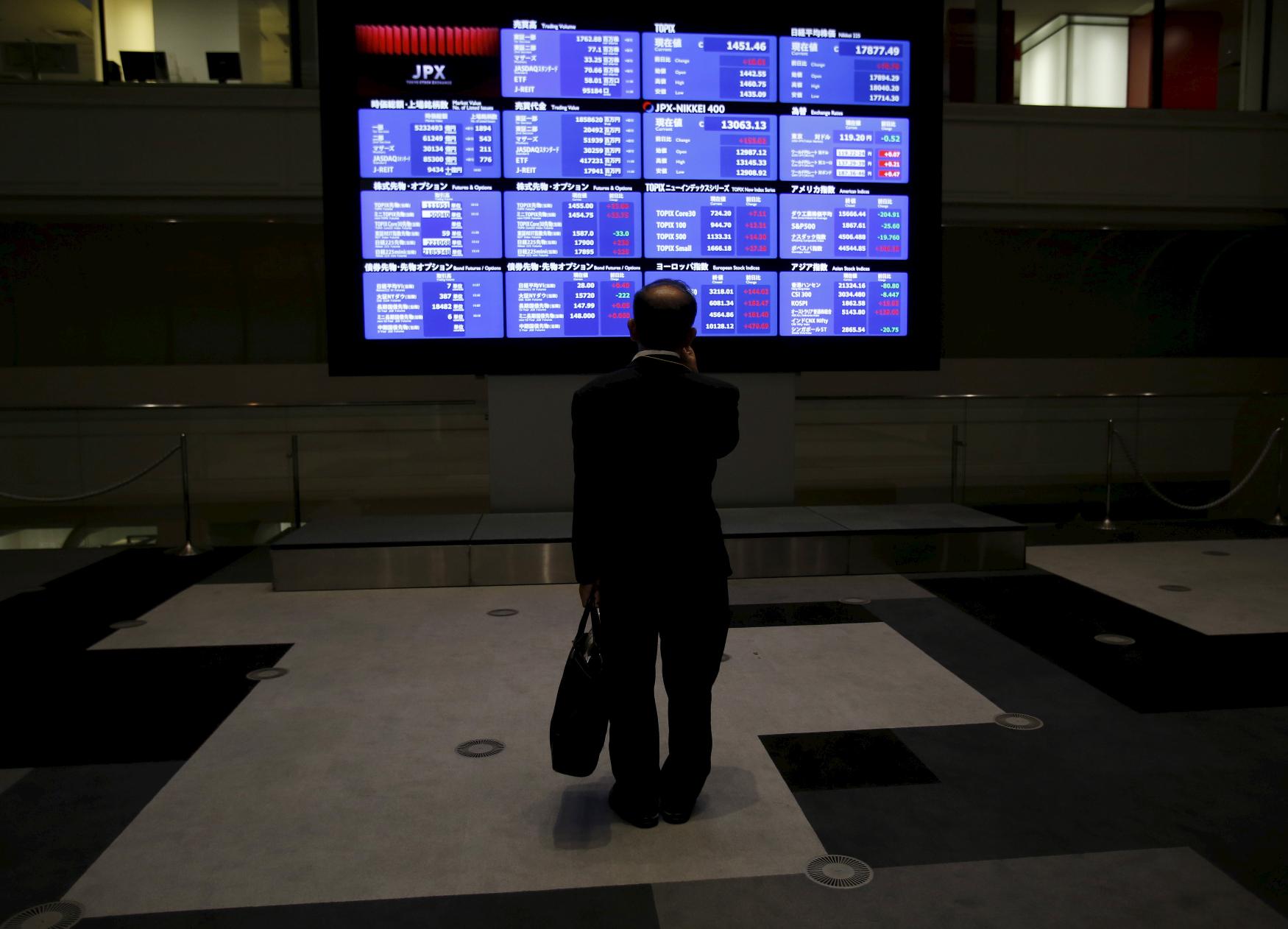
MUMBAI, Oct 14 (Reuters) - The Indian rupee dropped to an all-time low on Monday, weighed down by persistent dollar demand from foreign banks, likely for their custodial clients. The rupee dipped to a lifetime low of 84.0725 to the U.S. dollar, inching past the prior low of 84.07 hit on Friday. The local currency's drop past 84 came after it spent more than two months near that level, supported by regular interventions by the Reserve Bank of India (RBI). The rupee has remained under pressure this month due to sustained outflows from local equities, with foreign investors pulling out about $8 billion over the last 10 sessions. On Monday, the weakness in Asian peers amid disappointment over China stimulus also weighed on the rupee, traders said. Asian currencies were mostly lower by 0.1% to 0.3% while the dollar index was at 103, hovering close to its two-month peak. Local private and state-run banks were spotted offering dollars while large foreign banks dominated dollar bids, a trader at a foreign bank said. The dollar-rupee pair is likely to hover in a "83.95-84.20 range in the near-term (and) remains a sell on uptick if it moves fast", the trader said. The RBI's defense of the currency alongside a potential easing of equity outflows may offer some relief to the rupee and help it rise above 84, Amit Pabari, managing director at FX advisory firm CR Forex, said. Traders will also be keeping an eye on Brent crude oil prices, which were down at $78 per barrel on Monday but have risen nearly 9% so far in October amid concerns of wider Middle East conflict disrupting oil supplies. Meanwhile, Federal Reserve Governor Christopher Waller is slated to speak later in the day and may offer cues on the future path of U.S. policy rates. Sign up here. https://www.reuters.com/markets/currencies/indian-rupee-dips-lifetime-low-dollar-bids-by-foreign-banks-2024-10-14/
2024-10-14 05:12
Oct 14 (Reuters) - The European Central Bank looks set to deliver another interest rate cut on Thursday it had little appetite to point to just weeks ago. Data signal a euro zone economy in worse shape than when policymakers last met, boosting bets on speedier rate cuts than the quarterly pace June and September cuts suggested. "If the ECB does not cut in October, the market will think that the central bank is behind the curve and potentially making a policy error," said Deutsche Bank chief European economist Mark Wall. Here are five key questions for markets: 1/ Will the ECB cut rates this week? All but certainly. Traders are banking on around a 90% chance of a 25 basis-point cut, a huge increase from as low as 20% when the ECB met last month. Euro zone business activity that unexpectedly contracted in September led to a surge in October bets, as investors feared that the ECB, so far sticking to its data-dependency mantra, may not cut rates quickly enough. Several policymakers have already made the case for an October cut. Even ECB chief Christine Lagarde has hinted at one, saying confidence in falling inflation would be reflected in the bank's decision. 2/ Is this the start of back-to-back rate cuts? Yes, Wall Street economists reckon. And traders are pricing in just over three cuts at the four meetings following October. ECB policymakers, however, are not quite there yet. Centrist Finnish governor Olli Rehn has repeated the message that the pace and scale of further cuts will be decided meeting by meeting. But Lagarde may hint that a change is coming, pointing to projections the bank will release in December, said AXA's chief economist Gilles Moec. "The December meeting is probably the right moment to really change the narrative on the future." 3/ Is inflation no longer a worry for the ECB? Traders think so. After all, inflation, which surged over 10% two years ago, dropped below the ECB's 2% target in September. Even stubborn services inflation, a particular worry for the ECB, dropped slightly. On a monthly, seasonally-adjusted basis, it slowed to its weakest since November 2023, according to Nomura. Derivatives used to hedge inflation risk suggest price growth will hold below 2% from the first quarter of next year, according to data compiled by Danske Bank, much faster than September's ECB projections. Even arch-hawk Isabel Schnabel has dropped her long-standing warning about the difficulty of taming price growth. Yet services inflation is still at 4%, not dropping this year, and September's headline drop was driven by energy prices, so the ECB isn't quite declaring victory yet. 4/ Is growth the ECB's main concern now? It's an increasing one. But the ECB, unlike the U.S. Federal Reserve, only targets inflation, so the question is whether stagnation could tip it persistently below target - the bank's main challenge in the pre-pandemic decade. So far, the ECB is banking on rising real incomes boosting consumption and growth, to 1.3% next year from 0.8% this year, an assumption some economists fear is too optimistic. Germany's economy is already facing a second year of contraction. AXA's Moec said that if the anticipated rebound didn't materialise soon, inflation risked undershooting the ECB's target - a concern some policymakers share. 5/ Are geopolitical risks worrying for the ECB? Yes, but more from a growth perspective, economists reckon. Oil prices have risen over 9% since the start of October as the Israel-Hezbollah conflict escalates, but remain more than $10 below this year's peak. Low inflation means the ECB can tolerate any temporary energy-driven rises, said BNP Paribas' chief Europe economist Paul Hollingsworth. "The ECB's reaction function has shifted to focus a bit more on growth risks now, so (geopolitical risks) will just exacerbate some of their concerns." Crucially, Thursday is the ECB's last meeting ahead of November's U.S. presidential election. If former Republican President Donald Trump were to win and follow through with a pledge to slap 10% tariffs across imports, that would hit euro zone growth and boost the case for deeper rate cuts, economists said. Sign up here. https://www.reuters.com/markets/europe/going-all-out-five-questions-ecb-2024-10-14/

2024-10-14 04:39
A look at the day ahead in European and global markets from Rae Wee Beijing's latest stimulus pledges were met on Monday with a mixed and volatile response in Chinese stocks, with investors showing no consensus view on promises over the weekend that were long on intent but short on details. Hong Kong shares got off to a choppy start before turning decisively lower, in contrast with their peers in mainland China which mostly traded higher. Some analysts attributed the divergent performance to the lack of a dollar figure for the package, which may have mattered more to foreign investors than to their Chinese counterparts. The sweeping measures - from helping local governments tackle their debt problems to supporting the property market and replenishing state banks' capital - underscored policymakers' commitment to supporting the ailing Chinese economy. But the limited scope of efforts to boost domestic consumption remains a huge concern for investors, particularly after data on Sunday showed China's consumer inflation unexpectedly eased in September while producer price deflation deepened. The mixed picture across Chinese markets on Monday has set a negative tone for Europe, where EUROSTOXX 50 futures and FTSE futures both fell around 0.1% each. Shares of European luxury goods companies will be in focus given the attention to China, with a gauge of 10 top European luxury stocks (.STXLUXP) , opens new tab already up nearly 9% since Sept. 24, when Beijing unveiled its most aggressive stimulus since the pandemic. The week also brings a raft of data from China, including the country's third-quarter growth figures on Friday, so there will be lots for investors to chew on in the coming days. China aside, a rate decision by the European Central Bank is due on Thursday, where expectations are for policymakers to deliver a 25-basis-point rate cut. UK inflation data is due on Wednesday. Remarks from the Federal Reserve's Neel Kashkari and Christopher Waller are expected later on Monday, and there is strong interest in what they might say about the central bank's rate outlook. An outsized 50-basis-point rate cut next month is now off the table, given signs of a resilient U.S. economy, and that's kept the dollar well-supported and hovering near a seven-week high against a basket of major peers on Monday. Key developments that could influence markets on Monday: - Fed's Kashkari, Waller speak - France reopening of 3-month, 6-month, 7-month and 1-year government debt auctions - Germany reopening of 1-year government debt auction Sign up here. https://www.reuters.com/markets/europe/global-markets-view-europe-2024-10-14/
2024-10-14 04:28
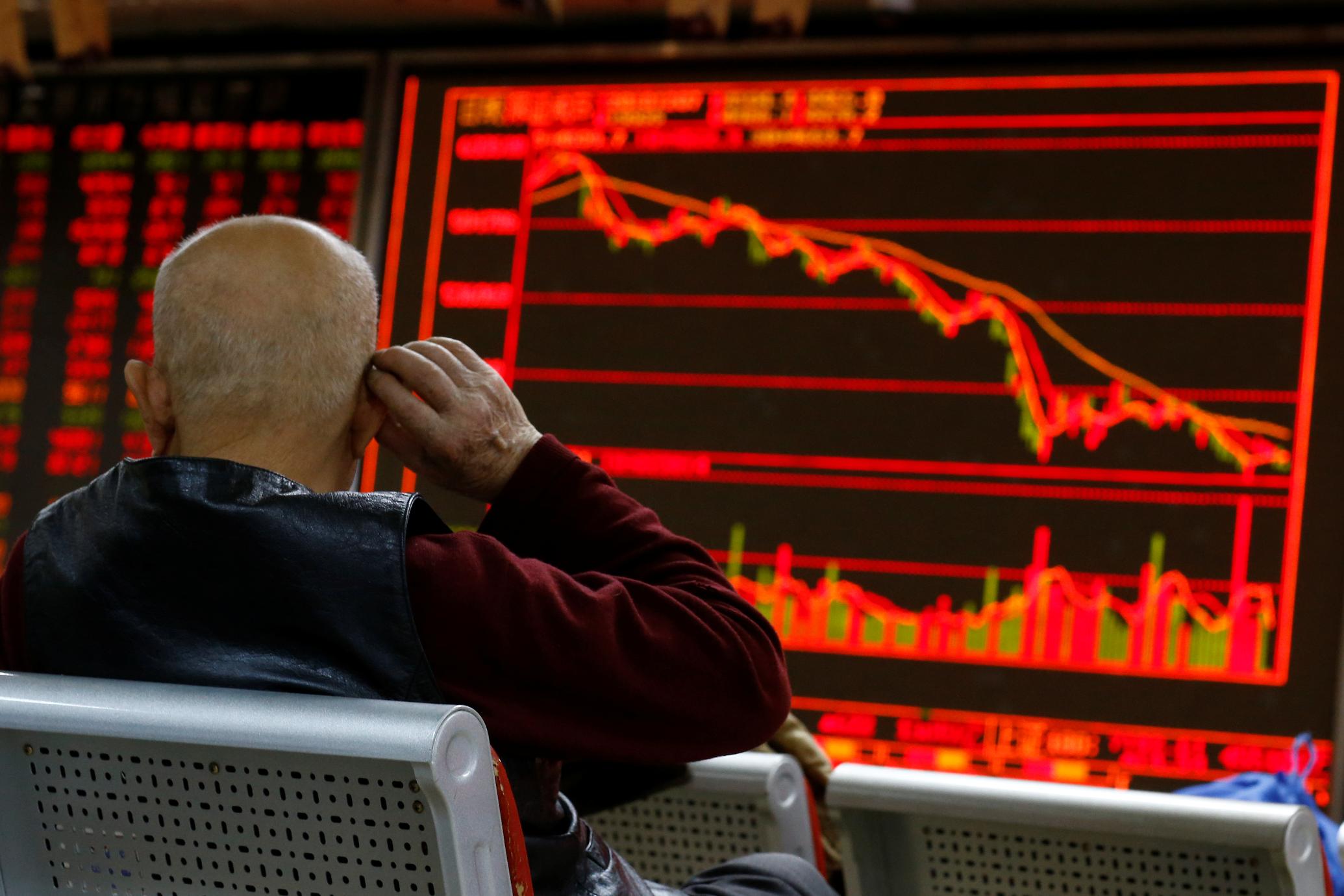
MUMBAI, Oct 14 (Reuters) - The Indian rupee is likely to begin the week on the defensive after it weakened past an important level on Friday amid a buoyant U.S. dollar. The one-month non-deliverable forward indicated that the rupee will open near 84.08 to the U.S. dollar, compared with 84.06 in the previous session and past the lifetime low of 84.07. The local currency on Friday dipped past 84 for the first time, a level that the Reserve Bank of India (RBI) was defending over the last two months. The rupee falling past 84 "is definitely a big deal" and this week will be "significant" to gauge its immediate outlook. "What will RBI do now that 84 has been taken out? Will it push (dollar/rupee) back below that level or will it allow a measured move higher?," a currency trader at a bank said. "I reckon RBI will simply allow a slow drift higher, while making sure that expectations of a large move higher do not build." DOLLAR PERKS UP The dollar index was holding above 103 on Monday, adding to its 2.5% rally over the last two weeks. The weakness in the Chinese yuan following somewhat disappointing stimulus announcements over the weekend boosted the dollar. Having fallen to a year-to-date low of 100.15 late last month, the dollar index has found support from expectations that the Federal Reserve will deliver a 25-basis-point rate cut next month, not the 50 bp that it had opted for in September. EQUITY FLOWS Foreigners taking money out of Indian equities have played a large part in the rupee's dip past 84 and traders will be watching what happens to these flows this week. Meanwhile, Hyundai India's $3.3 billion initial public offering is expected to provide relief for the rupee. KEY INDICATORS: ** One-month non-deliverable rupee forward at 84.20; onshore one-month forward premium at 12.5 paise ** Dollar index at 103.06 ** Brent crude futures down 1.3% at $78 per barrel ** As per NSDL data, foreign investors sold a net $564.1 million worth of Indian shares on Oct. 10 ** NSDL data shows foreign investors sold a net $60.7 million worth of Indian bonds on Oct. 10 Sign up here. https://www.reuters.com/markets/currencies/breach-key-level-dollar-strength-weigh-rupee-2024-10-14/