2024-10-11 17:53
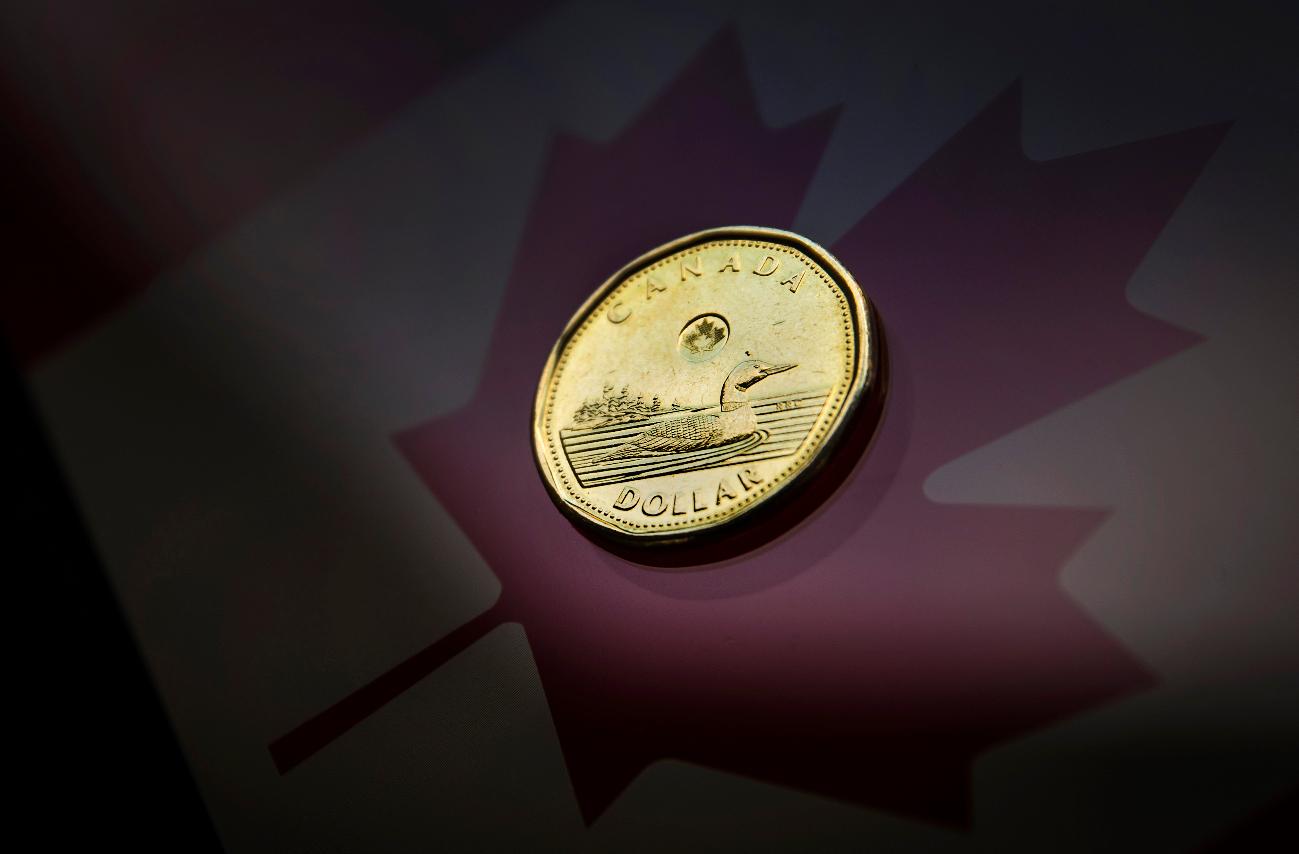
Canadian dollar hits weakest since Aug. 7 at 1.3783 Canada's economy adds 47,000 jobs in September BoC survey shows firms still see weak demand Bond yields ease across the curve TORONTO, Oct 11 (Reuters) - The Canadian dollar fell to a two-month low against its U.S. counterpart on Friday as investors continued to weigh chances of the Bank of Canada supersizing its rate cuts after a downbeat business survey offset stronger-than-expected jobs data. The loonie was trading 0.2% lower at 1.3760 per U.S. dollar, or 72.67 U.S. cents, after touching its weakest level since Aug. 7 at 1.3783. It was the eighth straight daily decline for the currency, the longest losing streak since July. For the week, the currency was down 1.4%, its largest weekly decline since March 2023. "There is something of a developing clamour for the BoC to up the pace of easing which has driven swap and bond spreads wider in the USD's favour over the past couple of weeks and it will be difficult for the CAD to improve under its own steam while markets are mulling the risk of a 50 bps (basis-point) ease at the end of the month," Shaun Osborne, chief currency strategist at Scotiabank, said in a note. Canada added 47,000 jobs in September, eclipsing expectations for a 27,000 increase, but the BoC's Business Outlook Survey indicated firms still see weak demand. That left the market's implied chances of an unusually large half-percentage-point rate cut by the central bank at its next policy decision on Oct. 23 largely unchanged at about 50%. The BoC is likely to lower interest rates to a neutral setting that neither restricts nor stimulates its economy more quickly than the U.S. Federal Reserve, said analysts, who see weak Canadian growth raising the risk of a sustained drop in inflation below the central bank's 2% target. Canadian bond yields eased across the curve ahead of a market holiday on Monday for Thanksgiving Day. The 2-year was down 2.7 basis points at 3.077%. Sign up here. https://www.reuters.com/markets/currencies/canadian-dollar-losing-streak-hits-8-days-jumbo-rate-cut-noise-2024-10-11/
2024-10-11 16:43
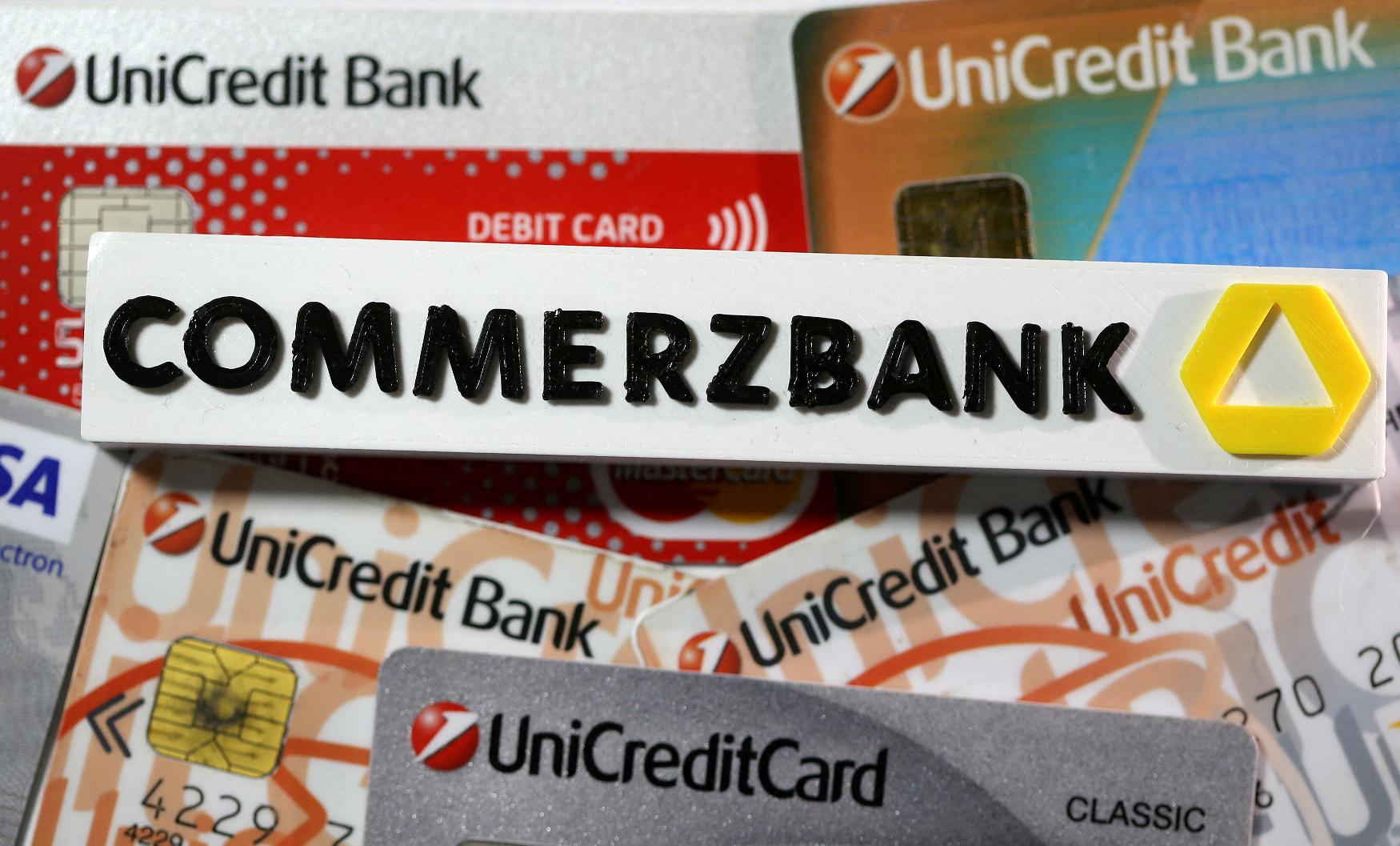
LONDON/FRANKFURT, Oct 11 (Reuters) - Germany is working to frustrate a possible takeover of one of its biggest banks by an Italian rival, a stance that pits Berlin against Rome and Europe's regulators, several people familiar with government and regulators' thinking told Reuters. Berlin was taken aback by UniCredit's (CRDI.MI) , opens new tab swoop to build a large stake in state-backed Commerzbank (CBKG.DE) , opens new tab, a move the Italian bank says could lead to a merger. Officials are now bracing for a potential hostile bid that could tie Berlin's fortunes to those of Italy, whose debt load dwarfs Germany's. Combining the banks poses a potential threat to financial stability, they say, as UniCredit owns tens of billions of euros of Italian government bonds. Several people in the German government are now pinning their hopes on a regulatory review by the country's supervisor BaFin, and are lobbying the regulator against a deal. One key argument is that Berlin might end up footing the bill if UniCredit were to be dragged into an Italian debt crisis. BaFin, which plays a critical role in whether UniCredit can try to gain control of Commerzbank, has started to analyse UniCredit's request to allow it to build its roughly 9.9% shareholding to almost 30%. The watchdog will make a proposal to the European Central Bank, the lenders' regulator, which has the final say, based on a handful of criteria such as the financial strength of the buyer and the reputation of managers. While Rome cautiously supports the deal, Berlin hopes its concerns may thwart or at least delay the approval of UniCredit's plan by the ECB. BaFin has a delicate balancing act. While it is duty-bound to handle UniCredit's application even-handedly, it must also take into account the concerns of the German government, as the agency reports to the finance ministry. Several sources with knowledge of the ECB's thinking, said there was widespread disagreement with Germany's opposition, although the country remains influential and can count on powerful figures within the institution. The ECB has said large, European banks can better support the economy and compete with bigger rivals in the United States. Even though the 20 countries of the euro zone share a currency, banking remains mostly national. For the ECB, its handling of UniCredit's interest in Commerzbank, balancing the interests of two of the bloc's biggest countries, will be one of its biggest tests since becoming the region's main watchdog a decade ago. "BaFin and the European Central Bank work closely together," said a spokesperson for BaFin, adding that BaFin had a "right to recommend" to the ECB whether a deal should be approved, leaving the final say with the ECB. "This procedure makes an important contribution to financial stability," he said. BaFin declined to comment on the specific case. A spokesperson for the ECB said it was in "constant interaction" with national authorities on such matters, describing decisions as "collaborative". The ECB's chief supervisor Claudia Buch said recently the institution would do "anything" to remove hurdles to cross-border bank mergers, after president Christine Lagarde described such deals as "desirable". Italy's Treasury, Germany's finance ministry, Commerzbank, and UniCredit declined to comment. Italy's main banking union FABI, warned on Friday that a successful bid by UniCredit would usher in an era in which governments would be unable to stop foreign takeovers. HAZARD BaFin has a seat on the ECB’s supervisory board along with authorities from the 20 other countries that form the banking union plus a smattering of ECB representatives. The ECB has roughly 90 days to review the case. At the heart of Germany's concern is UniCredit's 40 billion euros ($44 billion) of Italian government bonds. This is seen as a potential risk because Italy is heavily indebted. Commerzbank, which is smaller and financially weaker than UniCredit, also has billions of euros of Italian bonds. If Italy were to run into trouble after a merger, officials fear Germany might have to step in. But some ECB officials see a solution. Commerzbank could became a subsidiary within UniCredit, with clear plans on how to deal with it separately in a crisis. In the sovereign debt crisis of the early 2010s, some European countries had to bail out their banks, which were also weakened by their sovereign, illustrating how intertwined they were in a crisis that nearly brought down the euro. Berlin's reaction signals a lack of faith in the European architecture put in place to prevent a repeat of the 2010-11 debt crisis, as well as a deep-seated scepticism over Italy. The German government believes UniCredit's move on Commerzbank was aggressive and expect a hostile bid within months, three sources familiar with government thinking told Reuters. People close to the government also said trust between Berlin and UniCredit CEO Andrea Orcel had nearly collapsed. They pointed to Orcel's surprise move on Commerzbank, including using derivatives that give him an option to get more shares, despite earlier suggesting he was acting in line with Berlin's wishes. Orcel recently told an audience he had spoken repeatedly with stakeholders in Commerzbank and was keen to reopen dialogue. Two of the people with knowledge of the government's thinking said Berlin and Commerzbank's working assumption was that UniCredit could try to buy the bank within months. ($1 = 0.9151 euros) Sign up here. https://www.reuters.com/markets/deals/germany-working-thwart-unicredits-bid-commerzbank-sources-say-2024-10-11/
2024-10-11 13:25
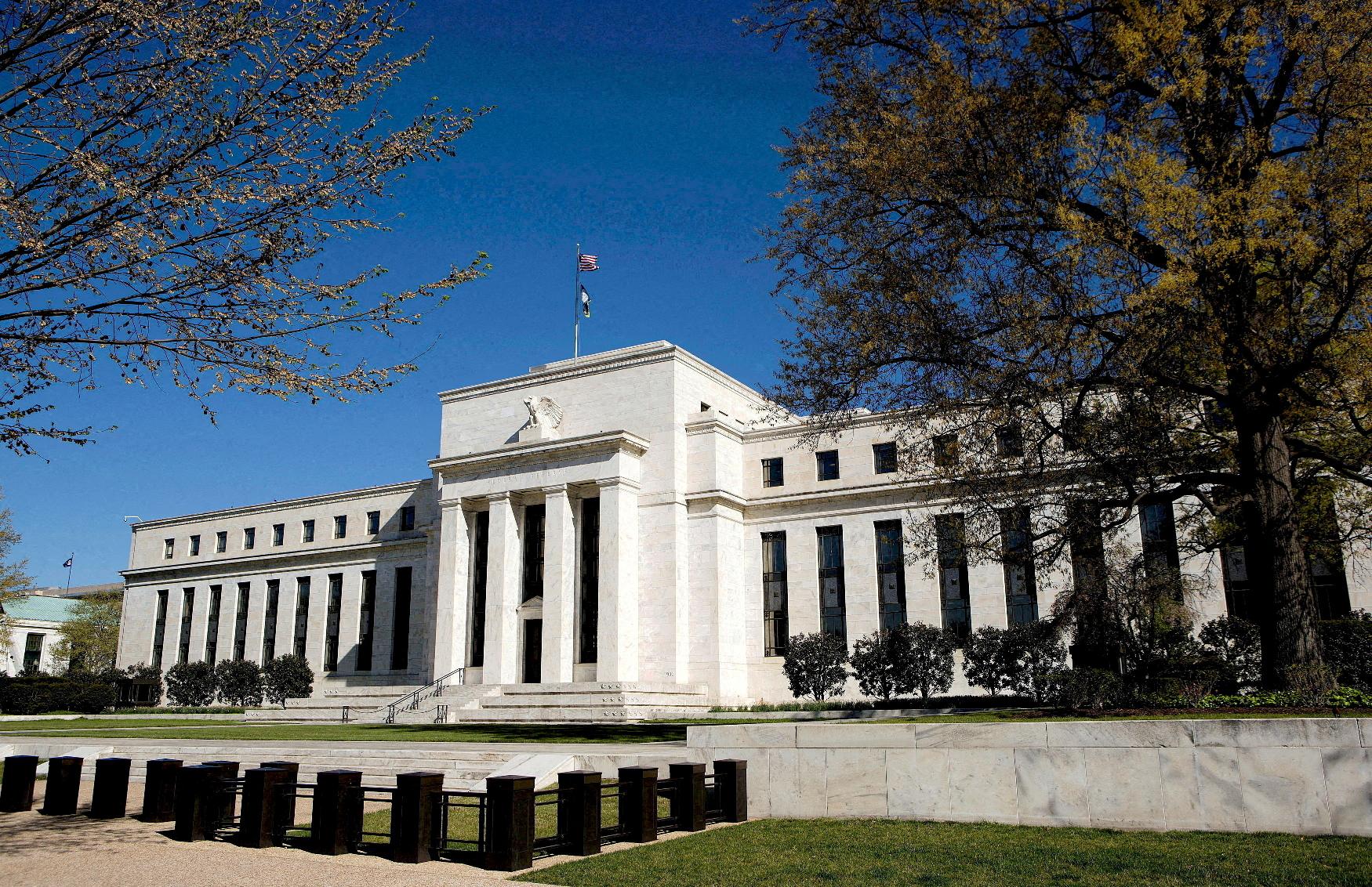
Oct 11 (Reuters) - The case for quarter-point U.S. interest rate cuts at upcoming Federal Reserve policy meetings appeared intact on Friday after a report showed producer prices were flat last month compared with August, suggesting inflation continues on track toward the Fed's target. Financial markets priced in a 17% chance that the Fed will leave its target for short-term borrowing costs in the current 4.75% to 5.00% range when it meets in early November, up marginally from about 15% before the data. But the bulk of bets remained on quarter-point reductions at each of the Fed's meetings well into 2025, bringing the policy rate to the 3.50% to 3.75% range by the middle of next year. The Fed delivered a half-a-percentage-point interest rate reduction last month in what policymakers termed was a "recalibration" of borrowing costs after a year of falling inflation and a slight cooling in labor markets. The Fed targets 2% inflation as measured by the year-over-year increase in the personal consumption expenditures price index. The producer price index, which feeds into the PCE measure, rose 1.8% from a year earlier in September, Friday's report showed, a little more than economists had forecast but down from a 1.9% increase in August. Taken together with the rise in the consumer price index reported on Thursday, analysts at Capital Economics estimate underlying PCE inflation for last month was running at a 2.9% annualized rate, more than in recent months. That, along with stronger-than-expected job growth reported for September, is enough to "suggest more than a few Fed officials might regret starting their easing cycle with a bigger 50 basis point cut," they wrote. Even so, "the data aren't strong enough to justify leaving rates unchanged." Sign up here. https://www.reuters.com/markets/rates-bonds/traders-keep-bets-25-bps-fed-rate-cuts-nov-dec-2024-10-11/
2024-10-11 12:55
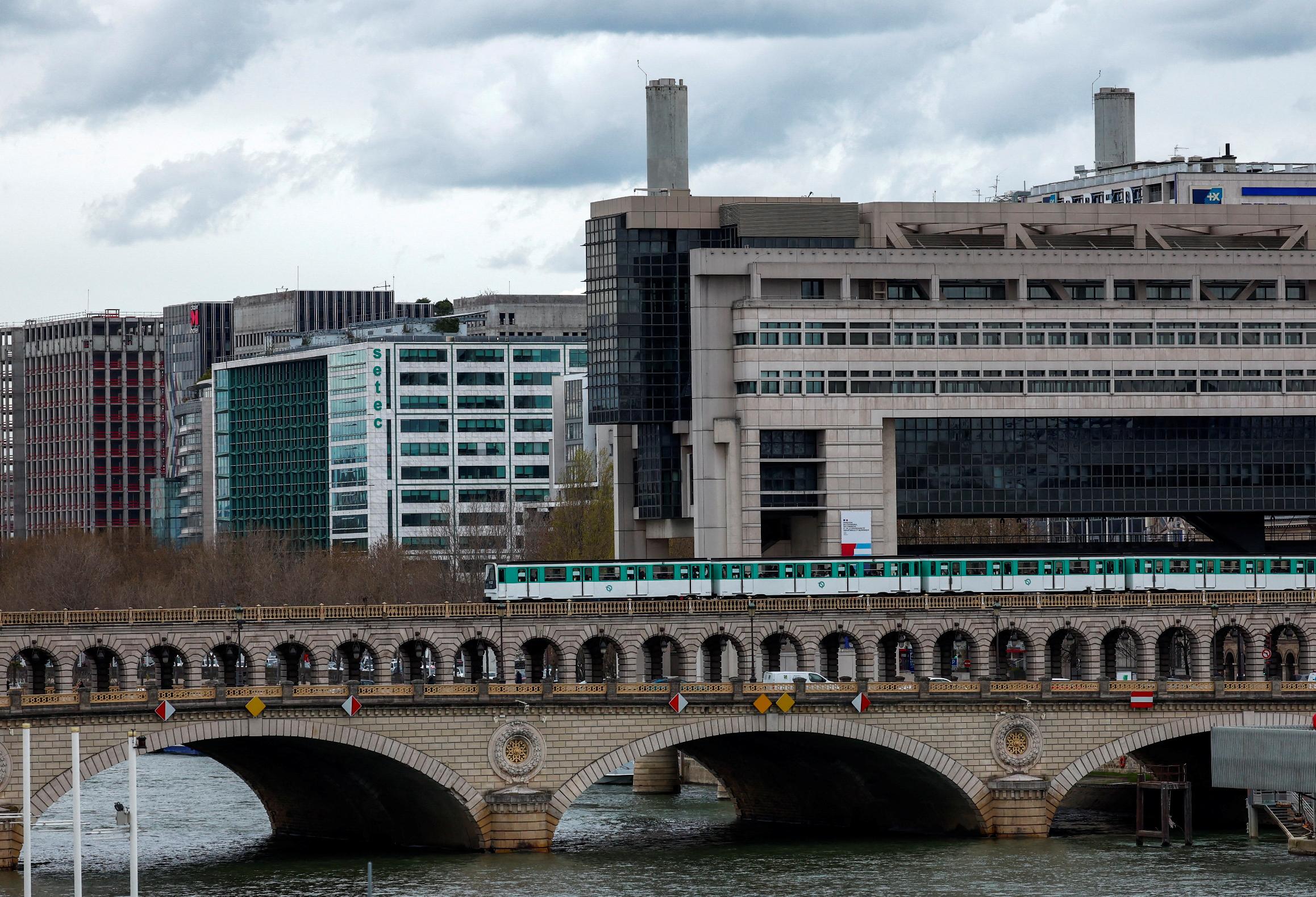
Markets parse proposed 2025 budget Investors expect further budget deficit overshoots Fitch revises outlook on France's AA- rating to negative Oct 14 (Reuters) - Markets are tentatively optimistic France's budget may eventually pass its fractured parliament, but remain sceptical of how quickly the country can tidy up its finances, a worry reiterated by Fitch's downgrade of the country's rating outlook. France's government outlined plans for 60 billion euros ($66 billion) of spending cuts and tax rises on Thursday in a belt-tightening budget to rein in a deficit it expects to exceed 6% of GDP this year. The budget's blueprint was well flagged, so the yield premium France's bonds pay over top-rated Germany has held steady at around 77 basis points. "They will probably get it approved. But the path to get it approved is likely to be bumpy," said Danske Bank chief analyst Jens Peter Sorensen, expecting volatility as parliament debates the budget. The budget squeeze, equivalent to two percent of national output, has to be carefully calibrated to placate opposition parties, who could band together to topple Prime Minister Michel Barnier's minority government with a no-confidence motion. This uncertainty has left the French/German bond spread near the peak of around 85 bps it hit over the summer - the highest since the euro zone debt crisis - when a snap election heightened concern around France's creaky finances. So, passing the budget and improving state finances are crucial for France to restore investor confidence and avoid further credit rating downgrades. Highlighting the risks, Fitch Ratings revised the outlook on the country's AA- rating to negative on Friday, a move that indicates a rating downgrade is possible down the line. Fitch cited a much higher deficit than it previously expected, adding France's high political fragmentation complicates its ability to consolidate its finances. BLURRY PICTURE Citi and Goldman Sachs said on Friday the budget was likely to pass, with the government probably using special powers to bypass a parliamentary vote. The key issue, investors said, was how Marine Le Pen's far-right National Rally party, which helped the government survive a no-confidence vote last week, would react. Before Thursday's budget details were announced, Le Pen said she wanted to give Barnier a chance, but set out red lines, including the need for tax rises to be offset by increased spending power for lower and middle classes. Far-right lawmaker Jean-Philippe Tanguy called the budget proposal a "horror gallery" on Friday, lamenting its "fiscal injustice" and saying it would bring no durable improvement in the nation's finances. Some investors, however, reckon France's far right has little reason to torpedo the budget, given the possibility of fresh parliamentary elections next year. "Their incentive is to do everything they can to just try and seem more credible, more responsible in the eyes of the electorate," said Chris Jeffery, head of macro strategy at Legal & General Investment Management, which turned overweight French bonds in recent weeks. The bigger question for markets remains whether France can curb its deficit as quickly as outlined. The government expects to bring down France's budget deficit from 6.1% of output this year to 5% next, but markets reckon that's too optimistic. Fitch also expects a 5.4% deficit next year and in 2026. It included only part of the belt-tightening package in its assessment, citing political uncertainty and implementation risks. Barnier has said he is open to lawmakers tweaking the budget provided they don't go too far, and still needs to add some measures. "The most important part, how they can really reduce expenditure, this is not clear enough today," said Candriam's chief investment officer Nicolas Forest. Even a proposal to save 4 billion euros by postponing pension indexation to inflation for just half a year triggered an outcry. Tax increases are also a sticking point within the government, highlighting the challenges. Headwinds to growth from the belt-tightening measures add to the risks, investors say. And some economists argue the plan is more reliant on revenue increases than the government has officially suggested, adding to caution as revenues fell far short of expectations this year. France's national fiscal watchdog has also said next year's deficit target looks "fragile" and is based on optimistic economic assumptions. RATINGS PRESSURE Ratings will remain in focus with Moody's, which scores France higher than peers at Aa2, reporting on Oct. 25. France was downgraded by rival S&P in May to AA-. Yet markets already price in lower ratings, investors said. France's bonds pay a higher yield than Spain's even though its ratings are 2-5 notches higher. "With the budgetary issues France is facing, it is becoming semi-periphery, it is at risk of losing its status as a core country in the euro area," said Christian Kopf, Union Investment's head of fixed income and FX. For longer-term reform prospects, the question remains how long Barnier's government, which envisions the deficit reaching the EU's 3% limit in 2029, will last. "We are not sure that this government will stay more than 10 or 11 months. So what is the credibility of this government to talk about the deficit in five years?" said Candriam's Forest. Sign up here. https://www.reuters.com/markets/europe/markets-jury-still-out-french-belt-tightening-plan-2024-10-11/
2024-10-11 12:43
NEW DELHI, Oct 11 (Reuters) - India's trade minister said on Friday the European Union's "irrational standards" are hurting business ties and additional tariffs on select imports would force India to retaliate, in his sharpest criticism of the bloc's policies amid trade pact talks. "Irrational standards set by the European Union act as a trade barrier to expanding trade," the minister, Piyush Goyal, said at an event in the New Delhi with Indian and European businesses in attendance. Goyal also slammed the bloc for "unfair rules" such as a proposed EU carbon border tax known as the carbon border adjustment mechanism (CBAM), adding such measures disrespect and seek to demolish the premise of the 2015 Paris climate agreement. The EU last year approved the world's first plan to impose tariffs on imports of high-carbon goods including steel, cement and aluminium, aiming to reach net-zero greenhouse emissions by 2050. EU officials have been trying to win over countries like China, South Africa and India, that are opposed to CBAM. The bloc has also extended safeguard duties on select steel imports, that were set to expire this year, till 2026, impacting Indian shipments. "For 5-6 years now, we have only been negotiating irrational duties," Goyal said, adding India may now have to take measures "not conducive" for good commercial ties. In 2022, India and the EU agreed to relaunch talks on a free trade agreement, initially aiming to complete talks by the end of 2023, but have failed to make significant progress on a deal. The two sides previously launched talks in 2007, but they were frozen in 2013 due to lack of progress. Sign up here. https://www.reuters.com/world/india/indias-trade-minister-says-irrational-eu-standards-unfair-rules-hurt-ties-2024-10-11/

2024-10-11 12:19
ROME, Oct 11 (Reuters) - Stellantis (STLAM.MI) , opens new tab Chief Executive Carlos Tavares said on Friday the current European Union carbon emission regulation is imposing 40% higher costs on the car-making industry at a time when customers are reluctant to buy expensive electric vehicles. Tavares, who was speaking before an Italian parliamentary committee in Rome, however, said Stellantis was not asking for any changes in regulation, including the intermediate carbon targets the EU has set for next year. "We are ready," he said. "We just demand stability in regulation". Sign up here. https://www.reuters.com/business/autos-transportation/stellantis-ceo-says-eu-carbon-rules-are-pushing-industry-costs-up-by-40-2024-10-11/