2025-12-18 16:39
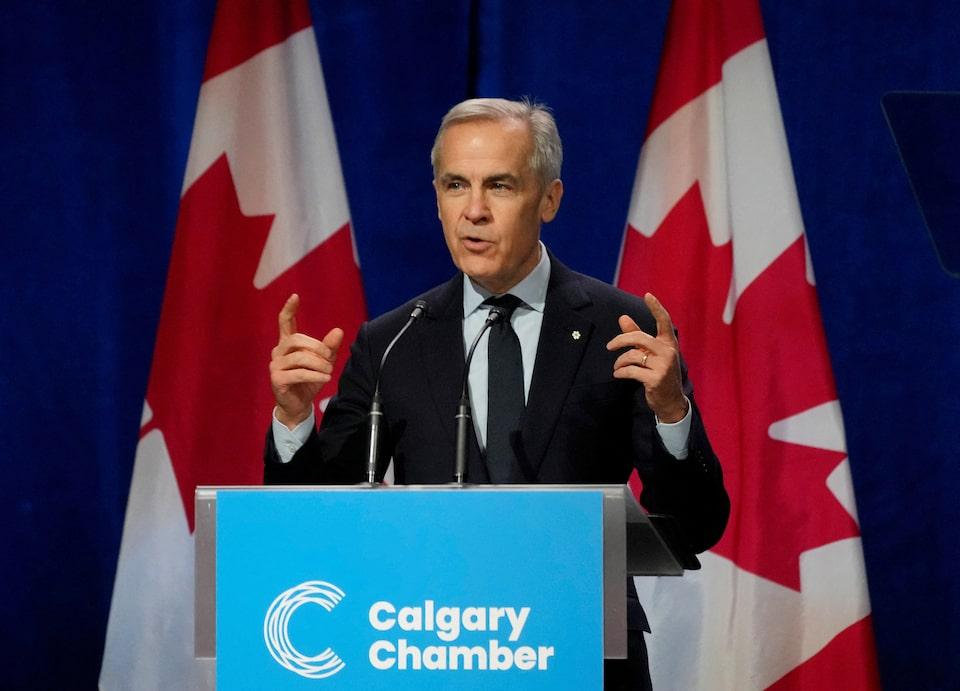
OTTAWA, Dec 18 (Reuters) - Canadian Prime Minister Mark Carney on Thursday said a planned trade deal with the United States on key sectors was unlikely, saying the issue would be covered in a planned review of the United States-Canada-Mexico trade pact next year. The two sides had been close to a deal to address U.S. tariffs on steel, aluminum and autos but President Donald Trump froze the talks in October over an anti-tariff advertisement issued by Ontario's provincial government. Sign up here. "My judgment is that that is now going to roll into the broader USMCA negotiation. So we're less likely, we're unlikely, given the time horizons coming together, to have a sectoral agreement," Carney told reporters. https://www.reuters.com/sports/carney-plays-down-chances-canada-us-trade-deals-key-sectors-2025-12-18/
2025-12-18 14:47
WASHINGTON, Dec 18 (Reuters) - White House economic adviser Kevin Hassett welcomed the consumer price index report on Thursday, saying the U.S. economy was showing high growth and lower inflation. "I'm not saying we're going to declare victory yet on the price problem, but this is just an astonishingly good CPI report," he said in an interview with Fox Business Network. Sign up here. Hassett said wages were growing faster than prices, American taxpayers would see big tax refunds next year and the government would help bring mortgage rates down. "There's lots of room for the Fed to cut rates," he said. A favorite to replace Jerome Powell as the next chairman of the Federal Reserve, Hassett also said the U.S. central bank should be more transparent in the future. "I think that the Fed needs to be 100% more transparent than it's been ... whoever's at the Fed needs to, like, just put all their cards on the table so we can understand what's really going on at that institution." In an prime-time address to the nation on Wednesday, President Donald Trump pledged economic conditions would improve in the coming year, citing his tax policies, tariffs and plans to replace Powell. Trump was expected to announce his choice to succeed Powell by early next year. https://www.reuters.com/markets/us/white-house-adviser-hassett-welcomes-lower-than-expected-inflation-data-2025-12-18/

2025-12-18 14:44
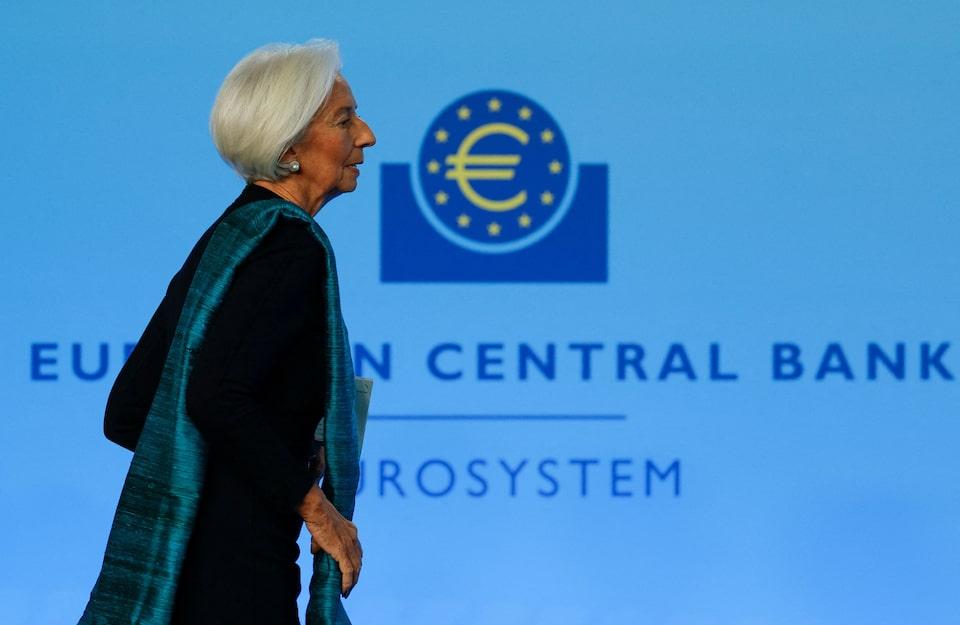
FRANKFURT, Feb 5 (Reuters) - The European Central Bank left interest rates unchanged as expected on Thursday and offered no clues about its next move, reinforcing market bets that policy will remain steady for some time as the bloc enjoys steady growth and near-target inflation. Following are highlights of ECB President Christine Lagarde's comments at a news conference after the policy meeting. Sign up here. EUROPEAN AI INVESTMENT "AI investment... (is) one of the good news stories, as far as the European economy is concerned ...Consumption is improving a little bit... But investment is the big story." SUBSTANCE OF EUROPEAN AI INVESTMENT "(It's) the infrastructure that comes with it, so construction of data centers in the pipeline and going through the process of licencing and authorization, it's software, it's hardware, it's a lot of investment that is coming out of that particular segment." AI INVESTMENT IMPACT ON INFLATION "The really interesting thing from our perspective is how it will impact productivity and how it will contribute or not to inflation, depending on the level of improved productivity. "There is a little bit of that, but it's going to take a while to unleash." CHECKLIST FOR BOOSTING GROWTH "I will send (a letter) to each of the leaders of the European Union, to the President of the European Commission, and to the President of the European Council. "This is our checklist of what we regard as very much likely to enhance growth, to improve productivity and to really unleash the talent of Europe. "We believe that whether it's the savings and investment unions, the digital euro and the tokenized wholesale central bank money, the deepening of the EU single market, the fostering of innovation and protection of open strategic autonomy, or simplifying legislation and strengthening core institutional framework on these five accounts, we hold views. "We cannot deliver it all. We are delivering monetary policy and compliance with our mandate, but we strongly feel that significant reforms have to be either deepened, accelerated, in order to deliver on what is the potential of Europe." ON TRUMP'S NOMINATION OF KEVIN WARSH FOR FED CHAIR JOB "I have known him for a long, long time - back in the financial crisis days where he was in public service, and I was minister of finance at the time. So we go back a long way, and I very much welcome the announcement (of his nomination)." STILL IN GOOD PLACE "I would certainly argue that we are in a good place and inflation is in a good place. " REPO LINES "We are looking at our liquidity framework - and that the repo line to be distinguished from the swap lines - the repo lines are in progress in terms of reframing them, opening up the access, and making them more attractive to other national central banks." EXCHANGE RATE DISCUSSED "I just want to remind you, and this will not come as a surprise, that we do not target an exchange rate in terms of policy target. But we also recognise that it is important for growth and inflation outlook, both. "So, for that reason, we always keep a close eye on exchange rate developments, and the Governing Council discussed this matter today. "What we observed collectively is that the dollar has depreciated measurably against the euro, but not in the last few days, but since March 2025. "We concluded that the impact of exchange rate appreciation since last year is incorporated in our baseline, okay, but of course, as I said, we always monitor whether the impact is passing through." RISKS BROADLY BALANCED "We are... in a broadly balanced situation when it comes to risk assessment. And some risks have ticked up, others have ticked down, but on balance... we believe that we are in a broadly balanced situation at the moment." STRONGER EURO "A stronger euro could bring inflation down beyond current expectations, more volatile and risk averse, financial markets could weigh on demand and thereby also lower inflation." UPSIDE INFLATION RISKS "Inflation could turn out to be higher if there were a persistent upward shift in energy prices, or if more fragmented global supply chains pushed up import prices, curtailed the supply of critical raw materials, and added to capacity constraints in the euro area economy. If wage growth moderated more slowly, services inflation might come down later than expected. "The planned boost in defence and infrastructure spending could also cause inflation to pick up over the medium term." DOWNSIDE INFLATION RISKS "Inflation could turn out to be lower if tariffs reduce demand for euro area exports by more than expected, and if countries with overcapacity increase further the exports to the euro area. Moreover, a stronger euro could bring inflation down beyond current expectations. More volatile and risk-averse financial markets could weigh on demand, and thereby also lower inflation." UNDERLYING INFLATION "Indicators of underlying inflation have changed little over recent months and remain consistent with our 2% medium-term target." "The outlook for inflation continues to be more uncertain than usual on account of the volatile global policy environment." WAGE GROWTH "Negotiated wage growth and forward-looking indicators, such as the ECB's wage tracker and surveys on wage expectations, point to a continued moderation in labour costs. However, the contribution to overall wage growth from payment over and above the negotiated wage component remains uncertain." INFLATION EXPECTATIONS "Most measures of longer-term inflation expectations continue to stand at around 2%, supporting the stabilisation of inflation around our target." CHALLENGING EXTERNAL ENVIRONMENT "Business investment should strengthen further, and surveys indicate that firms are increasingly investing in new digital technologies. At the same time, the external environment remains challenging, owing to higher tariffs and a stronger euro over the past year." SERVICES DRIVE GROWTH "Growth has mainly been driven by services, notably in the information and communication sector. Manufacturing has been resilient, despite the headwinds from global trade and geopolitical uncertainty. Momentum in construction is picking up." https://www.reuters.com/business/finance/lagarde-comments-ecb-press-conference-2026-02-05/
2025-12-18 14:13
NEW YORK, Dec 18 (Reuters) - U.S. consumer prices rose less than expected in the year to November, and expectations for a January rate cut from the Federal Reserve inched up slightly as the report was impacted by the extended government shutdown. The Consumer Price Index rose 2.7% year-on-year in November, the Labor Department's Bureau of Labor Statistics said on Thursday. Economists polled by Reuters had forecast the CPI advancing 3.1%. Sign up here. The BLS did not publish month-to-month CPI changes after the 43-day shutdown of the government prevented the collection of October data. The October CPI release was canceled because the price data could not be collected retroactively. Excluding the volatile food and energy components, the so-called core CPI increased 2.6% after rising 3.0% in September. MARKET REACTION: STOCKS: S&P E-minis extended gains and were last up 54.75 points, or 0.8% BONDS: Treasury yields fell, with the yield on the benchmark U.S. 10-year note down 2.2 basis points to 4.13% FOREX: The dollar index wakened and was last down 0.12% to 98.25 COMMENTS: BRIAN JACOBSEN, CHIEF ECONOMIST, ANNEX WEALTH MANAGEMENT, MENOMONEE FALLS, WISCONSIN: "Inflation was quite a bit cooler than expected in November. Shelter inflation, the biggest component of CPI, simmered down nicely. Some people will dismiss this report as being more unreliable than usual, but ignore it at your own risk. Other indicators like rent costs and used car prices are consistent with the narrative that the old drivers of inflation aren’t the sources of current inflation. "The current sources of inflation are very visible, but not a large component of the consumer basket. Commodities, excluding food and energy, make up less than 20% of the CPI basket. Goods price deflation turned to inflation, but even that inflation hasn’t been as bad as feared. The Fed could look at the increase in the unemployment rate and the tame inflation reading as a reason to cut again. They’ll get some confirming or disconfirming evidence with the next releases before their January meeting." PETER CARDILLO, CHIEF MARKET ECONOMIST, SPARTAN CAPITAL SECURITIES, NEW YORK: "These are good numbers, and basically the core rate moving to 2.6% on a year-over-year is really good news, and we saw the top line inflation year-over-year down to 2.7%. So this is good news for the Fed, good news for the markets, and this should begin to perhaps indicate the Fed is likely to be more generous going into the new year. In other words, these numbers, if they stick, will pave the way for not one, but possibly two, rate cuts sometime in the first quarter of 2026.” JAN NEVRUZI, US RATES STRATEGIST, TD SECURITIES, NEW YORK; “It certainly was a lot softer than pretty much any forecast that I've seen, including ours. “If you think of the two camps within the Fed that are looking at inflation versus labor markets, and you have one side that is saying, well, inflation is not really a problem anymore, I'm a lot more concerned about the labor market, and the other more hawkish side that is saying that inflation is still a problem that we should be thinking very carefully about - I'm sure the latter camp will flag that there are some data collection issues and things like that, but the burden of proof falls on seeing further data that shows that that's not the case. “What we have in front of us is much softer inflation. We definitely take it with a grain of salt, but the generated data is the data and until something else comes in, like the December data later on to show the alternative, on net it is a pretty dovish release. “It's hard to argue that this is anything but supportive of the view that inflation is going away. And again, I completely agree that compared to a normal month this is certainly a less straightforward release to take at face value, but the data is the data.” KAY HAIGH, GLOBAL CO-HEAD FIXED INCOME AND LIQUIDITY SOLUTIONS, GOLDMAN SACHS ASSET MANAGEMENT, NEW YORK (via email): "Today’s low inflation reading won’t move the needle for the Fed given how noisy the data is. The canceling of the October report makes month-on-month comparisons impossible, for example, while the truncated information-gathering process given the shutdown could have caused systematic biases in the data. The Fed will instead focus on the December CPI released in mid-January, just two weeks before its next meeting, as a more accurate bellwether for inflation." SEEMA SHAH, CHIEF GLOBAL STRATEGIST, PRINCIPAL GLOBAL INVESTORS, LONDON (via email): "November’s inflation undershoot has armed Fed doves with strong ammunition for a January rate cut. It’s just one month of data, and distortions can’t be ruled out, but the sharp drop in annual inflation leaves the Fed with little excuse not to respond to rising unemployment. There’s more data to come before the January meeting, yet this week’s numbers tilt the balance firmly towards the doves. We still expect two cuts in 2026, but today’s CPI print raises the odds that they’ll land in the first half of the year rather than the second." JAMIE COX MANAGING PARTNER, HARRIS FINANCIAL GROUP, RICHMOND, VIRGINIA (via email): "The inflation bump from tariffs is behind us, so the path is now clear for the Fed to lower rates again in January. There is no longer a case for restrictive monetary policy." CHRIS ZACCARELLI, CHIEF INVESTMENT OFFICER, NORTHLIGHT ASSET MANAGEMENT, CHARLOTTE, NC (via email): "It always sounds smarter to predict trouble ahead, but this morning’s inflation data was much better than expected. Of course, it’s only one month’s data points and they will likely fluctuate in the upcoming months, but the main concern of Fed officials who are reluctant to keep cutting is that inflation is persistently high and won’t come down if they keep lowering interest rates, and at this point that doesn’t look like it’s the case. "Given that inflation is significantly lower month-over-month there is clearly room to keep cutting rates in order to support the labor market and if the doves win out then we are likely to see stock prices supported – and move higher – as the Fed continues to lower interest rates while the economy continues to grow. "While next year will undoubtedly bring new challenges, heading into the end of the year there should be room for the market to move higher as corporate profits are increasing, the GDP is growing and inflation, for now, remains in check." https://www.reuters.com/business/view-us-consumer-prices-increase-less-than-expected-november-2025-12-18/
2025-12-18 12:43
PARIS, Dec 18 (Reuters) - France's state-owned utility EDF said on Thursday the cost of adding six new nuclear reactors to its park would cost a maximum of 72.8 billion euros ($85.29 billion) as valued in 2020. ($1 = 0.8536 euros) Sign up here. https://www.reuters.com/business/energy/frances-edf-estimates-cost-six-new-reactors-maximum-728-bln-euros-2025-12-18/
2025-12-18 12:42
WASHINGTON, Dec 18 (Reuters) - Donald Trump is expected to announce a pilot program to reimburse Medicare patients’ CBD treatments, the Washington Post reported on Thursday, when the U.S. president is also expected to address the potential loosening of U.S. marijuana regulations. Citing six people familiar with the plans, the report said the Centers for Medicare and Medicaid Services, which oversees the federal health insurance program for older Americans, could launch the pilot as soon as next year and has previously examined paying for CBD, or cannabidiol, use to help treat cancer. Sign up here. https://www.reuters.com/business/healthcare-pharmaceuticals/trump-announce-medicare-pilot-program-pay-cbd-treatments-report-says-2025-12-18/