2025-12-18 00:00
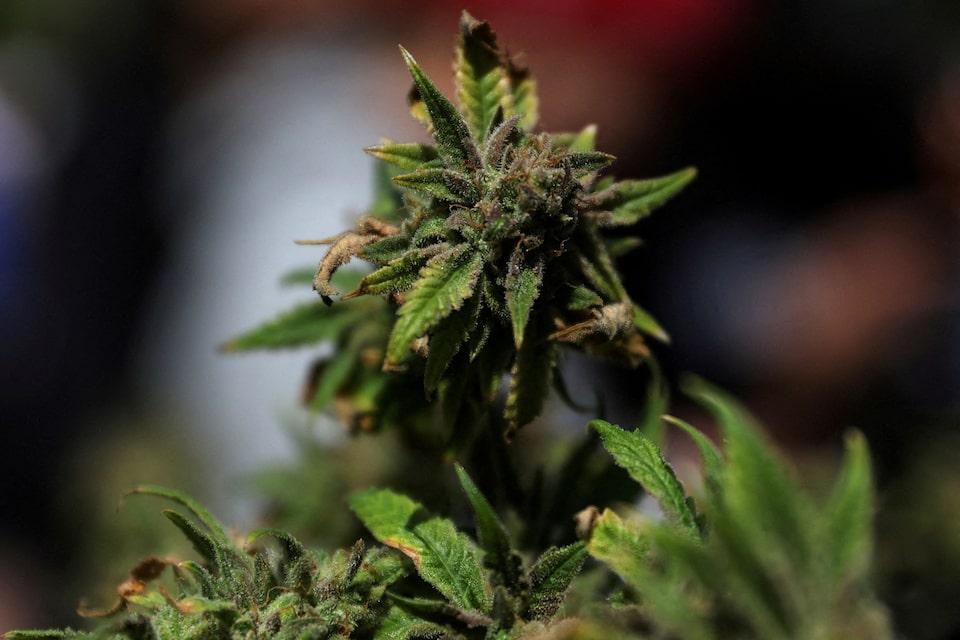
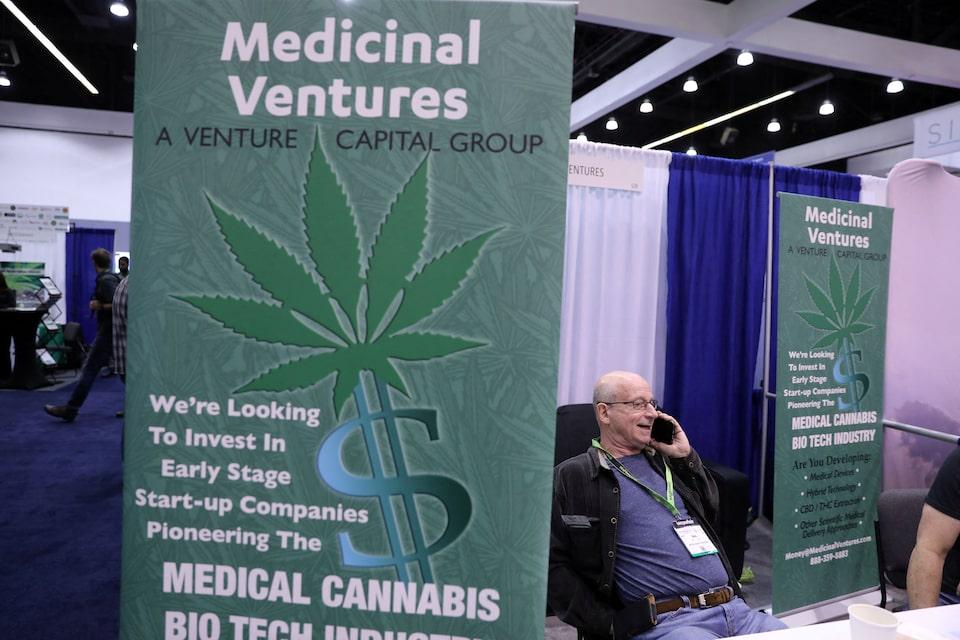
Trump considers executive order to reclassify marijuana Cannabis stocks rise on potential policy change Industry optimistic about federal marijuana rescheduling WASHINGTON, Dec 17 (Reuters) - President Donald Trump is expected to address the potential loosening of federal regulations on marijuana on Thursday, according to a White House official, setting up a decision that could sharply reverse decades of U.S. drug policy. Trump said on Monday that he was considering an executive order to reclassify marijuana as a less dangerous drug - a decision that could reshape the cannabis industry, ease criminal penalties and unlock billions in research funding. Sign up here. Such a shift would represent one of the most significant federal changes to marijuana policy in decades, reducing oversight to the level of common prescription drugs and potentially opening doors long closed to banks and investors. DETAILS OF TRUMP'S POLICY ARE UNCLEAR, BUT INDUSTRY IS OPTIMISTIC The precise contents of Trump's potential order were not immediately clear. While Trump "is currently expected to address marijuana rescheduling tomorrow, any details of this potential action until officially announced by the White House are speculation," said the Trump administration official, who declined to be named. Under the U.S. Controlled Substances Act, marijuana is listed as a Schedule I substance like heroin, ecstasy and peyote. That classification indicates it has a high potential for abuse and no currently accepted medical use. Local authorities often impose more lax regulations over weed, allowing medical or recreational use. Trump told reporters in the Oval Office on Monday that he was looking at pushing for weed to be reclassified under Schedule III, alongside Tylenol mixed with codeine, ketamine and testosterone. "We are looking at that very strongly," he said at the time. POTENTIAL POLICY CHANGE IS MOVING STOCK PRICES Initial reports that Trump might loosen restrictions on the psychoactive drug sent stocks of cannabis-related companies higher. They stand to benefit by making more cannabis products. "Rescheduling it would really open the floodgates to more and more smart conversation about the proper way to regulate and tax cannabis, would show that the federal government is real about getting to coming up with a solution so that these businesses can operate like every other business," said Steve Levine, partner and co-leader of the law firm Husch Blackwell's national cannabis practice. Funding remains one of the biggest challenges for cannabis producers, as federal restrictions keep most banks and institutional investors out of the sector, forcing pot producers to turn to costly loans or alternative lenders. The Biden administration previously asked the Department of Health and Human Services to review marijuana's classification, and the agency recommended moving it to Schedule III classification. The Drug Enforcement Administration has to review the recommendation and will decide on the reclassification. "A potential reclassification in the U.S. would be an important step toward normalizing cannabis policy, improving research, supporting patient care, and expanding access to regulated and safe channels for both consumers and patients," said a spokesperson for Canopy Growth (WEED.TO) , opens new tab, a Canada-based cannabis firm. https://www.reuters.com/world/us/trump-address-potential-loosening-federal-marijuana-regulations-thursday-2025-12-17/
2025-12-17 23:47
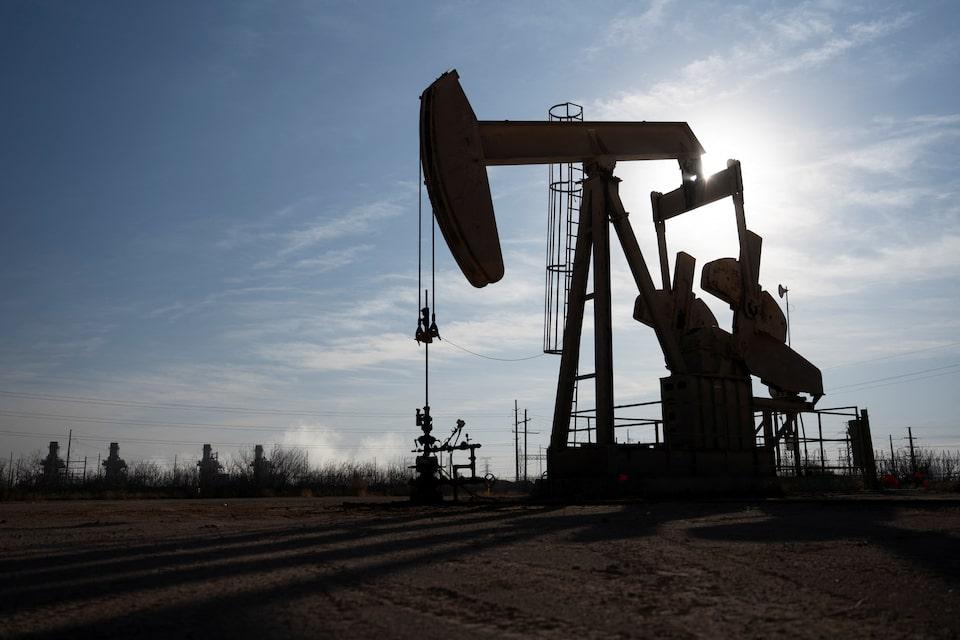
US preparing more Russian energy sanctions in case Moscow rejects peace deal, Bloomberg reports Venezuela's state-run oil firm resumes loading after cyberattack, most exports on hold Enforcement of Trump's blockade of tankers under sanctions unclear HOUSTON, Dec 18 (Reuters) - Oil prices settled marginally higher on Thursday as investors assessed the likelihood of further U.S. sanctions against Russia and the supply risks posed by a blockade of Venezuelan oil tankers. Brent crude closed 14 cents, or 0.2%, higher at $59.82 per barrel, while U.S. West Texas Intermediate crude was up 21 cents, or 0.4%, at $56.15 per barrel. Sign up here. "Crude futures are trying to find support from the Venezuelan oil export blockade, which if it continues will likely cause production in the area to be shut in with no destinations to ship out to," said Dennis Kissler, senior vice president of trading at BOK Financial. U.S. President Donald Trump on Thursday said he believes talks toward ending the war in Ukraine are "getting close to something" ahead of a U.S. meeting with Russian officials this weekend. The U.S. is preparing another round of sanctions on Russia's energy sector in the event Moscow does not agree to a peace deal with Ukraine, Bloomberg reported on Wednesday, citing people familiar with the matter. A White House official told Reuters that Trump had not made any decisions on Russian sanctions. "If no Russia/Ukraine peace deal is reached, the attacks on Russia could escalate, quickly tightening supplies, and if you add in the blockade on Venezuelan oil, crude prices may very well be a bit underpriced here," Kissler said. RISKS TO SUPPLY MOUNT Further measures targeting Russian oil could pose a greater supply risk to the market than Trump's announcement on Tuesday that the U.S. would blockade tankers under sanctions entering and leaving Venezuela, ING analysts said in a note. Britain imposed sanctions on 24 individuals and entities as part of its Russia sanctions regime, including on Russian oil companies Tatneft (TATN.MM) , opens new tab and Russneft, a government notice showed on Thursday. The Venezuela blockade could affect 600,000 barrels per day of Venezuelan oil exports, mostly to China, but 160,000 bpd of exports to the U.S. would likely continue, ING said. Chevron (CVX.N) , opens new tab vessels were continuing to depart for the U.S. under a previous authorization from the U.S. government. Venezuela on Thursday authorized two unsanctioned very large crude carriers to set sail for China, according to two sources familiar with Venezuela's oil export operations. It was not clear how a U.S. blockade would be enforced. The U.S. Coast Guard last week took the unprecedented step of seizing a Venezuelan oil tanker, and sources said the U.S. was preparing for more such interdictions. Venezuelan crude makes up around 1% of global supplies. Analysts at Bank of America anticipate the lower price of oil will reduce the amount of supply. If WTI prices average $57 a barrel in 2026, in line with their projection, U.S. shale oil production could contract by 70,000 bpd. https://www.reuters.com/business/energy/us-crude-futures-gain-trumps-venezuela-blockade-2025-12-17/
2025-12-17 23:33
Dec 17 (Reuters) - U.S. President Donald Trumphas signed an executive order demanding a speedy reclassification of marijuana that would ease federal restrictions on research that could lead to new medical marijuana products. Here is what you need to know: Sign up here. WHAT DOES THE EXECUTIVE ORDER DO? Under the U.S. Controlled Substances Act, marijuana has been listed as a Schedule I substance like heroin, implying it has high potential for abuse and no medical value. The new executive order moves it to the Schedule III classification that includes controlled substances such as codeine, ketamine, certain stimulants, and some forms of steroids. The reclassification will make it easier for researchers to obtain funding for clinical trials and for pharmaceutical companies to apply for FDA approval. As a result of its Schedule I status, bureaucratic and financial hurdles have largely kept drug companies from conducting the clinical trials necessary for regulatory approval of new marijuana-derived drugs. The executive order also seeks to improve access to therapeutic products made from hemp, which like marijuana is derived from flowering plants in the Cannabis family. Hemp is not a controlled substance but currently lacks a clear pathway to regulatory approval, limiting product consistency and consumer protections, the White House said. DOES THIS MEAN MEDICAL MARIJUANA WILL BECOME LEGAL? Marijuana in any form has been illegal in the United States according to federal law. Forty U.S. states have enacted laws permitting the sale of marijuana products for medical purposes through dispensaries and 24 also allow recreational use among adults. These state-approved products will remain federally illegal under the Controlled Substances Act unless manufacturers apply for and obtain approval from the U.S. Food and Drug Administration. Manufacture, distribution, and possession of marijuana without legal authorization would continue to be unlawful, but penalties would likely be less severe than those tied to its current Schedule I status. WHAT ARE THE MEDICINAL PARTS OF MARIJUANA? Marijuana, derived from flowering plants of the genus Cannabis, contains chemical compounds known as cannabinoids that interact with chemical systems in the body. Two of the best-known cannabinoids are tetrahydrocannabinol (THC), which causes a euphoric high, and cannabidiol (CBD), which produces physiological effects, such as pain or inflammation relief, without the high. In 2018, the U.S. Congress ruled that cannabis plants containing no more than 0.3% THC – such as hemp – would no longer be considered marijuana. The 10 states that haven't legalized cannabis have laws that limit the psychoactive compound THC while allowing access to hemp products rich in CBD, which is non-intoxicating. WHAT EVIDENCE SUPPORTS MARIJUANA-DERIVED PHARMACEUTICALS? Only three cannabinoid drugs have shown evidence from clinical trials necessary for FDA approval. Epidiolex from Jazz Pharmaceuticals (JAZZ.O) , opens new tab, containing purified CBD derived from hemp, is approved for certain seizure disorders. Dronabinol, a synthetic form of THC sold as Marinol by Alkem Laboratories and Syndros by Benuvia, is approved for loss of appetite in people with HIV/AIDS and for nausea and vomiting due to chemotherapy. All are considered generally safe, and like most drugs carry some potential side effects. Even after reclassification, any drugs that are eventually approved by the FDA would be legally available in commercial pharmacies by prescription. Healthcare providers who wish to prescribe Schedule III medications - including any marijuana-derived drugs - must have a valid Drug Enforcement Administration registration. WHAT CONDITIONS ARE PROMISING FOR MARIJUANA-DERIVED PHARMACEUTICALS? Dronabinol has also demonstrated benefit for sleep apnea in mid-stage trials. An experimental cannabis-derived medication from Vertanical was safer and more effective than placebo and opioids for treating chronic lower back pain in two late-stage trials in Europe. A U.S. trial is planned for 2026. An oral spray formulation, Sativex from CNX Therapeutics, has shown efficacy in late-stage trials for managing muscle spasticity in people with multiple sclerosis and is approved in over 30 countries outside the United States. Cannabinoid drugs are also being tested for treatment of autism spectrum disorder, anxiety and depression in bipolar disorder, endometriosis, eczema and alcohol use disorder. Federal rescheduling of cannabis will likely accelerate research and standardized drug development for these and other conditions. IS MARIJUANA SOLD AT DISPENSARIES SAFE? Even when used for medical reasons, cannabinoid products like gummies, vape oils, tinctures and high-potency concentrates can cause dizziness and gastrointestinal symptoms and can impact cognitive status, mental health, the cardiovascular system, and the lungs, studies have shown. Recent data has also linked marijuana use with a higher risk for developing type 2 diabetes. Marijuana interacts with many prescription and over-the-counter medications, including blood thinners, sleep medications, anxiety medications, anti-depressants, and seizure medications. Risks are therefore higher in people with heart disease, anxiety, depression, or psychosis, and in older adults due to their higher risk of falls and drug interactions. Risks of marijuana use are also higher during pregnancy and breastfeeding and in children and adolescents. But states that allow medical marijuana do so for a wide list of ailments and many people swear by it despite limited available clinical research. Approved uses include for cancer, glaucoma, chronic pain, ulcerative colitis and Crohn's disease, sickle cell disease, multiple sclerosis, Parkinson's disease and many other conditions. A few states have no medical conditions listed, giving doctors broad discretion. https://www.reuters.com/legal/litigation/what-will-change-if-us-reclassifies-marijuana-2025-12-17/
2025-12-17 23:28
Dec 17 (Reuters) - President Donald Trump's administration has approved changes to a Nevada solar energy project, according to permitting documents seen by Reuters on Wednesday, its first advancement of a solar facility on federal lands in months. The approval of amendments to the Libra Solar project comes months after Interior Secretary Doug Burgum ordered that all federal wind and solar project permits would require his personal sign-off, stalling progress on many facilities. Sign up here. The approved changes include amendments to a transmission line, stormwater management and a road, according to a brief statement from the Bureau of Land Management earlier this week. BLM officials were not immediately available for further comment. The project's developer, Softbank (9434.T) , opens new tab division SB Energy, also did not immediately respond to a request for comment. https://www.reuters.com/legal/litigation/trump-administration-advances-solar-energy-project-first-time-months-2025-12-17/
2025-12-17 23:18
Crypto exchange to partner with Kalshi Expanded product lineup may reduce dependence on crypto Plans tokenized stocks in coming months Dec 17 (Reuters) - Coinbase (COIN.O) , opens new tab said on Wednesday it will start letting users trade stocks and event contracts tied to real-world outcomes, as the exchange expands beyond its crypto roots to compete more directly with rivals. Investment platforms have been diversifying into different asset classes to encourage customers to trade under one roof, as firms vie for a larger share of retail trading volume. Sign up here. Coinbase's expansion could help reduce the company's reliance on crypto trading, which has become increasingly competitive due to several new entrants, and push it deeper on to the turf of brokerages such as Robinhood (HOOD.O) , opens new tab and Interactive Brokers (IBKR.O) , opens new tab. It, however, comes at a time of heightened regulatory uncertainty for event contracts. While companies in the industry say such contracts are under the sole purview of the Commodity Futures Trading Commission, some state regulators are trying to assert authority, arguing they resemble betting and can spur speculative behavior among retail investors. "Fragmented policies that vary by state ultimately harm consumers who need consistent, transparent rules," a spokesperson for Coinbase said. Event contracts let customers wager on the outcome of real-world events, ranging from sports and politics to financial markets. CROWDED MARKET Coinbase's rivals Robinhood and Interactive Brokers, as well as a wave of smaller startups, have already entered the event contracts space. But a top Coinbase executive dismissed concerns the company is behind the curve. "We aim to offer the greatest variety of contracts available on one platform," said Max Branzburg, head of consumer and business products at Coinbase. "We expect existing Coinbase customers will bring all of their assets under one roof, while we reach a new subset of consumers." The company has partnered with Kalshi for the expansion, and could tie up with other platforms in the future, it said. In a note earlier this week, analysts at brokerage Citizens Financial estimated prediction markets were currently generating nearly $2 billion in revenue, which could jump five-fold by 2030 as institutions start participating. Coinbase also said it will launch tokenized stocks in the coming months, to let users trade round-the-clock. https://www.reuters.com/legal/government/coinbase-pushes-into-stock-trading-event-contracts-retail-battle-heats-up-2025-12-17/

2025-12-17 23:17
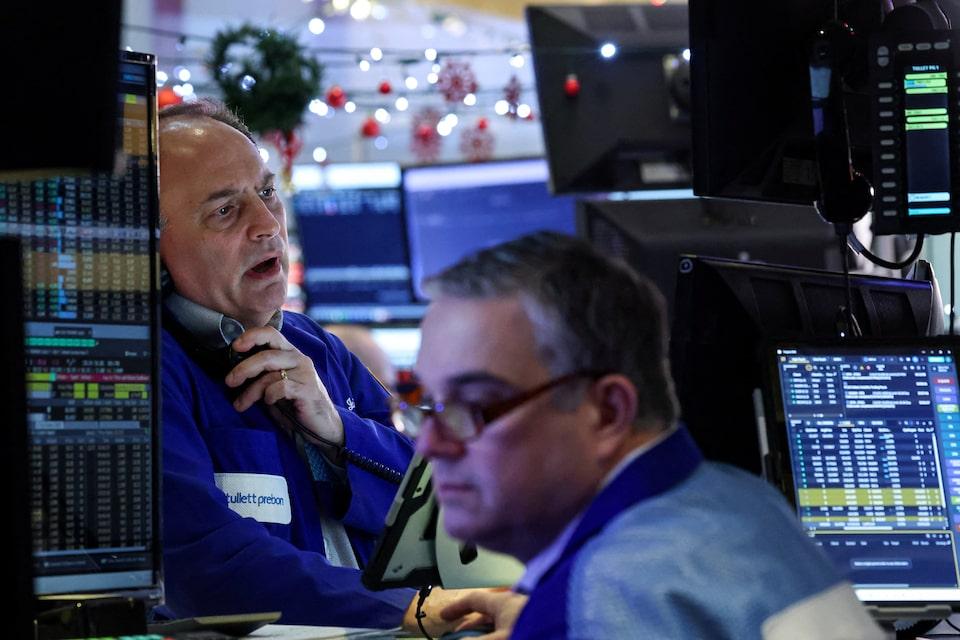
ORLANDO, Florida, Dec 17 (Reuters) - U.S. shares sank on Wednesday, with tech hit by renewed worries over the AI trade, while Washington's blockade of all sanctioned oil tankers entering and leaving Venezuela lifted oil prices from their five-year lows. More on that below. In my column today I look at so-called 'U-star', the theoretical, natural rate of unemployment that neither spurs nor slows inflation. It could influence Fed officials' thinking in the coming months. A lot. Sign up here. If you have more time to read, here are a few articles I recommend to help you make sense of what happened in markets today. Today's Key Market Moves Today's Talking Points * Fed chatter, musical Chairs Speculation over who U.S. President Donald Trump will pick to replace Fed Chair Jerome Powell is heating up, and it appears to be a three-way race between Kevins Hassett and Warsh, and current Fed Governor Christopher Waller. Trump and Treasury Secretary Scott Bessent insist the successful candidate will come under no political pressure. But investors are skeptical. Trump, who wants interest rates at 1% next year "or maybe lower", also wants to be consulted on policy decisions. How independent will the new Fed chair really be? * AI debt jitters The murky, entangled web of financing between tech firms for big AI projects has been unnerving investors for months, and on Wednesday they got another dose of the jitters after a $10 billion agreement between alternative asset manager Blue Owl and Oracle broke down. Tech giant Oracle is heavily indebted and its shares have slumped nearly 50% since September. The worry is Oracle is overleveraged and will struggle to make a return on its huge capex investments. The same goes for others, and the bar for allaying those fears appears to be getting higher. * Venezuela, blockades, and oil Global oil prices this week sank to their lowest in nearly five years, weighed down by worries over demand - especially from China - and potential signs of a Russia-Ukraine peace deal. Trump may have just put a floor under them. His complete blockade of all sanctioned oil tankers entering and leaving Venezuela could tighten crude supply and - leaving aside questions around the legalities of the blockade - it also raises geopolitical tensions. Move over 'R-star', puzzling U.S. jobs data shines light on 'U-star' There is much discussion in U.S. economic circles around "R-star", the theoretical rate of interest that neither spurs nor crimps economic activity. But Federal Reserve officials could soon shift their focus to "U-star". That's the similarly theoretical rate of unemployment that neither accelerates nor slows inflation, also known as "NAIRU", or the non-accelerating inflation rate of unemployment. It is likely to influence the Fed's thinking significantly in the months ahead as policymakers attempt to make sense of the head-scratching employment landscape. Figures on Tuesday suggest the U.S. labor market continues to deteriorate as year-end approaches, though given the government shutdown, labor supply quirks, data collection issues and other technical distortions, this data comes with a major health warning. Still, the jobs market is sputtering. Hiring is sluggish - the economy may actually be shedding jobs once revisions are factored in - wage growth is slowing and the unemployment rate has climbed to a four-year high of 4.6%. In theory, a labor market that weak should signal softening economic demand and slowing inflation. But in reality, activity is holding up pretty well, and inflation has remained stuck around 3% for two years, outpacing the Fed's 2% target for five years running. This raises the question of where "U-star" is – or where it should be – and whether further policy easing is warranted. According to the Fed's latest Summary of Economic Projections last week, officials' median estimate of "U-star" is 4.2%, where it has been since June last year. Yet the unemployment rate is 4.6% and steadily rising. Most Fed officials say uncertainty around the unemployment rate is high, with risks skewed to the upside, especially as slow hiring could quickly morph into outright firing. So, unemployment is above Fed officials' estimate of "U-star", yet inflation isn't falling. This implies "U-star" may be higher than current models suggest. If so, there's a debate to be had among the 19 rate-setters on the Federal Open Market Committee. HAWKS VS DOVES DEBATE TO INTENSIFY The relationship between inflation and unemployment, as measured by the "Phillips curve", is weak. Unemployment a couple of years ago was the lowest in half a century but didn't trigger an inflationary spiral. Current labor market figures need to be treated with caution too. Halted immigration is weighing on labor supply, and this month's bump in the unemployment rate partly reflects people seeking to reenter the workforce, as well as technical issues around the quality and collection of the survey data. But despite the mixed signals, if the unemployment rate continues to climb, Fed doves are bound to push harder for another rate cut. The hawks, meanwhile, will be forced to either admit that inflation risks have diminished or argue that the natural rate of unemployment has risen. The looming prospect of a 5% unemployment rate - above the current U-star projection and median forecasts for the next few years - would certainly generate calls for more easing, even if inflation remains stuck around 3%. WILL UNEMPLOYMENT ACCELERATE? The debate among Fed officials could come into sharper focus in the next few months. The latest CPI figures on Thursday are expected to show that annual core inflation held steady at 3% in November, while headline inflation crept up to 3.1%. That would be the highest since May last year. All this while labor market slack continues to grow. Job growth has averaged less than 20,000 in the last six months. If you factor in Fed Chair Jerome Powell's estimate that technical modeling issues mean monthly payroll estimates are overcooked by around 60,000, the economy could be losing around 40,000 jobs a month. While unemployment remains low by historical standards, it is rising, and history shows it can accelerate quickly. At what point will that bear down on inflation? Whether or not that occurs next year may depend largely on where the elusive "U-star" actually sits. What could move markets tomorrow? Want to receive Trading Day in your inbox every weekday morning? Sign up for my newsletter here. Opinions expressed are those of the author. They do not reflect the views of Reuters News, which, under the Trust Principles , opens new tab, is committed to integrity, independence, and freedom from bias. https://www.reuters.com/world/china/global-markets-trading-day-graphic-2025-12-17/