2026-02-07 14:13
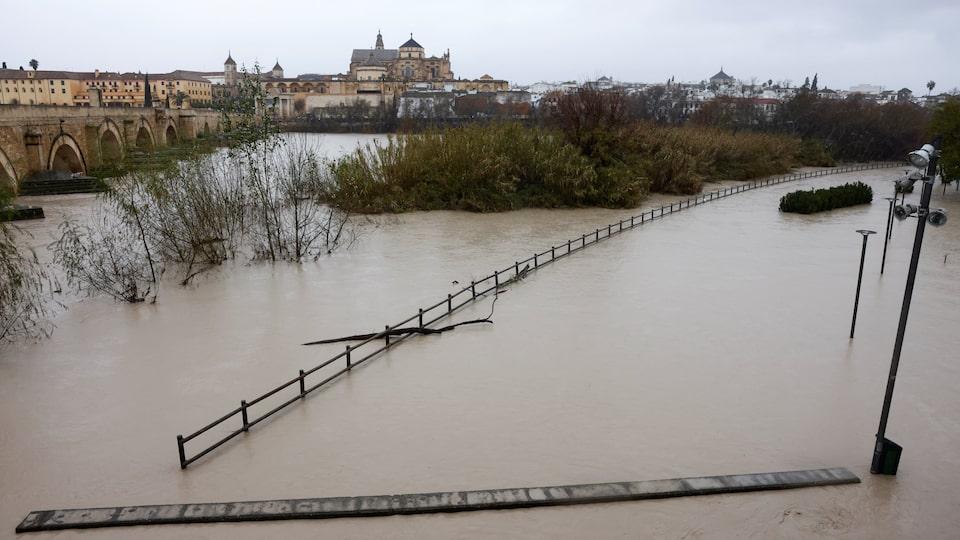
Iberian peninsula already battered by series of storms Thousands of residents evacuated, transport disrupted Waterlogging has raised fears of landslides CORDOBA, Feb 7 (Reuters) - Farmers in Spain warned on Saturday that torrential rains and high winds had left fields submerged and caused millions of euros worth of damage to crops, as Spain and Portugal braced for more extreme weather. The Iberian Peninsula has already experienced a succession of storms in recent weeks, bringing heavy rain, thunder, snow and strong gales before the arrival of Storm Marta on Saturday. Sign up here. A snowplow driver died on Saturday when his vehicle plunged 20 meters (65 ft) down a slope in the El Pico mountain pass, in Avila in northern Spain, where it had been snowing heavily, emergency services said. Earlier the same day, a 46-year-old man drowned in a river at Campo Maior, in the central Portalegre area of Portugal, emergency services said on Saturday. Five people have been killed since Storm Leonardo's arrival last week. More than 11,000 people have been forced to leave their homes in Spain's southern Andalusia region, while nearly 170 roads have been closed across Spain and rail services have been disrupted in Portugal. Portugal’s agriculture ministry said on Friday that preliminary estimates put losses in the agricultural and forestry sectors at around 750 million euros ($890 million) because of the storms, which are expected to intensify in the coming days. Spanish state weather agency AEMET warned on Saturday that Storm Marta would bring snow and hazardous coastal conditions, as well as more rain. Authorities issued an orange weather warning, the second highest after red. The top-flight soccer match between Sevilla and Girona was postponed because of the bad weather, La Liga said, after a request by the Andalusian club. Miguel Angel Perez, of the farmers organisation COAG in Andalusia's Cadiz province, told Spanish television TVE on Saturday: "It is raining without stopping. Crops like broccoli, carrots and cauliflowers are under water. Thousands of hectares inundated. We have a real natural catastrophe." Perez said the storm had caused millions of euros of damage to this year's crop and farmers would seek government help to recover. GROUND TREMBLING, RIVER RISING Waterlogging has also raised fears of structural shifts including landslides. Residents of several towns in the Serranía de Ronda mountain range in Málaga, which had been battered by Storm Leonardo this week, said on Saturday the ground had trembled for days. The council of one town in the area, Cortes de la Frontera, said in a post on social media on Saturday that there was "no danger" from the tremors which have also been felt in nearby towns of Benaoján, Gaucín and Jimera de Líbar. Specialists from the Spanish National Research Council (CSIC) were deployed in the area to monitor the situation. Several residential areas near the Guadalquivir River in Andalusia's Cordoba province were evacuated on Friday due to the dramatic rise in water levels. Spain's Deputy Prime Minister María Jesús Montero warned that the river was expected to reach its peak level on Saturday or Sunday. In Portugal, where the heavy rains have prompted three towns to postpone Sunday's presidential vote till next week, more than 26,500 rescue workers have been deployed to cope with the impact of the storms. ($1 = 0.8463 euros) https://www.reuters.com/sustainability/climate-energy/farmers-report-catastrophic-damage-crops-storm-marta-hits-spain-portugal-2026-02-07/
2026-02-07 12:18
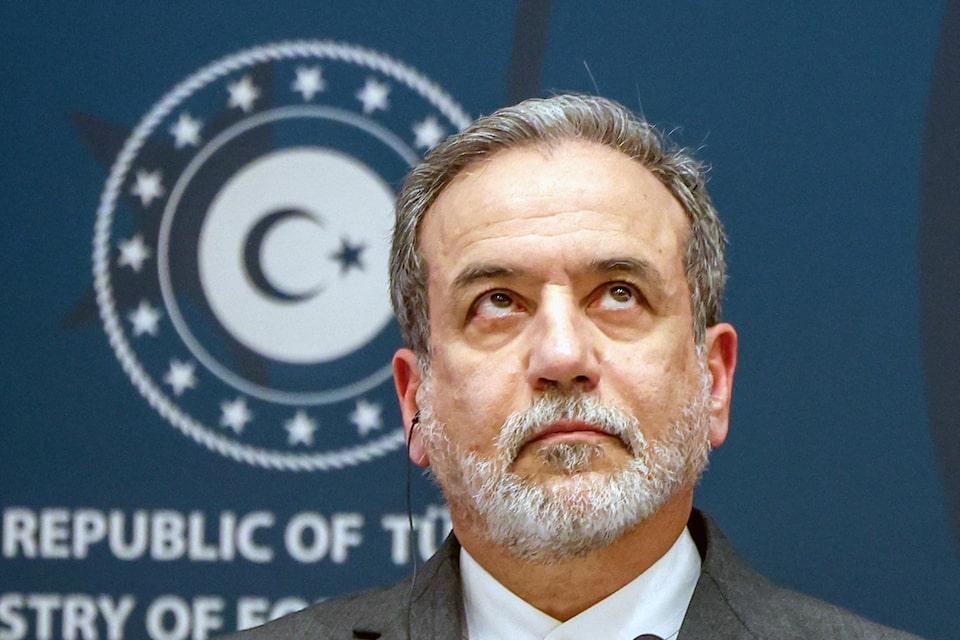
CAIRO, Feb 7 (Reuters) - Iran will strike U.S. bases in the Middle East if it is attacked by U.S. forces that have massed in the region, its foreign minister said on Saturday, insisting that this should not be seen as an attack on the countries hosting them. Foreign Minister Abbas Araqchi spoke to Qatari Al Jazeera TV a day after Tehran and Washington pledged to continue indirect nuclear talks following what both sides described as positive discussions on Friday in Oman. Sign up here. While Araqchi said no date had yet been set for the next round of negotiations, U.S. President Donald Trump said they could take place early next week. "We and Washington believe it should be held soon,” Araqchi said. Trump has threatened to strike Iran after a U.S. naval buildup in the region, demanding that it renounce uranium enrichment, a possible pathway to nuclear bombs, as well as stopping ballistic missile development and support for armed groups around the region. Tehran has long denied any intent to weaponise nuclear fuel production. While both sides have indicated readiness to revive diplomacy over Tehran's long-running nuclear dispute with the West, Araqchi balked at widening the talks out. "Any dialogue requires refraining from threats and pressure. (Tehran) only discusses its nuclear issue ... We do not discuss any other issue with the U.S.," he said. Last June, the U.S. bombed Iranian nuclear facilities, joining in the final stages of a 12-day Israeli bombing campaign. Tehran has since said it has halted uranium enrichment activity. Its response at the time included a missile attack on a U.S. base in Qatar, which maintains good relations with both Tehran and Washington. In the event of a new U.S. attack, Araqchi said the consequences could be similar. "It would not be possible to attack American soil, but we will target their bases in the region,” he said. “We will not attack neighbouring countries; rather, we will target U.S. bases stationed in them. There is a big difference between the two.” Iran says it wants recognition of its right to enrich uranium, and that putting its missile programme on the negotiating table would leave it vulnerable to Israeli attacks. https://www.reuters.com/world/middle-east/if-us-attacks-iran-says-it-will-strike-us-bases-region-2026-02-07/
2026-02-07 11:35
MADRID, Feb 7 (Reuters) - Rayo Vallecano's players and staff have publicly criticised the Madrid club's management for "unacceptable conditions" including unusable pitches and cold showers, shortly before LaLiga postponed Saturday's home match against Real Oviedo due to an unplayable surface. In a statement late on Friday, the players complained of the "obsolete infrastructure" at both the Estadio de Vallecas and at the club's training grounds, which they said they had been unable to use for months in pre-season. Sign up here. On Saturday, LaLiga announced that the Oviedo match could not proceed because of the poor pitch, adding that heavy rainfall had thwarted efforts to restore turf that had recently been replaced. Rayo's players painted a picture of systematic neglect, complaining of "deficient conditions, worsening as the season progressed" at their home ground, along with "a lack of hot water in the showers on certain days" and inadequate cleaning. They said they had repeatedly raised their concerns with club president Raul Martin Presa, but to little effect. Rayo Vallecano did not immediately respond to a request for comment. Oviedo issued a statement sympathising with the Rayo Vallecano squad, but complaining that the postponement of the match just four hours before kick-off would cause them "clear damage". Rayo are due to host local rivals Atletico Madrid next weekend. https://www.reuters.com/sports/soccer/rayo-vallecano-players-bemoan-bad-pitches-cold-showers-oviedo-match-postponed-2026-02-07/

2026-02-07 11:05
Bitcoin's price drop linked to thin liquidity and market volatility Bitcoin's market depth shrinks, causing larger price swings Trump's crypto policies impact bitcoin's market dynamics NEW YORK, Feb 7 (Reuters) - Bitcoin could drop further after wiping out all of its price gains since the election of U.S. President Donald Trump as liquidity is expected to remain thin for the near future. Bitcoin's slump alongside other digital asset prices coincides with investor concerns about inflated tech valuations and the uncertain path of U.S. Federal Reserve rate cuts. Sign up here. "This contraction has been underway for several months and remains ongoing, suggesting it is likely to persist for some time," said Thomas Probst, a research analyst at crypto data provider Kaiko. "Reduced liquidity translates into sharper and more erratic price movements," he added. Precious metals and cryptocurrencies sold off heavily January 30, after U.S. President Donald Trump named Kevin Warsh as the next Fed chair, due to expectations he could shrink the Fed's balance sheet, reducing demand for bitcoin. Digital asset prices have seesawed since, declining to close down 20% on Thursday before rebounding Friday. The moves have raised questions about the outlook for bitcoin and other cryptocurrencies in the year ahead. The end of the year proved to be tumultuous: October also saw the largest crypto liquidation event in history after Trump announced new tariffs on Chinese imports, washing out liquidity that has yet to fully return. "The flash crash back in the fall was this kind of pin that popped the leverage bubble," said Denny Galindo, an investment strategist at Morgan Stanley Wealth Management. The Trump administration's friendly stance toward crypto helped give bitcoin a major boost last year, sending it to an all-time high above $125,000 in October. Still, Trump's introduction of pro-crypto policies in 2025 has not stemmed the latest price declines. Bitcoin fell below $61,000 on Thursday, its lowest level since a month before Trump's election. But some analysts have theorized that the worst may already be over. “There are several things signifying that we are very close to a bottom, if not having achieved it," said James Butterfill, head of research at crypto asset manager CoinShares, who added some investors might choose to buy the dip. Selling by so-called "whales" -- individuals or entities holding 10,000 or more bitcoin -- has started to slow, he said. “I think a lot of investors are seeing this as actually an opportunity, rather than running for the hills," he said. THIN LIQUIDITY Bitcoin's average 1% market depth - a measure of the crypto token's ability to absorb trades without significant price fluctuations - was more than $8 million in 2025, but fell to around $6 million after October 10, and now stands at around $5 million, Probst said. That means that the amount of bitcoin available to trade at close to the current price has been shrinking, so even relatively small orders now cause bigger moves than they did prior to October's crash. "It is the trend in liquidity that is truly concerning," said Probst. Market participants are bracing for more volatility in the near term, said Andrew Moss, head of digital assets research at Jefferies. "We see few bullish indicators that suggest we may be approaching the bottom," he said. Cryptocurrencies represent a small part of global markets, but the points of crossover between the crypto world and mainstream finance - including stablecoin reserves, crypto-related stocks and bank exposure to crypto - have all grown in recent years. Bitcoin has become more closely correlated to equities in periods of market stress, making it more sensitive to macroeconomic and geopolitical developments, said Probst. Global equity indexes rose on Friday as investors crept back into U.S. technology stocks after a massive selloff in the prior three sessions. The earlier declines were triggered by fears around spending on artificial intelligence. Bitcoin rose more than 10% above the key $70,000 level. THE TRUMP EFFECT Bitcoin soared after Trump was elected president in November 2024, as investors anticipated his administration would overhaul digital asset policy and fulfil certain campaign promises, including establishing a strategic bitcoin reserve. Trump himself is involved in numerous crypto ventures, including an eponymous meme coin and a venture called World Liberty Financial that is led by his family. The administration moved quickly to answer the crypto industry's biggest ask by imposing a new regime at the U.S. Securities and Exchange Commission and passing a law to regulate dollar-pegged crypto tokens. But it is not immediately certain what other crypto-friendly measures might come. Bitcoin in particular was buoyed by Trump's campaign pledge to create a national bitcoin stockpile. Although Trump signed an executive order creating a bitcoin reserve from the cryptocurrency the U.S. government has seized as part of asset forfeitures, the government has not embarked on a bitcoin buying spree, said Galindo. "It was created, but maybe it wasn't this kind of big moment... some of those people before the inauguration were kind of hoping for," he said. https://www.reuters.com/business/bitcoin-loses-trump-era-gains-crypto-market-volatility-signals-uncertainty-2026-02-07/

2026-02-07 08:50
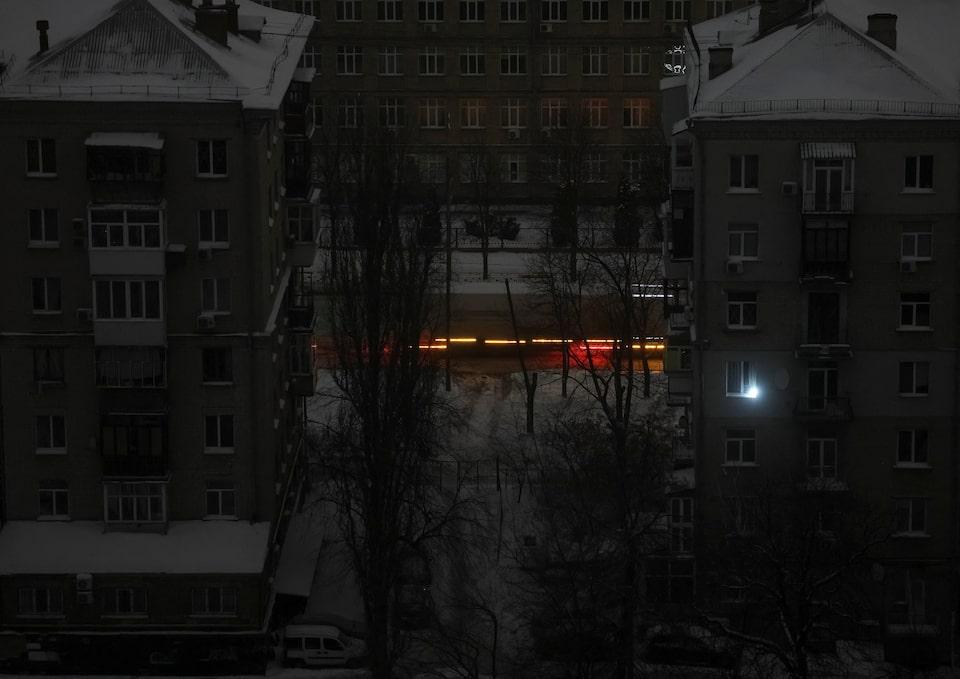
Russia hits Ukrainian energy facilities with over 400 drones, 40 missiles Ukraine's energy sector crumbling under Russian strikes, cold weather Kyiv asks Poland for emergency power imports KYIV, Feb 7 (Reuters) - Russia launched a massive air attack on Ukrainian energy facilities overnight on Saturday, targeting electricity generation and distribution, Kyiv said. President Volodymyr Zelenskiy said the overnight attack involved more than 400 drones and some 40 missiles of various types, targeting the grid, generation facilities and distribution substations. Sign up here. Nearly four years into the war that began with Russia's full-scale invasion of its neighbour, Ukraine's battered energy sector is crumbling under the Russian strikes, accumulated wartime damage and bitterly cold winter weather. RUSSIA CHOOSES STRIKES OVER DIPLOMACY, ZELENSKIY SAYS "Every day, Russia could choose real diplomacy, but it chooses new strikes," Zelenskiy posted on X. "It is crucial that everyone who supports the trilateral negotiations respond to this. Moscow must be deprived of the ability to use the cold as leverage against Ukraine." Moscow did not immediately comment on the attacks. Energy Minister Denys Shmyhal said the strikes hit two thermal power stations in Ukraine's western regions and core elements of the Ukrainian electricity distribution system - substations and key electricity distribution lines. "Russian criminals carried out another massive attack on Ukraine's energy facilities," Shmyhal said on the Telegram app. "Energy workers are ready to start repair works as soon as the security situation allows." The strikes were launched as temperatures began to drop and are forecast to fall to minus 14 degrees Celsius (7 degrees Fahrenheit) in the coming days. The new Russian attacks on the energy system also come just days after the latest round of the U.S.-brokered talks between Ukraine and Russia on how to end the war. Despite pressure from U.S. President Donald Trump's administration and rounds of talks, diplomatic efforts have so far brought no tangible results. INTENSIFIED RUSSIAN ATTACKS ON UKRAINIAN POWER SECTOR Since autumn 2025, Moscow has intensified its attacks on the Ukrainian power grid and other energy infrastructure, forcing frequent blackouts across Ukraine and plunging millions into darkness for hours. Ukrainian officials said that emergency power cuts were introduced across the country. Shmyhal said the government asked Poland for emergency power imports to help the Ukrainian grid. Regional officials reported attacks across the country, including in the western regions of Khmelnytskyi, Rivne, Ternopil, Ivano-Frankivsk, and Lviv. The Burshtyn and Dobrotvir thermal power plants in western Ukraine were hit, officials said. DTEK, Ukraine's largest private energy company, said that equipment was damaged significantly at its thermal power plants in different regions. DTEK said it was the 10th attack on its thermal power stations since October 2025. "Since Russians have been targeting energy facilities in various regions of our country, power outages may last much longer," said Maksym Kozytskyi, the Lviv regional governor. He said air alerts lasted more than six hours in the western Lviv region, close to the Polish border. Polish authorities said two airports in southeastern Poland were suspended from operations as a precaution due to Russian strikes on nearby Ukrainian territory. The airports in Poland later resumed operations. https://www.reuters.com/business/energy/russia-launches-massive-attack-ukraines-energy-system-zelenskiy-says-2026-02-07/
2026-02-07 05:58
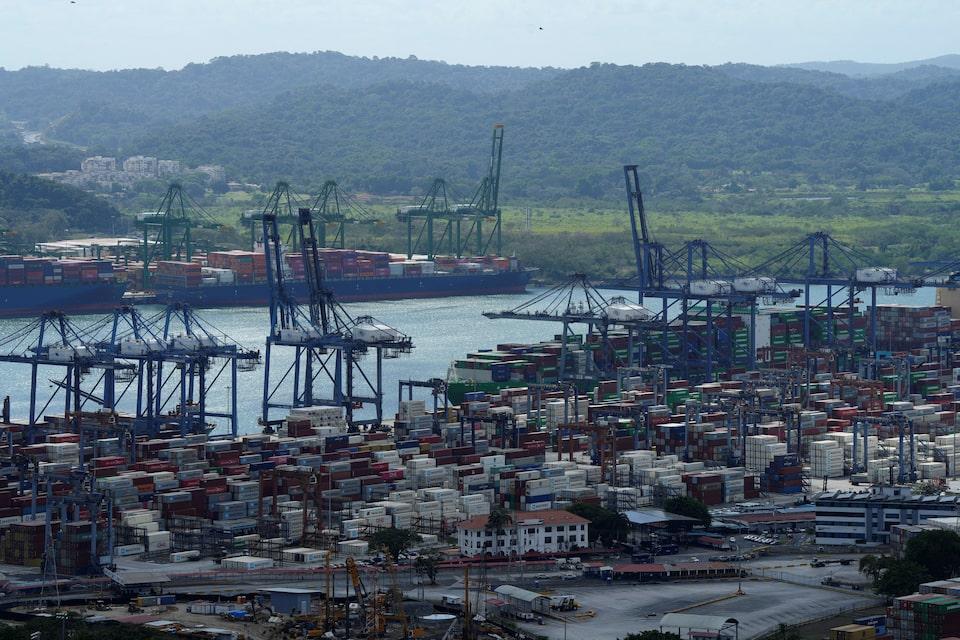
BEIJING, Feb 7 (Reuters) - Hong Kong's commerce chief on Friday summoned the Panamanian Consul General in the city to condemn a court ruling that annulled Hong Kong-based CK Hutchison's (0001.HK) , opens new tab contract to operate two ports at the Panama Canal. The move came after China's Hong Kong and Macau Affairs Office warned Panama of "heavy prices" to pay over the decision earlier this week. Sign up here. Hong Kong's Secretary for Commerce and Economic Development, Algernon Yau Ying-wah, expressed "strong dissatisfaction and opposition" to the Panama Supreme Court's decision during a meeting with the Panamanian Consul General, Jose Ramon de Jesus Varela Fabrega, according to a post by the bureau on Friday. Yau said the company had made large investments and created jobs in Panama over many years. He criticised Panama for "destroying its national credibility" in a move that he said would cause far-reaching damage to the country's business environment and economic development and seriously undermine international trade rules. He urged the Panamanian government to respect the spirit of the contract and provide a fair and just business environment for companies lawfully operating locally. "Hong Kong companies operating and investing in Panama should receive fair and reasonable treatment and protections," Yau said. CK Hutchison has moved to challenge the ruling, with its Panama Ports Company unit launching international arbitration proceedings. Panamanian President Jose Raul Mulino on Thursday called the court's decision definitive and said he didn't expect the situation to escalate. "Panama is a dignified country and will not allow itself to be threatened by any country on earth," he said. https://www.reuters.com/world/asia-pacific/hong-kong-summons-panama-envoy-over-ck-hutchison-ports-ruling-2026-02-07/