2025-12-10 12:22
Trade initiative dates from 2000 but elapsed in September Hundreds of thousands of African jobs rely on the deal USTR said earlier this week South Africa could be excluded South Africa fighting to avoid that JOHANNESBURG, Dec 11 (Reuters) - A U.S. House committee on Wednesday approved a bill that would renew for another three years Washington's preferential trade programme for Africa, and there was no immediate mention of excluding South Africa as the U.S. trade envoy had said was possible. The African Growth and Opportunity Act (AGOA), a law first enacted in 2000 to provide duty-free access to the U.S. market for eligible Sub-Saharan countries and products, expired in September and hundreds of thousands of African jobs are estimated to depend on it. Sign up here. U.S. Trade Representative Jamieson Greer said on Tuesday the Trump administration was open to a one-year extension but might exclude South Africa, which he described as a "unique problem". The U.S. House Committee on Ways and Means approved the AGOA Extension Act by a vote of 37-3, a committee statement said, describing the trade initiative as "the cornerstone of economic relations between the U.S. and Sub-Saharan African nations". "An extended lapse in AGOA would create a void that malign actors like China and Russia will seek to fill," the statement added. The bill will pass to the full House of Representatives, though it is not yet clear when it will take it up. SOUTH AFRICA FIGHTING TO STAY IN AGOA South Africa's trade ministry says it is doing everything it can to ensure the country is included in any AGOA extension, even though relations with the U.S. have soured badly during Trump's second term in office. Trump has railed against Africa's biggest economy for its policies addressing racial inequality, and trade official Greer says it needs to lower tariffs and non-tariff barriers on U.S. products for the U.S. to reduce the 30% duties it imposed on South African goods in August. South Africa says the Trump administration based its tariffs on an inaccurate view of the two countries' trade. A trade ministry spokesperson said South Africa was tracking the progress of the AGOA Extension Act closely. https://www.reuters.com/world/africa/us-house-committee-take-up-africa-trade-bill-south-africa-risks-exclusion-2025-12-10/
2025-12-10 12:19
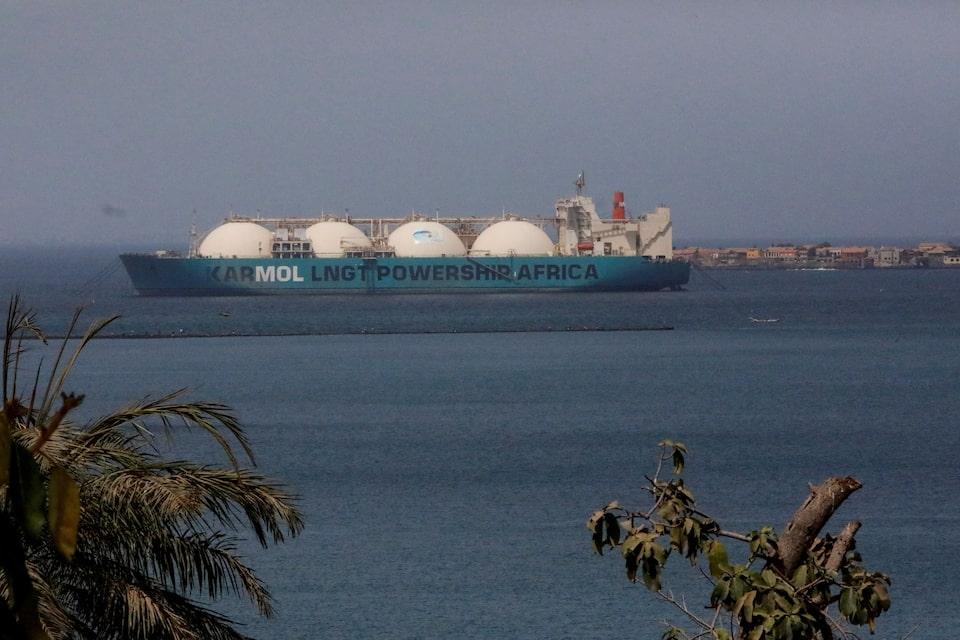
Kosmos Energy owns 90% of the 25 trillion cubic feet field Kosmos says its licence runs out in July 2026 DAKAR, Dec 10 (Reuters) - Senegal plans to nationalise the Yakaar-Teranga gas project, operated by Kosmos Energy (KOS.N) , opens new tab and estimated to be one of the world's largest discoveries in recent years, with a view to meeting domestic gas needs, the country's energy minister said. Kosmos Energy, which has a 90% stake, became the operator of the Yakaar-Teranga gas field in 2023 after BP (BP.L) , opens new tab decided to exit. Kosmos' licence for the field runs out in July 2026, a company spokesperson said when asked about the minister's comments. Sign up here. State-controlled company Petrosen holds the remaining 10% in the field, which is estimated to hold around 25 trillion cubic feet of recoverable gas, even more than the Leviathan field offshore Israel, which has around 22 tcf of recoverable gas. "It's a project we have operators for, and we want to nationalise it and give Petrosen, which has the expertise, the opportunity to develop this project to meet domestic gas needs... without ruling out the possibility of exporting," Energy Minister Birame Souleye Diop said at a conference in the town of Diamniadio on Tuesday. Petrosen, which holds a 10% stake in the project, said last year it expected a final investment decision in 2025. So far no decision has been made public. "Since discovering natural gas at Yakaar-Teranga in 2017 and following BP’s departure from the licence in 2023, Kosmos Energy has been working hard with Petrosen to find a suitable partner and agree a commercially viable development concept. The current Yakaar-Teranga licence expires in July 2026," Kosmos said. Kosmos and Petrosen, as well as BP, are also shareholders in the Greater Tortue Ahmeyim liquefied natural gas project offshore Senegal and Mauritania, which is estimated to hold 15 trillion cubic feet of potentially recoverable gas and which loaded its first cargo in April. https://www.reuters.com/business/energy/senegal-plans-nationalise-kosmos-run-yakaar-teranga-gas-project-2025-12-10/
2025-12-10 12:11
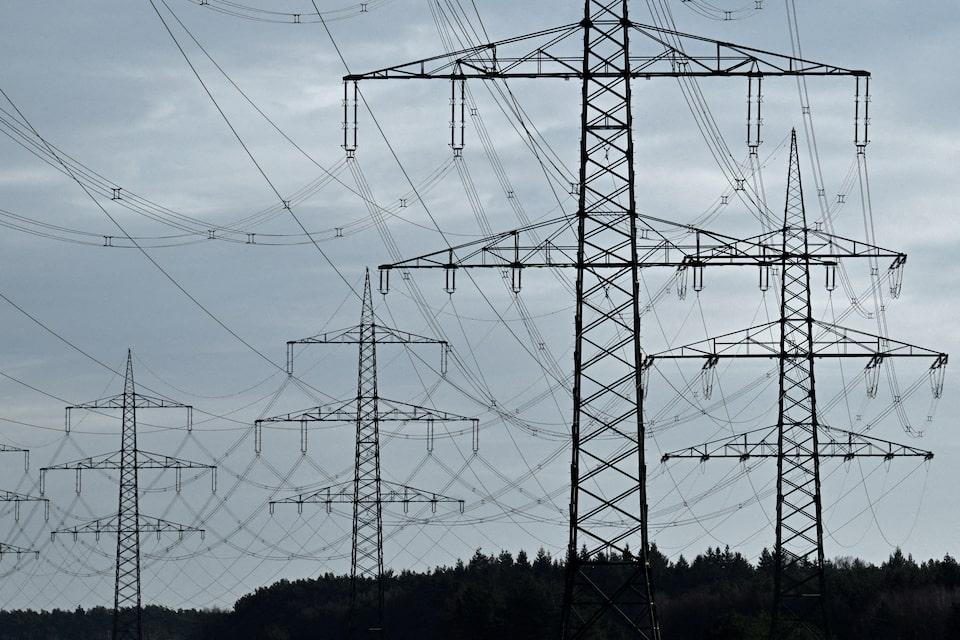
FRANKFURT, Dec 10 (Reuters) - Germany's energy regulator has proposed new rules that would let power grid operators earn at least 1.4% more from 2029, when the next five-year regulatory period begins. In exchange, about 900 qualifying companies will face tougher efficiency targets under stronger incentives, the Bundesnetzagentur said ahead of a media call. Sign up here. "Investments in the German electricity grids are becoming more attractive. At the same time, we are ensuring that grid operators manage their operations more efficiently," said Bundesnetzagentur president Klaus Mueller, referring to a draft that also includes provisions for gas grid firms from 2028. The regulator oversees earnings for electricity and gas networks, which are natural monopolies. The statement set out steps to reform a system of spending returns for new five-year frameworks for power and gas, respectively. The new framework continues to cap allowed returns over multi-year periods but will track global interest rates more closely, it said.. The 1.4% figure reflects changes under the agency’s NEST process, it said, adding that companies could earn more from rising investment volumes and higher interest rates independently of that process. Germany's power grids need major upgrades to handle surging demand from AI-driven data centres and the electrification of heating and transport. Gas operators, meanwhile, face shrinking customer bases as fossil fuel use declines, even as they invest in hydrogen-ready infrastructure. https://www.reuters.com/business/energy/german-regulator-allow-higher-power-grid-earnings-2029-2025-12-10/
2025-12-10 12:09
STOXX 600 down 0.1% Eyes on Fed rate path US futures little changed Welcome to the home for real-time coverage of markets brought to you by Reuters reporters. You can share your thoughts with us at [email protected] , opens new tab ONE BITCOIN BULL HAS CUT THEIR FORECAST AS "COLD BREEZE" BLOWS Sign up here. Standard Chartered, one of the staunchest bitcoin advocates, has cut its price forecasts for 2025 and 2026 in half, underscoring the severity of the selloff in crypto markets. Geoff Kendrick, the global head of digital assets research at the bank, said on Tuesday he now expects bitcoin prices around $100,000 by the end of 2025 and $150,000 by the end of next year, both half of his previous estimates. The rethink reflects a shift in expected demand, with future buying likely to be driven mainly by exchange-traded funds rather than by companies adding bitcoin to their balance sheets, he said. Many bitcoin holding companies now trade at a discount to the value of their crypto assets. Kendrick still believes bitcoin can reach $500,000, but only by 2030, marking a two‑year delay from his earlier call. The recalibration from one of the biggest bitcoin bulls underlines the depth of the price slide and the sharp deterioration in sentiment, which could raise further questions about the crypto industry. Kendrick, however, said his sense was this was "not a crypto winter, just a cold breeze." (Niket Nishant) ***** EARLIER ON LIVE MARKETS: STOXX DIPS CLICK HERE BEFORE THE BELL: EUROPE DIPS ON FED DAY; DELIVERY HERO SHINES CLICK HERE ONE LAST HURDLE REMAINS FOR THE YEAR CLICK HERE https://www.reuters.com/legal/transactional/live-markets-one-bitcoin-bull-has-cut-their-forecast-cold-breeze-blows-2025-12-10/

2025-12-10 12:07
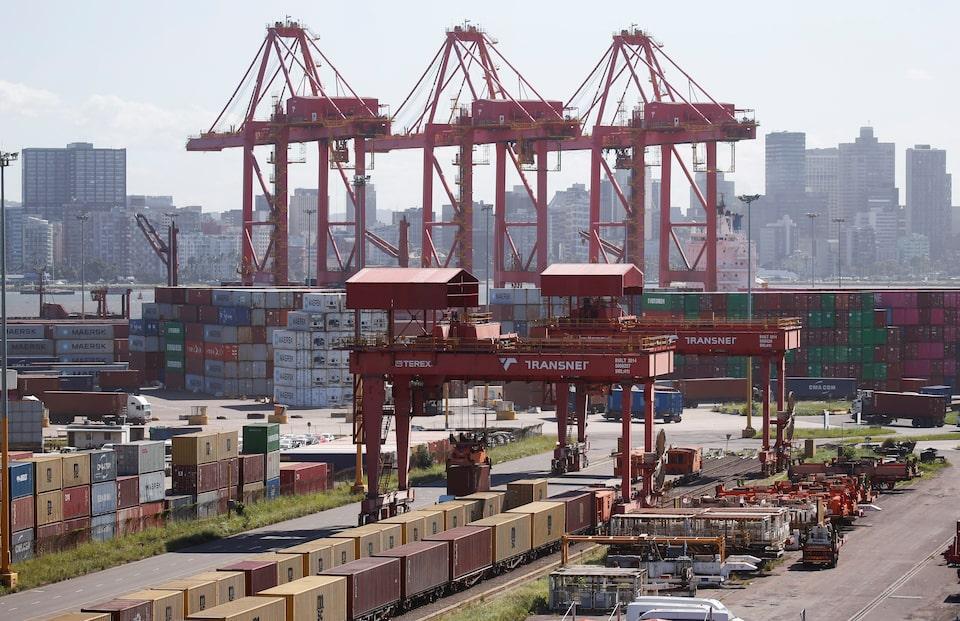
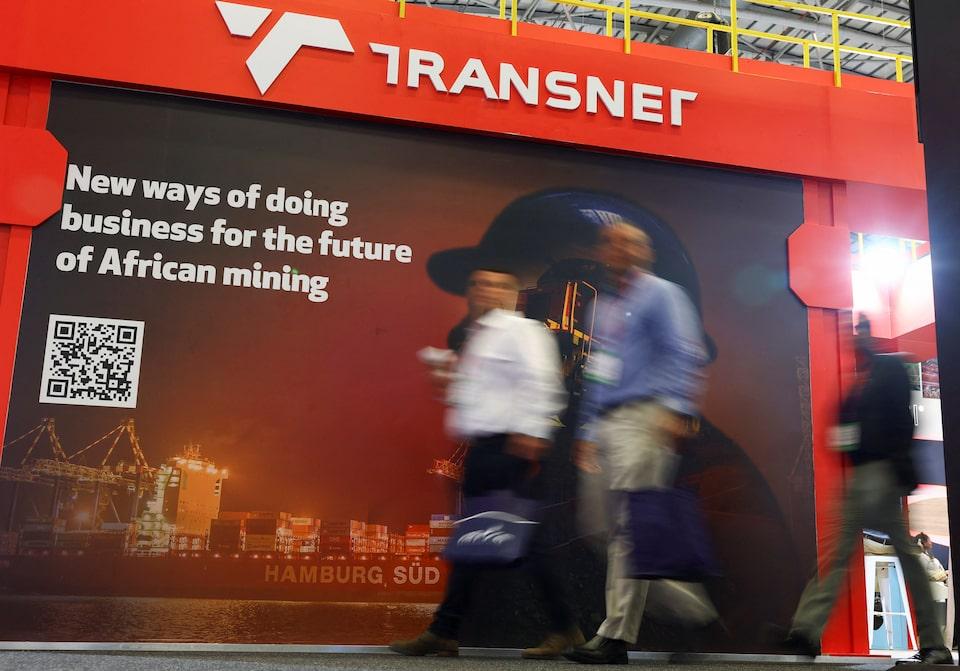
JOHANNESBURG, Dec 10 (Reuters) - South African state logistics group Transnet signed a 25-year deal with Philippines-headquartered terminal operator ICTSI (ICT.PS) , opens new tab on Wednesday to upgrade the African country's busiest container terminal in Durban. The concession agreement is part of the government's plans to address Transnet's chronic underperformance, which has stifled exports from Africa's biggest economy. Sign up here. Transnet said in a statement that the upgrade and development of Durban Container Terminal Pier 2, which handles more than 40% of South Africa's container volumes, would start from January next year, when ICTSI will take over operations. Pier 2's capacity and efficiency are expected to increase through the introduction of new equipment and technology. Transnet Chief Executive Michelle Phillips said working with private companies was an important part of the state-owned company's strategy to modernise and improve its performance. Transnet will hold a majority shareholding in a new special purpose vehicle set up for the ICTSI partnership, which was delayed by a long-running legal dispute over Transnet's decision to choose ICTSI as a partner. https://www.reuters.com/world/africa/south-africas-transnet-signs-deal-with-ictsi-upgrade-main-container-terminal-2025-12-10/
2025-12-10 12:05
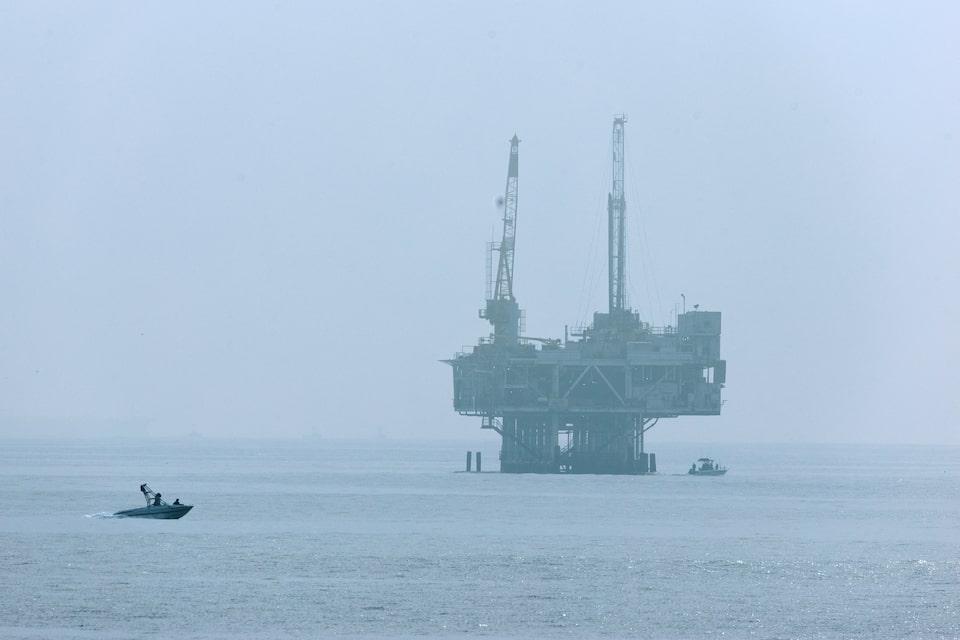
BP, Woodside, Chevron dominate bidding Chevron places highest bid of $18.6 million for Keithley Canyon block Companies bid more per acre than in any Gulf auction since 2017 Dec 10 (Reuters) - BP (BP.L) , opens new tab, Woodside Energy and Chevron (CVX.N) , opens new tab were the top winners on Wednesday at the U.S. government's first sale of oil and gas drilling rights in the Gulf of Mexico since 2023. The auction, which ended with $279.4 million in high bids, was the first of 30 mandated by U.S. President Donald Trump's tax cut and spending bill, which he signed into law in July. Sign up here. The sale generated about $100 million less in high bids than the last Gulf lease sale in 2023, but oil companies bid more per acre than at any government auction in the region since 2017, according to a Reuters analysis of the sale results. 'A VERY SUCCESSFUL SALE' The Trump administration's plans for regular offshore leasing are a significant departure from that of former President Joe Biden, whose administration had planned for a historically small number of oil and gas auctions as part of an effort to move away from fossil fuels and address climate change. Administration officials attributed the drop in bidding from oil companies compared to the last sale, which was during the Biden era, to the predictable schedule the Interior Department was implementing. "They are not pressed to come in all at once," Laura Robbins, acting director of the Gulf region for the U.S. Bureau of Ocean Energy Management, said at an online press conference following the sale. "We feel like this was a very successful sale." BOEM said 30 companies submitted a total of 219 bids on 1.02 million acres, about 1.3% of the acreage offered. Just 30 blocks received more than one bid. BP AND CHEVRON DOMINATE BP was the high bidder on 50 tracts, according to sale documents, followed by Chevron with 22, Murphy Exploration & Production with 14, and Shell and Repsol each with 12 high bids. The companies with the biggest high bid totals were BP with $61 million, Australia's Woodside with $38 million, Chevron with $33 million and Murphy Exploration & Production Company with $27.4 million, according to BOEM. "As today's bidding makes clear, bp will continue to invest in the deepwater Gulf of America, underscoring our commitment to expanding US energy production and delivering on bp's strategy to safely and profitably grow its global oil and natural gas business," the company said in a statement. Other winners included Beacon Offshore Energy, Talos Energy, LLOG Exploration Offshore, Woodside Energy, Anadarko and Equinor. Shell said it was the apparent high bidder on 12 blocks totaling about $16.2 million. "This outcome reflects our continued commitment to responsibly developing the Gulf of America's world-class resources that are essential to meeting today's energy needs while building a lower-carbon future," Shell spokesperson Cynthia Babski said in an emailed statement. The auction's highest bid was nearly $18.6 million, from Chevron, for a block in the Keithley Canyon deepwater area. The second highest was a joint bid of $15.2 million from Woodside Energy Deepwater (WDS.AX) , opens new tab and Repsol (REP.MC) , opens new tab for a block in the Walker Ridge area. "Chevron has a long history of safely and responsibly producing oil and natural gas from the Gulf, and our fields and facilities there are among the lowest carbon intensity producing assets in our portfolio," a Chevron spokesperson said in a statement. LOWER ROYALTY RATE BOEM, an arm of the Interior Department, offered 81.2 million acres in the Gulf at a royalty rate of 12.5%, the lowest permitted by Trump's new tax law. Previously oil companies were required to pay a minimum of 16.66% in royalties. Trump's law lowered the rate to encourage industry participation in lease sales. Offshore production accounts for about 15% of U.S. output, but has lagged onshore shale fields in recent years because of longer timelines and higher upfront costs. The last Gulf sale in 2023 raised $382 million, the highest of any federal offshore lease sale since 2015. https://www.reuters.com/sustainability/climate-energy/us-holds-first-gulf-mexico-oil-gas-auction-since-2023-2025-12-10/