2026-02-06 14:44
LONDON, Feb 6 (Reuters) - Investor interest in U.S. hedge funds is waning for the first time since 2023, with talk of a "Sell America" trade simmering since U.S. President Donald Trump's sweeping Liberation Day levies in April. Investors in the U.S. and Europe told Barclays that this year they intend to increase exposure to U.S.-based hedge funds by 5% less than they did in 2025, while also adding money to hedge fund managers in Asia and Europe, according to a survey of 342 investors managing a total of $7.8 trillion in assets. Sign up here. Interest in Asia-Pacific-based hedge funds has more than doubled since the lows of 2024, Barclays' report said. U.S. interest in European-based hedge funds more than doubled, Barclays said. In the survey that took place over November and December, investors in Europe told the bank that they were 8% more willing to put money into European managers than last year. Interest in hedge fund managers based in Asia grew around 10%. Hedge fund fees remain historically high, survey respondents told Barclays. Average management and performance fees peaked in 2025 for traditional hedge fund products, while the kind that pass through costs have decreased. Since 2023, investors' share of gross returns has risen from around 47% to 56%, the bank said. Investors have also seen overall hedge fund returns grow by around 5% this year, it added. The biggest hedge fund multi-managers continue to grow, Barclays' data showed. Multi-manager assets under management have grown at rate of around 17% annually since 2017 to around $435 billion last year, the bank said. They were not investors' top strategy pick, however. Hedge funds that base investment decisions on macroeconomic factors and those that trade stocks systematically garnered the highest levels of net allocators in 2025, Barclays said. Overall, the hedge fund industry grew by just over a fifth between 2023 and 2025, its largest two-year jump since that between 2011 and 2013, the data showed. Equity Market Neutral is the most favoured strategy for 2026, followed by Quant Multi-Strategy, which has been the most sought-after since 2020, according to the survey results. (This story has been corrected to say growth in investor interest is slowing in paragraphs 1 and 2, to clarify that the fees are 'historically high' in paragraph 7 and to say 'continue to grow' in paragraph 10) https://www.reuters.com/sustainability/boards-policy-regulation/investors-look-beyond-us-hedge-funds-first-time-since-2023-barclays-says-2026-02-06/

2026-02-06 14:37
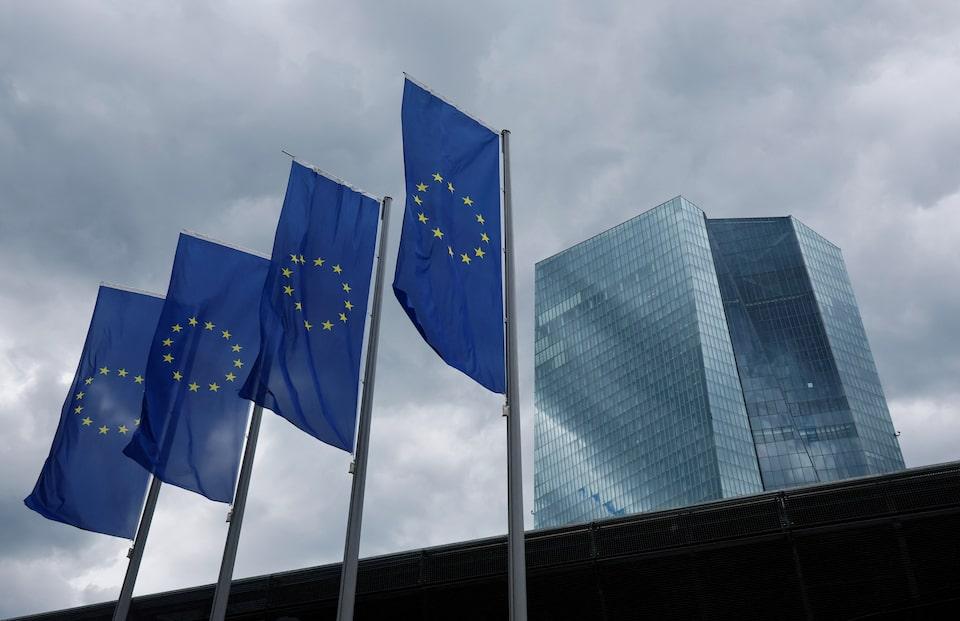
EU seeks new economic allies ECB's liquidity lines seen as diplomatic tool Expanded repo lines come alongside more joint debt, stablecoins FRANKFURT, Feb 6 (Reuters) - The ECB’s plan to make it easier for foreign central banks to secure funding in euros is the latest part of Europe’s emerging strategy to win trade and political friends and hold its own against the United States and China. The European Central Bank's safety net will give banks outside the euro zone access to emergency funding in euros at times of stress and reinforce incentives for them to use the single currency. Sign up here. The initiative fits into ECB President Christine Lagarde’s broader effort to capitalise on what she has called the euro’s "global moment", as erratic U.S. economic policy under President Donald Trump has raised fresh questions about the dollar’s long‑standing dominance. Economists say easier access to euro liquidity could support the EU’s wider international strategy by complementing trade agreements, such as the deal recently concluded with India, and by reassuring investors that assets in the single currency will remain liquid even in periods of market turmoil. "The fact that alongside these free trade agreements, we could offer a repo facility would be smart," Ludovic Subran, chief investment officer at German insurer Allianz, said. "If we want to practise economic diplomacy, I think it goes with the full gamut, including what we can do on the euro." French bank Societe Generale's chief executive Slawomir Krupa also welcomed the move on Friday as a tool that "supports growth...and the influence of our region". EURO'S CHALLENGE TO THE DOLLAR Reuters exclusively reported on Thursday that the ECB is working on more generous terms for its euro repurchase agreements, which let foreign central banks borrow euros against collateral denominated in the single currency. This facility - known as Eurep and created during the 2020 COVID crisis - is currently only available to eight countries that neighbour the euro area, including EU nations such as Romania and Hungary, and others like Albania and Montenegro, and with strict limits. Under the proposed changes, the interest rate on these operations would be lowered, rules would be standardised and stringent caps on how much each country's central bank could borrow from the ECB would be eased, sources said. The aim of the move, which should be announced next week, is to boost the use of the euro as a currency for investing, lending and trading abroad, where it is a distant second to the U.S. dollar. It comes as finance ministers prepare to discuss issuing euro-denominated stablecoins and joint EU debt, and as middle powers in all corners of the world seek new allies to hedge against the risk of Trump's increasingly unreliable United States. Central bankers from all around the world have been pondering for months if they can still rely on the U.S. Federal Reserve to provide dollar liquidity in a crisis via its so-called swap lines. Kelly Eckhold, chief economist at Westpac NZ, said an expanded Eurep facility could be "an opportunity for New Zealand". "The current U.S. administration is more inward looking and may be less likely to lend funds via swap lines in a global liquidity crisis," he wrote on X. A GROWN-UP CURRENCY The ECB's plan is not without risk. Loans would only be extended against high-quality, euro-denominated collateral, limiting credit and foreign exchange risk. But the ECB and euro zone governments may still end up facing the same kind of uncomfortable questions that the U.S. has faced for decades: what happens if foreign borrowers run into problems with their euro-denominated debt? "You can really imagine that this would create additional questions on providing this liquidity facility in a country where a commercial bank would be distressed," Allianz's Subran said. In 1971, then Treasury Secretary John Connally famously said the U.S. dollar was "our currency, but your problem" - a reference to the fact the greenback is run with American interests in mind. European governments and central bankers may find it hard to be quite so flippant. The euro is a young currency launched just 27 years ago, it is not backed by a single treasury or deposit insurance and still carries the scars of a debt crisis that almost brought it down in the early 2010s. This makes it more sensitive to any crisis abroad, particularly in countries that have unilaterally adopted the euro, in the way some American nations are "dollarised". "The ECB is correct to be wary of euroisation because the euro is not a grown-up currency," Bruegel senior fellow Rebecca Christie said. "The ECB has not had all of the tools that the Fed has and because of that they have to be much more careful about their reputation." https://www.reuters.com/business/finance/ecbs-safety-net-is-part-eu-plan-court-new-allies-2026-02-06/
2026-02-06 14:37
BRASILIA, Feb 6 (Reuters) - Brazil's economic policy chief Guilherme Mello said on Friday that stabilizing the country's gross debt-to-gross domestic product ratio depends on monetary policy decisions, offering a glimpse of what he could support as a potential central banker. Mello made the remarks after Finance Minister Fernando Haddad revealed this week that he had recommended Mello to President Luiz Inacio Lula da Silva for a vacancy on the central bank's interest rate-setting board. Sign up here. Reuters reported, citing sources, that Lula was leaning toward nominating Mello, a prospect that stirred unease among many investors who fear he could favor a more unorthodox and politically-driven monetary policy. Mello helped draft the government's program and has previously argued for lower interest rates. He holds a PhD in economics from the State University of Campinas, widely viewed as a hub of unorthodox economic thought in Brazil. Mello said at a press conference he was honored by Haddad's endorsement, but declined to comment further as Lula had not officially offered him the job. That choice would require Senate approval. "I am at the president's and the minister's disposal to carry out whatever tasks they deem appropriate," Mello said, adding that his track record at the economic policy secretariat demonstrates his abilities. NO COMMENT ON NEXT CENTRAL BANK DECISION Asked about the size of a potential rate cut at the central bank's meeting next month, Mello declined to comment but said the government sees room for easing. Central bank policymakers have signaled they will start lowering the key Selic rate after a long period holding it at a nearly 20-year high of 15% to tame inflation. "The magnitude of the rate cut is a decision for the (rate-setting board) Copom," Mello said. He added that the outlook for stabilizing gross debt was "clearly challenging," but argued recent results suggest the government is on the right track. "Debt is clearly not a purely fiscal indicator. It depends on monetary policy decisions and a range of other factors, so its projections can change significantly as the interest rate curve shifts," he said. Brazil's Treasury estimates gross debt as a share of GDP, a key indicator of fiscal sustainability, will rise by nearly 12 percentage points over Lula's current term, which ends this year. Mello said the government has tools to stabilize debt growth under the fiscal framework approved in 2023, which caps real spending growth and sets primary balance targets. https://www.reuters.com/world/americas/brazils-debt-stabilization-hinges-monetary-policy-says-central-bank-contender-2026-02-06/

2026-02-06 13:08
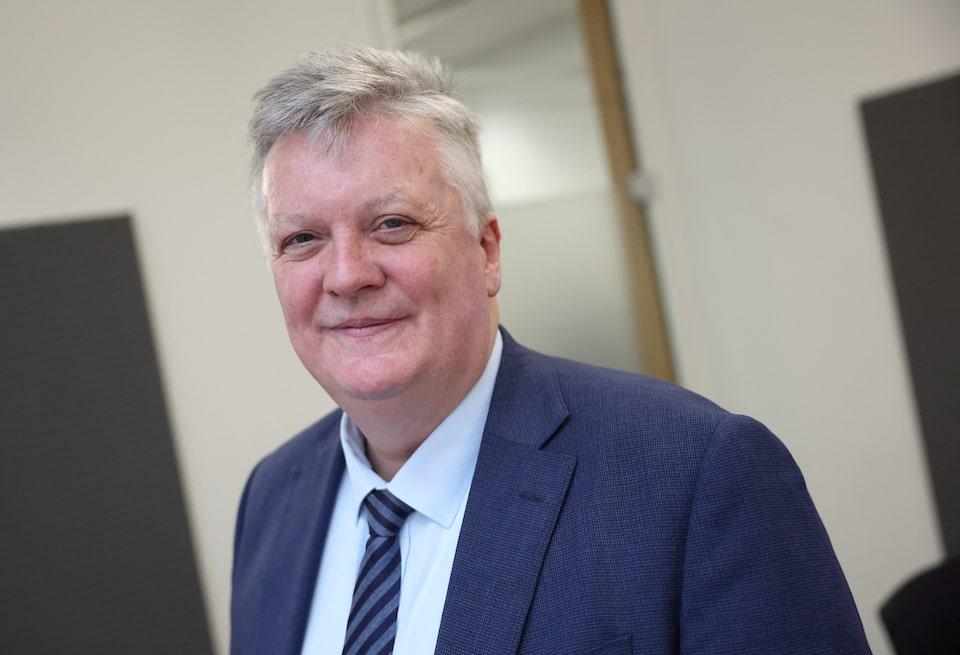
LONDON, Feb 6 (Reuters) - Bank of England Chief Economist Huw Pill said on Friday that the central bank should not be too reassured by the likely return of inflation to near its 2% target in the second quarter of this year as much of this will be due to one-off factors. Pill - who voted against a rate cut this week - said just as the BoE looked through a temporary inflation hump in 2025 that partly reflected one-off regulatory measures, it should not put too much weight on a dip in inflation to close to 2% which is forecast for April when lower energy prices take effect. Sign up here. "There is also a risk that we draw too much comfort from the ditch in short-term inflation dynamics created by the downside fiscal measures announced last November, and we lose a little bit of a track of ... the inflation that is going to be the lasting dynamic in price developments that will still be there once all these one-off effects fade out," he said. Some of the easing in inflation is likely to come from measures included in finance minister Rachel Reeves' budget which was announced in November. Speaking to businesses, Pill said monetary policy would need to continue to address any persistence in inflationary pressures. Pill was part of the 5-4 majority among the BoE's Monetary Policy Committee members who voted to keep rates on hold at 3.75% this week, narrowly avoiding a repeat of December's quarter-point cut. In policy minutes published on Thursday, Pill said the BoE had been cutting rates too fast and that he was concerned that future inflation pressures would make it hard for inflation to stay durably at target after it falls later this year. Pill said on Friday it was good that the BoE's latest survey of businesses showed they expected to raise pay by 3.4% this year, down from last year, but that this was still slightly too high for inflation to stay at 2%. "Although we are getting closer, that disinflation process is still not complete," he said. Pill also noted that the labour market had "eased quite significantly" in recent months, potentially reflecting last year's rise in employment taxes and the minimum wage as well as the greater use of artificial intelligence in some sectors. https://www.reuters.com/world/uk/bank-englands-pill-cautious-about-risks-expected-dip-inflation-2026-02-06/
2026-02-06 12:52
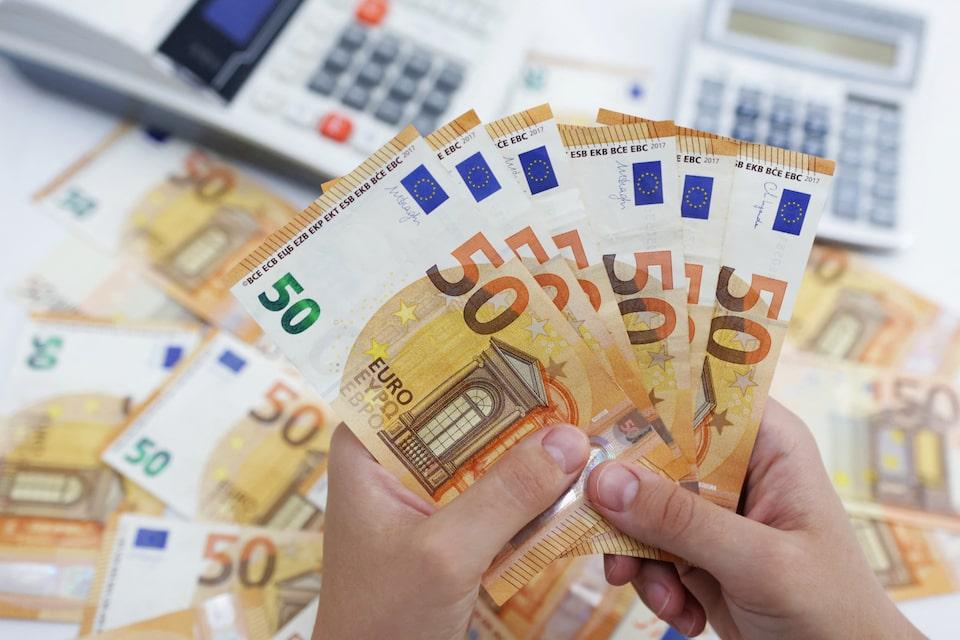
Ministers to discuss euro-stablecoins and joint EU debt issuance Euro's stronger role could enhance EU's global financial stability EU should deepen euro-denominated debt market, remove trade barriers BRUSSELS, Feb 6 (Reuters) - Euro zone finance ministers will discuss on February 16 how to boost the global role of the euro and strengthen Europe's economic security through issuing euro-denominated stablecoins and more joint EU debt, a paper prepared for them shows. The document, seen by Reuters, was prepared by the European Commission, the European Union's executive arm. It comes as the global economy is buffeted by trade tensions, doubts about the dollar as a safe-haven currency and rapid innovation in payment technologies. Sign up here. "Faced with the risk of increasing weaponisation of the international monetary and financial system, the EU needs to act to strengthen its economic and financial security and the capacity to promote its own interests," the paper said. RESERVE CURRENCYThe euro, now used by 21 of the 27 EU member countries, is the world's second-biggest reserve currency after the U.S. dollar, accounting for around 20% of global currency reserves, compared to a 60% share for the dollar.In the paper for ministers, the Commission argues that a stronger position for the euro would help global financial stability and EU trade and financial relations, enhance the EU's capacity to stand up for its values and help implement its sanctions policy effectively. It would also shield its economy from external pressure, and lower financing costs and exposure to currency risks for businesses.The Commission said EU governments should look at the possibility of issuing euro-denominated digital assets like stablecoins, tokenized deposits and central bank digital currencies (CBDC), and address the risks related to foreign currency-backed stablecoins. Euro-denominated instruments account for less than 1% of the rapidly growing stablecoin market, which is completely dominated by dollar-denominated assets. This creates the risk that capital from Europe will flow to the United States, fuelling demand for U.S. assets at the expense of European ones, EU officials said. EU governments should also seek to deepen the euro-denominated debt market through "EU issuance to jointly finance common projects with a clear EU value added" and by encouraging companies and governments outside the euro zone to issue debt in euros, the paper said.Markets are keen to see more issuance of joint EU debt, a triple-A rated asset, but Germany and some other northern European countries are reluctant or opposed.Around 1 trillion euros of joint EU debt issued by various EU institutions is currently outstanding, compared to some $27 trillion in U.S. debt, making EU debt much less liquid and less attractive for large investors.The paper prepared for the ministers also said the euro would also play a bigger global role if the European Central Bank offered more bilateral liquidity arrangements to third countries.The ECB is working on that already, three sources told Reuters on Thursday. ECB President Christine Lagarde also said the central bank would present EU leaders meeting on February 12 with a similar checklist of "significant reforms" needed to enhance growth and competitiveness "and to really unleash the talent of Europe". REMOVE OBSTACLES TO TRADE AND INVESTMENTEuropean development aid and loans to third countries should also be all in euros and European companies should seek to invoice trade in oil, gas, raw materials, defence and transport equipment in euros as well, the paper said. Europe should also create its own payments system to become independent of Visa (V.N) , opens new tab and Mastercard (MA.N) , opens new tab which now completely dominate electronic payments in the 27-nation EU. To strengthen its economy and make Europe a more attractive place to invest, governments should remove obstacles to trade in goods and services between EU countries and create a single legal, tax and labour law regime that would be the same for all companies willing to operate across the bloc. Governments should also move fast to allow capital to flow freely across the EU by harmonising investment, trading, tax and supervision rules, the paper said. That would help encourage some 10 trillion euros of savings now languishing in individual deposit accounts to be invested in more productive ways, mainly to finance the development of companies.Finally, the paper said the finance ministers should consider making the euro zone's 500 billion euro bailout fund, the European Stability Mechanism, an EU institution, rather than a company owned by euro zone governments, and allowing it to handle all EU debt issuance, akin to an EU debt agency. https://www.reuters.com/sustainability/boards-policy-regulation/euro-zone-ministers-weigh-euro-stablecoins-more-joint-debt-issuance-to-boost-2026-02-06/
2026-02-06 12:41
BEIJING, Feb 6 (Reuters) - China's industry ministry on Friday released a catalogue of new energy vehicle models including a new SUV model from Xiaomi (1810.HK) , opens new tab with published pictures showing a "YU7 GT" badge on the car. Sign up here. https://www.reuters.com/world/asia-pacific/chinas-industry-ministry-publishes-picture-xiaomis-new-suv-model-2026-02-06/