2025-12-03 05:34
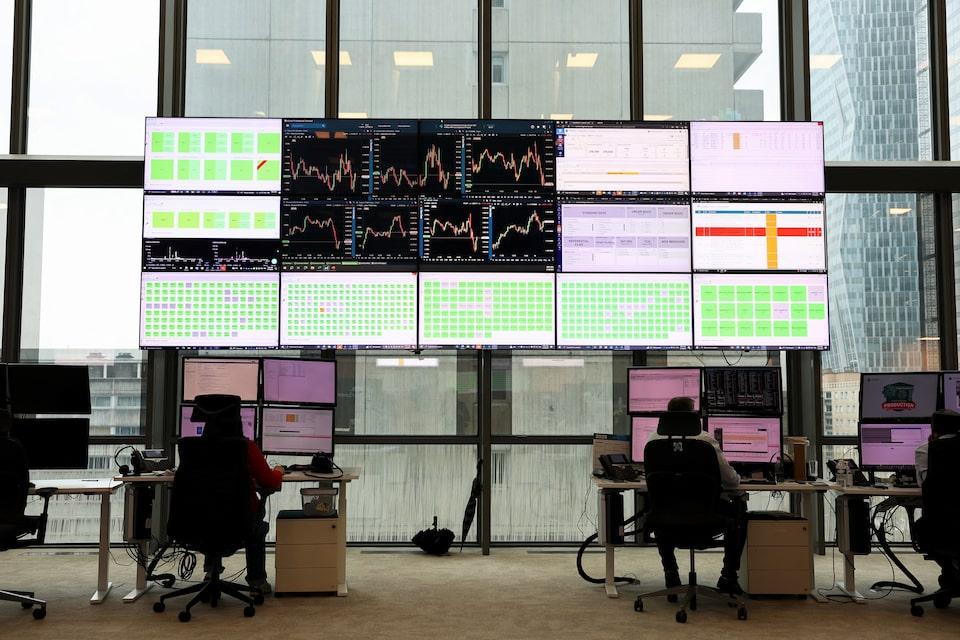
A look at the day ahead in European and global markets from Rae Wee There have been a couple of instances over the past month where a market rally was abruptly halted by sudden risk aversion - sometimes with little obvious trigger - only for an upswing to follow shortly afterwards, again for hardly any apparent reason. Sign up here. Wednesday was yet another case of that. Global stocks advanced and bitcoin reclaimed the $90,000 level, rising to its highest in nearly two weeks, after a drubbing on Monday. Markets in Europe were also set for a steady open, with eyes on remarks from European Central Bank (ECB) President Christine Lagarde later in the day for clues on the central bank's rate outlook. There was little news overnight or in the Asian session to lift investors' spirits, but analysts say Monday's selloff in stocks, bonds and cryptocurrencies - sparked by hawkish comments from Bank of Japan Governor Kazuo Ueda - could have been an isolated event driven in part by thinned liquidity. After all, December has historically been a good month for equity markets. So risk is back on the menu, for now, as investors look ahead to a U.S. Federal Reserve meeting next week, where a 25-basis-point cut is now 85% priced in. Markets are also gradually pricing in a more dovish outlook for the future U.S. rate path, with nearly 90 bps worth of easing expected by the end of 2026 on the prospect that White House economic adviser Kevin Hassett could take over from Fed Chair Jerome Powell next year. U.S. President Donald Trump said he would be announcing his nominee early next year, and has narrowed the list to a single candidate. On the data front, the ADP national employment report due later in the day is forecast to show 10,000 jobs were added in November, down from October's 42,000, in a sign that labour market slack in the world's largest economy is steadily rising. Elsewhere in markets, figures out on Wednesday showed Australia's economy grew at the fastest annual pace in two years in the September quarter, with broad-based strength suggesting little scope for more policy easing, which helped lift the Aussie dollar . The Indian rupee , meanwhile, weakened past the psychologically important 90 per dollar mark, as weakness in trade and portfolio flows alongside worries about the lack of a trade deal with Washington pummelled the currency. Key developments that could influence markets on Wednesday: - ECB President Christine Lagarde, Chief Economist Philip Lane speak - U.S. ADP employment report (November) - France, Germany, UK services PMI (November) https://www.reuters.com/world/china/global-markets-view-europe-2025-12-03/
2025-12-03 05:21
US November ADP employment data due at 1315 GMT Growing expectations of Fed rate cut next week Silver hits record high at $58.94 Dec 3 (Reuters) - Gold prices steadied on Wednesday as traders awaited U.S. economic indicators to gauge the Federal Reserve’s policy direction while silver pulled back from a record high. Spot gold fell 0.1% to $4,203.58 an ounce by 1128 GMT after losing more than 1% in the previous session. U.S. gold futures for February delivery were up 0.3% at $4,234.60. Sign up here. "Attention is on key U.S. data that could cement expectations for a metal-supportive December rate cut," said Ole Hansen, head of commodity strategy at Saxo Bank. Investors are awaiting U.S. November ADP employment figures at 1315 GMT and the delayed September Personal Consumption Expenditures (PCE) data on Friday. Weaker U.S. economic data and dovish signals from Fed officials have reinforced expectations of a rate cut at the central bank's December 9-10 meeting, with brokerages projecting policy easing. CME's FedWatch tool now shows an 87% chance of a rate cut next week. Non-yielding gold tends to perform well when interest rates are low. Meanwhile, silver fell 0.5% to $58.15 an ounce after touching a record high of $58.94. Silver is supported by a tight supply outlook, continued momentum buying and short-covering after last Friday’s break above $54.50, said Hansen, adding that overbought conditions posed a near-term risk for silver bulls. Silver, both a precious and industrial metal, is up by 101% this year and has also been supported by its inclusion in a U.S. list of critical minerals. Gold has gained 60% this year. Elsewhere, platinum gained 0.6% to $1,647.75 an ounce while palladium lost 0.5% to $1,455.34. https://www.reuters.com/world/india/gold-rebounds-fed-cut-expectations-silver-hits-record-high-2025-12-03/
2025-12-03 04:54
Latest search in area with highest probability of locating aircraft, Malaysia says Ocean Infinity to begin 55-day search from December 30 Beijing-bound flight vanished in 2014, mostly Chinese passengers KUALA LUMPUR, Dec 3 (Reuters) - The search for missing Malaysia Airlines Flight MH370 will resume on December 30, Malaysia's transport ministry said on Wednesday, more than a decade after the Beijing-bound flight disappeared in one of the world's greatest aviation mysteries. Flight MH370, a Boeing 777, was carrying 227 passengers and 12 crew when it vanished en route from Kuala Lumpur to Beijing in 2014. Multiple search operations for the plane have been conducted since then but all proved fruitless. Sign up here. The most recent search in the southern Indian Ocean was suspended in April after just a few weeks due to poor weather conditions. Exploration firm Ocean Infinity has confirmed it would recommence seabed operations for 55 days, conducted intermittently, the transport ministry said. "The search will be carried out in targeted area assessed to have the highest probability of locating the aircraft," it said in a statement. No precise location of the search area has been given. Malaysian investigators initially did not rule out the possibility that the aircraft had been deliberately taken off course. Debris, some confirmed and some believed to be from the aircraft, has washed up along the coast of Africa and on islands in the Indian Ocean. The resumed search will be in accordance with the terms and conditions agreed upon between the government and Ocean Infinity for restarting the MH370 wreckage search, the ministry said. Malaysia will pay the firm $70 million if substantive wreckage is found during the search on the seabed of an area in the southern Indian Ocean covering 15,000 sq km (5,790 sq miles). Ocean Infinity had conducted prior searches for the plane up until 2018 but failed to find substantive wreckage. A 495-page report into the disappearance in 2018 said the Boeing 777's controls were likely deliberately manipulated to go off course, but investigators could not determine who was responsible and stopped short of offering a conclusion on what happened, saying that depended on finding the wreckage. Investigators have said there was nothing suspicious in the background, financial affairs, training and mental health of both the captain and co-pilot. More than 150 Chinese passengers were on the flight. Others included 50 Malaysians as well as citizens of France, Australia, Indonesia, India, the United States, Ukraine and Canada, among others. Relatives have demanded compensation from Malaysia Airlines, Boeing, aircraft engine maker Rolls-Royce and the Allianz insurance group, among others. https://www.reuters.com/world/asia-pacific/search-missing-flight-mh370-resume-december-30-malaysia-says-2025-12-03/

2025-12-03 04:50
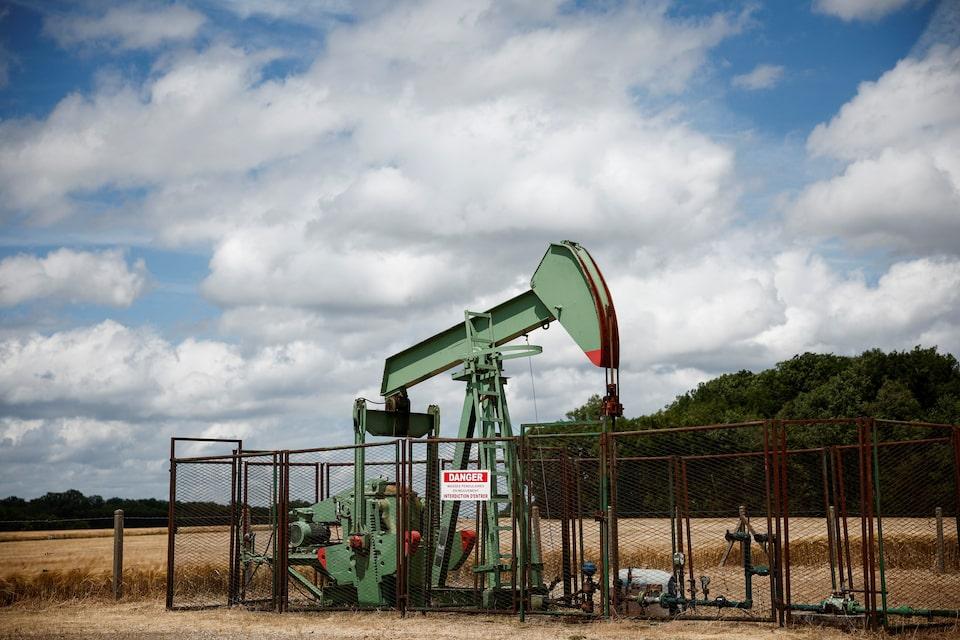
HOUSTON, Dec 3 (Reuters) - Oil prices settled higher on Wednesday after the U.S. and Russia failed to reach a deal to end the war in Ukraine that could have eased sanctions on Moscow's oil sector, though gains were held back by fears of oversupply. Brent crude closed 22 cents, or 0.4%, higher at $62.67, while U.S. West Texas Intermediate rose 31 cents, or 0.5%, to $58.95. Both contracts fell more than 1% in the previous session. Sign up here. U.S. crude, gasoline and distillate stocks rose last week, the Energy Information Administration said on Wednesday, adding to fears of an oversupply. Crude inventories rose by 574,000 barrels in the week ended November 28, the EIA said, compared with analysts' expectations in a Reuters poll for an 821,000-barrel draw. Gasoline stocks rose by 4.52 million barrels, far exceeding analysts' expectations in a Reuters poll for a 1.5 million-barrel build. Distillate stockpiles, which include diesel and heating oil, rose by 2.1 million barrels, which also surpassed expectations for a 0.7 million-barrel rise. The data was delayed and did not publish at 10:30 a.m. ET (1530 GMT) as expected, with the agency citing technical difficulties. "Overall global supply still remains pretty ample. The market is adjusting itself, as the Ukraine-Russian peace agreement is going to be delayed," said Dennis Kissler, senior vice president of trading at BOK Financial. "The market is still in a very nervous trade because we've got major geopolitical issues." Russia and the U.S. failed to reach a compromise after a five-hour meeting between Russian President Vladimir Putin and U.S. President Donald Trump's top envoys, the Russian government said on Wednesday. Oil markets are awaiting the outcome of the talks to see if a deal could lead to the removal of sanctions on Russian companies, including major oil companies Rosneft (ROSN.MM) , opens new tab and Lukoil (LKOH.MM) , opens new tab, that would free up restricted oil supply. Putin on Tuesday said European powers are hindering U.S. attempts to end the war by putting forward proposals they know are "absolutely unacceptable" to Moscow. Recent Ukrainian attacks on oil export sites on the Russian Black Sea coast have highlighted the geopolitical concerns stemming from the war. Ukraine also hit two sanctioned tankers involved in transporting Russian oil in the Black Sea last week. Putin on Tuesday said Russia will take measures against tankers of countries that help Ukraine, adding to geopolitical risks, analysts said. https://www.reuters.com/business/energy/oil-prices-fall-weak-demand-markets-await-ukraine-peace-effort-supply-signs-2025-12-03/
2025-12-03 04:44
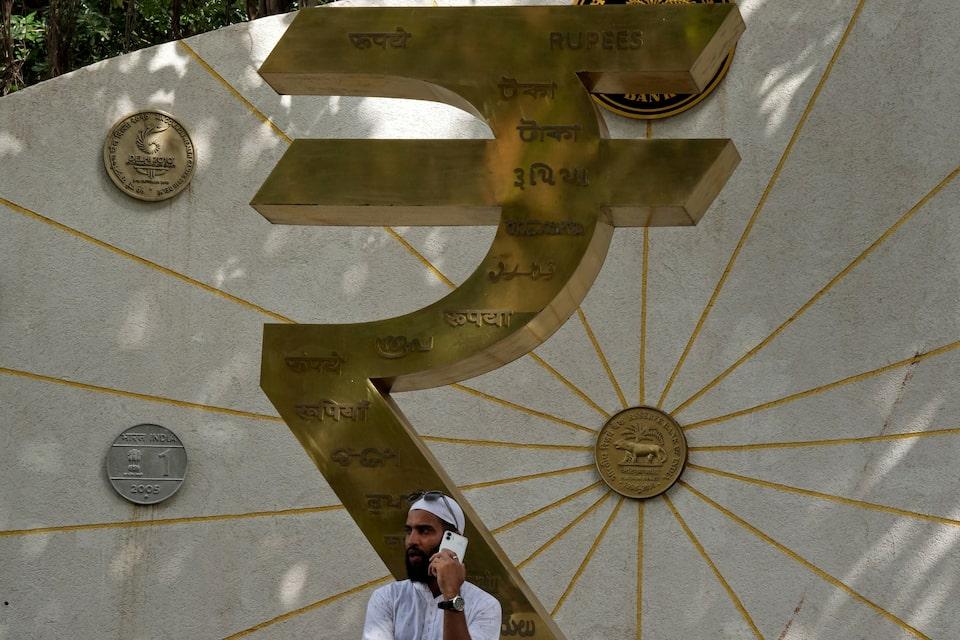
MUMBAI, Dec 3 (Reuters) - The Indian rupee weakened past the key psychological level of 90 to the dollar on Wednesday, extending a rough patch as anaemic trade and sustained portfolio flows weighed in the absence of positive news on a trade deal with Washington. By 9:40 a.m. (0410 GMT), the partially convertible rupee was trading at 89.9950/90.0050 per dollar, off a lifetime low of 90.14 earlier in the session. Sign up here. Here are comments from FX analysts and economists on the rupee outlook. SAT DUHRA, PORTFOLIO MANAGER, JANUS HENDERSON INVESTORS, SINGAPORE: "The weak macro picture in India makes weak currency performance inevitable. There has been a slide in so many data points recently – rising trade deficits, weakening nominal GDP growth, weak FDI and foreigner selling down domestic equities, etc. "However, while this has been happening for some time now. The recent tariff dispute with the United States has really accelerated the decline. Until this issue is resolved, with India now paying the highest U.S. tariffs globally, the pressure remains." ABHISHEK GOENKA, CEO, IFA GLOBAL, MUMBAI: "A relatively weaker rupee would help soften the impact of the tariff differential with peers to some extent. The RBI, it seems, is adopting a more soft-touch approach to intervention, given that it is already considerably short in forwards, including NDF. "It may therefore want to use its intervention power judiciously." CARL VERMASSEN, EM FIXED INCOME PORTFOLIO MANAGER, VONTOBEL ASSET MANAGEMENT, ZURICH: "We think that recent INR-negative factors are more than sufficiently priced in. We welcome very much the actions of RBI to support the currency. "Happy to see we are in good company deeming the INR undervalued. Regarding the sustainability of interventions, we should note that reserves are ample and the rise of gold and foreign reserve assets further reduces the net impact of the FX interventions. "Moreover, the timing and scale of intervention suggests the RBI expects an India–US trade deal soon." BANK OF AMERICA ANALYSTS, IN A NOTE: "The RBI's management of FX volatility is again being relied upon to keep a lid on INR weakness. "The RBI's reserves remain adequate to contain risks of a larger depreciation for now. "However, continued portfolio outflows could make these operations unsustainable or build-up of short USD positions on RBI's forward book may skew return expectations on INR. "We believe USD weakness next year should support mild INR appreciation and that could pick up pace around seasonally favourable Q1 for INR. "We forecast INR to reach 86/USD by end-2026." DHIRAJ NIM, ECONOMIST AND FX STRATEGIST AT ANZ, MUMBAI: "Not having a trade deal means they need to extend support to exporters and it seems like the central bank's resistance to a weaker rupee has diminished. "But still, it is known that the RBI does not like speculative build-ups or an overshooting of currency moves, so would expect the central bank's interventions to be somewhat heavier now than the last few days. "We expect the rupee to weaken to 91.30 by the end of next year, assuming status quo on U.S. trade tariffs, and views the risk it could happen sooner." SAKSHI GUPTA, PRINCIPAL ECONOMIST, HDFC BANK, MUMBAI: "We accept that a favourable trade deal announcement before the end of 2025 could lead to some appreciation in the INR versus the USD. However, this is unlikely to trigger a sustained appreciation trend in the pair over the coming months. "We also believe that the RBI might intervene and absorb any large dollar flows in this scenario (given the redemption of its rising short dollar forward book, last at $63.6 billion, as of October 2025." RADHIKA RAO, SENIOR ECONOMIST, DBS BANK, SINGAPORE: "The recent intervention bias suggests that the currency will be allowed to find its equilibrium, to better reflect underlying macro shifts. "The need to maintain the currency at competitive levels stems from the broader focus on manufacturing, unfavourable tariff differentials at this juncture and subdued portfolio flows outlook." https://www.reuters.com/world/india/indian-rupee-weakens-past-90dollar-persistent-outflows-absence-trade-deal-2025-12-03/
2025-12-03 04:33
MUMBAI, Dec 3 (Reuters) - The Indian rupee fell past a key psychological level of 90 to an all-time low against the dollar on Wednesday, extending an eight-month decline as weak trade and investment flows and a corporate rush to hedge against weakness sapped the currency. The rupee is one of Asia's worst performers, having fallen over 5% against the dollar year-to-date, as steep U.S. tariffs of up to 50% on Indian goods crimp exports to its biggest market, taking the sheen off its equities for foreign investors. Sign up here. The currency hit an all-time low of 90.29 against the dollar on Wednesday, before closing at 90.19, down nearly 0.4% on the day. The rupee's decline from 85 to 90 took a little under a year, or less than half the time it took to fall from 80 to 85. In terms of portfolio outflows, India is one of the worst hit markets globally, with foreign investors' net selling of its stocks amounting to nearly $17 billion so far this year. The weakness in portfolio investment has also coincided with a slowdown in foreign direct investment, adding to the pressure. India continues to attract gross investment flows, which reached $6.6 billion in September, but large exits from its booming IPO market have led to net outflows as private equity and venture capital firms cash out of earlier investments. Net foreign direct investment (FDI) turned negative for a second consecutive month in September, fuelled by a rise in outward FDI and repatriation of investments, the central bank, the Reserve Bank of India said in its November bulletin. "There continues to be a meaningful imbalance of supply and demand for dollars in India," said Michael Wan, senior currency analyst at MUFG. "This seems to be driven by higher import needs, a wider current account deficit, and, importantly, soft capital flows in FDI and portfolio inflows." The steep U.S. tariffs and a sharp surge in gold imports drove India's merchandise trade deficit to an all-time high in October. Concurrently, dollar flows generated by domestic firms' overseas borrowings and via non-resident Indians' deposits held by banks have also slowed. Bankers and traders say each phase of the slide - including Wednesday’s break of the 90 level - has triggered fresh dollar demand, particularly from importers, while exporters continue to hold back dollar sales. The imbalance has left the rupee exposed in the absence of meaningful capital inflows. "Left on its own, the Indian rupee is a shock absorber for the economy, and an automatic stabiliser for external finances," economists at HSBC said in a note. "A gradually weakening INR is the best shock absorber for high tariffs." Months of uncertainty over trade talks between New Delhi and Washington have also distorted India's FX hedging landscape by amplifying importer hedging while exporters hesitate, leaving the RBI to shoulder the resulting pressure on the currency. While the RBI has stepped in intermittently to slow depreciation, bankers said the scale and persistence of demand for dollars, from outflows and hedging by importers, continues to cast a pall on the currency. The RBI's efforts to shore up the rupee are reflected in a decline in foreign exchange reserves and an expansion of short U.S. dollar positions in the FX forward market to a 5-month high of $63.4 billion. https://www.reuters.com/world/india/rupee-cracks-below-90-dollar-hit-by-tariffs-capital-outflows-2025-12-03/