2025-12-02 19:04
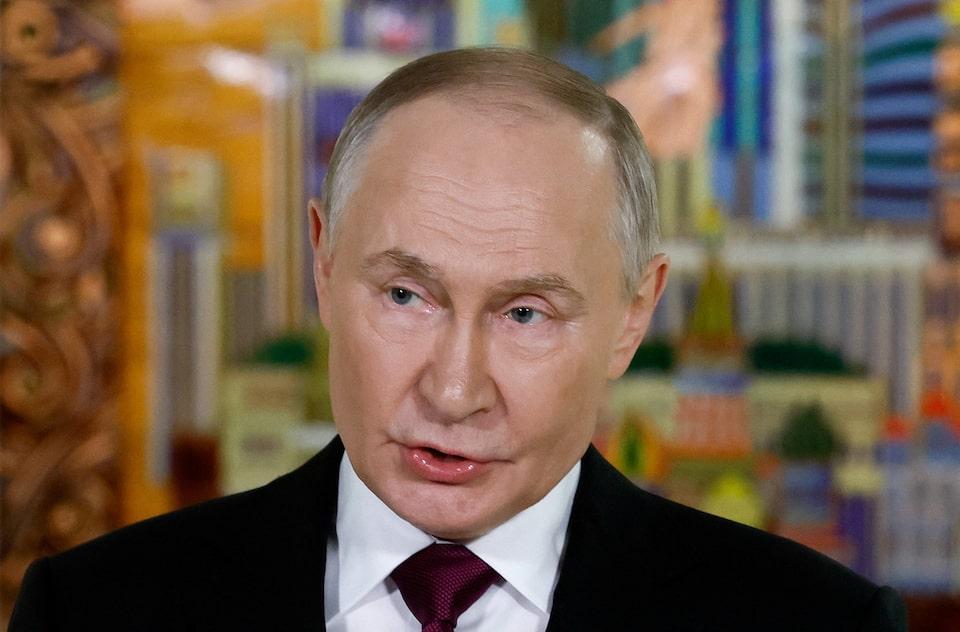
MOSCOW, Dec 2 (Reuters) - President Vladimir Putin warned European powers on Tuesday that if they started a war with Russia then Moscow was ready to fight and that the defeat of European powers would be so absolute that there would be no one left to even negotiate a peace deal. Almost four years into thewar in Ukraine, the deadliest conflict in Europe since World War Two, Russia has failed to conquer the country, a much smaller neighbour which has been supported by European powers and the United States. Sign up here. Ukraine and European powers have repeatedly warned that if Putin wins the Ukraine war then he could attack a NATO member, a claim which Putin has repeatedly dismissed as nonsense. Asked by a reporter about remarks in the Russian media that Hungarian Foreign Minister Peter Szijjarto had cautioned that Europe was preparing a war against Russia, Putin said that Russia did not want a war with Europe. "If Europe suddenly wants to start a war with us and starts it," Putin said, then it would end so swiftly for Europe that Russia would have no one left to negotiate with. Putin used the Russian word for "war". He also suggested that the war in Ukraine was not a full-blown war and that Russia was acting in a "surgical" manner which would not be repeated in a direct confrontation with European powers. PUTIN SAYS EUROPE IS HINDERING TRUMP'S PEACE EFFORTS Putin sent tens of thousands of troops into Ukraine in February 2022, triggering the biggest confrontation between Russia and the West since the depths of the Cold War. U.S. officials say more than 1.2 million Russian and Ukrainian men have been killed in the war. Neither Ukraine nor Russia discloses its losses. Putin accused European powers of hindering U.S. President Donald Trump's attempts to end the war in Ukraine by putting forward proposals they knew would be "absolutely unacceptable" to Moscow so they could then accuse Russia of not wanting peace. Putin said European states had locked themselves out of peace talks on Ukraine by cutting off contacts with Russia, adding: "They are on the side of war." Putin also threatened to sever Ukraine's access to the sea in response to drone attacks on tankers of Russia's "shadow fleet" in the Black Sea. https://www.reuters.com/world/europe/putin-says-that-if-europe-wants-war-then-russia-is-ready-2025-12-02/
2025-12-02 17:29
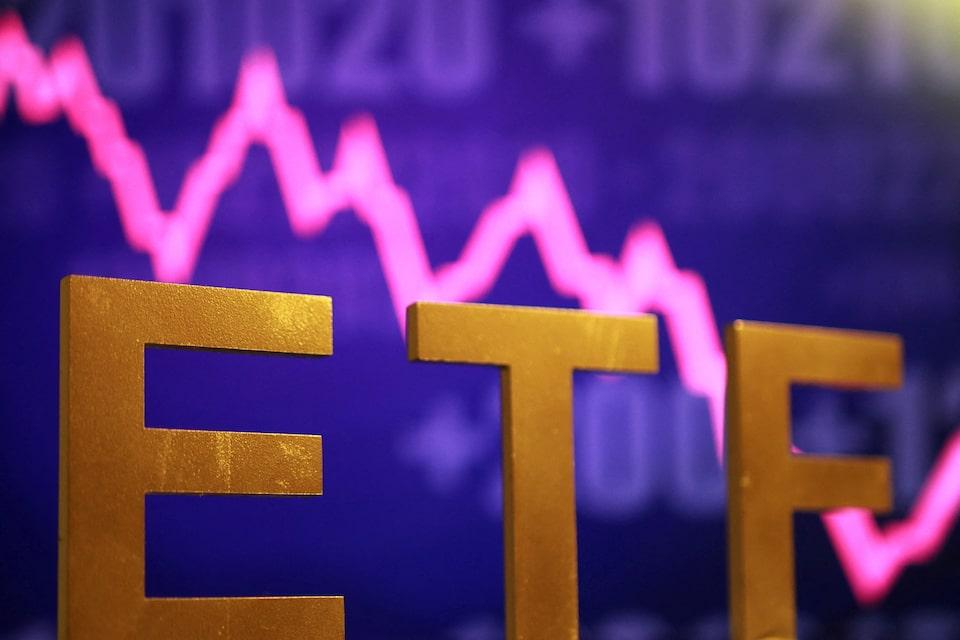
Dec 2 (Reuters) - Leveraged exchange‑traded funds (ETFs) linked to bitcoin hoarder Strategy (MSTR.O) , opens new tab are among the biggest casualties of this year's crypto slump, as falling bitcoin price battered shares of the largest corporate holder of the token. The T‑Rex 2X Long MSTR Daily Target ETF and Defiance Daily Target 2x Long MSTR ETF , both of which offer twice the return on Strategy shares, have lost nearly 85% of their value so far in 2025. T-Rex 2X Inverse MSTR Daily Target ETF has shed 48% during the same period. Sign up here. Shares of Strategy have tumbled more than 40% this year, with the latest fall driven by bitcoin's slide that sent it below $90,000. The cryptocurrency touched a record high of $126,223.18 in October but has since been dragged down by a global risk aversion. Michael Saylor's Strategy, which pioneered the buy-and-hold crypto treasury strategy, has inspired dozens of copycats. But their shares have also lagged substantially this year. Investor focus is on Strategy's "mNAV" metric, its enterprise value relative to its bitcoin holdings, following CEO Phong Le's remarks on the "What Bitcoin Did" podcast Friday that the company may consider selling bitcoins if the ratio drops below 1. Reuters calculations, based on LSEG data, estimate the ratio at around 1.1. Mike O'Rourke, chief market strategist at JonesTrading, said Le Phong's comments undermined the company's central marketing message of not selling bitcoin despite volatile market conditions. Strategy did not immediately respond to a Reuters request for comment. EARNINGS SLASHED, SHORT SELLERS GAIN On Monday, Strategy slashed its full‑year outlook to between a $6.3 billion profit and a $5.5 billion loss, compared with a previous forecast of $24 billion in net profit. The earlier estimate, published October 30, assumed bitcoin would hit $150,000 by the end of the year, the company said. "Great strategy from Strategy, while prices go up. When they go down, well, the strategic options left to the company are limited," said Vincenzo Vedda, chief investment officer at DWS. Strategy also disclosed a $1.44 billion reserve to fund dividends on preferred stock and interest on outstanding debt. Short sellers have reaped more than $2.5 billion in profit on the stock so far this year, including about $156 million on Monday, according to analytics firm Ortex. Strategy shares have more than halved in the year since joining the Nasdaq 100 index (.NDX) , opens new tab, sliding about 70% from their November 2024 peak. ANALYSTS STAY FIRM Despite the dismal performance, analysts' ratings have remained largely optimistic so far. Of the 16 brokerages covering Strategy, 10 rate it "buy" equivalent, four "strong buy" and two "hold," with a median price target of $485, implying a 183% jump over the next 12 months, according to LSEG data. Saylor is set to deliver a keynote titled "The Undeniable Case for Bitcoin" at a Binance conference in Dubai on Wednesday. https://www.reuters.com/business/finance/strategys-leveraged-etfs-hit-hard-by-crypto-slump-2025-12-02/
2025-12-02 12:39
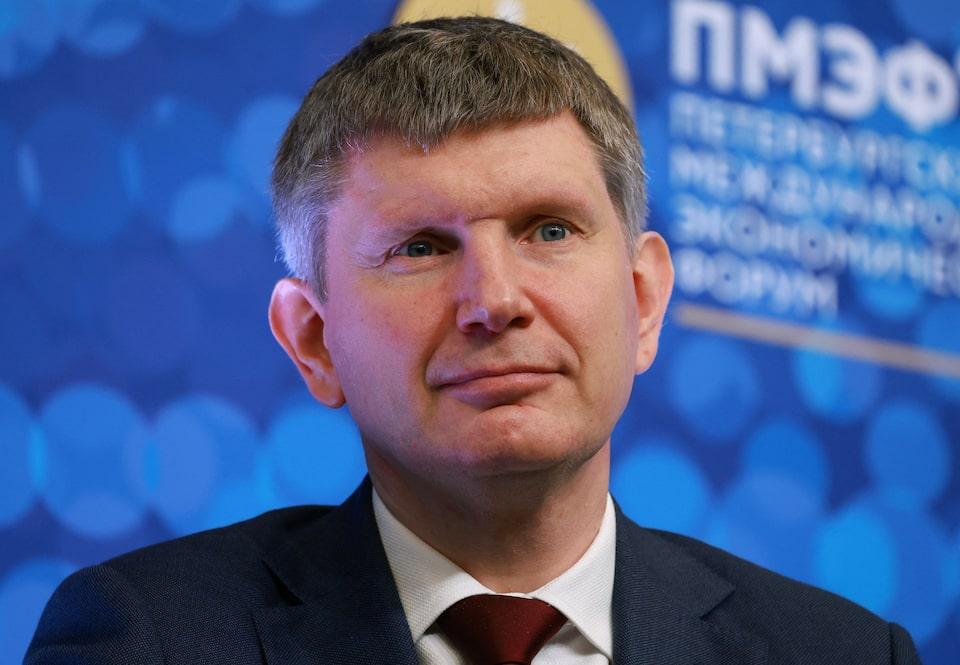
Rouble will remain strong, economy minister says Export-oriented firms may suffer losses The government will review exchange rate forecasts in April Officials urge companies to adjust to stronger rouble MOSCOW, Dec 2 (Reuters) - The Russian rouble will be stronger than previously expected, which represents a challenge for the economy, with several major export-oriented mega projects potentially suffering losses, top Russian officials said on Tuesday. The rouble has rallied by over 46% since the start of the year due to the central bank's tight monetary policy and expectations for a peaceful settlement in Ukraine, following the start of U.S.-Russia negotiations in February. Sign up here. A strong rouble hits revenues of major Russian commodity firms, which make up the backbone of the country's economy, exporting oil, gas, metals and grains, and also helping to fill the state coffers with their taxes. Most analysts and businessmen expected the rouble to weaken, arguing that the Russian currency's fair value was around 100 to the U.S. dollar, compared to the current level of 77.5 to the dollar. Such expectations have so far failed to materialise. Economy Minister Maxim Reshetnikov told the "Russia Calling" investment conference that due to weak imports and weak capital outflows, the stronger rouble was expected to stay, and companies had no choice but to adjust to it. "Strategically, the exchange rate will be stronger than it seemed to us one or two years ago," Reshetnikov said. The government changed its forecast for the average rouble rate in 2026 from 100.2 to the dollar to 92.2 last September. LIVE WITH NEW REALITIES Reshetnikov said that the government's policy of import substitution, which was introduced to counter Western sanctions and replace equipment and machinery previously imported from the West, was also working to strengthen the rouble. "We will have to live with these new realities," Reshetnikov added, stressing that several large export-oriented projects under development with support from the government targeted export volumes of up to $70 billion. He said that some of these exports would not be profitable at the stronger exchange rate of the rouble and would have to be abandoned. Reshetnikov said that several mega projects could be affected such as Sibur's Amur gas and chemicals plant in the Far East, Gazprom's gas processing plant in Ust Luga on the Baltic Sea, and billionaire Alisher Usmanov's Udokan Copper project. "Some enterprises are expecting that they just need to wait a little longer and by some miracle the exchange rate will weaken. This strategy is no longer working," Reshetnikov said. Central Bank Governor Elvira Nabiullina said that the share of the rouble in payments for Russian exports has reached 57% this year, compared to only 14% in 2021. The rouble's share in payments for imports was 55%, she said. CRYPTOCURRENCY MINING UNDERMINES FOREIGN CURRENCY DEMAND The rouble's rate to the dollar is determined through an opaque over-the-counter trade between banks. Speaking to Reuters this week, Andrei Kostin, CEO of Russia's second-largest bank VTB, said the current rate suited neither exporters nor the government. "Demand for foreign currency has fallen for everyone, even ordinary people have stopped saving in dollars," he said. President Vladimir Putin's economy aide Maxim Oreshkin said that mining of cryptocurrencies was one of the factors behind the falling demand for foreign currencies since cryptocurrencies could be used to pay for some imports. He said that several government decisions, limiting imports, such as an increase in scrappage fees for foreign-made cars or a clampdown on gray imports going through the Central Asian states, also played a role. Oreshkin said that foreign investors were gradually finding ways to invest in high-yielding Russian assets, such as government bonds with yields around 13%, contributing to an inflow of capital, which supported the rouble. "If the government believes that it needs a weaker rouble for some reason, it needs to carry out an aggressive policy to increase imports. Right now I don't see it from the government," Oreshkin said. https://www.reuters.com/business/russian-economy-will-have-live-with-stronger-rouble-economy-minister-says-2025-12-02/
2025-12-02 12:25
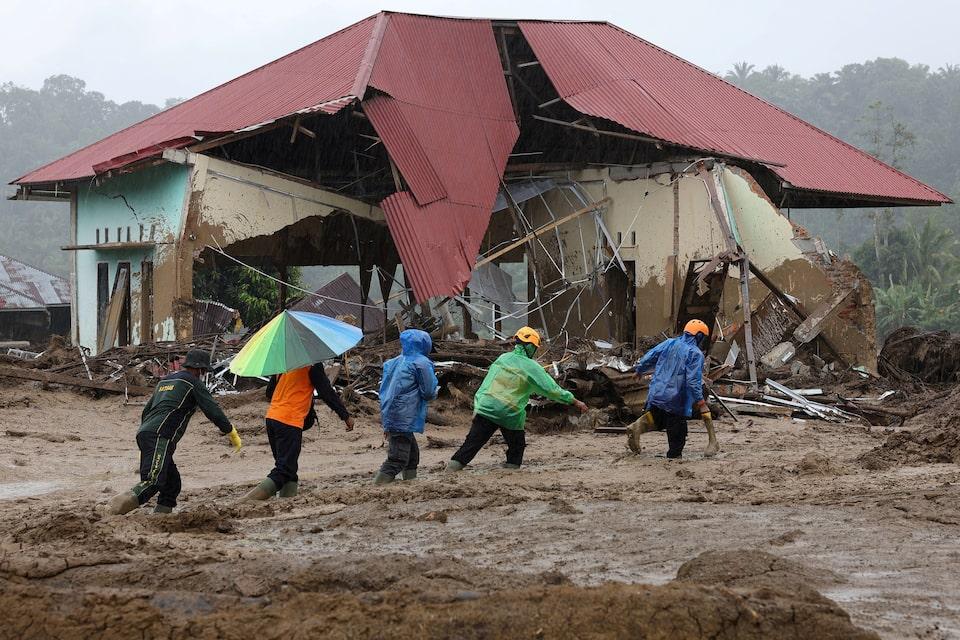
JAKARTA, Dec 2 (Reuters) - The number of people killed by floods and landslides on Indonesia's Sumatra island rose to 708 on Tuesday, the disaster agency said, as authorities rushed to repair infrastructure and deliver aid to cut-off areas. The agency in a press conference late on Tuesday said 708 people had been killed since last week, a figure lower than the 753 reported on its website earlier in the day. It did not give a reason for the discrepancy. Sign up here. Close to 900 people have been killed in floods and landslides that have wreaked havoc in Indonesia, and , which follow months of adverse and deadly weather in Southeast Asia, including successive typhoons that struck the Philippines and Vietnam and added to frequent and prolonged flooding elsewhere. Environmental experts and local officials have said deforestation on Sumatra has led to a disproportionately deadly toll The Indonesian disaster agency said teams were prioritising distributing aid via land, sea and air, clearing blocked roads and repairing damaged infrastructure. "We do hope that we can speed up the logistics distribution," spokesperson Abdul Muhari said. https://www.reuters.com/business/environment/death-toll-indonesias-floods-landslide-hits-753-disaster-agency-says-2025-12-02/
2025-12-02 12:04
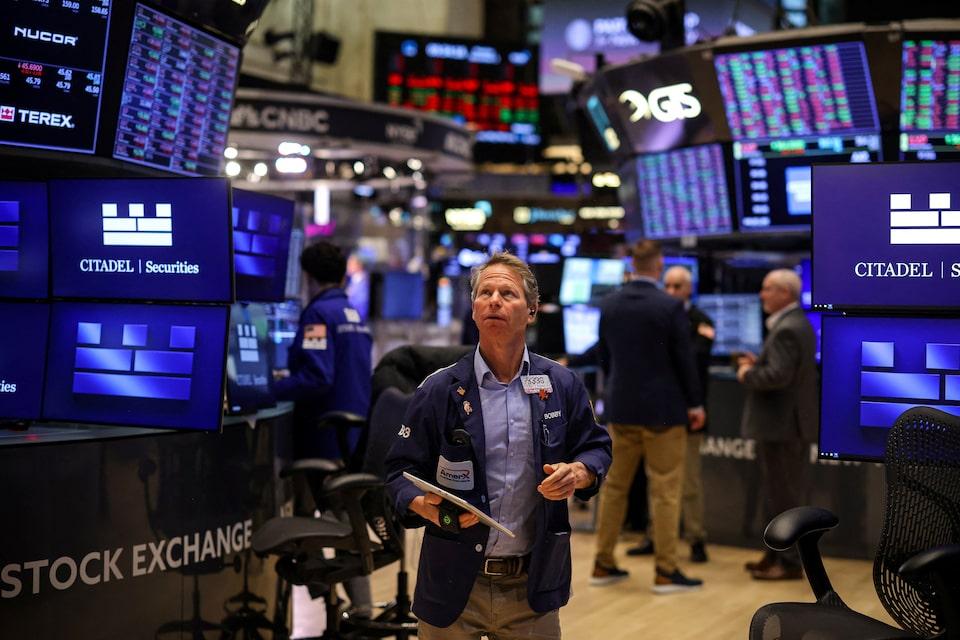
Dec 2 - What matters in U.S. and global markets today By Mike Dolan , opens new tab, Editor-At-Large, Finance and Markets Sign up here. Last month showed that 'buy the dip' stock market behavior is alive and well, but Wall Street has yet to regain early November peaks and tariff angst is proving hard to shake. The final month of the year is off to a bumpy start. U.S. manufacturers registered an ongoing contraction of activity as input price growth turned higher again from already elevated levels, with tariffs widely blamed. ISM's November factory readout was enough to lift Treasury yields sharply across the curve on Monday and sowed a kernel of doubt about this month's widely expected Federal Reserve interest rate cut. A third Fed cut of the year on December 10 had been almost fully priced prior to the report, but the chances of a move have been pared back slightly to just over 80%. Fed policymakers are in their traditional quiet period ahead of the meeting, so no more public guidance is expected before then. But the ISM report re-introduced the tariff question. With the Supreme Court yet to rule on the legality of President Donald Trump's use of emergency powers to introduce the levies, retailers too were emphasizing the pressure. Costco became the latest firm to sue the U.S. government to ensure it will receive refunds if the Supreme Court rejects Trump's sweeping authority to impose those tariffs. The discomfort spread to stock and bond markets on Monday, with the S&P 500 falling back about 0.5% - irked additionally by the ongoing shakeout in crypto markets. Bitcoin lost more than 5% on Monday, relapsing back below $90,000 before steadying earlier today, and crypto stocks were hit too. Firmer crude oil prices also weighed after the weekend decision from OPEC+ to keep output levels unchanged early next year. But with Tuesday's calendar thin, world markets have calmed somewhat before today's bell. U.S. stock index futures crept back higher, with European stocks higher too. South Korea's Kospi benchmark outperformed again with gains of almost 2%. U.S. Commerce Secretary Howard Lutnick on Monday confirmed the general tariff rate on imports from South Korea, including on autos, would drop to 15% from last month because South Korea has introduced legislation in parliament to implement the country's strategic U.S. investment commitments. Japan's Nikkei also held the line after a heavy loss there on Monday on stepped up speculation about a Bank of Japan interest rate rise this month. Japanese government bond yields and the yen eased back a bit after a decent 10-year debt auction there. There was better news from the Organisation for Economic Cooperation and Development, which lifted its U.S. economic growth forecasts for this year and next to 2.0% and 1.7% respectively. It also nudged up euro zone forecasts, but said global trade growth would almost halve to 2.3% in 2026 due to tariffs. Euro zone inflation for November, meantime, came in a touch above expectations at 2.2% In Britain, the Bank of England cut the amount of capital it estimates lenders need to hold in a bid to boost lending and stimulate the economy, in what will be its first reduction to bank capital demands since the global financial crisis. The major UK bank stocks rose about 1%. In Tuesday's column, I take a look at the mostly bullish market calls for 2026 , opens new tab and explore a peculiar phenomenon at the heart of many of them. Today's Market Minute Chart of the day U.S. manufacturing contracted for the ninth straight month in November, with factories facing slumping orders and higher prices for inputs as the drag from import tariffs persisted. Today's events to watch * Federal Reserve Vice Chair for Supervision Michelle Bowman testifies to the House Financial Services Committee on financial regulation; Bank of England policymaker Swati Dhingra speaks * U.S. corporate earnings: CrowdStrike, Gitlab Want to receive the Morning Bid in your inbox every weekday morning? Sign up for the newsletter here. You can find ROI on the Reuters website , opens new tab, and you can follow us on LinkedIn , opens new tab and X. , opens new tab Opinions expressed are those of the author. They do not reflect the views of Reuters News, which, under the Trust Principles , opens new tab, is committed to integrity, independence, and freedom from bias. https://www.reuters.com/business/finance/global-markets-view-usa-2025-12-02/
2025-12-02 12:02
Citi's lead was stored with Grafton under a rent deal, sources Grafton was recently bought by Trafigura Citi looking at Taiwan and Malaysia LONDON, Dec 2 - Citigroup will move most of its lead stocks from Singapore to Malaysia or Taiwan at an estimated cost of $5 million due to limited storage space and a lack of lucrative rent deals, three sources said, three sources familiar with the matter said. The U.S. bank's (C.N) , opens new tab lead was stored with Grafton Logistic Services under a rent deal, but after commodity trader Trafigura bought the warehousing company Citi decided to withdraw its stocks of the battery metal and look for rent deals elsewhere. Sign up here. Under lucrative rent deals, London Metal Exchange approved warehouses share rental income with companies that deliver metal to them. On October 9, Citi cancelled or earmarked for delivery nearly 112,000 metric tons of lead in London Metal Exchange approved warehouses in Singapore, the sources said. As of November 28 more than 90,000 tons of the battery metal had left LME storage facilities in Singapore. Citi plans to keep about 24,000 tons in Singapore, while 88,000 tons will likely go to Taiwan or Malaysia, two sources familiar with the matter said. Citi declined to comment. Citi declined to comment. Shipping costs include freight, handling and LME warehouse fees for loading the metal onto a truck known as free-on-truck. Companies that take delivery of metal pay FOT while those putting metal into storage receive FOT. Taking metal from LME storage facilities in Singapore will cost Citi S$68.50 or about $53 a ton while delivering to warehouses in Malaysia would earn the bank 162.50 ringgit or around $39 a ton. FOT for Taiwan is T$1,455 or about $46. Shipping is estimated at $50 a ton for Taiwan and $40 for Malaysia, the sources said, bringing the total cost for 88,000 tons close to $5 million. Citi traders have in previously used rent agreements for aluminium and zinc in LME warehouses. Companies that deliver metal do not have to retain ownership but they get a share of the rent as long as the metal stays in the warehouse. Fees are paid by the new owners of the metal. https://www.reuters.com/world/asia-pacific/citigroup-faces-5-million-bill-transport-its-lead-singapore-sources-say-2025-12-02/