2026-02-06 05:09
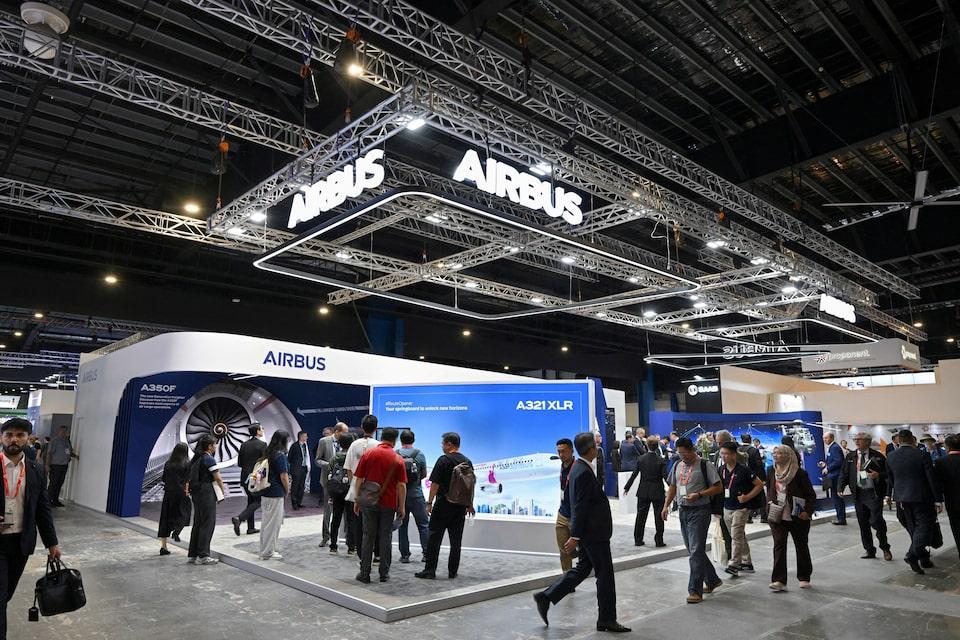
Record passenger demand, geopolitical challenges have exacerbated recovery Shortages are driving up costs for airlines, keeping older planes flying longer Lead times for parts remain longer than pre-pandemic levels SINGAPORE, Feb 6 (Reuters) - Years after the pandemic, the aviation industry is still struggling to recover from supply chain disruptions that have been exacerbated by record passenger demand and geopolitical challenges, executives and suppliers say. Airlines have been forced to keep older, less fuel-efficient planes flying for longer as some deliveries from Airbus (AIR.PA) , opens new tab and Boeing (BA.N) , opens new tab are delayed because engine makers and other suppliers are juggling competing demands from new plane assembly and maintenance for existing fleets. Sign up here. Prolonged supply delays and bottlenecks appear to have become the "new norm", said Jeffrey Lam, the chief operating officer and president of commercial aerospace at ST Engineering (STEG.SI) , opens new tab, the world's largest airframe maintenance and repair services provider. "We are afraid that this new norm will stay, which is completely unacceptable," he told Reuters on the sidelines of this week's Singapore Airshow. The shortages are also driving up costs for airlines, such as Singapore Airlines' (SIAL.SI) , opens new tab low-cost carrier Scoot, its CEO Leslie Thng said during a panel discussion at Asia's biggest aviation and defence event. "We also proactively, for example, secure more spare engines at our own expense to make sure that if there are engine issues, the impact on us can be mitigated," he said. RECORD DEMAND Global air passenger traffic in 2025 was at a record high about 9.3% above the pre-pandemic level in 2019, according to data from the International Air Transport Association, and forecast to grow another 4.9% this year. To keep up with demand, airlines are keeping older planes operating for two years longer than the long-term average, which pushed up fuel, maintenance, engine leasing and inventory costs by an estimated $11 billion in 2025, IATA said. "It's very frustrating, and when you see this massive additional cost being borne by airlines, you know it really is time for these key suppliers to get their act together and improve this situation," IATA Director General Willie Walsh told Reuters. Gael Meheust, the CEO of engine maker CFM International said during a panel discussion that his company had been able to ramp up production after the pandemic, but the problem was demand had been "incredible". "That's the paradox in which we are. It's not that the supply chain...cannot deliver on the ramp-up, it's just that the demand is at a level that we have never imagined." The company, a joint venture between GE Aerospace (GE.N) , opens new tab and Safran (SAF.PA) , opens new tab, has increased production by 25% in 2025, with output expected to rise further by at least 10% every year, he said. Suppliers like ST Engineering, a major engine nacelle maker, are struggling to keep up with demand for the outer housings of jet engines. The company said they take about six weeks to produce, but total lead times for components and material orders now stretch up to a year compared to about nine months before post-pandemic disruptions and rising demand. Even placing early orders for components to ensure the company has ample inventory is failing to fully address the problem, Lam said. "Some of the shortage is worldwide, so you actually can't even buy them early if you want," he said. GEOPOLITICAL CHALLENGES Aircraft engine manufacturers have also faced shortages of critical materials like titanium and nickel tubing, worsened by Russia's war in Ukraine, which cut off access to Russian exports that previously accounted for about half of the global titanium supply, said Paul Wingfield, an account manager at U.S.-based Future Metals, a Berkshire Hathaway (BRKa.N) , opens new tab subsidiary. Current lead times for titanium and nickel tubing are 50 to 60 weeks, down from 60 to 70 weeks a year ago, but still far from the pre-pandemic norm of 20 weeks, Wingfield said. "The mills can't make enough to catch up because they stopped producing for four years," Wingfield said. "What happens when everybody ramps up again is there's a lack of material in the market, so the mills are playing catch-up." But while the post-pandemic chaos has been tough for many suppliers, it has also opened opportunities for others. Feng Haotian, sales engineer at Chinese carbon brake disc producer Shandong Stopart Brake Material, said disruptions had made it difficult for some of its customers to obtain parts from Western original equipment manufacturers and helped it to double international sales last year. Stopart's set of four brake discs, priced at 200,000 to 300,000 yuan ($27,400 to $41,100), is almost half the price of similar products, he said. "Some new customers who previously didn't purchase from us now have little choice but to buy our products." https://www.reuters.com/business/aerospace-defense/supply-chain-chaos-becomes-aviations-new-norm-demand-hits-records-2026-02-06/
2026-02-06 04:35
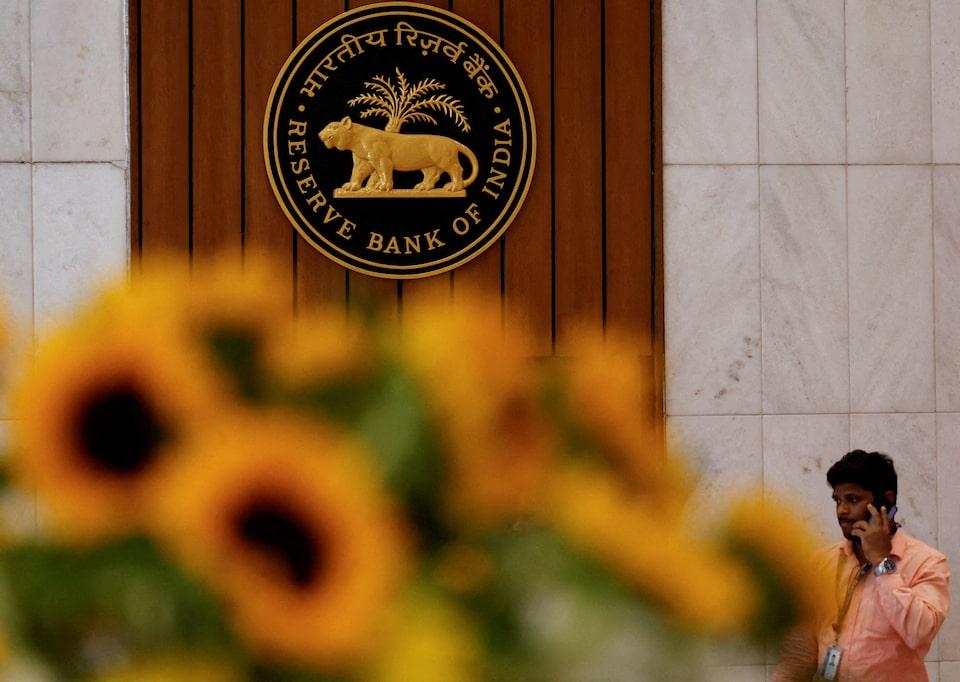
RBI keeps repo rate unchanged at 5.25%, as expected Monetary policy committee decision was unanimous Policy stance retained at "neutral" Governor says inflation remains benign MUMBAI, Feb 6 (Reuters) - The Reserve Bank of India (RBI) kept its key repo rate unchanged on Friday, buoyed by a positive economic outlook and reduced pressures following trade deals with the U.S. and Europe. The conclusion of a free trade pact with the EU and a tariff deal with Washington, likely to be finalised by March that includes a reduction in U.S. tariffs on Indian imports, will ease a key pressure point for India's economy and markets. Sign up here. The RBI's six-member monetary policy committee voted unanimously to keep the repo rate (INREPO=ECI) , opens new tab at 5.25%, in line with the consensus view in a Reuters poll. "The MPC noted that since the last policy meeting, external headwinds have intensified though the successful completion of trade deals augurs well for the economic outlook," Governor Sanjay Malhotra said in his policy statement. The monetary policy stance was retained at "neutral", suggesting rates will stay low for some time to come. The current policy rate is appropriate, Malhotra said, adding that inflation was benign and future rate moves would depend on the outlook for growth and inflation. The central bank has now cut rates by a total of 125 basis points since February 2025, the most aggressive easing since 2019. It cut rates by 25 basis points at its last meeting in December. India remains one of the world's fastest-growing major economies, bolstered by strong domestic demand, public infrastructure spending and a relatively resilient services sector. The economy is expected to grow 7.4% in the current financial year and the government's economic adviser has forecast growth at 6.8%-7.2% next year. While trade tensions with the U.S. have been a drag on the world's fifth-largest economy, the U.S. has agreed to cut tariffs on Indian imports from nearly 50% to 18% in exchange for India halting Russian oil purchases and lowering trade barriers. Inflation in India has been low and expected to average close to 2% in the current financial year, below the central bank's target of 4%. In December, retail inflation stood at 1.33%, the highest in three months. India's benchmark 10-year bond yield rose after the RBI did not announce any liquidity supporting measures. The rupee was 0.1% lower, while benchmark equity indexes recouped losses and were last trading little changed. EASING CYCLE ON PAUSE Economists expect the RBI to stay on hold in the near term, aligning with several Asian central banks, including South Korea and Indonesia, which have signalled pauses in their easing cycles amid inflation concerns and external pressures. "We expect the central bank to remain on an extended pause amid a positive cyclical up-cycle and gains from the successful conclusion of U.S. trade negotiations." said Radhika Rao, senior economist at DBS Bank in Singapore. GROWTH STRONG, STABLE INFLATION The central bank did not provide a full-year GDP forecast for the next financial year as a new data series will be rolled out in February. The central bank, however, expects growth in the April-June 2026 quarter at 6.9% and at 7% in the subsequent three months. India's government has forecast growth in a range of 6.8%-7.2% for the financial year, supported by recent trade deals, robust agricultural output following 2025's abundant rains, and tax cuts aimed at boosting urban consumption. The RBI raised its inflation projection for the current financial year to 2.1% from 2%. In the first and second quarters of next year, inflation is forecast at 4% and 4.2%, respectively. A projection for the full financial year will be released in April, Malhotra said. The rollout of a new retail inflation data series could recalibrate pricing dynamics but the governor flagged risks. "Geopolitical uncertainty coupled with volatility in energy prices and adverse weather events pose upside risks to inflation," Malhotra said. While holding rates, the RBI assured markets of its commitment to "proactive" liquidity management. Large government borrowings and the central bank's forex market interventions have sapped rupee liquidity from the markets, pushing up bond yields. "While uncertainty remains on the growth-inflation figures as we await the new series, the uptick in commodity prices and weaker currency may pose upside risks to inflation," said Upasna Bhardwaj, chief economist at Mumbai-based Kotak Mahindra Bank. "We therefore see limited room for additional easing on the repo rate front, with RBI's focus expected to be on ensuring stability on the liquidity front in the year ahead," she said. https://www.reuters.com/world/india/india-central-bank-holds-policy-rate-expected-2026-02-06/
2026-02-06 03:12
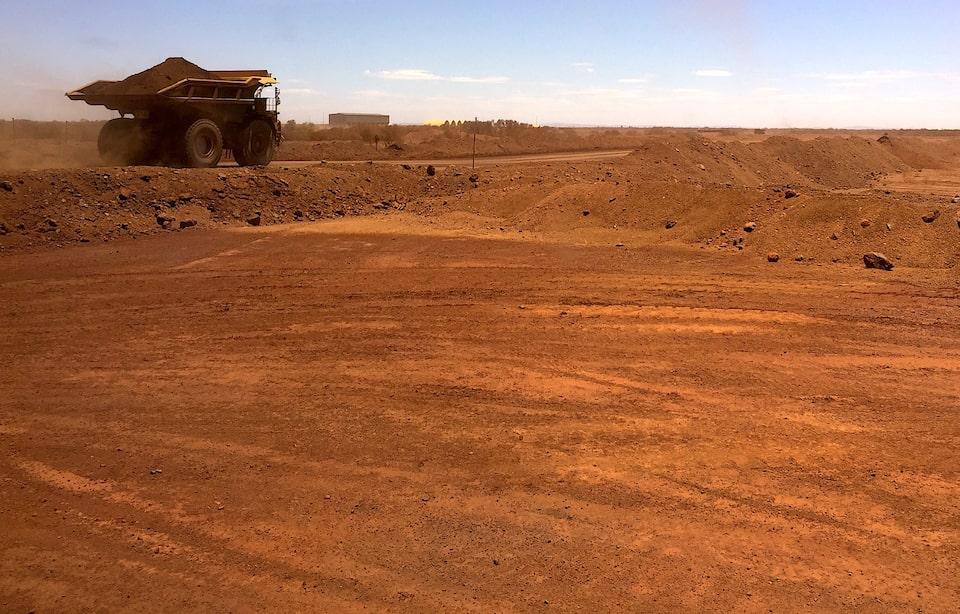
SYDNEY, Feb 6 (Reuters) - Australia's Pilbara Ports said on Friday that Port Hedland, the world's biggest iron ore export hub, and the Western Australia ports of Ashburton, Cape Preston West, Dampier and Varanus Island were being cleared due to the threat of a cyclone. Pilbara Ports said Australia's weather bureau had warned a tropical low off Western Australia's coast could develop into a tropical cyclone by Saturday morning. Sign up here. "The system is already developing slightly faster than forecast. Gales are expected over the southern quadrants from tonight," it said in a statement. https://www.reuters.com/business/environment/australias-iron-ore-hub-port-hedland-be-cleared-due-cyclone-threat-2026-02-06/
2026-02-06 03:01
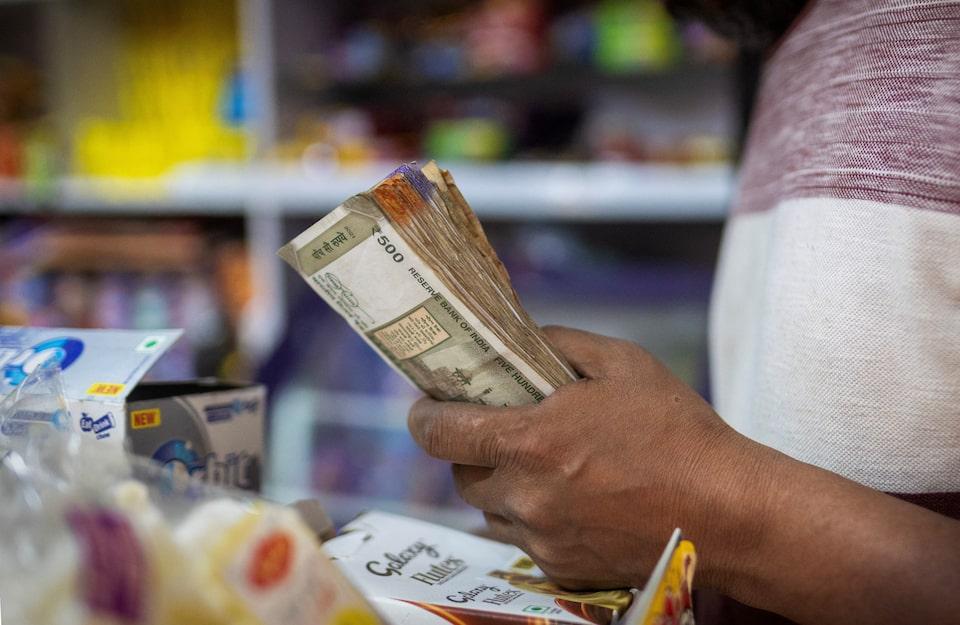
MUMBAI, Feb 6 (Reuters) - The Indian rupee added to its weekly rally on Friday ahead of the central bank's policy outcome, aided by possible one-off dollar sales that helped offset a risk-off backdrop. The rupee strengthened to 90.18 per dollar from 90.3550 in the previous session, taking its weekly advance, sparked by the U.S.-India trade deal, to 2%. Sign up here. The continued advance came despite challenging external cues. Most Asian currencies weakened, while risk appetite was fragile and foreign investors returned to selling Indian equities on Thursday, typically conditions that would weigh on the rupee. Bankers said the currency received support from a combination of residual optimism around the trade deal, relatively light market positioning and a decline in U.S. Treasury yields. "On balance, the negatives outweigh the positives (for the rupee)," said a Mumbai-based currency trader. "That it has managed to inch higher is unexpected. I am not hearing anything specific; it feels more like a one-off flow." The focus is on the Reserve Bank of India's policy outcome due shortly. Economists expect the central bank to keep rates on hold. RISK OFF Indian equities extended Thursday’s pullback, with the Nifty 50 Index down about 0.3%. The rally sparked by the U.S.–India trade deal has now been pared to around 1%. Foreign investors, who had poured money into local shares on Tuesday following the deal, resumed selling on Thursday, with preliminary data showing outflows of about $200 million. The decline in Indian equities mirrored weakness across Asian markets, which followed a selloff in U.S. stocks amid concerns over the mounting costs of the artificial-intelligence boom. https://www.reuters.com/world/india/rupee-largely-quiet-before-rbi-policy-risk-off-sentiment-may-weigh-2026-02-06/
2026-02-06 02:47
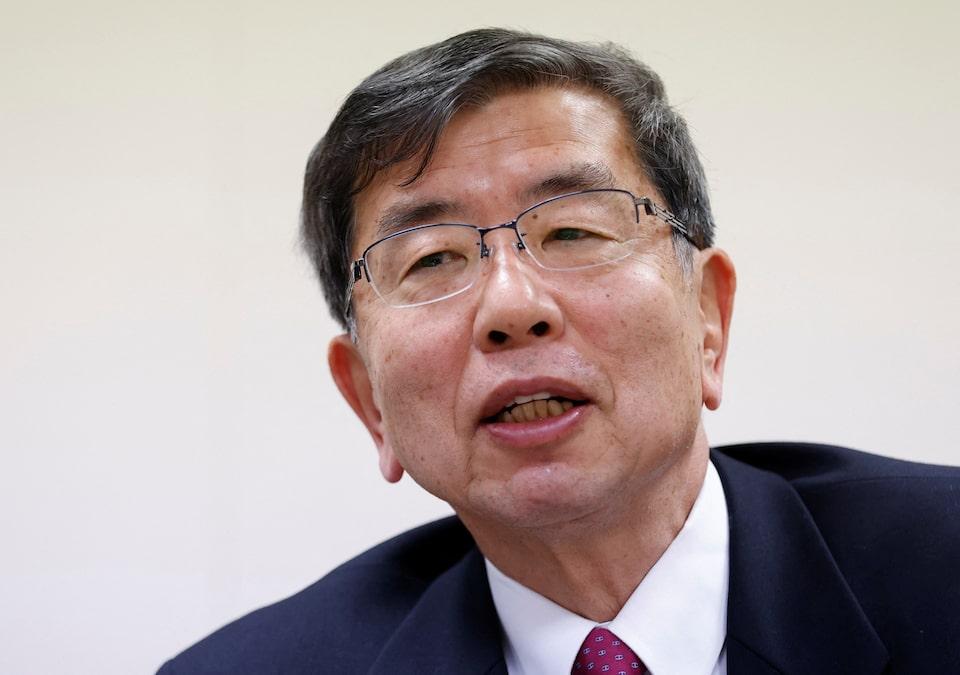
TOKYO, Feb 6 (Reuters) - Currency intervention using Japan's foreign exchange reserves can deliver an immediate jolt to markets, but its impact would be more durable if accompanied by steady rate hikes, a former top currency diplomat told Reuters. Takehiko Nakao, who served as vice finance minister for international affairs between 2011 and 2013, made the remarks as the yen resumed its decline with Japan's election campaign entering its final stretch ahead of Sunday's vote. Sign up here. "Intervention using actual funds can have a strong impact on markets, but its effects will be more lasting if the Bank of Japan also demonstrates a clear commitment to steadily raising interest rates," said Nakao, currently chairman of the Center for International Economy and Strategy. The central bank raised its short-term policy rate to 0.75% in December and has signalled its readiness to keep pushing up borrowing costs. But real borrowing costs remain deeply negative with inflation exceeding the BOJ's 2% target for nearly four years. Nakao blamed the yen's weakness on the BOJ's still-accommodative stance, saying the slow pace of rate hikes has left Japan's inflation-adjusted interest rates markedly negative and U.S.-Japan rate differentials wide. "By responding appropriately to inflation through rate hikes, it may also be possible to curb excessive jumps in long-term government bond yields," he added. The former diplomat warned that the yen could weaken further if the BOJ is slow to raise interest rates, citing the nomination of Kevin Warsh as the next Federal Reserve chair. "Warsh is likely to adhere to the tradition dating back to former Treasury Secretary Robert Rubin that a strong, stable dollar is in the United States' interest," he said. https://www.reuters.com/world/asia-pacific/former-japan-currency-chief-says-fx-intervention-should-be-backed-by-rate-hikes-2026-02-06/
2026-02-06 02:31
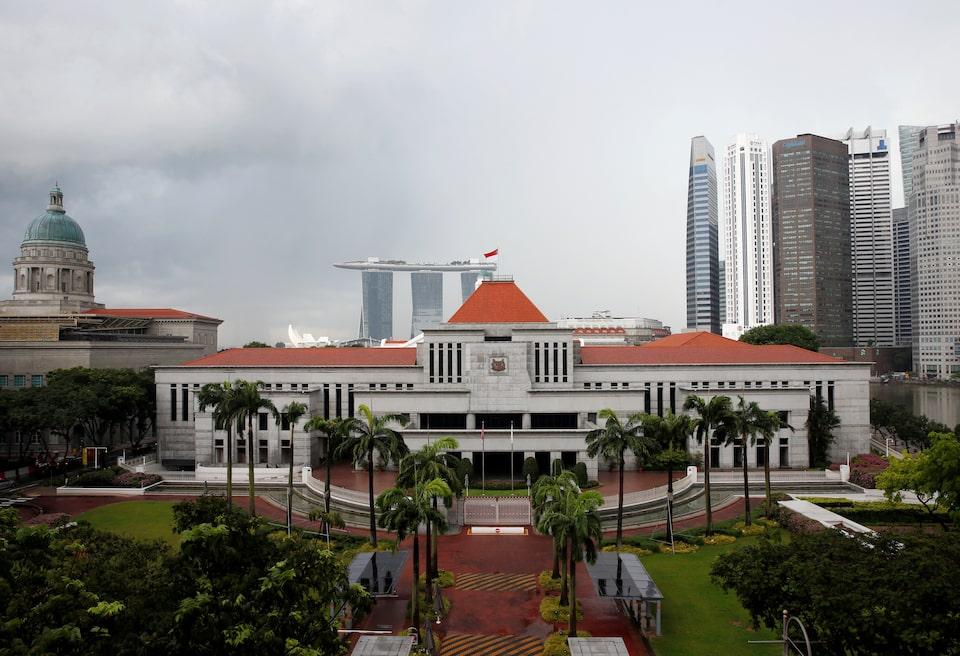
Economists forecast fiscal surplus amid strong growth Budget to focus on long-term measures, reduce household support Fiscal prudence aims to balance budget over parliamentary term SINGAPORE, Feb 6 (Reuters) - Singapore is expected to unveil a fiscally conservative budget next week, focusing on balancing robust growth with longer-term fiscal discipline after elevated support for households in 2025. Bank of America, Maybank and DBS forecast an overall fiscal surplus ranging from 0.3% to 1% of GDP, with economists widely expecting the government to adopt a cautious approach amid a positive economic outlook. Sign up here. The Finance Ministry will likely adopt a cautious fiscal stance due to sanguine growth conditions and anticipation demand in the economy is likely to be stronger than supply over the next few quarters, Bank of America economists said. "We also expect Budget 2026 to pay greater attention to longer-term measures, aimed at positioning for the future. This contrasts with Budget 2025, which was more "household friendly" than usual amid earlier concerns over the growth outlook," they said. Similarly, BMI analysts expect the government to reduce cash transfers to households in 2026 following "elevated support" in 2025. As the government is required to balance the budget over each parliamentary term - the latest of which began after the 2025 general election - economists expect fiscal prudence to be prioritised early to preserve room for support measures should conditions deteriorate later. Singapore's budget and economic forecasts will show to what extent tariffs and supply chain disruptions in major economies have affected business activity and key sectors in the financial hub and trade-reliant economy. The budget will be announced on February 12 by Prime Minister and Finance Minister Lawrence Wong at 3:30 p.m. (0730 GMT). Singapore's economy grew by a faster-than-expected 4.8% in 2025, according to advance estimates, but Wong flagged earlier challenges to sustaining that pace of growth this year. The Trade Ministry previously forecast growth of between 1.0% to 3.0% in 2026. In January, the Monetary Authority of Singapore raised its core and headline inflation forecast to between 1.0% and 2.0%, from 0.5% and 1.5% in October. INNOVATION AND PRODUCTIVITY The central bank also expects the global AI-led investment that buoyed Singapore's growth last year to be sustained in 2026 as demand continues to outpace supply. DBS economist Chua Han Teng expects the government to invest in technology and innovation as the nation's economy faces "increasingly binding land and labour constraints, such as an ageing workforce". In January, the government released an update as part of its Economic Strategy Review, which stressed the need to direct national research and development resources towards high-value industry sectors, pursue emerging technologies in the areas of quantum, decarbonisation and space technologies, and "aggressively" support leading local firms to internationalise. Singapore also announced an investment of more than S$1 billion ($779 million) in public AI research through 2030. Maybank economist Chua Hak Bin expects the government to focus on supporting AI adoption and upgrading national tech investments through existing funds. He added that the government could provide more incentives to encourage firms to hire as the youth structural unemployment rate reaches a four-year high. According to preliminary data from the Manpower Ministry, the citizen unemployment rate edged up to 3.0% in 2025, from 2.9% in 2024. Bank of America analysts said that they will also be paying attention to Singapore's corporate income tax collections, which have increased by 1 to 4 percentage points of GDP since 2023 despite ongoing uncertainties surrounding global tax reforms. They highlighted that Nvidia's (NVDA.O) , opens new tab annual revenue booked in Singapore surged 10 times to $23.7 billion in the 12 months ending January 2025 from January 2023 figures, while both Google (GOOGL.O) , opens new tab and Amazon (AMZN.O) , opens new tab have invested significantly in the nation to expand their cloud services. https://www.reuters.com/world/asia-pacific/singapore-budget-may-be-less-generous-amid-resilient-growth-2026-02-06/