2025-11-28 06:53
TOKYO, Nov 28 (Reuters) - Hokkaido Governor Naomichi Suzuki said on Friday the restart of Hokkaido Electric Power Co's (9509.T) , opens new tab Tomari nuclear power plant in northern Japan is considered a realistic option for now. Suzuki told the Hokkaido regional assembly he would make a comprehensive decision on the restart after conducting on-site inspections and gathering feedback from surrounding communities. Sign up here. In July, Japan's Nuclear Regulation Authority approved a safety review of Tomari's 912-megawatt No. 3 reactor, the final regulatory step towards restarting the unit in a process that has lasted 12 years. Given regulatory approval, the government's new emergency response plan, and expectations of lower electricity prices after a restart, "utilizing nuclear power is considered a realistic option available for the time being," Suzuki said. After visiting the Tomari plant to confirm on-site safety measures and hearing from the mayors of the four local municipalities, "I will make a comprehensive judgment based on the discussions held during this assembly session," he said. Hokkaido Electric plans to complete construction of a seawall by March 2027 and aims to restart the reactor as soon as possible thereafter. The No. 3 reactor has been offline since 2012 amid Japan's broad push to strengthen nuclear safety following the Fukushima Daiichi disaster of the previous year. Last week, Niigata Governor Hideyo Hanazumi gave the green light for a partial restart of Tokyo Electric Power's (9501.T) , opens new tab Kashiwazaki-Kariwa nuclear power plant. https://www.reuters.com/sustainability/boards-policy-regulation/hokkaido-governor-decide-tomari-nuclear-power-plant-restart-2025-11-28/

2025-11-28 06:41
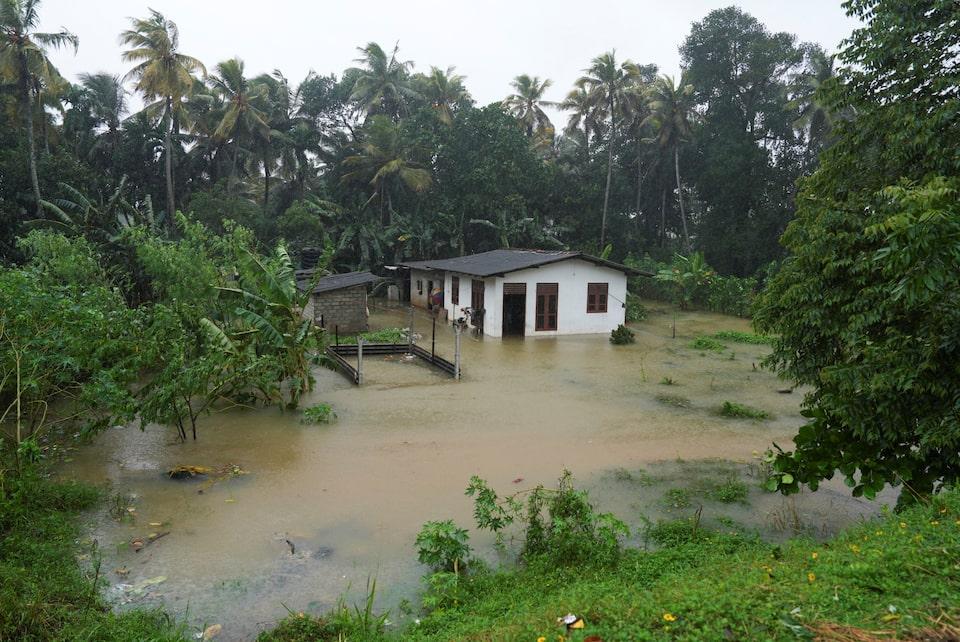
COLOMBO, Nov 28 (Reuters) - Cyclone Ditwah swept northward across Sri Lanka on Friday, leaving 46 people dead and 23 missing amid widespread floods, with torrential rain and strong winds expected to cause more flooding in the next 12 hours. Most deaths were caused by landslides triggered by more than 300mm (12 inches) of rainfall in the eastern and central regions, according to officials. Sign up here. Nearly 44,000 people were affected nationwide, and many sought refuge in schools and public shelters, according to the Disaster Management Centre (DMC). The Irrigation Department said it expected the floods that have already affected countless areas across southern and eastern Sri Lanka, including many parts of the capital, Colombo, to spread even further. The Colombo Stock Exchange halted trading early, and schools and train services remained suspended. Military and police coordinated evacuations, including the airlifting of 13 people trapped on a bridge in Polonnaruwa, 220 km northeast of Colombo, the air force said. Numerous families trapped on rooftops and one man stranded on top of a coconut tree were also airlifted to safety, air force footage released to media showed. Heavy rains disrupted operations at Colombo's Bandaranaike International Airport (BIA), forcing the diversion of 15 flights to airports including Trivandrum and Cochin in south India, Sri Lanka's Airport and Aviation Services said. India delivered 6.5 metric tons of food aid to assist in relief efforts, the Indian High Commission in Colombo said as Cyclone Ditwah moved across Sri Lanka towards southern India. Over 20,000 police and military stepped up evacuations in multiple towns including the outskirts of Sri Lanka's largest city Colombo, after authorities warned of rising flood waters. "Strong winds are making the floods worse. We removed furniture from two nearby houses to a safer area, and now I'm going to the shelter to stay with the rest of my family," said Mohammed Rumy, a 70-year-old resident of Colombo's Wellampitiya suburb. https://www.reuters.com/sustainability/climate-energy/cyclone-ditwah-kills-46-sri-lanka-leaves-23-missing-rescue-efforts-continue-2025-11-28/
2025-11-28 06:33
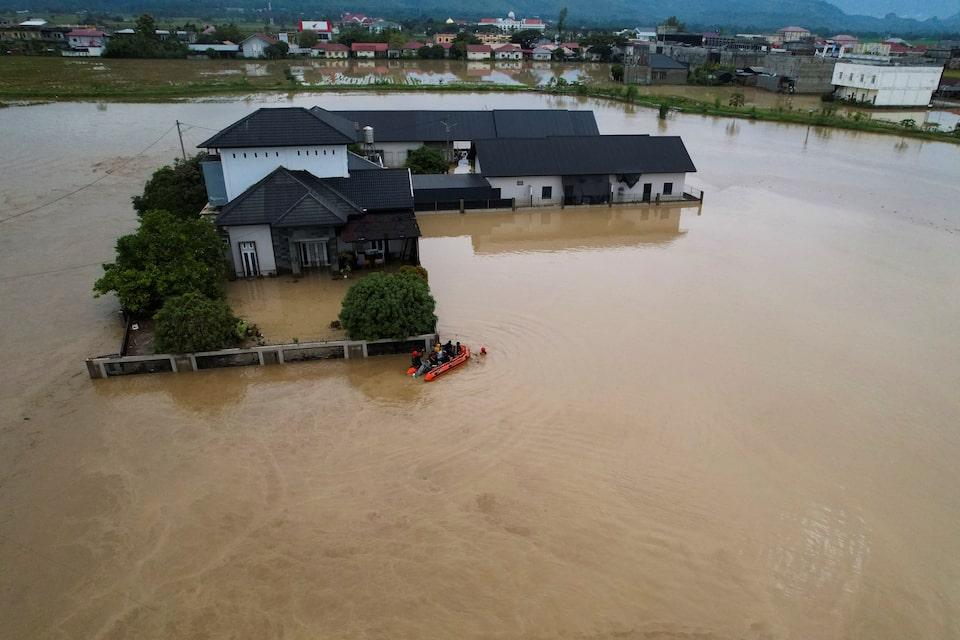
Indonesia confirms 174 deaths, rescue efforts continuing Victims in northern Sumatra buried in mass grave Thailand reports 145 deaths in southern provinces, 3.5 million affected Tropical storm Senyar weakens after landfall in Malaysia JAKARTA/BANGKOK, Nov 28 (Reuters) - The death toll from floods across large swathes of Southeast Asia rose to at least 321 on Friday, with authorities working to rescue stranded citizens, restore power and communications and coordinate recovery efforts as the waters began to recede. Large parts of Indonesia, Malaysia and Thailand have been stricken by cyclone-fuelled torrential rain for a week, with a rare tropical storm forming in the Malacca Strait. Sign up here. Another 46 people were killed by a cyclone in the South Asian island nation of Sri Lanka, authorities said. 'RUNNING OUT OF SUPPLIES AND FOOD' On Indonesia's badly hit Sumatra island, 174 people were confirmed dead on Friday, Suharyanto, the head of Indonesia's disaster mitigation agency, said at a press briefing. While the rain had stopped, 79 people were still missing and thousands of families have been displaced, he added. Residents in Sumatra's Padang Pariaman region, where a total of 22 people died, had to cope with water levels at least 1 metre high, and had still not been reached by search-and-rescue personnel on Friday. "We're running out of supplies and food," said Muhammad Rais, a 40-year-old resident who was forced to move to the second floor of his home on Thursday to escape the rapidly rising waters. In the town of Batang Toru, in northern Sumatra, residents on Friday buried seven unclaimed victims in a mass grave. The decomposing bodies, wrapped in black plastic, were lifted from the back of a truck on to a wide plot of land as onlookers held their noses. Communications remained down in some parts of the island, and authorities were working to restore power and clear roads that have been blocked by landslide debris, said Abdul Muhari, spokesman for Indonesia's national disaster mitigation agency. Indonesia would continue to airlift aid and rescue personnel into stricken areas on Friday, he added. THAILAND DEATH TOLL REACHES 145, TOURISTS EVACUATED The Thai government said that 145 people had been killed by floods across eight southern provinces. It said a total of more than 3.5 million people had been affected. In the southern city of Hat Yai, the hardest-hit part of Thailand, the rain had finally stopped on Friday, but residents were still ankle-deep in flood waters and many remained without electricity as they assessed the damage done to their property over the last week. One said he had "lost everything". Some residents said they were spared the worst of the floods but were still suffering from their effects. "It affects everything for us, in every way," said 52-year-old Somporn Petchtae. "My place wasn't flooded, but I was stuck like I was on an island because I couldn't go anywhere." In neighbouring Malaysia, where two people have been confirmed dead, tropical storm Senyar made landfall at around midnight and has since weakened. Meteorological authorities are still bracing themselves for heavy rain and wind, and warned that rough seas could pose risks for small boats. A total of 30,000 evacuees remain in shelters, down from more than 34,000 on Thursday. Malaysia's foreign ministry said on Friday that it had already evacuated 1,459 Malaysian nationals stranded in more than 25 flood-hit hotels in Thailand, adding that it would work to rescue the remaining 300 still caught up in flood zones. https://www.reuters.com/business/environment/rescuers-step-up-recovery-operations-southeast-asia-flood-deaths-reach-129-2025-11-28/
2025-11-28 06:29
US, Nikkei stock futures, West Texas Crude futures affected Cooling issue at CyrusOne data centre in Chicago caused outage Traders flying blind without prices, expect market volatility Some FX trading resumes on EBS SINGAPORE/LONDON, Nov 28 (Reuters) - Global futures markets were disrupted for several hours on Friday after CME Group, the world's largest exchange operator, suffered one of its longest outages in years, halting trading across stocks, bonds, commodities and currencies. By 1335 GMT, trading in foreign exchange, stock and bond futures , , as well as other products had resumed, after having been knocked out for over 11 hours, according to LSEG data. Sign up here. CME blamed the outage on a cooling failure at data centres run by CyrusOne, which said its Chicago-area facility had affected services for customers including CME (CME.O) , opens new tab. The disruption stopped trading in major currency pairs on CME's EBS platform, as well as benchmark futures for West Texas Intermediate crude , Nasdaq 100 , Nikkei , palm oil and gold , according to LSEG data. 'A BLACK EYE' Trading volumes have been thinned out this week by the U.S. Thanksgiving holiday and with dealers looking to close positions for the end of the month, the outage posed a risk of spurring volatility, market participants said. "It's a black eye to the CME and probably an overdue reminder of the importance of market structure and how interconnected all these are," Ben Laidler, head of equity strategy at Bradesco BBI, said. "We complacently take for granted much of the timing is frankly not great. It's month end, a lot of things get rebalanced." Still, the timing of Friday's outage, during a shortened U.S. equity trading session with thinner volumes, helped limit its market impact. "If there was to be a glitch day, today's probably a good day to have it," Joe Saluzzi, co-manager of trading at Themis Trading in Chatham, New Jersey, said. Futures are a mainstay of financial markets and are used by dealers, speculators and businesses wishing to hedge or hold positions in a wide range of underlying assets. Without these and other instruments, brokers were left flying blind and many were reluctant to trade contracts with no live prices for hours on end. "Beyond the immediate risk of traders being unable to close positions - and the potential costs that follow - the incident raises broader concerns about reliability," said Axel Rudolph, senior technical analyst at trading platform IG. A few European brokerages said earlier in the day they had been unable to offer trading in some products on certain futures contracts. "My anticipation is that life goes on but everybody will have yet another look at their data centre arrangements and invest more in ensuring reliable supply because the importance of data center uptime is higher and higher," Mikhail Zverev, Portfolio Manager at Amati Global Investors in London. Regulators are tracking the situation, with both the Commodity Futures Trading Commission and Securities and Exchange Commission confirming they are aware of the issue and conducting ongoing surveillance. BIGGEST EXCHANGE OPERATOR CME is the biggest exchange operator by market value and says it offers the widest range of benchmark products, spanning rates, equities, metals, energy, cryptocurrencies and agriculture. Average daily derivatives volume was 26.3 million contracts in October, CME said earlier this month. The CME outage on Friday comes more than a decade after the operator had to shut electronic trade for some agricultural contracts in April 2014 due to technical problems, which at the time sent traders back onto the floor. More recently in 2024 outages at LSEG and Switzerland's exchange operator briefly interrupted markets. CME's own shares were up 0.4% in premarket trading. https://www.reuters.com/business/cme-trading-halted-due-cooling-issue-data-centers-2025-11-28/

2025-11-28 06:24
CME outage disrupts overnight currency trading Fed funds futures show 87% odds of December rate cut BOJ's Ueda may signal rate hike amid fiscal stimulus NEW YORK, Nov 28 (Reuters) - The U.S. dollar was heading for its worst weekly performance since late July on Friday as traders increased bets that the Federal Reserve will cut rates again next month. The dollar has dropped this week as traders conclude that weakening labor data will lead to more rate cuts, even as many Fed policymakers express concern about still-elevated inflation. Sign up here. "It feels like with the post-shutdown run of releases, it's generally been soft ... the data overall definitely leaned towards a cut," said Eric Theoret, FX strategist at Scotiabank in Toronto. The U.S. federal government is releasing a backlog of economic data after reopening from a record 43-day shutdown. Fed funds futures traders are pricing in 87% odds of a cut at the conclusion of the Fed's December 9-10 meeting, up from 71% a week ago, according to the CME Group's FedWatch Tool. Fed officials will enter a blackout period on Saturday ahead of the meeting. The dollar index , which measures the greenback's strength against a basket of six major peers, was last down 0.09% at 99.44, and on track for a 0.61% weekly loss, its largest since July 21. ANTICIPATION AHEAD OF BOJ MEETING Bank of Japan Governor Kazuo Ueda is due to speak on Monday, and traders will focus on whether he signals a likely rate increase at the BOJ's December meeting, which could continue to lift the currency. “There's obviously a lot of anticipation around the Bank of Japan meeting in December. Will they hike rates? Will they not hike rates? And up until now, Ueda has been reasonably non-committal/dovish and hasn't really signaled a December hike yet," said James Lord, head of FX and emerging market strategy at Morgan Stanley. "But with dollar-yen at these levels and the fiscal package that has been announced by the government, there's a possibility that we will see a rate hike in the December meeting," Lord said. Japanese Prime Minister Sanae Takaichi's government on Friday finalised a $117 billion supplementary budget for this financial year to fund a massive stimulus package, most of which will be financed through new debt issuance. The Japanese yen strengthened 0.14% against the greenback to 156.09 per dollar. FOREX TRADING CALM AFTER CME OUTAGE An overnight outage due to a cooling issue at CME Group's CyrusOne data centres halted trade on its widely-used currency platform and in stock and commodity futures. By 1335 GMT, trading had resumed after having been knocked out for over 11 hours, according to LSEG data. Currency markets appeared largely unfazed by the outage during U.S. hours, which came in already light trading volumes after Thursday's U.S. Thanksgiving Day holiday. "Liquidity remains thin given that most participants executed month-end trades ahead of yesterday’s Thanksgiving holiday, and most major pairs are seeing choppy, but range-bound trading action with technical levels holding firm," said Karl Schamotta, chief market strategist at Corpay in Toronto. The euro rose 0.06% to $1.1602. Sterling was little changed at $1.3237 and heading for its best weekly performance since early August with a gain of 1.09%, after British Finance Minister Rachel Reeves revealed her long-awaited budget this week. "Obviously (the budget) was garnering a lot of headlines, but it also felt like a lot of the bad news had been priced in. And overall, it feels like the market had a bit of a relief rally in the pound on Wednesday," said Theoret. Reeves fought back on Thursday against criticism of the government's spending plans, which will fund extra welfare spending by raising the country's tax burden to a post-World War Two high. The Canadian dollar extended gains after data showed that Canada's economy grew at a much faster pace than expected in the third quarter as crude oil exports and government spending boosted economic activity. The loonie was last up 0.39% versus the greenback at C$1.398 per dollar. In cryptocurrencies, bitcoin fell 0.38% to $91,052. https://www.reuters.com/world/asia-pacific/dollar-track-worst-week-four-months-case-fed-cut-builds-2025-11-28/

2025-11-28 06:24
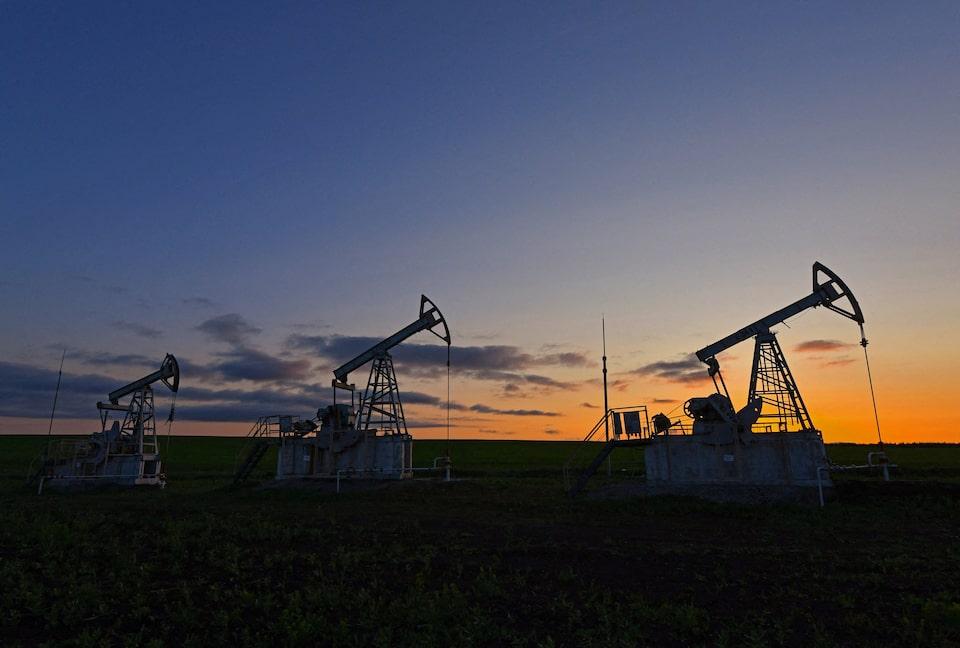
CME system resumes trading after outage Brent, WTI in longest monthly losing streaks since 2023 US crude production hit monthly high in September, EIA says HOUSTON, Nov 28 (Reuters) - Crude futures fell marginally on Friday as investors considered oil's geopolitical risk premium amid drawn-out Russia-Ukraine peace talks, while keeping an eye on Sunday's OPEC+ meeting for clues about potential output changes. U.S. West Texas Intermediate crude futures resumed trading after being frozen due to a system outage at exchange operator CME Group, blamed on a cooling issue at CyrusOne data centres. Brent trades on the Intercontinental Exchange, or ICE. Sign up here. Front-month Brent crude futures for January , which expire on Friday, settled down 14 cents, or 0.22%, at $63.20 a barrel. The more active February contract settled at $62.38, down 49 cents on Thursday's close. WTI crude settled at $58.55 a barrel, down 10 cents, or 0.17%, from Wednesday's close. There was no settlement on Thursday due to the Thanksgiving holiday in the U.S. LONGEST LOSING STREAK SINCE 2023 Despite being up around 1% for the week, both contracts settled down for the fourth straight month, their longest losing streak since 2023, as expectations for higher global supply weighed on prices. The strength of fuel refining profit margins has supported crude demand in some places, but the bearish impact of an expected oil surplus is pressuring prices, said Rystad analyst Janiv Shah. U.S. oil production rose to record highs in September, data from the Energy Information Administration showed on Friday, deepening concerns that the market is heading towards a surplus. U.S. crude oil output rose 44,000 barrels per day in September to a record 13.84 million bpd, according to the EIA data. A Reuters survey of 35 economists and analysts showed respondents expect Brent to average $62.23 per barrel in 2026, down from October's forecast of $63.15. The benchmark has averaged $68.80 per barrel so far in 2025, LSEG data showed. Signs that a peace deal between Ukraine and Russia might be close pushed oil prices down sharply earlier this week, but they have recovered over the past three sessions as negotiations dragged on. "Futures had been anticipating some sort of a peace agreement which has kept pressure on prices," Dennis Kissler, senior vice president of trading at BOK Financial, said in a note on Friday. "Still, little is known at this time, and no agreement will likely mean even tighter sanctions on Russia's oil exports." On Sunday, OPEC+ is likely to leave oil output levels unchanged at its meetings and to agree on a mechanism to assess members' maximum production capacity, two delegates from the group and a source familiar with the group's talks told Reuters. Saudi Arabia, the world's biggest oil exporter, is expected to lower its January crude price for Asian buyers for a second month to its lowest in five years, under pressure from ample supplies and the surplus outlook, sources told Reuters on Friday. https://www.reuters.com/business/energy/brent-little-changed-investors-zoom-russia-ukraine-talks-opec-2025-11-28/