2025-11-21 11:59
LONDON, Nov 21 (Reuters) - Two teenagers pleaded not guilty on Friday to hacking charges over a 2024 cyberattack on London's public transport body, with one of them also denying charges related to two health systems in the United States. Transport for London (TfL), which operates the British capital's tube and bus networks with millions of journeys each day, was targeted in August 2024. TfL said at the time that some personal customer data was accessed. Sign up here. Thalha Jubair, 19, and Owen Flowers, 18, appeared at London's Southwark Crown Court charged under the Computer Misuse Act with conspiring to commit unauthorised acts against TfL. Flowers is also charged with offences relating to California's Sutter Health, one of the largest health systems in the U.S., and conspiring with others to infiltrate the networks of SSM Health Care Corporation. Jubair is also charged with failing to provide the passwords to devices seized from him in March. They both denied all the charges and will stand trial at the same court next June. https://www.reuters.com/world/uk/two-british-teens-plead-not-guilty-london-transport-cyberattack-charges-2025-11-21/

2025-11-21 11:49
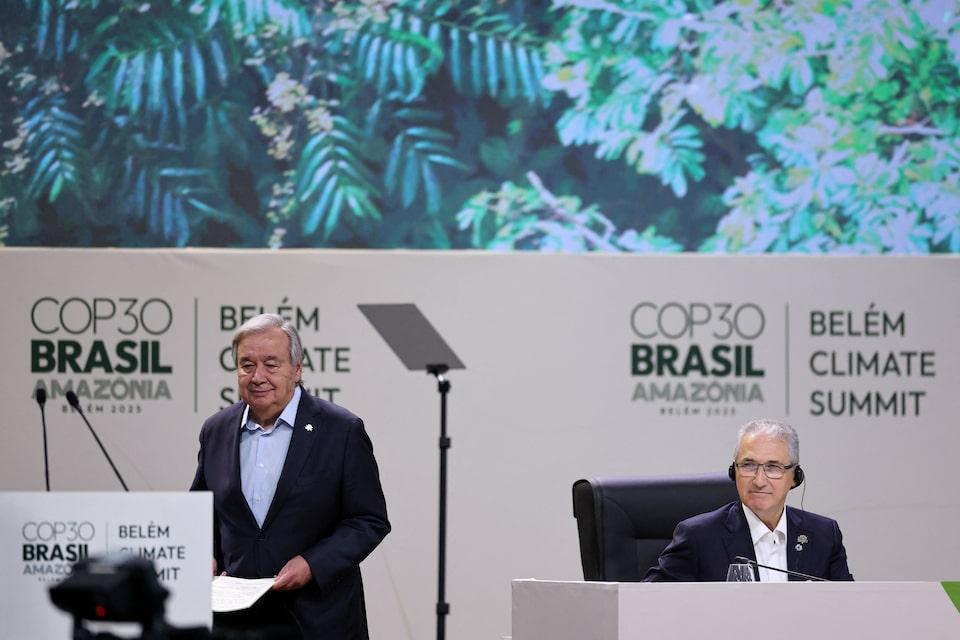
EU holds out against deal it labels too weak Draft COP30 deal omits fossil fuel transition plans Arab Group says energy industries off limits, sources say Developing nations demand stronger deal on funding BELEM, Brazil, Nov 21 (Reuters) - The outcome of Brazil's COP30 climate summit was left hanging in the balance, with the European Union refusing to accept a draft deal it said would fail to advance global efforts to curb greenhouse gas emissions driving climate change. The two-week conference being held in the Amazon city of Belem had been scheduled to end Friday evening, but blew past that deadline as negotiations continued late into the night. Sign up here. Brazil has cast the summit as a make-or-break moment for global climate cooperation, urging nations to bridge divides on issues including the future of fossil fuels and to send a message that concerted global action is the best way forward. "This cannot be an agenda that divides us," COP30 President André Corrêa do Lago told delegates in a public plenary session before releasing them for further negotiations. "We must reach an agreement between us." Some emerging economies hit back at the EU's position, demanding the bloc commit more finance to help poorer nations cope with climate change. "We can't just work with one pathway. If there is a pathway for fossil fuel, there has to be a pathway for climate finance as well," said a negotiator for a developing country, who was granted anonymity to discuss the closed-door negotiations. The rifts over fossil fuels, cutting CO2 emissions faster and finance highlighted the difficulty of reaching a consensus at the annual conference, a perennial test of global resolve to avert the worst impacts of global warming. A draft text for a deal, released by Brazil before dawn on Friday, contained no reference to fossil fuels, dropping a range of options on the subject that had been included in an earlier version. Scores of countries, including major oil and gas producer nations, had opposed the options. Earlier in the summit, some 80 governments had demanded COP30 deliver a plan to shift away from fossil fuels. But by Friday night, many of those nations had indicated in closed-door talks they would accept the deal without it, negotiators said. Burning fossil fuels emits greenhouse gases that are by far the largest contributors to global warming. STANDOFF OVER FOSSIL FUELS The 27-member EU said the text was too weak. "Under no circumstances are we going to accept this," EU Commissioner for Climate Wopke Hoekstra said in a statement on Friday. The EU indicated it could "move beyond its comfort zone" on finance for developing nations - but only if the text's sections on action to cut planet-warming emissions were strengthened. By Friday night, some European negotiators said the bloc was considering the option of walking away from the talks, rather than accepting the current deal. A Brazilian negotiator told Reuters the fossil fuel language was unlikely to be reintroduced, and that the summit presidency was pressing for only small adjustments to the existing draft. Other options being discussed by negotiators included a separate side deal on fossil fuels, which countries could voluntarily sign up to but which would not be agreed by consensus as COP deals need to be, negotiators said. Three sources said the Arab Group negotiating bloc, whose 22 members include Saudi Arabia and the United Arab Emirates, told a closed-door meeting of negotiators that its energy industries were off limits in discussions. Saudi Arabia delivered a statement from the Arab Group to negotiators, warning that targeting its industries would collapse the negotiations, the sources said. Saudi Arabia did not reply to a request for comment addressed to the Saudi government communications office. MULTILATERALISM UNDER PRESSURE The draft deal also called for global efforts to triple the financing available to help nations adapt to climate change by 2030, from 2025 levels. However, it did not specify whether this money would be provided directly by wealthy nations, or other sources including development banks or the private sector. A deal text would need approval by consensus among the nearly 200 countries present in order to be adopted. Corrêa do Lago said a show of multilateral unity was an important signal to send given this year's U.S. absence. President Donald Trump has called global warming a hoax. "The world is watching," Corrêa do Lago said. https://www.reuters.com/sustainability/cop/cop30-draft-deal-drops-effort-new-fossil-fuel-transition-agreement-2025-11-21/
2025-11-21 11:39
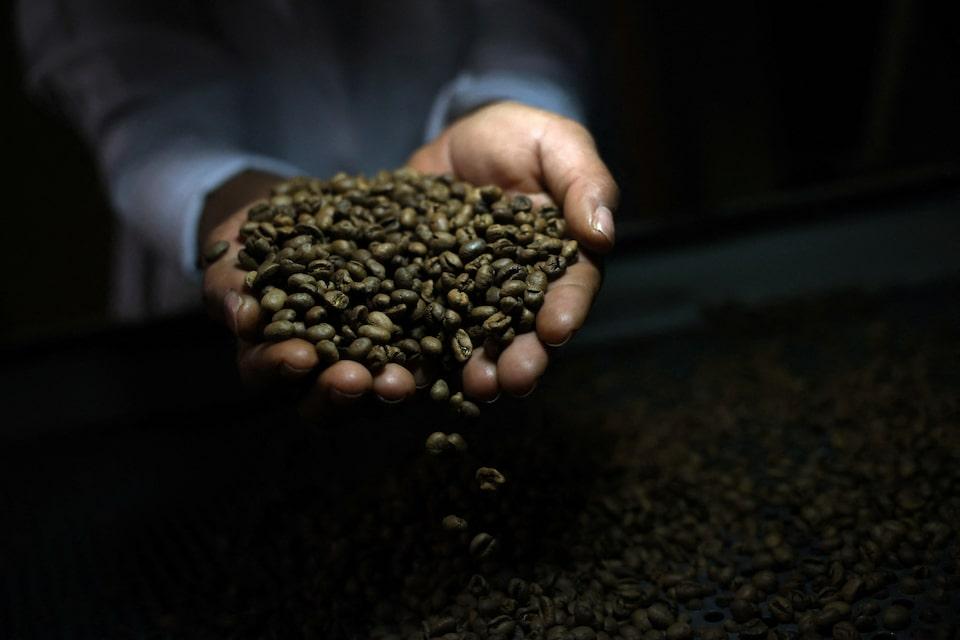
Top coffee grower Brazil supplies a third of US coffee US retail coffee prices rose 40% in September Food inflation impacting Trump's approval ratings, poll shows NEW YORK, Nov 21 (Reuters) - Global coffee prices plunged on Friday after U.S. President Donald Trump removed 40% tariffs on imports of many Brazilian agricultural products, including green coffee beans. U.S. retail coffee prices rose an annual 40% in September, due in part to tariffs. Rising food prices are a major factor behind Trump's approval ratings falling to their lowest since his return to power, a Reuters/Ipsos poll found. Sign up here. Trump's overnight move follows a similar order announced last Friday to roll back duties on coffee and scores of other products from producing countries. Top coffee grower Brazil supplies the United States, the world's largest coffee consumer, with about a third of its beans and the end of import tariffs should allow for a quick flow of Brazilian beans to depleted U.S. coffee stocks. Arabica coffee futures on the ICE exchange closed nearly 2% down to $3.6945 per lb, having earlier plunged more than 6% to two-month lows. Robusta coffee , typically used in instant coffee rather than in the roast and ground blends where arabica dominates, fell 2.7% to $4,506 a metric ton, having earlier sunk 8%. "(We) need the market to digest this. More downside? Maybe, but I do not believe we'll go below $3/lb. If anything, I would be a buyer into whatever market dip comes from this news," said a Europe-based trader at a top global coffee trade house. He explained that the global arabica crop is still in deficit, stocks are low, the industry is short on supply and needs to buy and there are still supply risks linked to the La Nina weather phenomenon. Some traders will rush to ship Brazilian beans to the U.S. "Once the announcement of tariff reductions was made, we will divert a shipment under planning for Germany to go instead to the U.S.," said Stephen Hurst, managing director at Mercanta coffee traders. Tariffs aside, dealers were also trying to gauge the damage from floods and landslides in top robusta grower Vietnam. A London-based coffee broker said the market had over-reacted somewhat to the Trump tariff U-turn given it was to some extent expected. "(The move) seemed to shock more than it probably should have," he said. In other soft commodities, London cocoa fell 2.2% to 3,879 pounds per ton, New York cocoa fell 2.3% to $5,159 a ton, raw sugar rose 0.8% to 14.78 cents per lb while white sugar gained 1% to $424.10 a ton. https://www.reuters.com/business/global-coffee-prices-plunge-after-trump-removes-tariffs-brazil-2025-11-21/
2025-11-21 11:30
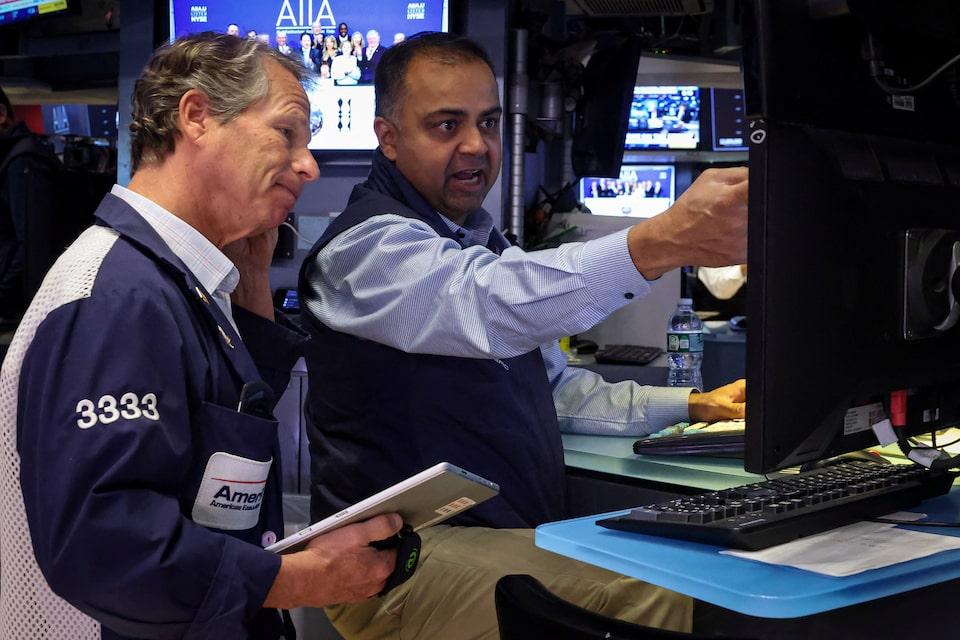
LONDON, November 21 (REUTERS) - Everything Mike Dolan and the ROI team are excited to read, watch and listen to over the weekend.From the Editor That Nvidia bump was rather short-lived. U.S. equities tumbled on Thursday despite an early rally, with both the Nasdaq and the Dow recording +1,000 point moves from peak to trough. The tech-heavy Nasdaq’s 4.9 percentage point swing was its biggest intraday move since April’s tariff tantrum. Sign up here. Why didn’t Nvidia’s record-high $57 billion third quarter revenue and rosy forecasts calm market fears about an AI bubble? Because, as ROI markets columnist Jamie McGeever explains, the chip behemoth’s latest figures actually highlight many of the concerns that have been roiling markets recently, namely massive AI spending, extreme concentration and sky-high valuations. Indeed, investors are now clearly anxious about AI capex indigestion, particularly given the increasing use of debt to finance investments with very high thresholds for profitability, as ROI editor-at-large Mike Dolan wrote this week. That other big news yesterday was the delayed release of the September U.S. jobs report. While nonfarm payrolls rose by 119,000, jobs, more than twice the consensus forecast, August figures were revised down by 4,000. And, more importantly for the Federal Reserve, the unemployment rate rose to 4.4%, the highest level since October 2021. This release will likely do little to clear-up the labor market picture for the Fed, argues Mike Dolan, especially considering how messy economic data is likely to be in the wake of the longest-ever U.S. government shutdown. Over in Asia, the Japanese yen was hovering near a 10-month low around 157 per dollar on Friday, as Prime Minister Sanae Takaichi approved a 21.3 trillion yen ($135.5 billion) economic stimulus package, raising the spectre of FX intervention. Jamie McGeever argues that the yen’s long-standing position as a global safe haven may now be in question. Meanwhile, as the COP30 climate summit in Belem, Brazil continued this week, ROI energy columnist Ron Bousso did a deep-dive on the green transition, arguing that it will be a lot bumpier and more fractured than leaders expected when the Paris agreement was signed ten years ago. But Ron also cautions investors from being hoodwinked by the grim energy transition vibes. Staying in energy markets, the U.S. has risen to the top of global LNG exporter rankings, prompting the narrative that shipments of "freedom gas" will continue climbing for years. But, as ROI energy transition columnist Gavin Maguire argues, American LNG vendors are at risk of rapid volume downturns if European buyers curb gas use, especially if U.S. firms fail to increase market share in Asia. Speaking of commodity demand in Asia, ROI columnist Clyde Russell this week looked at China’s growing oil stockpiles, the slump in its steel output amid a rise in iron ore imports, and the spike in the country’s fossil fuel-powered electricity generation. Finally, over in the metals markets, the global competition for critical minerals has reached the least glamorous part of the metallic supply chain, Aluminium scrap. ROI metals columnist Andy Home explains why this humble material actually should be considered “a strategic commodity.” As we head into the weekend, check out the ROI team’s recommendations for what you should read, listen to, and watch to stay informed and ready for the week ahead. I’d love to hear from you, so please reach out to me at [email protected] , opens new tab . , opens new tabThis weekend, we're reading... MIKE DOLAN, ROI Financial Markets Editor-at-Large: This interesting column from VoxEU , opens new tab argues that Europe’s lack of defence capabilities leaves it highly vulnerable to economic and foreign policy pressure. CLYDE RUSSELL, ROI Asia Commodities and Energy Columnist: This Renew Economy article , opens new tab discusses Australia's first hybrid utility scale solar and battery plant about to come online. Surprisingly, this is the first such combination, so this may be a model for the future. GAVIN MAGUIRE, ROI Global Energy Transition Columnist: This fascinating report from The Examination , opens new tab explains how recycling lead for U.S. car batteries is poisoning people in Nigeria. It's a grim outcome for policies designed to protect American consumers from toxic emissions. ANDY HOME, ROI Metals Columnist: I recommend this analysis of why some rare earths are rarer than others by our Reuters colleague Eric Onstad. It also includes my quote of the week from Erik Eschen, CEO of Germany's Vacuumschmelze. "If you talk about critical resources, it's really the heavies, the heavies, the heavies - all the rest we will get." We're listening to... JAMIE MCGEEVER, ROI Markets Columnist: The latest Reuters ‘Econ World’ podcastwith chief emerging markets correspondent Karin Strohecker uses the recent turbulence financial turbulence in Argentina to explain all you need to know about exchange rate policies, currency banks and geopolitics.And we're watching... RON BOUSSO, ROI Energy Columnist: I highly recommend the Gulf Intelligence Daily Energy Markets podcast , opens new tabto anyone seeking a close look at what’s moving the oil market. This episode is of special interest due to the guest appearance of our own ROI Asia Commodities Columnist Clyde Russell who discusses China’s oil stockpiling and the impact of Trump’s policies. Want to receive the Morning Bid in your inbox every weekday morning? Sign up for the newsletter here. You can find ROI on the Reuters website , opens new tab, and you can follow us on LinkedIn , opens new tab and X. , opens new tab Opinions expressed are those of the authors. They do not reflect the views of Reuters News, which, under the Trust Principles , opens new tab, is committed to integrity, independence, and freedom from bias. https://www.reuters.com/business/finance/global-markets-view-usa-2025-11-21/
2025-11-21 11:22
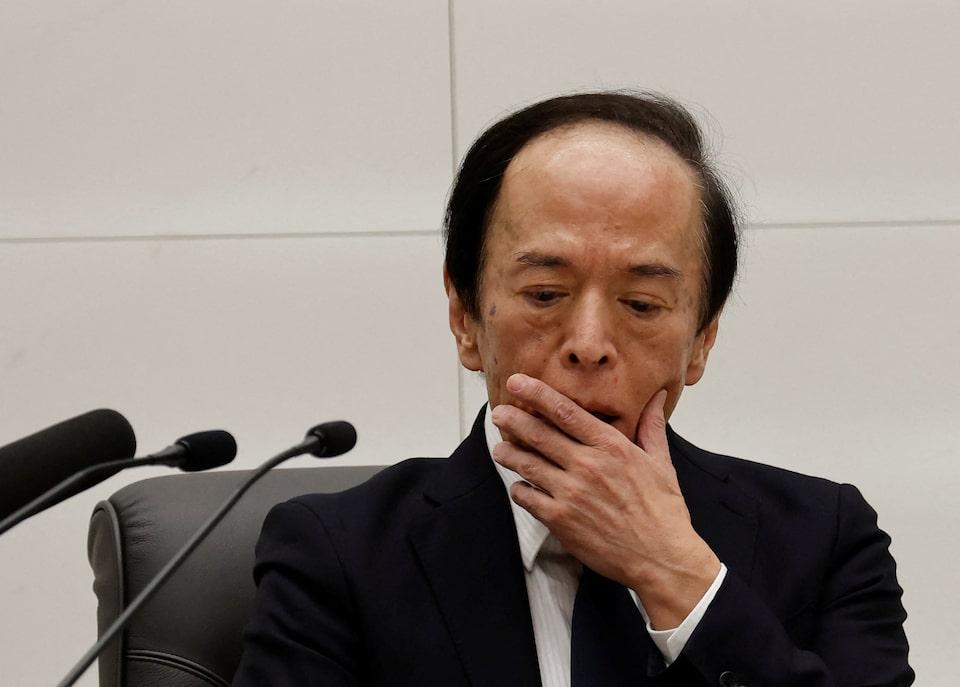
BOJ will debate feasibility, timing of rate hike, Ueda says Ueda says he wants 'just a bit more data' on wage impulse Weak yen could affect underlying inflation, Ueda says Remarks come as government ramps up threat of yen intervention BOJ's next meeting on December 18-19 likely to be live TOKYO, Nov 21 (Reuters) - Bank of Japan Governor Kazuo Ueda said he wanted "just a bit more data" on next year's wage-growth direction and warned of the boost a weak yen could have on underlying inflation, issuing the strongest signal yet on the chance of a December rate hike. Ueda also told parliament on Friday the central bank will discuss at upcoming policy meetings the "feasibility and timing" of a rate hike, a change in tone from previous remarks that the bank had no preset idea on the timing of a policy shift. Sign up here. The comments came as the yen's slide to a 10-month low against the dollar raised pressure on Japanese policymakers to combat further declines in the currency that would inflate households' cost of living. Ueda said the BOJ must be mindful the weak yen could affect underlying inflation - a key gauge it looks at in deciding how soon to raise rates - by pushing up import costs and broader prices. "Compared with the past, the impact of currency moves on inflation may have become bigger because companies have become more active in raising prices and wages," Ueda said. "We must be mindful that price rises, through such channels, could affect inflation expectations and underlying inflation," he said, adding the BOJ will be vigilant about such currency-linked effects on domestic prices. CHANGE OF TONE The remarks contrast with those by BOJ officials previously describing the weak yen as having only a temporary impact on prices, rather than a long-lasting one that could affect public perceptions of future price moves. They also followed comments from BOJ board member Junko Koeda on Thursday that the central bank must keep raising real interest rates given "relatively strong" price rises. "The BOJ will likely raise rates in December," said Takeshi Minami, chief economist at Norinchukin Research Institute, pointing to hawkish comments, including from Koeda. "The government doesn't want a weak yen and would tolerate a rate hike to combat declines in the currency," he said. The BOJ next meets for a policy meeting on December 18 and 19. YEN FALL MAY EMBOLDEN HAWKS The yen has slumped since dovish Prime Minister Sanae Takaichi took office last month on market bets that political pressure could cause delays in future BOJ rate hikes. In a sign that the weak yen has become a pain point for Takaichi, her finance minister, Satsuki Katayama, on Friday signaled the chance of currency intervention to stem further yen falls. The administration's aversion to the weak yen could work in favour of BOJ hawks. Yen moves have historically been key triggers of BOJ policy changes including last year, when the central bank raised rates in July amid political calls for steps to combat the currency's sharp declines. Ueda reiterated there was no change to the BOJ's stance of continuing to hike rates if the economy moves in line with its forecasts, adding that he expects underlying inflation to reach 2% from the latter half of fiscal 2026 through fiscal 2027. When asked in parliament why the BOJ kept policy steady last month, Ueda said he wanted to take "just a bit more time" to scrutinise signs on whether firms will keep raising pay in next year's wage talks with unions. The central bank was still collecting relevant information, including from its branches nationwide, Ueda said. After exiting a decade-long, massive stimulus programme last year, the BOJ raised rates twice, including in January. It has kept rates steady at 0.5% since then, even as consumer inflation has remained above its 2% target for over three years. Many market players expect the BOJ to raise rates either next month or at a subsequent meeting in January. https://www.reuters.com/world/asia-pacific/boj-chief-ueda-says-weak-yen-could-affect-underlying-inflation-2025-11-21/
2025-11-21 11:20
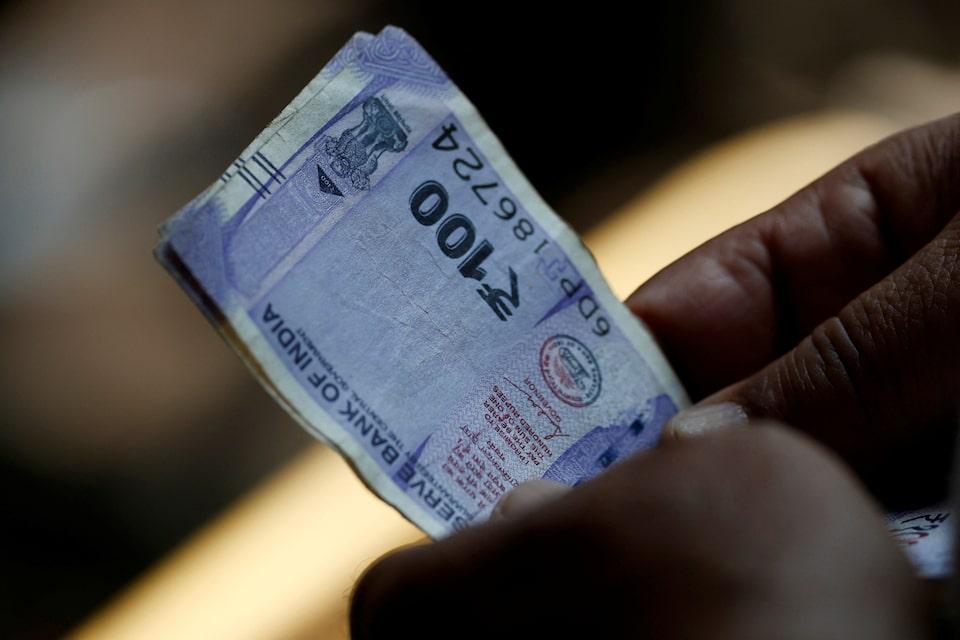
MUMBAI, Nov 21 (Reuters) - The Indian rupee hit a lifetime low on Friday, as a bout of portfolio outflows, uncertainty over a U.S.-India trade deal and a pullback in the central bank's defense of a key level sparked a slide in the local currency. The rupee fell to 89.49 against the U.S. dollar, sliding past its previous all-time low of 88.80 hit in late September and earlier this month. It was down 0.9% on the day, its biggest single-day decline since May. Sign up here. The South Asian currency has struggled for three months since steep U.S. tariffs on Indian exports took effect in late August, even as India's economic fundamentals remain resilient while equity markets are hovering near record highs. The tariffs though have impacted trade and portfolio flows, and pushed India’s merchandise trade deficit to a record high last month, with exports to the United States down 9% year-on-year. Foreign investors, meanwhile, have withdrawn $16.5 billion from Indian equities so far this year, making India one of the worst-hit countries in terms of foreign portfolio outflows. Traders said the Reserve Bank of India, which had actively defended the 88.80 level in recent sessions, appeared to have scaled back its defense and instead likely stepped in near 89.50 on Friday. "There were large custodial outflows and stop-losses got breached. With the central bank not intervening (near 88.80) the depreciation became all the more pronounced," a trader at a large foreign bank said. The rupee is among the weakest performers in major Asian currencies this year, down 4.5% year-to-date. "An early trade deal is important for a recovery in export order momentum, which remains below Jan-Jul levels as per PMI data," economists at Citi said in a note. Citi expects India to post a balance of payments (BoP) deficit of $5 billion for fiscal 2026. "If correct, this would be the first time since at least 1991 that India has seen two consecutive years of BoP deficit," the note added. Over recent weeks, the rupee also had to contend with a rise in hedging interest from importers and muted activity from exporters. On USD/INR, 89.50 is the new resistance for now, said Dhiraj Nim, an FX and rates strategist at ANZ, adding that "the RBI seems to be relenting to a market that has been short INR for quite some time." "A lot now depends on the trade deal. A favourable one can bring USD/INR down materially," Nim said. The local currency also hit an all-time low of 12.60 against the offshore Chinese yuan on Friday, down 8% on the year. https://www.reuters.com/world/india/rupee-weakens-record-low-us-india-trade-limbo-fed-rate-outlook-2025-11-21/