2025-11-21 06:36
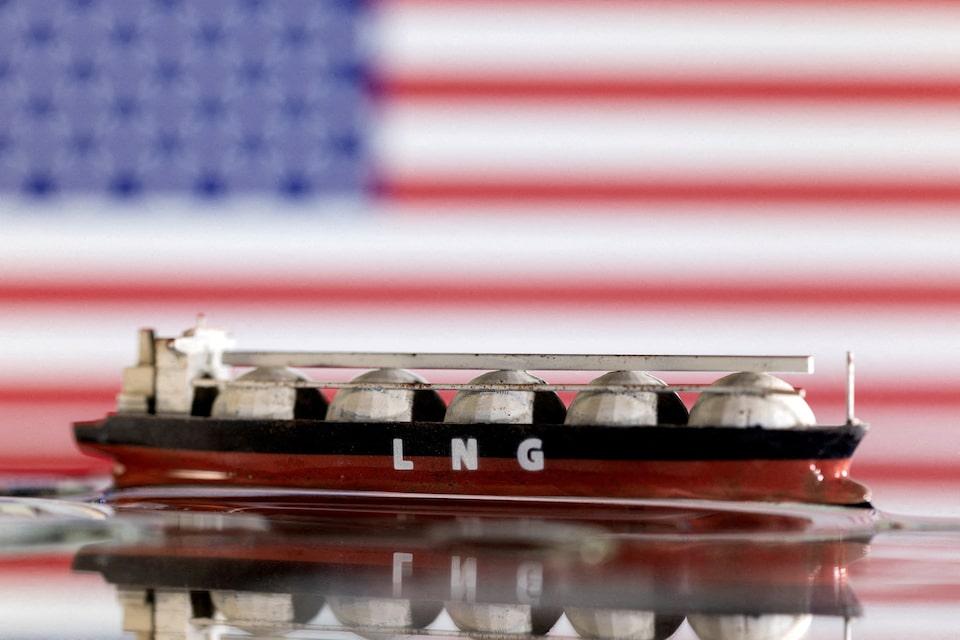
Russia-Ukraine peace deal could boost global crude supply Stronger dollar weighs on oil prices US sanctions on Lukoil and Rosneft to take effect on Friday NEW YORK, Nov 21 (Reuters) - Oil prices eased about 1% on Friday to settle at one-month lows as the U.S. pushed for a Russia-Ukraine peace deal that could boost global oil supplies, while uncertainty over U.S. interest rates curbed investors' risk appetite. Brent futures fell 82 cents, or 1.3%, to settle at $62.56 per barrel, while U.S. West Texas Intermediate (WTI) crude slid 94 cents, or 1.6%, to settle at $58.06. Sign up here. Both crude benchmarks were down about 3% for the week and at their lowest settlements since October 21. Market sentiment turned bearish as Washington pushed for a peace plan between Ukraine and Russia to end the three-year war, while sanctions on Russian oil producers Rosneft (ROSN.MM) , opens new tab and Lukoil (LKOH.MM) , opens new tab were set to take effect on Friday. Ukrainian President Volodymyr Zelenskiy warned on Friday that Ukraine risked losing its dignity and freedom — or Washington’s backing — over a Washington peace plan that , a proposal U.S. President Donald Trump said Kyiv should accept within a week. Russian President Vladimir Putin said on Friday that U.S. proposals for peace in Ukraine could be the basis of a resolution of the conflict but that if Kyiv turned down the plan then Russian forces would advance further. A peace deal could allow Russia to export more fuel. Russia was the second-biggest producer of crude oil in the world after the U.S. in 2024, according to U.S. federal energy data. "With the news of talks coming just as U.S. sanctions on Russia's two largest oil companies are due to take effect today, oil markets saw some relief on risks to Russian oil supply," said Jim Reid, a managing director at Deutsche Bank. However, a peace deal could be some way off. "An accord is far from certain," ANZ analysts said in a note to clients, adding that Kyiv has repeatedly dismissed Russia's demands as unacceptable. "The market is also becoming sceptical that the latest restrictions on Russian oil companies Rosneft and Lukoil will be effective," the analysts said. Lukoil has until December 13 to sell its huge international portfolio. A stronger U.S. dollar(.DXY) , opens new tab also weighed on oil prices. The greenback hit a six-month high versus a basket of other currencies, making dollar-priced oil more expensive for many global buyers. On U.S. interest rates, Dallas Fed President Lorie Logan called for leaving the policy rate on hold "for a time" while the central bank assesses how much of a brake the current level of borrowing costs is putting on the economy. Boston Fed President Susan Collins said policy was in the right place, suggesting she remains skeptical of the need to cut rates again at next month’s meeting. New York Fed President John Williams said the central bank can still cut interest rates "in the near term" without putting its inflation goal at risk. Lower interest rates could boost economic growth and oil demand. In other economic news, U.S. factory activity slowed to a four-month low in November as higher prices because of tariffs on imports restrained demand, leading to a piling up of unsold goods that could hinder growth in the overall economy. https://www.reuters.com/business/energy/oil-extends-decline-possible-russia-ukraine-peace-deal-2025-11-21/

2025-11-21 06:20
TOKYO, Nov 21 (Reuters) - Reflationist advisers of Japan's new prime minister Sanae Takaichi will speak on a panel hosted by Keidanren on December 17 on the new administration's strategy to strengthen the economy, the business lobby said on Friday. The event will be held a day before the Bank of Japan's two-day policy meeting on December 18 and 19, when the board may discuss raising still-low interest rates. Sign up here. The panelists include Etsuro Honda, a close economic adviser to Takaichi. Honda said in October the BOJ should be cautious about raising interest rates again. Former BOJ Deputy Governor Masazumi Wakatabe, who told Reuters it would be difficult for the central bank to hike rates this year, will also speak on the panel. Other speakers include private economist Toshihiro Nagahama, who, along with Wakatabe, called for big stimulus as members of a key government panel, as well as another reflationist-minded economist, Takuji Aida. The December 17 event will be held in Tokyo from 2 p.m. to 4 p.m. (0500-0700 GMT). Since taking office last month, Takaichi has vowed to reflate the economy with big spending backed by low interest rates. Her administration finalised a $135 billion stimulus package on Friday that will likely involve debt issuance. Market concern over Japan's expansionary fiscal policy and prospects of slow BOJ rate hikes have pushed the yen to 10-month lows against the dollar, triggering warnings from policymakers fretting about the inflationary impact of the weak currency. https://www.reuters.com/business/finance/japan-premiers-advisers-will-speak-business-event-before-boj-meeting-2025-11-21/
2025-11-21 06:13
GasCo to seek LNG term supply for delivery from 2028 onwards Expects gas supply gap to reach 3 mln T in 2028-2029, 6 mln T in 2035 GasCo to nearly double headcount next year SINGAPORE, Nov 21 (Reuters) - Singapore's new state gas buyer GasCo will seek offers in the first quarter for liquefied natural gas term supply for delivery from 2028 to meet an expected supply gap in the country, its chief executive said. The company was set up earlier this year to centralise Singapore's gas procurement and supply after LNG prices spiked with the Ukraine-Russia war. Sign up here. Existing contracts will cover Singapore's demand over the next two years, but the supply gap is set to grow to around 3 million metric tons in 2028-2029, and reach about 6 million tons in 2035, Alan Heng told Reuters during an interview on Thursday. "We anticipate that by 2028-2029 it would ramp up quite significantly," he said, with these estimates factoring in imports of piped gas and power from neighbouring countries. The city-state relies on gas to generate 95% of its electricity. Buyers will continue managing the existing contracts, with deals for piped gas mostly ending by 2028 and LNG from 2028 to 2032, Heng said. Price and supply reliability will be key considerations for GasCo in evaluating new offers, as well as contractual flexibility, said Heng. "It can be by way of turning down cargoes. It can also be by way of asking for more cargoes ... But having some ability to divert cargoes is also helpful for us." GasCo plans to nearly double its headcount by next year from 25 staff currently, Heng added. NEW DEALS Last month, Heng announced that GasCo was in talks with LNG suppliers for long-term contracts, and expected U.S. supply to be part of its portfolio. Besides U.S. LNG, which is typically priced off the Henry Hub benchmark, GasCo will also seek Brent-linked term supplies commonly used by Singapore's power firms, said Heng. Singapore would also like to renew piped gas import deals with its neighbours, though Heng acknowledged the volumes Singapore receives will eventually decline as Malaysia and Indonesia use their fields to meet growing domestic demand. "In the event that there is piped gas, it will complement LNG. But if it's not available, then LNG becomes a predominant supply," he said. Singapore is already seeing increasing volumes of imported LNG. A wave of new LNG supplies, which analysts expect to come online through the end of the decade, will favour buyers, Heng said. "There's going to be quite a bit of LNG coming our way so we actually think it's a good time to contract." https://www.reuters.com/business/energy/singapore-gasco-seek-lng-offers-q1-2026-supply-2028-2025-11-21/

2025-11-21 06:11
Uganda attracts record offshore investment into domestic debt Diverse investor base looks to frontiers for yield Hot money raises risk of quick outflows Ghana, Zambia and Dominican Republic attractive, banks say LONDON/JOHANNESBURG, Nov 21 (Reuters) - Uganda - a landlocked African nation that until recently struggled to get a World Bank loan - is the latest hot destination for investors chasing yields as this year's risk-on mood rolls forward, fuelling a push into domestic debt of riskier, smaller emerging economies known as frontier markets. More than $2 billion of Uganda's domestic government bonds are now held offshore, according to analysts - a record - while countries including Egypt, Nigeria and Kazakhstan also draw cash into local currency debt, as investors intensify their search for opportunities. Sign up here. "You squeeze the lemon and the last drop in there is usually local (currency debt) and frontier,” said Philip Meier of Gramercy. Fuelled by markets awash with cash and shaken confidence in once-safe debt in the developed world, exotic domestic debt markets have lured increasing numbers of investors. But with an uncertain path for the U.S. dollar - a major driver for emerging markets - it is unclear how long the party will last. "We are seeing at this point in time somewhat more of a diverse investor base that is entering into the space," said Yvette Babb, portfolio manager with William Blair, adding that included hedge funds - which are notoriously fickle when the winds change. DOMAIN OF THE SPECIALIST INVESTOR Investing in frontiers is typically the domain of specialists who examine each country to know when and how to make money. Frontiers often have capital controls that can make it tough to get money out. Local bond bets also face currency risks, as a strong U.S. dollar erodes profits, even if funds can extract their cash. "On an index level, you haven't made much money, if any, over the last 10-plus years," Gramercy's Meier said of local currency frontier markets. Local currency investing, he added, "is very difficult." A number of frontier market index funds closed in the years leading to 2025 as a result. BlackRock liquidated its iShares Frontier and Select EM exchange-traded fund earlier this year, citing persistent liquidity challenges. But a weakening dollar - and revived risk appetite - has turned the tide; on an index level, emerging market local currency debt is up nearly 17% over the past year. Uganda is not part of a key JPMorgan index for local currency debt, making it a more exotic bet. For two years, it was frozen out of World Bank funding due to an anti-LGBTQ law that carries the death penalty for some same-sex offences. The bank resumed funding in June; by the IMF/World Bank meetings in Washington last month, investors said, officials tallied total offshore holdings of debt and equities at nearly $3 billion. "This interest is symptomatic of sustained risk-on conditions until recently and stretched EM valuations, and the global search for yield," said Samir Gadio of Standard Chartered. S&P Global estimated that non-resident holdings in Uganda's domestic debt had risen to about $2.7 billion - equivalent to 12% of total government domestic debt. Uganda's central bank did not share current figures; at the end of 2024, it said that offshore investors held 3,069.8 billion Ugandan shillings ($845 million) worth of bonds. "While Uganda remains a relatively marginal destination for foreign portfolio investment, the momentum is clearly building," said Tomi Einesalo, a portfolio manager at LGT Capital Partners, citing its credible central bank, resilient foreign exchange market and prudent economic policymaking. The inflow is boosting government coffers. But so-called "hot" money from hedge funds and other non-specialist investors is also prone to leave more quickly, which Babb noted "does leave them somewhat more susceptible to ebbs and flows in risk appetite." A January ballot in which President Yoweri Museveni, who has ruled Uganda since 1986, is expected to stand for re-election could also spook some investors. Opponents and human rights activists have accused his government of abuses including abductions and illegal detentions, allegations Museveni has denied. AS GOOD AS IT GETS Banks JPMorgan and Bank of America say clients - even non-emerging market specialists - are looking to increase exposure to certain countries. The broader emerging market local currency index recently hit an all-time high. A recent Bank of America note described the environment "as good as it gets" for frontiers. "The global backdrop has been particularly favourable this year, defined by a weak U.S. dollar, an anchored bond market, supportive equity market and mixed commodities," Merveille Paja, BoFA's sovereign credit strategist wrote in a late October note. The broader funding sources helped frontier nations replenish reserves, which "translates into an improvement in the overall fundamentals," she wrote. JPMorgan cited the same factors as driving a frontiers buzz, recommending long positions in local currency debt in Nigeria, the Dominican Republic and Paraguay. Ghana and Zambia, which are still finalizing debt restructuring deals, and Uzbekistan, have also performed well. Vietnam, according to the late October JPMorgan note, was the only negative performance within frontier local markets. But risks are myriad - and potentially growing. "This balance could be upset in several ways," Paja wrote. Fading global growth, weaker commodity prices or a resurgent U.S. dollar could all knock frontiers off course - and the "hot" money could quickly leave. ($1 = 3,635.0000 Ugandan shillings) https://www.reuters.com/world/americas/risk-on-investors-turn-uganda-squeeze-last-drop-out-frontier-markets-2025-11-21/

2025-11-21 06:07
LONDON, Nov 21 (Reuters) - The global competition for critical minerals has reached the least glamorous part of the metallic supply chain. Aluminium scrap may not be most people's idea of "a strategic commodity" but that's exactly what it is, according to EU trade chief Maros Sefcovic. And too much of it, over a million metric tons a year, is leaking out of the bloc in the form of exports. Sign up here. The European Commission is preparing what Sefcovic described , opens new tab as "a balanced measure" to ensure more recyclable material stays in Europe. Industry association European Aluminium points the finger at the United States, arguing that the country's import tariffs , opens new tab have created a price differential that is pulling more European scrap to the U.S. market. U.S. industry group The Aluminum Association is equally concerned about scrap leakage but it blames China and is calling for "smart, targeted export controls." The global battle for scrap has begun. A STRATEGIC COMMODITY Scrap metal has strategic value to European policy-makers because it sits at the heart of the bloc's industrial policy, the nexus where circularity, decarbonisation and strategic autonomy align. Europe has set a target for recycling to meet 25% of the region's critical minerals demand by 2030. Aluminium is already there. The metal is infinitely recyclable and remelting it requires only five percent of the energy needed to make virgin metal, which means a much lower carbon footprint. Scrap's importance as a feedstock for European manufacturers has steadily increased over recent years as many of the region's aluminium smelters have succumbed to high energy prices. The region's annual primary aluminium production has fallen by a quarter since 2011. The worry is that European recycling capacity is now also at risk, with European Aluminium estimating around 15% of the bloc's recycling furnace capacity is idle for want of feed. Aluminium scrap is exempt from U.S. import tariffs on primary metal and semi-manufactured products, doubled to 50% by U.S. President Donald Trump in June. But the resulting arbitrage window is accelerating Europe's scrap leakage, the association warns. U.S. import figures through July show increased shipments from Germany and Spain in particular but from a very low base. The biggest suppliers of scrap to the U.S. remain Mexico and Canada, accounting for 53% and 32% of total imports respectively. However, there is no denying the broader trend. Consultancy Project Blue calculates that European exports of aluminium scrap to non-EU countries rose at a compound average growth rate of 8.9% between 2018 and 2024. A GRADED QUESTION Of course, it all depends on what sort of scrap we're talking about. Both Europe and the United States have long exported low-grade, end-of-life scrap due to declining domestic dismantling and recycling capacity. China and India, both hungry for raw materials, have been the biggest buyers, although China's crackdown on low-grade imports in 2020 created a transshipment loop through countries such as Malaysia and Thailand, where scrap is upgraded before onward dispatch to Chinese recyclers. The European Commission's promise that there won't be a blanket export ban is tacit acknowledgement that Europe currently can't process all the grades of aluminium scrap it generates. Types of scrap such as "Zorba" and "Twitch" sound exotic but denote less than glitzy bales of shredded, mixed-up material, most often from end-of-life vehicles. They are difficult and expensive to process, hence the growing trade with countries willing to recycle them. High-purity types of scrap such as used beverage cans are an altogether different matter, which is why the Aluminum Association is calling for an immediate ban , opens new tab on exports of such material outside of North America. Although the Europeans are worried about rising U.S. imports, the reality is that the United States runs a consistent trade deficit with the rest of the world in aluminium scrap to the tune of a million tons last year. India was the single largest destination for U.S. aluminium scrap shipments, followed by Thailand and Malaysia, the two largest suppliers to China. CHINA PIVOTS TO SCRAP China is the West's primary competitor in the global race for critical minerals and so it is also when it comes to aluminium scrap. China's imports of recyclable aluminium have been rising at a fast clip since the ill-considered ban on "foreign garbage" in 2020, quickly reversed under pressure from China's recycling industry. Chinese demand for aluminium scrap is set to grow even more in the coming years. The country's huge primary smelter sector is now operating close to Beijing's mandated capacity cap, meaning more demand must be met from recycling. There is an official target , opens new tab of lifting aluminium recycling capacity to 15 million tons per year in 2027, creating a huge potential draw on recyclable material from the rest of the world. The danger for both Europeans and Americans is that China is gearing up to dominate the secondary aluminium sector just as it has already done the primary. WHERE THERE'S MUCK, THERE'S BRASS (AND ALUMINIUM) The drift towards scrap protectionism is testament to how important the dirty world of metals recycling has become to Western supply chains. With China so dominant in the primary processing of critical metals, including aluminium, recycling is one of the West's easiest routes to reduce import dependency. It seems somewhat inevitable then that there will be some sort of export restrictions on some types of aluminium scrap on both sides of the Atlantic. But, as the Aluminum Association concedes, part of the West's solution is also to get the general public to recognise the importance of scrap. It's still a fact that the United States has one of the lowest aluminium beverage can recycling rates at just 43% in 2023, compared with a global rate of 75%. That's a lot of high-quality mill-ready metal that is being thrown away. Trade measures look inevitable but the answer to scrap availability also lies closer to home. Andy Home is a Reuters columnist. The opinions expressed are his own Enjoying this column? Check out Reuters Open Interest (ROI) for thought-provoking, data-driven commentary on markets and finance. Follow ROI on LinkedIn , opens new tab, opens new tab and X , opens new tab, opens new tab. https://www.reuters.com/markets/europe/aluminium-scrap-is-new-battle-front-critical-minerals-war-2025-11-21/
2025-11-21 06:03
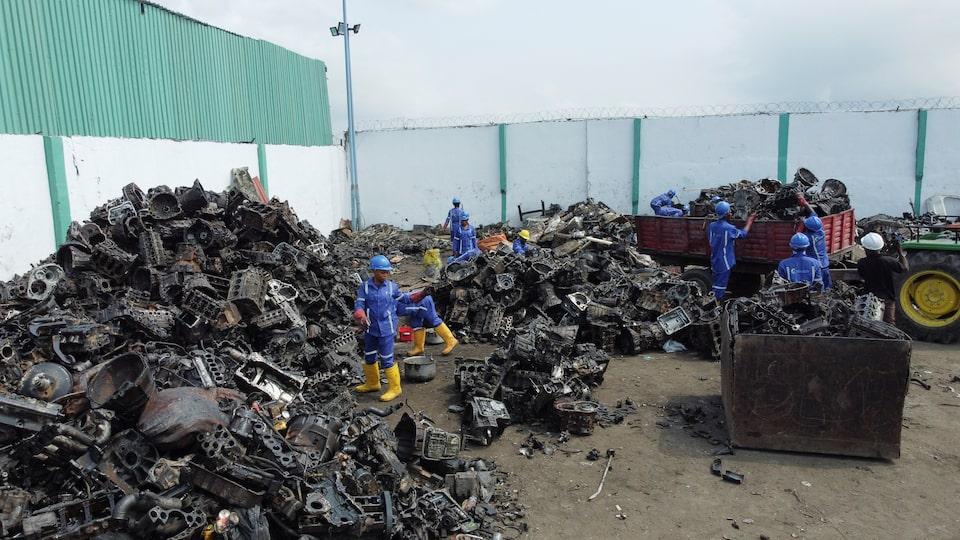
LITTLETON, Colorado, Nov 21 (Reuters) - A potent mix of American ingenuity and full-throated political backing has propelled the U.S. to the top of global LNG exporter rankings, and promoted a narrative that shipments of "freedom gas" will continue climbing to all markets for years to come. But while U.S. liquefied natural gas exports in 2025 are nearly a third more than those of the next largest exporter, the heavy skew of sales to Europe leaves American LNG vendors at risk of rapid volume downturns as European buyers curb gas use. Sign up here. Further, the U.S. share of exports into the largest region for LNG imports - Asia - is far smaller than rivals Qatar and Australia, which enjoy far more cost-effective shipping times to key markets such as Japan, China and India. If the U.S. is to cement its role as the preeminent global supplier of LNG - often branded as freedom gas when pitched to allies as an alternative to supplies from authoritarian countries - export flows will need to grow sharply in key markets outside of Europe in areas where the likes of Qatar, Australia, Malaysia and Russia are already well established. That heightened competition will severely test the U.S. ability to remain the top global LNG supplier, as it will lead to sharply higher transit costs for U.S. exporters and narrower profit margins as sellers compete for deals. EURO CENTRIC European nations have accounted for two-thirds of U.S. LNG exports this year, which is the highest concentration of U.S. export flows to a single continent since 2022, when Europe's demand for LNG spiked following Russia's invasion of Ukraine. And although Europe's total LNG import volumes have jumped by 25% in 2025 from last year, Kpler data shows, Europe's total LNG import needs have expanded by only 2% since 2022 as the power sector retooled generation sources away from fossil fuels. With Europe's utilities expected to continue fast-tracking renewables and battery storage deployment going forward, regional gas demand is likely to decline from the 2030s, resulting in a shrinking market for LNG exporters. In its latest outlook, the International Energy Agency (IEA) forecasts total European Union gas demand to decline by just over 10% by 2035 due to greater use of electric heat pumps, higher energy efficiencies and more renewables output. FAR-FLUNG HEADWINDS To offset shrinking volumes into Europe, U.S. LNG exporters will have to look farther afield, and may have to go head-to-head with other large LNG sellers to grow market share in Asia, which is the top overall LNG importing region. But to sustainably grow volumes into cost-sensitive markets such as China and India, U.S. exporters may need to undercut rivals while also incurring higher transit costs on each delivery. So far in 2025, the U.S. share of LNG exports to the top five global LNG importers - Japan, China, South Korea, India and Taiwan - is just 8%, as other exporters such as Qatar and Australia hold far higher Asian market shares. To grow that share, U.S. LNG will need to be cheaper than what's being offered by other suppliers. But lowering sale prices will be a challenge as the costs of delivering the LNG to Asian buyers stands to be over twice that of shipping LNG to mainland Europe. The journey time for an LNG vessel from Sabine Pass in the U.S. to Rotterdam in the Netherlands is roughly 15 days, according to LSEG. But the journey time from Sabine Pass to the Dahej port in India is over 30 days, and so marks a doubling in trip time as well as greater LNG boil off during the journey, which will eat into cargo revenues. Lower sales prices combined with higher transit costs will not just erode profitability, but may also strain exporter creditworthiness as the lengthier journeys will tie up cash flows for longer and may necessitate short-term credit lines. A pivot from mainly servicing cash-rich customers in Europe to soliciting demand from firms with weaker credit profiles in emerging markets will also raise the overall market risk for LNG exporters, and may lift the cost of credit lines accordingly. TRADE TENSIONS Aggressive moves by U.S. LNG exporters to grow market share in Asia could also strain trade ties with the likes of Qatar, which is heavily reliant on gas exports for national earnings and has plans to steeply boost its own LNG export volumes. Qatar has also pledged hefty investments in the U.S. over the coming decade - including in facilities that export LNG from the U.S. Gulf coast - and so could renege on those commitments if U.S. LNG export expansions are deemed too disruptive. Canada, Russia, Australia, Mozambique and Mexico have also announced plans to lift LNG export volumes in the coming years, and so will also be vying for share in the same markets that U.S. exporters will be targeting. Overall, more supplies from other exporters alongside higher delivery costs to new markets may slow U.S. LNG export growth going forward, and could force LNG exporters to settle for a smaller slice of the global LNG export pie over time. The opinions expressed here are those of the author, a columnist for Reuters. Enjoying this column? Check out Reuters Open Interest (ROI), your essential new source for global financial commentary. ROI delivers thought-provoking, data-driven analysis of everything from swap rates to soybeans. Markets are moving faster than ever. ROI can help you keep up. Follow ROI on LinkedIn , opens new tab and X , opens new tab. https://www.reuters.com/markets/commodities/us-lng-export-dominance-be-tested-sellers-look-beyond-europe-2025-11-21/