2026-02-05 17:21
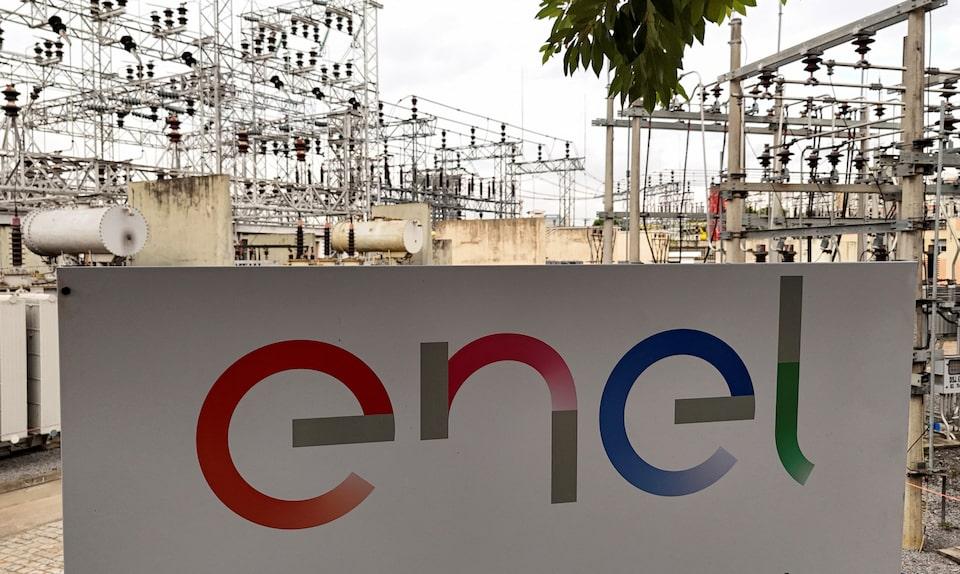
MILAN, Feb 5 (Reuters) - Italian utility Enel (ENEI.MI) , opens new tab reported on Thursday an ordinary core profit of 22.9 billion euros ($27 billion), in line with the group's guidance for 2025, adding that the full-year net income would come in at slightly above 6.9 billion euros. Ordinary earnings before interest, taxes, depreciation and amortisation (EBITDA) was slightly below an analyst consensus of 23 billion euros calculated by LSEG, as growth in international businesses was offset by a weaker performance in Italy. Sign up here. In 2024 ordinary EBITDA totalled 22.8 billion euros, or 22.4 billion euros after stripping off the contribution from assets that Enel sold during that year. The group, which will present its updated strategy on February 23 in Milan, reported a 2.5% increase in net debt to 57.2 billion euros, but said the ratio of debt to EBITDA remained steady at 2.5. Enel stock closed at a record high of 9.53 euros on Wednesday after rising nearly 24% since July 31, when the state-controlled group launched a share buy-back programme worth 1 billion euros. Investors expect the group to start a new tranche of share repurchases this year and are waiting to hear from the top management about investment plans for the future both in Italy, where the government is weighing an extension of the power distribution licence, and abroad. Under its CEO Flavio Cattaneo the state-controlled group has focused on regulated assets, such as grids, and completed a broad plan of assets disposals to streamline its activities and cut costs. Last year the group increased its renewable energy capacity by 4% to nearly 68 gigawatts, boosting in particular its battery storage assets, according to pro-forma numbers that exclude the assets sold in 2024. ($1 = 0.8476 euros) https://www.reuters.com/sustainability/climate-energy/italys-enel-reports-2025-core-profit-line-with-guidance-2026-02-05/
2026-02-05 16:35
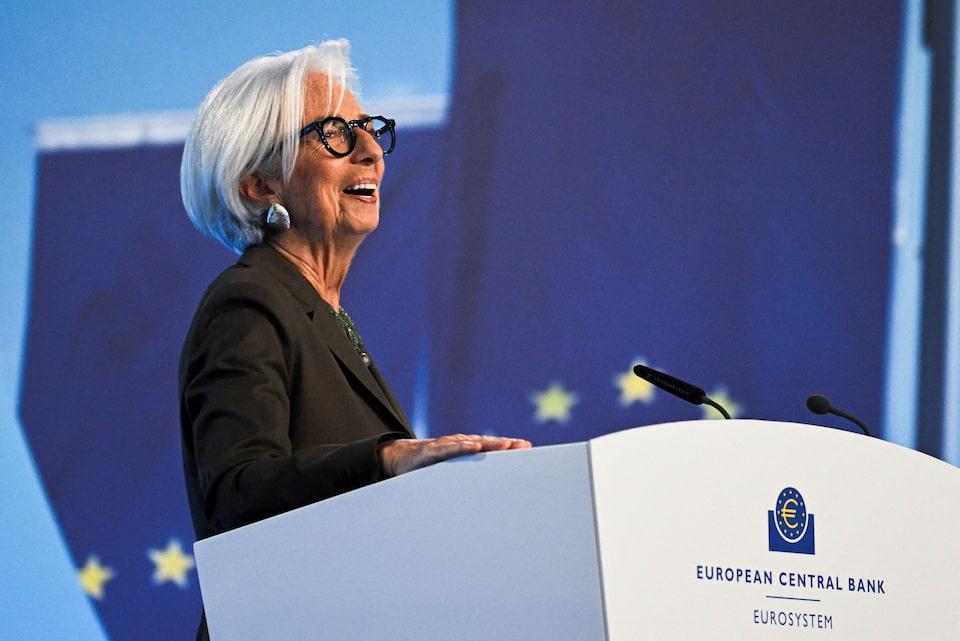
Liquidity lines seen as key tool to boost euro's global reach Details still being decided, likely to be unveiled next week Plan includes lower interest rates, easing of borrowing caps ECB wants to make repo lines more attractive to central banks FRANKFURT, Feb 5 (Reuters) - The European Central Bank is working on opening up access to euro liquidity to more countries, making it cheaper and easier to obtain as part of efforts to bolster the international role of the single currency, three sources told Reuters. ECB President Christine Lagarde has long seen these liquidity lines as a key tool to boost the euro's global reach, particularly at a time when investors are reassessing the dollar's status due to the unpredictable nature of U.S. President Donald Trump's economic policy. Sign up here. The move, the details of which are still being worked out and will likely be announced around the Munich Security Conference next week, will result in more generous terms for gaining access to the ECB's repurchase agreements, the sources said. These allow foreign central banks to borrow euros against collateral denominated in the single currency and are designed for times of crisis, when commercial banks outside the euro zone may struggle to get liquidity in euros. RATES LOWERED, CAPS EASED Under the changes, the interest rate on these operations would be lowered, rules would be standardised and stringent caps on how much each country's central bank could borrow from the ECB would be eased, the sources said. The ECB would, however, reserve the right to turn down a central bank on reputational grounds and the Governing Council of policymakers may have the final word on any transaction, they added. An ECB spokesperson declined to comment. Lagarde hinted at some of these changes during her press conference on Thursday, saying the ECB would make repo lines more attractive to other national central banks outside the euro area and beyond. This facility, known as Eurep, is currently only available to eight countries that neighbour the euro area, including European Union nations such as Romania and Hungary, and others including Albania and Montenegro. Access to such a facility often strengthens smaller nations' ability to withstand financial market stress. Repo lines are not often used and take-up has been modest in recent months, but there was a spike to 3.9 billion euros at the end of last year. ECB policymakers discussed the initiative at a meeting on Thursday. Some felt the ECB had been too political in the past when deciding which central banks should obtain a Eurep line, one source said. Serbia, for example, has been denied access to Eurep. China has similar ambitions, with President Xi Jinping reportedly saying his country should build a powerful currency that could be widely used in international trade, investment and foreign exchange markets, and attain reserve currency status. https://www.reuters.com/business/finance/ecb-open-up-liquidity-line-more-countries-push-bigger-euro-role-sources-2026-02-05/
2026-02-05 16:06
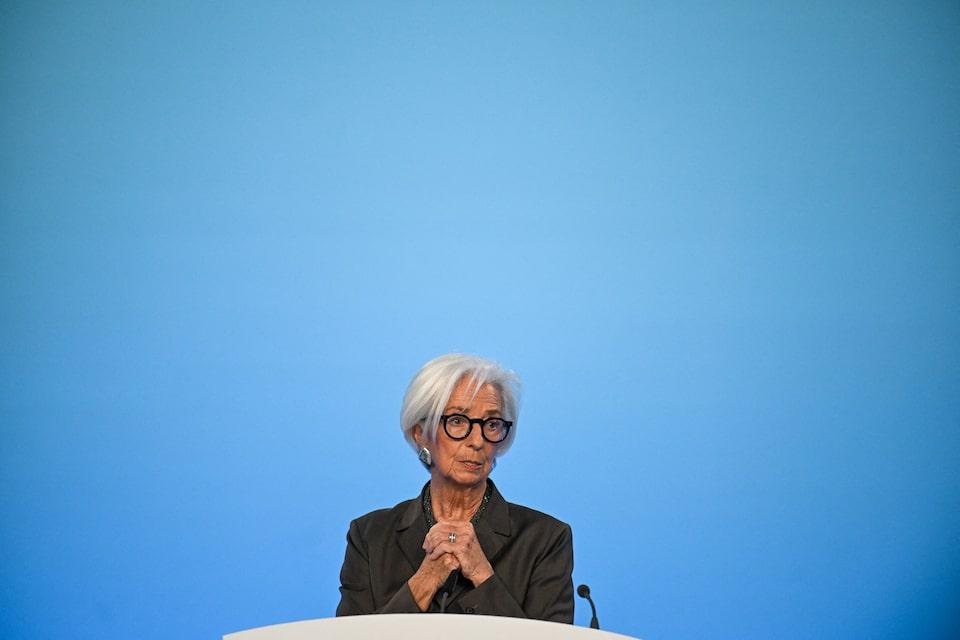
Euro, bond yields largely steady Lagarde says ECB has no FX target, watching euro Markets price in 20% chance of rate-cut by year-end LONDON, Feb 5 (Reuters) - Euro zone markets remained confident on Thursday in the view that the European Central Bank would likely hold interest rates steady for the rest of the year, with euro strength likely remaining in the spotlight. Speaking after the ECB left its key rate unchanged at 2%, central bank chief Christine Lagarde played down the impact of dollar moves on its future policy choices and stressed that its inflation outlook remained largely unchanged. Sign up here. While economic data has held up, the dollar's recent tumble, volatility in commodity markets, U.S. President Donald Trump's war of words over Greenland and his pressure on the Federal Reserve to cut rates, highlight how the situation could quickly change. "We believe policy rates will remain at the current levels at least through the first half of 2026," said Allianz Global Investors senior rate strategist Massimiliano Maxia. "The outlook could change, even quickly, if the economic backdrop shifts, or new geopolitical tensions arise," he said. "However, we are positive on the euro area economy this year, which has shown resilience despite tariffs and will benefit from the positive effects of increased German spending." Traders still priced in around a 20% chance of an ECB rate cut by September , unchanged from earlier on, and an about 10% chance of a rate hike by April 2027 . The euro was largely steady at around $1.18 . Rate-sensitive two-year government bond yields dipped briefly , although there was also downward pressure from a fall in British government bond yields following a dovish Bank of England policy meeting earlier on Thursday. The yield was last trading at 2.07%, little changed on the day, while Germany's 10-year bond yield , the euro zone benchmark, was steady at 2.86%. "We think the ECB is in a good place now with monetary policy and most people agree with that, not least the ECB," said Tommy von Brömsen, FX strategist at Handelsbanken, who expects the central bank to keep rates on hold through 2026. European stocks were also broadly unchanged after the ECB decision. The pan-continental STOXX 600 (.STOXX) , opens new tab was last down 0.5%. DON'T IGNORE THE EURO Lagarde said the central bank had no exchange rate target but keeps a close eye on the currency, stressing that dollar weakness against the euro should be seen in the context of the past year not just a few weeks. In the past year, the euro has gained around 13% against a broadly weak dollar, briefly breaking above $1.20 last week. Frederik Ducrozet, head of macroeconomic research at Pictet Wealth Management, said references to the euro in the ECB's policy statement and at the press conference were notable. "I noticed changes in the way they (ECB policymakers) mentioned the exchange rate, which suggests that the ECB is looking at the currency more closely than before," he said. "Also, in their statement the ECB added that the stronger euro is a risk to activity, this was not there in December." Ducrozet added, however, that the bar to a further rate cut was high. https://www.reuters.com/business/traders-bet-ecb-will-stick-with-steady-rates-keeping-one-eye-euro-2026-02-05/
2026-02-05 15:52
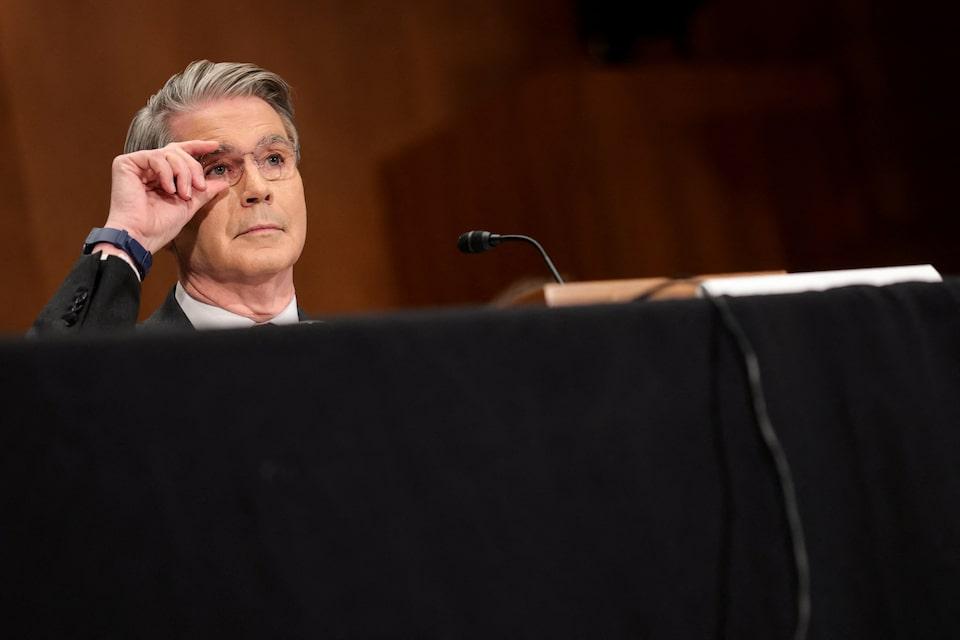
Bessent declines to assure Warsh won't face legal action Trump jokes about suing Warsh over interest rate decisions Warsh's confirmation may be delayed due to Fed investigation Feb 5 (Reuters) - U.S. Treasury Secretary Scott Bessent on Thursday declined to commit that the Trump administration would not sue Kevin Warsh, its nominee to lead the Federal Reserve, if he follows a monetary path opposed by the president. Senator Elizabeth Warren asked Bessent in a Senate hearing whether he would promise that "Warsh will not be sued, will not be investigated by the Department of Justice, if he doesn't cut interest rates exactly the way that Donald Trump wants." Sign up here. "That is up to the president," Bessent replied in a caustic exchange with the Massachusetts Democrat. Bessent was responding to a question about comments made by Trump over the weekend in which the Republican president seemingly joked that he would sue Warsh if he did not cut interest rates should he be confirmed to replace Fed Chair Jerome Powell later this year. Asked about the comment, Trump later told reporters it was a joke. While the president tried to brush the comment off as humor, it nevertheless came as he has been pressing a relentless pressure campaign on the Powell-led Fed to lower interest rates. That effort has culminated in an unprecedented criminal investigation into the Fed that Powell said last month was in fact a pretext for attacking the U.S. central bank for not taking direct orders from Trump to set monetary policy. The Fed by law is charged to make monetary policy decisions independently, out of a widely-held view that policy set free of political interference better achieves the central bank's mandate of low and stable inflation and maximum sustainable job growth. The Fed cut rates three times in 2025, lowering its benchmark policy rate by three-quarters of a percentage point to the 3.50%-3.75% range, as it sought to bolster a flagging job market amid hopes that inflation would continue to moderate. Inflation remains above the Fed's 2% target, driven in part by Trump's substantial tariffs on imports. WARSH CONFIRMATION FACES POSSIBLE BLOCK Trump last week named Warsh, a former Fed governor, as the successor to Powell, whose term as central bank chief ends in May. Trump has made it clear anyone he nominated for the post would need to act on his belief that interest rates must fall. Trump said in an NBC interview that there's "not much" doubt Warsh shares his views that borrowing costs need to be lower, and he believes the Fed chief nominee wants that policy stance for his own reasons. Warsh's dovish take on monetary policy has emerged as he campaigned for the top Fed job, and follows what had been his hawkish tenure as a Fed governor from 2006 to 2011, during the main phase of the global financial crisis. That shift has caused some observers to raise questions about Warsh's true position. The current investigation into the Fed over issues around cost overruns involving a renovation of its headquarters in Washington also could affect how quickly Warsh might be confirmed by the U.S. Senate this year. Senator Thom Tillis, a Republican member of the Senate Banking Committee, has said he'll block any confirmation hearings until that legal matter is resolved. Senate Democrats have made similar demands. "I actually like Warsh as a potential chair," Tillis noted during the hearing with Bessent on Thursday. https://www.reuters.com/world/china/bessent-says-up-trump-whether-warsh-might-be-sued-monetary-policy-choices-2026-02-05/
2026-02-05 15:21
ECB, BoE hold rates RBA delivers first rate hike in two years Markets anticipate more Fed easing LONDON, Feb 5 (Reuters) - Central banks in big economies are parting ways, with Australia this week raising interest rates for the first time in two years, while others are taking a more cautious approach even if they are likely done with easing. The European Central Bank and Bank of England held rates on Thursday, although the UK decision was seen by markets as dovish. The U.S. Federal Reserve remains in the easing camp. Sign up here. Here's where central banks in 10 developed markets stand: 1/ UNITED STATES The Fed left rates unchanged last month and suggested there could be a long wait before any further cuts. Still, traders are fully pricing in one more 25 basis point cut by July. Kevin Warsh, President Donald Trump’s nominee to replace Jerome Powell as Fed chair when his term ends in May, has called for rate cuts and a smaller balance sheet. That mix could steepen the U.S. Treasury yield curve but leaves the broader direction of rates uncertain. 2/ BRITAIN The BoE left rates unchanged on Thursday, but only after an unexpectedly narrow 5-4 vote, and argued more easing is a live option as wage growth loses steam. The surprise dovish tilt put policy-sensitive two-year gilt yields on track for their biggest daily fall since April 2024. Traders now price in almost 50 bps of rate cuts by year-end, up from 35 bps before the rate decision. 3/ NORWAY Norges Bank held its key rate at 4% last month and reiterated that cuts are likely later this year, though not imminent, with investors waiting on fresh economic forecasts in March. Further easing, however, sits uneasily with the latest data. Norway's core inflation rate rose unexpectedly to 3.1% year‑on‑year in December, underscoring resilient domestic demand. 4/ SWITZERLAND At 0%, the Swiss National Bank has the lowest rate among the world's major central banks, and it's likely to stay that way for now. The SNB’s long‑term inflation projections remain within its 0–2% target range, but the bank faces an uncomfortable backdrop: price pressures are still subdued, while the safe‑haven Swiss franc is near multi‑year highs against the euro and the dollar. It next meets on March 19. 5/ CANADA The Bank of Canada left rates at 2.25% in January, with policymakers warning that elevated geopolitical risks and uncertainty around U.S. trade policy could deliver fresh shocks to the economy that warrant further monetary easing. Economic growth slowed in November after nearly a year of tariff and trade uncertainty, which has weighed on business sentiment, curbed investment and left many firms expecting layoffs. 6/ EURO ZONE The ECB held its key rate at 2% on Thursday, as expected, with traders not expecting any changes this year. Still, a recent tumble in the dollar, volatility in commodity markets, the Trump administration's war of words over Greenland and its pressure on the Fed to cut rates, suggest that the situation could quickly change. 7/ SWEDEN Sweden's central bank kept rates at 1.75% on January 29 and signalled that policy was likely to remain unchanged "for some time to come". Sweden's economy is expected to pick up this year and inflation to cool, but geopolitical risks loom. 8/ NEW ZEALAND New Zealand is moving into the hawkish camp. With annual inflation quickening to 3.1% in the fourth quarter, the Reserve Bank of New Zealand has likely ended its easing cycle. Markets are pricing in almost two 25 bps rate hikes by year-end. It next meets on Feb 18. 9/ AUSTRALIA The Reserve Bank of Australia raised rates on Tuesday, just six months after its last cut in August. Recent data pointing to strong consumer spending, record-high house prices and abundant credit for households and businesses reinforced concerns that financial conditions were far from restrictive. Traders price in another hike by mid-year. 10/ JAPAN The Bank of Japan was the only major central bank to stick with tightening as its peers eased. It is no longer an outlier. BOJ policymakers warn that a weak yen is feeding stronger-than-expected price pressures, with some cautioning that they risk falling “behind the curve.” The BOJ lifted rates in December to their highest in 30 years and then held steady in January. Prime Minister Sanae Takaichi’s dovish monetary and fiscal leanings could complicate the BOJ’s path, especially if she wins a strong mandate in Sunday's snap election. https://www.reuters.com/world/americas/global-markets-central-banks-graphic-2026-02-05/
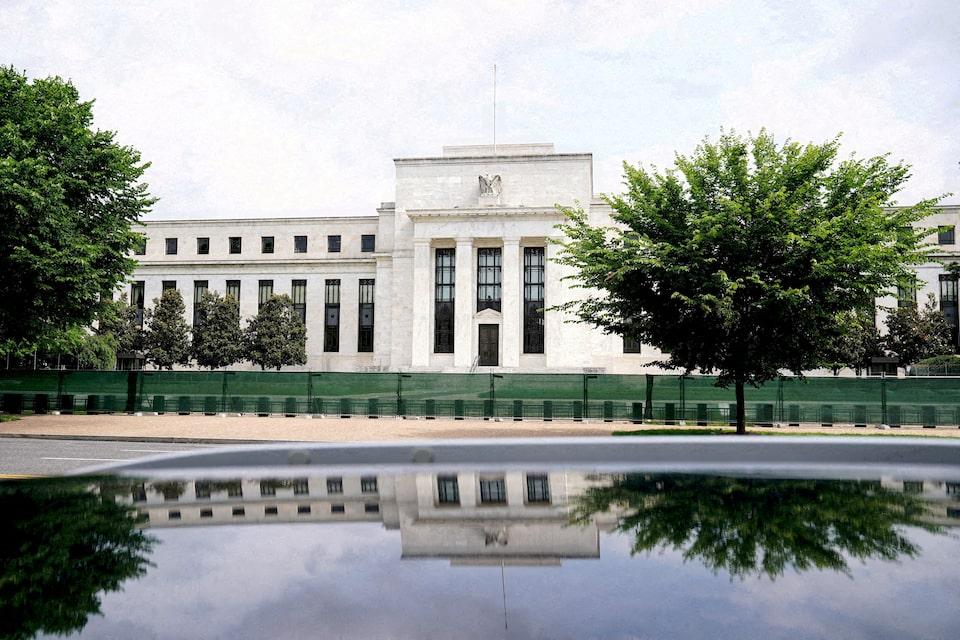
2026-02-05 14:38
Feb 5 (Reuters) - Gemini Space Station (GEMI.O) , opens new tab, the cryptocurrency exchange founded by Cameron and Tyler Winklevoss, said on Thursday it plans to cut up to 200 jobs globally and focus operations in the U.S. and Singapore, as part of a broader cost-cutting effort. The planned layoffs, which involve about a quarter of its workforce, will affect staff in Europe, the U.S. and Singapore, the company said. Sign up here. The year has opened with widespread layoffs across U.S. companies as they trim costs and sharpen operational focus. Gemini also approved a plan to wind down operations in the UK, the European Union, other European jurisdictions and Australia, leaving it to operate in the U.S. and Singapore. "We expect this will help reduce our total expenses in line with our headcount reduction and meaningfully accelerate our path to profitability even in the backdrop of the current crypto market," Winklevoss twins said in a blog. Shares of the New York-based company fell about 7% in afternoon trading. As of Wednesday's close, the stock was down about 73.8% from the $28 offer price in its September IPO. The company expects to substantially complete the layoffs and the wind-downs of operations by the first half of 2026, subject to local legal and consultation requirements. Gemini estimates it will incur about $11 million in pre-tax restructuring and related charges. Most of the charges are expected to be recorded in the first quarter. "We believe streamlining the business is the right decision here for the long-term," said Truist analyst Matthew Coad in a note. "Management now must shift its strategy from investing to regain lost market share to staying afloat during a crypto downturn," he said. The Winklevoss twins rose to prominence after suing Facebook and its CEO Mark Zuckerberg, alleging he stole their idea for the social network. They settled in 2008 for cash and Facebook stock. https://www.reuters.com/business/world-at-work/gemini-space-station-plans-cut-200-jobs-2026-02-05/