2025-11-16 09:22
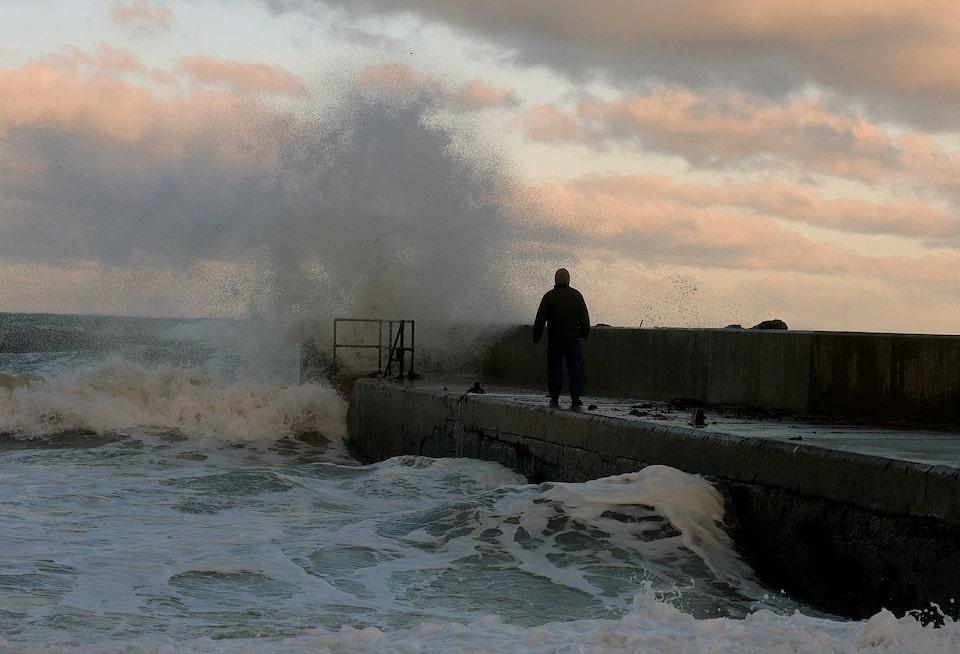
TOKYO, Nov 16 (Reuters) - A volcano on Japan's major western island of Kyushu erupted multiple times on Sunday, sending a plume of smoke and ash as high as 4.4 kilometres (2.73 miles) into the air and causing dozens of flight cancellations. The volcano, which is called Sakurajima and is located on the southern tip of Kyushu near the city of Kagoshima, erupted at about 1 a.m. (1600 GMT on Saturday), the Japanese Meteorological Agency (JMA) said. There were two more eruptions at about 2:30 a.m. and 8:50 a.m. Sign up here. It is the first eruption reaching 4 km or higher in almost 13 months, Kyodo news agency said. Local media also reported 30 flights in and out of Kagoshima Airport were cancelled because of ashfall and related reasons. The JMA said volcanic ash drifted northeast following the latest eruption and that it expected ash to fall in Kagoshima as well as nearby Miyazaki Prefecture on Sunday. Sakurajima is one of Japan's most active volcanoes and eruptions of varying levels take place on a regular basis. In 2019 it spewed ash as high as 5.5 km (3.4 miles). https://www.reuters.com/business/environment/japans-sakurajima-volcano-erupts-ashfall-cancels-flights-2025-11-16/

2025-11-16 08:00
Greece will supply US LNG from December to March 2026 Deal signed during Zelenskiy visit to Athens Zelenskiy says Ukraine needs gas imports after Russian strikes ATHENS/KYIV, Nov 16 (Reuters) - Ukraine has secured imports of U.S liquefied natural gas (LNG) from Greece to cover its winter needs from December through to March next year, Greek and Ukrainian officials said on Sunday during a visit to Athens by President Volodymyr Zelenskiy. Ukraine will import gas via a pipeline that runs across the Balkan peninsula to secure critical supplies after Russian attacks on energy infrastructure and gas production facilities. Sign up here. Greek gas company DEPA and Ukraine's state firm Naftogaz said in a joint statement that the deal was effective starting December. Zelenskiy, speaking alongside Greek Prime Minister Kyriakos Mitsotakis, said deliveries would begin in January. "We rebuild each time the Russians destroy, but this truly requires time, much effort, equipment and, regarding gas...imports to compensate for the destruction by the Russians of our own production," Zelenskiy told reporters. Ahead of his Greek visit, Zelenskiy said Kyiv had allocated funds for gas imports from European partners and banks under European Commission guarantees, as well as from Ukrainian banks, to help cover nearly the 2 billion euros ($2.3 billion) needed. Ukraine's government was also working with U.S. partners to ensure full financing, he added. The deal comes after Greece clinched its first long-term deal to supply U.S. LNG to Europe from 2030 after the EU approved a ban on Russian LNG from 2027 over Moscow's war in Ukraine, which is now in its fourth year. "Greece is becoming an energy security provider for your homeland", Mitsotakis told Zelenskiy, adding that the agreement will also help stop Russian natural gas from entering Europe. ($1 = 0.8606 euros) https://www.reuters.com/business/energy/ukraine-agrees-gas-imports-greece-zelenskiy-says-2025-11-16/

2025-11-16 06:01
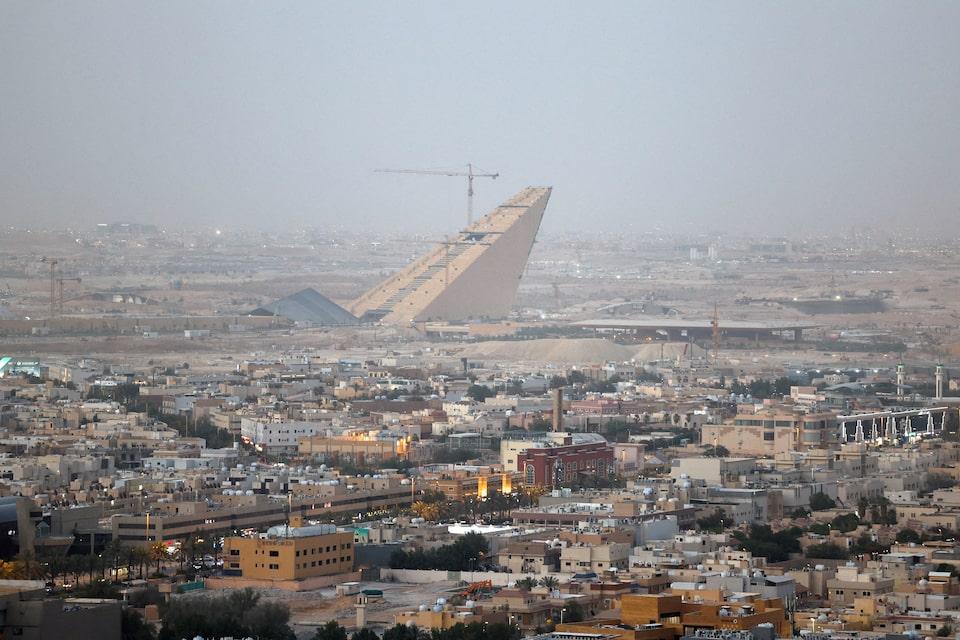
Saudi Arabia shifting focus to sectors such as AI, logistics Salary premiums for foreign recruits reduced amid cost-cutting drive, increased competition Saudi private sector salaries now comparable to UAE ABU DHABI, Nov 16 (Reuters) - Saudi firms are scaling back generous salary premiums that once lured top foreign talent into sectors such as construction and manufacturing as the kingdom reins in spending and reorders economic priorities, four recruiters told Reuters. Saudi Arabia, the world's top oil exporter, is more than halfway through its economic transformation blueprint, known as Vision 2030, aimed at reducing dependence on hydrocarbon income, creating jobs, and expanding industries such as tourism, real estate, mining and financial services. Sign up here. As part of the long-term plan, the kingdom has invested massively in multi-billion-dollar megaprojects, vastly increasing demand for high-skilled foreign workers, but has struggled with execution and delays. Foreign recruits should no longer expect to negotiate premiums of 40% or more, to sometimes even double their existing salaries, which were common earlier this decade, two of the sources said, with offers far more restrained now. "On the one hand you have the region's biggest economy rationalising and on the other side, you have a huge supply of candidates who are very open to coming to the region," said Magdy Al Zein, managing director at recruiter Boyden. "So what you get is employers rethinking packages. That definitely has happened." KINGDOM PIVOTING TOWARDS AI, LOGISTICS The change reflects a broader pivot by Saudi Arabia's $925 billion Public Investment Fund, which took a sizeable hit on its infrastructure and real estate-heavy megaprojects, towards sectors such as AI, logistics and mining, seen as offering better returns. Examples include NEOM, a $500 billion planned futuristic city in the desert, and the mountain tourism hub Trojena, host to the 2029 Asian Winter Games. The PIF and NEOM did not immediately respond to a request for comment. Saudi Arabia hired heavily for the megaprojects, targeting international talent with skills scarce in the local workforce. Project managers in the neighbouring United Arab Emirates, for example, could get offers of around $100,000 in Saudi Arabia for roles that paid $60,000 in the UAE, said Hasan Babat, CEO of Dubai-based Tuscan Middle East, a recruitment consultancy. NEOM and other PIF-backed ventures now face delays as the kingdom pursues a rationalisation drive. Saudi project activity remained sluggish in 2025, with awards nearly halving in the first nine months, according to Kamco Invest. Lower oil prices have weighed on public finances, widening the fiscal deficit, even as Saudi Arabia has curbed crude production to support the oil market. The kingdom needs oil prices at close to $100 to balance its budget, the IMF says. "The pace of development has slowed and this has led to a slowdown in recruitment. Now employers are negotiating salaries more than before, when there was a shortage, and companies have implemented cost-conscious measures," Babat said. Saudi companies may direct limited budgets towards "hot jobs" in sectors such as AI or digital, Tuscan’s October salary report said. The UAE, the Gulf's business and tourism hub, with a 90% expatriate population, has been a more attractive choice for many high-skilled workers, drawn not only by high, tax-free salaries but a more established network of international schools and healthcare provision. It has also implemented social reforms to permit a more liberal lifestyle. There is little difference now between average salaries in Saudi Arabia and the UAE, with only a 5 to 8% uptick on average, said Trefor Murphy, CEO of Dubai-based Cooper Fitch. "Convincing people to move from the UAE is a challenge, they expect a high premium," Boyden's Al Zein said. GROWING COMPETITION FOR JOBS IN SAUDI But Saudi Arabia - estimated to grow 4.4% this year - remains attractive for those outside the region, where the job market is tighter and growth is slower. The Saudi government has also accelerated labour market reforms and initiatives to boost the proportion of citizens in the private sector, increasing competition and the pool of applicants. Unemployment among Saudi citizens is at a historic low and the number of Saudis in the private sector grew 31% between 2016 and the second quarter of this year. "Packages are now far more measured, anchored to data, performance, and real market benchmarks. For some, that feels like contraction. For me, it signals maturity," said Louise Knutsson, CEO of Matches Talent in Dubai. To attract the best talent to Saudi Arabia, companies would need to offer predictable packages reflective of living costs, a balanced lifestyle for families and a clear purpose connected to the scale of what is being built, Knutsson added. ($1 = 3.6729 UAE dirham) https://www.reuters.com/world/middle-east/saudi-arabia-scales-back-salary-premiums-foreign-talent-recruiters-say-2025-11-16/
2025-11-16 02:47
LIMA, Nov 15 (Reuters) - Peruvian state oil company Petroperu said in a regulatory filing on Saturday it appointed four new board members, including a new chairman, after accepting the resignations of four prior members. KEY CONTEXT • Four board members resigned on November 15, effective immediately: Chairman Fidel Augusto Moreno Rodriguez, David Quispe Figueroa, Jose Luis Carlos Balta Chirinos and Cesar Rodriguez Villanueva. Sign up here. • The company named Luis Alberto Canales Galvez as its new chairman. • Three other directors were appointed: Elba Rosa Rojas Alvarez de Mares, Jesus Valentin Ramirez Gutierrez and Oscar Gerardo Zapata Alcazar. • The changes were made under Law 32103 and Emergency Decree 004-2024, which allows the immediate board recomposition at Petroperu and waive standard selection procedures. • Shareholders will decide at a future meeting if the new board members qualify as "independent directors." https://www.reuters.com/business/energy/peruvian-oil-firm-petroperu-reshuffles-board-appoints-new-chair-2025-11-16/

2025-11-16 00:00
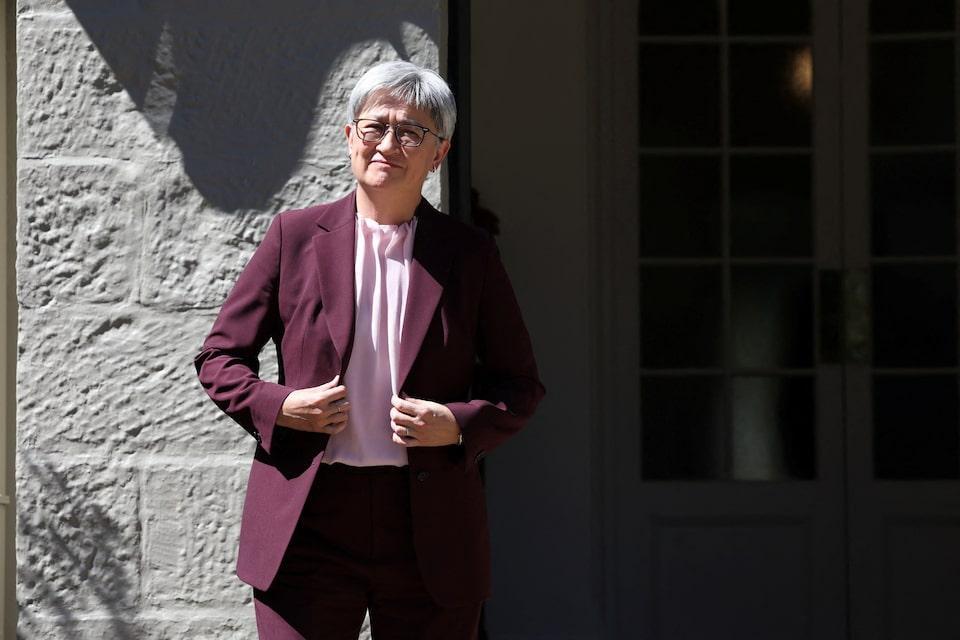
SYDNEY, Nov 16 (Reuters) - Australia on Sunday cautiously welcomed President Donald Trump's rollback of his tariffs on beef, while pressing the U.S. to eliminate all tariffs on Australian goods. Trump on Friday removed tariffs he had imposed on more than 200 food products, including beef, amid consumer concerns about rising U.S. grocery prices. Australia in 2024 became the biggest shipper of red meat to the U.S., offering lower prices and lean cuts that the U.S. lacks. Sign up here. "We welcome the lifting of these tariffs. That's a good thing for Australian beef producers," Foreign Minister Penny Wong told Australian Broadcasting Corp television. But Prime Minister Anthony Albanese said his Labor government would continue "to advocate for genuine reciprocal tariffs, which would be zero". Among the various tariffs Trump has imposed on goods shipped into the U.S., he calls some of them "reciprocal", based on the size of the U.S. goods-trade deficit with a given country. "We believe very firmly, and will continue to advocate for us to have zero tariffs," Albanese said in televised remarks from Melbourne. Wong would not say whether Albanese's centre-left government, which has previously lobbied for a reprieve, now expected Trump to wind back his 50% tariffs on Australian steel and aluminium imports. "We'll keep advocating our position," she said. Trump in April singled out a beef trade disparity with Australia, which exports more than A$4 billion ($2.61 billion) worth of beef to the U.S. annually. Months after Trump's comments, Australia said it would ease restrictions on beef imports from the U.S., in place since 2003 due to concerns about bovine spongiform encephalopathy, or mad cow disease. Australia has shipped between 150,000 tons and 400,000 tons of the product every year since 1990 to the U.S., where it is popular with fast-food chains. ($1 = 1.5300 Australian dollars) https://www.reuters.com/world/asia-pacific/australian-foreign-minister-says-us-removal-beef-tariffs-good-thing-2025-11-16/
2025-11-15 17:04
Portugal, Spain have faced days of extreme weather Tornado strikes southern Portugal on Saturday Flooding hits parts of Wales and England LISBON, Nov 15 (Reuters) - Violent weather brought on by Storm Claudia killed three people and injured dozens in Portugal, authorities there said on Saturday, while in Britain rescue workers were organising evacuations due to heavy flooding in Wales and England. Portugal and parts of neighbouring Spain have faced days of extreme conditions brought on by Storm Claudia, which had reached parts of Britain and Ireland by Saturday. Sign up here. Rescue workers found the bodies of an elderly couple inside their flooded home in Fernao Ferro, across the River Tagus from Lisbon, on Thursday. They had apparently been sleeping and were unable to flee as the water rose during the night. On Saturday, a tornado struck Albufeira in southern Portugal, emergency services said. Footage shot from a distance that was posted online showed the tornado damaging and destroying caravans at a camping area, where regional civil protection commander Vitor Vaz Pinto said an 85-year-old British woman was killed. Twenty-eight people were injured at a nearby hotel, he said, adding that two of them were in hospital with serious injuries. In a statement on Saturday, Portugal's President Marcelo Rebelo de Sousa expressed "his solidarity with the family of the victim who died" in Albufeira and wished a speedy recovery to those injured. Portuguese weather service IPMA placed the entire Algarve and districts of Beja and Setubal on amber alert, its second-highest alert level. STORM CLAUDIA CAUSES FLOODING IN WALES, ENGLAND In Britain, severe flooding hit the town of Monmouth and surrounding areas in southeastern Wales on Saturday. South Wales Fire and Rescue Service said it was conducting rescues, evacuations, and welfare checks. "Storm Claudia has caused significant flooding in parts of Wales overnight, which continues to affect homes, businesses, transport and energy infrastructure," a spokesperson for the Welsh government said. Aerial footage showed widespread flooding in Monmouth, with water inundating the town centre and residential areas after a nearby river burst its banks overnight. Natural Resources Wales has issued 11 flood warnings, four of which are severe, as well as 17 flood alerts. In England, according to the Environment Agency's latest update, there were 49 active flood warnings and 134 flood alerts. https://www.reuters.com/business/environment/storm-claudia-kills-three-portugal-causes-flooding-britain-2025-11-15/