2025-11-13 11:12
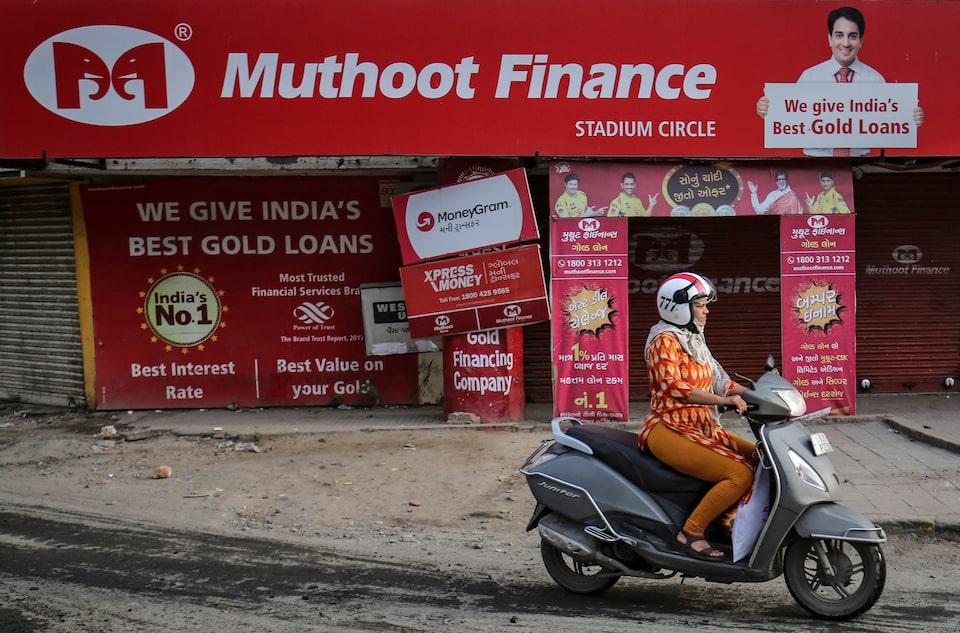
Nov 13 (Reuters) - Indian gold loan financier Muthoot Finance (MUTT.NS) , opens new tab on Thursday reported an 87.5% jump in second-quarter profit on strong loan demand amid soaring prices of the precious metal, and raised its gold loan growth outlook for the year. The firm's standalone profit for the July to September quarter rose to 23.45 billion rupees ($266.80 million) from 12.51 billion rupees a year earlier. Sign up here. Gold prices hit a series of record highs during the quarter, lifting the value of gold holdings and benefiting financiers in the sector. The rally boosted collateral values, allowing borrowers to secure bigger loans. Tighter credit conditions in the unsecured lending market also pushed more borrowers toward gold loans as an alternative source of funds, supporting growth in the segment. The company's standalone loan assets under management rose 47% year-on-year to 1.32 trillion rupees at the end of September. The firm raised its fiscal 2026 gold loan growth guidance to 30%-35% from 15%, Managing Director George Alexander Muthoot said. "Favorable regulatory changes by the RBI (Reserve Bank of India) for gold loan sector, higher gold prices and tighter norms for unsecured credit are expected to boost gold loan demand," he said. Its interest income rose 55% to 63.04 billion rupees. Asset quality improved, with gross stage three loans - or loans overdue for more than 90 days - as percentage of total loans dropping to 2.25% at the end of September from 2.58% three months earlier. The company's shares ended 2% higher on the day. They have risen 59% so far in 2025. ($1 = 87.8950 Indian rupees) https://www.reuters.com/world/india/indias-muthoot-finance-quarterly-profit-jumps-strong-loan-demand-2025-11-13/
2025-11-13 11:12
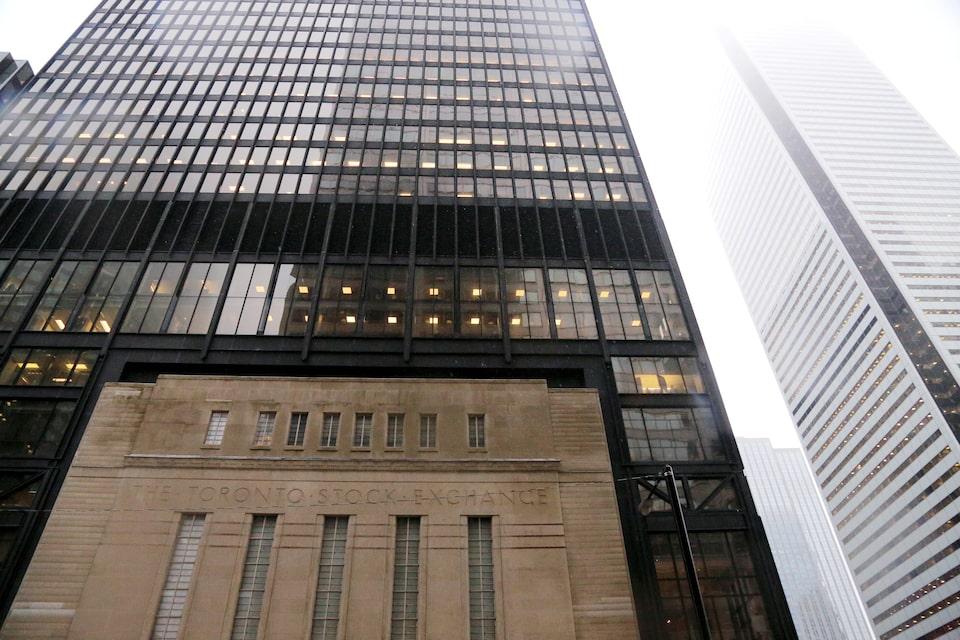
TORONTO, Nov 13 (Reuters) - Canada's main stock index posted its biggest decline in seven months on Thursday, with technology shares leading broad-based declines as the market pulled back from a record high. The S&P/TSX composite index (.GSPTSE) , opens new tab ended down 573.94 points, or 1.9%, at 30,253.64, after posting a record high closing level on Wednesday. Sign up here. "I think the fact that stocks are retreating from record highs has to do with renewed concerns about elevated valuations and Fed policy," said Angelo Kourkafas, a senior global investment strategist at Edward Jones. Wall Street also ended sharply lower, with steep losses in Nvidia and other AI heavyweights, as investors scaled back expectations of Federal Reserve interest rate cuts due to inflation worries and divisions among central bankers about the U.S. economy's health. The Toronto market's technology sector (.SPTTTK) , opens new tab fell 5.6%, with shares of electronic equipment firm Celestica Inc (CLS.TO) , opens new tab down 12.3%. Shares of Northland Power Inc (NPI.TO) , opens new tab posted an even steeper decline, losing 27.2%, after the renewable electricity firm missed quarterly earnings estimates. The utilities sector (.GSPTTUT) , opens new tab was down 1.5%. Materials (.GSPTTMT) , opens new tab, which includes metal mining shares, ended 2.1% lower as the price of gold fell. "It's a sector that has been momentum driven and a lot of that is unwinding today," Kourkafas said. Heavily weighted financials (.SPTTFS) , opens new tab dropped 1.6%, with shares of Brookfield Corp (BN.TO) , opens new tab falling 6.5% after the global investment firm reported quarterly results. Manulife Financial (MFC.TO) , opens new tab beat analysts' quarterly profit estimates, boosted by strong business in Asia and Canada. Its shares rose 0.1% to notch another record closing high. Linamar Corp (LNR.TO) , opens new tab was another bright spot, with its shares adding 5.3% after the auto parts maker beat third-quarter sales estimates. https://www.reuters.com/business/tsx-futures-steady-after-record-close-gold-climbs-2025-11-13/
2025-11-13 08:33
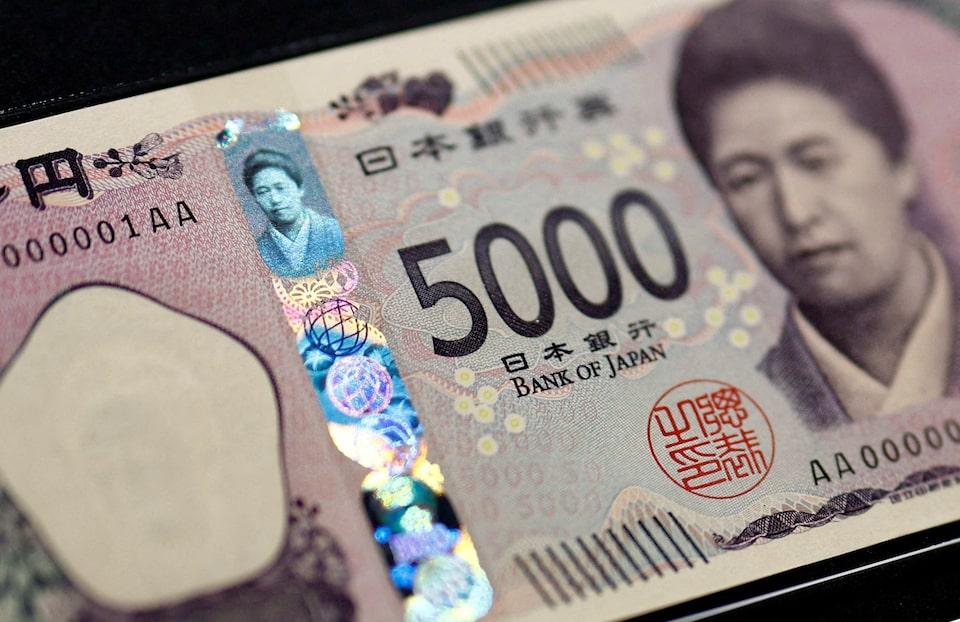
Yen at nine-month lows, defying expectations of a rebound Cautious BOJ, expectations of greater fiscal largesse in Japan heap pressure on currency Traders increasingly lay bets on further yen weakness in near-term SINGAPORE, Nov 13 (Reuters) - Investors laid a record wager on Japan's yen rising to take advantage of a long-overdue economic revival that coincided with expectations for a U.S. slowdown. Instead, what's unfolded is a cautionary tale of the Trump era. Sign up here. The yen is struggling at nine-month lows and speculators are back-pedalling from their biggest bet on the currency in records stretching back almost four decades. They have been wrong-footed by a U.S. economy surprisingly resilient to trade shocks, where policymakers have cooled on further interest rate cuts, and by a new government in Japan that has shown preference for the central bank to keep a lid on rate rises. The unravelling of such a popular bet underscores just how thoroughly markets have defied expectations over the first eleven months of U.S. President Donald Trump's second term in office. It also shows how stubbornly weak Japan's currency is proving and, for investors, it has been an expensive misstep, since holding yen – which yields hardly anything – means foregoing income available in other investments. "There was a lot of expected interest rate convergence between the U.S. and Japan, and that's probably not playing out as smoothly or as expected," said Bart Wakabayashi, branch manager at State Street in Tokyo where investors have dialled bullish yen bets all the way back to neutral over the past seven months. The yen drew hints at official intervention from Japan when it hit a nine-month low of 155.05 to the dollar this week and many in the market think sideways or lower will be the next move for a currency that has been on the back foot for nearly five years. "We are on the sidelines now...but more inclined towards a weaker yen camp," said Vaibhav Loomba, head of FX and rates at financial services firm Klay Group in Singapore. "This is a market for lack of conviction trades." THE TAKAICHI-TRUMP FACTOR Much of the yen's weakness can be linked to the Bank of Japan's caution in raising rates, which has in part been a response to the uncertainty unleashed by U.S. tariffs. More recently, Sanae Takaichi, who assumed office as prime minister in late October, has thrown some political pressure into the mix as she prefers to keep interest rates low while her administration ramps up spending to boost growth. "While her room for manoeuvre is very limited, the direction of travel is definitely less yen positive," said James Athey, a fixed income portfolio manager at Marlborough in London. "Meanwhile the BOJ continues to shoegaze, paralysed by fear and historical precedent." Japan has wrestled with deflation for decades and made its first interest rate hike in 17 years in 2024, but has moved the policy rate only to 0.5% lest the economic revival be snuffed out. Markets are now simultaneously dialling back bets on both U.S. interest rate cuts and Japanese interest rate hikes in the future, leaving a gap of more than 300 basis points between policy rates and the Japanese currency vulnerable to further losses. "We are actually thinking that dollar/yen can further go higher," said Chandresh Jain, emerging market Asia rates and FX strategist at BNP Paribas, who is using options to bet the yen can weaken past 155 per dollar in the next few weeks. CARRY ON The U.S. government shutdown had halted the collection of public positioning data since September so it's not clear if the market has flipped to a net short yen position, but that's the direction of travel. The most recently available figures, from late September, showed longs had more than halved since hitting a record in April. Options pricing also suggests that Jain's position is becoming more popular. The three-month dollar/yen implied volatility , a measure of the cost of options contracts, has fallen to its lowest in over a year, reflecting low demand for protection against yen strength. "Speculative yen short positioning does not appear large at this stage, and we see room for short positions to build from here," said Hirofumi Suzuki, chief FX strategist at SMBC. To be sure, Japanese rates do seem to be heading higher and U.S. rates lower, a fundamental shift that has a few brave investors keeping faith in the yen. But with broader financial markets in an expansive mood and volatility low, it's "really time for many investors to focus on carry," according to Yujiro Goto, head of FX strategy for Japan at Nomura, a strategy of profiting from interest rate gaps. That means selling yen. "Our year-end forecast (for dollar/yen) remains at 155 but the risk of an overshoot to 160 in 4Q25 has risen," said Shusuke Yamada, Bank of America's FX and rates strategist. https://www.reuters.com/world/asia-pacific/how-yen-tripped-up-investorsagain-2025-11-13/
2025-11-13 07:31
Australia's bid to host COP31 seen boosting green energy leadership Climate change top priority for Australia's Pacific neighbours Turkey wants focus on financing poorer countries' climate efforts Germany to host if Australia-Turkey impasse persists CANBERRA/BELEM, Brazil, Nov 13 (Reuters) - Australia risks undermining efforts to establish itself as a leader in the green energy transition and letting down its vulnerable Pacific island neighbours if its bid to host next year's biggest climate summit fails, diplomats and analysts say. Australia was long considered the front-runner to hold the COP31 conference, aiming to bolster its ambitions to become "a renewable energy superpower" and highlight issues faced by Pacific island nations which it plans to co-host the conference with. Sign up here. However, Turkey doubled down on a rival bid, saying it wants a summit that more directly tackles financing for developing countries’ climate efforts while showcasing its own progress toward a 2053 net-zero emissions target. That has led to an attention-sapping impasse that must be overcome at this year's COP30 meeting currently underway in Belem, Brazil. The annual COP – or Conference of the Parties - is the world's main forum for driving climate action. The host matters because they set the agenda and lead the diplomacy needed to reach global agreements, while drumming up investment for new green initiatives. Australia is pivoting away from coal and gas power to renewables and is seeking investment in critical minerals, green steel and transition technologies such as batteries. "Hosting COP is absolutely crucial for Australia’s economic future," said Wesley Morgan, a climate academic at the University of New South Wales. "We are a major commodities and fossil fuel exporter. If we stick our heads in the sand and pretend there is no transition, we will lose out. Without COP we would lose out on investment, jobs and economic growth." COPs have grown over the years from diplomatic gatherings into vast trade shows where host countries can promote economic prospects. "There is a clear and compelling case for investment attractiveness for hosting COP in Australia," said Emma Herd, a partner at EY's Net Zero Centre. "We have the opportunities and need the capital. COP provides the platform to showcase those opportunities." PLIGHT OF PACIFIC NATIONS For Australia, there is also the diplomatic goal of improving relations with island nations that are strategically located in the Pacific and are also being courted by China. "This is a remarkable geopolitical opportunity for our country," Chris Bowen, Australia's climate change and energy minister told reporters last week. "The climate is the number one, two, three, four and five issue for Pacific Islands." Advocacy by Pacific nations was central to the world agreeing in 2015 at COP21 in Paris to limit global warming to 1.5 degrees Celsius, and many supporters of Australia's bid think a Pacific COP would drive more ambitious action. "The big opportunity of the COP is this is the most profound opportunity we’ve ever had to demonstrate that we are the partner of choice for the Pacific," said a former climate diplomat in Australia, who declined to be identified. Former New Zealand Prime Minister Jacinda Ardern, a special envoy for Oceania at COP30, said Pacific leaders are still working hard to host the conference. "The slogan from the Pacific is '1.5 to stay alive'. It's literally that proximate for the Pacific," she told Reuters in Belem. "The Pacific were critical in achieving the aspiration and the target and the goal of 1.5 but now they're critical to its maintenance." GERMANY WOULD HOST IF NO AGREEMENT Protracted struggles over hosting are uncommon, with a venue usually settled 18-24 months in advance. Indeed, Ethiopia was confirmed this week as venue for COP32 in 2027. UN rules require unanimity among the 28-strong group of countries whose turn it is to host COP31. If neither Australia nor Turkey compromises, hosting duties would default to Bonn in Germany, which houses the UN's climate headquarters. "We would have to (host)," the state secretary in Germany's environment ministry, Jochen Flasbarth, told reporters in Belem. "But we do not want to." In Belem, the pavilions of Australia and Turkey are in prime position and side-by-side. But the two nations have struggled to connect. Australia assumed Turkey wasn't a serious bidder for COP31 given strong support for Australia's bid and could be coaxed into withdrawing, said David Dutton, who until September was Australia's assistant secretary of climate diplomacy. Some observers thought Turkey would drop its bid if Prime Minister Anthony Albanese's government won re-election against a climate change-sceptic opposition earlier this year, but Turkey instead upped its efforts. Turkey dropped a previous bid to host COP26 and has said it doesn't want to withdraw again. The country's expectation about hosting was entrenched after it signed onto the Paris climate accord and thinks its odds have improved, a Turkish diplomatic source said in Belem. Albanese wrote to Turkish President Tayyip Erdogan in recent weeks seeking to break the impasse, and said on Thursday that Erdogan had written back and was "maintaining his position". Turkish officials did not respond to repeated requests for comment on the negotiations. Turkey has said it would prioritise financing of poorer countries' efforts to meet climate goals and says its Mediterranean location would reduce emissions from flights bringing delegates to the conference. One potential compromise is for Australia and Turkey to split hosting duties, with Turkey reportedly keen to host the global leaders’ summit, according to Dutton, now director of research at the Lowy Institute, an Australian think tank. The uncertainty has prevented Australian officials from switching attention to organising next year’s conference, he said. "All the effort has been around the bid and not so much about what you're actually going to do to sustain climate momentum." https://www.reuters.com/sustainability/cop/australias-green-energy-push-pacific-ties-face-setback-cop31-impasse-2025-11-13/
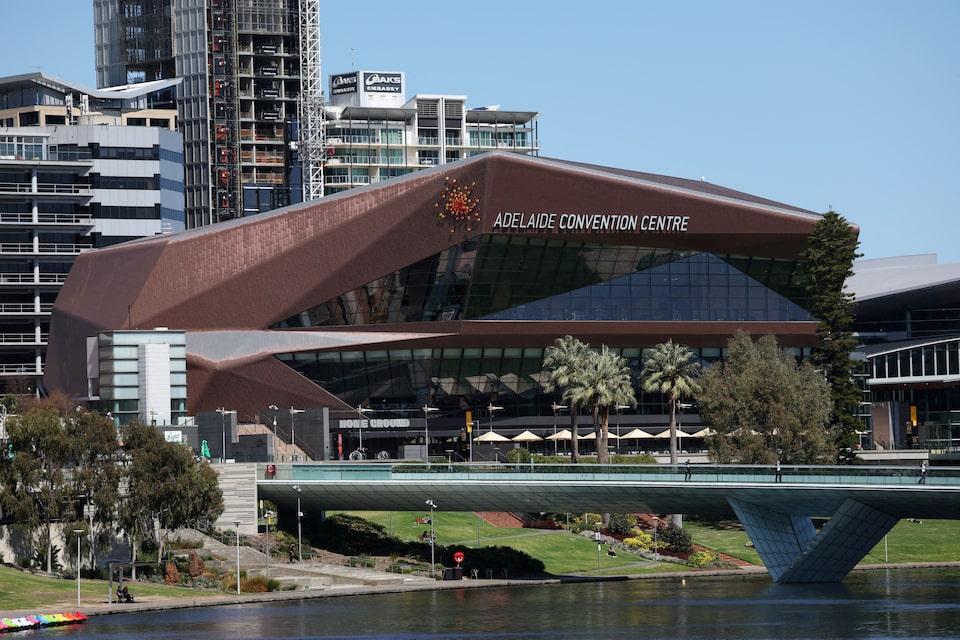
2025-11-13 07:18
OSLO, Nov 13 (Reuters) - Norwegian oil and gas companies have increased their projected investments for 2026 compared to estimates made three months ago, a quarterly statistics office survey of industry players showed on Thursday. Norway produces about 2% of global oil and became Europe's largest supplier of natural gas after Russia's invasion of Ukraine in February 2022. Sign up here. The country's biggest business sector expects to invest a record 275 billion Norwegian crowns ($27.38 billion) in 2025, in line with estimates from August and up 7.3% from last year. Still, investments remain on course for a decline in 2026 from a peak this year, Statistics Norway said. Preliminary estimates for oil and gas investments next year 2026 were seen at 248.6 billion crowns, compared to a previous estimate of 229.4 billion crowns in August. Record high investments this year are driven by projects that had been approved by oil companies in 2022, supported by temporary tax incentives. With ongoing projects reaching their investment peak, and few new having been approved since 2022, the overall oil investments are set to decline. https://www.reuters.com/business/energy/norway-oil-companies-raise-2026-investment-outlook-survey-shows-2025-11-13/

2025-11-13 07:05
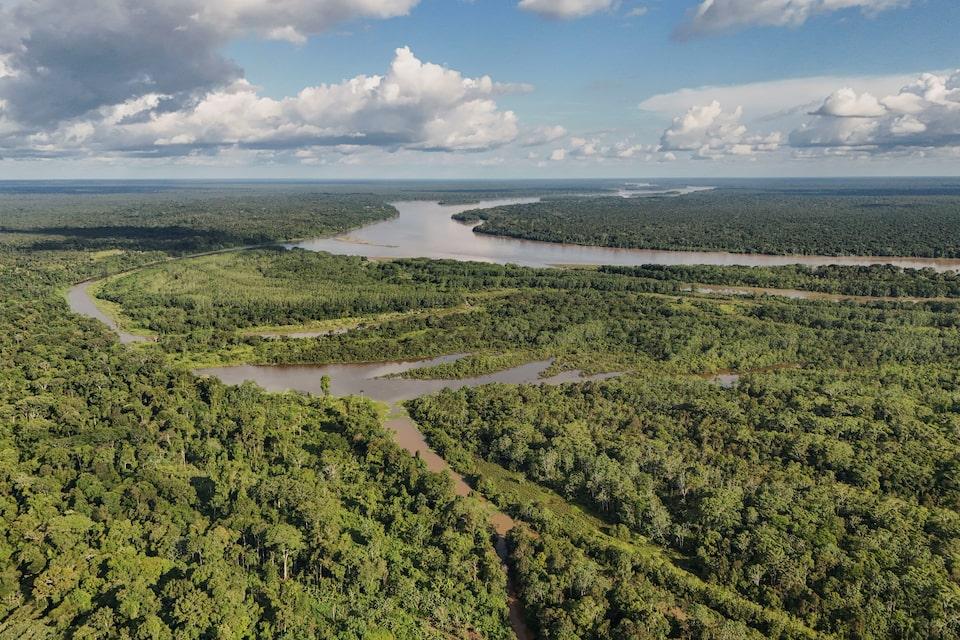
Indigenous groups oppose oil extraction due to pollution concerns Petroperu plans to revive Amazon oil output amid financial struggles ONP pipeline faces resistance due to history of leaks SANTA ROSA, Peru, Nov 13 (Reuters) - Near a remote bend of the Patoyacu River in Peru's northern Amazon, Wilmer Macusi stood atop a rusty pipeline cutting through the jungle, swirling a branch in the pool of stagnant water surrounding it. “They say this is clean,” said Macusi, a 25-year-old Indigenous Urarina leader, pointing to the spot where an oil spill occurred in early 2023. “But if you move the water, oil still comes out.” Sign up here. Black droplets bubbled to the surface as plastic barriers meant to contain the spill drooped into the water. The pipeline links a nearby oilfield, Block 8, to the larger government-owned North Peruvian Pipeline (ONP). Macusi's community of Santa Rosa lies a short walk away. Peru’s northern Amazon holds hundreds of millions of barrels of crude, according to government data. But Indigenous groups say oil extraction over the past half-century brought pollution, not progress, and are opposed to a fresh wave of development. The region once pumped more than half of Peru's oil, peaking at about 200,000 barrels a day in the 1980s before environmental liabilities and community opposition drove production below 40,000 bpd. Key blocks went dormant in 2020. Now, the region's modest reserves are again central to state oil firm Petroperu's plans. The company has spent $6.5 billion upgrading its Talara refinery into a 95,000-bpd complex aimed at producing high-grade fuels for export. Heavily indebted with a CCC+ junk credit rating from ratings agency Fitch, Petroperu wants to revive Amazon oil output to supply Talara. The state firm estimated last month that proven and probable reserves in the region were worth $20.9 billion, which Petroperu said could deliver $3.1 billion in tax revenues for local governments and communities. While the amount of oil at stake is relatively small, the plans have fueled tensions over past spills, stoking Indigenous opposition at a time Brazil, Ecuador and Guyana are trying to expand their Amazon oil frontiers. Frustration about climate action and forest protection boiled over at the COP30 climate summit this week, when dozens of Indigenous protesters forced their way into the venue and clashed with security guards. Petroperu is also planning to import oil to the refinery by linking the 1,100-km ONP to neighboring Ecuador, which aims to boost production in its own Amazon region as part of a $47 billion oil expansion plan. Hailed as an engineering marvel when it was built in the 1970s, the ONP has since become a lightning rod for leaks, protests and sabotage. Indigenous groups in both countries are resisting the pipeline link-up. The government is weighing options for how best to run the pipeline, including through a joint venture or outsourcing its management. OBSTACLES TO REVIVAL Petroperu failed to attract an international partner to run its largest oilfield, Block 192, which produced more than 100,000 bpd at its peak but has recently been the focus of Indigenous protests demanding remediation for damage to the forest, soil and waterways. Petroperu's former chairman Alejandro Narvaez, who was fired last month, estimated Block 192 could produce at least 20,000 bpd with investment and overall Amazon production could hit 100,000 bpd. The state oil firm selected domestic firm Upland Oil & Gas to operate the block, but Peru's state oil regulator disqualified Upland last month on the grounds it did not demonstrate financial capacity. Upland disputes the decision and has asked for a review. Petroperu also partnered with Upland to revive production at the smaller Block 8, which produced 5,000 bpd last month. Upland's CEO Jorge Rivera, son of one of Peru's early oil prospectors, told Reuters that Upland has offered Indigenous communities training, jobs and funding. "We've dedicated ourselves to understanding the complexities behind operating these fields,” he said. Rivera visited Santa Rosa in March, gifting a Starlink terminal and requesting a report on the community's needs. The community's main demand was the cleanup of the nearby spill, but questions remain over who bears responsibility. Though the operator is responsible for the 108-km stretch of pipeline that runs through Block 8 connecting it to the ONP, Upland's contract exempts it from liability for past pollution. The previous operator, an Argentine subsidiary named Pluspetrol Norte, was fined a record number of times by Peru's environmental regulator OEFA before it filed for liquidation and left the area in late 2020. Eight Indigenous federations and non-governmental organizations filed a complaint to the OECD's Dutch National Contact Point, a mechanism to implement OECD guidelines for businesses, which concluded in September that Pluspetrol had violated Indigenous communities' rights in Peru's Amazon and urged the company to address the environmental damage. In a response to Reuters, Pluspetrol said it already had complied with environmental and human rights regulations and that the NCP statement was "without merit" for not reflecting the "breadth and complexity of the evidence presented and the extent of actions taken by the company." ONP SPILLS Decades of scientific research have found high levels of lead, mercury, cadmium and arsenic in wildlife and Indigenous people living near Peru's oilfields. Estimated cleanup costs for Block 192 alone stand at $1.5 billion. OEFA registered over 560 environmental infractions including oil spills and others from the ONP or other oil infrastructure in Blocks 192 and 8 from 2011 through September 2025. Petroperu has said any damage is "temporary and reversible" and blamed unspecified "economic and rural-domestic activities" by local communities as the main driver of water pollution. In late 2023, Peru's prosecutor's office said it had broken up a network of businessmen, local Indigenous leaders and a Petroperu employee that it said was orchestrating oil spills to secure lucrative cleanup contracts. In an interview with Reuters before his dismissal, Narvaez said Petroperu had prioritized cleaning up spills under the regulator's supervision. The government of Peru's interim President Jose Jeri, who took power last month, replaced Narvaez with Petroperu board vice president Fidel Moreno and said it will soon replace Petroperu's entire board of directors. Moreno did not reply to an interview request. Macusi said communities had yet to access a fund from Upland promising 2.5% of oil sales. Meanwhile, meetings with the oil regulator, Perupetro, to discuss funding for community projects have been delayed. After an oil spill from the Block 8 connector pipeline in 2022, Urarina communities held a strike, taking over oil facilities, fields and blockading a river to demand a better state response. Macusi, who as a teen worked hauling buckets of spilled oil, says communities are ready to take action again. "If the promised benefits don't come soon, we'll take measures," he said. https://www.reuters.com/sustainability/cop/can-peru-reboot-its-amazon-oil-pollution-fallout-local-opposition-loom-2025-11-13/