2026-02-05 06:18
SINGAPORE/LONDON, Feb 5 (Reuters) - Bitcoin was on the cusp of breaking below the key $70,000 level on Thursday as a slide in the world's largest cryptocurrency showed no signs of stopping. Bitcoin fell 2% in early European trade, having dropped as much as 3.5% earlier during the Asian session to $70,052.38, its lowest level since November 2024. Sign up here. Ether , meanwhile, was down 0.7% at $2,111.34. A drop below $2,000 would mark the first time the world's second-largest cryptocurrency has breached that level since May last year. The latest rout in cryptocurrencies, which has come hard and fast, was triggered, analysts say, by the nomination of Kevin Warsh as the next Federal Reserve Chair, due to expectations he could shrink the Fed's balance sheet. Bitcoin has already fallen more than 7% for the week, taking its losses for the year thus far to nearly 20%, while ether is down close to 30% this year. Cryptocurrencies have widely been regarded as beneficiaries of a large balance sheet, having tended to rally while the Fed greased money markets with liquidity - a support for speculative assets. "The market fears a hawk with him," said Manuel Villegas Franceschi from the next generation research team at Julius Baer. "A smaller balance sheet is not going to provide any tailwinds for crypto." To be sure, cryptocurrencies have struggled for months since a record crash last October sent bitcoin tumbling from a peak as leveraged positions got washed out. That has left investors cooling on digital assets and sentiment towards the industry fragile. "We believe this broader decline is mainly driven by massive withdrawals from institutional ETFs. These funds have seen billions of dollars flow out each month since the Oct 2025 downturn," Deutsche Bank analysts said in a note to clients. They added that U.S. spot bitcoin ETFs witnessed outflows of more than $3 billion in January, following outflows of about $2 billion and $7 billion in December and November respectively. "This steady selling in our view signals that traditional investors are losing interest, and overall pessimism about crypto is growing," the analysts said. https://www.reuters.com/business/bitcoin-slumps-with-key-70000-level-sight-2026-02-05/

2026-02-05 06:12
Feb 5 (Reuters) - ArcelorMittal , the world's second largest steelmaker, reported fourth-quarter core profit above market expectations on Thursday, as growing steel demand helps lift expectations for 2026. The Luxembourg-headquartered group posted earnings before interest, taxes, depreciation and amortisation (EBITDA) of $1.59 billion for the quarter, beating analysts' average estimate of $1.51 billion, according to data compiled by LSEG. Sign up here. The company sees global demand, excluding China, growing by 2% in 2026. It expects to benefit in Europe in particular, as it aims to progressively regain market share for its domestic mills through the year. Although global trade volatility hurt their visibility last year, European steelmakers have welcomed an increase in EU measures to protect the bloc's domestic industry, from the recently enacted Carbon Border Adjustment Mechanism (CBAM) to the European Commission's proposal to cut import quotas. The CBAM, in place since January 1, is the European Union's tool to levy carbon-intensive goods entering the bloc to even the playing field for domestic producers, who have to adhere to stricter environmental criteria than some rivals. "While the ongoing geopolitical volatility brought significant challenges, important foundations were also laid for a more supportive operating environment moving forwards," ArcelorMittal CEO Aditya Mittal said in the earnings statement. https://www.reuters.com/business/steelmaker-arcelormittal-books-higher-than-expected-profit-fourth-quarter-2026-02-05/
2026-02-05 06:00
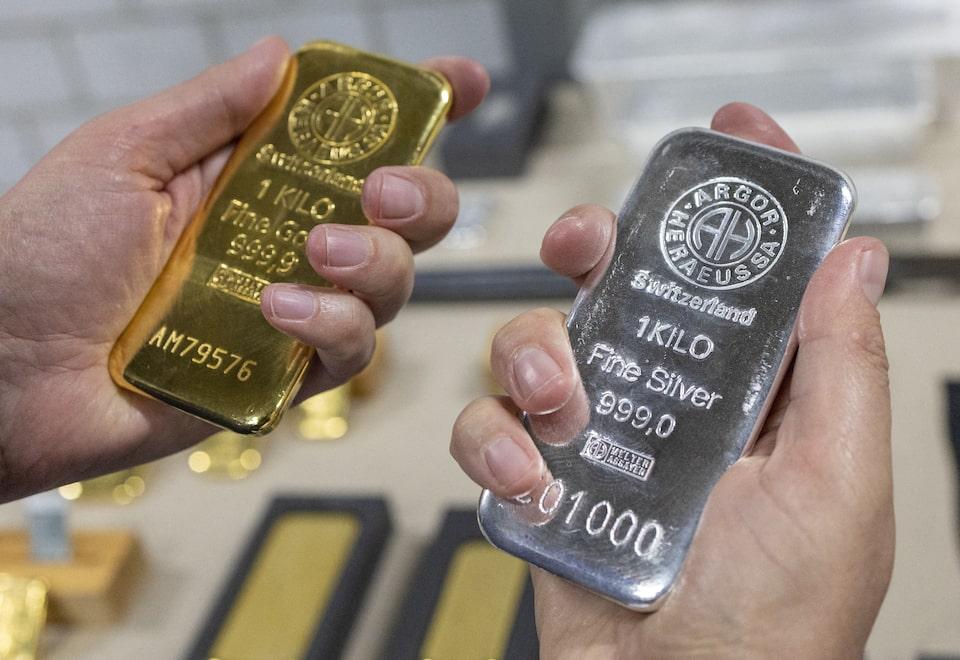
Silver drops nearly 15%; gold and oil give up about 2% Easing U.S.–China, U.S.–Iran tension reduces premiums Soybeans buck trend on hopes of increased Chinese buying SINGAPORE, Feb 5 (Reuters) - Prices of commodities, from silver and gold to crude oil and copper, dived on Thursday, as global tensions eased after a telephone call between the leaders of China and the United States, which is also set for talks with Iran this week. Silver plunged almost 15% while gold, crude oil and copper fell about 2% as investors pared positions on a strengthening U.S. dollar, in which all commodities are priced. Sign up here. "We saw extreme volatility in precious metals and other commodities this week, and what we are witnessing today are some aftershocks," said Tony Sycamore, an analyst at broker IG. "Talks between Iran and the United States appear to be back on track, which has removed some of the geopolitical premium from commodity markets, particularly oil," he added. "Following the call between Trump and Xi, tensions on the trade front have also eased. Investors are inclined to sell gold at these levels." The dollar steadied at the start of Asian trade ahead of interest rate decisions from the European Central Bank and the Bank of England, which are both expected to keep rates on hold later in the day. The U.S. dollar index of the greenback's strength against a basket of six currencies traded near a two-week high. A stronger dollar makes commodities expensive for buyers who hold other currencies. Prices fell on Monday after U.S. President Donald Trump nominated Kevin Warsh as the next Fed chair, sparking risk-asset selling. A hawkish U.S. central bank outlook boosts the dollar and raises opportunity costs for gold and silver, reducing their appeal. VOLATILE COMMODITIES Spot gold retreated from a near one-week high earlier in the session, and spot silver plummeted. Last week, gold climbed to a record high of $5,594.82 an ounce and silver to an all-time high of $121.64. "Sentiment (has) turned soggy across most asset classes, with losses feeding into one another and creating a self-reinforcing feedback loop amid thin market liquidity," said Christopher Wong, a strategist at OCBC. Such expectations were reflected in precious metals, cryptocurrencies and regional equities, he added. Oil prices , fell about 2% after the U.S. and Iran agreed to hold talks in Oman on Friday, allaying fears that a military conflict could disrupt supply from the key Middle East producing region. Copper faced additional pressure from worries over demand and rising stocks in warehouses registered with the London Metal Exchange. The metal widely used in construction had previously rebounded from a two-session slump, supported by China's plan to expand its copper strategic reserves. Soybeans bucked the trend, climbing to a two-month high, boosted by Trump's comment that China is considering buying cargoes from the United States. Iron ore also fell 2%, weighed down by high inventories . https://www.reuters.com/world/china/precious-metals-oil-slide-global-tensions-ease-copper-down-2026-02-05/
2026-02-05 05:32
Feb 5 - A look at the day ahead in European and global markets from Stella Qiu: Conviction was high that major U.S. tech firms would deliver another impressive quarter of strong sales and rosy outlooks and so investors added to their exposures before this earnings season. That has proved to be a costly mistake. Sign up here. Google parent Alphabet (GOOGL.O) , opens new tab released solid results after the bell, but it also shocked analysts by targeting capital expenditures of $175 billion to $185 billion this year, way above Wall Street's estimates. That only added to fears about exploding artificial intelligence investment. Given that valuations are already sky-high and signs that some of our jobs - in data analytics or software - are already replaceable by AI, there seems to be only one way to go: down. Alphabet shares swung wildly after hours - down over 6% at one point - before settling 0.4% lower. One would expect the rising AI spending would benefit a chip maker like Nvidia. Indeed, Nvidia shares (NVDA.O) , opens new tab were up 2% after the bell, but equipment providers in Asia are deep in the red, with South Korea (.KS11) , opens new tab down 3.5% and Taiwan (.TWII) , opens new tab off 1%. Wall Street futures attempted a recovery but quickly lost momentum as selling spread to precious metals, with silver sinking 14% and gold well below $5,000 per ounce. European futures point to a lower open ahead of policy decisions from the European Central Bank and the Bank of England. Both are expected to hold rates steady. The ECB will likely signal that no policy move is imminent, even if the euro's recent surge against the dollar fuels concerns that inflation might undershoot its target. The BoE, on the other hand, is expected to leave its options open about when it will cut rates again as it waits to be sure that a weakening jobs market will push down on inflation pressures. Key developments that could influence markets on Thursday: ECB and BoE policy meeting, January PMI data for euro zone, Germany and France https://www.reuters.com/world/china/global-markets-view-europe-2026-02-05/

2026-02-05 05:24
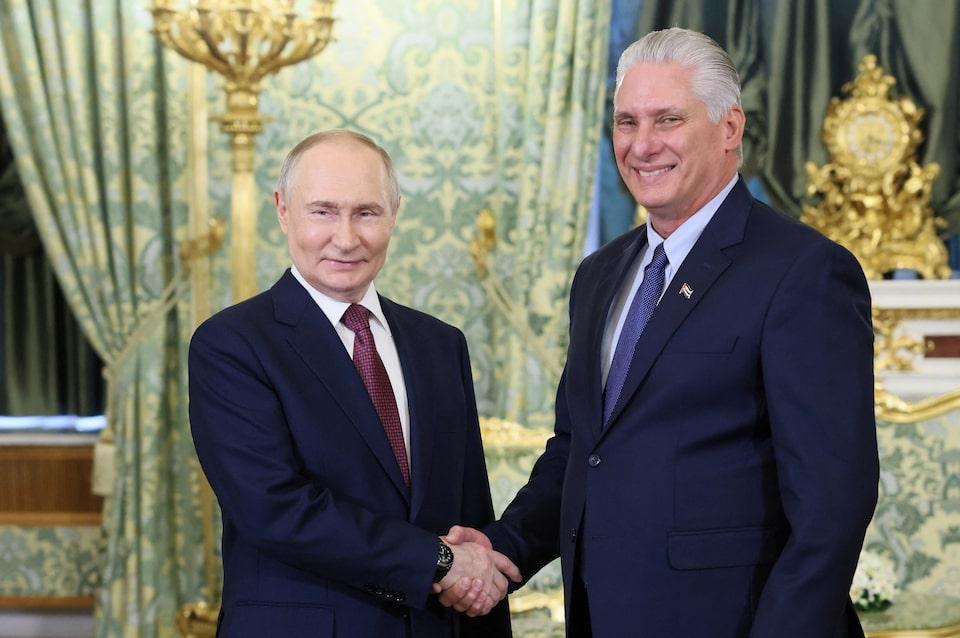
MOSCOW, Feb 5 (Reuters) - Russia has repeatedly supplied oil to Cuba in recent years, and will continue to do so, Russia's ambassador to Cuba Viktor Coronelli said in an interview with state news agency RIA. "We assume that this practice will continue," he said. Sign up here. U.S. President Donald Trump on Sunday said the United States had begun talks with "the highest people in Cuba," days after declaring Cuba "an unusual and extraordinary threat" to U.S. national security and threatening tariffs on the U.S.-bound exports of any nation that sends oil to the communist-run island. The U.S. has moved to block all oil from reaching Cuba, including that from ally Venezuela, pushing up prices for food and transportation and prompting severe fuel shortages and hours of blackouts, even in the capital Havana. https://www.reuters.com/business/energy/russia-will-continue-supply-oil-cuba-ria-cites-ambassador-2026-02-05/
2026-02-05 05:10
TOKYO, Feb 5 (Reuters) - Japanese trading house Mitsubishi Corp (8058.T) , opens new tab reported on Thursday a 26.5% drop in net profit for the nine months to December to 607.9 billion yen ($3.88 billion), but maintained its full-year profit forecast. Mitsubishi forecasts net profit for the current fiscal year at 700 billion yen, down from 950.7 billion yen earned the previous year. Sign up here. ($1 = 156.8100 yen) https://www.reuters.com/world/asia-pacific/mitsubishi-corp-9-month-net-profit-falls-27-39-billion-2026-02-05/