2026-02-05 00:11
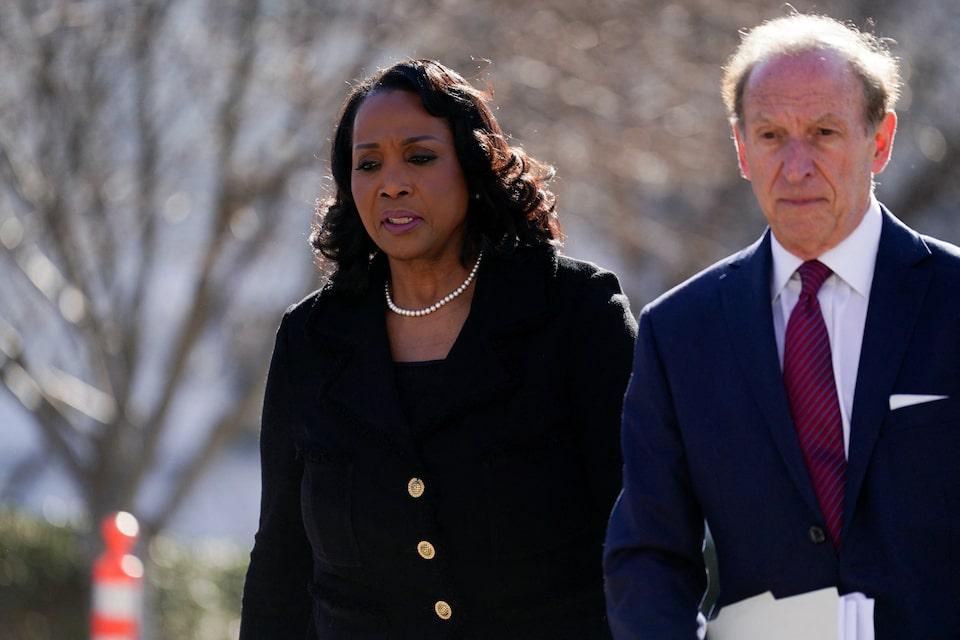
Feb 4 (Reuters) - U.S. Federal Reserve Governor Lisa Cook on Wednesday said she feels the policy interest rate now is only mildly restrictive, and signaled she supports taking time before reducing interest rates further. "We put a lot of easing into the pipeline at the end of last year and I think that given where the labor market is, where inflation is, this is the right time to sit back and wait to see what happens," Cook said at the Economic Club of Miami. "This rise in the price level should be temporary given the tariffs. So we'd like to see us get back to a disinflationary path, so I think it's mildly restrictive but ever so mildly restrictive." Sign up here. https://www.reuters.com/business/feds-cook-says-policy-rate-ever-so-mildly-restrictive-2026-02-05/
2026-02-05 00:08
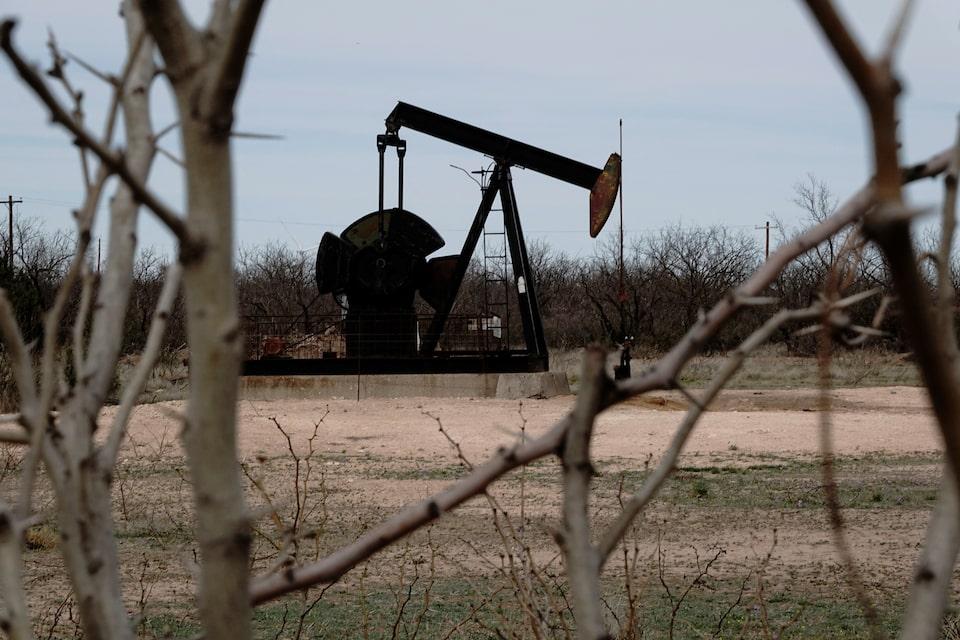
LONDON, Feb 5 (Reuters) - Qatar's long-term deal to supply Japan's power giant JERA with liquefied natural gas highlights two key themes in the red-hot market for this super-chilled fuel: the race to gain market share and the global push for energy security. Qatar's national oil and gas company QatarEnergy on Tuesday signed a deal to supply JERA, Japan's largest power generator, with 3 million tons per year (mtpa) of LNG over 27 years, starting in 2028. Sign up here. For Qatar, the deal is a strategic win that will help ensure it keeps pace with its biggest competitor, the United States. Qatar retains key advantages over the U.S. and other producers around the world, including lower production costs and closer proximity to Asia, the world's largest and fastest-growing LNG market. However, the Gulf country saw its exports to Japan slip from a peak of 16.7 million tons in 2013 to roughly 3 million tons in recent years as Japanese demand softened and competition from other exporters grew. This new deal - which will double the country’s LNG shipments to Japan - follows a string of big-ticket wins for Qatar. It has signed agreements to supply countries including China, which is the world's largest LNG importer, Malaysia and France. These deals underpin Qatar’s three huge expansion projects that are expected to increase the country’s LNG export capacity from 77 mtpa today to 110 mtpa later this year and 142 million tons by 2030. This blistering growth should help Qatar narrow its production gap with the U.S., which seized the crown as the world’s top LNG exporter in 2023 and is expected to push capacity beyond 200 million tons a year by 2030. JAPAN'S ENERGY UNCERTAINTY For Japan, the agreement marks a dramatic shift in its energy posture. At the start of the decade, the world's second-largest LNG importer was determined to shrink its dependence on expensive gas and other fossil fuel imports. Japan’s energy vulnerability is structural. The world’s fourth-largest economy has spent decades reliant on imported fossil fuels, with no pipeline gas options and few domestic resources. Japan began importing LNG in the 1960s, and the fuel quickly became a cornerstone of its energy system. LNG consumption reached a record high 90 million tons in 2014, after the 2011 Fukushima disaster, which forced the shutdown of most nuclear reactors. But it then steadily declined to about 66 million tons in 2025 as efficiency gains, renewables, coal and nuclear restarts chipped away at gas demand against the backdrop of a shrinking population. So what explains Japan’s abrupt U-turn on LNG? In a word, security. The geopolitical turbulence of the past few years in the regions supplying the majority of Japan’s energy, most notably Russia and the Middle East, have made Tokyo reassess its access to supply. Japan's seventh strategic energy plan, published in February last year, said that international tensions and uncertainty over the speed of the deployment of renewable technologies meant the country should secure long-term LNG contracts regardless of advances in the deployment of renewables. The government plan said that securing stable LNG supplies was crucial for ensuring electricity supply while reducing reliance on inefficient coal-fired power plants, branding LNG-fired power plants "a practical transition measure." The plan forecast Japan's 2040 LNG demand to range between 53 and 74 mtpa, depending on the speed of deployment of other energy technologies. This new approach marks a sharp break from Japan’s strategy earlier in the decade, when the country’s utilities and traders allowed several long-term Qatari LNG contracts to lapse, much to Doha’s frustration, as Japanese buyers prioritized flexibility amid uncertain long-term gas demand. Qatar's LNG contracts typically offer rigid terms, including long duration and requirements that cargo deliveries go to specific ports, meaning that buyers are unable to sell any fuel that exceeds their actual demand. By contrast, most U.S. LNG producers offer short-term contracts with cargo destination flexibility. In a more uncertain world - even one in which global LNG supplies have rapidly expanded - Japan once again appears to favour security over flexibility. The JERA–QatarEnergy deal thus speaks to the major tension in the LNG market today: net importers are wrestling with uncertain energy futures, while producers are determined to lock in buyers for decades to come. Enjoying this column? Check out Reuters Open Interest (ROI), , opens new tab your essential new source for global financial commentary. Follow ROI on LinkedIn, , opens new tab and X. , opens new tab And listen to the Morning Bid daily podcast on Apple , opens new tab, Spotify , opens new tab, or the Reuters app , opens new tab. Subscribe to hear Reuters journalists discuss the biggest news in markets and finance seven days a week. https://www.reuters.com/markets/commodities/japan-qatar-gas-tie-up-highlights-global-push-energy-security-2026-02-05/

2026-02-05 00:06
TOKYO, Feb 5 (Reuters) - U.S. West Texas Intermediate crude prices fell on Thursday after the U.S. and Iran agreed to hold talks in Oman on Friday, despite differences about the agenda, amid heightened tensions as the U.S. builds up military forces in the Middle East. WTI fell 0.7 cents per barrel, or 1%, to $64.5 per barrel at 2347 GMT. Brent crude futures resume trading at 0100 GMT. Sign up here. Oil prices surged about 3% on Wednesday after a media report suggested the planned talks between the United States and Iran on Friday could collapse. Iran has aimed to discuss its long-running nuclear dispute with Western countries while the U.S. also wants to include Iran's ballistic missiles, its support for armed proxy groups around the Middle East and its treatment of its own people. Attempts to de-escalate U.S.-Iran tensions are in focus as U.S. President Donald Trump has threatened to strike Iran, an OPEC member, potentially risking a wider confrontation in the oil-rich region. Fears of the bilateral talks' collapse have moderated, leading to easing oil prices, Tony Sycamore, market analyst with IG, said in a note. In additional pressure on oil prices, the dollar index , which measures the greenback against a basket of currencies including the yen and the euro, rose 0.25% to 97.65. A stronger dollar hurts demand for dollar-denominated crude from foreign buyers. https://www.reuters.com/business/energy/us-oil-prices-fall-ahead-us-iran-talks-2026-02-05/
2026-02-04 23:49
Feb 5 (Reuters) - Ukraine's energy minister warned households on Wednesday that planned blackouts could worsen in coming days and Russian forces could launch a new air attack to further disable power and heating networks. Denys Shmyhal said well over 200 emergency crews were at work in the capital restoring heating to apartment buildings after a series of mass Russian attacks in January. Kyiv Mayor Vitali Klitschko said on Tuesday that more than 1,100 buildings remained without heating. Sign up here. "The situation with energy remains very difficult. There is a risk that timetables for power cuts could get worse," Shmyhal wrote on Telegram after a daily meeting of senior officials devoted to energy issues. "This is linked to the last strike and the fact that the shortfalls in generation in the power system are still significant. And the Russians are preparing for new attacks on the energy sector in the coming week." Shmyhal said that buildings where restoring heating is likely to take some time were to receive assurances that they will have electricity for 18 hours a day. Prime Minister Yulia Svyrydenko, also writing after the daily meeting, said 217 Russian attacks on Ukraine's energy system had been recorded since the beginning of the year. She provided a list of assistance, including hundreds of generators, supplied by European countries and the U.N. Children's Fund. President Volodymyr Zelenskiy, speaking in his nightly video address, said the situation in Kyiv was worse than in other cities and resources were being redirected to the capital, along with additional help to Ukraine's second-largest city, Kharkiv. Zelenskiy on Tuesday said Russia had deployed hundreds of drones and a record number of ballistic missiles in its latest mass attack on Ukraine focusing on energy sites on the eve of three-sided peace talks with Russia and the United States. https://www.reuters.com/business/energy/ukraine-energy-minister-warns-more-power-cuts-possible-russian-attacks-2026-02-04/

2026-02-04 23:02
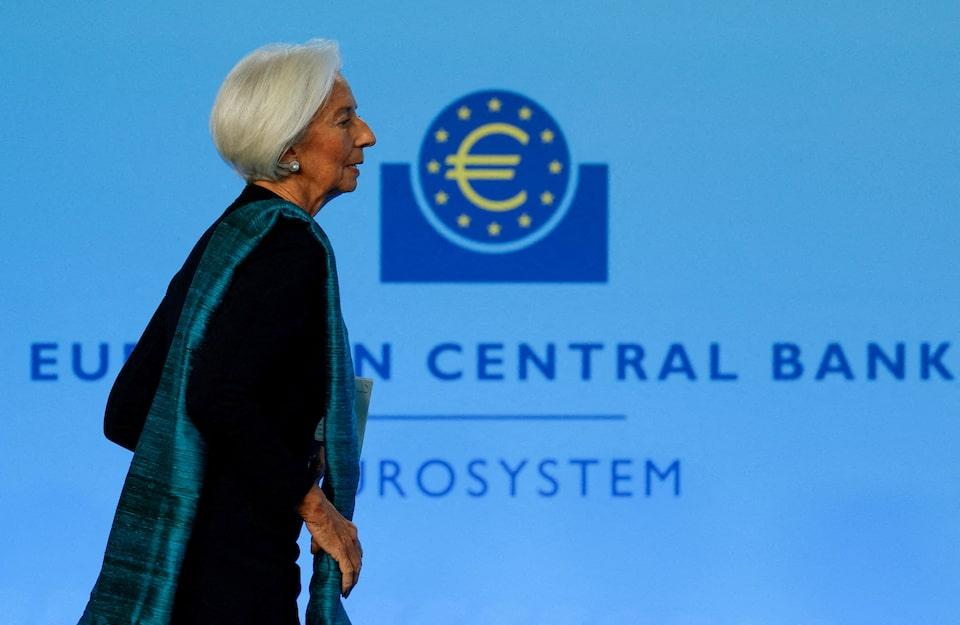
Euro's strength vs dollar unlikely to worry ECB Investors betting on steady interest rates all year Domestic consumption is offsetting external weakness FRANKFURT, Feb 5 (Reuters) - The European Central Bank is all but certain to keep interest rates unchanged on Thursday and signal that no policy move is imminent, even if the euro's recent surge against the dollar fuels concerns that inflation might undershoot its target. The euro zone's central bank has been on hold since ending a year-long run of rate cuts in June, and a benign outlook for both growth and prices has taken nearly all pressure off policymakers to provide any further support. Sign up here. With inflation near the 2% target, growth steady at the currency bloc's potential and interest rates in a neutral setting, some have called the current period a central banker's nirvana or the ECB's "Goldilocks" moment. MESSY ENVIRONMENT THREATENS 'GOOD PLACE' That is why ECB President Christine Lagarde is likely to repeat her mantra that policy is in a "good place", with no debate over changing borrowing costs likely in the near term. But last week's tumble in the U.S. dollar, volatility in commodity markets, the Trump administration's war of words over Greenland and its pressure on the Federal Reserve to cut rates, are all reminders that the situation could quickly change. "From the ECB policy standpoint there are good reasons to avoid reading too much into this whole story," TS Lombard's Davide Oneglia said. "Solid activity, wage, and bank lending data take priority, with recent releases supporting an increasingly sanguine view of euro area recovery and medium-term core inflation," he argued. Thursday's meeting is the first since Bulgaria joined the bloc on January 1, taking the number of countries that share the euro currency to 21. DOLLAR'S FALL NOT A PROBLEM YET A strong euro relative to the dollar lowers import costs, especially for energy, and curbs inflation at a time when it is already undershooting the ECB's target. Inflation, the ECB's primary focus, slipped to 1.7% across the euro zone last month on lower energy costs, and could dip further before a forecast rebound next year, stirring memories of the ECB's struggle to rekindle price growth for the decade before the COVID pandemic. But the dollar's move is not a deal-breaker for now. "A rally in the dollar following the nomination of Kevin Warsh to the U.S. Federal Reserve should alleviate concerns around euro strength and a more persistent inflation target undershoot," HSBC's Anja Sabine Heimann said. On a trade-weighted basis, the euro has actually weakened a touch, reinforcing market and economist expectations for no interest rate changes in 2026, followed by some policy tightening later in 2027. If anything, longer-term inflation expectations have been inching up, not down, on solid activity data and energy price rises. EUROPE HAS A COMPETITIVENESS PROBLEM For now, Lagarde is likely to repeat that the ECB has no exchange rate target and that the euro's strength is merely one factor that impacts inflation. She is also likely to point to healthy economic growth figures, historically low unemployment, and solid wage growth data to support a sanguine tone. The euro zone has proven surprisingly resilient to trade strife as domestic consumption seems to be taking up the slack created by weak exports and poor industrial production. Given exceptionally high domestic savings and a strong labour market, economists expect consumption to keep the bloc growing, with the German government's planned fiscal splurge on defence and infrastructure a further push to expansion. "The path of monetary policy in 2026 will depend on who wins the contest between external conditions and internal conditions," Deutsche Bank said in an analysis. "Our baseline assumes that domestic resilience will dominate and that leads to (interest rate) hikes in 2027." Risks could still go the other way, however, and if inflation is below target long enough to drag expectations below 2%, policymakers may have no choice but to provide more support. https://www.reuters.com/business/finance/choppy-markets-threaten-ecbs-good-place-rates-still-firmly-hold-2026-02-04/
2026-02-04 22:36
HOUSTON, Feb 4 (Reuters) - Investors rushed to lock in oil prices at record levels in January amid concerns around Iranian crude supplies and more Venezuelan barrels heading to the U.S. Gulf Coast. Hedging can help producers reduce risk and protect their production from sharp moves in the market by locking in a price for the oil. It can also give traders opportunities to profit in times of volatility. Sign up here. Investors traded a record number of WTI Midland at Houston contracts, a price benchmark for exported U.S. crude, with 1.9 million contracts trading on the Intercontinental Exchange last month, exchange data shows. Traders also set a daily record for WTI Midland at Houston on the ICE, trading 257,569 contracts on January 30, 2026, when U.S. crude futures were hovering around a six-month high on tensions between Washington and Tehran. U.S. crude futures closed at around $65 a barrel on January 30, up about 14% from the first trading day of the year. Iranian geopolitical tensions have influenced risk premiums in the oil market while severe winter weather in the U.S. hit production and refinery dynamics, according to Jeff Barbuto, senior vice president of global oil markets at ICE. The winter storm knocked off as much as 2 million bpd of crude output at its peak late last month, analysts estimated. Meanwhile, traders moved a record 188,000 contracts for ICE Houston Western Canadian Select futures. “The return of Venezuelan crude has created potential new competition for Canadian oil on the U.S. Gulf Coast and in other export markets, including China," said Barbuto. The WCS benchmark price recorded a single-day volume record of 19,965 lots on January 6, the day Caracas and Washington reached a deal to export up to $2 billion worth of Venezuelan crude to the United States, prompting concerns those South American barrels would displace Canadian barrels at the Gulf Coast. https://www.reuters.com/business/energy/traders-rush-lock-oil-prices-amid-iran-geopolitical-risk-more-venezuelan-supply-2026-02-04/