2025-10-29 10:52
MUMBAI, Oct 29 (Reuters) - The rising popularity of U.S. dollar stablecoins will be an important phenomenon next year and could raise challenges for monetary policy globally, India's Chief Economic Adviser V. Anantha Nageswaran said on Wednesday. "The presence of a dollar stablecoin will bring with it its own challenges for monetary policy, monetary transmission and for seigniorage benefits of any country," Nageswaran said at an event in Mumbai. Sign up here. Seigniorage refers to the difference between the face value of money and the cost of producing and distributing it. The presence of a widely used instant domestic payments system like the Unified Payments Interface (UPI), reduces the need for stablecoins in India as compared to advanced economies like those in the European Union, Nageswaran said. Stablecoins will become one more source of competition for banks in terms of acting as financial intermediaries and in attracting customer deposits, he said. U.S. dollar stablecoins have gained popularity globally on the back of friendly regulations in the U.S. and the global market capitalisation of such tokens that are pegged to the U.S. dollar has climbed to over $300 billion. India, for its part, is leaning towards not creating legislation to regulate cryptocurrencies in the country, Reuters reported in September. https://www.reuters.com/world/india/us-dollar-stablecoins-raise-challenges-global-monetary-policy-india-chief-2025-10-29/

2025-10-29 10:46
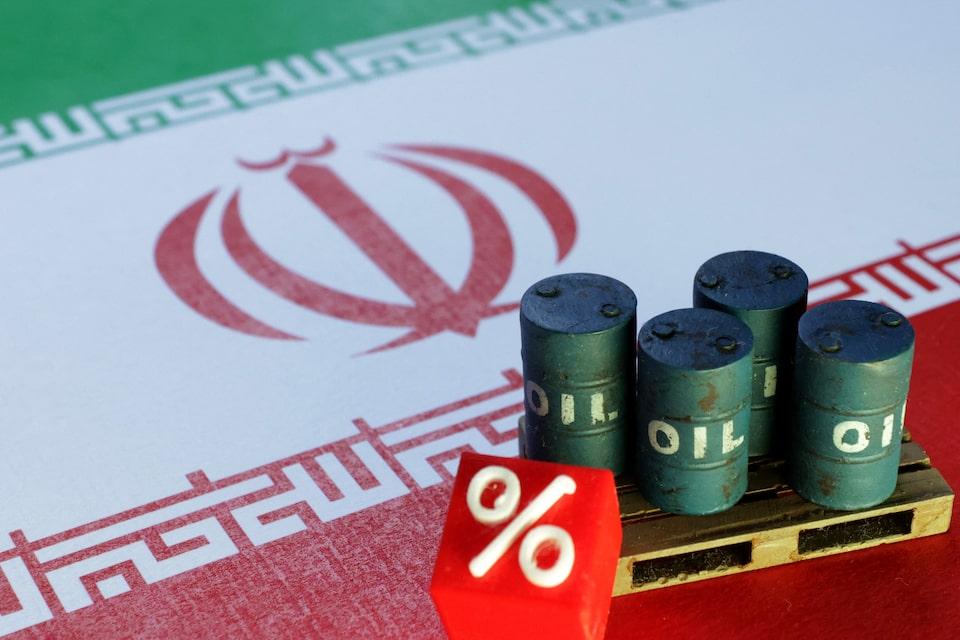
Discounts on Iranian oil offered to China rise to widest in more than a year US, UK and EU imposed wave of sanctions on top Russian producers Sanctions prompt some buyers in China and India to pause purchases SINGAPORE, Oct 29 (Reuters) - The discounts on Iranian oil offered to China have hit their widest in more than a year, as tightening sanctions on Russia and Iran squeeze buying from independent refiners already constrained by a shortage of crude import quotas, trade sources said on Wednesday. The United States, Britain and the EU recently imposed a wave of trade restrictions on top Russian oil producers and other industry players, aiming to pressure Russian President Vladimir Putin to end the Ukraine war. Sign up here. The sanctions have prompted some buyers in China and India, the two biggest Russian oil buyers, to pause their purchases, causing a sharp decline in prices for Russian crude and adding unsold Russian shipments on to already ample Iranian supplies, trade sources said. LOGISTICS DISRUPTED AND FEARS RAISED AMONG BUYERS The latest disruptions come on top of earlier sanctions by Washington targeting entities it said were involved in the Iranian oil trade, including four Chinese refiners as well as ports and vessels. Combined, the measures have disrupted logistics and increased sanctions fears among buyers, traders said. They pointed to a stand-off between buyers and sellers of Iranian oil this week. "There was just too much supply, and the market is directionless," said a China-based trader. The sources declined to be named because they are not authorised to speak to media. Offers for Iranian Light crude slipped to discounts wider than $8 a barrel to benchmark ICE Brent for December arrival, compared with a discount of about $6 in September and around $3 in March. Bids sank to discounts of around $10 a barrel, as buyers sought lower prices to make up for sanctions risks and potential issues at Chinese ports when discharging cargoes, the trade sources said. Imports of Iranian oil, which account for about 14% of China's crude imports, fell to 1.2 million barrels per day in September, the lowest since May and below the 1.38 million bpd average this year, Kpler data showed. China regulates crude imports by independent refiners under a strict quota system. The refiners had largely run out of quota for this year by end-September, market sources said. Refiners are looking to next month for the possibility that Beijing will issue fresh quotas, which it has done in November in the past few years. https://www.reuters.com/business/energy/iranian-oil-discounts-china-widen-sanctions-quota-shortage-2025-10-29/
2025-10-29 10:00
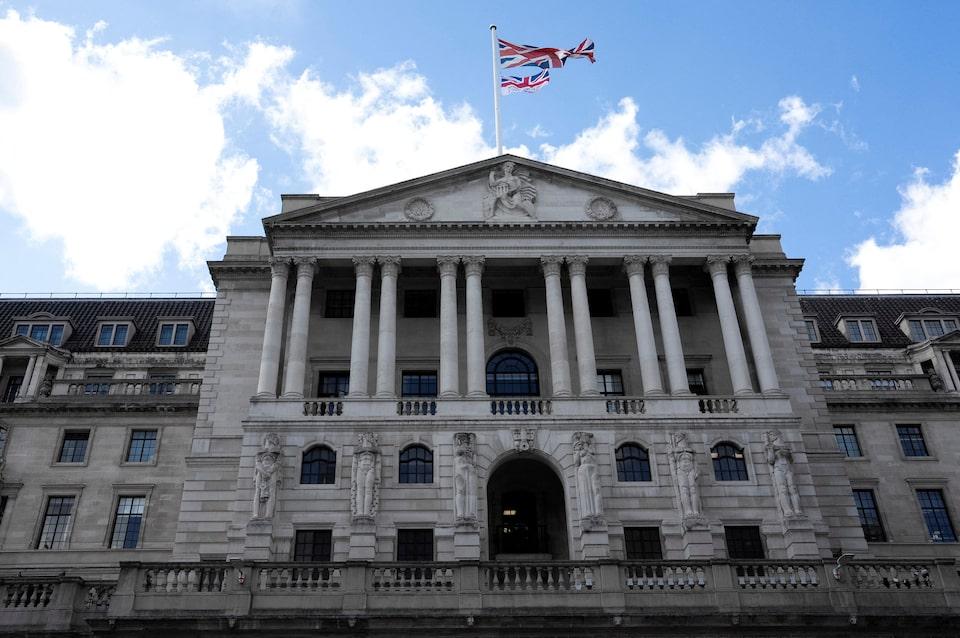
LONDON, Oct 29 (Reuters) - British lenders approved more mortgages in September than in any month so far in 2025, according to Bank of England data that ran counter to other recent signs of wariness in the housing market ahead of finance minister Rachel Reeves' budget. Mortgage approvals for home purchases totalled 65,944, the highest figure since December 2024, the BoE said on Wednesday. Sign up here. The number was above the median forecast of 64,000 in a Reuters poll of economists. Reeves is expected to raise taxes in her budget on November 26 with higher levies on property purchases or home ownership among the measures that could be announced. Other measures of Britain's housing market have suggested caution among buyers ahead of the budget. The BoE's data also showed consumers were not cutting back on their borrowing sharply in the run-up to the tax and spending plan. Net consumer borrowing rose by 1.491 billion pounds ($2.00 billion) in September, roughly in line with a 1.5 billion-pound forecast in the Reuters poll of economists. While the increase was down slightly from August's 1.749 billion pound rise, it took the annual rate of consumer credit growth to 7.3% from 7.2% in August, the fastest pace of growth since October 2024. Official data published last week showed retail sales unexpectedly rose by 0.5% in September. "Overall these figures are consistent with our view that consumer spending growth will strengthen over the coming quarters," Alex Kerr, UK economist with Capital Economics, a consultancy, said. "But the risk is that tax rises on households in the budget dampen activity next year." ($1 = 0.7451 pounds) https://www.reuters.com/world/uk/uk-mortgage-approvals-rise-by-most-since-december-bank-england-says-2025-10-29/
2025-10-29 08:43
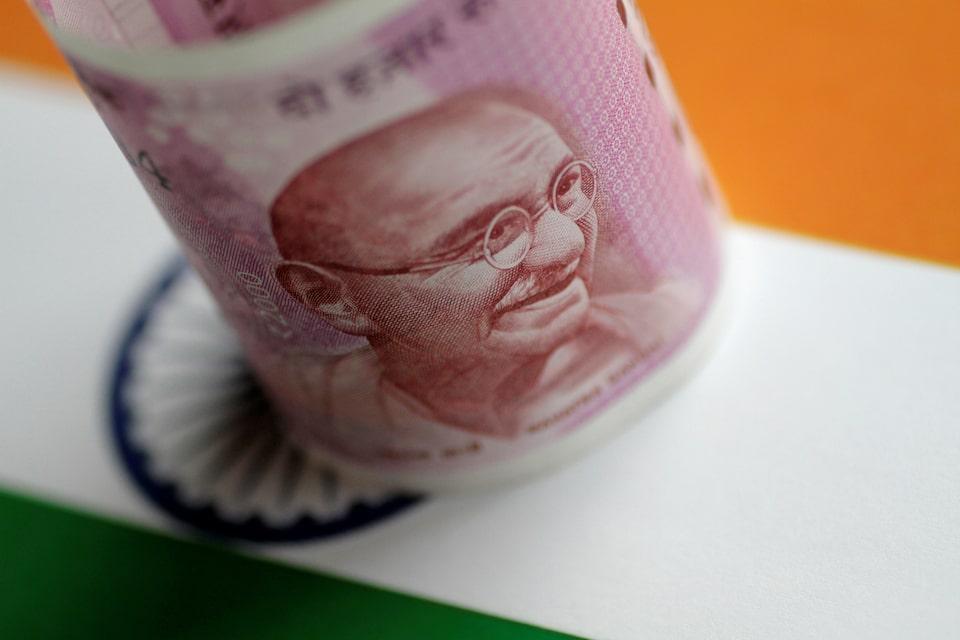
MUMBAI, Oct 29 (Reuters) - The Indian rupee's exchange rate is not a policy tool to fight trade tariffs, a senior Indian central bank official said on Wednesday. The exchange rate does not serve as a policy tool in a market where its level is determined by market forces, Reserve Bank of India Deputy Governor Poonam Gupta said at an event in Mumbai. Sign up here. The comment comes as the rupee faces consistent pressure due to worries over the impact of steep U.S. trade tariffs levied on Indian exports. The currency was last quoted at 88.2250 against the U.S. dollar and has declined 3% over 2025 so far. https://www.reuters.com/world/india/exchange-rate-is-not-policy-tool-fight-tariffs-india-central-bank-deputy-2025-10-29/
2025-10-29 07:55
Oct 29 (Reuters) - Hurricane Melissa made landfall on the southern coast of eastern Cuba on Wednesday as a category three hurricane, the U.S. National Hurricane Center (NHC) said in its latest advisory. Melissa was located about 60 miles (95 km) west-southwest of Guantanamo, Cuba, with maximum sustained winds of 120 mph (195 kph), the Miami-based forecaster said. Sign up here. https://www.reuters.com/sustainability/climate-energy/hurricane-melissa-makes-landfall-cuba-nhc-says-2025-10-29/

2025-10-29 07:50
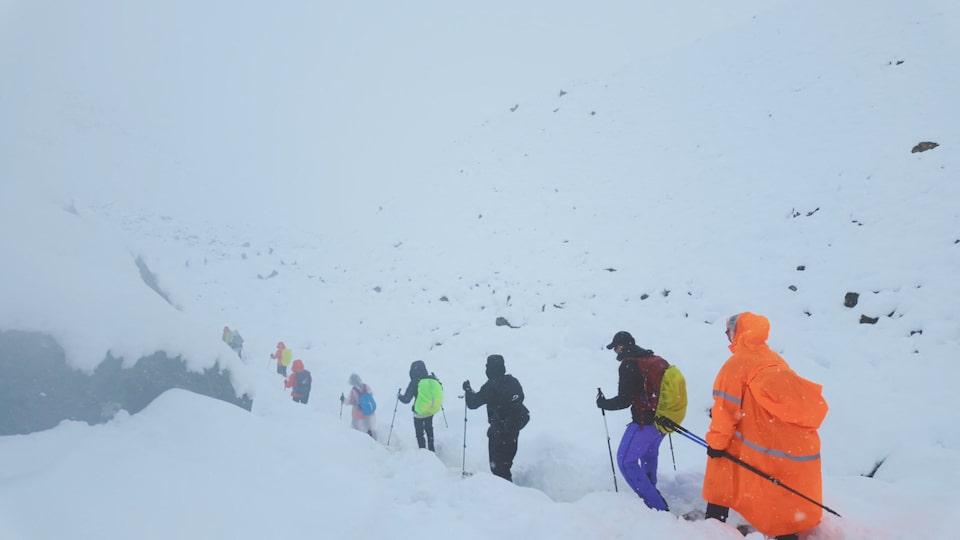
Himalayas buffeted by heavy snowfall since Monday Snowfall halts tourism on Nepali, Tibetan side of Everest At least 1,500 hikers, including 200 foreigners who lost their way in snow, rescued KATHMANDU/BEIJING, Oct 29 (Reuters) - The Nepali and Chinese sides of the Everest region were closed to tourism on Wednesday due to heavy snow brought by cyclone winds, with deep snowdrifts causing a helicopter to crash as it tried to rescue stranded trekkers, authorities said. Visited by thousands of trekkers and climbers, the region around Mount Everest has been blanketed by snow since Monday as a cyclone from the Bay of Bengal churned across India, ushering in a second bout of severe snowfall in the Himalayas this month. Sign up here. Authorities in Nepal have halted trekking on many hiking routes due to rain at lower elevations and heavy snowfall on higher trails, and have urged hikers not to venture out or proceed with their treks in the Annapurna, Manaslu and Dhaulagiri areas, home to some of the world's highest peaks. A small private helicopter flying to Lobuche near the Everest Base Camp to rescue stranded trekkers crashed when it tried to land, Civil Aviation Authority of Nepal spokesperson Gyanendra Bhul said. CAAN video showed the helicopter, which slipped on the snow while landing, lying on its side. The pilot survived and was later rescued. It was unclear whether the trekkers had been rescued. STRANDED TREKKERS Army and police rescuers guided hundreds of trekkers in Manang district to safety since Tuesday, Nepal Army spokesperson Raja Ram Basnet said. He said about 1,500 hikers, including 200 foreigners of different nationalities, their guides and local trekkers had lost their way as hiking trails were buried under deep snow. "Rescuers cleared the snow from trail and brought them down to safer places," Basnet told Reuters in Kathmandu. Weather officials have forecast heavy rain and snow on Thursday and Friday due to the passage of Cyclone Montha, which roared into India's southeastern state of Andhra Pradesh on Tuesday night. On the Tibetan side of Everest, ticket sales had been suspended since Tuesday afternoon as roads turned icy and visibility plunged, creating impassable conditions for vehicular traffic, according to the tourism department of Tingri county. It was unclear if there were tourists trapped inside the Everest region in Tibet. The press office of the Tibetan government did not immediately respond to a Reuters request for comment. Weather forecast data shows temperatures in Tingri are expected to dip further below freezing this week. In early October, a blizzard stranded hundreds of trekkers near the eastern face of Everest on the Tibetan side. All of the trekkers were taken to safety in a large-scale rescue operation that spanned several days under sub-freezing conditions. In Nepal, more than 50 people had died due to floods and landslides triggered by heavy rains. https://www.reuters.com/business/environment/tibet-halts-everest-access-over-unseasonally-heavy-snow-2025-10-29/