2025-10-12 13:06
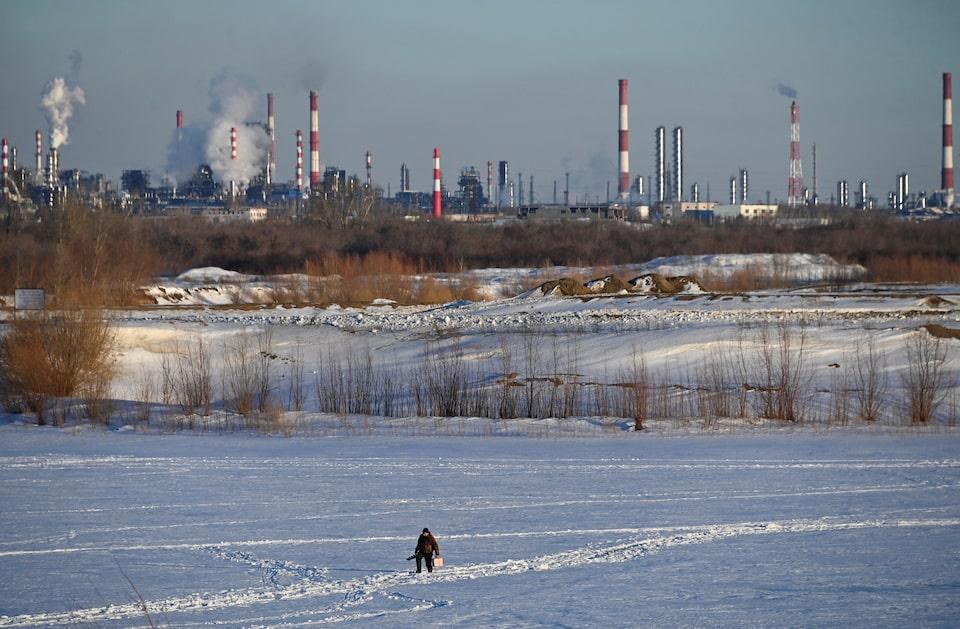
MOSCOW, Oct 12 (Reuters) - Russia on Sunday suspended until May a reduction in the fuel damper payment subsidy to oil refineries, Russian news agencies reported. The damper is a payment to refineries to encourage them to sell their product on the domestic market instead of exporting it for a higher price. Sign up here. According to a Kremlin decree published on Sunday, the fuel damper payment will be calculated without the inclusion of a deviation threshold for gasoline and diesel from October 1 to May 1. The decree also exempted from excise duty the production of winter fuel oil by means of mixing its other varieties with jet fuel outside oil refineries. https://www.reuters.com/business/energy/russia-suspends-reduction-damper-payment-subsidy-2025-10-12/
2025-10-12 11:14
JAKARTA, Oct 12 (Reuters) - A fire broke out on Sunday at a facility in Indonesia's Morowali Industrial Park (IMIP), the country's largest nickel processing facility, which injured three workers, an official said. The fire affected a scrubber tower at one of IMIP's tenants, IMIP spokesperson Dedy Kurniawan said in a text message, adding that it may have been caused by sparks from welding activities. Sign up here. "Three employees suffered minor injuries. The investigation (on the cause of the fire) is still ongoing," Dedy said. Operations at IMIP were running normally as the incident affected the premises of only one tenant which was under construction. Indonesia is the world's largest producer of nickel, but its processing industry often experiences fire incidents, including a fatal blaze in December 2023. https://www.reuters.com/world/asia-pacific/fire-breaks-out-indonesia-nickel-hub-three-injured-2025-10-12/

2025-10-12 08:06
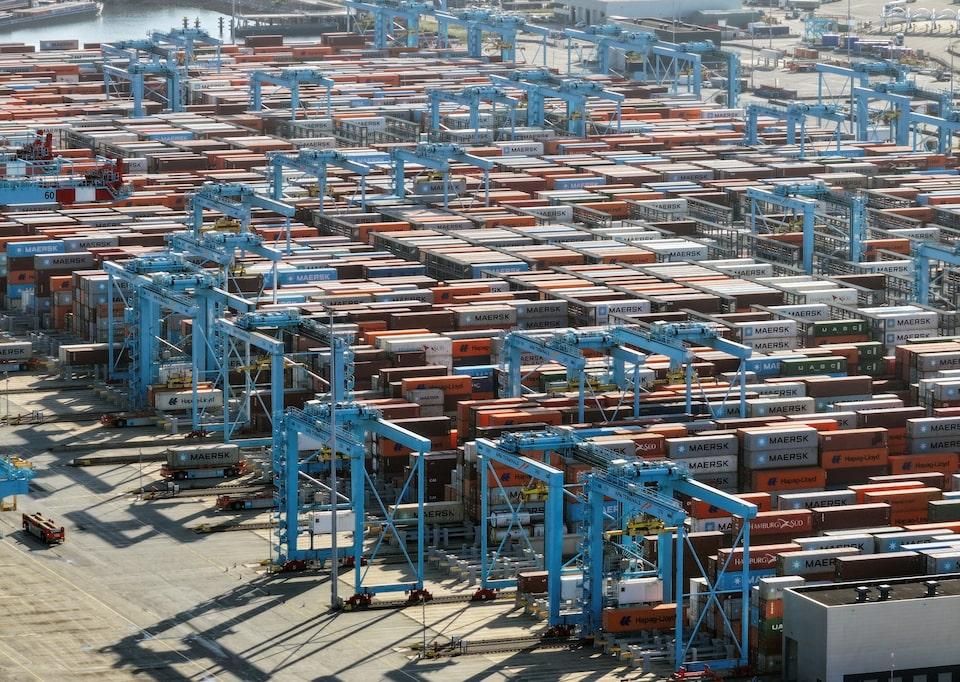
AMSTERDAM, Oct 12 (Reuters) - Hundreds of striking lashers in the port of Rotterdam will suspend their walkout for at least five days from Monday morning, as union leaders and employers try to reach agreement on a new wage deal, a court said. The strike by the workers, whose job involves securing cargo on container ships, started on Wednesday and has caused a backlog of container ships at Europe's largest port. Sign up here. Companies operating in the port asked a court on Saturday to halt the strike, which has been joined by all of the approximately 700 lashers active in the port, meaning no container ship has been able to load or offload since it began. During the court hearing, the FNV union and the lashing companies agreed to start a new round of talks on Sunday morning, with the strike to be suspended from 7 a.m. (0500 GMT) on Monday until the same time on Friday. The court said late on Saturday the strike could be resumed if no agreement was reached by then. The companies would then be allowed to ask for a court ruling on the strike. https://www.reuters.com/business/world-at-work/rotterdam-port-lashers-suspend-strike-monday-2025-10-12/
2025-10-12 07:28
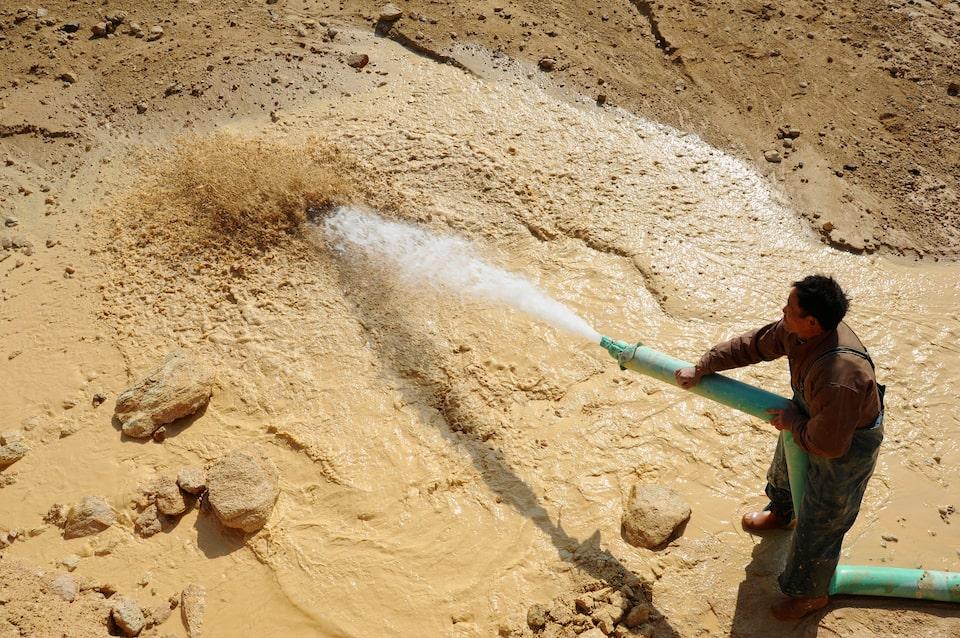
TAIPEI, Oct 12 (Reuters) - No significant impact is expected on Taiwan's semiconductor industry from China's new curbs on rare earths as they differ from the metals needed for the chip sector, the island's economy ministry said on Sunday. China dramatically expanded its rare earths export controls on Thursday, adding five new elements and extra scrutiny for chip users as Beijing tightens control over the sector ahead of talks between Presidents Donald Trump and Xi Jinping. Sign up here. Taiwan's economy ministry said in a statement about China's new rules that the rare-earth elements covered by the expanded ban differ from the rare-earth items required in Taiwan's semiconductor processes, so no significant impact on chip manufacturing is expected at this time. Domestically needed products or derivatives containing rare earths are mainly sourced from Europe, the United States, and Japan, it added. Taiwan is home to the world's largest contract chipmaker TSMC (2330.TW) , opens new tab, the producer of the vast majority of advanced chips that are a key component of artificial intelligence applications. However, the ministry added that China's latest expansion of controls could affect global supply chains for products such as electric vehicles and drones, adding the impact will need to be closely watched. Earlier on Sunday, China defended its curbs on exports of rare earth elements and equipment, saying they were motivated by concern about these metals' military applications at a time of "frequent military conflict". https://www.reuters.com/business/aerospace-defense/taiwan-says-doesnt-need-china-most-its-rare-earths-needs-2025-10-12/
2025-10-12 04:22
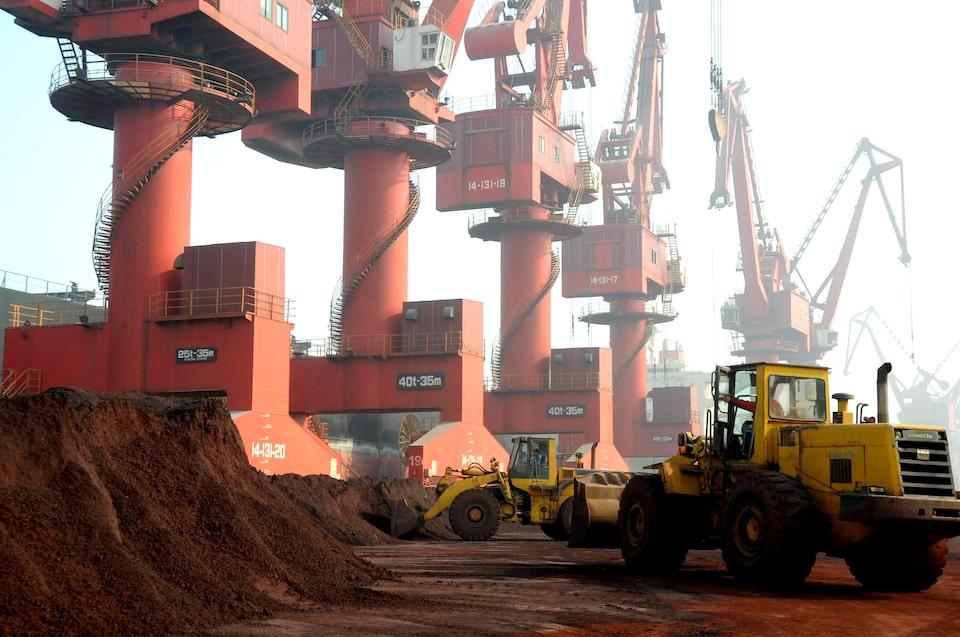
China says Trump complaints about rare earth export curbs reveal 'double standards' China accuses US of violating spirit of Madrid talks No immediate tit-for-tat tariff hike from China China promises easy licensing for civilian use of rare earth exports BEIJING/HONG KONG, Oct 12 (Reuters) - China called U.S. President Donald Trump's latest tariffs on Chinese goods hypocritical on Sunday and defended its curbs on exports of rare earth elements and equipment, but stopped short of imposing new levies on U.S. products. Trump on Friday responded to Beijing's most recent export controls by imposing additional tariffs of 100% on China's U.S.-bound exports, along with new export controls on critical software by November 1. Sign up here. The revived trade tensions have rattled Wall Street, sending Big Tech shares tumbling, worried foreign companies dependent on China's production of processed rare earths and rare earth magnets, and could derail a summit between Trump and Chinese President Xi Jinping tentatively scheduled for later this month. RESPONDING TO TRUMP The Chinese commerce ministry's statement on Sunday was Beijing's first direct response to Trump's lengthy Truth Social post on Friday, where he accused Beijing of suddenly raising trade tensions after an uneasy truce was reached six months ago between the world's two largest economies, allowing them to trade goods without sky-high tariff rates. "Our relationship with China over the past six months has been a very good one, thereby making this move on Trade an even more surprising one," Trump said. The commerce ministry said in an equally lengthy statement that its export controls on rare-earth elements followed a series of U.S. measures since bilateral trade talks in Madrid last month. Beijing cited the addition of Chinese companies to a U.S. trade blacklist and Washington's imposition of port fees on China-linked ships as examples. "The U.S. actions have severely harmed China’s interests and undermined the atmosphere of bilateral economic and trade talks, and China is resolutely opposed to them," the ministry said. Beijing stopped short of explicitly connecting these U.S. actions to its export curbs on rare-earth elements, saying they were motivated by concern about these materials' military applications at a time of "frequent military conflicts". It also held off on announcing a corresponding levy on China-bound U.S. imports, unlike earlier in the year, when both superpowers progressively ratcheted up tariffs on each other until the U.S. rate was 145% while China's was 125%. 'PATH FOR NEGOTIATIONS' China's decision not to immediately respond in kind to Trump's opening salvo in this latest round of trade tensions could leave the door open for both countries to negotiate a de-escalation, analysts said. "By clarifying the rationale behind its retaliatory measures, Beijing is also outlining a potential path forward for negotiations. The ball is now in the U.S. court," said Alfredo Montufar-Helu, managing director at strategic advisory firm GreenPoint. But Hutong Research said in a note on Saturday that if Beijing chooses not to respond to Trump's 100% tariff hike, it may signal that it no longer prioritises a long-term deal with him, reflecting diminished confidence in his ability to restrain hawks or stick to commitments. "Key watchpoints now: Whether Beijing moves to freeze or complicate the TikTok sale , opens new tab, given its political symbolism. Proceeding with the sale under current conditions would be seen as a major concession (from Beijing)," the research firm said. Other tools in Beijing's arsenal include regulatory action targeting U.S. companies. China's State Administration for Market Regulation (SAMR) said last month leading U.S. AI chip manufacturer Nvidia (NVDA.O) , opens new tab violated the country's anti-monopoly law, during U.S.-China trade talks in Madrid. The market regulator on Friday announced an antitrust investigation into U.S. chip manufacturer Qualcomm over its June 2025 acquisition of Israeli chip designer Autotalks. A few hours after the commerce ministry's response to Trump's post and tariff hike, SAMR said Qualcomm had completed the acquisition without informing the regulator, adding that the U.S. firm had acknowledged this. "Based on clear facts and conclusive evidence, our bureau lawfully initiated an investigation into Qualcomm's unlawful...acquisition of Autotalks," SAMR said. CHINA SAYS EXPORT CONTROLS ARE NOT EXPORT BANS The commerce ministry also countered Trump's narrative that China was using its dominance in processed rare earths and rare earth magnets to attack all countries, not just the U.S. "We have been contacted by other Countries who are extremely angry at this great trade hostility, which came out of nowhere," Trump said on Friday on Truth Social. China produces over 90% of the world's processed rare earths and rare earth magnets. The 17 rare earths are vital materials in products ranging from electric vehicles to aircraft engines and military radars. Exports of 12 of them are restricted after China's commerce ministry on Thursday added five - holmium, erbium, thulium, europium and ytterbium - along with related materials. The commerce ministry statement on Sunday sought to reassure foreign companies spooked by the latest export curbs, promising to promote compliant trade by granting general-purpose licenses and license exemptions. "China's export controls are not export bans," it said. "Any export applications for civilian use that comply with regulations will be approved, and relevant enterprises need not worry." https://www.reuters.com/world/china/china-says-its-rare-earth-export-controls-are-legitimate-2025-10-12/
2025-10-12 03:11
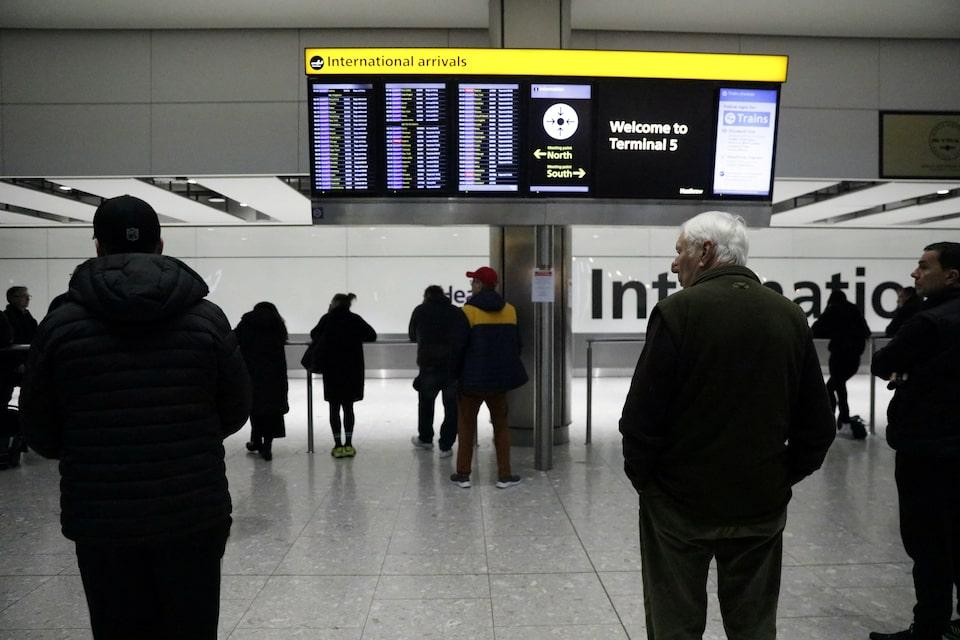
EU Entry/Exit System to be rolled out over six months Passport stamping to be replaced by digital records EU seeks tighter border controls amid immigration pressures BRUSSELS, Oct 12 (Reuters) - European Union member countries began rolling out a new entry and exit system on Sunday at the bloc’s external borders, electronically registering non-EU nationals' data. The Entry/Exit System (EES), an automated system that requires travellers to register at the border by scanning their passport and having their fingerprints and photograph taken, will be introduced over six months. Sign up here. The move is aimed at detecting overstayers, tackling identity fraud and preventing illegal migration amid political pressure in some EU countries to take a tougher stance. "The Entry/Exit System is the digital backbone of our new common European migration and asylum framework,” European Internal Affairs and Migration Commissioner Magnus Brunner said in a statement. SIX MONTHS TO ADJUST Non-EU citizens will have to register their personal details when they first enter the Schengen area - all EU member countries apart from Ireland and Cyprus, but including Iceland, Norway, Switzerland and Liechtenstein. Subsequent journeys will only require facial biometric verification. The system should be fully operational, with passport stamping replaced with electronic records, on April 10, 2026. "Every third country national who arrives at an external border will undergo identity verification, security screening, and registration in the EU databases," Brunner said. At the Bajakovo border crossing between Serbia and neighbouring Croatia, a EU member state, hundreds of people, many of them Serbians, queued in their cars on Sunday for around 20 minutes before entering booths for fingerprinting and face scanning. "There are five lanes open, so it took us about 20 minutes in line and about two minutes (in the booth) for each of the five of us from the car," said Dalibor Vranic, from Serbia. For British travellers using the Port of Dover, the Eurotunnel terminal at Folkestone or Eurostar terminal at London's St Pancras International, the process takes place at the border before they leave the UK. At Dover and the Eurotunnel terminal, only freight and coach traffic was subject to EES checks from Sunday. Passenger vehicle checks will follow in November at Dover and by the end of the year at Eurotunnel, while the Eurostar at St Pancras was gradually introducing the new process, starting with some business travellers from Sunday. "The UK and EU have a shared objective of securing our borders and these modernisation measures will help us protect our citizens and prevent illegal migration," British Minister for Border Security and Asylum Alex Norris said. https://www.reuters.com/world/eu-begins-gradual-rollout-digital-border-system-2025-10-12/