2025-10-12 01:04
SYDNEY, Oct 12 (Reuters) - Australia is mulling the introduction of mandated floor prices for critical minerals and funding for new rare earth projects as part of a proposed resources deal with the United States, The Age newspaper reported on Sunday. Government officials have initiated talks with miners about contributing to a A$1.2 billion ($776.28 million) "critical minerals strategic reserve," The Age reported, citing a leaked brief from the department of Prime Minister Anthony Albanese. Sign up here. According to the newspaper, Albanese wants to secure the deal before meeting , opens new tab President Donald Trump on October 20 in Washington, the first summit between the security allies during Trump's second term. On Friday, Trump revived a trade war against Beijing in a reprisal against China for curbing its rare earths exports. China dominates the market for such elements, which are essential to tech manufacturing. Reuters reported last month that Australia is willing to sell shares , opens new tab in a strategic reserve of critical minerals to allies, including Britain, as Western governments scramble to end their reliance on China for rare earths and minor metals. ($1 = 1.5458 Australian dollars) https://www.reuters.com/world/china/australia-considering-critical-minerals-deal-with-us-age-reports-2025-10-12/

2025-10-12 00:05
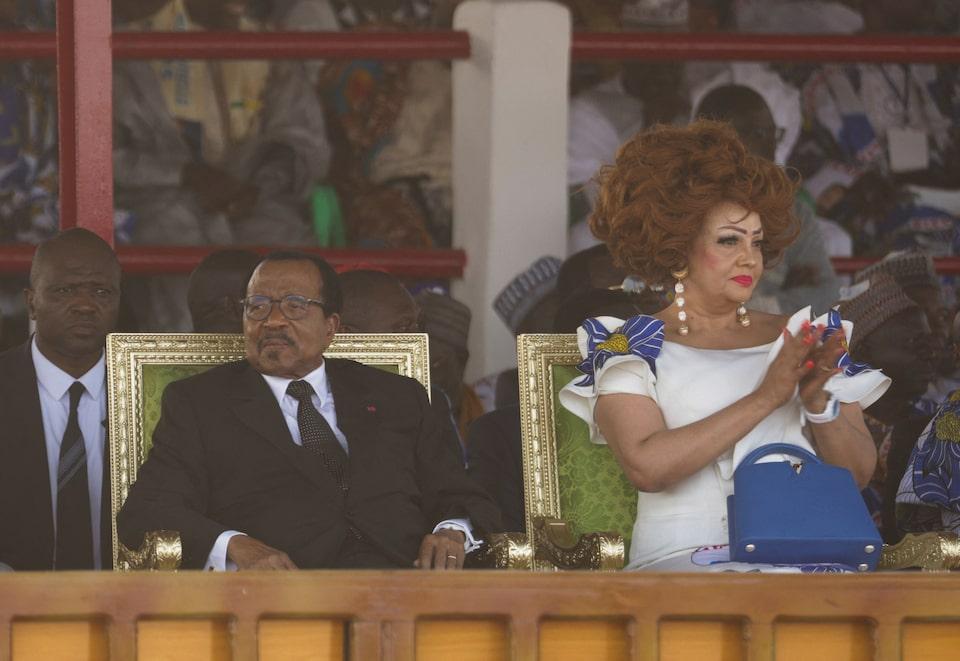
Veteran ruler Paul Biya, 92, hoping for eighth term Former ally Tchiroma seen as strongest challenger Cameroon has suffered decades of economic stagnation Election results are expected within 15 days YAOUNDE, Oct 12 (Reuters) - Cameroon began counting votes after a presidential election on Sunday in which incumbent Paul Biya, the world's oldest ruler at 92, is widely expected to extend his 43-year grip on power despite an energised opposition pushing for change. His opponents include former government spokesperson Issa Tchiroma, 76, who has galvanised large crowds demanding an end to Biya's long tenure and drawn endorsements from a platform of some opposition parties and civic groups. Sign up here. However, analysts say that Biya, in power since 1982, is likely to be reelected given his firm control over state institutions and the fragmented nature of an opposition field of nine candidates. Just over 8 million Cameroonians registered to vote. Results are expected within 15 days, and there are no exit polls. DECADES OF ECONOMIC STAGNATION "Nothing is given. Let's wait and see. Let's wait for the name of the winner," Biya told journalists after voting in the upscale Bastos neighbourhood near the presidential palace in the capital Yaounde. Outside, voters trickled in amid tight security around the president, to cast their ballot. "I hope it will go well, particularly for my champion," said one voter, Patrick Mbarga Mboa, 45, declining to say who he supported. "I hope peace and tranquillity will continue in the country after the election." Biya's critics are still hoping he can be ousted after decades of economic stagnation and tensions in the Central African nation of 30 million people, an oil and cocoa producer. "This election comes at a time when the whole nation aspires for change," Tchiroma said after voting in his hometown of Garoua in the North region. He urged voters to remain vigilant and make sure that the results announced by the constitutional council reflect the result from ballot boxes. In a sign of rising tensions around the election, a Reuters journalist saw security forces fire teargas to disperse hundreds of Tchiroma's supporters, who tried to gather around his residence in Garoua after the area was cordoned off. BIYA'S SLOGAN: 'GREATNESS AND HOPE' Biya abolished term limits in 2008 and has long deployed divide-and-rule tactics. The single-round electoral system gives victory to the candidate with the most votes, even if they have not secured a majority. "A surprise is still possible, but a divided opposition and the backing of a formidable electoral machine will, we predict, give the 92-year-old his eighth term," said Francois Conradie, lead political economist at Oxford Economics. "Although we think he isn't very aware of what is going on, it seems that the machine he built will divide to rule one last time," Conradie added in a note. Under the slogan "Greatness and Hope", Biya has held just one campaign rally, in the northern city of Maroua, relying instead on tightly controlled state media and posts on social media, while his team promises more economic development. "I want to see change, improvement, maybe a new face. I'm 43 years old. I've never known another president," said Magdalene Tientcheu, who lives in Douala, Cameroon's business hub. "I hope for that. I voted for a new face." https://www.reuters.com/world/africa/cameroon-holds-presidential-election-biya-seeks-extend-four-decade-iron-grip-2025-10-12/
2025-10-11 20:16
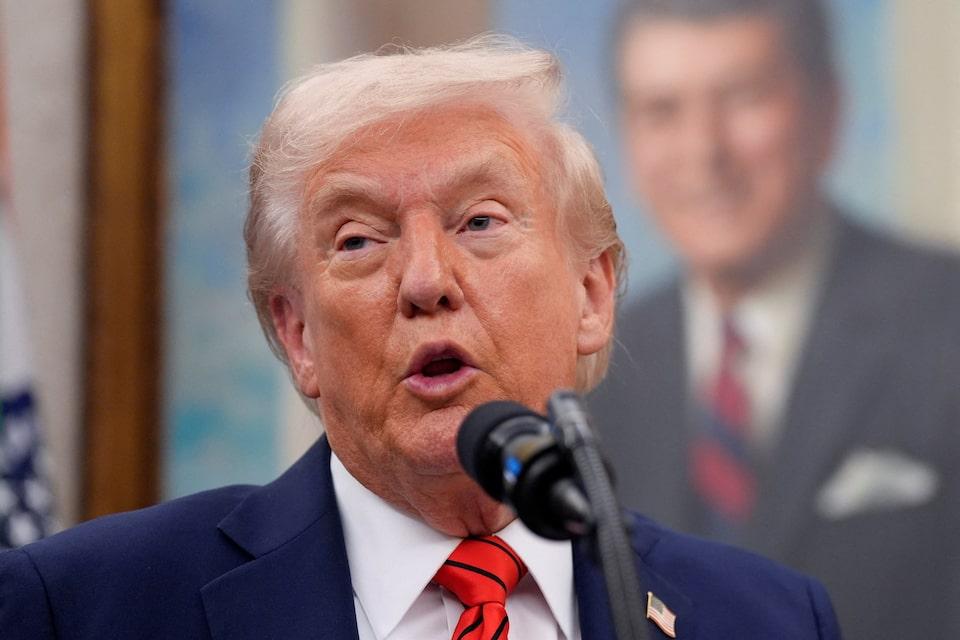
Oct 11 (Reuters) - The Trump administration said on Saturday it would pay troops during the federal government shutdown by tapping unused funds that had been set aside for research and development. "I am using my authority, as Commander in Chief, to direct our Secretary of War, Pete Hegseth, to use all available funds to get our Troops PAID on October 15th," President Donald Trump wrote in a Truth Social post. Sign up here. Trump did not identify funding sources or the total amount that would be used for troop salaries, and the White House did not respond to a request for comment. But a Pentagon official said that about $8 billion originally slated for research, development, testing and evaluation would be used to pay members of the military if the shutdown continues after October 15. SHUTDOWN CONTINUES INTO 11TH DAY Trump made the announcement on the 11th day of a government shutdown that was sparked by a funding impasse with minority congressional Democrats. Trump's Republican Party controls the House of Representatives and the Senate. But to reach the 60 votes needed in the Senate to pass a spending bill, Republicans must convince at least seven Democratic senators to back the measure. Democrats are using that leverage to push for continuing and expanding healthcare subsidies for people who buy insurance through the Affordable Care Act. Democratic lawmakers have refused to back a government spending bill that does not address the issue. In his Truth Social post, Trump said he would "not allow the Democrats to hold our Military, and the entire Security of our Nation HOSTAGE with their dangerous Government shutdown." He pledged to work with the Democrats on healthcare if they agree to reopen the government. With no signs of a resolution to the impasse anytime soon, the administration on Friday began making good on Trump's threat to lay off thousands of federal workers. On Saturday, House Democratic Leader Hakeem Jeffries called minority Democrats back to Washington for a Tuesday evening meeting "to discuss a path forward in connection with the Republican shutdown and the healthcare crisis they have created." He issued the summons even though House Speaker Mike Johnson has said he will not schedule any legislative sessions until the shutdown ends. https://www.reuters.com/world/us/trump-says-his-administration-identified-funds-pay-troops-during-shutdown-2025-10-11/
2025-10-11 19:46
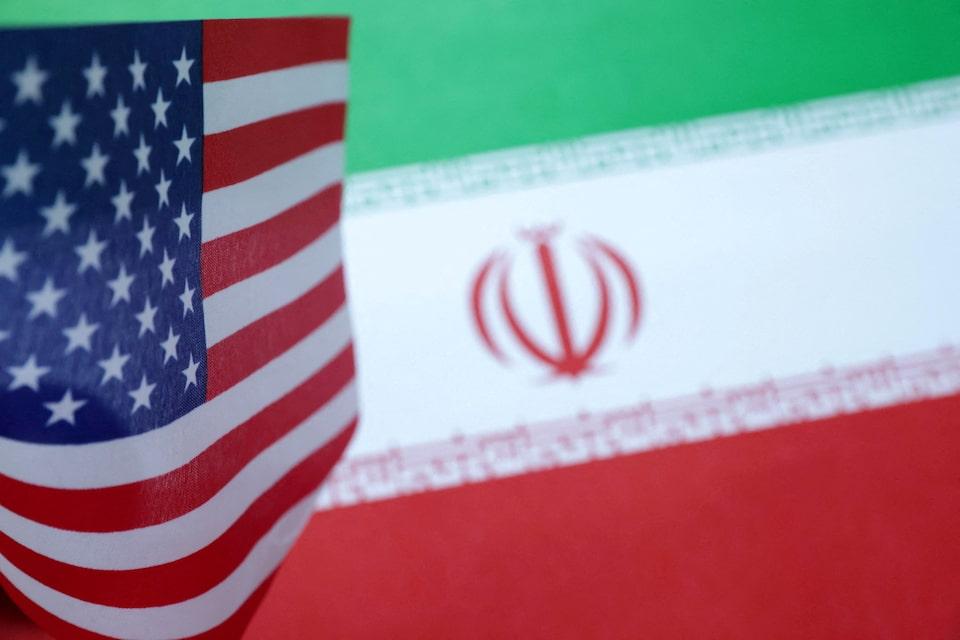
DUBAI, Oct 11 (Reuters) - Iran welcomes a potential "fair and balanced" U.S. nuclear proposal, but Tehran has not received any proposal for negotiations, the country's top diplomat said on Saturday. "If we receive a reasonable, balanced, and fair proposal from the Americans for negotiations, we will certainly consider it," Iran's Foreign Minister Abbas Araqchi told state television. Sign up here. However, Araqchi said Tehran will not give up its "right to enrich uranium" but can take confidence-building measures regarding "the peaceful nature of its nuclear programme." "Of course, this is conditional on the other side also taking steps to build trust — by lifting part of the sanctions," Araqchi said, adding that Tehran and Washington had been exchanging messages through mediators. The United States, its European allies, and Israel accuse Tehran of using its nuclear programme to conceal efforts to try to develop the capability to produce weapons. Iran says its nuclear programme is for peaceful purposes only. Prior to a 12-day war between Iran and Israel in June, which Washington joined by striking key nuclear sites, Tehran and Washington held five rounds of nuclear talks but faced major stumbling blocks such as uranium enrichment on Iranian soil, which Western powers want to bring down to zero to minimise any risk of weaponisation. https://www.reuters.com/world/middle-east/iran-says-it-is-open-fair-balanced-us-nuclear-proposal-2025-10-11/
2025-10-11 16:20
LONDON, Oct 11 (Reuters) - The Democratic Republic of Congo will revoke cobalt export quotas from companies that fail to export allocated volumes, breach environmental or tax rules, or transfer quotas to third parties, its mining regulator said in a statement on Saturday. The new rules would take effect on October 16, it said. Sign up here. The warning from the Congo's Strategic Mineral Substances Market Regulation and Control Authority marks the resumption of cobalt exports from the world’s top producer under a new system after a months-long ban aimed at curbing oversupply and influencing global prices. It also represents Congo’s most aggressive move yet to assert control over the critical battery metal, introducing a strict “use-it-or-lose-it” regime that could disrupt global electric vehicle supply chains if major producers fail to comply. China's CMOC, the world's top cobalt producer, and Glencore, the second-top producer, emerged as the top beneficiaries of the new cobalt export quota regime, securing 6,500 and 3,925 tonnes, respectively, for the fourth quarter of 2025. The remaining fourth quarter 2025 cobalt export quotas are distributed among companies such as Congolese Gecamines JV, Entreprise Generale du Cobalt (EGC), Societe du Terril de Lubumbashi (STL), Deziwa JV, Ruashi Mining, Chemaf, CDM (Huayou), Musonoi JV, and several smaller operators, according to the ARECOMS directive. Congo reserves the right to revoke quotas from companies that process third-party or artisanal cobalt, except state-backed Entreprise Générale du Cobalt and Société du Terril de Lubumbashi. Firms that fail to meet traceability, environmental, or tax compliance requirements also risk losing their allocations, according to the statement. Companies must prepay mining royalties based on monthly quotas and current cobalt prices before loading shipments. From January 1, 2026, any unused monthly allocation would be forfeited and reallocated to a 9,600-tonne strategic reserve controlled by ARECOMS for "projects of national importance," it added. Twenty-one mining operators received allocations, with the top five accounting for 80% of fourth-quarter quotas. December 2025 allocations will automatically renew in 2026 for compliant operators, said the statement. https://www.reuters.com/sustainability/congo-revoke-cobalt-quotas-non-compliance-unused-volumes-be-reallocated-says-2025-10-11/

2025-10-11 14:57
Protesters demand closure of Gabes phosphate complex over pollution President Saied blames old policies for Gabes' environmental crisis, orders solutions Government plans to boost production of phosphate , a key export for Tunisia TUNIS, Oct 11 (Reuters) - Tunisian police fired tear gas to disperse protesters near the Tunisian Chemical Group’s (CGT) phosphate headquarters in the southern city of Gabes, after residents stormed the facility demanding its closure to stop environmental pollution and rising respiratory illnesses. The protest highlights the pressure on President Kais Saied's government, already strained by a deep economic and financial crisis, to balance public health demands with the production of phosphate, Tunisia's most valuable natural resource. Sign up here. After the protest reached the chemical complex headquarters, it turned violent after police fired tear gas and forced the protesters to move away from the site, chasing them through the city streets. Witnesses told Reuters that protesters set fire to a branch office of the complex’s administration in the city, and emergency teams were trying to extinguish the fire. Protesters blocked roads in the city. Earlier in the day, demonstrators were inside the facility and chanted slogans calling for its closure and dismantling, witnesses said and videos on social media showed. In an effort to quell the rising anger and escalating protests, Saied met late on Saturday with the Ministers of Environment and Energy, urging them to send delegations to carry out necessary repairs at the phosphate acid unit of the complex. "Gabes has turned into a city of death, people are struggling to breathe, many residents suffer from cancer or bone fragility due to the severe pollution," Khaireddine Dbaya, one of the protesters, told Reuters. GABES SUFFERING ENVIRONMENTAL CRISIS CGT did not reply to Reuters' attempts to seek comment on the situation in Gabes. In the past, it has not responded to accusations of pollution. Saied said last week that Gabes was suffering an "environmental assassination" due to what he called criminal old policy choices, blaming them for widespread illness and the destruction of local ecosystems. In 2017, authorities pledged to dismantle the Gabes complex and replace it with a facility that meets international standards, acknowledging that its emissions posed a danger to local residents. However, the plan has yet to be implemented. Tons of industrial waste are discharged into Gabes' Chatt Essalam sea daily. Environmental groups warn that marine life has been severely affected with local fishermen reporting a dramatic decline in fish stocks over the past decade, hitting a vital source of income for many in the region. The latest wave of protests was triggered this week after dozens of school children suffered breathing difficulties caused by toxic fumes from the nearby plant. Videos showed panicked parents and emergency crews assisting students struggling to breathe, further fuelling public outrage and calls for the plant’s closure. The government aims to revive the phosphate industry by increasing production fivefold to 14 million tonnes by 2030 to capitalize on rising global demand. https://www.reuters.com/world/africa/tunisian-protesters-storm-chemicals-complex-over-health-fears-2025-10-11/