2025-10-10 17:49
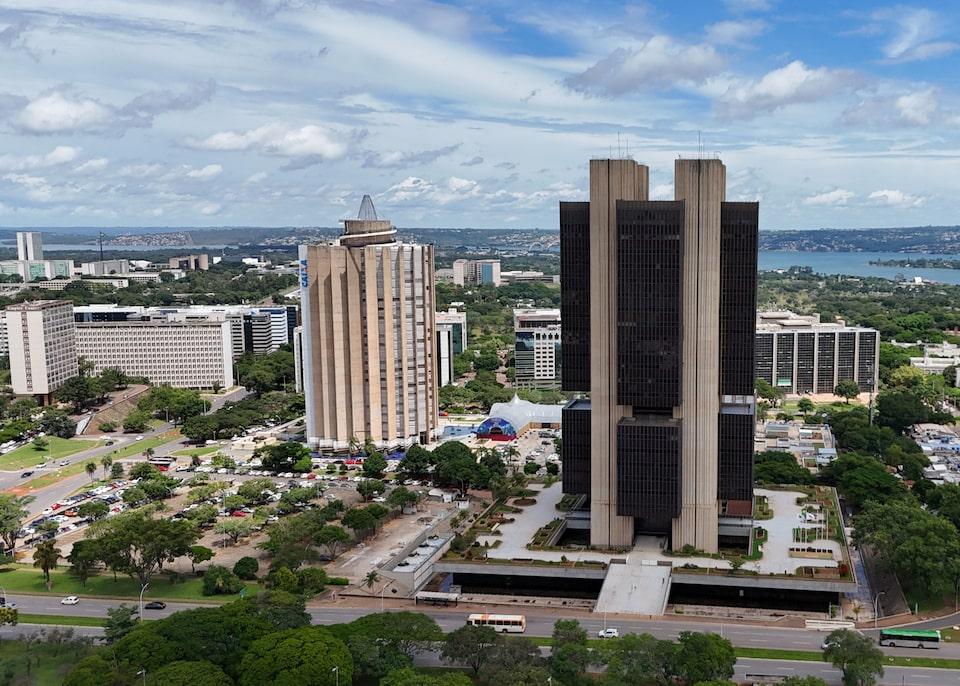
BRASILIA, Oct 10 (Reuters) - Brazil's government on Friday announced a new real estate funding framework that loosens rules on the mandatory allocation of bank resources to the sector, releasing 36.9 billion reais ($6.72 billion) for them to boost housing loans. The changes are based on easing the use of savings accounts as the main source of housing credit in Latin America's largest economy. Sign up here. Although exempt from income tax, savings accounts offer returns well below the benchmark interest rate, leading to significant outflows in recent years as Brazilians gain financial literacy and easier access to fixed-income alternatives through investment platforms. Under the model presented by President Luiz Inacio Lula da Silva's administration, banks will no longer be required to meet central bank reserve requirements or earmark destinations when using savings account funds, in a phased transition. The central bank estimates this will unlock 111 billion reais in new loans in its first year, 52.4 billion reais more than the current framework. Of that, 36.9 billion reais will be made available for immediate lending, it said in a statement. The overhaul is expected to fuel borrowing ahead of the 2026 general election, even as the central bank maintains high interest rates to cool the economy and curb inflation. Until the end of next year, banks must still allocate 65% of savings deposits to housing loans, while 15% may be freely used. The share held as compulsory central bank deposits will fall to 15% from 20%, freeing up 5% for additional housing loans. From 2027, banks that raise market funding and fully allocate it to housing loans may use an equivalent amount from savings accounts, which are typically cheaper, for free allocation over a set period. The government expects the flexibility to improve banks' profitability and enable lower rates on housing loans funded through other sources. Under the new rules, 80% of housing loans must comply with the Housing Finance System, which caps interest at 12% annually. ($1 = 5.4878 reais) https://www.reuters.com/world/americas/brazil-end-savings-reserve-requirement-real-estate-funding-2025-10-10/
2025-10-10 15:12
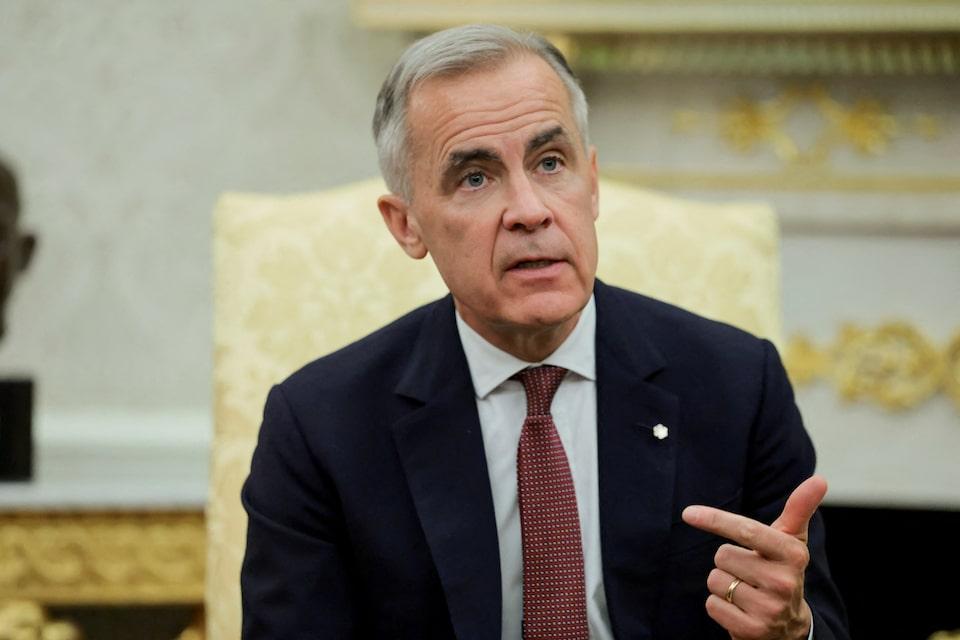
OTTAWA, Oct 10 (Reuters) - The specific deals that Canada is negotiating with the U.S. in key sectors such as steel, aluminum and autos are likely to persist even if the United States-Canada-Mexico trade deal is reviewed next year, Prime Minister Mark Carney said Friday. Carney told reporters it was unlikely that "one simple trade deal" could resolve all the issues between the two countries. Sign up here. The sectors involved are the ones that Washington deems to be strategic, he said. "We are negotiating specific sectoral deals with them, which would likely persist with a revised USMCA," Carney said. Earlier this week, Carney said he had a "meeting of minds" with U.S. President Donald Trump at the White House on the future of the steel and aluminum sectors, which are currently facing U.S. tariffs. He cited the "huge advantage" that Canada compared to the rest of the world, noting that 85% of goods exported to the U.S. are tariff-free. Still, damaging tariffs remain on imports of Canadian steel, aluminum and autos. "Negotiations are tough, but we've come a long way in the last year," Carney said. "We're looking for things that other countries have not received." https://www.reuters.com/business/autos-transportation/canada-us-sectoral-deals-likely-persist-even-if-usmca-is-revised-carney-says-2025-10-10/
2025-10-10 13:38
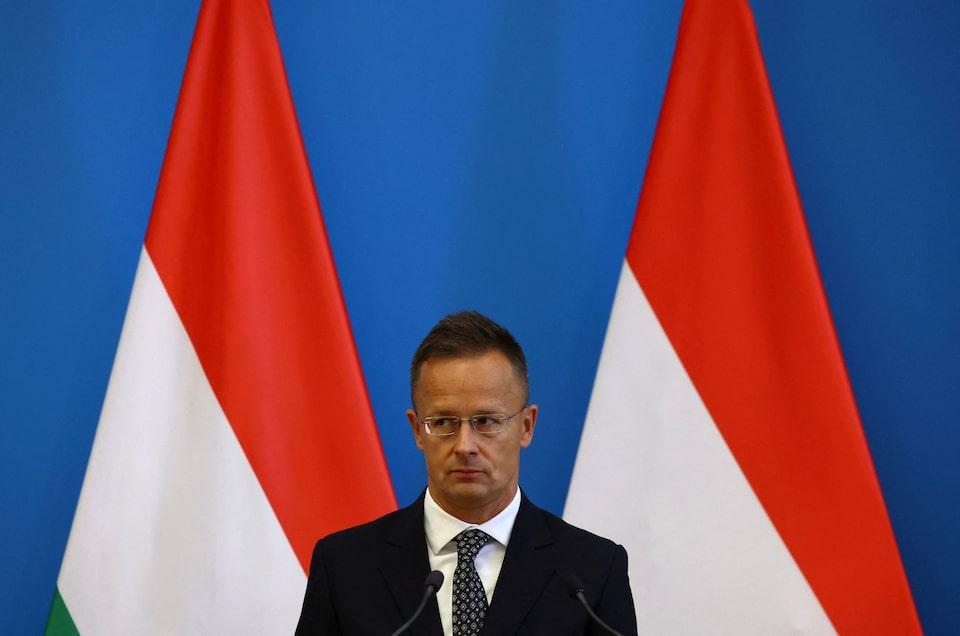
BUDAPEST, Oct 10 (Reuters) - Hungary's oil company MOL (MOLB.BU) , opens new tab will increase deliveries to Serbia after U.S. sanctions on the NIS refinery, Hungary's Foreign Minister Peter Szijjarto said in a statement on Friday. The United States imposed sanctions on Serbia's Russian-owned oil company NIS (NIIS.BEL) , opens new tab on Thursday, prompting neighbouring Croatia to cut crude supplies and raising concerns that the country's sole refinery may halt operations within weeks. Sign up here. "As MOL plays an important role in Serbia's crude oil and fuel supply... our Serbian friends can rely on increased supply from MOL," Szijjarto said, adding that this increase will not be able to fully replace the lack of shipments from Croatia. Szijjarto did not offer any details about the amount of the planned supply increase or the method of delivery. "Although our options are limited due to logistical challenges, we are committed to supporting the maintenance of security of supply [in Serbia]," MOL said in a statement. "In order to ensure reliable access to imported fuel for both retail and wholesale customers, MOL Serbia will continue to invest in expanding storage capacity, strengthening its local presence, and supporting the stable operation and growth of its retail network." NIS supplies around 80% of Serbia's diesel and gasoline demand, and 90% or more of jet fuel and heavy fuel oil. Without access to the JANAF pipeline from Croatia's Adriatic Sea, Serbia's options for crude imports at scale are limited. An oil pipeline connecting Hungary and Serbia is in the planning phase, and it could begin to meet all of Serbia's crude oil needs by 2028, Szijjarto said in April. The pipeline is expected to have the capacity to transport 4-5 million tonnes of Russian oil to Serbia through Hungary every year, the foreign minister said at the time. Ties between Serbia and Hungary have strengthened in recent years, and their long-time leaders, Hungarian Prime Minister Viktor Orban and Serbian President Aleksandar Vucic, enjoy strong relations with Russia. https://www.reuters.com/business/energy/hungarys-mol-increase-deliveries-serbia-after-us-sanctions-nis-refinery-2025-10-10/
2025-10-10 12:51
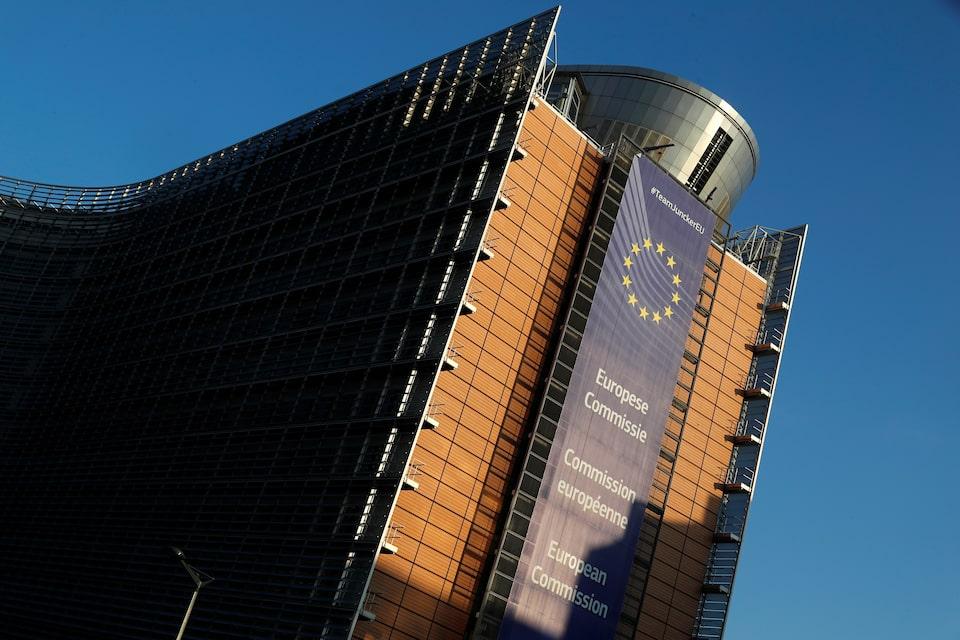
Oct 10 (Reuters) - Europe's crypto rules do enough to address the risks around stablecoins, the European Commission said on Friday, signalling it does not see the need for major change after the European Central Bank called for more safeguards. Stablecoins - cryptocurrencies pegged to real-world currencies - are among the fastest-growing parts of the digital assets industry, with the U.S. this year passing legislation to promote their usage. Sign up here. Europe has launched a landmark set of crypto-specific rules, but lawmakers in Brussels are facing pressure from the ECB to block the so-called "multi-issuance" stablecoin model. ECB CALLS FOR SAFEGUARDS At the heart of the dispute is the question of whether a multinational stablecoin company can treat the tokens it issues within the EU as interchangeable with those held outside the EU. In a letter sent to European Commissioner Maria Luis Albuquerque on Tuesday, six crypto industry associations, whose members include major stablecoin issuer Circle (CRCL.N) , opens new tab, called on the EU to publish guidance "confirming multi-issuance in principle" and clarify how it works under the EU's crypto rules, called MiCA. "We believe MiCA provides a robust and proportionate framework for addressing risks stemming from stablecoins," a Commission spokesperson told Reuters in emailed comments, acknowledging receipt of the letter. "The Commission is working towards providing such clarification as soon as possible." The European Systemic Risk Board, headed by ECB President Christine Lagarde, has said that the multi-issuance structure would bring built-in risks for financial stability and called for urgent safeguards. The ECB is concerned that people holding tokens created by a stablecoin's non-EU entity could choose to redeem it with the EU entity, potentially creating a run on reserves held within the EU. But stablecoin issuers say that they can make sure they always have enough reserves to meet redemption requests, wherever they take place. JP Morgan analysts said this week that 99% of stablecoin supply is pegged to the dollar, and that the sector's growth would boost demand for the greenback. https://www.reuters.com/business/finance/european-commission-says-existing-rules-address-stablecoin-risks-2025-10-10/
2025-10-10 12:19
Mali appointed administrators amid dispute with Barrick Subcontracters paid after months-long wait, sources say Activities to remain suspended at open pit mine, one source says TORONTO/DAKAR, Oct 10 (Reuters) - Blasting is scheduled to begin at Barrick Mining's (ABX.TO) , opens new tab Loulo underground gold mine in Mali on October 15, four months after a court-appointed provisional administration took control of the site, two sources told Reuters. Under the provisional administration, operations at the Loulo-Gounkoto gold complex have so far been limited to transporting existing ore stocks to its plant and processing them there. Sign up here. The provisional administrators had planned to resume active mining in September, one of the sources said, but pushed back the start date as they negotiated with subcontractors, some of whom had not been paid since Barrick suspended operations in January. UNPAID BILLS SETTLED, PIT MINE ACTIVITIES STILL SUSPENDED Blasting, which entails breaking down gold deposits using explosives, will resume after the administrators resolved unpaid bills with subcontractors Sandvik (SAND.ST) , opens new tab and Maxam, the sources said. Activities are, however, not expected to resume next week at the complex's open pit mine, as the main subcontractor operating that site has still not been paid, the first source said. Barrick suspended operations at Loulo-Gounkoto amid fraught negotiations with Mali's military-led government over how to implement a new mining code that increased taxes and gives the state a greater ownership stake in assets. That led a Bamako court in June to appoint provisional administrators, led by former Malian health minister Soumana Makadji, to restart operations at the complex. Loulo mine has since produced some 1.07 metric tons of gold from ore stocks that had been mined before the suspension, the second source said. A spokesperson for Mali's mines ministry declined to comment. Makadji and spokespeople for Barrick, Sandvik and Maxam did not immediately respond to requests for comment. BARRICK, MALI TALKS CONTINUE, ARBITRATION DECISION EXPECTED Negotiations between Barrick and the Malian government have continued intermittently throughout the year, with a round taking place in August. Weeks later, Barrick announced the sudden departure , opens new tab of CEO Mark Bristow. The parties are also in international arbitration at the World Bank's arbitration court, which is expected to rule on the legitimacy of the provisional administration this month, according to a source aware of the development. The World Bank's arbitration body did not respond to requests for comment. Mali's industrial gold production fell 32% year-on-year to 26.2 tons at the end of August, weighed down by the Barrick suspension, according to a mines ministry document seen by Reuters last week. https://www.reuters.com/world/africa/provisional-administration-restart-mining-barrick-mali-gold-mine-sources-say-2025-10-10/

2025-10-10 12:12
MOSCOW, Oct 10 (Reuters) - Russia’s Energy Ministry has proposed limiting dividend payouts by electricity companies in order to free up funds for a major infrastructure upgrade, according to a draft law seen by Reuters. The proposed move would apply to all Russian companies involved in electricity generation, transmission, and distribution. The companies currently set their own dividends, and typically borrow to finance investment. But the new law would oblige them to prioritise investment over dividends in the allocation of their profits, an industry source and a source familiar with the drafting process said. Sign up here. "There are large-scale plans for new power generation construction in Russia, and it makes sense to redirect part of the dividends toward these new projects," one of the sources told Reuters. Officials, regulators, and energy companies are exploring new mechanisms to attract investment for energy construction projects through 2042 against a background of high interest rates, limited access to funding, and restrictions on equipment imports because of Western sanctions against Russia. The projects are seen as necessary in order to modernize the power system and prevent potential shortages amid rising electricity demand. Russia plans to build nearly 90 gigawatts of new capacity by 2042, which, along with grid upgrades, is expected to cost around 40 trillion roubles ($492 billion). In 2008, Russia completed the reform of Soviet-era power monopoly RAO UES, splitting it by business type and privatizing most thermal generation companies to attract investment for a first wave of upgrades to the ageing power system. Dispatching and grid operations remained state-controlled, although shares of most grid companies are listed, and many distribution network companies have a large free float and pay dividends. The largest investors in the sector — grid operator Rosseti, Rushydro, and companies in the Gazprom Energoholding group — in practice pay little to no dividends. InterRAO, the sole operator for Russia's electricity imports and exports, pays out 25% of its profits in dividends, while some retail and grid companies also make payouts to shareholders. Dmitry Bulgakov, an analyst at investment company BCS, said the proposed change appeared unfriendly to non-state shareholders, particularly minority shareholders. "Refusing to pay dividends or limiting the ability to pay them is a negative for companies in the sector. We are not changing our valuation or outlook on the stocks for now, but we will monitor developments," he said. ($1 = 81.2500 roubles) https://www.reuters.com/sustainability/boards-policy-regulation/russian-draft-law-would-limit-power-firms-dividends-make-them-invest-more-2025-10-10/




