2026-02-02 10:54
PARIS, Feb 2 (Reuters) - Eramet (ERMT.PA) , opens new tab tumbled on the Paris stock market on Monday as the firing of its CEO just months into his term caught investors by surprise and raised questions over governance at the nickel, manganese and lithium miner partly owned by the French state. Eramet said on Sunday it had dismissed Paulo Castellari due to disagreements on "operating methods", and temporarily re-appointed Chairwoman Christel Bories to the role she had passed to Castellari last May. Sign up here. The decision stunned analysts who credited Castellari with early efforts to overhaul the group that has faced declining results and rising debt in the past year due to weak metal markets and investments in battery mineral lithium. Eramet shares were down nealy 8% by late morning, the biggest fall in the SBF 120 index in Paris. "This announcement comes as a shock," Oddo BHF analyst Maxime Kogge said in a note. "With his departure, Eramet enters another transition period that will make it harder to carry out much needed cost reductions and operational improvements." Castellari in December unveiled initial plans to revive performance, including higher productivity at its manganese business in Gabon. Bories told reporters on Sunday that there had been problems in coordination between Castellari and the board and teams, adding his dismissal had nothing to do with financial results and that the group's strategy remained unchanged. A company source said tensions between Bories and Castellari over decision-making were known but that the CEO's firing was also a surprise internally. The French state "reaffirms its commitment to the stability and the performance of Eramet," a finance ministry official said, without commenting specifically on Castellari's firing. The state is Eramet's second-largest shareholder after the Duval family. While the ousting of Castellari was probably a joint decision, diverging interests between the Duvals keen on shareholder payouts and the state focused on growth investments could be "a drag on the replacement process," Kogge said. The main shareholders fought in 2021 over Bories' re-appointment as CEO and chair for a second term. The Duvals had sought to replace Bories before agreeing to her new term. https://www.reuters.com/business/eramet-shares-tumble-sudden-ceo-firing-rattles-investors-2026-02-02/
2026-02-02 10:36
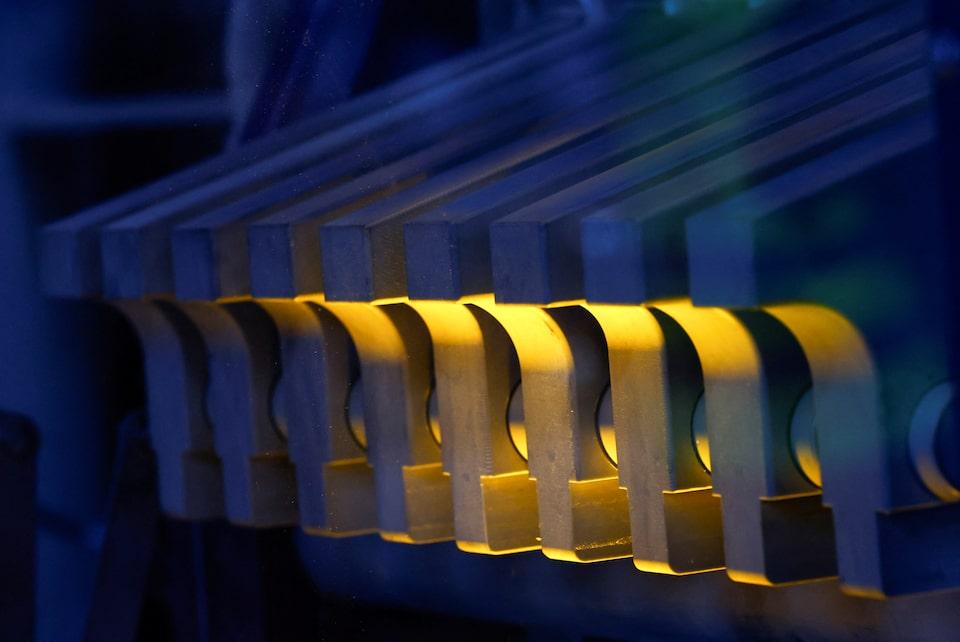
MOSCOW, Feb 2 (Reuters) - The Kremlin said on Monday that Russia was still trying to de-escalate tensions around Iran, and that it had long ago offered its services to process or store Iran's enriched uranium. Asked if Russia was discussing with Iran and the United States the possibility of taking Iranian enriched uranium, Kremlin spokesman Dmitry Peskov said: "This topic has been on the agenda for a long time." Sign up here. "Russia has been offering its services for quite a long time as a possible option that would lead to the removal of certain irritants for a number of countries," Peskov said. "Right now, Russia is continuing its efforts, continuing its contacts with all interested parties, and maintains its readiness to de-escalate tensions around Iran to the best of its ability," he said. https://www.reuters.com/business/media-telecom/russia-is-trying-de-escalate-iran-tensions-kremlin-says-2026-02-02/
2026-02-02 08:09
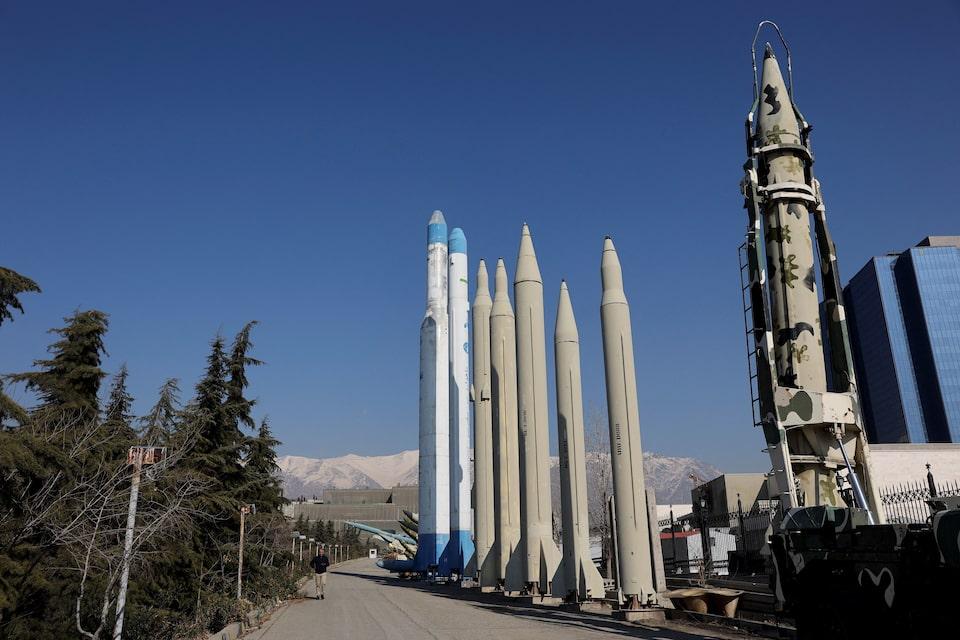
Emerging markets seen as counterweight to US equity risks AI trend boosts South Korean, Taiwanese semiconductor sectors Latin American equity funds see strongest weekly inflows on record NEW YORK, Feb 2 (Reuters) - Global investors poured money into emerging market stocks at the fastest clip in years in January, as a weaker dollar and diversification away from the U.S. point to an extension of the rally the asset class staged last year. Emerging market equity funds last week posted one of their biggest weekly inflows on record, lifting year-to-date inflows above $39 billion, according to J.P. Morgan. That marks one of the strongest starts to the year for EM equities in more than 20 years, the investment bank said, and has historically been associated with sustained rallies rather than brief bursts of optimism. Sign up here. Latin American equity funds recorded their strongest weekly inflows on record. Some fund managers say the shift reflects a rare alignment of macro and fundamental signals - in particular, currency dynamics and stabilizing earnings expectations. The U.S. dollar fell more than 9% last year against a basket of developed-nation peers (.DXY) , opens new tab while the EM currency index (.MIEM00000CUS) , opens new tab added more than 7%, the most since 2017, and expectations for continued weakness in the greenback are pushing investors further into other geographies. The S&P 500 (.SPX) , opens new tab rose 16.4% last year and the EM index (.MSCIEF) , opens new tab was up 30.6%. The dollar has been a headwind for EMs for years, according to Varun Laijawalla, an emerging market equity portfolio manager at Ninety One. "Last year you saw a break in that trend, and that changes the backdrop for emerging markets," he said. FOCUS ON INDIVIDUAL COUNTRIES Some investors said the pattern of inflows also points to a more selective approach than in past EM rallies, with buyers focusing on individual countries rather than treating emerging markets as a single trade. "What's really standing out this time is how much investors are using single-country emerging market ETFs," said Dina Ting, head of global index portfolio management at Franklin Templeton. That selectiveness reflects wide performance gaps across countries, and a view that macro and policy conditions now matter more at the national level than in recent years, investors said. They are also focusing on tighter central bank discipline in some larger emerging economies such as South Korea and Brazil and stronger constraints on government spending, compared with the U.S. "If I want policy orthodoxy and fiscal responsibility, I go to EM, not DM," said James Athey, a fund manager at Marlborough in London. Some developed countries are spending as if their economies need support, increasing longer-term risks, he said. IMPACT OF DOLLAR WEAKNESS The dollar's multi-year lows have been driven in part by investors reassessing Washington's policy direction and geopolitical risks, including President Donald Trump's tariff threats and his administration's pressure on the Federal Reserve's independence. "I find it hard to believe that the U.S. as an asset class could carry an extra premium when you have so much going on," said Jorry Noeddekaer, head of Polar Capital's emerging markets and Asia team. A softer dollar can lift emerging market corporate profits by easing financing costs and supporting domestic demand. Economic growth in developed economies is forecast to be 1.8% this year and 1.7% next, according to the International Monetary Fund, while EMs are projected to expand by 4.2% this year and 4.1% in 2027. Investors are betting that corporate earnings in emerging markets will follow economic growth. "For the first time in years, earnings are no longer a drag. That's essential if this rally is going to be sustained," Laijawalla said. KEY EXPOSURE TO ARTIFICIAL INTELLIGENCE While artificial intelligence stocks have dominated the conversation in the U.S., some investors note emerging markets also offer exposure to the category, particularly through suppliers of semiconductors and advanced manufacturing equipment in South Korea and Taiwan. South Korea's KOSPI index (.KS11) , opens new tab rose more than 75% last year and close to 97% in dollar terms. It was up 24% in January, its strongest monthly performance since December 1998. "That momentum has room to continue," said Steve Kolano, chief investment officer at Integrated Partners. "So we've been ... getting much closer to a benchmark weight in emerging markets". Some investors also are diversifying beyond AI and into emerging markets more closely tied to domestic consumption and younger populations. "Emerging markets offer exposure to very different parts of the global economy, including consumer sectors that are less tied to the AI investment cycle," said Andrew Briggs, director of portfolio management at Plaza Advisory Group. https://www.reuters.com/world/americas/emerging-market-stocks-rally-appears-intact-after-buoyant-january-inflows-2026-02-02/
2026-02-02 07:37
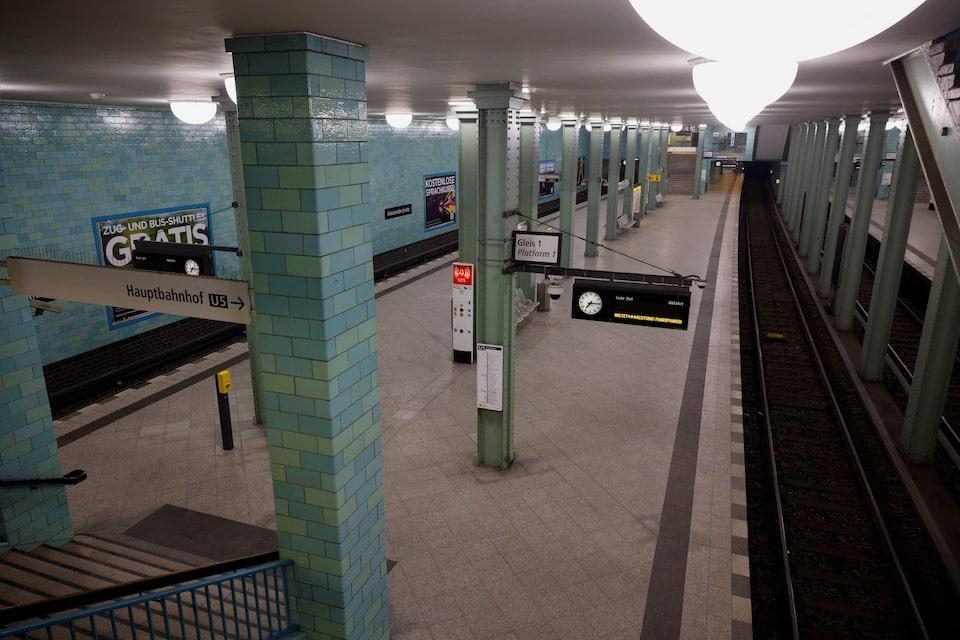
German transit strike halts buses and trams, 150 cities affected Union demands shorter shifts, better pay amid stalled talks Further industrial action likely if February 9 talks fail BERLIN, Feb 2 (Reuters) - Commuters across Germany faced freezing temperatures and empty platforms on Monday as tens of thousands of public transport workers walked off the job in a strike called by trade union Verdi, shutting down bus and tram services in most cities. Verdi, which represents nearly 100,000 transport workers, called the strike after talks with municipal and state employers over working conditions stalled last week. Sign up here. The union is demanding shorter shifts, longer rest breaks and higher pay for night and weekend work even as cities grapple with budget constraints. The walkout affects about 150 municipal transport companies in all but one of Germany's 16 federal states, including Berlin, Hamburg and Bremen. One of the largest coordinated actions in local transport sector in years, the strike began as planned, Serat Canyurt, the leading negotiator for Verdi, told rbb radio on Monday, adding that public transport operators were now expected to return to the negotiating table. COMMUTERS SEEK ALTERNATIVE TRANSPORT IN FRIGID TEMPERATURES In Stuttgart, Karlsruhe and Freiburg, services will grind to a halt for the entire day, union officials said. Temperatures fell below zero in much of the country, worsening the situation for commuters forced to seek alternative transportation. Still, Deutsche Bahn said Friday its urban railway S-Bahn trains in cities including Berlin, Hamburg, Munich and Stuttgart, along with long-distance services, would run as normal on Monday as staff were not represented by Verdi. Talks between Verdi and employer associations have been tense, with union leaders accusing municipalities of seeking to cut benefits and lengthen shifts. In Berlin, Verdi negotiators said operators wanted workers to fund improvements themselves by giving up sick pay and flexible hours. The next round of negotiations is scheduled for February 9. Union leaders warned that further industrial action could follow if employers do not offer significant concessions. https://www.reuters.com/business/world-at-work/tens-thousands-transport-workers-walk-off-job-germany-2026-02-02/
2026-02-02 06:51
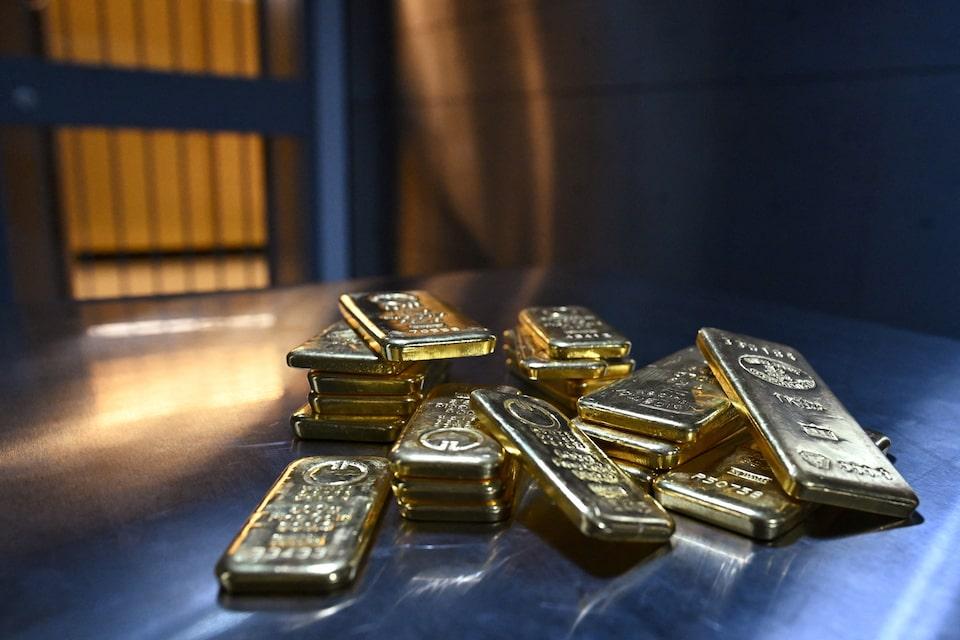
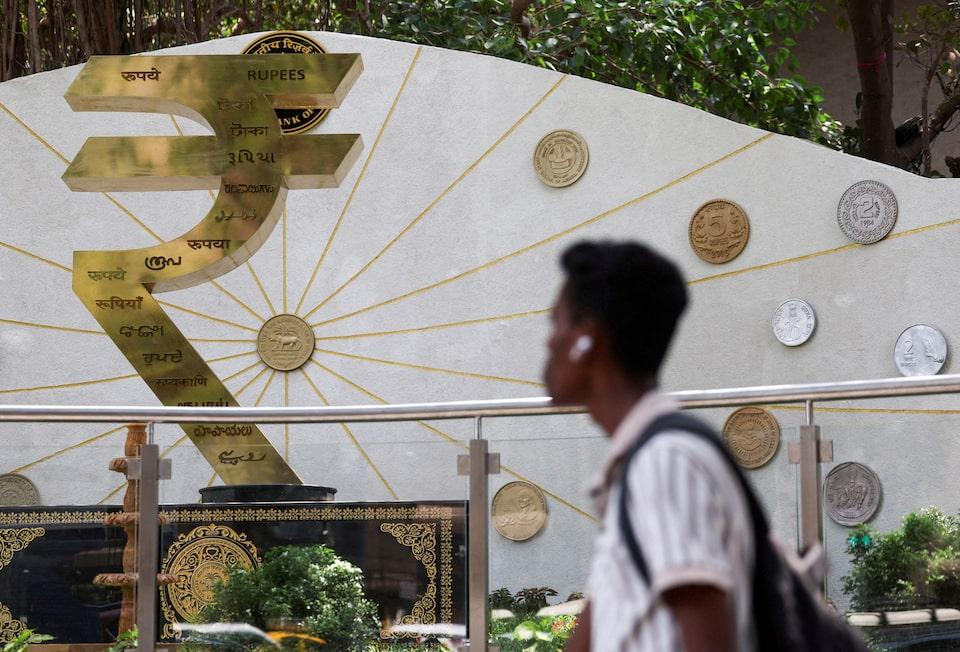
MUMBAI, Feb 2 (Reuters) - A searing rally in gold combined with FX swaps undertaken to boost domestic liquidity have pushed India's foreign exchange reserves to an all-time high, bolstering the central bank's ability to manage rupee volatility amid capital outflows and U.S. trade tensions. FX reserves rose to $709 billion in the week through January 23, according to data released on Friday, rising $8 billion week-on-week, with about 70% of the increase attributed to the higher value of gold holdings. Sign up here. WHY IT'S IMPORTANT FX reserves are a key component of maintaining comfort on external stability metrics for an economy, especially for a country like India that runs a current account deficit. The reserves are closely monitored during periods of currency stress. The rupee has been under pressure for the past few months, slipping to a lifetime low of 91.9850 on Friday. BY THE NUMBERS Since steep U.S. tariffs took effect in last August, the rupee has weakened roughly 5%, a move exacerbated by equity outflows that may have been partly driven by the tariffs. Yet, India’s FX reserves have risen by about $25 billion in that period, despite frequent central bank intervention aimed at ensuring the rupee’s depreciation remains orderly. The Reserve Bank of India's use of buy/sell USD-INR swaps, which offset the liquidity drain from spot dollar sales, has softened the impact of intervention on headline reserve levels. The price of gold, meanwhile, has hit a string of record highs over recent weeks. CONTEXT The Indian central bank held about 28.3 million troy ounces of gold as part of its FX reserves at the end of December, and has been routinely conducting USD-INR buy/sell swaps on a to manage the liquidity impact of its spot dollar sales to support the rupee. Since late 2025, the RBI has conducted swaps worth at least $25 billion. Another $10 billion swap auction is scheduled for Wednesday. Concentrated largely in the three-year bucket, the buy/sell swaps involve the central bank mopping up dollars from the banking system in the first leg of the transaction, which feeds into the headline reserve number. GRAPHIC KEY QUOTES: A combination of increased gold prices and the RBI's buy/sell swap operations has contributed to the changes in FX reserve numbers, said Madan Sabanvis, chief economist at Bank of Baroda. The RBI has been actively using FX swaps to manage banking system liquidity; and they mature, the reserves are likely to reduce by a corresponding amount, he added. https://www.reuters.com/world/india/gold-rally-fx-swaps-bolster-india-central-banks-shield-rupee-2026-02-02/
2026-02-02 06:37
Commodities slump after Warsh picked to be US Fed chair Gold, silver, oil, copper see sharp losses CME raises margin requirements following sharp Friday selloff US-Iran de-escalation eases oil supply fears SINGAPORE, Feb 2 (Reuters) - Commodities markets slumped on Monday, led by deep losses in gold, silver, oil and industrial metals, as a selloff unleashed by President Donald Trump's choice of Kevin Warsh for the next U.S. Fed chair sent precious metals tumbling for a second session. Losses spilled over into equity markets as investors ditched other assets to cover any precious metals losses. Global stocks fell for a third straight day, led by steep declines across Asia and in Europe, where basic resources stocks came under heavy fire. Sign up here. MSCI's All-World index (.MIWD00000PUS) , opens new tab was down 0.5% on the day, having fallen 1.5% since January 27's record high. Investor nervousness was also reflected in a renewed rise in the VIX volatility index (.VIX) , opens new tab, which nudged at the 20-level that many view as a sign of heightened market tensions. Gold slid 5% to its lowest in more than two weeks, while silver fell more than 7%. Both metals hit records last week. Oil , dropped nearly 5%, easing from multi-month highs, and London Metal Exchange copper fell 3%. On Friday, Trump named Warsh, a former governor of the Federal Reserve, to succeed Jerome Powell as head of the central bank in May. The choice sparked selling across financial markets. Wall Street's main indexes closed lower on Friday. The Dow Jones Industrial Average (.DJI) , opens new tab fell 0.36%, the S&P 500 (.SPX) , opens new tab 0.43% and the Nasdaq Composite (.IXIC) , opens new tab 0.94%. Trump's choice of Warsh upended the idea that Powell's replacement would push for aggressive monetary easing and lifted the dollar, which, when it rises, makes commodities more expensive for holders of other currencies, hitting demand. Though he now advocates for rates to be lowered, Warsh had a reputation as an inflation hawk in his earlier stint at the Fed. "The decision by markets to sell precious metals alongside U.S. equities suggests investors view Warsh as more hawkish," said Vivek Dhar, a commodities strategist at Commonwealth Bank of Australia. A hawkish Fed signals interest rates will stay higher for longer, supporting the dollar and raising the opportunity cost of holding gold and silver, dimming their appeal. "A stronger U.S. dollar is also adding pressure on precious metals and other commodities, including oil and base metals," added Dhar, who is sticking with a gold price forecast of $6,000 in the fourth quarter, however. PRECIOUS METALS SELLING ACCELERATES ON MARGIN HIKES The decline began on Friday, with the steepest one-day drop in spot gold since 1983, for a fall of more than 9%, while silver plunged 27% in its largest daily decline on record. Selling in precious metals accelerated as CME Group hiked margins on its metal futures, with effect from Monday's market close. An increase in margin requirements is generally negative for affected contracts, as the higher capital outlay can dampen speculative participation, reduce liquidity, and push traders to unwind positions. "The scale of the unwind unfolding in gold today is something I haven't witnessed since the dark days of the 2008 global financial crisis," said IG market analyst Tony Sycamore. Prices in energy markets, meanwhile, came under pressure on Monday from signs of de-escalation in U.S.-Iran tension after Trump's weekend comments that Iran was "seriously talking" with Washington, easing fears of conflict with the OPEC member. Those comments, along with reports that the naval forces of Iran's Revolutionary Guards have no plans for live-fire exercises in the Strait of Hormuz, are signs of de-escalation, Sycamore added. Copper and iron ore markets faced headwinds amid worries over high inventories and subdued demand in the run-up to this month's Lunar New Year break in China, the world's biggest buyer of industrial and bulk metals. The end-user demand and transactions are expected to be sluggish before the holiday, which starts on February 15, analysts said. In other commodities, Tokyo rubber fell nearly 3% while Chicago wheat and soybeans were down about 1%. "The key question is whether this marks the start of a structural downturn in commodity prices or merely a correction," said CBA's Dhar. "We see it as a correction and a buying opportunity rather than a fundamental shift." https://www.reuters.com/markets/europe/slump-commodities-rattles-global-markets-2026-02-02/