2025-09-30 07:27
DUBAI, Sept 30 (Reuters) - Crew from the Dutch-flagged cargo ship Minervagracht have been safely transferred to Djibouti after an attack with an explosive device required them to be rescued by helicopter the previous day, the EU maritime mission Aspides said on Tuesday. The vessel remains adrift in the Red Sea following the attack that set it on fire and required the rescue of its 19 crew members, according to Aspides and the vessel's operator. Sign up here. https://www.reuters.com/world/crew-dutch-cargo-ship-safely-transferred-djibouti-says-eu-maritime-mission-2025-09-30/

2025-09-30 07:18
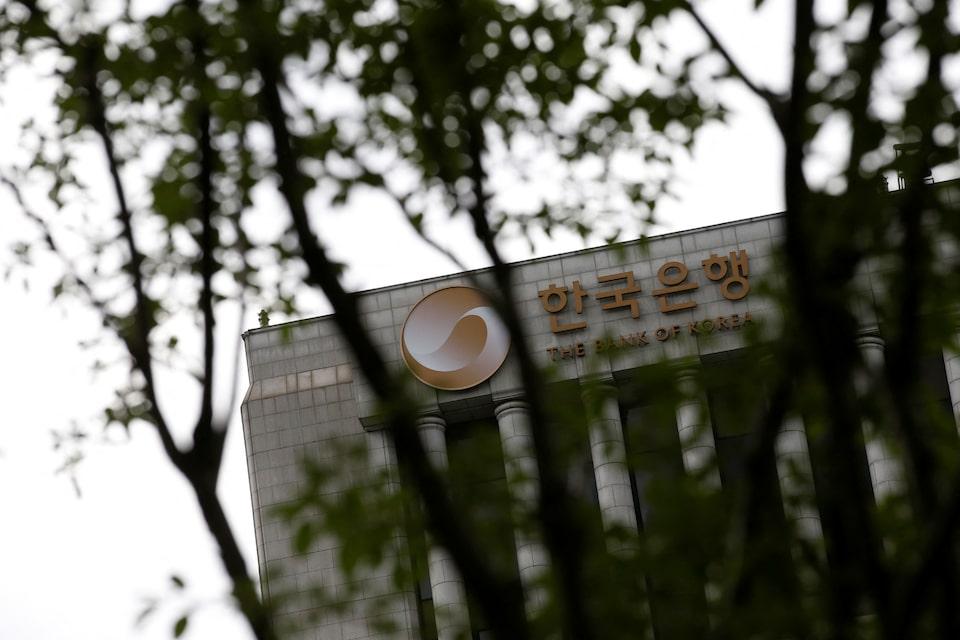
SEOUL, Sept 30 (Reuters) - South Korea's foreign exchange authorities sold a net $800 million in currency market intervention transactions in the second quarter, after selling $2.96 billion in the first quarter, central bank data showed on Tuesday. It was the third consecutive quarter authorities sold dollars to curb losses in the won. Sign up here. In the second quarter, the won strengthened 8.7% against the dollar, its biggest quarterly jump since the final quarter of 2022, after hitting at one point its weakest since 2009 at 1,487.60 per dollar. The dollar index fell 7.1% during quarter. https://www.reuters.com/world/asia-pacific/bank-korea-sold-net-800-million-fx-intervention-q2-2025-09-30/
2025-09-30 07:04
Sept 30 (Reuters) - Visa (V.N) , opens new tab said on Tuesday it will start testing a new way for businesses to fund international payments by allowing them to use stablecoins instead of pre-depositing cash in local accounts. The move signals growing acceptance of these digital tokens among major businesses, who have been emboldened by the United States passing the Genius Act, a law that set clear rules for stablecoin issuers. Sign up here. "The Genius Act changed everything. It made everything so much more legitimate. Before that regulatory clarity, all the big institutions were sort of on the fence," Mark Nelsen, head of product for Visa's commercial and money movement solutions, said in an interview with Reuters. The company is working with some unnamed partners and plans to expand the pilot program next year, it said. The pilot initiative will allow banks, remittance firms and other financial institutions to pre-fund accounts with stablecoins instead of traditional currencies. Such a move could make cross-border transactions faster and free up cash, as companies often have to lock funds in multiple currencies worldwide to cover local payouts. Stablecoins are digital tokens designed to keep a constant value. They are often backed by traditional assets such as the U.S. dollar or Treasuries. Their utility in moving money quickly across borders has fueled concerns that they could erode the market dominance of some payment companies and regional banks. "Stablecoins are moving from crypto gimmick to financial plumbing. It's one of the reasons we launched an inverse regional bank exchange-traded fund as I think the regionals are in trouble," said Matthew Tuttle, CEO of Tuttle Capital Management, referring to a fund designed to profit when regional bank stocks decline. Visa's pilot program, however, highlights how some incumbents are focusing on collaboration instead of competition, turning stablecoins into a tool to reinforce their own infrastructure. "The amount of software and technology that's been deployed globally for payments is hard to recreate. So it seems more likely to just incorporate stablecoin technology into existing flows," Nelsen said. https://www.reuters.com/technology/visa-bets-stablecoins-speed-up-cross-border-payments-2025-09-30/

2025-09-30 07:01
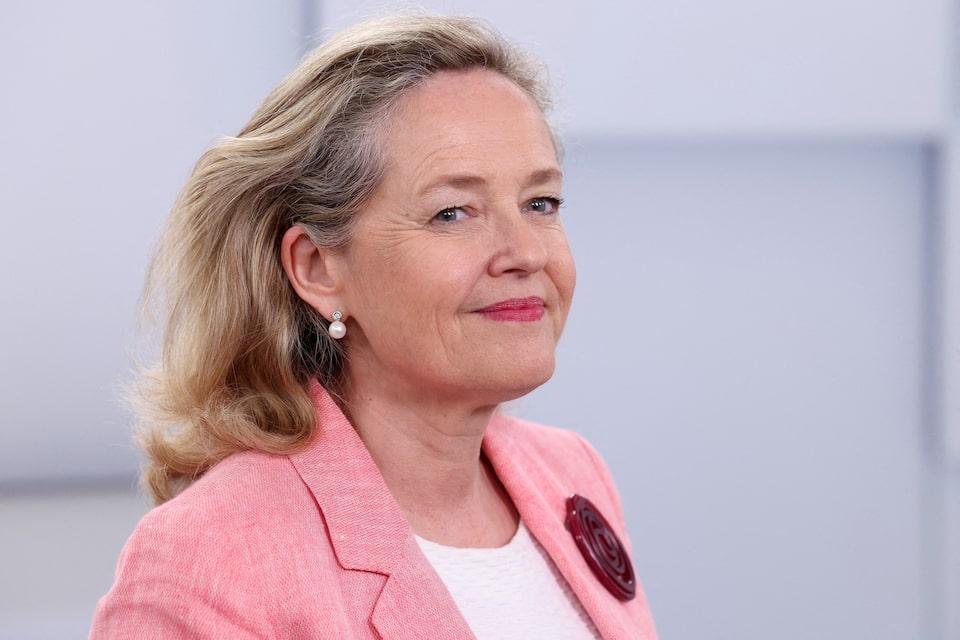
EIB targets six months or less on defence approvals as part of security push Lender wants to boost competitiveness in second climate 'roadmap' Bank's president expected to double spend on adapting to climate change by 2030 LONDON, Sept 30 (Reuters) - The European Investment Bank has cut the decision making time for security and defence projects to six months and expects to see the sector's share of total spending meet or exceed a 3.5% target in 2025 before growing further, its president told Reuters. The European Union has been looking to mobilise up to 800 billion euros ($938 billion) in defence spending across the region by 2029, under U.S. pressure to fund more of its own security in the face of threats from Russia. Sign up here. After committing earlier this year to spend 3.5% of its 100 billion-euro lending volume on defence and security, and broaden the range of eligible investments, Nadia Calvino said reducing the time it takes to make an investment decision was crucial. "We are really reducing the average time to market in the area of security and defence to around six months, and that is remarkable," said Calvino, president of the EU's lending arm which is owned by EU governments. Calvino said no decision had yet been taken on the bank's overall lending number for 2026 - pegged at 85 billion euros according to its three-year draft plan - but that the pipeline on security and defence projects was "very robust." "We are confident that we will ... meet that 2025 objective, or maybe even exceed that, and I would expect that the volumes will continue to grow in coming years," she said. Asked about the lender's possible role in the development of a "drone wall" that would provide advanced detection, tracking and interception capabilities along the bloc's eastern flank, Calvino said she was waiting for concrete estimates and proposals. "We are already financing projects in the area of drone manufacturing, and in particular drones that destroy drones." One example of a quick turnaround in defence was the bank's 450 million-euro ($528 million) loan for a military campus in Lithuania to strengthen NATO defence capabilities, which was presented in February and signed in June, Calvino said. CLIMATE THE MAIN FOCUS As well as defence, the bank also aimed to target a six-month turnaround when assessing venture capital and venture debt for technology startups, she added. "These are processes, these are decisions where time is of the essence - it marks the difference between successfully supporting a startup or maybe not being able to continue their project further." That was also true in the bank's core focus area of climate change, which accounts for the majority of its spending, she said. As part of its latest climate roadmap, which received unanimous support from shareholders, the EIB would double the amount of money it invests in adapting to climate change to 30 billion euros by 2030, she said. The plan for increased spending follows a summer of record extreme heat in Europe. In November, Brazil will host the COP30 global climate conference. Multilateral efforts to combat climate change have been pressured by U.S. President Donald Trump's decision to exit a deal to rein in global warming. "The top priority for the European Investment Bank Group is consolidating its role as the climate bank," said Calvino. "While others are pushing back, Europe is moving forward." ($1 = 0.85 euro) https://www.reuters.com/sustainability/cop/eib-president-says-she-expects-share-security-defence-spending-rise-further-2026-2025-09-30/
2025-09-30 06:52
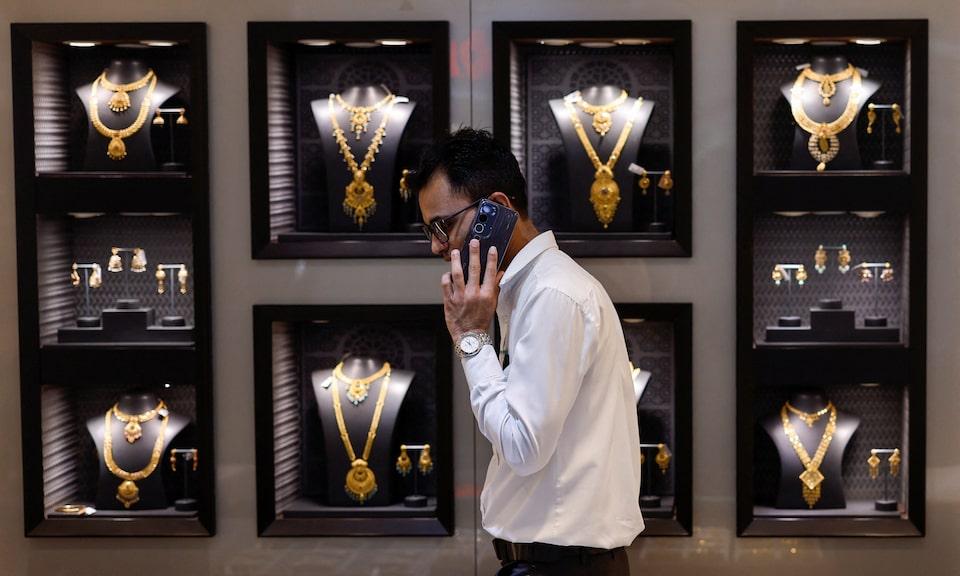
Gold up over 10% so far this month Trump imposes additional tariffs Silver on track for best month since July 2020 Sept 30 (Reuters) - Gold fell on Tuesday as investors booked profits after prices hit a record high earlier in the session, while concerns about a looming U.S. government shutdown and increased bets of a Federal Reserve rate cut limited losses. Spot gold fell 0.7% to $3,805.99 per ounce, as of 0723 GMT after rising 1% to hit a record high of $3,871.45 during Asia hours. Bullion has risen 10.5% so far in September, and is on track for its biggest monthly percentage gain since July 2020. Sign up here. U.S.goldfuturesforDecemberdeliveryfell0.6%to$3,833.40. Swissquote external analyst Carlo Alberto De Casa said gold has pared gains on profit-taking after rising as much as 1% during Asia hours and "so far this is just a technical correction and we are not talking about an inversion." U.S. President Donald Trump and his Democratic opponents appeared to make little progress at a White House meeting aimed at heading off a government shutdown that could disrupt a wide range of services as soon as Wednesday. "The risk of shutdown for gold is positive because it means uncertainty and that the Federal Reserve doesn't have clear data because that could arrive late," De Casa added. Markets expect an over 91% chance of a 25-basis-point reduction at the Fed's October meeting, according to CME Group's FedWatch tool. Investors now await a slew of U.S. data including Friday's non-farm payrolls for further clues on the economy's health. The U.S. Labor Department confirmed on Monday that its statistics agency would suspend data releases, including the closely-watched monthly employment report in the event of a partial government shutdown. UBS expects gold could rise as high as $4,200/oz by mid-2026 in its bull case scenario, the bank said in a note on Tuesday. Gold, viewed as a safe-haven asset in times of geopolitical and economic uncertainty, tends to do well in a low-interest rate environment. Shares of China's Zijin Gold International (2259.HK) , opens new tab rose 66% in their Hong Kong trading debut, after the company raised $3.2 billion in an initial public offering (IPO), the largest deal of its kind globally in 2025. Elsewhere, spot silver lost 1.7% to $46.14 per ounce but has climbed 16.3% so far this month. Platinum fell 3.1% to $1,551.80 and palladium lost 3% to $1,230.19. https://www.reuters.com/world/india/gold-hits-record-high-heads-best-month-14-years-safe-haven-rush-2025-09-30/
2025-09-30 06:47
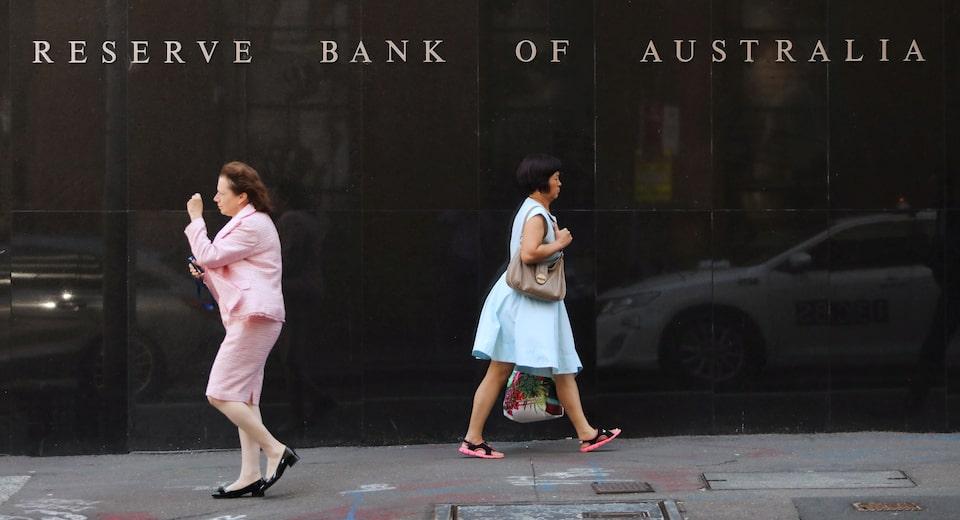
RBA keeps cash rate at 3.60% amid inflation concerns Swaps imply 36% chance of November cut, 50% for December Australian dollar rises, bond futures fall after RBA decision SYDNEY, Sept 30 (Reuters) - Australia's central bank on Tuesday left its cash rate steady as expected at 3.60%, saying recent data suggested inflation might be higher than forecast in the third quarter and that the economic outlook remained uncertain. Wrapping up a two-day policy meeting, the Reserve Bank of Australia said the board judged it was appropriate to remain cautious on policy, but was well-placed to respond to international developments. Sign up here. The more cautious commentary from the central bank prompted markets to further trim bets on rate cuts this year and for some analysts to even call a possible end to the current policy easing cycle if conditions remain upbeat. Markets had seen scant chance of a further easing this week after a strong second quarter GDP report and a high monthly inflation reading that argued for a measured pace of policy easing. Speaking to reporters after the decision, Governor Michele Bullock said the central bank would remain data dependent and by November have quarterly inflation data, a labour market report and updated economic forecasts, as well as more forward looking indicators to decide on policy. "What we are focusing on is an interest rate path that will deliver us inflation sustainably in the band. That could mean a couple more reductions. It might not. I don't know at this point and we will look at all this again in November." The central bank said recent data, while partial and volatile, suggests that inflation in the third quarter may be higher than expected due to sticky prices in market services, adding that it was appropriate to remain cautious. The Australian dollar rose 0.4% at $0.66 after the meeting, while three-year bond futures fell 4 ticks to 96.40. Swaps now imply around a 36% probability of a rate cut at the next policy meeting in November from 55% previously, while a move in December is about 50% priced in from 70%. CAUTIOUS TURN The RBA has so far adopted a gradual and cautious approach to policy easing, having cut rates in February, May and August after assessing inflation data for each quarter. It has said the pace of further policy easing depends on the flow of data. The often volatile monthly readings on inflation suggest the quarterly outcome could surprise on the upside. Meanwhile, the economy grew at the fastest annual pace in almost two years in the second quarter as consumption picked up after a long fallow period. Employment growth has slowed but the jobless rate hovered at a historical low of 4.2%. The central bank judged the labour market was close to full employment but there is still tightness in some industries. "The post-meeting statement is a little more hawkish than we’d expected and heightens the risk evident after the August monthly CPI indicator that the November meeting passes without a rate cut," said Adam Boyton, head of Australian economics at ANZ. "Absent a 'shock', the tone of today's post-meeting statement also suggests that we are quite close to the end of the easing cycle." The central bank had forecast headline inflation, which ran at 2.1% last quarter, to pick up to 3.1% by the middle of next year, as electricity rebates fade, but core inflation is expected to stay anchored around 2.6% over the coming years. Bullock said she judged the current cash rate as "a little bit" restrictive. Financial conditions have eased since the beginning of the year, although the full effects are still taking time to flow through, she added. "A downside Q3 inflation surprise is needed for the RBA to cut in November," said analysts at Citi Australia, noting unexpected jobs weakness could also provide a catalyst. "Overall, we expect one more 25bp cut in February 2026. However, we note risks that the RBA could be done in this cycle." https://www.reuters.com/world/asia-pacific/australias-central-bank-holds-rates-steady-cautious-inflation-2025-09-30/