2025-09-30 05:05
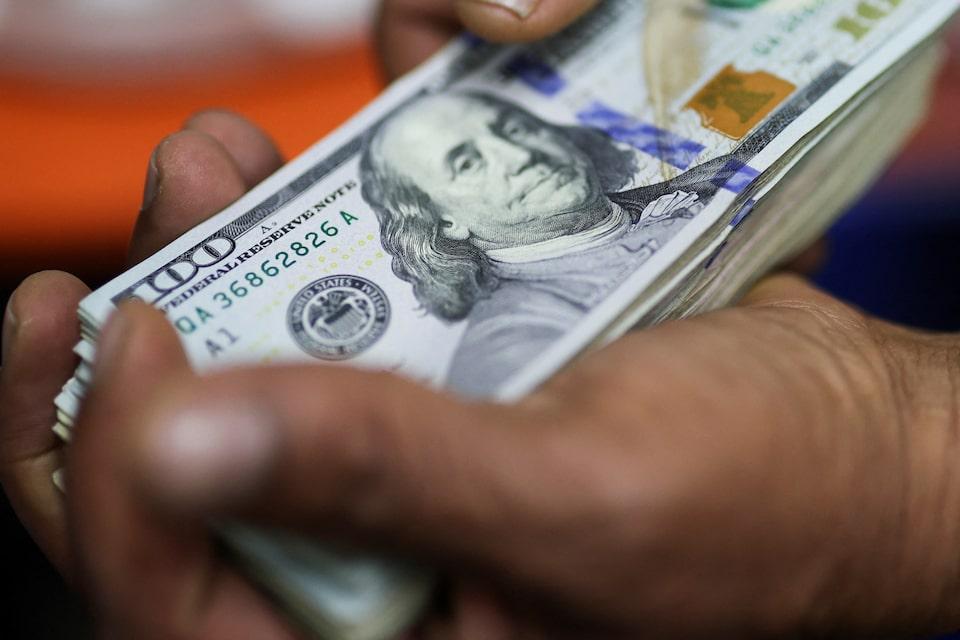
Shutdown could delay jobs report, muddying Fed policy path Aussie up after RBA stands pat, cautious on inflation Japanese yen may benefit from U.S. shutdown NEW YORK, Sept 30 (Reuters) - The dollar fell on Tuesday following softer-than-expected economic data, as investors awaited a likely U.S. government shutdown that could disrupt the release of the monthly nonfarm payrolls report this week. Government funding expires at midnight on Tuesday (0400 GMT) unless Republicans and Democrats agree to a last-minute interim deal. Sign up here. "The shutdown is pretty much well-priced in by the market," said Eugene Epstein, head of trading and structured products, North America, at Moneycorp in New Jersey. "The question is how long the shutdown is going to be - if it's a few days as the market seems to be expecting at the moment, or is it actually going to prolong into something bigger?" U.S. President Donald Trump warned congressional Democrats on Tuesday that letting the federal government shut down at midnight would allow his administration to take "irreversible" actions including shutting down programs important to them. The U.S. Labor and Commerce departments said their statistics agencies would halt data releases in the event of a partial shutdown, including closely watched employment data for September. The payrolls report, due Friday, is crucial for Federal Reserve decision-making, so a delay could generate extra market volatility, as uncertainty among investors increases. "The logic is that a government shutdown could lead to a more dovish Fed," said Elias Haddad, senior markets strategist at Brown Brothers Harriman in a research note. "If a shutdown is brief, the Fed will ignore it. However, a prolonged shutdown (more than two weeks), increases the downside risk to growth and raises the likelihood of a more accommodative Fed." U.S. rate futures are pricing in 45 basis points of easing this year, most likely starting with 25 bp in October, with a strong chance of a second by year-end. In afternoon trading, the dollar fell 0.5% against the yen to 147.85, extending its decline after a mixed Bureau of Labor Statistics' Job Openings and Labor Turnover Survey, or JOLTS. On the quarter, the dollar rose 2.7%, the best quarterly gains since October 2024. The report showed U.S. job openings increased marginally in August while hiring declined, consistent with a softening labor market. Job openings, a measure of labor demand, rose 19,000 to 7.227 million by the last day of August. Hiring fell 114,000 to 5.126 million in August. Layoffs dropped 62,000 to 1.725 million. The dollar index slid 0.1% to 97.78 , but ended the September quarter 1.1% higher, the biggest quarterly advance since January. The euro rose 0.1% to $1.1740 , but was down 0.4%, the biggest quarterly loss since October 2024. The greenback was also weighed down by the Conference Board's consumer confidence index, which dropped 3.6 points to 94.2 this month. Economists polled by Reuters had forecast a drop to 96.0. For the yen, investors considered the Bank of Japan's summary of opinions from its September meeting, at which the possibility of a near-term rate hike was discussed. Markets show traders are placing a 60% chance on a December rate hike. Strategists at ING say selling dollar for yen could prove popular should the U.S. shutdown materialize. The dollar has risen 0.7% against the yen this month, but has fallen nearly 6% so far in 2025, as investors believe Japanese rates are likely to slowly rise, while those in the United States fall. "A lower dollar/yen may well remain the favourite trade during the shutdown. It lost 1.5% during the 2018-19 shutdown, and is currently trading 1% above its short-term fair value, according to our model," ING FX strategist Francesco Pesole said. The Australian dollar was last up 0.6% at US$0.6615 after the Reserve Bank of Australia, which has lowered borrowing costs three times this year, held rates steady as expected. The bank said recent data suggested third-quarter inflation might be higher than expected and the economic outlook remained uncertain. The Aussie was up 0.5% in the third quarter. In Europe, sterling shrugged off data that showed Britain's economic growth slowed to 0.3% between April and June this year, while the current account deficit grew in the three months to the end of June far more than expected to the equivalent of 3.8% of gross domestic product, up from 2.8% in the first quarter of 2025. The pound was last up 0.1% against the dollar at $1.3450 and a touch higher against the euro , which was down 0.2% at 87.28 pence. On the quarter, sterling dropped 2% versus the greenback, its worst quarterly showing since October last year. https://www.reuters.com/world/middle-east/dollar-soft-possible-us-shutdown-jobs-report-delay-hurt-sentiment-2025-09-30/
2025-09-30 05:02
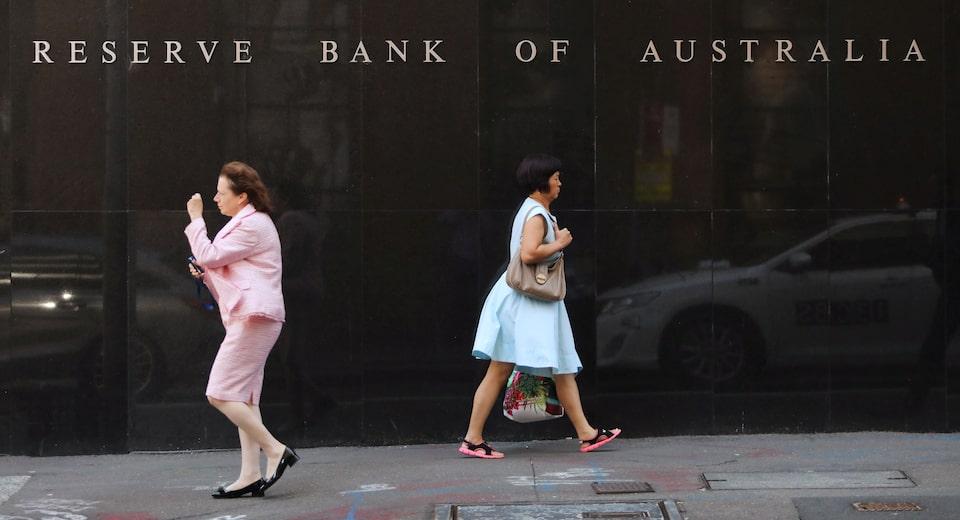
SYDNEY, Sept 30 (Reuters) - Australia's central bank on Tuesday left its cash rate steady as expected at 3.60%, saying recent data suggested inflation might be higher than forecast in the third quarter and the economic outlook remained uncertain. Wrapping up a two-day policy meeting, the Reserve Bank of Australia said the board judged it was appropriate to remain cautious on policy, but was well placed to respond to international developments. Sign up here. Markets had seen scant chance of a further easing this week following a quarter-point cut in August, while a high reading on monthly consumer prices had argued for waiting for the full third-quarter inflation report due in late October. https://www.reuters.com/world/asia-pacific/australias-central-bank-holds-rates-cautious-inflation-2025-09-30/
2025-09-30 04:41
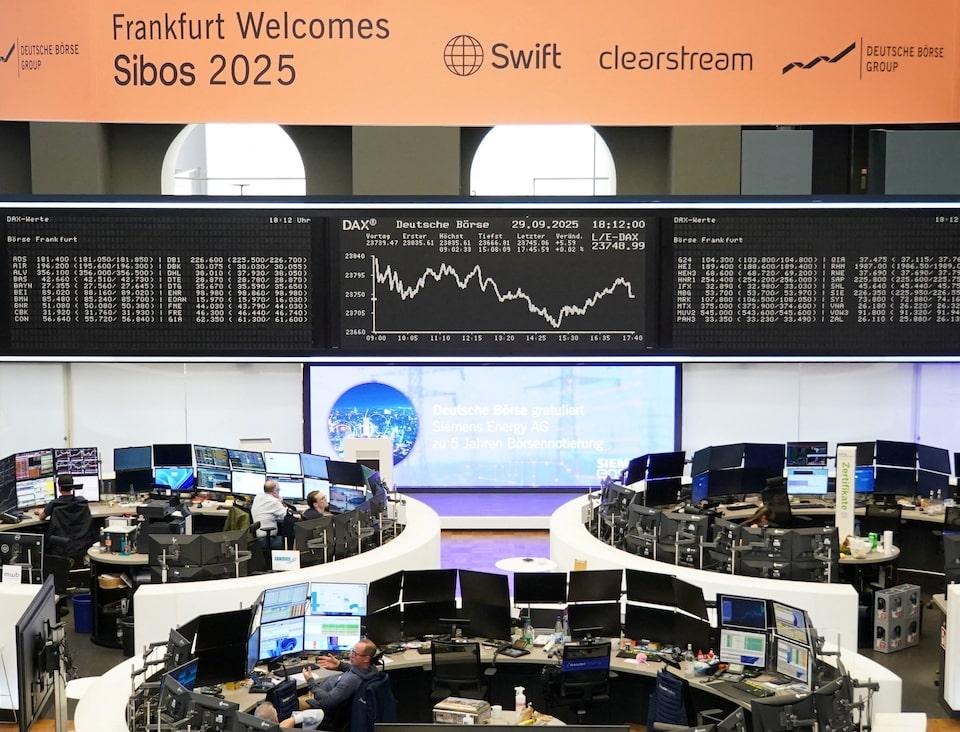
A look at the day ahead in European and global markets from Rocky Swift With a U.S. government shutdown and the imposition of sweeping tariffs looming, President Donald Trump knew just what markets needed. Sign up here. More tariffs. In what's becoming a regular ritual, Asian markets were the first to digest overnight announcements from the White House on new U.S. import duties, this time on bathroom vanities, lumber, cabinets, and other goods. Trump's proclamation cited "national defence" for the tariffs on foreign furniture, due to start on October 14 and following duties on trucks and drugs that go into effect on Wednesday. And there has yet to be a breakthrough in talks between Trump and congressional Democrats to forestall a government shutdown the same day. Anxiety about a shutdown pushed safe-haven gold to a fresh record. Data out of China and Japan hinted at the toll that trade uncertainty is wrecking on the region's biggest economies. China's manufacturing activity shrank for a sixth month in September, official data showed, while a separate report showed Japan's factory output fell more than expected in August. The Australian dollar added slightly to gains on the day after the nation's central bank held rates steady, as widely expected, and said uncertainty in the global economy remains elevated. Asian share markets took it all in stride, with MSCI broadest ex-Japan gauge adding to its more than 5% jump in September, the best in a year. If Washington does go dark, it would halt the release on Friday of all-important non-farm payrolls data for September, a key input for the timing of further easing by the Federal Reserve. That puts the spotlight on other U.S. labour reports, including today's JOLTS data. Analysts expect the figures to show job openings held firm at around 7.18 million in August. Equity contracts pointed to an opening in the red for European markets. Pan-region Euro Stoxx 50 futures were down 0.07%, German DAX futures slid 0.06%, and FTSE futures edged 0.08% lower. U.S. futures, the S&P 500 e-minis , were flat. Key developments that could influence markets on Tuesday: - U.S. consumer confidence for September, JOLTS job openings for August - Flash CPIs for Germany, France - British Q2 GDP - Speeches by ECB President Christine Lagarde, Fed Vice Chair Philip Jefferson, Boston Fed President Susan Collins https://www.reuters.com/world/china/global-markets-view-europe-2025-09-30/
2025-09-30 03:06
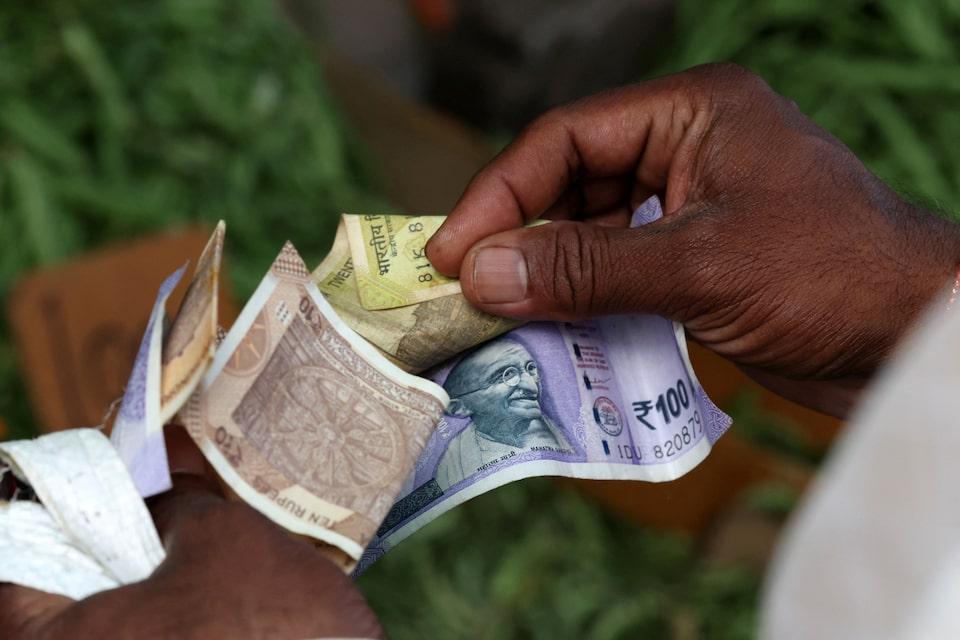
MUMBAI, Sept 30 (Reuters) - The Indian rupee is likely to hover near its lifetime low at open on Tuesday, dragged by weakness across Asia and persistent U.S. trade tensions that have strained New Delhi’s economic ties with Washington. Non-deliverable forwards indicated the rupee would open at 88.74–88.78 to the dollar, little changed from Monday’s 88.76 level and near the lifetime trough of 88.7975 struck last week. Sign up here. Persistent strain on the rupee has built up in recent weeks, driven by the drag from U.S.-India trade frictions. Washington’s 50% punitive tariffs on Indian goods and the hike in H-1B visa fees, which is expected to hit India harder than any other country, have driven foreign investors to pull money out of equities. Last week, foreign investors pulled out $1.8 billion, with preliminary data showing more than $300 million sold on Monday. "Most were thinking the 50% tariff would come down to 25% through talks - looks like that’s not happening anytime soon," a currency trader at a Mumbai-based bank said. "Then you throw in the H-1B visa news, and the pick up in equity outflows," keeping the rupee under persistent strain, he added. The Reserve Bank of India has been stepping in to slow the rupee's slide without which, bankers say, the Indian currency would have fallen much more. ASIA FALTERS At Tuesday’s open, the rupee faces pressure from weaker Asian peers and a modest rise in the dollar index. Investors are wary of a potential U.S. government shutdown, which could delay key economic data, including this week’s key jobs report. Economists at Morgan Stanley expect each week of a shutdown to shave about 10 basis points off real U.S. GDP. U.S. long maturity Treasuries rallied on Monday. KEY INDICATORS: ** One-month non-deliverable rupee forward at 88.9; onshore one-month forward premium at 15.5 paise ** Dollar index up at 98.00 ** Brent crude futures down 0.6% at $67.6 per barrel ** Ten-year U.S. note yield at 4.14% ** As per NSDL data, foreign investors sold a net $561.2mln worth of Indian shares on Sep. 28 ** NSDL data shows foreign investors sold a net $50.5mln worth of Indian bonds on Sep. 28 https://www.reuters.com/world/india/rupee-pinned-near-all-time-low-weak-asia-enduring-us-trade-troubles-2025-09-30/
2025-09-30 02:06
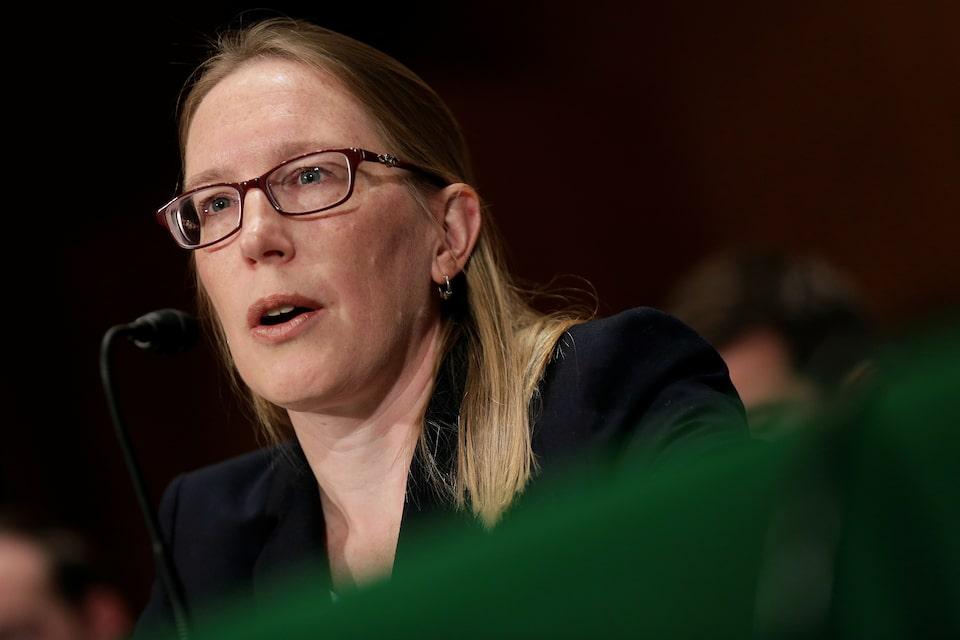
SINGAPORE, Sept 30 (Reuters) - A top U.S. securities regulator known for her supportive stance on the cryptocurrency industry said on Tuesday that the Securities and Exchange Commission is open to working with industry participants on tokenising products. "We are willing to work with people who want to tokenise, we urge them to come talk to us," said Hester Peirce, a Republican commissioner on the U.S. Securities and Exchange Commission (SEC), who was speaking virtually at the Digital Assets Summit in Singapore. Sign up here. https://www.reuters.com/technology/us-sec-commissioner-says-regulator-willing-work-with-those-who-want-tokenise-2025-09-30/
2025-09-30 00:53
OPEC+ plans larger increase to output in November, sources say Iraq's Kurdistan crude oil flows via Turkey resume Netanyahu supports US-backed Gaza peace proposal US crude stocks fall, fuel inventories rise, API data show HOUSTON, Sept 30 (Reuters) - Oil prices settled lower on Tuesday as investors braced for a supply surplus due to potential OPEC+ plans for a larger output hike next month and the resumption of oil exports from Iraq's Kurdistan region via Turkey. Brent crude futures for November delivery , expiring on Tuesday, settled down 95 cents, or 1.4%, at $67.02 a barrel. The more active December contract settled at $66.03. Sign up here. U.S. West Texas Intermediate crude settled at $62.37 a barrel, down $1.08, or 1.7%. On Monday, Brent and WTI both settled more than 3% lower, their sharpest daily declines since August 1. At its meeting next Sunday, OPEC+ may speed up production increases in November from the 137,000 barrels per day hike it made for October, as its leader Saudi Arabia pushes to regain market share, three sources familiar with the talks said. Eight members of OPEC+ could agree to raise production in November by 274,000-411,000 bpd, or two or three times higher than the October increase, two of the three sources said. OPEC+ pumps about half of the world's oil. The increase could be as big as 500,000 bpd, one of the three sources said. Earlier on Tuesday, Bloomberg News reported that OPEC+ was considering accelerating its increases by 500,000 bpd. OPEC in a post on X said it rejected media reports for plans to raise output by 500,000 bpd, calling them inaccurate and misleading. "This (OPEC+) strategy could significantly squeeze margins for high-cost U.S. shale producers, potentially forcing them to scale back the record-level output they've maintained," said StoneX analyst Alex Hodes. Meanwhile, crude oil flowed on Saturday through a pipeline from the semi-autonomous Kurdistan region in northern Iraq to Turkey for the first time in two-and-a-half years, after an interim deal broke a deadlock, Iraq's oil ministry said. "Oil prices are under pressure in anticipation of OPEC+ deciding to restore additional quantities of oil back to market, along with the resumption of Kurdish exports, so additional supplies are weighing on market prices," said Andrew Lipow, president of Lipow Oil Associates. The market has remained cautious in recent weeks, balancing supply risks, which mainly arise from Ukraine's drone attacks on Russian refineries, with expectations of oversupply and weak demand. Elsewhere, U.S. President Donald Trump won Israeli Prime Minister Netanyahu's support for a U.S.-backed Gaza peace proposal, but the stance of Hamas was uncertain. In an ideal scenario, shipping traffic through the Suez Canal would return to normal following a Gaza peace deal, which would remove a significant portion of the geopolitical risk premium, PVM analyst Tamas Varga said. Adding to the bearish sentiment, the potential risk of a U.S. government shutdown has raised demand concerns, said ANZ analysts in a note. U.S. crude production rose to a fresh monthly high of 13.64 million bpd in July, up 109,000 bpd from the previous record in June, data from the Energy Information Administration showed on Tuesday. U.S. crude stocks fell while gasoline and distillate inventories rose last week, market sources said, citing American Petroleum Institute figures on Tuesday. Crude stocks fell by 3.67 million barrels in the week ended September 26, the sources said on condition of anonymity. Gasoline inventories rose by 1.3 million barrels, while distillate inventories rose by 3 million barrels from last week, the sources said. https://www.reuters.com/business/energy/oil-falls-opec-plans-further-increase-output-2025-09-30/