2024-05-07 18:54
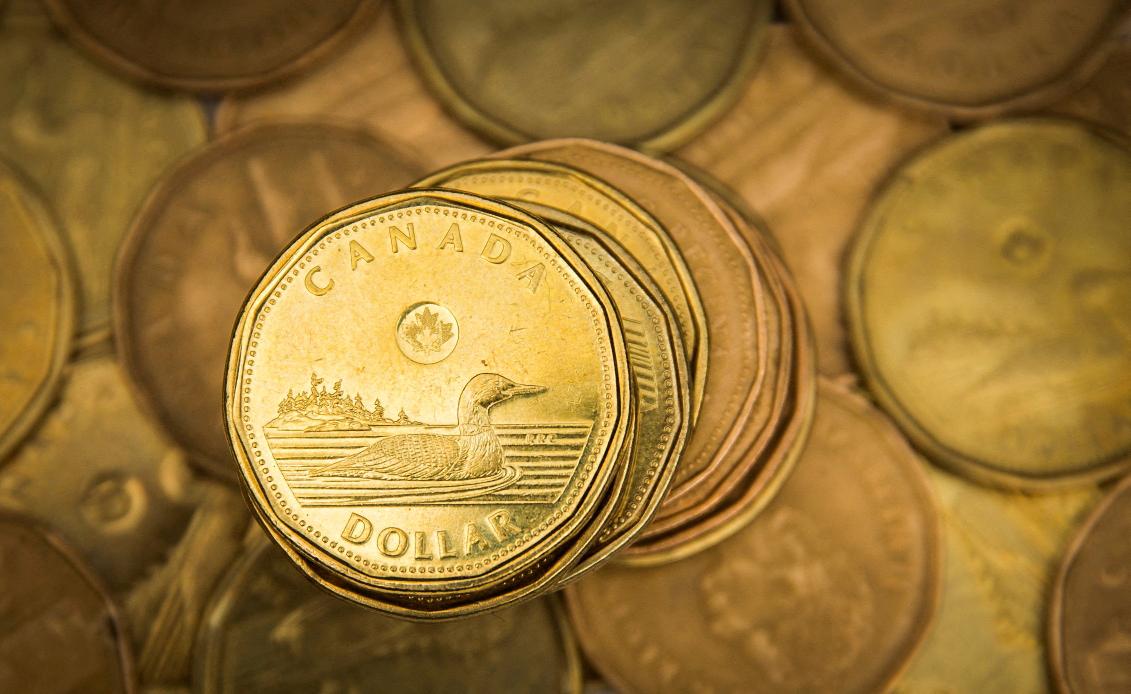
Canadian dollar falls 0.5% against the greenback Trades in a range of 1.3661 to 1.3741 Price of U.S. oil settles 0.1% lower 10-year yield hits a near 4-week low TORONTO, May 7 (Reuters) - The Canadian dollar weakened against its U.S. counterpart on Tuesday as interest rate differentials continued to count against holding the currency and ahead of a key domestic employment report this week. The loonie was trading 0.5% lower at 1.3735 per U.S. dollar, or 72.81 U.S. cents, after trading in a range of 1.3661 to 1.3741. "The main reason the Canadian dollar is falling is interest rate differentials," said Rahim Madhavji, president at Knightsbridge Foreign Exchange. "The expectation still continues to be that the Bank of Canada is looking to decrease rates in June, and the Fed will also head in that direction but it is definitely in no hurry to do that." Money markets see a roughly two-thirds chance the Canadian central bank would begin an interest rate-cutting campaign at its next policy decision on June 5, while the Fed is expected to remain on hold until September . Canada's employment report for April, due on Friday, could offer clues on the strength of the domestic economy. Economists expect a jobs gain of 18,000 and the unemployment rate to rise to 6.2% from 6.1% in March. Data on Tuesday showed Canadian purchasing activity rising at a faster pace in April, while the price of oil , one of Canada's major exports, settled 0.1% lower at $78.38 a barrel as easing supply concerns and signs of weakening demand countered fears of escalation in the Middle East. Canadian government bond yields edged lower across a flatter curve. The 10-year was down 3 basis points at 3.582%, after earlier touching its lowest level since April 10 at 3.555%. Sign up here. https://www.reuters.com/markets/currencies/c-weakens-rate-outlook-reduces-currencys-appeal-2024-05-07/
2024-05-07 18:05
ROME, May 7 (Reuters) - Italy's Leonardo is waiting to see the impact of Boeing's (BA.N) New Tab, opens new tab recent troubles on production, which could cost the Italian firm some 50 million euros in 2024, the group's CEO said on Tuesday. CEO Roberto Cingolani said there was still very little visibility on the issue. He added that the defence and aerospace group was ready to "take action" to mitigate any fallout but cautioned that it may have to push back the break-even of its aerostructures unit, which had been expected in 2025. "Boeing is going through some problems, we are tuned to see the impact on (our) production, taking action to mitigate any fallouts," Cingolani told a post-results analysts' call. The Italian group designs, develops and manufactures components for Boeing's 787 Dreamliner airframe. Cingolani said that in the worst-case scenario, a slowdown in Boeing orders could have a 50-million-euro ($53.81 million) impact on full-year results, but gave no further details. He added that the state-controlled group had received very little information from its U.S. counterpart, which is currently overhauling its management as it grapples with a growing crisis following a mid-air panel blowout on a plane in January. "Without precise information it is difficult to make a clear analysis. We need to talk to Boeing first, have numbers and understand what their plans are," Cingolani said. ($1 = 0.9292 euros) Sign up here. https://www.reuters.com/business/aerospace-defense/italys-leonardo-wait-and-see-mode-over-boeing-delays-2024-05-07/

2024-05-07 17:45
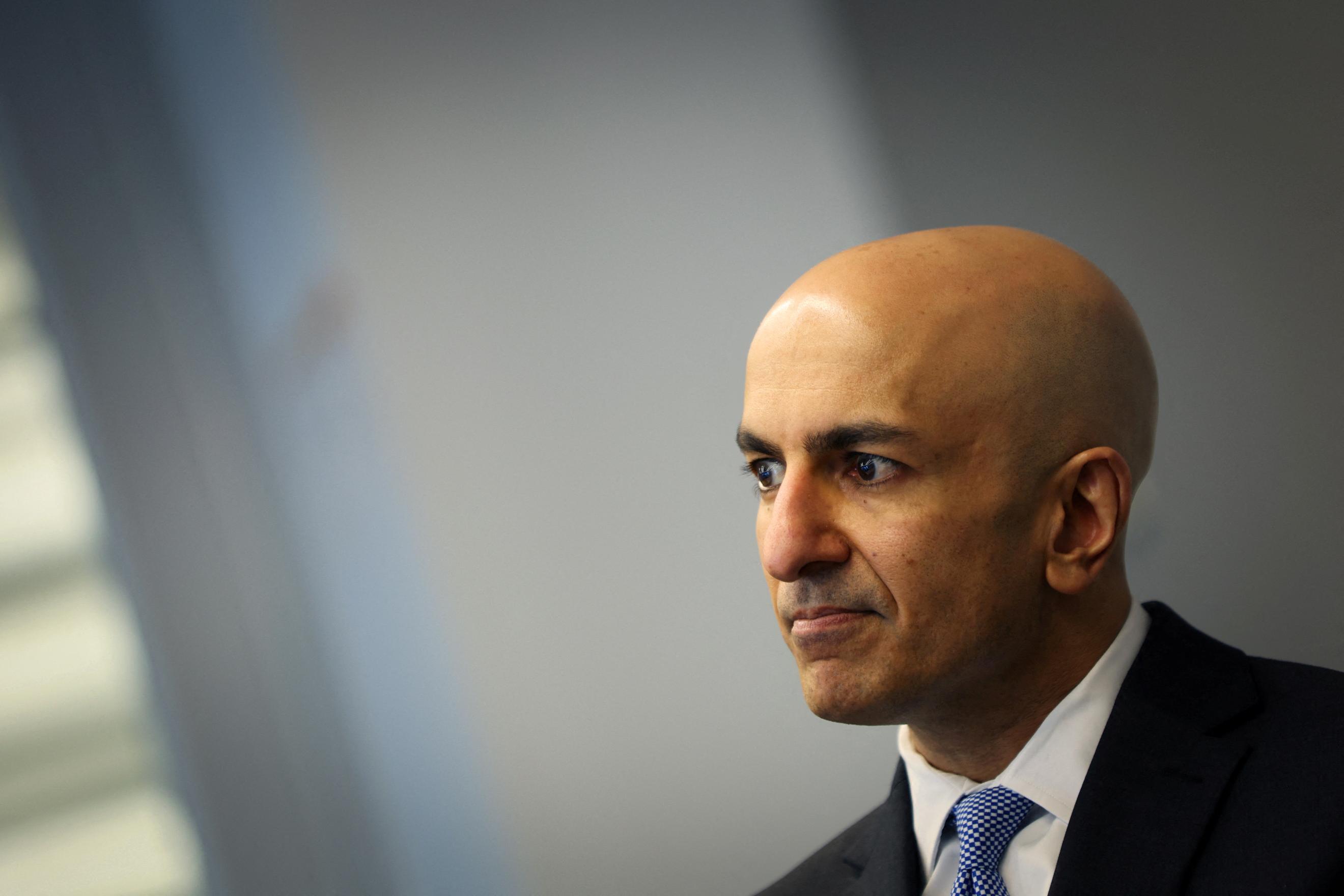
WASHINGTON, May 7 (Reuters) - Inflation lodged above the U.S. Federal Reserve's 2% target could leave policymakers saddled with the difficult choice in coming months of how much risk to take with economic growth and the job market for what may only be modest further improvements in the pace of price increases. Inflation has been largely stalled for the first three months of the year at a rate, roughly 2.7%, that policymakers regard as still too far above their target to declare the job finished, but also so close to it they've been reluctant to yet say that further rate increases may be likely. If inflation simply flatlines from here, central bank chief Jerome Powell said at a press conference following last week's meeting, the Fed could simply wait it out, still confident that the current policy rate of interest is high enough to coax inflation lower. But Minneapolis Fed President Neel Kashkari raised another possibility on Tuesday in a new essay New Tab, opens new tab in which he said recent data - from the strength of the housing market to the ongoing strength of demand - suggested that Fed policy may not be as tight as officials suspect, and that inflation may instead be "settling to around a 3% level." Kashkari's essay highlights the potential dilemma policymakers face if inflation simply sticks where it is. In other comments on Tuesday Kashkari said he expects the Fed to need to hold rates steady for an "extended period." Powell and other officials say they will be looking at the "totality" of economic data in making decisions - assessing inflation's stickiness, for example, in the context of what is happening in the job market and within the economy as a whole, whether public expectations around inflation remain stable or start to shift higher, and whether policymakers feel their own credibility is on the line. The U.S. central bank at its meeting last week kept the benchmark policy rate steady in a range of 5.25% to 5.5%, where it has been since July, with officials generally resetting expectations for a later start and less overall policy easing this year, but also downplaying the likelihood of further rate increases. Updating his policy view in a Monday conversation with reporters, Richmond Fed President Thomas Barkin said that his response to a continued lack of progress on inflation might, for example, hinge on whether overall demand in the economy remained strong or seemed to be weakening. "If demand is vibrant, robust, and the numbers aren't moving, that's very different than if demand is weakening or fragile," he said. "Rates are supposed to influence demand which is supposed to influence inflation. If they are not influencing demand or inflation that's very different then if they are." Kashkari's essay suggested the Fed's current benchmark rate simply may not be doing enough - at least at this point - and questioned whether policymakers have underestimated the "neutral" rate of interest and therefore expect current policy to have more impact than it will. Residential investment is rebounding, he noted, despite relatively high mortgage interest rates. Like other Fed officials he said he feels weak first-quarter growth in gross domestic product masked strong underlying demand. April job growth fell from the higher numbers seen during the recovery from the pandemic, but remained healthy with an unemployment rate still under 4% as it has been for more than two years. A wrong understanding of how tight policy really is "could explain the constellation of data we are observing," Kashkari wrote. "The question we now face is whether the disinflationary process is in fact still underway, merely taking longer than expected, or if inflation is instead settling to around a 3% level, suggesting that the (Federal Open Market Committee) has more work to do to achieve our dual mandate goals." What that "work" entails will reopen an issue policymakers had hoped they'd settled - over how much economic growth may need to be suppressed in order to achieve the 2% goal, whether higher interest rates will be needed to do it, and whether the tradeoffs are worth it to reduce headline inflation a few tenths of a percentage point. Fed officials across the board have been adamant they will return inflation to 2%. But they've no particular timetable. The most recent Fed economic projections issued in March see the target reached by the end of 2026, though that could change when new projections are issued at the Fed's June 11-12 meeting. Those projections will include new guidance on the path of interest rates. While officials downplay the idea rates will need to rise again, a continued stall in inflation at its current level does pose a "challenge" Kashkari said. "With inflation in the most recent quarter moving sideways, it raises questions about how restrictive policy really is," Kashkari wrote. Sign up here. https://www.reuters.com/markets/us/feds-kashkari-cites-high-risk-inflation-is-settling-2024-05-07/
2024-05-07 16:59
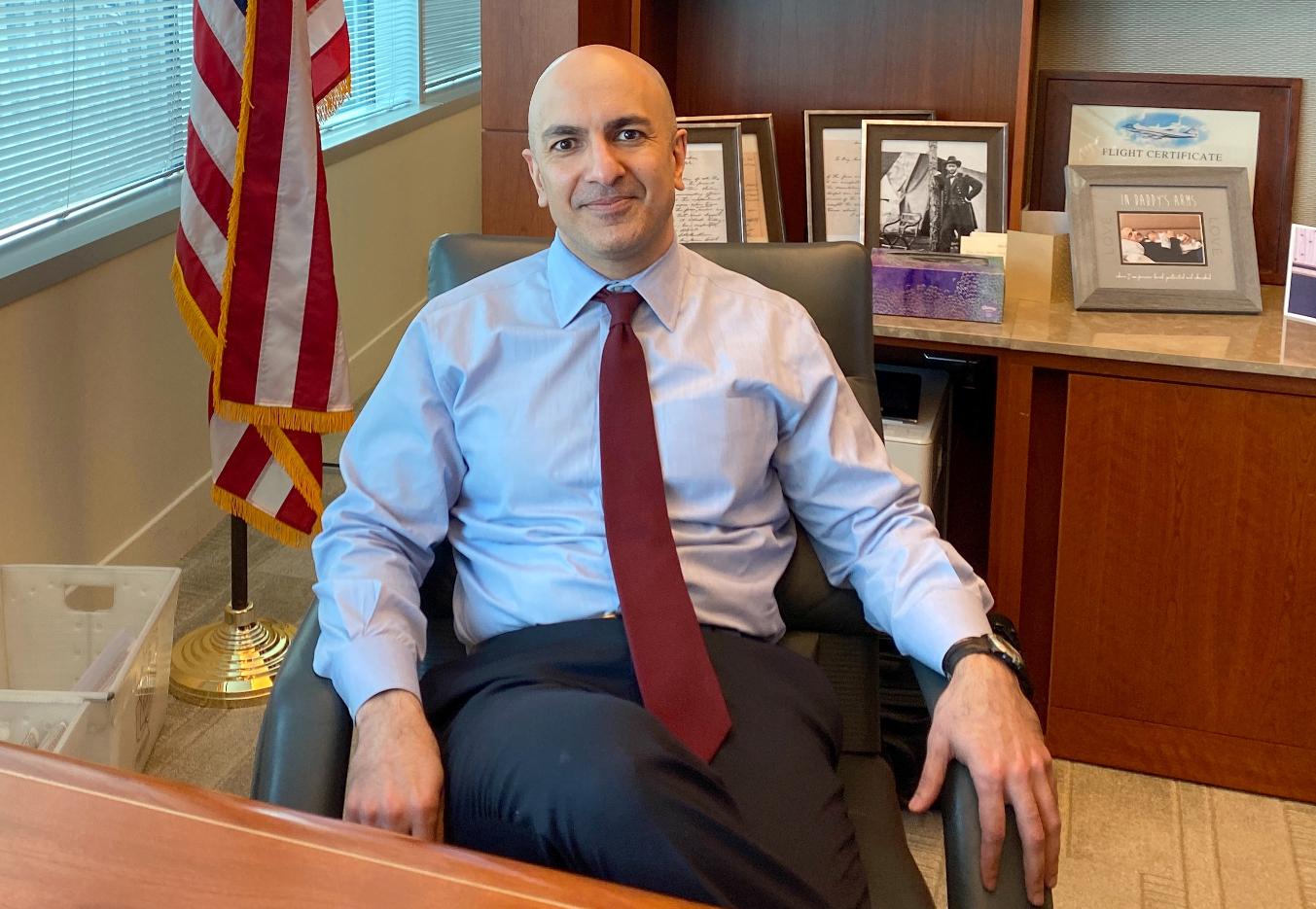
May 7 (Reuters) - Stalled inflation buoyed in part by housing market strength means the Federal Reserve will need to hold borrowing costs steady for an "extended period," and possibly all year, Minneapolis Federal Reserve President Neel Kashkari said on Tuesday. "I would need to see multiple positive inflation readings suggesting that the disinflation process is on track" to support a rate cut, Kashkari said at a Milken Institute conference. He noted that he will also be tracking developments in the labor market, where a "marked" turn to weakness could also justify a rate cut. The bar for a rate hike is "quite high but it's not infinite," Kashkari said. "There is a limit when we say, 'OK, we need to do more.' I think it's much more likely we would just sit here for longer than we expect, or the public expects right now, until we see what effect our monetary policies have." In March he thought the Fed would need to deliver two rate cuts this year, he said, and by next month when Fed policymakers publish fresh projections he may mark that forecast down to just one cut or even no cuts, depending on the data. Sign up here. https://www.reuters.com/markets/rates-bonds/fed-may-need-hold-rates-steady-all-year-kashkari-says-2024-05-07/
2024-05-07 15:16
HARARE, May 7 (Reuters) - Zimbabwe's treasury said on Tuesday the newly introduced gold-backed currency is the official unit of exchange for transactions and that it would soon introduce regulations to ensure businesses stick to the official rate. Although it has remained stable on the official market since its launch early April, the Zimbabwe Gold (ZiG) has been off to a nervy start on the parallel market, with traders charging a premium of 65% to the official rate to obtain dollars. Some supermarkets are also charging a premium above the market rate, which is set at ZiG 13.6 per U.S. dollar, for customers paying in the new currency while the ZiG is being rejected by informal traders. "To ensure orderly pricing, Government will soon be introducing the necessary regulations to ensure that no exchange rate other than the official rate will be used for the pricing of all goods and services," Finance Minister Mthuli Ncube said in a statement. The government has been making efforts to keep the ZiG afloat since its launch, with authorities launching a blitz on illegal foreign currency traders last month. This is Zimbabwe's fourth attempt at having a local currency inside a decade, with the southern African country dumping the Zimdollar last month after it lost 70% value since the start of the year. Sign up here. https://www.reuters.com/markets/currencies/zimbabwe-says-new-gold-backed-currency-now-official-unit-2024-05-07/

2024-05-07 14:59
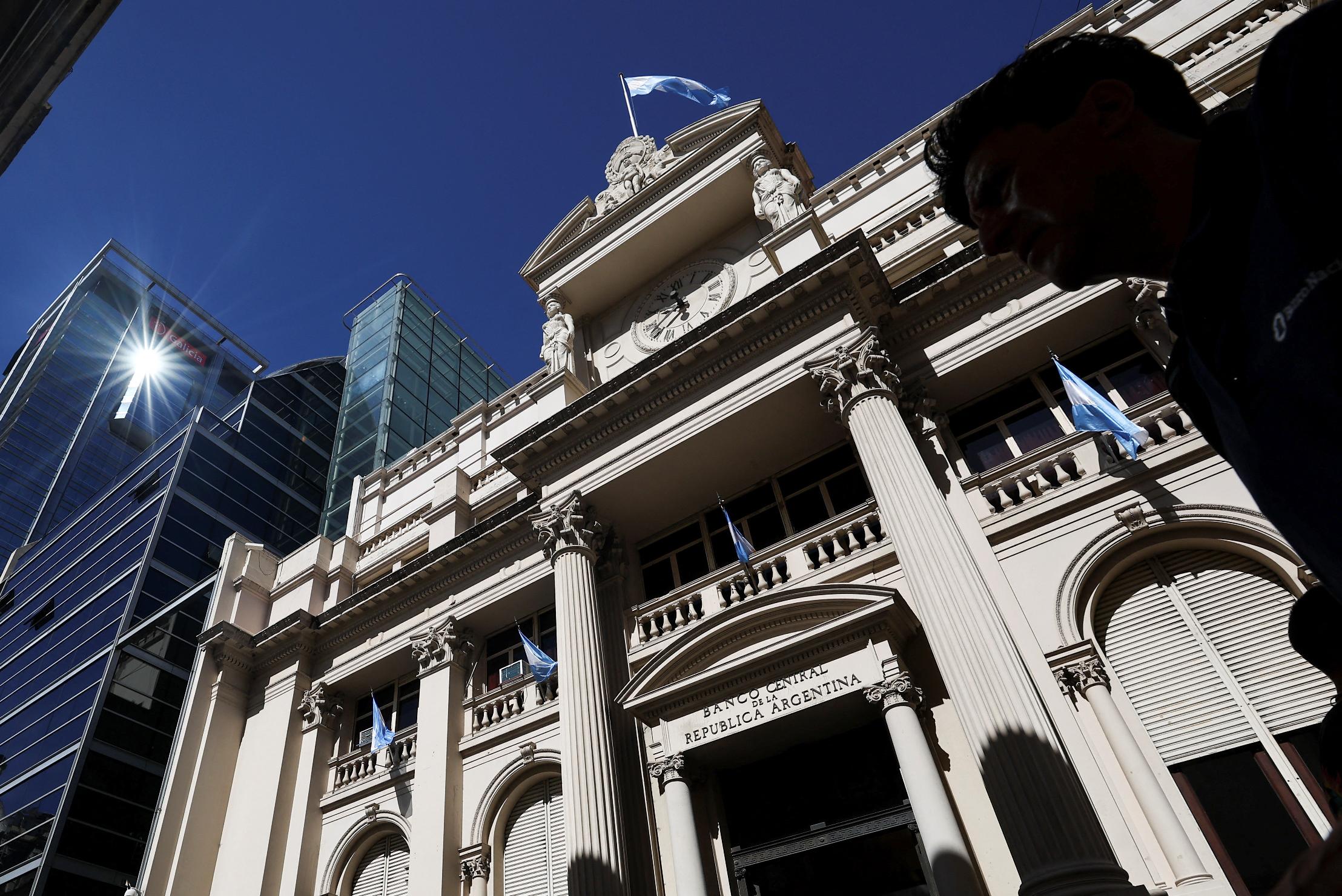
BUENOS AIRES, May 7 (Reuters) - Argentina has a new largest banknote, the 10,000 peso, which is five times the size of the previous top bill though still only worth around $10 as the South American country grapples with the world's highest inflation rate that is nearing 300%. The embattled country's central bank launched the new banknote on Tuesday, which it hopes will ease issues including people carrying unwieldy wads of cash, the demand for huge numbers of bills and banks running out of vault space. The new bill will be rolled out gradually and features independence icons Manuel Belgrano and Maria Remedios del Valle, who were also featured on previous smaller notes. The bank said that the 10,000 peso note, along with an even larger 20,000 peso bill that would come into circulation near the end of the year, would "facilitate transactions between users", simplify financial system logistics and cut costs. Argentina's triple-digit inflation and steadily depreciating peso currency has over years drained the value of the local tender, leading to a situation where people often carry huge stacks of cash with them to cover costs. The current top 2,000 peso bill is worth just over $2 at the official exchange rate, far less valuable than the largest note in countries around the region and beyond. The 10,000 note is worth $11 at the official rate but just $9 at freely-accessible parallel rates used to get around strict capital controls. New libertarian President Javier Milei, who took office in December, is trying to clean up an economic crisis he inherited after years of failure by governments on the left and right to stabilize the grains producing country's financial position. His tough austerity measures and cost-cutting have helped lower monthly price rises faster than anticipated, even as annual inflation remains sky-high. That's let the central bank cut interest rates significantly over recent months. ($1 = 880.5000 Argentine pesos) Sign up here. https://www.reuters.com/world/americas/inflation-hit-argentina-launches-new-top-banknote-worth-just-10-2024-05-07/