2024-05-02 20:58
CHICAGO, May 2 (Reuters) - Bird flu likely circulated in U.S. dairy cows on a limited basis for about four months before federal officials confirmed the disease that has now spread to nine states, according to a new federally funded research paper. The U.S. Department of Agriculture reported the first-ever H5N1 virus infection in a dairy cow in Texas on March 25, following reports of decreased milk yields in multiple states. The USDA has said it believes wild birds, which can carry the virus, introduced H5N1 to cattle. The outbreak then expanded as cows were shipped to other states, according to the paper released on Wednesday that was funded by USDA, Centers for Disease Control and Prevention and the National Institute of Allergy and Infectious Diseases. "Data support a single introduction event from wild bird origin virus into cattle, likely followed by limited local circulation for approximately four months prior to confirmation by USDA," the paper said. A team of academic scientists led by University of Arizona evolutionary biologist Michael Worobey pieced together raw genetic sequences released by USDA on April 21 without dates or locations and concluded a week ago that a single transmission event occurred in late 2023. Scientists have criticized USDA for not releasing details of the data that would allow academic researchers around the world to trace the evolution of the virus. One person, a Texas farm worker, has tested positive for H5N1 in the current outbreak, though the only symptom was conjunctivitis, believed to be caused by contact with cow milk. The CDC has said the general public faces a low risk for infection. Bird flu has long been on the list of viruses with pandemic potential, and any expansion to a new mammal species is concerning to scientists. Carol Cardona, a bird flu expert at the University of Minnesota, said the virus was able to spread during the four months it was undetected. "By the time it was recognized, we were beyond our ability to contain the outbreak," she said. Veterinarians observed dairy cattle displaying unexplained reductions in milk production and changes in milk quality, along with reduced feed consumption, starting in January, according to the paper. It was published an open-access preprint server for the biological sciences called bioRxivon. Members of USDA's network of laboratories that monitors for diseases identified influenza A virus, which includes bird flu, in milk and nasal swabs from cows at a Texas dairy, the paper said, without specifying a date. They forwarded samples to USDA's National Veterinary Services Laboratories, which respond to animal-health emergencies, for testing as epidemiologic investigations continued elsewhere, the paper said. USDA did not immediately respond to a request for comment. "Overall, it's wonderful that these data have been shared," virologist Angela Rasmussen of the University of Saskatchewan's Vaccine and Infectious Disease Organization, who worked on sequencing the virus with Worobey, said in a post on X. Sign up here. https://www.reuters.com/business/healthcare-pharmaceuticals/bird-flu-likely-circulated-us-cows-four-months-before-diagnosis-paper-2024-05-02/

2024-05-02 20:48
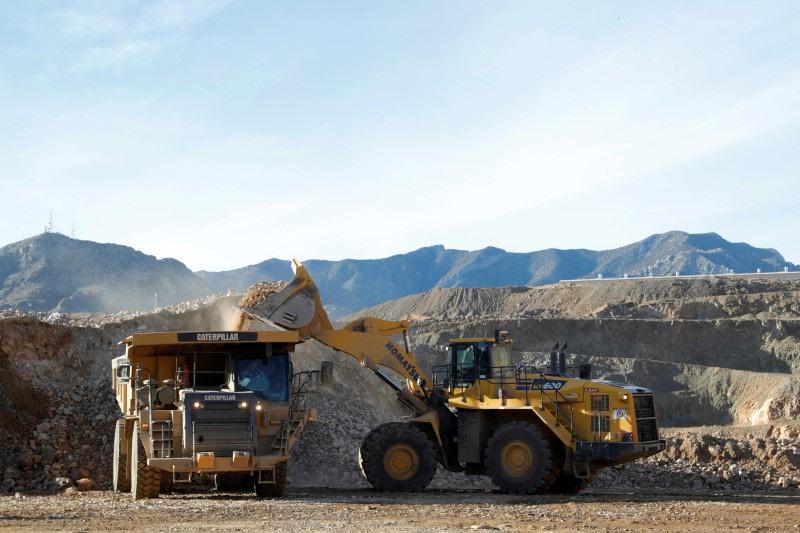
May 2 (Reuters) - Rare earths miner MP Materials (MP.N) New Tab, opens new tab reported wider-than-expected loss in first quarter on Thursday, hurt by lower concentrate sales and weak prices for the strategic minerals. MP processes rock it extracts from its Mountain Pass mine in California into rare earths concentrate. It is the second-biggest producer of rare earths outside China after Australia's Lynas Rare Earths (LYC.AX) New Tab, opens new tab and produces about 15% of the rare earth content consumed annually. Rare earths materials are critical to the energy transition and the future of the automotive industry. The United States is investing billions of dollars to shore up access. However, rare earth prices have collapsed more than 50% over the last two years, partly hurt by a slowdown in EV demand, along with economic and geopolitical uncertainties. The miner has struggled with falling prices for the strategic minerals and, in February, had flagged a mid-teens sequential decline in first-quarter realized concentrate pricing. Realized price of rare earth oxide in concentrate declined 54% in the quarter. The company sold 9,332 metric tons of that concentrate during the quarter, about 9% lower than the year-ago period. CEO James Litinsky said the company experienced "continued difficult pricing environment" in the quarter. The company reported adjusted loss of 4 cents per share, compared with analysts' expectations of a loss of 2 cents per share. Sign up here. https://www.reuters.com/markets/commodities/mp-materials-report-wider-than-expected-q1-loss-2024-05-02/
2024-05-02 20:44
May 2 (Reuters) - EOG Resources (EOG.N) New Tab, opens new tab beat first-quarter profit estimates on Thursday as the oil and gas firm benefited from higher oil production and prices. Crude oil prices in the quarter mirrored prices from the previous year as production cuts by OPEC+ countries offset lower demand, helping oil producers such as EOG Resources. Quarterly crude oil and condensate production was up 6.5% at 487,400 barrels of oil per day (bopd) from the previous year, above its midpoint guidance. "Production exceeded targets and total per-unit cash operating costs were lower than planned," said CEO Ezra Yacob. Quarterly average crude oil and condensate prices for the company was up 1.5% to $78.45 per barrel from the previous year. Houston-based EOG said it purchased $750 million worth of shares at $118 per share in the quarter under its repurchase plan and has $3.3 billion remaining under its current authorization. The company reported an adjusted profit of $2.82 per share for the quarter ended March 31, compared with analysts' average estimate of $2.71 per share, according to LSEG data. Sign up here. https://www.reuters.com/markets/commodities/eog-resources-beats-first-quarter-profit-estimates-2024-05-02/

2024-05-02 19:24
LONDON, May 2 (Reuters) - Hedge fund Exodus Point was up about 2% for the year to the end of March, according to a letter it sent to investors, benefiting from a bond market basis-trade that has regulators worried about financial stability risks. Basis and rates trading form over a fifth of the trading strategy's risk allocation at the $11.8 billion fund, the letter seen by Reuters this week showed. Exodus Point is a multi-strategy hedge fund housing many different trading techniques. It employs a pass through fee model where investors cover fund expenses including staffing and technology costs. In addition, investors also pay a 20% performance fee. Multi-strategy hedge funds have had a positive start to 2024, with Exodus Point multi-manager peers like Schonfeld posting a 6.2% performance in its flagship fund and its larger competitor Citadel, with a 5.75% return in its flagship Wellington fund, Reuters reported on April 4. While Exodus Point uses basis and inflation trades in U.S. Treasuries, it also made money from government bond trading in Japan and Europe, the letter showed. Emerging market and trades based off of macro economic drivers contributed the most to the positive performance. This included currency trading in Asia and Latin America, as well as commodities trades in metals and energy, the letter also showed. Despite the fund's overall positive result, quantitative trading which uses algorithms, detracted, the letter said. Exodus Point did not immediately return a request for comment. Basis trades, a popular trade with the largest hedge funds, exploit the difference between any cash instrument and a derivative based on it - such as the trade which has caught regulators' attentions, buying U.S. government bonds and selling futures contracts based on them. The Bank for International Settlements warned last year that the huge build-up in speculators' Treasuries positions "is a financial vulnerability." Sign up here. https://www.reuters.com/business/finance/hedge-fund-exodus-point-quarter-end-performance-lifted-by-basis-trade-letter-2024-05-02/

2024-05-02 18:13
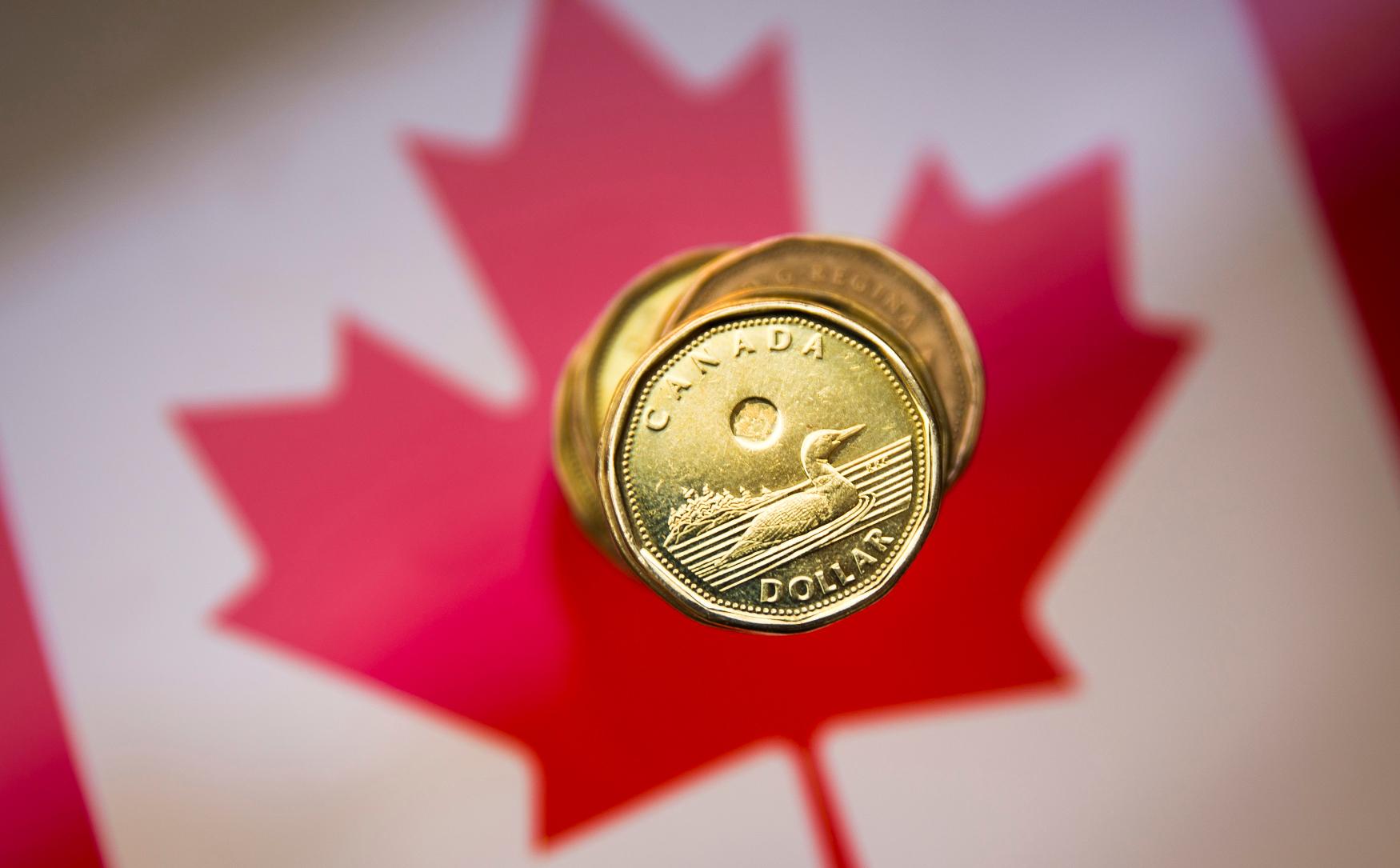
Canadian dollar gains 0.4% against the greenback Trades in a range of 1.3681 to 1.3742 Canada posts a surprise trade deficit in March Canadian bond yields fall across the curve TORONTO, May 2 (Reuters) - The Canadian dollar strengthened against its U.S. counterpart on Thursday for a second straight day as equity markets climbed and the Bank of Canada said there is a limit to how much U.S. and Canadian interest rates can diverge. The loonie was trading 0.4% higher at 1.3685 to the U.S. dollar, or 73.07 U.S. cents, after trading in a range of 1.3681 to 1.3742. "The Canadian dollar has clearly been benefiting from broad USD selling on the back of the stock market recovery," said Erik Bregar, director, FX & precious metals risk management at Silver Gold Bull. Wall Street's main indexes advanced, a day after the Federal Reserve left interest rates unchanged and signaled a dovish tilt, with focus moving to a crucial job report on Friday. The loonie has been pressured in recent weeks by a wider gap between U.S. and Canadian yields as investors anticipated a delayed start to Fed rate cuts. There is a limit to how far U.S. and Canadian interest rates can diverge but "certainly we're not close to that limit", Bank of Canada Governor Tiff Macklem told the House of Commons finance committee. Canada in March recorded a surprise trade deficit of C$2.28 billion ($1.66 billion), the largest in nine months, as exports declined faster than imports, data showed. Canadian government bond yields moved lower across the curve, tracking moves in U.S. Treasuries. The 10-year was down 3.1 basis points at 3.727%, its lowest level since April 19. Sign up here. https://www.reuters.com/markets/currencies/canadian-dollar-gains-second-day-wall-street-rallies-2024-05-02/
2024-05-02 14:11
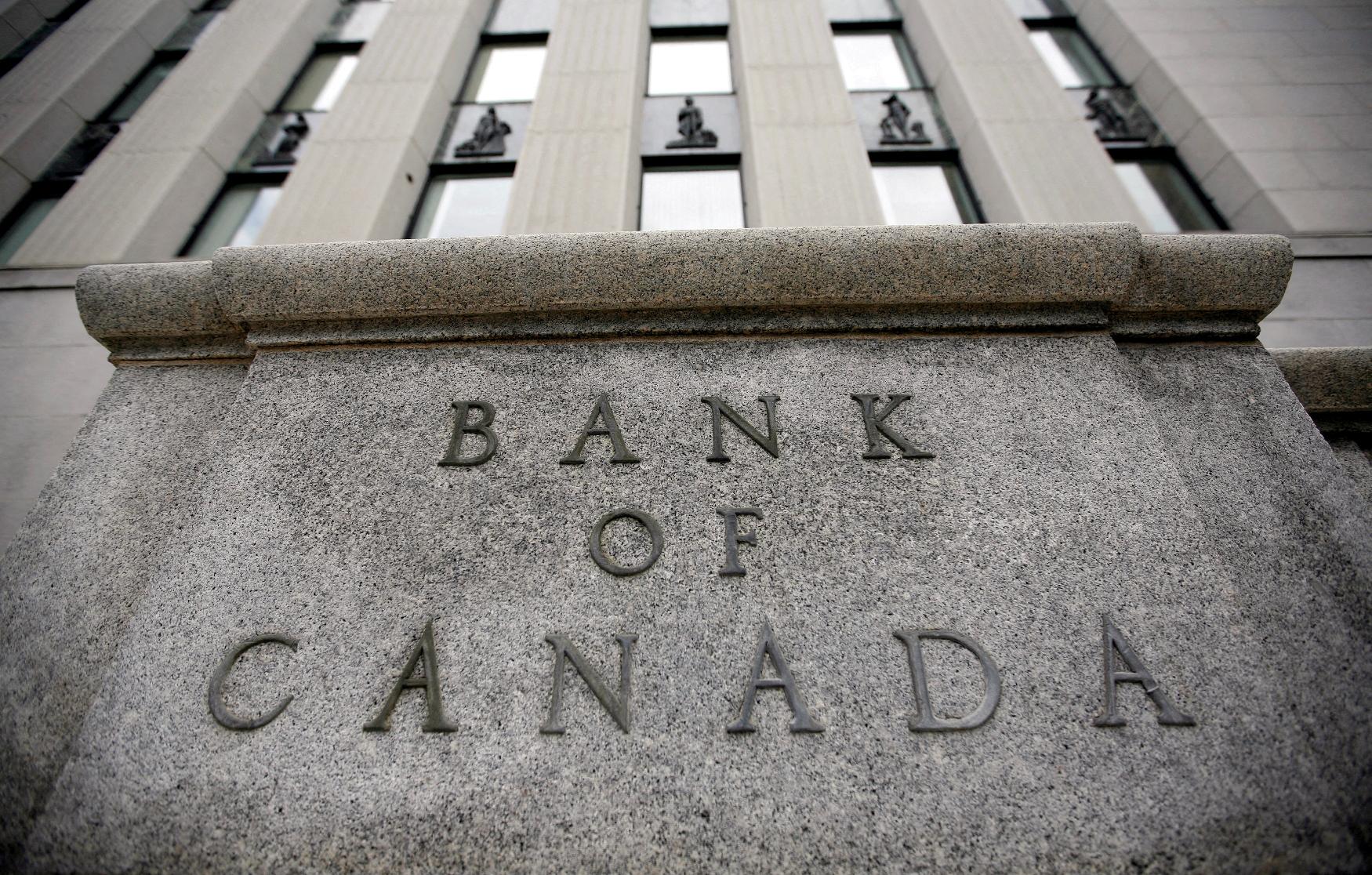
OTTAWA, May 2 (Reuters) - There is a limit to how far U.S. and Canadian interest rates can diverge but "certainly we're not close to that limit", Bank of Canada Governor Tiff Macklem told the House of Commons finance committee on Thursday. Macklem reiterated that the central bank was waiting to see whether recent drops in underlying inflation would be sustained before starting to cut rates from a 23-year high of 5%. Money markets see a more than 50% chance of a rate cut in June and have fully priced in a cut by September. But in the United States, by far Canada's largest trading partner, the Federal Reserve on Wednesday highlighted recent disappointing inflation readings that could ensure rate cuts south of the border come at a slower pace. "We can run our own monetary policy so our interest rates in Canada don't need to be the same as the U.S. rate or global rates," Macklem said. "But there is a limit to how far they can diverge. We're certainly not close to that limit." Macklem reiterated that tighter monetary policy was having more of an impact in Canada than in the United States, given higher rates of household debt and the fact that most mortgages in Canada have to be renewed every five years. Inflation is currently at 2.9% - still well above the central bank's 2% target - and is likely to stay at around that level for several months, in part due to higher gasoline prices, Macklem added. Sign up here. https://www.reuters.com/world/americas/boc-says-theres-limit-how-far-us-canada-rates-can-diverge-2024-05-02/