2024-05-01 07:39
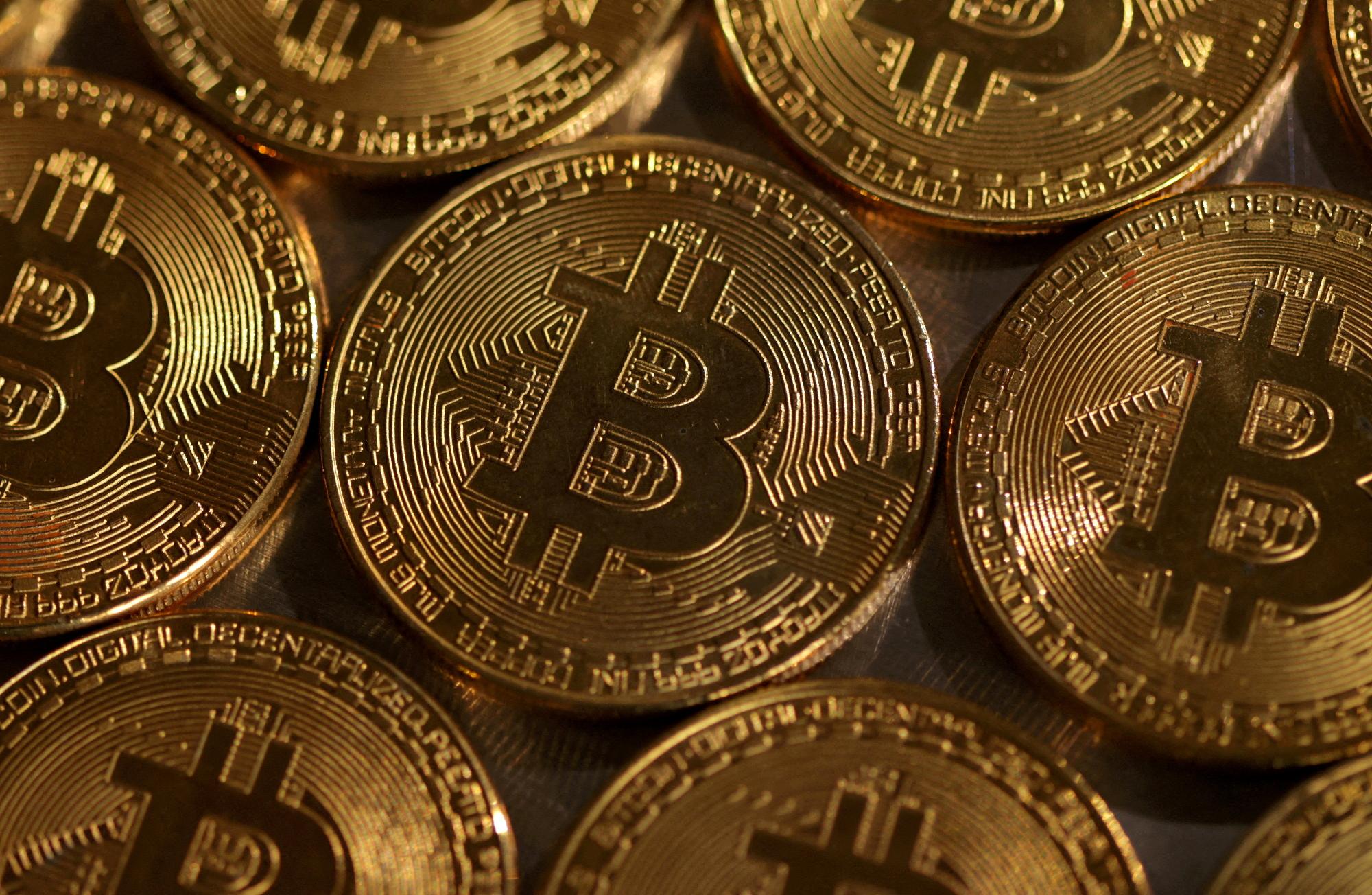
LONDON, May 1 (Reuters) - Bitcoin slid by almost 6% on Wednesday, having posted its worst monthly performance in April since late 2022, as investors pulled money out of cryptocurrencies ahead of an interest rate decision by the Federal Reserve later. The value of the world's most traded cryptocurrency fell by nearly 16% in April, as investors booked profits on a sizzling rally that has taken the price to record highs above $70,000. Bitcoin fell by as much as 5.6% to its lowest since late February. It was last down 4.8% at $57,001, while losses in ether were more modest, down 3.6% at $2,857, also at its weakest since February. The price of bitcoin is now a full 22% below March's record of $73,803, technically putting it in a bear market. But it is still up 35% so far this year and double where it was this time last year, thanks in large part to the billions of dollars flowing into newly minted exchange-traded funds since January. "The recent downtrend can be attributed to increased profit-taking by investors who entered the market during the downturns of 2022 and 2023, as well as ETF investors who witnessed significant price appreciation on their shares after entering the market in the early weeks of 2024," Fineqia research analyst Matteo Greco said. Crypto-related stocks fell in U.S. premarket trading. Shares in crypto exchange Coinbase (COIN.O) New Tab, opens new tab fell 4.6%, while those in miners Riot (RIOT.O) New Tab, opens new tab and Marathon Digital (MARA.O) New Tab, opens new tab dropped 4.2-4.3%. On the macro front, the Federal Open Market Committee (FOMC) is not expected to make any changes to interest rates, but the view is taking root among investors that the central bank may not cut rates at all this year, delivering a blow to interest rate-sensitive assets such as cryptocurrencies, emerging market stocks and bonds or even commodities. Investors have responded accordingly. The 10 largest U.S. spot bitcoin ETFs are facing their biggest weekly outflow since their inception in January. Outflows are up to $496 million this week, mostly as flows into BlackRock's iShares Bitcoin Trust (IBIT.O) New Tab, opens new tab, the largest in terms of holdings, have slowed, according to LSEG data. Even smaller alt-coins, which can sometimes benefit from weakness in the two big tokens, have been punished. Data from crypto website Coingecko shows Solana's sol token has lost almost a quarter of its value over the last seven days, as have meme coins dogecoin and shiba inu - both made popular in 2021 in part by Tesla owner Elon Musk. Bitcoin's so-called "halving event" last month has done little to prop up the price. Since April 20, when halving took place, bitcoin has dropped some 15%. Many investors bought into the market in the run-up to the event, which involves a change to the cryptocurrency's underlying technology designed to cut the rate at which new bitcoins are created. From a charting perspective, Alex Kuptsikevich, a senior market analyst for the FXPro platform, said the decline in bitcoin is entering a new stage. Not only is May a month of seasonal weakness for bitcoin, the leg down in the price in the past few weeks brings $55,700 and $51,000-52,000 into focus, he said. "However, both FOMC announcements later today and monthly jobs data on Friday have enough potential to accelerate or reverse the downtrend," he said. Sign up here. https://www.reuters.com/technology/bitcoin-slides-below-58000-rattled-by-tougher-fed-rate-outlook-2024-05-01/
2024-05-01 07:15
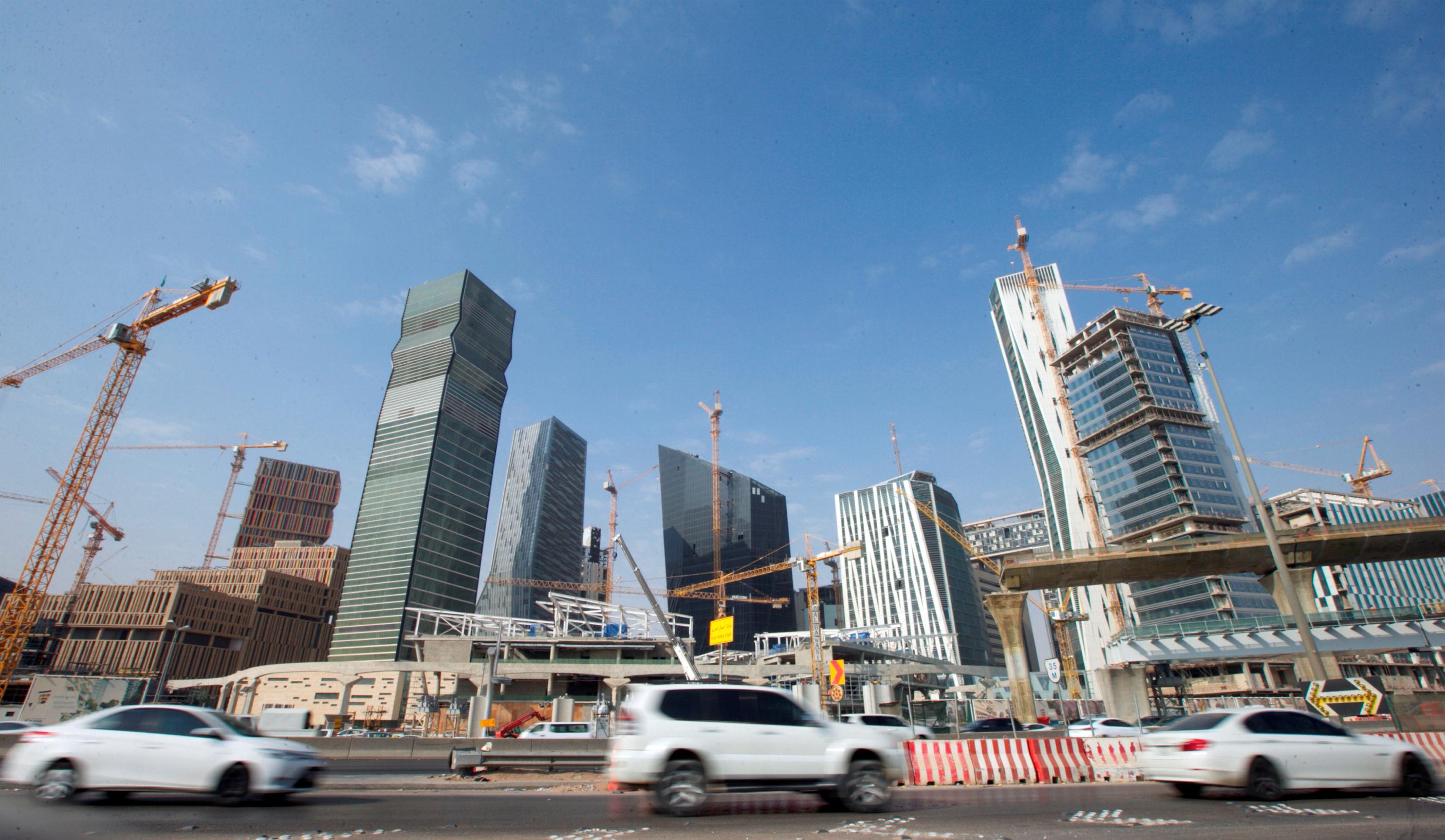
RIYADH, May 1 (Reuters) - Saudi Arabia's real gross domestic product (GDP) decreased 1.8% year-on-year in the first quarter, flash estimates by the government's statistical authority showed on Wednesday, as a decline in oil activities continued to hurt overall growth. The kingdom's GDP had shrunk 3.7% in the fourth quarter of 2023, as cuts to oil production and lower crude prices weighed on the economy. Saudi Arabia, the world's largest oil exporter, is pumping around 9 million barrels per day (bpd), well below its around 12 million bpd capacity after it cut production as part of an agreement with OPEC and other oil producers. Oil activities were down 10.6% in the first quarter compared with the previous year, estimates from the General Authority for Statistics showed, while non-oil GDP grew 2.8% year on year and government activities increased 2%. On a quarterly basis, seasonally adjusted growth was up 1.3% from the previous quarter, driven by a 2.4% increase in oil activities and a 0.5% growth in non-oil activities, although government activities decreased by 1%. The kingdom's economy contracted 0.9% in 2023, the data showed, pulled lower by the oil sector, while non-oil activities grew by 4.6% last year. This marks sharp contrast to 2022, when Saudi Arabia was the G20 group's best performing economy, boosted by an oil price windfall, which allowed it to achieve growth of 8.7% and its first fiscal surplus in almost a decade. Saudi Arabia needs hundreds of billions to achieve the objectives of its plan to diversify the economy away from oil known as Vision 2030. Sign up here. https://www.reuters.com/world/middle-east/saudi-arabias-q1-gdp-shrinks-by-estimated-18-yy-oil-sector-weighs-2024-05-01/
2024-05-01 06:42
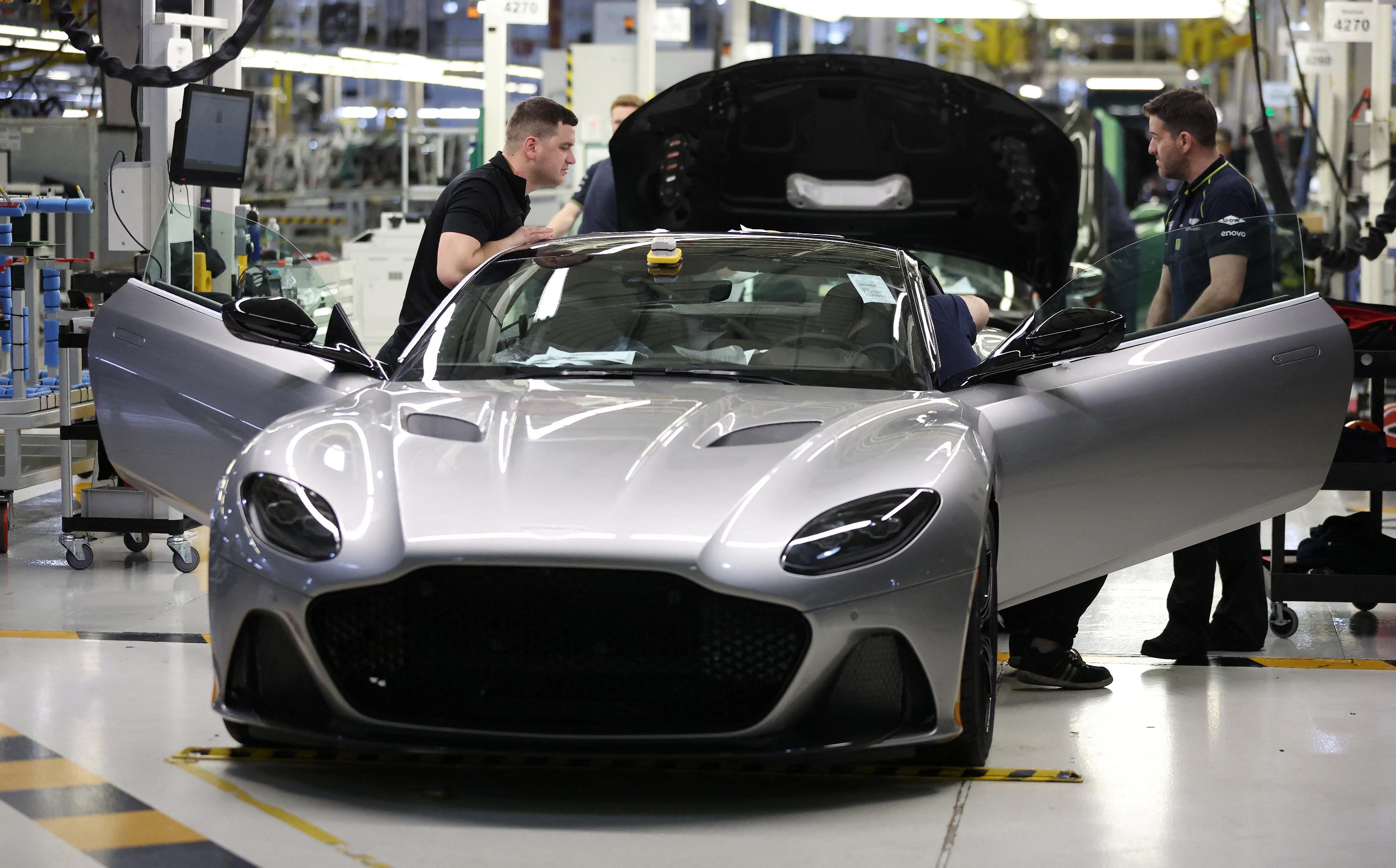
Aston Martin sees Q2 peformance broadly similar to Q1 Shares hit lowest level since November 2022 Q1 pretax loss, wholesale volumes and cash flow miss estimates May 1 (Reuters) - Aston Martin (AML.L) New Tab, opens new tab posted a bigger-than-expected first-quarter pretax loss on Wednesday as the British luxury carmaker made fewer cars and burned more cash than analysts anticipated, sending its shares 7% lower. Aston Martin, which has launched several new cars over the past year including its next generation sports cars the DB12 and Vantage, stopped production of old models ahead of the ramp up in production of fresh models later this year. "Our first-quarter performance reflects this expected period of transition," Chairman Lawrence Stroll said. The shares fell as much as 14% to their lowest level since November 2022 and were last down 7% by 0837 GMT. The second quarter's performance is expected to be broadly similar to the first but the group kept its 2024 forecast unchanged. "This miss would raise questions, in our view," analysts at JP Morgan wrote in a note. Aston Martin in March named Bentley boss Adrian Hallmark as its new CEO to replace Amedeo Felisa later this year. "I don't expect there to be a significant deviation when Adrian comes, in fact I think we'll double down and execution will remain the absolute priority," finance chief Doug Lafferty told analysts. "We know the priorities in the short term are get the product portfolio launched and build that demand, hit the free cash flow inflection point in the second half of this year and take that momentum into 2025," he added. The company reported wider adjusted pretax losses of 111 million pounds ($138 million) for the three months ended March 31, compared with 57 million pounds a year earlier. Analysts, on average, were expecting a loss of 93 million pounds. Total wholesale volumes came in below expectations and free cash outflow was also bigger than expected for the quarter. Aston Martin is scheduled to start deliveries of its V12 flagship sports car that will be propelled by a new engine, in the fourth quarter. It had pushed back its first electric vehicle by a year to 2026. ($1 = 0.8017 pounds) Sign up here. https://www.reuters.com/business/autos-transportation/aston-martin-posts-bigger-than-expected-quarterly-loss-2024-05-01/
2024-05-01 05:48
TOKYO, May 1 (Reuters) - Japan's ruling Liberal Democratic Party (LDP) is examining the possibility of introducing measures to provide tax breaks for companies converting foreign profits into the yen, two senior party officials told Reuters. The tax holiday may be deployed as a policy tool to stem the yen's sharp declines, incentivising firms to return overseas profits to Japan, according the officials, who declined to be named as the information is not public yet. The measures, if supported broadly, may be included in the government's annual mid-year policy blueprint compiled in the summer as part of the government's efforts to prop up the Japanese currency, the officials said. But the LDP is yet to kick off full-fledged discussions on such measures and the course of the policy talks remains unclear, the officials added. A finance ministry official was not immediately available for comment on Wednesday. The yen has slumped about 11% against the dollar so far this year as currency traders bet Japanese interest rates will remain low for some time in contrast to relatively high U.S. interest rates. The Sankei newspaper reported on Tuesday that Japan may introduce tax breaks for repatriation of corporate profits into the yen and may include the plan in the annual mid-year policy blueprint. The tax break would be applied for about 20 trillion yen ($126.74 billion) worth of "foreign direct investment earnings" from companies' overseas subsidiaries, the Sankei said. Japan in 2009 introduced tax treatment for companies that excludes 95% of dividends earned from foreign subsidiaries from taxable income. Since only the remaining 5% of dividends would be subject to the potential new tax breaks, the impact of such relief is likely to be limited, government officials told Reuters prior to the Sankei reports. That scepticism is held by some within the ruling party, one of the LDP officials said. The government sees spurring domestic investment to achieve durable economic growth as one of top policy priorities. Many Japanese firms tend to reinvest offshore profits in overseas operations due to slim prospects of growth in the ageing home market. Against this backdrop, Japanese top currency diplomat Masato Kanda has launched a panel of private-sector experts to review Japan's balance of payments and aims to compile opinions in June. ($1 = 157.8000 yen) Sign up here. https://www.reuters.com/markets/currencies/japan-may-introduce-tax-breaks-spur-repatriation-into-yen-sankei-reports-2024-05-01/
2024-05-01 05:37
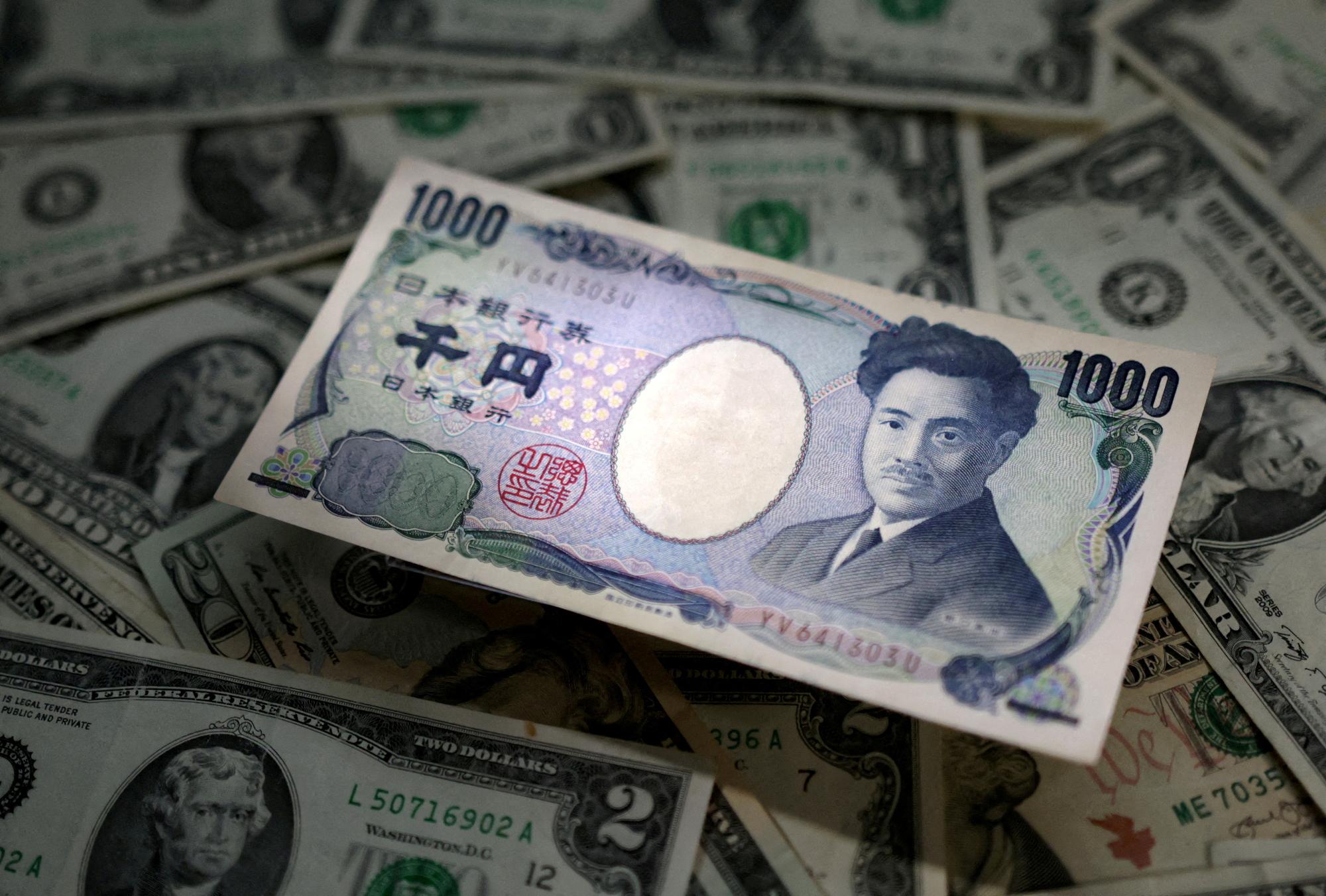
BOJ's quarterly report signals several rate hikes forthcoming Governor Ueda drops sign of rate hike around autumn this year Ueda flags raising rates to level deemed neutral to economy Analysts say BOJ could hike rates to 1% by around late 2025 BOJ's neutral rate estimate may serve as future policy cue TOKYO, May 1 (Reuters) - The Bank of Japan's decision to keep policy unchanged last week gave yen bears plenty of sell cues, but largely overlooked in the stampede were signals the central bank could raise rates in several stages in years ahead, with a hike possible in autumn. The yen hit a fresh 34-year low as markets focused on the BOJ's decision on Friday to keep interest rates around zero and a lack of signals from Governor Kazuo Ueda that the currency's falls may quicken the timing of the next rate hike. BOJ watchers say while the central bank's quarterly report and comments from Ueda clearly suggest consecutive rate hikes are on the table, its failure to effectively communicate its policy intentions has exacerbated the yen's selloff. In the quarterly report released on Friday, which serves as a basis for long-term monetary policy, the BOJ projected inflation to stay around its 2% target in the next three years, and said price growth was likely to be at "a level generally consistent" with its target from around late 2025. The report also included for the first time language that the central bank would "adjust the degree of monetary accommodation" - code for rate hikes, according to BOJ watchers - if the economy and prices meet projections. "Taken together, the BOJ is essentially declaring it has a consecutive rate-hike plan in mind," said former BOJ official Nobuyasu Atago, who expects the next hike to come in September. "It's clear the central bank is steadily laying the groundwork for a rate-hike path that could take short-term rates up to around 1% by the end of 2026," said Atago, currently chief economist at Rakuten Securities Economic Research Institute. While ignored by traders who were looking for stronger warnings on the weak yen, Ueda said the BOJ could preemptively hike rates if the boost to inflation from the currency's declines persists and affects corporate wage-setting behaviour. "Recent yen falls won't start to materially affect inflation until around autumn this year," said a source familiar with the BOJ's thinking. "In sum, the BOJ is signalling there's a pretty good chance the next rate hike will come around that time," the source said. COMMUNICATION FUMBLE Having ended eight years of negative interest rates and other remnants of its massive stimulus programme in March, the BOJ now sets the short-term policy rate in a 0-0.1% range. Many market players expect the BOJ to raise the rate to 0.2% or 0.25% later this year, though they are divided on how quickly it could move thereafter. In a sign the BOJ might not wait too long after its next hike, Ueda said he expects short-term rates to rise near Japan's neutral rate of interest - seen by many economists as being anywhere between 0.5% and 1.5% - around late 2025 through 2026. "If one were to take the report and Ueda's comments at face value, the BOJ's short-term target rate could reach 1% in the latter half of fiscal 2025," said Naoya Hasegawa, chief bond strategist at Okasan Securities Research. The BOJ currently does not disclose its estimates on Japan's neutral rate of interest, which is the rate at which monetary policy is neither contractionary nor expansionary. But Ueda said last month the BOJ will be "extracting insights on the neutral rate" in the process of raising rates. He also said on Friday the BOJ would continue work to narrow the estimated neutral rate, suggesting the level would be crucial not just in judging the pace of future rate hikes but the bank's communication on the monetary policy outlook. Former BOJ board member Takahide Kiuchi said the BOJ could publish the board's median estimate on the neutral rate in the future as guidance for markets on the rate hike path. "Any such guidance could push up long-term yields and slow yen falls. But it's not a tool that can be used easily as rising yields could also push down stocks," he said. The market's dovish interpretation of Ueda's comments accelerated the yen's declines that led to suspected yen-buying intervention by Japanese authorities on Monday. There are no guarantees more explicitly hawkish BOJ signals would ease the massive downward pressure on the yen given the other factors bearing on the currency. However, the BOJ's failure to get its hawkish message across underscores the communication challenge it faces in countering yen bears, particularly with the Federal Reserve seen keeping U.S. interest rates high for longer than expected. "The governor was perhaps being too honest and sincere in explaining how the weak yen could accelerate inflation only in the long run," said Kiuchi, who is now executive economist at Nomura Research Institute. "He could have issued a stronger warning against the negative impact of the weak yen," he said. "It was a communication error on the part of the BOJ." Sign up here. https://www.reuters.com/markets/rates-bonds/bank-japans-hawkish-whispers-drowned-out-by-rowdy-yen-selloff-2024-05-01/
2024-05-01 05:04
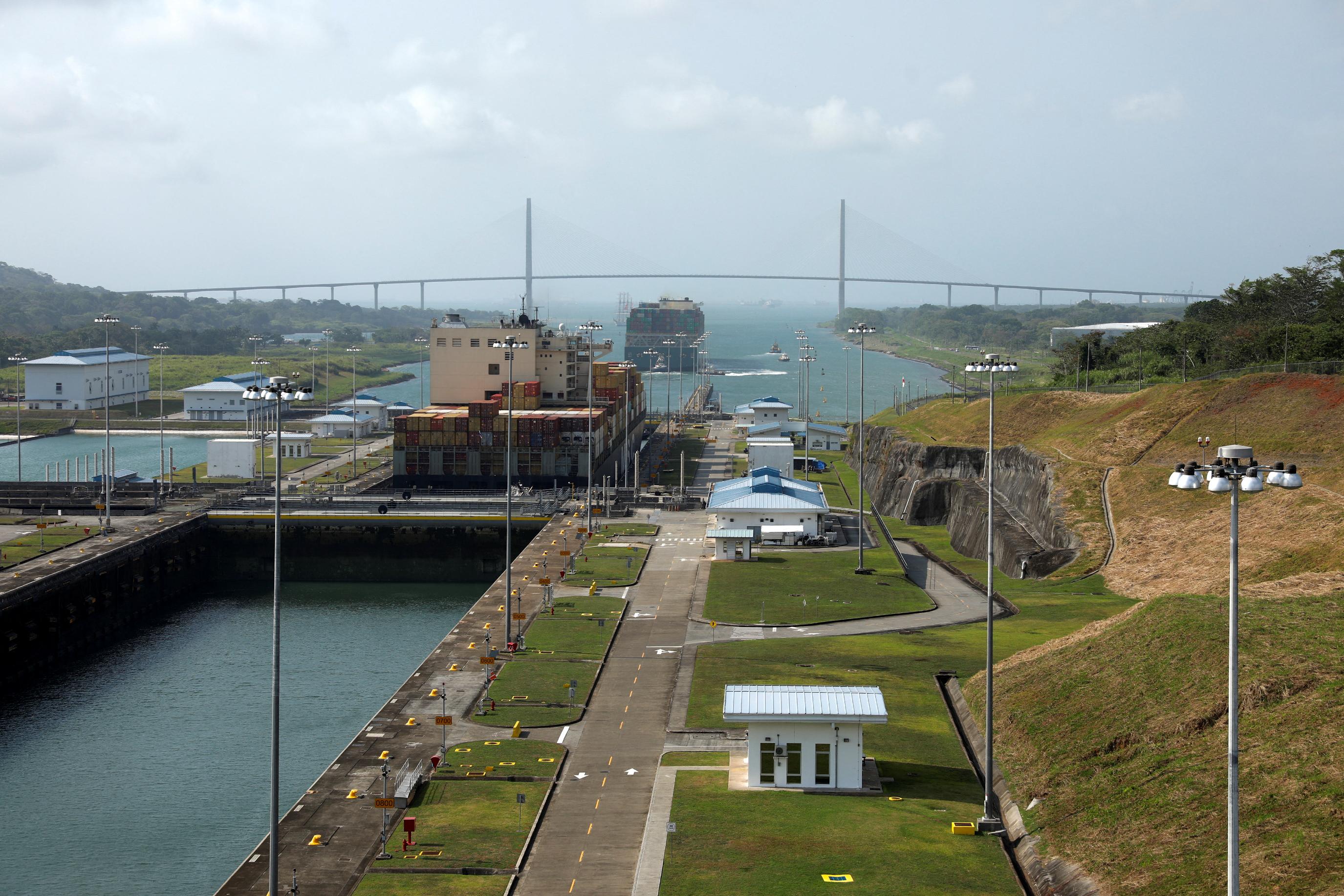
SAO PAULO, May 1 (Reuters) - The El Nino climate phenomenon, not climate change, drove lower rainfall last year that reduced the Panama Canal's water levels and contributed to shipping restrictions that disrupted global trade, a study released on Wednesday found. Prioritizing water for human consumption rather than for the canal also played a role in shipping restrictions, according to the study by research consortium World Weather Attribution. Panama experienced its third-driest year on record in 2023, leading the canal authority to restrict the size and number of vessels crossing the waterway that connects the Atlantic and Pacific Oceans and serves as a vital route for maritime trade. At times, more than 100 ships at a time lined up and waited up to 21 days to use the canal, which is responsible for about 5% of global shipping. Panama has faced demand peaks for the canal in recent months since shippers began seeking alternative routes due to attacks by Houthi militants against vessels going through the Red Sea toward the Suez Canal, the world's busiest waterway. Scientists with World Weather Attribution, which analyzed the causes of the low rainfall, said that the canal should be able to return to normal operations this year as El Nino ends and the rainy season arrives as usual. "We expect the canal system will be fully recharged by the end of the year and shipping should be back to normal sometime several months before then," said Steven Paton, a study co-author and researcher at the Smithsonian Tropical Research Institute in Panama. The study concluded that it was El Nino, not climate change, that was the key driver for rainfall falling to 26% lower than average last year in Panama. El Nino is a naturally occurring warming in the Eastern Pacific Ocean that disrupts weather patterns globally on average every two to seven years. The latest El Nino began in mid-2023. Paton said El Nino has ended, with Australia's weather bureau making the same call last month. The U.S. National Oceanic and Atmospheric Administration has yet to say El Nino is over. Water management was also a factor in the water levels, according to World Weather Attribution. The canal's locks draw on a reservoir called Lake Gatun that also provides drinking water for half of Panama's population. Authorities decided to restrict ship traffic in 2023, rather than rationing drinking water as they did in 2016 following another drought, the study said. Sign up here. https://www.reuters.com/business/environment/el-nino-water-management-issues-blamed-snarling-panama-canal-2024-05-01/