2024-05-01 00:17
May 1 (Reuters) - Australia's Anson Resources (ASN.AX) New Tab, opens new tab said on Wednesday it would supply 4,000 dry metric tons of lithium carbonate per year from its Paradox Basin project in Utah to South Korean battery giant LG Energy Solution (373220.KS) New Tab, opens new tab for an initial term of 5 years. The commodity lithium has gained quite a traction over the past few years in tandem with the global trend of transitioning into green energy with the use of electric vehicles at the forefront. However, with diminishing demand of electric vehicles from China - one of the world's largest EV market - the prices for lithium, a key ingredient of EV batteries, have fallen quite a lot in the last few months. Last month, Mineral Resources (MIN.AX) New Tab, opens new tab, one of Australia's top lithium producers, held onto its lithium production expansion plans citing lower lithium prices. The Paradox Lithium project, owned by the Anson Resources' unit A1 Lithium, has a production capacity of about 10,000 tpa of battery-grade Lithium Carbonate under phase 1. The project, which is the company's lead asset, is powered through hydro and solar energy and will be supplying U.S.-made lithium to LG Energy. Last week, LG Energy - a supplier of Tesla (TSLA.O) New Tab, opens new tab and General Motors (GM.N) New Tab, opens new tab, among others - had flagged concerns over a sluggish EV demand and laid out its plans to cut its capital expenditure for this year. (This story has been corrected to say Anson's Paradox Basin project is in Utah, not Mexico, in paragraph 1) Sign up here. https://www.reuters.com/markets/commodities/australias-anson-resources-inks-lithium-carbonate-supply-deal-with-lg-energy-2024-05-01/

2024-05-01 00:11
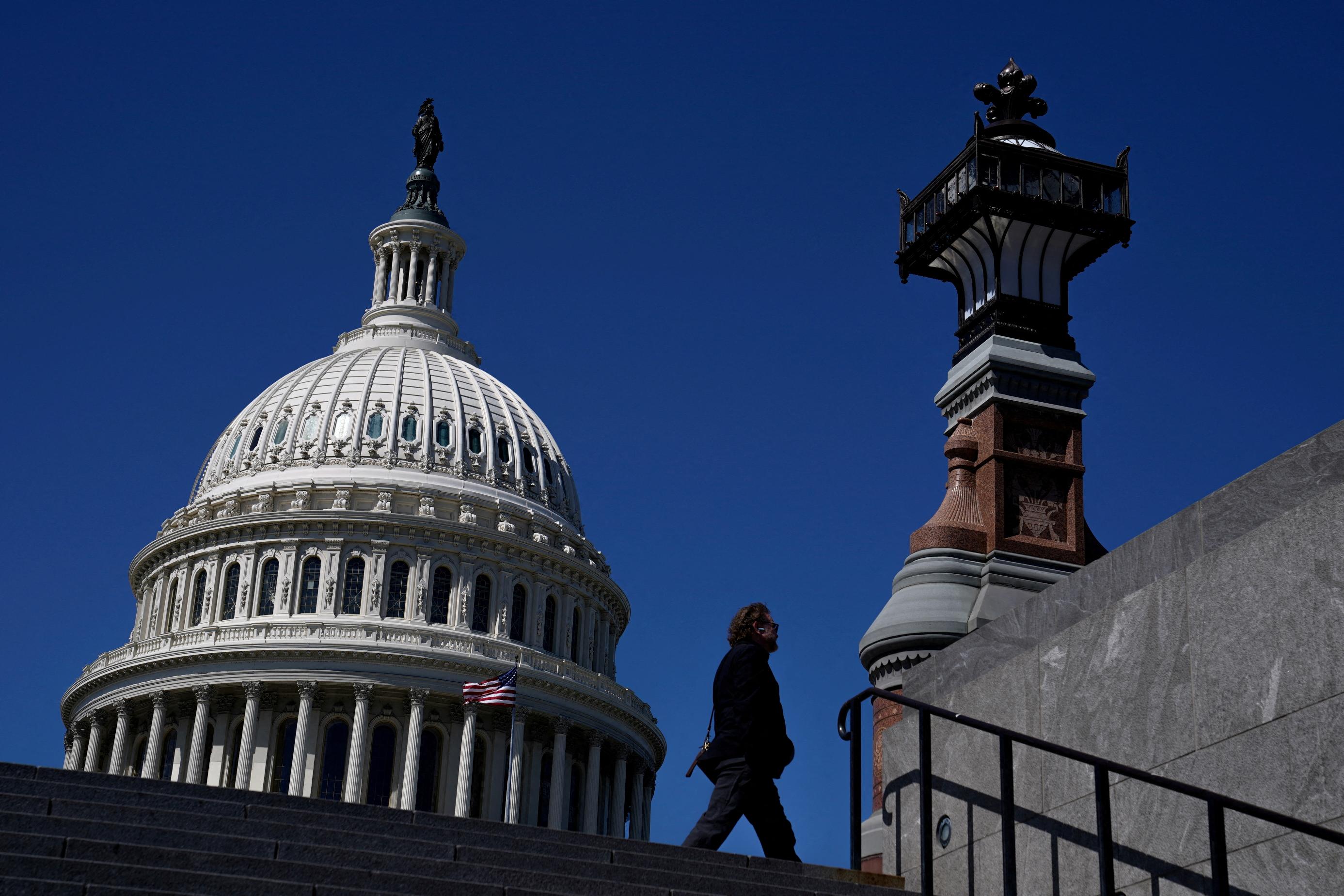
WASHINGTON, April 30 (Reuters) - The U.S. Senate approved on Tuesday legislation to bar imports of Russian uranium, as the United States continues to seek to disrupt Russia's efforts in its war against Ukraine. The Senate passed the measure by unanimous consent, meaning that no senators objected to it. The House of Representatives passed the bill in December. Uranium is used to power commercial nuclear reactors that produce electricity. The legislation would ban the imports 90 days after enactment. It contains waivers in case there were supply concerns for domestic reactors. The bill also frees up $2.7 billion passed in previous legislation to build out the domestic uranium processing industry. The United States banned Russian oil imports shortly after Russia invaded Ukraine in February 2022 and instituted a price cap on some exports of its crude and oil products. U.S. nuclear power plants imported around 12% of their uranium from Russia in 2022, according to the U.S. Energy Information Administration. "Wyoming has the uranium to replace Russian imports, and we're ready to use it," said U.S. Senator John Barrasso, the top Republican on the Senate Energy Committee, in a statement. Barrasso is from the state of Wyoming. "Our bipartisan legislation will help defund Russia's war machine, revive American uranium production, and jumpstart investments in America's nuclear fuel supply chain," he said. Last week, President Joe Biden signed a foreign aid bill to provide billions of dollars of aid to Ukraine in its war against Russia. Biden is expected to sign the uranium imports bill into law. A spokesperson for the National Security Council had called on Congress to impose the ban in a statement on Monday, saying doing so "would provide assurance to industry, allies, and partners that the U.S. has made a clear decision to establish a secure nuclear fuel supply chain, independent of adversarial influence, for decades to come." Sign up here. https://www.reuters.com/world/us/us-senate-approves-bill-ban-russian-uranium-imports-2024-05-01/
2024-05-01 00:01
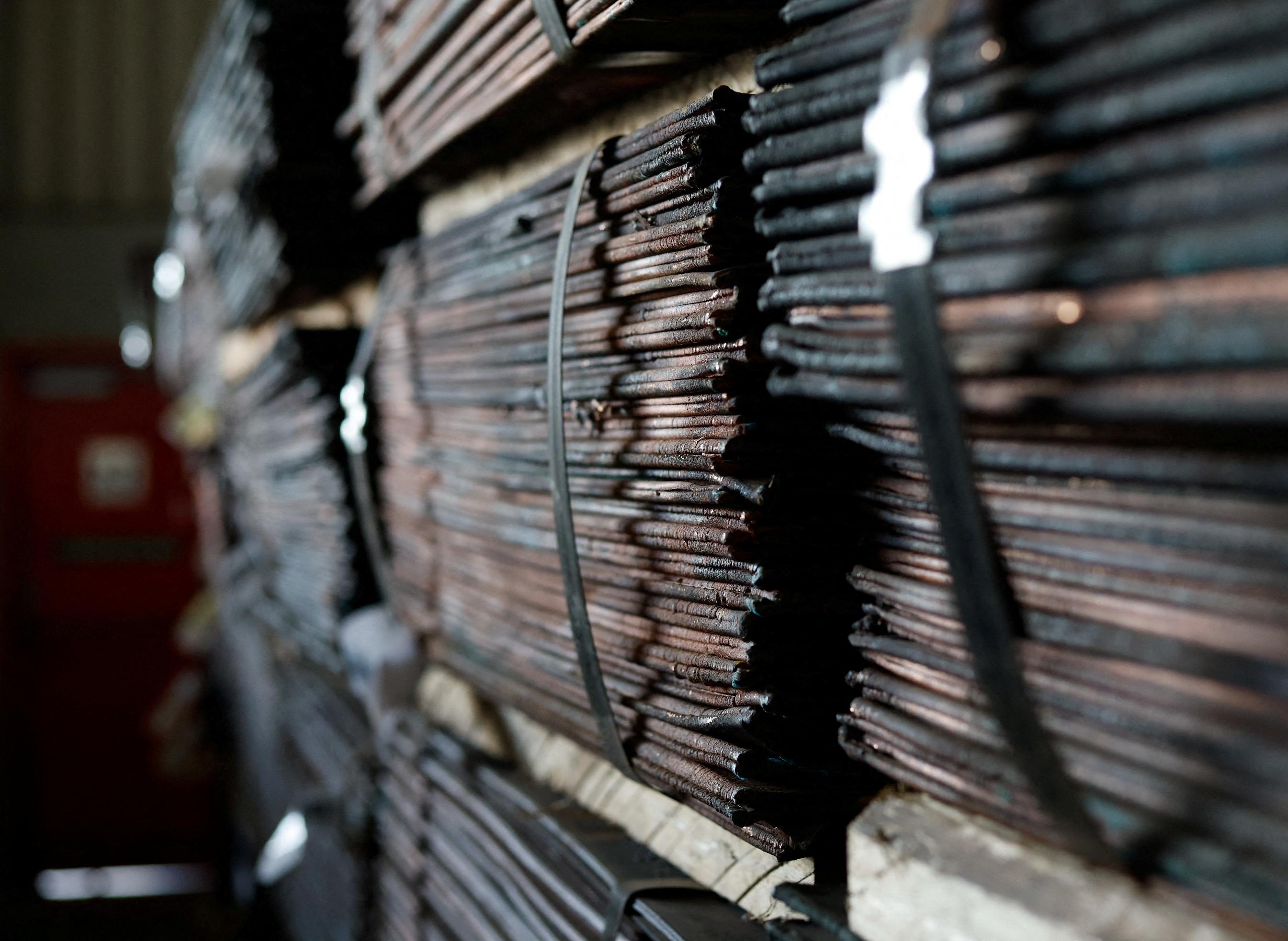
LONDON, April 30 (Reuters) - The International Copper Study Group (ICSG) has cut its forecast supply surplus for this year due to much lower-than-expected mine production. Copper bulls might take issue with the group's view the refined copper market will still be in oversupply this year and the next to the tune of 162,000 and 94,000 metric tons respectively. But when it last met in October, the ICSG's statistical committee was expecting a 467,000-ton glut of metal this year. The new forecasts suggest a much closer alignment of production and demand in what is a 27-million-ton global market. The revisions largely confirm the current bull narrative of a squeeze on raw materials that will brake refined metal output growth. A cautionary caveat comes in the form of a downwards revision to global usage this year and a subdued demand outlook in China, the world's largest copper consumer. CONCENTRATES SQUEEZE Back in October, the ICSG expected mine supply to surge by 3.7% this year due to a combination of new mines, expansions and a broader recovery from the operational constraints of 2023. That surge has become a trickle with the ISCG expecting growth of just 0.5% due to delays at new projects, revised company guidance and the unexpected closure of the Cobre Panama mine since December. Cobre Panama, now on care and maintenance, has left a 380,000-ton hole in the global raw materials supply chain. Smelters have been forced to turn to the spot copper concentrates market and spot treatment charges have collapsed to distress levels as buyers prioritise tonnage over profitability. Chinese smelters' agreement in March to curtail production was the trigger for a rally that has taken London Metal Exchange three-month copper above the $10,000-per ton level for the first time since April 2022. DRAG ON REFINED METAL OUTPUT The flow-through effect of the concentrates squeeze on smelter production has caused the ICSG to cut its refined metal supply forecasts as well. The October forecast for 4.6% refined metal production growth this year has been reduced to 2.8%. The growth rate will slow to just 0.7% next year in the ICSG's view. "Although production will benefit from the continued expansion of Chinese electrolytic capacity and the ramp-up of new smelters/refineries in Indonesia and India, primary electrolytic refined production growth is expected to be limited by the constrained availability of concentrates," it said. Some offset will come from higher solvent-extraction metal production and improved scrap recycling rates but refined copper supply growth is expected at a modest 2.2% in 2025. DEMAND CAUTION The ICSG's latest forecasts, however, carry a note of caution about the state of copper demand. Refined metal usage is expected to grow by 2.0% this year over 2023, a downgrade from the 2.7% growth expected at the group's October meeting. The pace of growth is forecast to pick slightly to 2.5% in 2025. Behind the headline figure lies a divergence in performance between China and the rest of the world. Usage growth in China is expected to slow from 2.0% to 1.6% in 2025, while that in the world outside China is forecast to accelerate from 2.4% to 3.8% due to the launch of new semi-manufactured product capacity, particularly in India. The ICSG underlines copper's positive longer-term demand boost from the energy transition but that is hard to discern in its modest demand growth forecasts for this year and next. SPLIT MARKET The ICSG's latest forecasts capture the current split in market dynamics. The investment community has stampeded into copper on the long side, drawn in by a narrative of structural supply problems and a turn in the global manufacturing sector. Investment funds have expanded long positions on the LME contract from under 40,000 contracts in the middle of January to 96,627 contracts at the end of last week. That's equivalent to almost two and a half million tonnes of copper and the largest accumulation of bets on higher prices since 2018, when the LME first started publishing its Commitments of Traders Report. Physical buyers, not least those in China, have largely been left on the sidelines as investors have pushed the price higher. The Yangshan copper premium , a closely-watched indicator of Chinese buying appetite, has slumped from $60 per ton in early March to near zero, according to local data provider Shanghai Metal Market. While investors will take heart from the ICSG's forecast of a yawning mine supply gap, consumers are more likely to endorse its subdued demand outlook. The opinions expressed here are those of the author, a columnist for Reuters. Sign up here. https://www.reuters.com/markets/commodities/icsg-forecasts-copper-supply-pressures-cautious-demand-2024-04-30/
2024-04-30 23:20
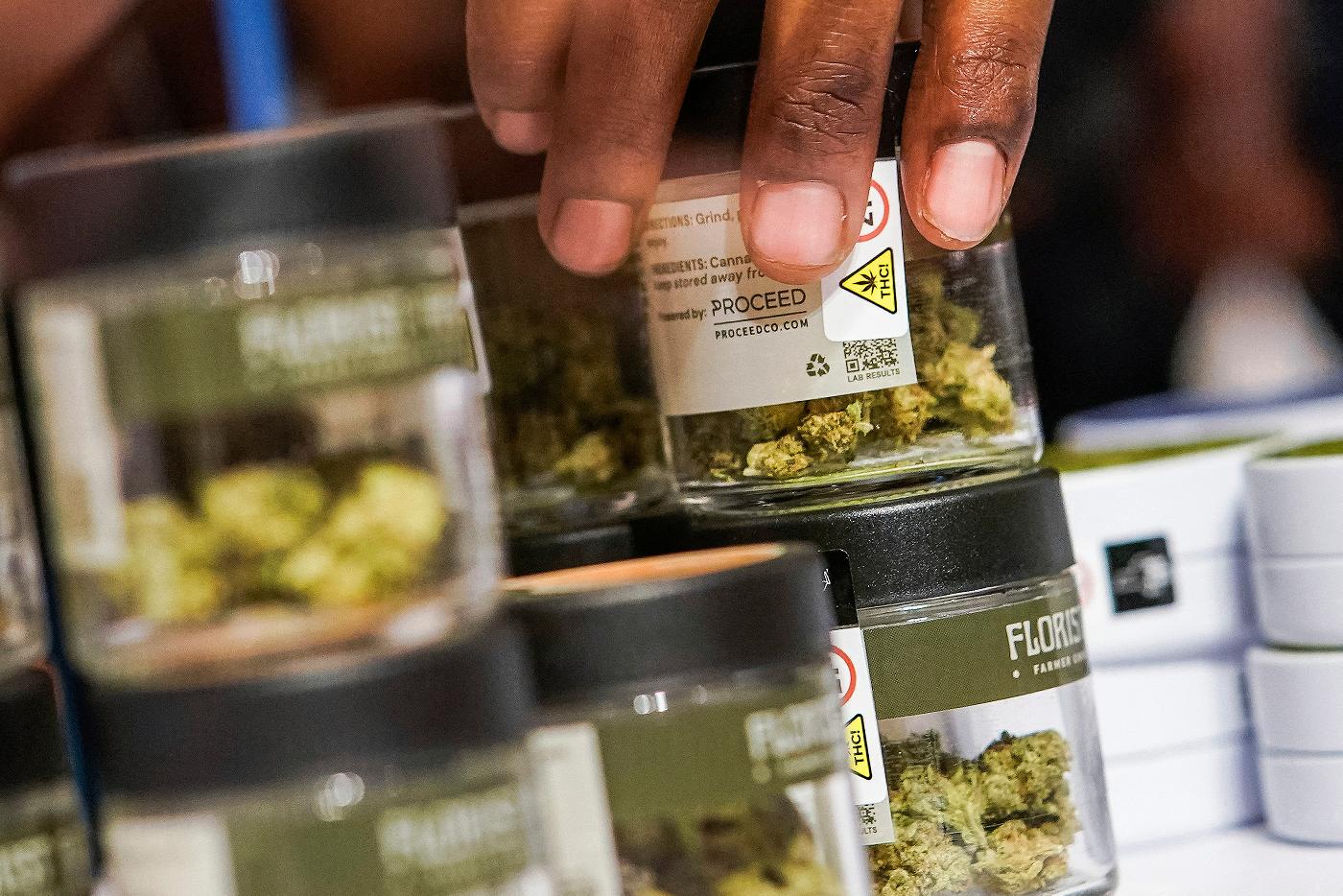
WASHINGTON, April 30 (Reuters) - The U.S. Justice Department on Tuesday moved to make marijuana use a less serious federal crime, taking a step to remove the drug from a category that includes heroin in a shift that could shake up cannabis policy nationwide. Shares of cannabis firms including Tilray (TLRY.O) New Tab, opens new tab, Trulieve Cannabis Corp (TRUL.CD) New Tab, opens new tab and Green Thumb Industries (GTII.CD) New Tab, opens new tab surged. The Justice Department, which oversees the Drug Enforcement Administration, said Attorney General Merrick Garland recommended that cannabis be classified as a so-called schedule three drug, with a moderate to low potential for physical and psychological dependence, instead of schedule one, which is reserved for drugs with a high potential for abuse. Penalties for possession and use of schedule three drugs can be less severe under federal law. The proposal goes from the Justice Department to the White House Office of Management and Budget for review and finalization. A public comment period will follow. President Joe Biden, a Democrat who is running for re-election in November, initiated a review of the drug's classification in 2022, fulfilling a campaign promise that was important to left-leaning members of his political base. Currently, the drug falls under the DEA's class that includes heroin and LSD. It would be moved to a group that contains ketamine and Tylenol with codeine. GAP BETWEEN STATE, FEDERAL LAWS Reclassifying marijuana represents a first step toward narrowing the chasm between state and federal cannabis laws. The drug is legal in some form in nearly 40 states. While rescheduling the drug does not make it legal, it would open up the doors to more research and medical use, lighter criminal penalties and increased private investment in the cannabis sector. The Justice Department's move came after the Health and Human Services Department in August recommended rescheduling cannabis as part of Biden's ordered review. Public support for marijuana legalization has risen from 25% of U.S. adults in 1995 to 70% in 2023, according to polling group Gallup. Colorado and Washington became the first states to allow recreational marijuana in 2012. Owen Bennett, an analyst at Jefferies investment banking group, said reclassification would increase the chances of full federal legalization within five years. Colorado Governor Jared Polis said in a statement that he was "thrilled" that the Biden administration would be "correcting decades of outdated federal policy." Black Americans and communities of color have been disproportionately impacted by marijuana drug enforcement for decades. Black people are 3.6 times more likely than white people to be arrested for marijuana possession, despite similar usage rates, according to the American Civil Liberties Union. According to the Pew Research Center, Black and white Americans used marijuana at roughly comparable rates in 2020. Yet Black people accounted for 39% of all marijuana possession arrests despite being only 12% of the U.S. population then. Biden and Vice President Kamala Harris are seeking to bolster support from Black voters for their re-election bid against former President Donald Trump, a Republican. The change would also enable more medical research under the U.S. Food and Drug Administration, which supports the reclassification. Cannabis has been successfully used to treat pain, spasticity and epilepsy, among other conditions. Smart Approaches to Marijuana, a group against the "commercialization and normalization" of marijuana, said it would mount a legal challenge if the proposal is finalized. It said investors in the marijuana industry would be the biggest beneficiaries of the change. “This industry, which has lobbied heavily to sell demonstrably harmful products, will now use this announcement to drive even more deliberate misinformation about these high-potency drugs to expand use and addiction," Kevin Sabet, the group's president, said in a statement. While states have set a minimum age of 21 for legal recreational marijuana use, concerns are likely to be raised about whether the proposed change could affect youth. Research has shown marijuana use in the teen years puts individuals at higher risk of not finishing high school, harm to brain development and later mental health disorders such as schizophrenia, according to the Centers for Disease Control. A study published in March said there was no compelling evidence that legalizing marijuana sales to U.S. adults increased consumption among young teens. BOON TO CANNABIS BUSINESS If marijuana's classification were to ease at the federal level, cannabis companies could reap significant benefits. Their shares could be eligible for listing on major stock exchanges, and the companies could receive more generous tax deductions. Moreover, they could face fewer restrictions from banks. With marijuana illegal federally, most U.S. banks do not lend to or serve cannabis companies, prompting many to rely on cash transactions. This has made some vulnerable to violent crime. The National Cannabis Roundtable, which represents cannabis companies, said the move "is critical for state legal cannabis businesses to be treated with fairness ... and to survive the threat the illicit market poses to the regulated market and public safety," said Executive Director Saphira Galoob. The Associated Press first reported the DEA's reclassification recommendation on Tuesday. Sign up here. https://www.reuters.com/world/us/us-drug-enforcers-ease-restrictions-cannabis-ap-reports-2024-04-30/
2024-04-30 23:19
April 30 (Reuters) - An early investor in bitcoins dubbed the "Bitcoin Jesus" has been arrested in Spain on U.S. charges that he evaded paying at least $48 million in taxes, the U.S. Department of Justice said on Tuesday. Roger Ver, 45, was charged with mail fraud and tax evasion in an indictment New Tab, opens new tab filed in federal court in Los Angeles that was unsealed following his arrest in Spain during the weekend, the department said. The U.S. Supreme Court last year dismissed an unnamed law firm's appeal over court orders holding it in contempt of a grand jury subpoena because it had not released records related to a client matching Ver's description. Bryan Skarlatos, a lawyer for Ver, said in a statement he was "very disappointed and surprised" by Ver's arrest while traveling in Spain. "Mr. Ver relied on leading tax professionals to help him report his Bitcoin and he always intended to fully comply with his U.S. tax obligations," Skarlatos said. "We look forward to establishing his innocence in court, if necessary." Ver, who for a time served as the chief executive of the digital wallet developer Bitcoin.com, began acquiring bitcoins in 2011 and actively promoted the cryptocurrency, earning him the name "Bitcoin Jesus." In 2014, Ver renounced his U.S. citizenship after becoming a citizen of St. Kitts and Nevis, which prosecutors said had tax consequences for him. Specifically, when someone gives up their citizenship, their property is treated as having been sold for its fair market value the day before they renounced their citizenship in a "constructive sale." Under federal tax law, any gain arising from that "constructive sale" must be accounted for in that tax year. The day he became a St. Kitts and Nevis citizen, Ver and two companies he owned, MemoryDealers.com and Agilestar.com, held about 131,000 bitcoins that at the time each traded for about $871, valuing them at more than $114 million. Prosecutors said Ver hired a law firm to help him prepare his expatriation-related tax returns and an appraisal to value his companies, but provided them false or misleading information about how much of the cryptocurrency they in fact owned. The Justice Department said that as a result, the law firm prepared and filed tax returns that undervalued the two companies and their bitcoins and did not report any owned personally by Ver. Ver later took possession of the 70,000 bitcoins the two companies owned and sold them for about $240 million in 2017, the indictment said. But prosecutors said he failed to pay taxes he owed on distributions from those two U.S. companies. The indictment alleged that in total, the Internal Revenue Service was deprived of $48 million in taxes from 2014 to 2017. The Justice Department has said it plans to seek Ver's extradition. Sign up here. https://www.reuters.com/technology/bitcoin-jesus-arrested-spain-us-tax-evasion-charges-2024-04-30/

2024-04-30 23:07
BUENOS AIRES, April 30 (Reuters) - Argentina's oilseed sector workers lifted their two-day strike late on Tuesday after the lower house of Congress approved contentious reforms backed by President Javier Milei but opposed by some unions. Business at the South American country's top grains ports had been paralyzed by striking union workers, holding up shipments of soy, corn and wheat from one of the world's top farm exporters. Activity at the shipping hubs in Rosario, the key agricultural export area, was beginning to normalize by Tuesday evening. "We're lifting the action now," Daniel Succi, secretary general of the SOEA oilseed worker union, told Reuters. Next week a union meeting will be held "to see how we proceed," he added. On Monday, oilseed and maritime worker unions kicked off a strike to protest labor reforms backed by Milei, which lower house lawmakers approved alongside a package of fiscal measures on Tuesday. The two groups later lifted the strikes, though oilseed union workers hinted that another work stoppage could come when the Senate takes up the contentious reforms. Gustavo Idigoras, head of the grains exporters and processors chamber, confirmed that earlier on Tuesday all port operations had ground to a halt. Argentina is a major world supplier of processed soybeans. Revenue from grains shipments are a major source of foreign currency needed to pay down debt and finance imports for the cash-strapped government during a prolonged economic slide. The union federation comprising other maritime and river workers that also protested the reforms lifted its strike midday on Tuesday, said Leonel Cardozo, the Timbues regional delegate of the SOMU Maritime Workers Union. Milei took power four months ago pledging to slash public spending and stave off hyperinflation, but his reform push has faced stiff resistance from center-left opponents. The bills on the table include provisions to lower the threshold for salaries subject to income tax, part of a slimmed-down version of an earlier Milei-backed package. Sign up here. https://www.reuters.com/world/americas/argentina-grains-ports-hit-by-strikes-second-day-industry-officials-say-2024-04-30/