2024-04-25 05:58
April 25 (Reuters) - Canadian miner Teck Resources (TECKb.TO) New Tab, opens new tab missed first-quarter profit estimates on Thursday, pulled down partly by lacklustre steelmaking coal sales volumes and lower zinc prices. The Vancouver-based company reported an adjusted profit of C$0.75 per share, for the quarter ended March 31, compared with analysts' average estimate of C$0.85 per share, according to LSEG data. Teck's first-quarter steelmaking coal sales were 5.9 million tons, compared with 6.2 million tons last year. The company expects steelmaking coal sales between 6 million tons and 6.4 million tons for the second quarter. Steelmaking coal production in the reported quarter came in at 6 million tons, the same levels seen in the year-ago period, impacted by an extreme freezing event in mid-January that resulted in frozen plant components and unplanned downtime. Sign up here. https://www.reuters.com/markets/commodities/canadas-teck-resources-misses-first-quarter-profit-estimates-2024-04-25/

2024-04-25 05:53
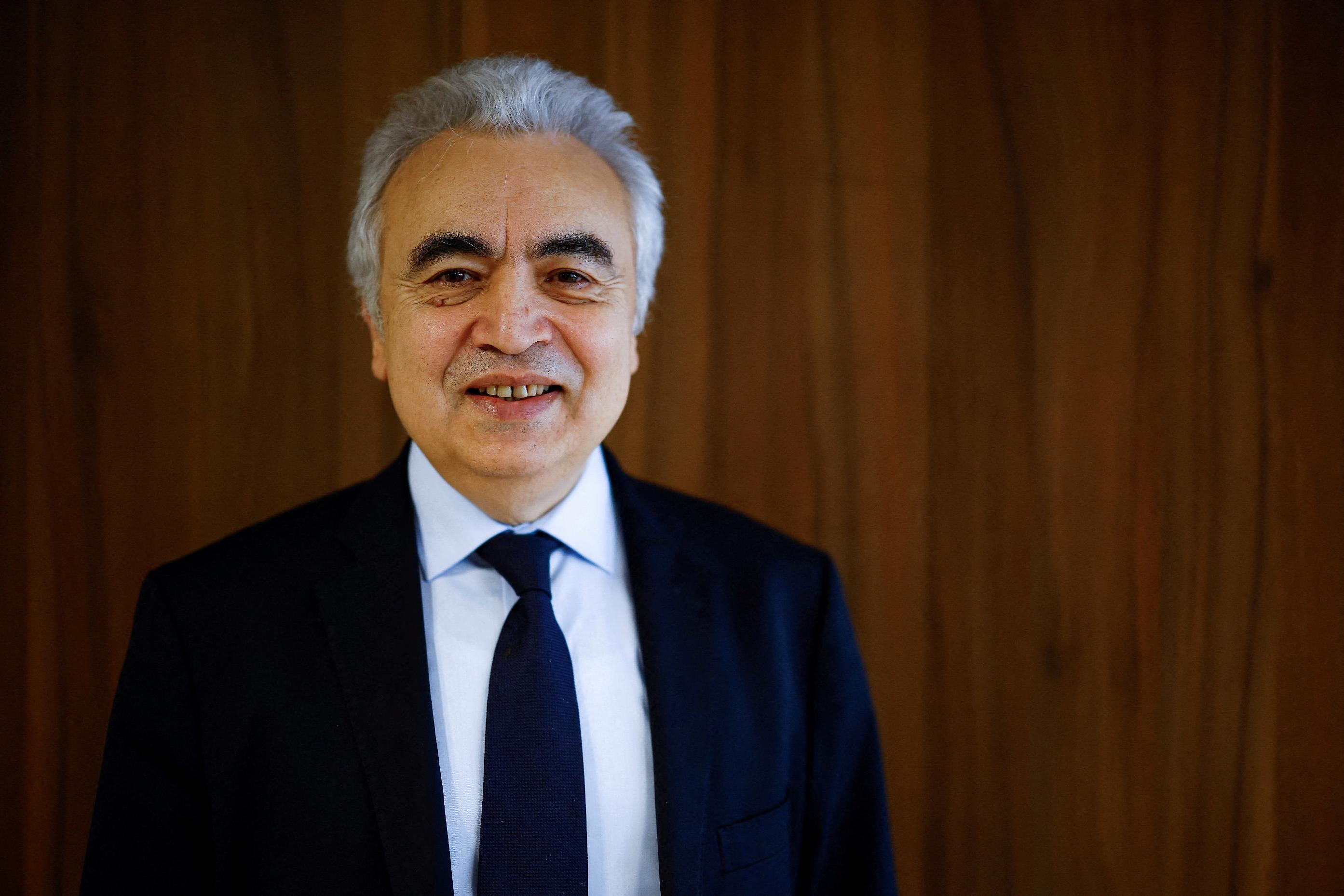
LONDON, April 25 (Reuters) - An expected sharp fall in battery costs for energy storage in coming years will accelerate the shift to renewable energy from fossil fuels, the International Energy Agency (IEA) said on Thursday. While renewable energy by itself is already much cheaper than coal and gas-fired plants, weather can interrupt solar and wind power and must be paired with energy storage systems to provide reliable sources of energy. The total capital costs of battery storage are due to tumble by up to 40% by 2030, the Paris-based watchdog said in its Batteries and Secure Energy Transitions report. "The combination of solar PV (photovoltaic) and batteries is today competitive with new coal plants in India," said IEA Executive Director Fatih Birol. "And just in the next few years, it will be cheaper than new coal in China and gas-fired power in the United States. Batteries are changing the game before our eyes." About 90% of lithium ion batteries are used in the transport sector, which focuses on dense and light units. There is more scope for cutting costs in energy storage batteries, which can be larger and heavier. Cheaper lithium iron phosphate (LFP) batteries accounted for 80% of new storage batteries last year, the IEA said. Cheaper sodium-ion batteries will account for less than 10% of electric vehicle batteries by 2030, but they will make up a growing share of energy storage batteries, it added. The global market for energy storage doubled last year to over 90 gigawatt-hours (GWh), the report said. Overall global energy storage capacity is due to soar six-fold by 2030, with batteries accounting for 90% of the rise and pumped hydropower for most of the rest. Pumped hydropower is a system that involves pumping water to a higher reservoir during off peak times to generate electricity at peak times. The slide in battery costs will also help provide electricity to millions of people without access, cutting by nearly half the average electricity costs of mini-grids with solar PV coupled with batteries by 2030, the IEA said. Sign up here. https://www.reuters.com/business/energy/tumble-storage-battery-costs-boost-shift-renewables-says-iea-2024-04-25/
2024-04-25 05:29
LITTLETON, Colorado, April 25 (Reuters) - Renewable energy sources generated over a third of Australia's utility-supplied electricity during the first quarter of 2024, a record share for solar and wind farms during the first quarter of the year and Australia's peak summer demand period. Solar farms generated 13.11 terawatt hours (TWh) of electricity during the first quarter of 2024, up 13.5% from the same period in 2023, data from energy think tank Ember shows. Wind power generated 7.53 TWh of electricity, up 6.5% from the same quarter a year ago, lifting total output from renewable sources to 20.64 TWh during the quarter, and the highest first-quarter total on record. The solar and wind production totals were the second highest ever on a quarterly basis after the final quarter of 2023, and indicate that Australia's build-out of utility-scale clean energy generation capacity is having a deep impact on the country's generation mix. FOSSIL FUELLED Up until the end of 2020, Australia relied on fossil fuels to generate 75% of its electricity, while renewable energy sources accounted for less than 20% of utility-generated electricity supplies. Coal remains the primary source of the country's electricity, accounting for around 55% of total electricity generation so far this year. But coal's share of the generation mix is down sharply from more than 70% in 2020 due to strong societal and policy support for reducing use of fossil fuels for power generation. This in turn has spurred a rapid expansion in renewable generation capacity, both at the utility level and behind-the-meter in households and small businesses. Rooftop solar installations across Australia have surged in recent years, with an estimated 3 million households deploying some form of solar generation, producing roughly 11.2% of the country's electricity in 2023 according to the Australian Clean Energy Council. Around 2.9 GW of rooftop capacity was estimated to have been added in 2023, according to the International Energy Agency, but delays to grid connection and declining incentives for new customers have led to a slowdown in the pace of new additions, which are expected to decline to 2.5 GW in 2024 and 2 GW in 2025. At the utility level, Australian solar electricity generation has grown by roughly 90% from 2020 to 2023, and wind power output has grown by roughly 40%. These growth rates compare to a 12% decline in coal-fired generation and a 23% drop in gas-fired output over the same period, and reveal a significant swing in power sources within utility generation systems. Large swings in generation capacity have also changed Australia's power production landscape. Between 2018 and 2022, renewable generation capacity jumped from less than 20 gigawatts (GW) to more than 40 GW, or by 128%, Ember data shows. In contrast, fossil fuel generation capacity expanded by only 5.6% from 51 GW to 53.8 GW. This has resulted in the share of clean power capacity within Australia's utility generation system growing from 34% in 2018 to 48% by 2023, and likely around 50% by the end of 2023 once official capacity data for last year is released. GROWTH PATH Analysts project continued rapid growth in renewable power capacity in Australia over the coming decades, which should mean that clean sources supply a majority of the country's utility-generated electricity by the end of this decade. Solar power looks set to remain a major driver of clean electricity growth, with utility-scale generation capacity set to climb from around 22 GW by the end of this year to 80 GW or more by 2029, according to the Australian Energy Market Operator (AEMO.) But that surge in solar capacity looks set to be dwarfed by potential expansion in stored energy capacity over the same period. Stored energy sites include batteries and pumped hydro dams, and can store renewable energy during peak output periods and dispatch it later to consumers during demand peaks. Total utility stored energy capacity could grow from 1.6 GW in 2024 to just over 22 GW by 2030, AEMO data shows. Utility-scale wind power capacity is also set to grow sharply. If all these projected expansions unfold as planned, Australia's electricity generation mix will become overwhelmingly powered by clean energy sources. In turn, that could result in the country transforming from a relative clean power laggard at the start of the current decade, into a potential clean energy leader by the 2030's. Sign up here. https://www.reuters.com/markets/commodities/renewables-generate-third-australian-electricity-q1-2024-maguire-2024-04-25/

2024-04-25 05:25
Interest rate markets digest slowdown in US GDP growth rate Mining sector M&A lifts FTSE to all-time high Yen drops to latest 34-year low NEW YORK/LONDON, April 25 (Reuters) - Stocks snapped a three-day winning streak on Thursday as disappointing forecasts from Facebook and Instagram owner Meta hammered the tech sector, and Japan's yen sank through 155 per dollar for the first time since 1990. Tepid U.S. GDP data and Meta's slump (META.O) New Tab, opens new tab weighed on equities. U.S. Treasury yields hit their highest in over five months after the data showed signs of persistent inflation, lowering hopes that the Federal Reserve will cut interest rates anytime soon. U.S. Treasury Secretary Janet Yellen told Reuters that U.S. economic growth was likely stronger than suggested by weaker-than-expected data on first-quarter output and said the Biden administration was keeping all options open to respond to threats from China's excess industrial capacity. Gold prices rose, and oil prices finished higher. MSCI's gauge of stocks across the globe (.MIWD00000PUS) New Tab, opens new tab fell 3.87 points, or 0.51%, to 755.59. The Dow Jones Industrial Average (.DJI) New Tab, opens new tab fell 375.12 points, or 0.98%, to 38,085.80, the S&P 500 (.SPX) New Tab, opens new tab lost 23.21 points, or 0.46%, to 5,048.42 and the Nasdaq Composite (.IXIC) New Tab, opens new tab lost 100.99 points, or 0.64%, to 15,611.76. Shares of Alphabet and Microsoft advanced in extended hours trading after both companies reported quarterly results that beat Wall Street estimates. However, Intel (INTC.O) New Tab, opens new tab shares dropped 8% in extended hours trading after it forecast second-quarter revenue and profit below market estimates. European shares closed down 0.7%, paring losses after shedding more than 1% intraday, hit by bleak earnings from consumer giant Nestle (NESN.S) New Tab, opens new tab and Dutch digital payments firm Adyen (ADYEN.AS) New Tab, opens new tab. London's FTSE 100 (.FTSE) New Tab, opens new tab held onto gains and touched a record high as UK-listed miner Anglo American (AAL.L) New Tab, opens new tab surged on a $39 billion buyout offer from Australian rival BHP (BHP.AX) New Tab, opens new tab. U.S. SLOWDOWN Beyond corporate earnings, investors were digesting the sharper-than-expected slowdown in first-quarter U.S. economic growth. "Despite the expected GDP slowdown in 2024, there are no imminent signs of a recession," said Mutual of America Capital Management's chairman and chief executive, Stephen Rich. Hotter-than-expected inflation reports have pushed back and reduced expectations for Federal Reserve interest rate cuts, with markets now pricing in roughly a 70% chance of a first reduction in September. Investors are not even fully convinced there will be another cut this year, having expected around six cuts at the start of the year. The dollar index softened 0.21% at 105.58, and the euro retreated 0.02% to $1.0727. The yield on benchmark U.S. 10-year notes rose 5 basis points to 4.704%, from 4.654% late on Wednesday. The 2-year note yield, which typically moves in step with interest rate expectations, rose 6.3 basis points to 4.9996%, from 4.937%. The Japanese yen reversed earlier losses, up 0.03% against the greenback, after sinking to its lowest level in 34 years. It is now firmly past the latest line in the sand traders had drawn for Japan to intervene in the markets. "Tokyo has still not intervened, and I reiterate that it does look like there will be no intervention so long as USD/JPY's climb continues in a relatively non-volatile fashion," said RBC Capital Markets' head of Asian FX strategy, Alvin Tan. The Bank of Japan started its two-day rate-setting meeting on Thursday, with expectations that it will keep its key short-term interest rate target unchanged. Attention will be on what Bank of Japan Governor Kazuo Ueda's says about the yen's struggles. Brent crude futures settled 99 cents, or 1.1%, higher at $89.01 a barrel. U.S. West Texas Intermediate crude futures was up 76 cents, or 09%, at $83.57. Spot gold added 0.69% to $2,331.78 an ounce. U.S. gold futures settled down 0.2% to $2,319.90 an ounce. Sign up here. https://www.reuters.com/markets/global-markets-wrapup-1-2024-04-25/
2024-04-25 05:00
A look at the day ahead in European and global markets from Ankur Banerjee Tech stocks are yet again set to sway the wider markets after a lacklustre forecast from Facebook parent Meta Platforms (META.O) New Tab, opens new tab sparked a broad sell-off across regions. Meta's lower-than-anticipated revenue forecast along with guidance for higher expenses knocked $200 billion of its market value and dragged several of its rivals lower as worries over the surging cost of AI weighed on sentiment. Asian tech stocks (.MIAPJIT00NUS) New Tab, opens new tab followed suit and were down 2%, with tech heavy Taiwan (.TWII) New Tab, opens new tab and South Korean stocks (.KS11) New Tab, opens new tab both down 1%. All eyes now will be on European tech stocks (.SX8P) New Tab, opens new tab Earnings from Intel (INTC.O) New Tab, opens new tab, Alphabet (GOOGL.O) New Tab, opens new tab and Microsoft (MSFT.O) New Tab, opens new tab will probably paint a fuller picture of how firms are faring in the AI race. An earnings-filled Thursday awaits traders in Europe, with banking firms in the spotlight, while yen watchers keep looking around for a possible intervention now that the currency has breached past the psychologically key 155 per dollar level. Deutsche Bank (DBKGn.DE) New Tab, opens new tab, BNP Paribas SA (BNPP.PA) New Tab, opens new tab and Barclays Plc (BARC.L) New Tab, opens new tab are due to report their earnings and the focus will be on their net interest margin especially with interest rates in Europe and UK priced to fall in the second half of the year. Turkey's central bank will not trim its policy rate from the current 50% until the fourth quarter, a Reuters poll of economists showed. Their policy decision is due later in the day. The yen has firmly breached the latest line in the sand of 155 per dollar and while the spectre of intervention from Tokyo looms large, the lack of chatter from the Ministry of Finance may perhaps embolden yen bears. The Bank of Japan concludes its policy meeting on Friday and the attention will squarely be on BOJ Governor Kazuo Ueda's comments and his tone. Ueda will be mindful of avoiding the episode of 2022, when his predecessor's dovish remarks triggered a yen plunge that forced Tokyo to intervene, spending an estimated $60 billion to defend the yen. Key developments that could influence markets on Thursday: Economic events: Turkey rate decision Earnings: Deutsche Bank (DBKGn.DE) New Tab, opens new tab, BNP Paribas SA (BNPP.PA) New Tab, opens new tab, Barclays PLC (BARC.L) New Tab, opens new tab, AstraZeneca PLC (AZN.L) New Tab, opens new tab and J Sainsbury (SBRY.L) New Tab, opens new tab Intel Corp (INTC.O) New Tab, opens new tab, Microsoft (MSFT.O) New Tab, opens new tab, Honeywell (HON.O) New Tab, opens new tab and Alphabet (GOOGL.O) New Tab, opens new tab Sign up here. https://www.reuters.com/markets/europe/global-markets-view-europe-2024-04-25/

2024-04-25 02:53
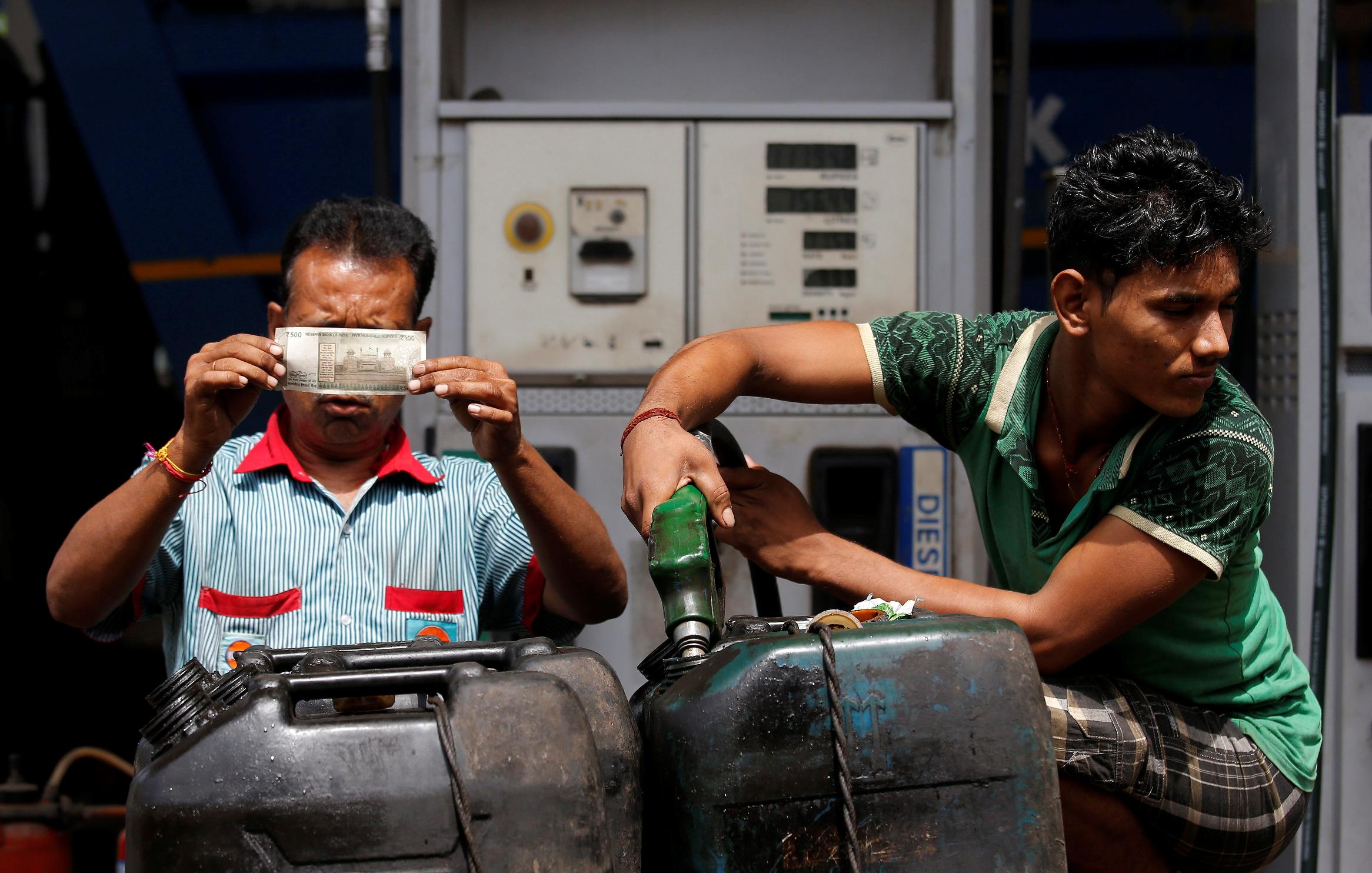
MUMBAI, April 25 (Reuters) - The Indian rupee is expected to broadly struggle on Thursday amid an uptick in U.S. Treasury yields and losses on Asian currencies and equities before the U.S. GDP data. Non-deliverable forwards indicate the rupee will open marginally weaker to nearly flat to the U.S. dollar from 83.3225 in the previous session. The rupee, having slipped to an all-time low of 83.5750 on Friday, has broadly done well. The cooling off of the Iran-Israel crisis and inflows have helped the local currency recover. "Think 83.25-83.55 is now the range (on USD/INR)," a FX trader at a bank said. "You have two important U.S. data points lined up and then the Fed meeting next week. Heading into that, for me its difficult to pen where the balance of risks are." The Federal Reserve meeting is on April 30-May 1. Before that, the U.S. first quarter GDP number will be out later on Thursday and the March core PCE data is due for release on Friday. Resilient U.S. growth and higher inflation are reasons why several Fed officials have repeatedly emphasized the need to be patient on rate cuts. Investors are now pricing in less than two rate cuts this year. HSBC expects the Fed to keep policy rate unchanged in May and said that economic growth and core inflation data over the months ahead will likely impact policy in June and beyond. Asian currencies were trading down 0.1% to 0.6% and shares dropped alongside U.S. equity futures. Asian currencies have struggled so far this year on investors dialling back their expectations around Fed rate cuts. The Korean won, the Thai baht and the Taiwanese dollar are down 6% to 7% this year. KEY INDICATORS: ** One-month non-deliverable rupee forward at 83.42; onshore one-month forward premium at 7.5 paise ** Dollar index at 105.76 ** Brent crude futures up 0.1% at $88.1 per barrel ** Ten-year U.S. note yield at 4.66% ** As per NSDL data, foreign investors sold a net $414.8 mln worth of Indian shares on Apr. 23 ** NSDL data shows foreign investors sold a net $224.9 mln worth of Indian bonds on Apr. 23 Sign up here. https://www.reuters.com/markets/currencies/rupee-may-struggle-higher-us-bond-yields-weak-asian-cues-2024-04-25/