
2024-04-23 07:14
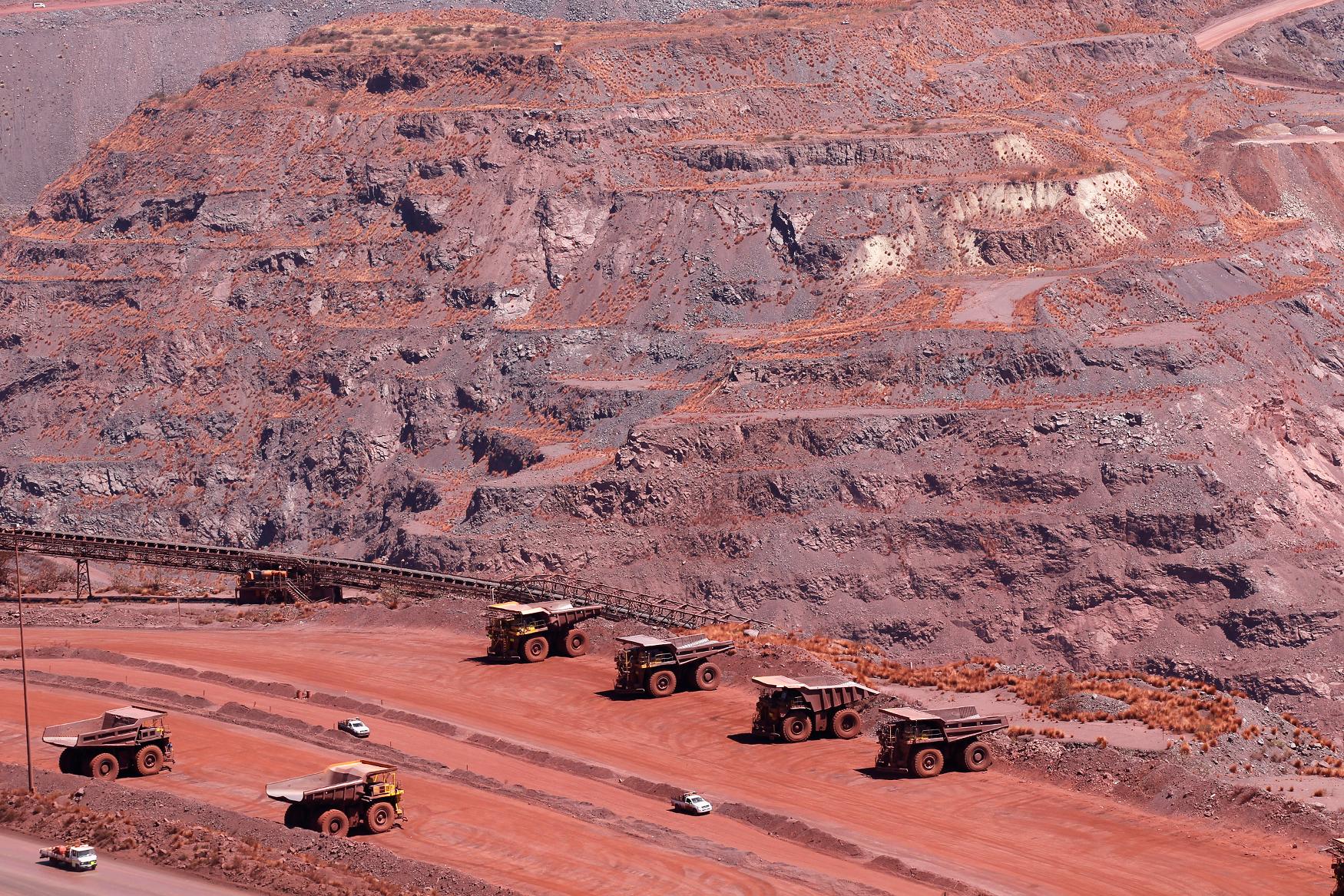
April 23 (Reuters) - Kumba Iron Ore (KIOJ.J) New Tab, opens new tab on Tuesday reported a 10% fall in first quarter sales due to port equipment challenges, as South Africa's logistical problems continue to throttle commodity exports. The Anglo American Plc (AAL.L) New Tab, opens new tab unit has already curtailed production to match the diminished capacity of state-owned rail and port operator Transnet, which is battling equipment shortages, cable theft and vandalism of its infrastructure. In an update, Kumba said its sales declined to 8.5 million metric tons in the three months to March 31, from 9.5 million tons during the same period of 2023. This was mainly due to the unreliability of equipment used to handle ore consignments at Saldanha Bay Port, Kumba said. As a result, iron ore stockpile levels at the port doubled to 1.2 million tons in the quarter, while Kumba's overall iron ore stockpile increased by 1.4 million tons to 8.5 million tons. Kumba said production dipped 2% to 9.3 million tons in line with its strategy to match output to available logistics capacity. Ore taken to port by Transnet's rail services was flat at 9.4 million tons. The company said it expects full-year production of between 35 million to 37 million tons and sales within the 36 million to 38 million ton range "subject to ongoing logistics constraints". Get a look at the day ahead in U.S. and global markets with the Morning Bid U.S. newsletter. Sign up here. https://www.reuters.com/markets/commodities/kumba-quarterly-sales-fall-10-port-challenges-curb-exports-2024-04-23/
2024-04-23 06:57
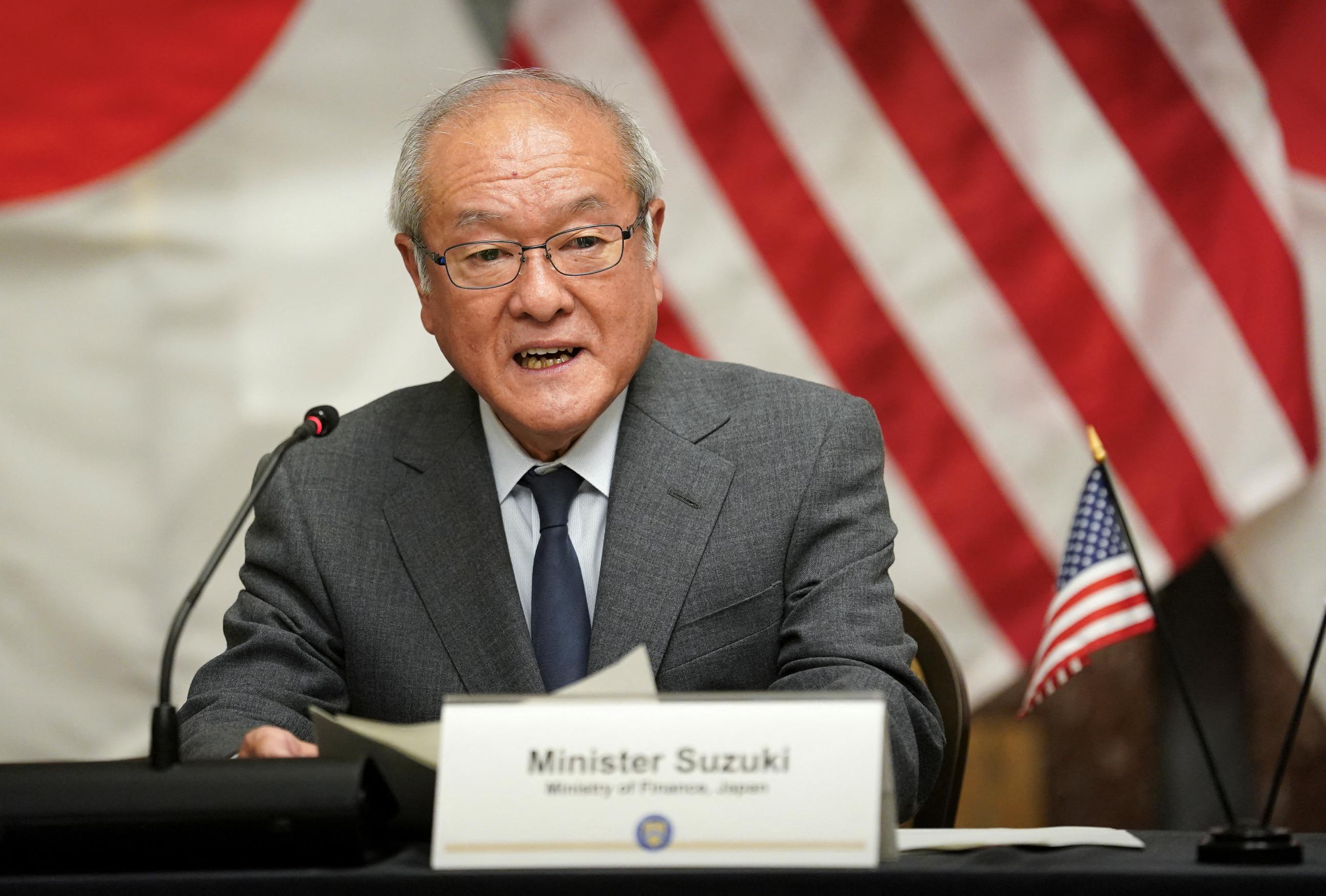
Japan voiced concern over weak yen boost to import costs Analysts say markets on heightened alert on intervention risk Suzuki says won't rule out options to address excessive FX moves BOJ's Ueda says will hike rates if trend inflation accelerates TOKYO, April 23 (Reuters) - Japanese Finance Minister Shunichi Suzuki said last week's meeting with his U.S. and South Korean counterparts has laid the groundwork for Tokyo to act against excessive yen moves, issuing the strongest warning to date on the chance of intervention. "I voiced strong concern on how a weak yen pushes up import costs. Our view was shared not just in a meeting with my South Korean counterpart, but at the trilateral meeting that included the United States," Suzuki told parliament on Tuesday. "I won't deny that these developments have laid the groundwork for Japan to take appropriate action (in the currency market), though I won't say what that action could be," he said. The fresh warnings came after the dollar rose to 154.85 yen , its strongest levels against the Japanese currency since 1990, keeping markets on heightened alert for any signs of intervention from Tokyo to prop up the yen. The United States, Japan and South Korea agreed to "consult closely" on foreign exchange markets in their first trilateral finance dialogue last week, acknowledging concerns from Tokyo and Seoul over their currencies' recent sharp declines. The rare warning from the three countries' finance chiefs, which was inserted in a joint statement after their meeting, was seen by some analysts as Washington's informal consent for Tokyo and Seoul to intervene in the market when necessary. Japan could intervene in the currency market at any time as recent yen falls are excessive and out of line with fundamentals, ruling party executive Satsuki Katayama said. "I don't think Japan will face any criticism if it were to act now," Katayama told Reuters in an interview on Monday, when asked about the timing of a possible currency intervention. BOJ MEETING IN FOCUS While a weak yen boosts exports, it has become a headache for Japanese policymakers as it inflates the cost of living for households by pushing up import prices. At a regular news conference earlier on Tuesday, Suzuki stressed that Japanese authorities will work closely with overseas counterparts to deal with excessive volatility in the foreign exchange market. "We are watching market moves with a high sense of urgency," Suzuki told reporters, adding that Tokyo authorities were ready to take action "without ruling out any options" against excessive currency moves. Japanese policymakers may be escalating verbal warnings ahead of Japan's Golden Week holidays next week to keep traders on guard over the chance of intervention, said Hideo Kumano, chief economist at Dai-ichi Life Research Institute. "Regardless of whether there will be one, markets are certainly more alert on the chance of intervention, he said. The latest decline in the yen comes after a string of strong U.S. economic data, particularly on inflation, which pushed the dollar to five-month highs and reinforced expectations that the Federal Reserve is unlikely to be in a rush to cut interest rates this year. That dynamic has focused market attention on how the yen's weakness would affect the timing of the next rate hike by the Bank of Japan, after BOJ Governor Kazuo Ueda last week signalled the central bank's readiness to tighten policy if the weak yen's boost to inflation becomes hard to ignore. Speaking at a parliament session on Tuesday, Ueda said the BOJ will raise interest rates if trend inflation accelerates towards its 2% target as it expects. The BOJ will conclude a two-day policy meeting on Friday. While markets are betting it would keep short-term rates unchanged, the central bank is expected to project inflation will stay around its 2% target for the next three years, sources have told Reuters. Japan last intervened in the currency market in 2022, first in September and again in October, to prop up the yen. Coming soon: Get the latest news and expert analysis about the state of the global economy with Reuters Econ World. Sign up here. https://www.reuters.com/markets/currencies/japan-finance-minister-says-government-ready-act-vs-excessive-fx-moves-2024-04-23/
2024-04-23 06:54
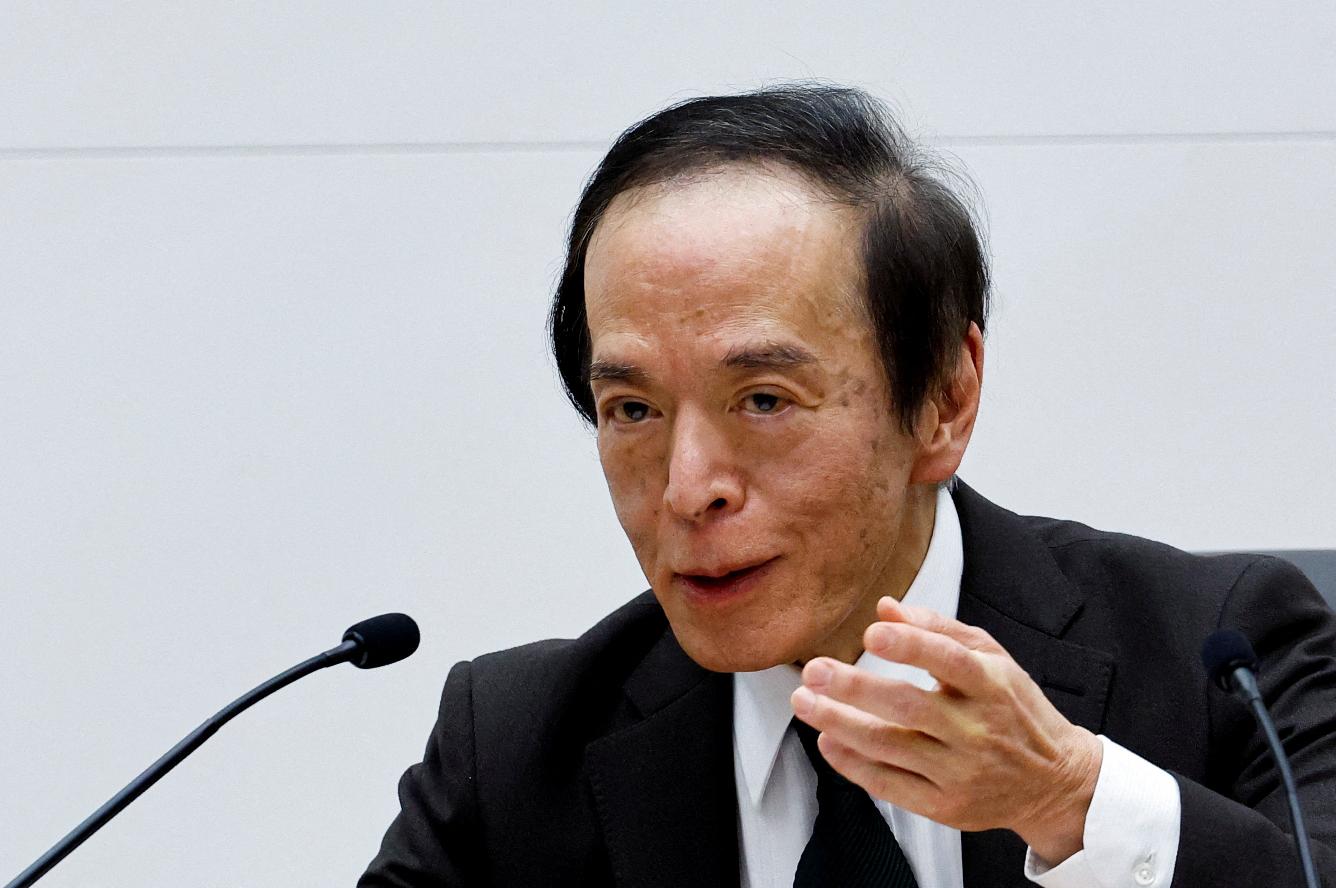
Change in price forecasts could also lead to policy shift Remarks come ahead of release of fresh BOJ projections Key gauge of trend inflation slows in March Gov Ueda says future policy course data-dependent TOKYO, April 23 (Reuters) - The Bank of Japan will raise interest rates again if trend inflation accelerates toward its 2% target as expected, governor Kazuo Ueda said, keeping alive market expectations of a further withdrawal of monetary support later this year. "If our price forecasts change, that would also be a reason to change monetary policy. But we don't have any preset idea on the specific timing and pace" of rate hikes, Ueda told parliament on Tuesday. The remarks come ahead of the BOJ's two-day policy meeting that ends on Friday, when the board is set to keep interest rates unchanged and announce fresh quarterly growth and inflation forecasts. The BOJ is likely to project inflation will stay around its 2% target for the next three years, sources have told Reuters, which would cement expectations the central bank will raise interest rates again this year from current near-zero levels. The central bank ended eight years of negative rates and other remnants of its unorthodox policy last month, making a historic shift away from decades of massive monetary stimulus that was aimed at quashing deflation and revitalising growth. Ueda said the BOJ must maintain ultra-loose monetary policy for the time being as trend inflation, or price rises driven by domestic demand and measured by scrutinising various indicators, remains "somewhat below 2%". While core consumer inflation has stayed above its 2% target for two years, the BOJ has said it would go slow on further rate hikes to ensure price rises are driven more by robust domestic demand and prospects for sustained wage increases. The weighted median inflation rate, a key measure of Japan's trend inflation, rose 1.3% in March from a year earlier, data showed on Tuesday, slowing from a 1.4% gain in February and marking the smallest year-on-year increase in 11 months. "We will set our short-term interest rate target at a level deemed appropriate to sustainably and stably achieve our 2% inflation target," Ueda said. "If trend inflation accelerates toward our target as we expect, we will adjust the degree of monetary stimulus by raising interest rates," he said. Ueda said the future policy course was data-dependent, adding that it was hard to predict how soon the BOJ could gather enough data to determine the timing of its next rate hike. Economists polled by Reuters were divided on the timing of the BOJ's next hike with some betting on action in the third quarter, while others projecting October-December or beyond. Get a look at the day ahead in Asian and global markets with the Morning Bid Asia newsletter. Sign up here. https://www.reuters.com/markets/asia/boj-will-hike-rates-if-trend-inflation-accelerates-says-gov-ueda-2024-04-23/
2024-04-23 06:54
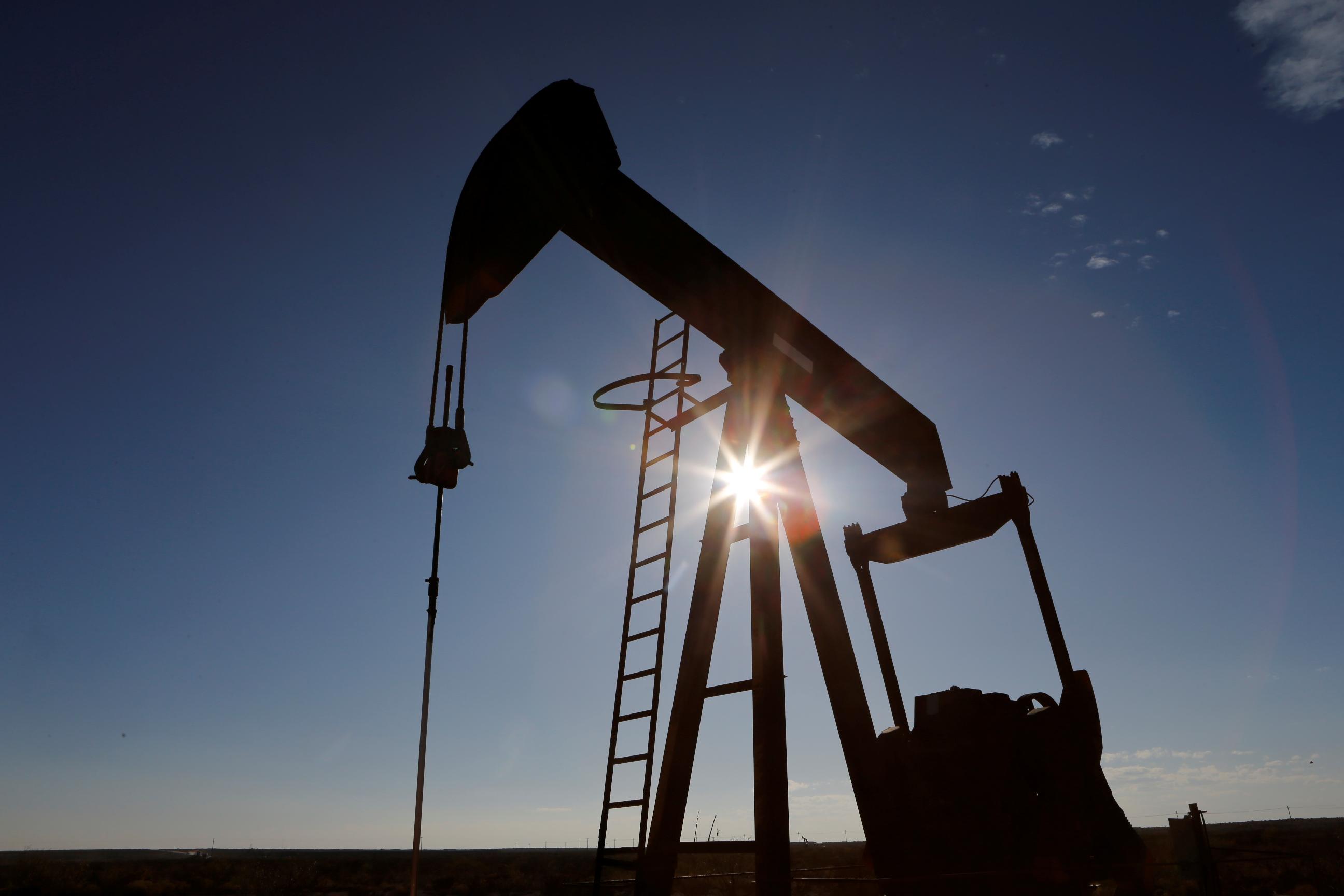
Brent, WTI futures rise by more than $1 per barrel Dollar falls; euro zone business activity expands Markets look to US GDP and inflation data this week U.S. crude, gasoline stockpiles fell last week, per API data NEW YORK, April 23 (Reuters) - Oil prices rose by more than $1 a barrel on Tuesday as the U.S. dollar index fell to its lowest level in more than a week and investors shifted their focus away from tensions in the Middle East to the state of global economies. Brent crude futures rose $1.42, or 1.6%, to settle at $88.42 a barrel and U.S. West Texas Intermediate crude futures climbed $1.46, or 1.8%, to $83.36 a barrel. The U.S. dollar index weakened after S&P Global data showed U.S. business activity cooled in April to a four-month low on weaker demand. A cheaper greenback typically lifts demand for dollar-denominated oil from investors holding other currencies. More support for prices came from euro zone data that showed business activity expanding this month at the fastest pace in nearly a year. "The market has been under pressure from little to no growth out of the euro zone, so anything showing improvement should be supportive," said Andrew Lipow, president of Lipow Oil Associates. Market participants are looking past geopolitical disruptions to focus on economic indicators and overall supply-and-demand balances, Lipow added. Both contracts had dropped by more than $1 a barrel early in the session on easing tensions between Israel and Iran, along with nagging concerns on demand from top oil importer China. "On one hand there are still lingering doubts about the performance of China's economy, while on the other is an overriding sentiment that OPEC will hold firm on its price supportive actions," said Gaurav Sharma, an independent oil analyst in London. Investors are looking to the release later this week of U.S. first-quarter gross domestic product data as well as the March figures for personal consumption expenditures, the Fed's preferred inflation gauge. "A low GDP number of under 3% could cool the Fed's nerves some and provide less pressure to commodities," said Alex Hodes, an oil analyst at brokerage firm StoneX. "However, a stronger than 3% reading could cause the dollar to rally further, which would put more pressure on commodities." U.S. crude oil inventories are expected to have increased last week while refined product stockpiles are likely to have fallen, a preliminary Reuters poll of analysts showed. The American Petroleum Institute reported on Tuesday that U.S. crude oil and gasoline stockpiles fell last week, while distillates - which include diesel and heating oil - rose, according to market sources. The U.S. government's official data will be published by the Energy Information Administration at 10:30 a.m. EDT (1430 GMT) on Wednesday. Sign up here. https://www.reuters.com/markets/commodities/oil-rises-early-asian-trading-middle-east-tensions-remain-focus-2024-04-23/
2024-04-23 06:53
KARACHI, April 23 (Reuters) - Pakistan's plans to deregulate fuel prices could lead refiners to halt planned upgrades worth up to $6 billion and force some refineries to close, some of the country's top refiners said in a letter to the country's oil regulator. Looking to drive down prices for consumers, the South Asian nation's Oil & Gas Regulatory Authority (OGRA) has proposed that oil marketers and refineries be allowed to set fuel prices, instead of the government setting prices. As part of the change, OGRA proposed scrapping or reviewing a rule that requires fuel buyers to purchase supply from local refineries, another issue the refiners said could result in "disastrous consequences". The refiners - state-run Pakistan Refinery (PKRF.PSX) New Tab, opens new tab and private domestic refiners Pak Arab Refinery, Attock Refinery (ATOR.PSX) New Tab, opens new tab, Cnergyico (CNER.PSX) New Tab, opens new tab, and National Refinery (NATR.PSX) New Tab, opens new tab - said they were already struggling to operate near full capacity, and asked that they be consulted before the implementation of "irrational recommendations." "The refining sector requires OGRA support through pragmatic and supportive measures, rather than suggesting ways that if implemented would result in their permanent closure," the refiners told OGRA on Monday in a letter, which was reviewed by Reuters. The deregulation was aimed at boosting competition and protecting the public interest, OGRA told Reuters in a statement on Tuesday, but did not respond to specific questions on the letter from the refiners. However, it said in an April 17 presentation reviewed by Reuters the potential impact of deregulation on refinery upgrades had to be assessed carefully, calling it a challenge. "The refineries upgradation will bring in investment of $5 - 6 billion and not only result in cleaner environment friendly fuels but also result in savings of precious foreign exchange of the country," the refiners wrote in the letter to OGRA. Get a look at the day ahead in Asian and global markets with the Morning Bid Asia newsletter. Sign up here. https://www.reuters.com/markets/asia/pakistan-refiners-warn-6-bln-upgrades-risk-due-fuel-price-deregulation-plan-2024-04-23/

2024-04-23 06:44
Bullion hits lowest since April 5 Overbought gold seeing technical correction, analyst says Palladium up more than 1% April 23 (Reuters) - Gold prices steadied on Tuesday after hitting a more than two-week low on diminishing fears about an escalation of tensions in the Middle East, with investors awaiting key economic data for further clarity on the timeline on U.S. interest rate cuts. Spot gold was little changed at $2,325.80 per ounce by 1:40 p.m. ET (1740 GMT) after earlier hitting its lowest since April 5. Bullion's March to April rally drove it up by nearly $400 to an all-time high of $2,431.29 on April 12. U.S. gold futures settled 0.2% lower at $2,342.10. Israeli strikes intensified across Gaza in some of the heaviest shelling in weeks, but with fears of a wider conflict receding after Iran said last week it had no plan to retaliate following an apparent Israeli drone attack, financial markets showed signs of sharper appetite for risk. That has meant gold, traditionally seen as a haven from risk, has lost ground, said Julia Khandoshko, CEO at European broker Mind Money. The market is also closely monitoring signals from the U.S., where inflation data and statements from the Federal Reserve indicate that interest rates may not be cut in June, Khandoshko said. Recent remarks from Fed officials hinted at no urgency to cut rates, reducing the appeal of non-interest paying bullion. Traders now expect the first Fed rate cut to come most likely in September. The market will keep a tab on U.S. GDP data due on Thursday and the Personal Consumption Expenditures (PCE) print on Friday for more clues on the health of the economy and the timing of cuts. Khandoshko added that overbought gold was also witnessing a technical correction. "There are many investors who have missed out on the big rally in gold and will be looking to pick up dips like these," said Fawad Razaqzada, market analyst at City Index. Elsewhere, spot silver rose 0.4% to $27.29. Autocatalyst metal platinum dipped 0.5% to $912.75, while palladium gained 1.1% to $1,020.12. Sign up here. https://www.reuters.com/markets/commodities/gold-prices-slip-2-12-week-low-middle-east-tensions-ease-2024-04-23/


