2024-04-20 01:53
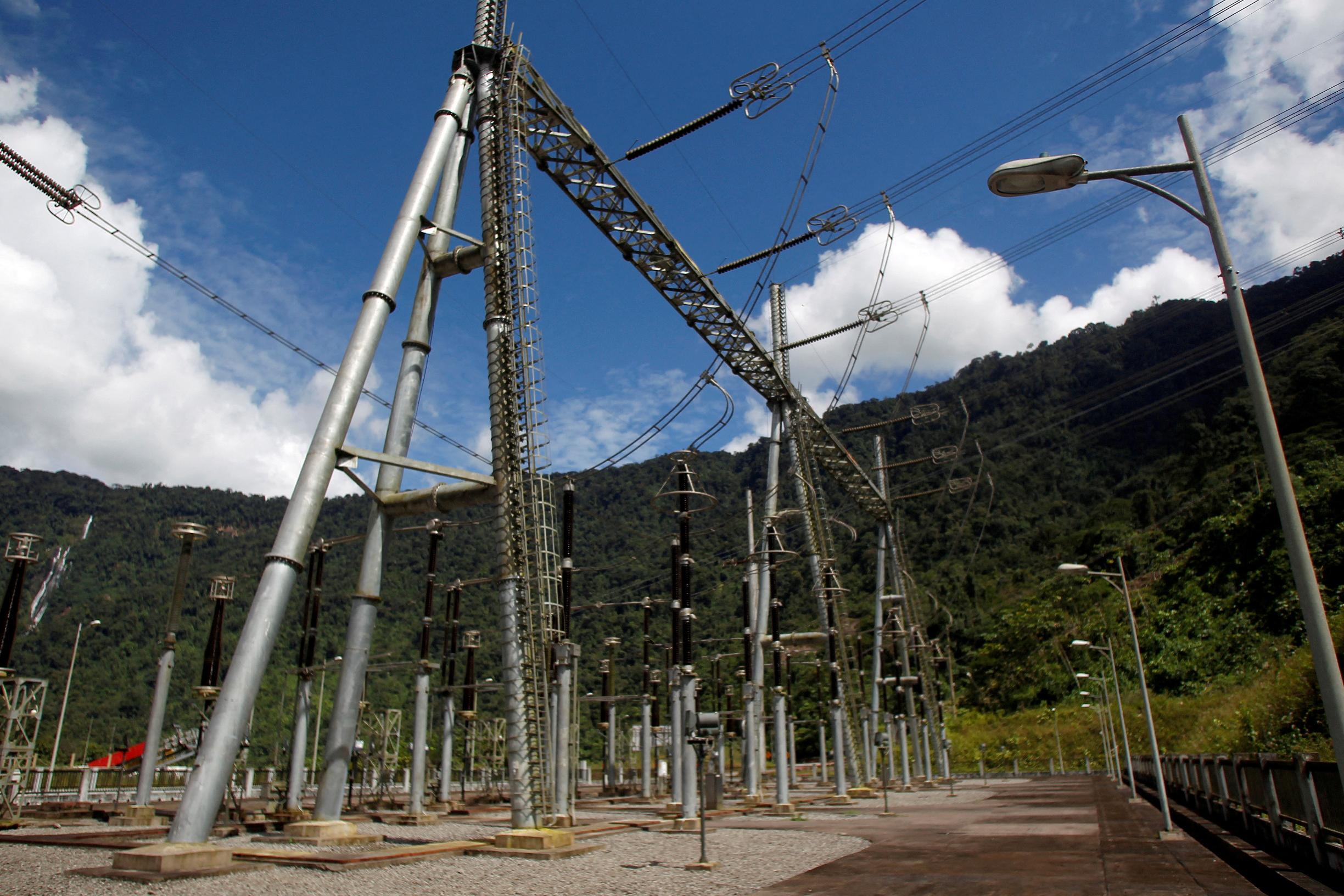
QUITO, April 19 (Reuters) - Ecuador's President Daniel Noboa declared a second state of emergency on Friday over an energy crisis that has already led to rationing in the South American country. Noboa, who took office in November, had declared an energy emergency and instituted power cuts earlier this week, but the cuts will be suspended on Sunday for a referendum he looks set to win on a raft of security measures. His first emergency declaration, in January, sought to tame surging crime by allowing more coordination between the military and police. In Saturday's 60-day state of emergency, Noboa deployed the military and police to guard energy infrastructure, according to a decree published on his office's website. The latest state of emergency is meant to "guarantee the continuity of the public service of electricity," according to the decree. A drought caused in part by the climate phenomenon known as El Nino has hit levels at hydroelectric dams, which produce most of Ecuador's power. The Reuters Daily Briefing newsletter provides all the news you need to start your day. Sign up here. https://www.reuters.com/world/americas/ecuador-president-declares-state-emergency-over-energy-crisis-2024-04-20/
2024-04-19 23:00
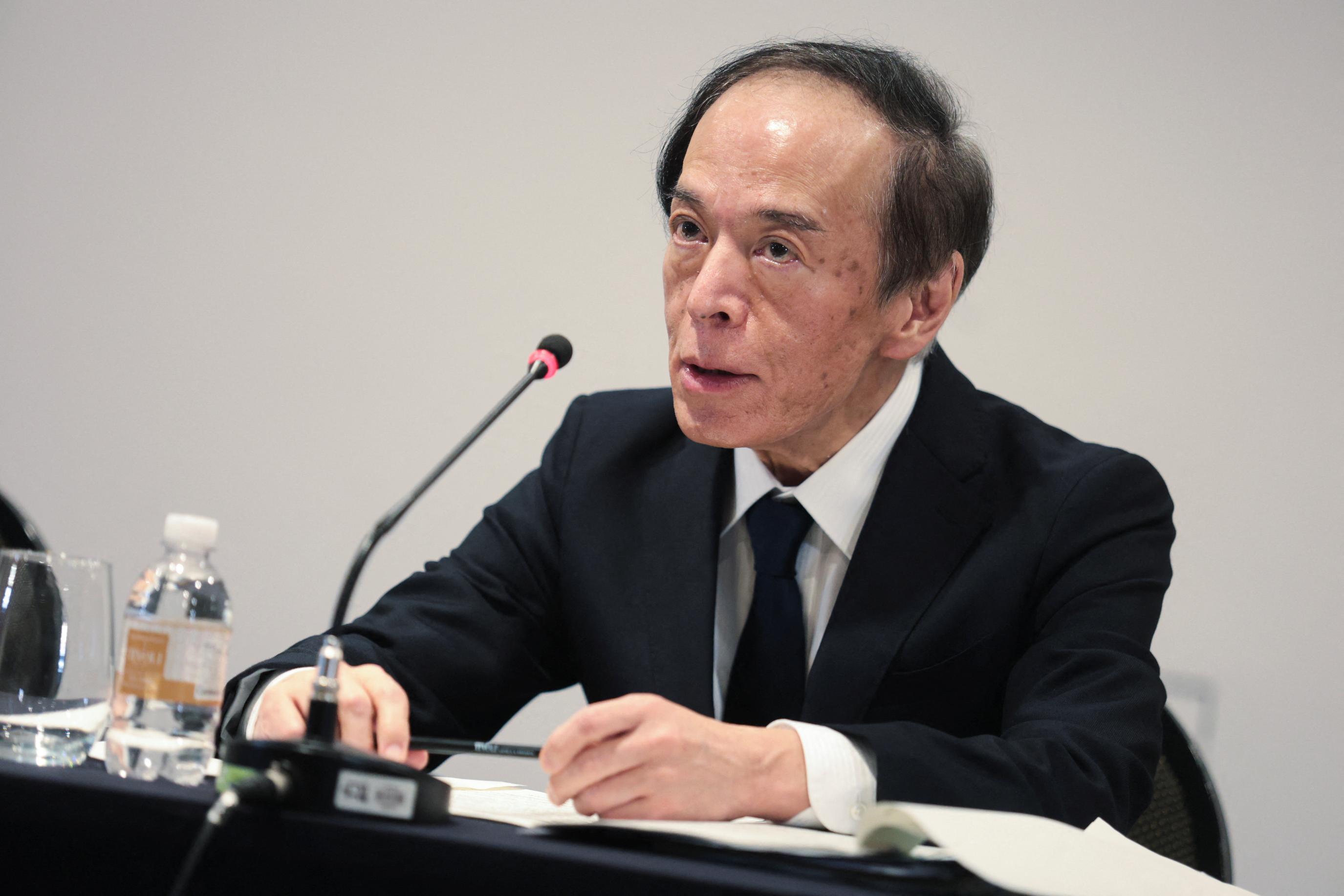
BOJ must keep easy policy as underlying inflation below target BOJ will proceed cautiously in future rate hike - Ueda Ueda says BOJ will reduce bond buying, though timing undecided WASHINGTON, April 19 (Reuters) - Bank of Japan Governor Kazuo Ueda said on Friday the central bank "very likely" will raise interest rates if underlying inflation continues to go up, and begin reducing its huge bond buying at some point in the future. The central bank must maintain loose monetary policy for the time being as underlying inflation remains "somewhat below" its 2% target, and long-term inflation expectations are still near 1.5%, Ueda said. Having ended its various unconventional monetary easing measures in March, however, the BOJ has brought more flexibility to its policy and may change its short-term interest rate target depending on how upcoming data unfold, he added. "We will proceed cautiously, initially assessing the impact of our recent policy changes on the economy and inflation, then considering further adjustment as deemed appropriate, perhaps extracting insights on the neutral rate along the way," Ueda told a seminar hosted by the Peterson Institute for International Economics. The BOJ will also begin to cut its purchases of Japanese government bonds (JGBs), though the timing and extent of the reduction are yet to be determined, Ueda said. "Irrespective of what the data will say in the near future, we will like to find a way and timing to reduce the amount of JGB purchases," he said, adding that the central bank will take time in reaching a decision. The remarks reinforce market expectations that the BOJ will raise its short-term interest rate target from the current 0-0.1% range sometime this year. In March, the BOJ ended eight years of negative interest rates and other remnants of its unorthodox policy, making a historic shift away from its focus on reviving growth and quashing deflation with decades of massive monetary stimulus. Markets will be on the look-out for clues on the next rate hike timing when the BOJ releases fresh quarterly growth and inflation forecasts at its policy meeting next week. While the BOJ will be watching developments in inflation expectations in deciding when to hike rates, it will first scrutinize data on wages and how rising wages could affect service prices, Ueda said. "If underlying inflation continues to go up, we will very likely be raising interest rates," he said. Sign up here. https://www.reuters.com/markets/rates-bonds/bojs-ueda-says-very-likely-hike-rates-if-inflation-keeps-rising-2024-04-19/
2024-04-19 22:30
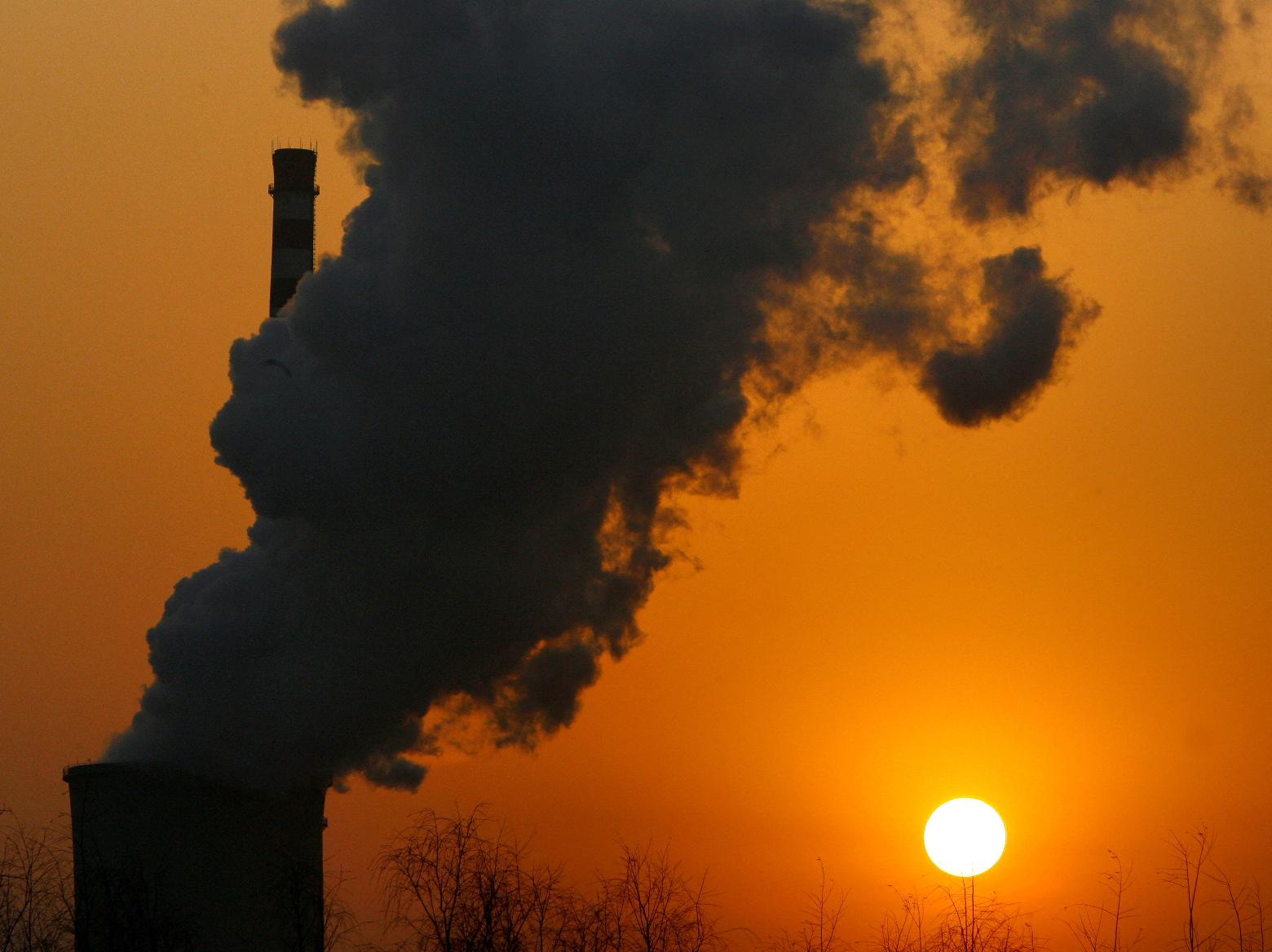
April 19 (Reuters) - The CEO of the Science Based Targets initiative (SBTi) on Friday sought to reassure critics' concerns over the global nonprofit's plan to allow companies to use carbon credits to offset greenhouse gas emissions from their value chain. Last week, the SBTi's staff accused the leadership of the climate targets verification group of acting without a sound scientific basis and called for the ouster of the chief executive and the reversal of the plan. Selling credits from wind farms and other activities to a company so it can offset pollution is seen as a way to help move money to climate-friendly projects. Critics worry, however, that the policy could let companies off the hook when it comes to reducing emissions. The recent concerns have thrown the SBTi - whose role as the leading arbiter of how companies set climate targets exerts heavy influence over much of the corporate world - into turmoil. "I acknowledge and deeply regret the concern and distress this situation has caused and want to reassure my SBTi colleagues and stakeholders," CEO Luiz Amaral said in a blog post on Friday. He emphasized the group's "dedication to science-based decarbonization, public consultation and standard-setting governance." The group's trustees have already sought to smooth concerns over the plan. In a "clarification" to its April 9 statement, the trustees said no change had been made to the group's current standards and that any use of such "environmental attribute certificates" would be "informed by the evidence." In a further move to ease concerns over the policy, Amaral said on Friday the group is still in the process of gathering feedback and that he looked forward to working closely with all stakeholders to obtain the best possible outcome. Get weekly news and analysis on the U.S. elections and how it matters to the world with the newsletter On the Campaign Trail. Sign up here. https://www.reuters.com/sustainability/climate-targets-groups-ceo-seeks-ease-concerns-over-carbon-offset-plan-2024-04-19/
2024-04-19 22:01
WASHINGTON, April 19 (Reuters) - Ukraine and its international partners have discussed bundling future proceeds from frozen Russian assets to back bond sales by the war-ravaged nation, Ukrainian central bank chief Andriy Pyshnyi said on Friday. Ukrainian Prime Minister Denys Shmyhal and Finance Minister Serhiy Marchenko met with U.S. Treasury Secretary Janet Yellen, leaders of the International Monetary Fund (IMF) and World Bank, and finance officials from a number of countries on Wednesday on the sidelines of the IMF and World Bank spring meetings in Washington. The talks focused on a wide range of issues, including how to make use of frozen Russian assets in Western nations - estimated at about $300 billion - to benefit Ukraine, Pyshnyi said in an interview this week. One of the possibilities discussed was bundling future interest proceeds from seized Russian assets - estimated to amount to between $3 billion and $5 billion per year - to back bond issuance. "Various options were discussed, from direct seizure to using assets in bond issuance," Pyshnyi said. "Russia has to pay for all the destruction it has caused and will cause." European Commission Executive Vice President Valdis Dombrovskis said on Thursday that any solution would likely involve collateralizing Russian assets instead of seizing them outright. Kyiv has been struggling to shore up financial aid from its partners. The prospect of an additional U.S. aid package has brightened following months of stalemate, with the U.S. Congress set to vote on the weekend to provide billions of dollars in security assistance. Asked about the outlook for Ukraine's $15.6 billion IMF loan program, Pyshnyi said a mission from the global lender would start working on the fourth review at the end of May after getting a sign-off on the last one in late March. "There were a lot of discussions around how Ukraine performs on its commitments, and so we hope we will successfully pass the next review," he said. Ukraine would also take more steps, said Pyshnyi, to unshackle the hryvnia. The currency was pegged to the U.S. dollar right after Russia's February 2022 invasion, which saw the central bank also restrict capital flows. As part of the currency liberalisation strategy mandated by the IMF programme, Ukraine would allow foreign firms to start repatriating newly paid dividends, Pyshnyi said, with the repatriation of interest payments on "old" debt commitments set to follow in due course. "We want Ukraine to get new money, new loans, new investments - that is our priority," he said, adding that policymakers were aware they had to tackle legacy liabilities as well. "It is important that despite the war we gradually return to normality, creating a new normal in the context of war." Get weekly news and analysis on the U.S. elections and how it matters to the world with the newsletter On the Campaign Trail. Sign up here. https://www.reuters.com/markets/rates-bonds/proceeds-russian-assets-could-fund-bond-sales-ukraines-central-bank-says-2024-04-19/

2024-04-19 21:45
SAO PAULO, April 19 (Reuters) - Brazilian planemaker Embraer (EMBR3.SA) New Tab, opens new tab said on Friday it delivered 25 aircraft - seven commercial planes and 18 executive jets - in the first quarter of 2024, a 67% increase on a yearly basis. Embraer, the world's third-largest planemaker behind Boeing (BA.N) New Tab, opens new tab and Airbus (AIR.PA) New Tab, opens new tab, said in a securities filing that its firm order backlog hit a seven-year high of $21.1 billion at the end of March, up 13% from the previous three-month period. Embraer plans to deliver 72 to 80 commercial aircraft this year, while its outlook for business jet deliveries stands between 125 and 135. Make sense of the latest ESG trends affecting companies and governments with the Reuters Sustainable Switch newsletter. Sign up here. https://www.reuters.com/business/aerospace-defense/brazils-embraer-delivers-25-jets-q1-backlog-hits-7-year-high-2024-04-19/

2024-04-19 21:30
BRASILIA, April 19 (Reuters) - Japanese automaker Honda (7267.T) New Tab, opens new tab will invest 4.2 billion reais ($807.74 million) in its Itirapina plant in Brazil by 2030, an executive said on Friday, adding the company aims to develop a hybrid-flex vehicle in the South American country. Honda's announcement is the latest in a series of fresh investments by automakers such as Volkswagen (VOWG_p.DE) New Tab, opens new tab, General Motors (GM.N) New Tab, opens new tab, Stellantis (STLAM.MI) New Tab, opens new tab and Toyota (7203.T) New Tab, opens new tab in Brazil. According to Brazil's government, investments pledged by automakers in the country for the coming years already total nearly 130 billion reais. Honda's commercial vice president in Brazil, Roberto Akiyama, said the firm's investments would be focused on new technologies and the development of a hybrid model for the Brazilian market, which would be able to run 100% on ethanol. The company, he told reporters, expects to produce as many as 150,000 vehicles per year at the Itirapina plant by 2030, up from 100,000 this year, for both sales in the domestic market and exports. In addition to the hybrid-flex vehicle yet to be developed, Akiyama said Honda also plans to launch a new entry-level SUV in the Brazilian market in 2025. His remarks follow a meeting with President Luiz Inacio Lula da Silva in Brasilia. ($1 = 5.1997 reais) Stay up to date with the latest news, trends and innovations that are driving the global automotive industry with the Reuters Auto File newsletter. Sign up here. https://www.reuters.com/business/autos-transportation/honda-invest-808-million-brazil-by-2030-2024-04-19/