2024-04-19 11:58
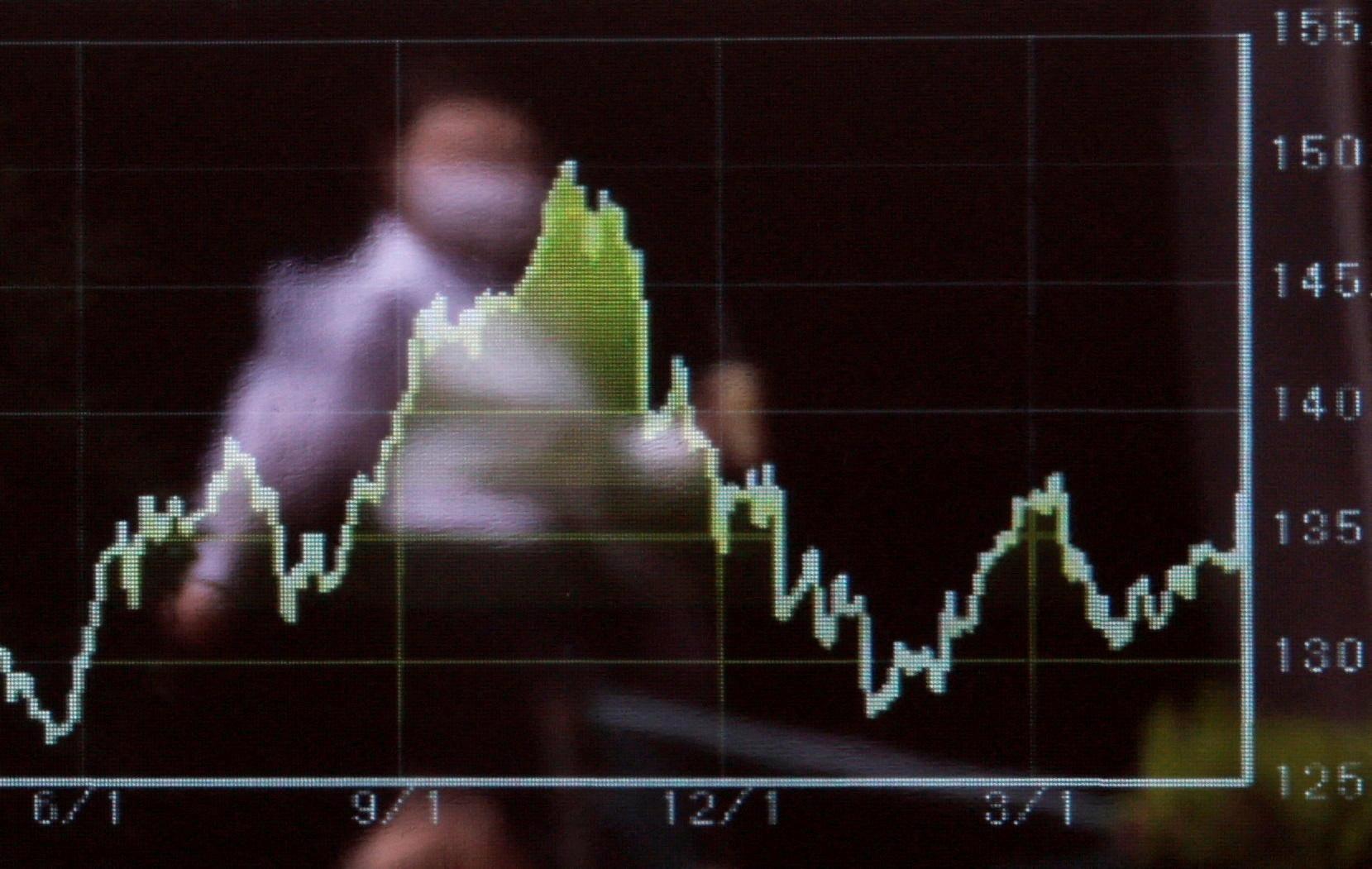
LONDON, April 19 (Reuters) - Reports of an Israeli attack on Iranian soil that possibly drags the Middle East into a deeper conflict has jolted world markets with geopolitical risks that can swiftly change the direction of anything from oil to bonds and renew inflation risks. Stocks tumbled on Friday, oil briefly jumped more than $3 a barrel and safe-haven government bonds rallied. Moves were relatively modest, but the heightened tensions inject fresh uncertainty and fuels concern that high oil prices and potential supply disruptions will keep inflation high. "Even though these look to be more benign, telegraphed moves between Iran and Israel, and it is not the base case that we get a wider conflict, you probably do need to price in more of a risk premia," said Tim Graf, head of macro strategy for Europe at State Street Global Markets. Here's a look at the key takeaways for markets. 1/ OH OIL Oil prices are up roughly 13% so far this year near $90 a barrel and seen staying high . The International Monetary Fund on Tuesday described an "adverse scenario" in which a Middle East escalation leads to a 15% jump in oil and higher shipping costs that would hike global inflation by about 0.7 percentage point. Oil supply tightness, and higher prices, have been underpinned by oil producing group OPEC and other big oil producers curbing output. Morgan Stanley has lifted its third quarter Brent crude oil forecast to $94. "A geopolitical risk premium appears to have been built in to the oil price, but, clearly, further escalation presents further upside risks," said Thomas McGarrity, head of equities at RBC Wealth Management. 2/ INFLATION ROUND TWO Spooked by latest hot U.S. inflation numbers, investors are watching oil. It was an energy price surge two years ago that helped drive inflation and rates higher. High oil prices threaten the downward move in inflation and could prompt a further reassessment of bets on global rate cuts. A key market gauge of long-term euro zone inflation expectations, which generally tracks oil, on Tuesday hit its highest since December at 2.39% . It remains above the European Central Bank's 2% inflation target. The ECB has said it is "very attentive" to the impact of oil, which can hurt economic growth and boost inflation. 3/ GO ENERGY STOCKS Energy stocks are a winner from higher oil prices. The S&P 500 oil index (.SPNY) New Tab, opens new tab and European oil and gas stocks (.SXEP) New Tab, opens new tab hit record highs earlier in April before pulling back. U.S. oil stocks have jumped almost 12% so far this year, outperforming the broader S&P 500's (.SPX) New Tab, opens new tab 5% gain. Yardeni Research recommends an "overweight" position on energy stocks, seeing a rise in Brent crude to $100 in coming weeks as a possibility. Oil briefly spiked to around $139 after Russia invaded Ukraine in 2022, its highest since 2008. "The rise in oil prices complicates central banks' efforts to bring inflation back down to target levels," said RBC's McGarrity. "Having exposure to the energy sector arguably provides the best hedge to both inflation and geopolitical risks in equity portfolios near term." 4/ SAFE-HAVEN RUSH Demand for safe-havens such as U.S. or German bonds -- especially before the weekend -- trumps the urge to sell bonds given renewed inflation risks from rising oil for now. U.S. 10-year Treasury yields fell as much as 15 basis points on Friday and were last down 6.5 bps at 4.58%, down from recent five-month highs . "That suggests markets are more concerned about the need for safe havens than the immediate inflationary implications of higher energy prices," said Investec chief economist Philip Shaw. The dollar and Swiss franc have also benefited from safe-haven demand, with geopolitics and high oil prices seen adding to a dollar rally fueled by a scaling back of U.S. rate cut bets. Dollar strength exacerbates pressure on economies such as Japan grappling with a yen at 34-year lows, with traders nervy over possible central bank intervention. ING currency analyst Francesco Pesole said a further Middle East escalation could see losses for currencies in New Zealand, Australia, Sweden and Norway as risk sentiment takes a hit; the Swiss franc could rally further . 5/ FRESH EM PAIN Rising oil prices and a strong dollar also hurts emerging markets, such as India and Turkey, that are net oil importers. India's rupee hit record lows this week . Even for Nigeria and Angola, typically Africa's largest oil exporters, weakening local currencies and rising fuel prices have hit government coffers due to capped gasoline pump prices and a lack of local oil refining. "A return to $100+ in oil prices may convince the Fed to throw in the towel on hopes of monetary easing for now, and a potentially magnified impact across EM currencies of geopolitical risk would fuel a substantial rotation back to the dollar," said Pesole. Get a look at the day ahead in U.S. and global markets with the Morning Bid U.S. newsletter. Sign up here. https://www.reuters.com/markets/global-markets-middle-east-graphic-2024-04-19/
2024-04-19 11:56
HOUSTON, April 19 (Reuters) - Top oilfield services firm SLB (SLB.N) New Tab, opens new tab reported a 14% rise in first-quarter profit on Friday, in line with analysts' estimates, as strong oil and gas drilling demand in the Middle East and Africa helped offset weakness in North American activity. The company, which also reaffirmed its previous guidance of mid-teens profit growth for the full year, forecast a seasonal rebound in activity in the Northern Hemisphere in the second quarter, along with robust activity internationally. A growing demand outlook will push operators to increase their investments in production and reservoir recovery to boost efficiency and life of their producing assets, CEO Olivier Le Peuch said. Revenue from SLB's international segment rose by 18% to $7.06 billion, compared with $5.99 billion in the year-ago quarter. The North American segment's revenue declined 6% to $1.6 billion, falling short of analysts' estimates of $1.65 billion, according to LSEG data. Sequentially, revenue declined 3% both in North America and in international markets due to seasonality. Shares of SLB, formerly known as Schlumberger, were down 1.6% at $50.15 in premarket trading. SLB said it would look to return $7 billion to shareholders over the next two years, in part due to its nearly $8 billion acquisition of smaller ChampionX (CHX.O) New Tab, opens new tab. Returns to shareholders will be about $3 billion in 2024 and $4 billion in 2025, the company said, helped in part by its ChampionX deal. "It was solid but an unspectacular quarter from Schlumberger," said Third Bridge analyst Peter McNally. The outlook for the Middle East, the company's largest source of revenue, was uncertain due to restraints by the Organization of the Petroleum Exporting Countries that will impact some project development and rising geopolitical tensions, McNally added. The Houston, Texas-based company reported earnings of $1.07 billion, or 74 cents per share, for the quarter ended March 31, compared with $934 million, or 65 cents per share, last year. On an adjusted basis, the company earned 75 cents per share, in line with analysts estimates. Revenue of $8.71 billion marginally beat expectations of $8.69 billion. Get a look at the day ahead in U.S. and global markets with the Morning Bid U.S. newsletter. Sign up here. https://www.reuters.com/markets/commodities/oilfield-firm-slbs-profit-rises-international-drilling-demand-2024-04-19/

2024-04-19 11:51
NEW DELHI, April 19 (Reuters) - Archer Aviation (ACHR.N) New Tab, opens new tab, backed by Stellantis (STLAM.MI) New Tab, opens new tab and Boeing (BA.N) New Tab, opens new tab, aims to begin trials of its electric air taxi in India next year, ahead of a planned commercial launch in 2026, the company's chief executive told Reuters on Friday. U.S.-based Archer last year partnered with InterGlobe Enterprises, which backs India's top airline IndiGo, to launch the air taxis to help people avoid ground traffic in congested cities. "Hopefully for next year, we will be able to bring planes here at the very least from a demonstrations perspective and fly them around. The goal is to help prepare the public for a new form of transportation," Adam Goldstein, who also founded Archer, said in New Delhi. Archer is working with India's aviation watchdog to get the "appropriate regulatory approvals" before it can begin trials in the country, its chief commercial officer Nikhil Goel said, adding it is already conducting trials in California. For commercial operations, Archer is in final stages of getting approvals from the Federal Aviation Administration (FAA) in the United States, which it expects will come through next year, after which it will seek clearances in India. It will first launch in New York and India will be its first international market, Goel said. Electric vertical takeoff and landing aircraft (eVTOL), also known as flying taxis, have been touted as the future of urban air mobility. The low-altitude aircraft would travel between cities and airports avoiding traffic, but face a number of challenges before they can become a reality. Archer and InterGlobe will, in a joint venture, own and operate 200 of the 'Midnight' aircraft, valued at $1 billion. It will launch services in India's capital New Delhi, and Mumbai and Bengaluru cities. The aircraft can carry four passengers and a pilot for up to 100 miles (161 kilometres), and cover in 7 minutes the same distance that would take 60-90 minutes in a car in New Delhi. For a trip costing $12-$18 in a premium rideshare product, a seat in the air taxi will cost $36-$48, Goldstein said. Archer will begin manufacturing the plane at its factory in Georgia this year and is working with carmaker Stellantis to scale manufacturing globally and possibly in India. "India will be the biggest market in the world for us. It's a very important market," he said. Make sense of the latest ESG trends affecting companies and governments with the Reuters Sustainable Switch newsletter. Sign up here. https://www.reuters.com/business/aerospace-defense/archer-aviation-aims-start-electric-air-taxi-trials-india-next-year-2024-04-19/

2024-04-19 11:06
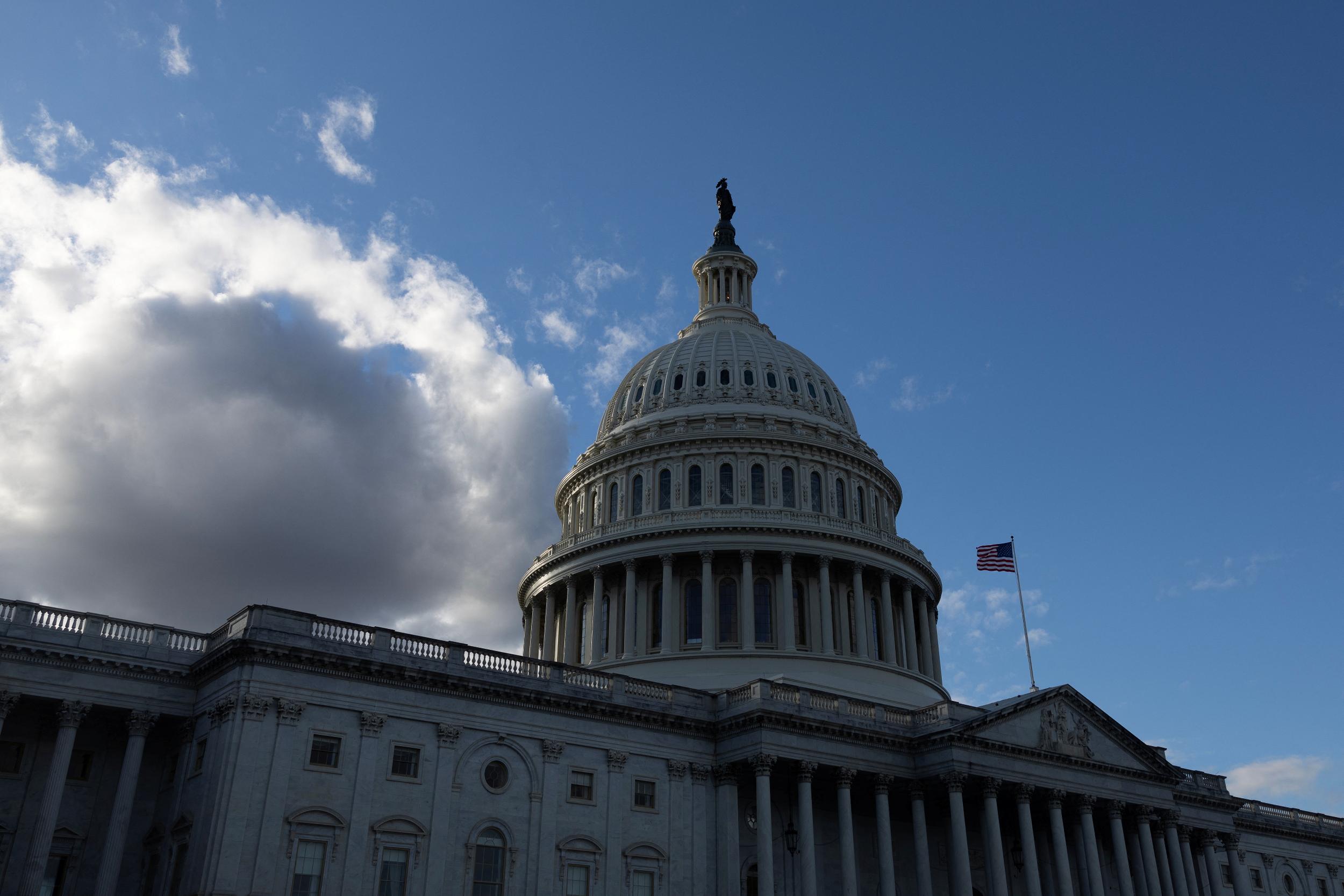
WASHINGTON, April 19 (Reuters) - U.S. lawmakers have tucked sanctions on Iran's oil exports in the House of Representatives' aid package for Ukraine, Israel and the Indo-Pacific after Tehran's missile and drone strike on Israel last weekend. If passed through both the House and Senate and signed by President Joe Biden and then implemented and enforced, the measures could eventually impact Iran's oil exports. Exactly when is unclear since the measures are still being debated and give the U.S. president waiver powers. The House could vote on the package as soon Saturday, Republican Speaker Mike Johnson said. Despite a wide range of existing U.S. sanctions on Iran's oil exports over its nuclear program, the shipments have increased amid demand for the oil from China and as networks outside of the U.S. financial system deal in the oil. UKRAINE AID PACKAGE The package, which includes billions of dollars of aid for Ukraine, Israel and the Indo-Pacific, contains several measures on Iran sanctions. Two "could explicitly impact Iranian petroleum exports if implemented and enforced", according to ClearView Energy Partners, a non-partisan research group. The first, the Stop Harboring Iranian Petroleum Act, or SHIP, would impose sanctions on ports, vessels and refineries that "knowingly engage" in shipping, transfers, transactions and processing of Iranian crude oil and products, ClearView said. Ships that violate the ban would be barred from U.S. ports for two years. However, the bill includes 180-day waivers that Biden could invoke that would avert oil price spikes. The package also contains an Iran-China measure that would expand secondary sanctions on Iranian oil so that they apply to any transaction by a Chinese financial institution involving purchases of petroleum from Iran. The sanctions would be triggered by annual assessments and run through 2029. Again, however, the U.S. president could likely apply renewable waivers of the sanctions. OTHER MEASURES IN AID PACKAGE Another measure would impose sanctions on the office of Iran's supreme leader Ayatollah Ali Khamenei, related officials and foundations and conglomerates overseen by the office. The measure could, "depending on how broadly it is interpreted", include Iran’s charitable trusts and petroleum businesses, according to ClearView. Another measure in the package requires reports on the holdings and non-Iranian financial accounts of 20 Iranian leaders and the leaders of groups supported by Iran, including Hamas and Hezbollah, and mandates closure of any U.S. accounts. That could provoke retaliation by sanctioned parties that could affect the petroleum business, according to ClearView. WHAT IF THE AID BILL FAILS? If the package fails due to fierce objections from right wing Republicans or other reasons, some of the measures in it could still pass both chambers of Congress as part of other legislative packages later in the year, ClearView said. Those include the SHIP measure and the Iran-China measure, it said. Get weekly news and analysis on the U.S. elections and how it matters to the world with the newsletter On the Campaign Trail. Sign up here. https://www.reuters.com/world/us/iran-oil-sanctions-us-aid-package-ukraine-2024-04-19/
2024-04-19 10:13
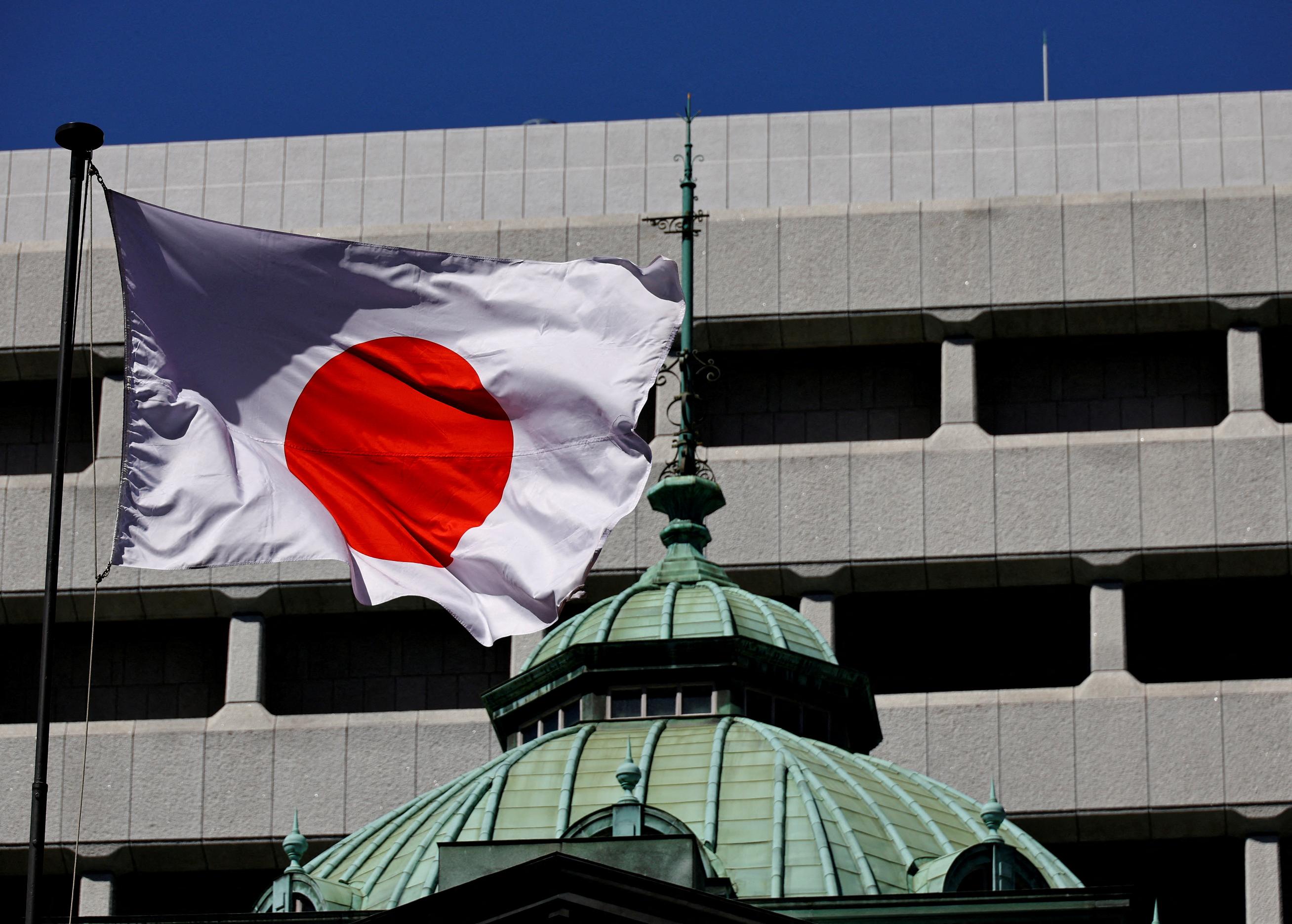
TOKYO, April 19 (Reuters) - The Bank of Japan will raise interest rates again in 2024, according to two-thirds of economists polled by Reuters, but there was no clear consensus on when exactly the move would come. Last month the central bank ended negative rates in a landmark shift away from its super-easy monetary policy, raising rates for the first time in 17 years to a 0.0-0.1% range. The prevailing view among traders that the BOJ will refrain from aggressive hikes in the near-term so as to support a fragile economic recovery, which has contributed to the yen's slide against the U.S. dollar, was backed up by the poll results. None of the economists polled April 10-17 predicted the next rate hike would come before the end of June, but just over a third of them, or 21 of 61, anticipated borrowing costs would rise to either 0.20% or 0.25% in the July-September quarter. Chiyuki Takamatsu, chief economist at Fukoku Mutual Life Insurance, said the BOJ will be inclined to raise rates in July as consumers' price expectations increase. "Along with a foreseeable 5%-plus wage hike in large companies, the BOJ will have more confidence for the achievement of its price target," Takamatsu said. The BOJ targets an inflation rate of 2% but core inflation, which excludes fresh food items, was last reported at 2.6% in March and is forecast to be above target for at least a year, giving the central bank room to hike. Just under one-third of economists, or 17 of 55, forecast the BOJ will raise rates to either 0.20% or 0.25% in the October-December quarter, the survey showed. Five of the economists who expected a 0.25% rate in the third quarter - ING Financial Markets, JP Morgan, Meiji Yasuda Research Institute, Fukoku Mutual Life Insurance and T&D Asset Management - also foresaw the policy rate being lifted to 0.50% in the three months to December. Median forecasts put the upper end of the target range for the overnight call rate, currently 0.10%, at 0.25% in the fourth quarter and staying there until late 2025 by which time it would be lifted to 0.50%. Of a smaller sample of 36 economists who provided a specific forecast for which month the BOJ would next hike rates in, October was the top pick with 36%, followed by "2025 or later" with 31%, and 19% for July. "The BOJ is likely to be able to confirm a further increase in wages and their transfer to service prices over the summer and autumn, increasing the likelihood of stable 2% price increases being achieved," said Moe Nakahama, an economist at Itochu Economic Research Institute. Receding expectations of a near-term U.S. interest rate cut have pushed the yen to a 34-year low - over 154 per dollar on Tuesday - keeping markets on alert for possible intervention by Japan to prop up the currency. Nearly all economists, or 91%, said Japanese authorities will step in at some level to stop the yen from weakening further. Asked at which level, 76% or 16 of 21 said they expected action if the yen slumped to 155 against the dollar. Two chose 156, two chose 158, and one said 157. (For other stories from the Reuters global economic poll:) Get a look at the day ahead in Asian and global markets with the Morning Bid Asia newsletter. Sign up here. https://www.reuters.com/markets/asia/boj-will-raise-rates-again-this-year-say-two-thirds-economists-2024-04-19/
2024-04-19 10:11
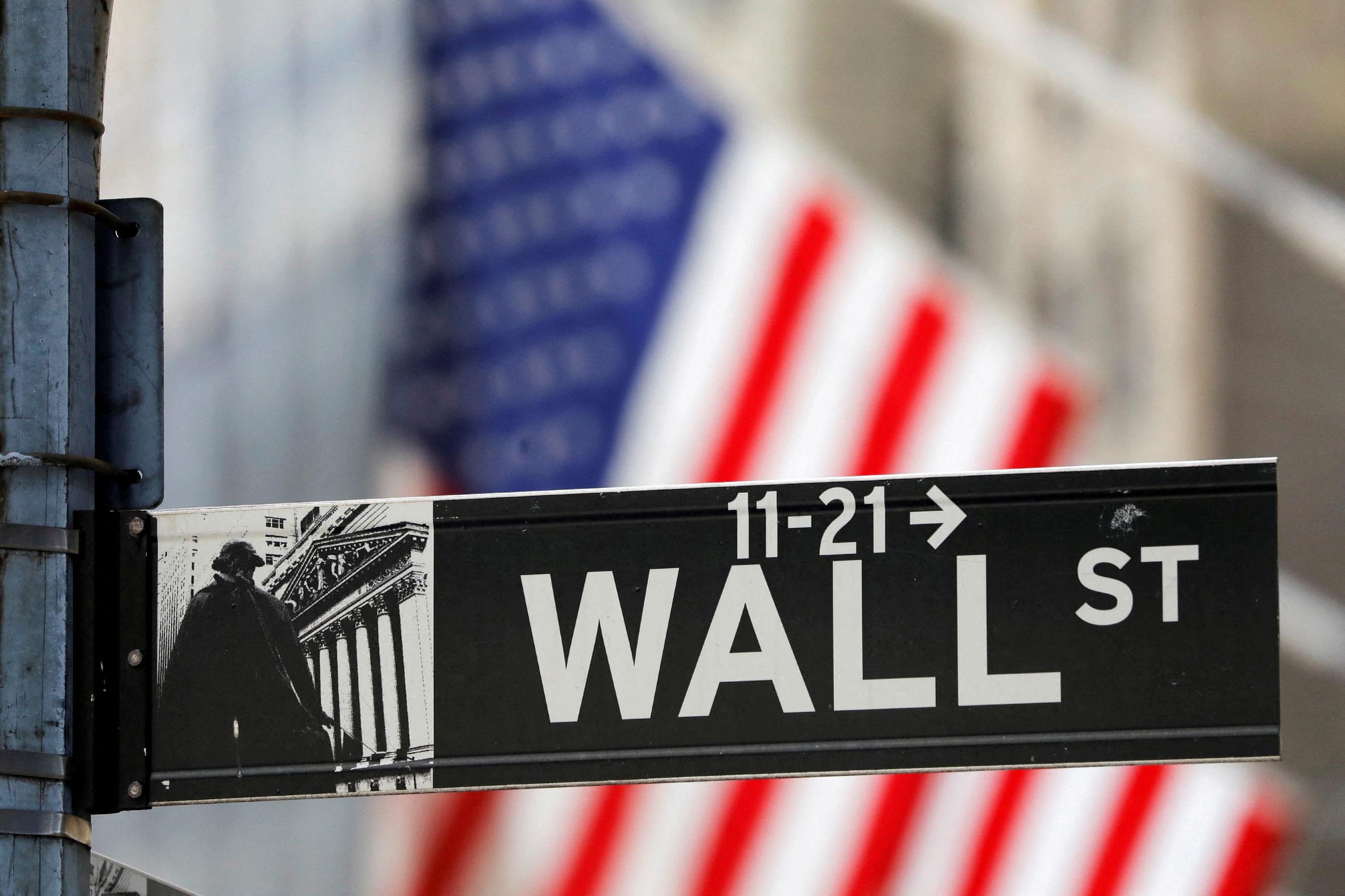
NEW YORK, April 19 (Reuters) - Next week’s earnings reports from some of the market’s biggest technology and growth companies could prove an important test for the U.S. stock rally, which has flagged as expectations for interest cuts fade. Tesla (TSLA.O) New Tab, opens new tab, Meta Platforms (META.O) New Tab, opens new tab, Alphabet (GOOGL.O) New Tab, opens new tab and Microsoft (MSFT.O) New Tab, opens new tab - all set to report next week - are part of the group of companies that had been dubbed the Magnificent Seven as they led the S&P 500 to a 24% gain last year. The companies are seen as important bellwethers due to dominant positions atop their industries, while heavy index weightings give their share price moves an outsize influence on benchmarks such as the S&P 500. Though the market’s rally has broadened this year, megacap stocks remain a portfolio staple, with fund managers in the latest BofA Global Research survey once again naming them the market’s “most crowded” trade. Many believe their results could be especially important to markets this time around. The S&P 500 has slid in recent weeks, roughly halving its year-to-date gain to 5% as stickier-than-expected inflation erodes the prospects for the Federal Reserve to cut rates this year. Additionally, the monthslong rally in stocks has made the index expensive relative to history at a time when rising Treasury yields are pressuring equity valuations. Disappointing earnings from the market’s heavyweights could give investors less reason to hold stocks. "Psychologically, the companies coming in at or above expectations is important," said David Katz, chief investment officer with Matrix Asset Advisors. "There's a lot of good news built into a lot of these companies." Investors will also focus on next Friday's release of the monthly Personal Consumption Expenditures Price index, a crucial piece of inflation data before the Fed's April 30-May 1 meeting. Fed funds futures late Thursday were pricing in less than 40 basis points in rate cuts this year, down from 150 bps expected at the start of 2024, according to LSEG data. The performance of megacaps’ shares has diverged in 2024, after last year’s epic run. Tesla, which reports results on Tuesday, has seen its shares tumble about 40% in 2024 amid concerns about its electric vehicle business. Meta Platforms, whose shares have jumped over 40% in 2024, is due on Wednesday, while Alphabet and Microsoft, which are logging year-to-date gains of about 12% and 7.5% respectively, are set for Thursday. Of the other megacaps, Apple (AAPL.O) New Tab, opens new tab and Amazon (AMZN.O) New Tab, opens new tab are set to report the following week, while Nvidia (NVDA.O) New Tab, opens new tab, whose shares have soared 70% this year on optimism over its artificial intelligence chips, reports on May 22. Six of the seven, excluding Tesla, are expected to post collective earnings growth of 42.1% in the first quarter, UBS strategists said on April 8. "It appears that the expectations are that they're really going to deliver again," said Patrick Kaser, portfolio manager at Brandywine Global. "And so the risk to me is skewed to the downside." Excluding the Magnificent 7, S&P 500 earnings have been negative on a year-over-year basis over the prior four quarters, according to JPMorgan analysts, underlining the group's importance to the market. Beyond the megacaps, over 300 S&P 500 companies expected to report over the coming two weeks. Earnings are expected to rise 9% for the full year, according to LSEG data, with added pressure on the results to support overall valuations. The S&P 500's forward price-to-earnings ratio has moderated somewhat this month but is still at 20 times, well above its long-term average of 15.7, according to LSEG Datastream. "In an environment where there is a lot of uncertainty about Fed rate policy, there's a lot of geopolitical tensions rising, if companies aren't really pushing the pedal on giving positive outlooks for growth ... that could be the factor that weighs on stocks," said Anthony Saglimbene, chief market strategist at Ameriprise Financial. Get a look at the day ahead in U.S. and global markets with the Morning Bid U.S. newsletter. Sign up here. https://www.reuters.com/markets/us/wall-st-week-ahead-crowded-megacap-trade-us-stocks-awaits-earnings-test-2024-04-19/