2024-04-19 04:41
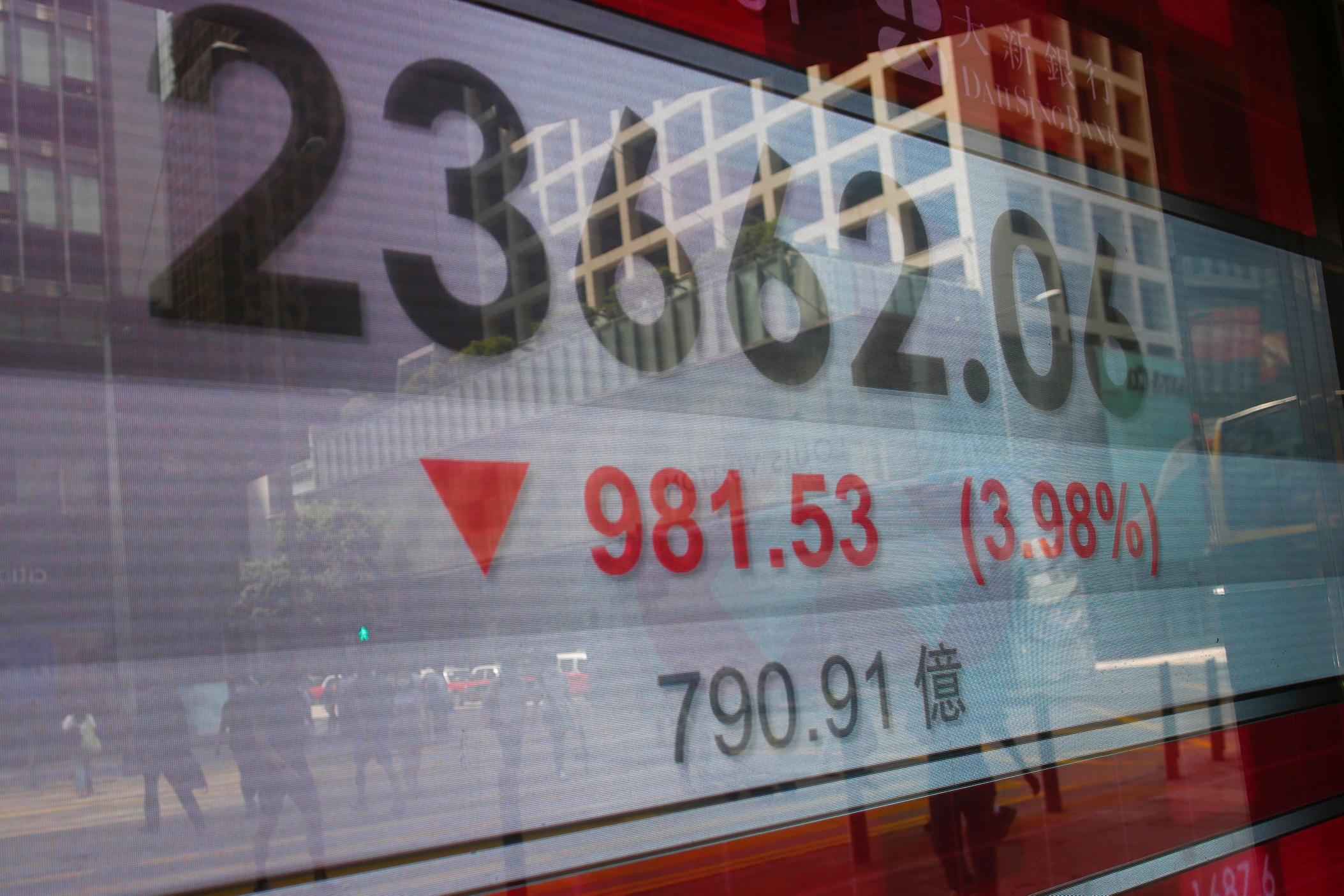
A look at the day ahead in European and global markets from Tom Westbrook: Escalation in the Middle East has rounded out a rough week for financial markets. Barring a reversal, world stocks (.MIWD00000PUS) New Tab, opens new tab are set to log their sharpest weekly drop since September and the dollar is at year-to-date highs. Even before Asian markets turned decisively risk averse on reports of explosions in Iran, and an Israeli strike, investors were rattled by disappointing results and hawkish Fedspeak. Then reports of attacks on Isfahan, Iran, drove gold above $2,400 an ounce, Brent crude over $90 a barrel and demand for dollars and yen. Stocks sank and bonds rallied. The lack of detail on damage in early dispatches had traders pulling back some of their flight-to-safety moves but the volatility was hardly comfortable heading into the weekend. It's unsettling because it dovetails with other negative developments for markets during the week and has renewed a rally in commodities that is going to add to inflationary pressure. Iran is the third-largest OPEC oil producer and pumps 3% of total world output. Oil is up 16% in 2024. Copper, an industrial metal, is up 14%. On Thursday, New York Fed President John Williams gave voice to a risk for which markets are ill-prepared: "If the data are telling us that we would need higher interest rates to achieve our goals, then we would obviously want to do that," he said. U.S. Treasury yields dropped sharply on Friday but benchmark 10-year yields are up more than 35 basis points for the month as expectations for rate cuts this year evaporate. Shares in Taiwanese chipmaking behemoth TSMC (2330.TW) New Tab, opens new tab slid 6% as it disappointed investors by lowering its outlook for the sector, dragging down tech and chipmaking shares globally. Knee-jerk gains for the yen and Swiss franc, particularly on crosses, show markets are on a hair trigger to unwind carry trades that can sour quickly in volatile conditions. Second-tier data due later in the day is likely to be overshadowed by geopolitics. Key developments that could influence markets on Friday: German producer prices British retail sales U.S. earnings; American Express, Procter & Gamble Get a look at the day ahead in European and global markets with the Morning Bid Europe newsletter. Sign up here. https://www.reuters.com/markets/europe/global-markets-view-europe-2024-04-19/

2024-04-19 04:38
NEW YORK, April 19 (Reuters) - The Nasdaq and the S&P 500 closed sharply lower on Friday and Treasury yields dipped as investors juggled lackluster earnings, uncertainties surrounding central bank policy and geopolitical strife. Gold and crude oil prices advanced as market participants kept an uneasy eye on unfolding turmoil in the Middle East. The Dow was the lone gainer among the three major U.S. equity indexes, while the Nasdaq, weighed down by megacap tech and tech-related momentum stocks, slid 2.05%. The session marked six straight daily declines for the S&P 500 and the Nasdaq, the longest losing streak since October 2022. The S&P 500 and the Dow registered their steepest weekly percentage losses since March 2023, while the Nasdaq saw its largest weekly drop since November 2022. Mounting tensions in the Middle East appeared to plateau after Tehran downplayed Israel's retaliatory drone strike against Iran, a move that seemed geared toward averting regional escalation. "The level of concern in the Middle East is higher than it was at any time since Oct 7," said Peter Tuz, president of Chase Investment Counsel in Charlottesville, Virginia. "It’s close to the forefront of a lot of peoples’ minds." While first-quarter reporting season is still in its early stages, expectations have dimmed. Analysts now see aggregate S&P 500 earnings growth of 2.9% year-on-year, down from the 5.1% estimate on April 1, according to LSEG. "Next week is a big tech earnings week and that’s probably prompting some selling," Tuz added. "Those stocks have done so well until relatively recently and I think some money is flowing out of them just out of concern that earnings and guidance won’t meet expectations." Chicago Federal Reserve President Austan Goolsbee said on Friday that the Fed's restrictive policy is "appropriate" given economic strength and the slower-than-expected process of bringing inflation down closer to its 2% target. The Dow Jones Industrial Average (.DJI) New Tab, opens new tab rose 211.02 points, or 0.56%, to 37,986.4, the S&P 500 (.SPX) New Tab, opens new tab lost 43.89 points, or 0.88%, to 4,967.23 and the Nasdaq Composite (.IXIC) New Tab, opens new tab dropped 319.49 points, or 2.05%, to 15,282.01. European shares touched their lowest level in more than a month but closed well off their intraday trough as anxieties over strife in the Middle East eased and solid earnings provided some support. The pan-European STOXX 600 index (.STOXX) New Tab, opens new tab lost 0.08% and MSCI's gauge of stocks across the globe (.MIWD00000PUS) New Tab, opens new tab shed 0.84%. Emerging market stocks lost 1.30%. MSCI's broadest index of Asia-Pacific shares outside Japan (.MIAPJ0000PUS) New Tab, opens new tab closed 1.61% lower, while Japan's Nikkei (.N225) New Tab, opens new tab lost 2.66%. Treasury yields inched lower as investors favored safe-haven assets due to potential broadening of the Middle East conflict. Benchmark 10-year notes last rose 6/32 in price to yield 4.6228%, from 4.647% late on Thursday. The 30-year bond last rose 14/32 in price to yield 4.7168%, from 4.745% late on Thursday. The dollar was last essentially flat as currency markets calmed down after a flight to the Swiss Franc and the yen in the wake of Israel's drone attack on Iran. The dollar index (.DXY) New Tab, opens new tab fell 0.01%, with the euro up 0.08% to $1.0652. The Japanese yen strengthened 0.02% versus the greenback at 154.63 per dollar. Sterling was last trading at $1.2371, down 0.51% on the day. Crude oil prices dipped earlier as supply concerns eased in the wake of Iran's subdued response, reversed course and settled modestly higher amid lingering uncertainties arising from geopolitical instability. U.S. crude rose 0.50% to settle at $83.14 per barrel, while Brent settled at $87.29 per barrel, up 0.21% on the day. Gold advanced, putting the safe-haven metal on track for its fifth straight weekly gain. Spot gold added 0.4% to $2,386.49 an ounce. Get a look at the day ahead in U.S. and global markets with the Morning Bid U.S. newsletter. Sign up here. https://www.reuters.com/markets/global-markets-wrapup-1-2024-04-19/
2024-04-19 03:57
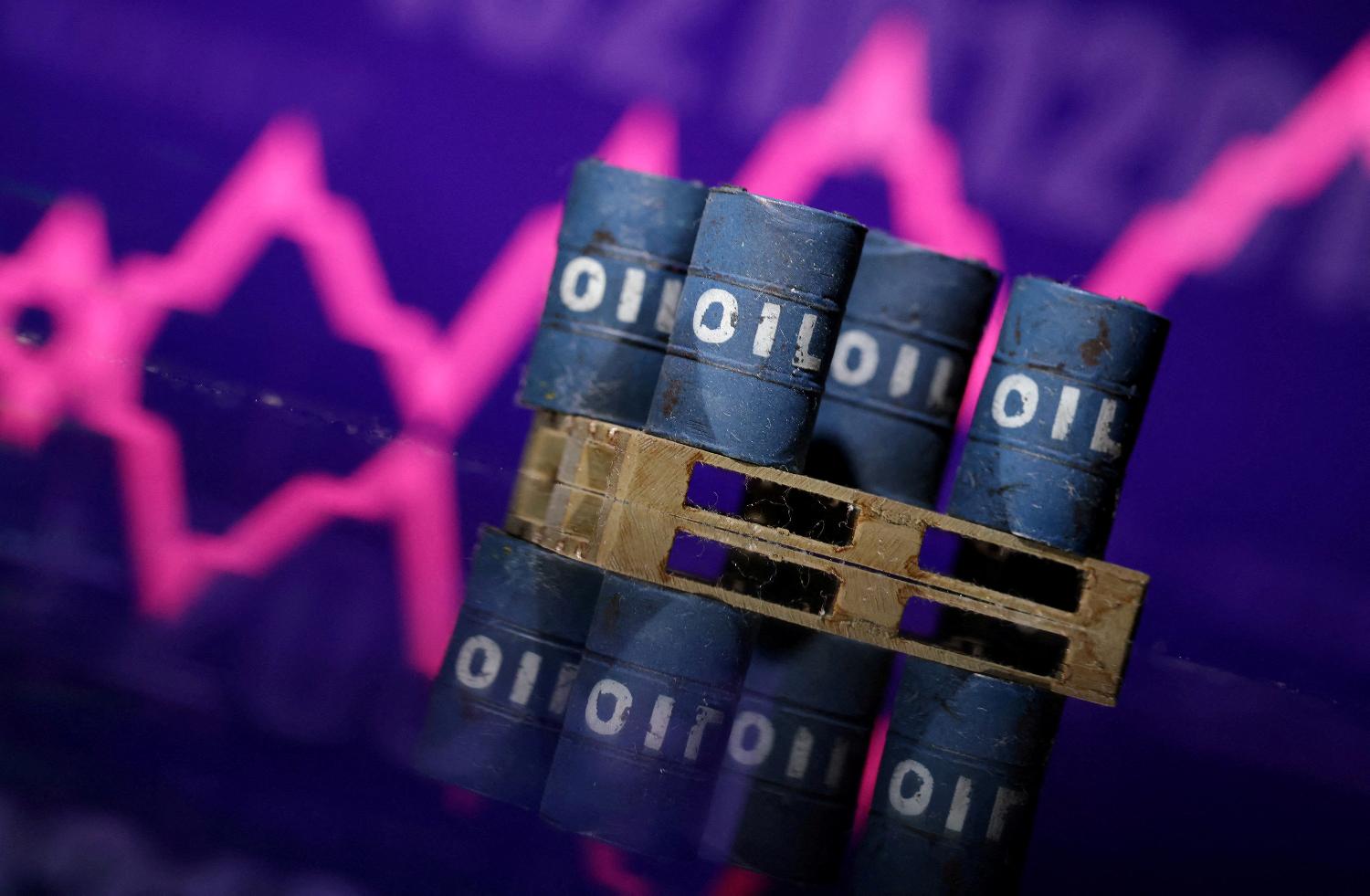
April 19 (Reuters) - Oil and gold prices rose and Japan's yen rallied on Friday on reports Israeli missiles have hit a site in Iran. Israel has struck Iran, three people familiar with the matter said, as Iranian state media reported early on Friday that its forces had destroyed Israeli drones, days after Iran launched a retaliatory drone strike on Israel. The Israeli military had no comment on the reports. Reuters could not immediately confirm the reports. Israel had said it was going to retaliate against Iran after the latter's April 13 missile and drone attack. Market reaction: QUOTES: PRASHANT NEWNAHA, SENIOR ASIA-PACIFIC RATES STRATEGIST, TD SECURITIES, SINGAPORE "Markets clearly caught offside heading into the weekend. Attention has pivoted away from inflation to renewed concerns that the Middle East conflict could re-escalate. This is driving a strong flight to quality bid." "Given the market has no sense of how long or deep this conflict could play out, there is no compelling argument to hold significant risk positions over the weekend. Risk assets are likely to remain on the backfoot." SHOKI OMORI, CHIEF JAPAN DESK STRATEGIST, MIZUHO SECURITIES, TOKYO "The rise in commodity prices and the dollar is going to weigh on Japanese imports. Given the geopolitical risks and the rise in volatility in EM currencies, the BOJ (Bank of Japan) is going to stay on pause in April. They will be cautious about the situation, as well as currency volatility." VASU MENON, MANAGING DIRECTOR, INVESTMENT STRATEGY, OCBC, SINGAPORE "This latest explosion is of significance because Iran’s army air base and Isfahan’s airport are reportedly close to the explosion site. If the Israelis are indeed behind the latest explosion, or if the Iranian think they are behind it, then markets will wait to see what happens next because the Iranian have said that while they are prepared to de-escalate if Israel does not strike back, their response will be quick and aggressive if Israel does attack Iran. "The lack of clarity on whether Israel is behind the latest explosion and what Iran might do next will keep investors nervous and market volatile for now, at a time when investors are faced with significant inflation and interest rate uncertainties as well." NAKA MATSUZAWA, CHIEF MACRO STRATEGIST, NOMURA, TOKYO "It only exacerbates the trend of global inflation expectations now going higher. This is not just a Middle East thing that causes the risk off now. More fundamentally, it's the fading rate-cut expectations by the Fed, and on the back of it is higher inflation expectations, and this conflict... makes the thing worse basically. "This is a typical risk-off trade for every market now, so I am not surprised the yen is bought on the back of this. (Recently) there was a huge outflow from Japanese investors into foreign equities... that's now being repatriated I think, and there's also a lot of yen speculative positions that have build up and particularly when FX volatility rises, that's when they have to unwind positions globally." MOH SIONG SIM, CURRENCY STRATEGIST, BANK OF SINGAPORE, SINGAPORE "It's pretty obvious market is nervous ... I think right now we don't really have the details. It really depends on how calibrated the attacks are. So I think markets are at this stage in a flight to safety mode ... right now, we're still in a situation where we know something has happened. But we need to understand the degree of the degree of retaliation." DAMIEN BOEY, CHIEF MACRO STRATEGIST, BARRENJOEY, SYDNEY "I think what's happening in the Middle East is making that upward inflection point with global inflation all the more real. "Today equities are down and bonds are up ... Look, that makes sense from a risk perspective, but I still think that bonds and equities are more or less still correlated. To me, until we resolve this uncertainty about global inflation, actually bonds and equities will move together. So there's not a lot of diversification. What I'd much rather be doing is looking at a third alternative asset class, which of course would be commodities. Commodities have been a very unloved source of diversification. Now what you're starting to see is that no matter whether interest rates in the U.S. go up or down, gold prices are just going up and that's telling you that there's a rush to the exits to get out of the things which are moving too closely together, like bonds and stocks and maybe credit. "Gold prices have risen despite the stronger U.S. dollar. So what happens when the U.S. dollar eventually goes down? What you'll find is that the U.S. dollar will probably be too expensive and need to come down, in which case gold could get another leg up." KHOON GOH, HEAD OF ASIA RESEARCH, ANZ, SINGAPORE "Markets have definitely reacted very, very swiftly to the news reports. We've seen a massive risk-off move with gold rallying, oil prices rallying, and traditional risk assets getting sold out hard. I guess markets at this stage will want to get greater clarity and confirmation over the extent of the attack, and I think more importantly, any response from Iran ... "Markets will be very worried that this is the start of a tit-for-tat escalation which could create huge volatility in the Middle East." CHRISTOPHER WONG, CURRENCY STRATEGIST, OCBC, SINGAPORE "It's a big dampener on risk assets, including equities and most currencies. "While policymakers in the region and the U.S. have collectively taken a more proactive stance to calm FX markets, the re-emergence of geopolitical shocks may unnerve sentiments. Safe-haven proxies including gold, dollar, Swiss franc, and yen may see further demand in the interim." CHARU CHANANA, HEAD OF CURRENCY STRATEGY, SAXO, SINGAPORE "A triple whammy of sorts for the markets, as Fed’s hawkishness keeps taking a leg up with each passing day and semiconductor earnings have so far fallen short to counter that risk off. "To top it off, geopolitical risks have escalated again with Israel’s strikes on Iran, and risk sentiment could remain weak as we await more details on damages and casualties, and fears of an Iran response are also likely to underpin." Get a look at the day ahead in U.S. and global markets with the Morning Bid U.S. newsletter. Sign up here. https://www.reuters.com/markets/view-oil-japans-yen-up-reports-israeli-missiles-hit-iran-2024-04-19/
2024-04-18 23:48
WASHINGTON, April 18 (Reuters) - Any national-security review of the deal for Japan's Nippon Steel to acquire U.S. Steel (X.N) New Tab, opens new tab conducted by the Committee on Foreign Investment in the United States (CFIUS) will proceed as normal, a White House official said on Thursday. President Joe Biden has repeatedly said he opposed the sale of the U.S. industrial firm to Nippon Steel (5401.T) New Tab, opens new tab, leaving some to describe the deal as on life support. But it remained unclear what, if any, additional steps he would take to block the deal. "Obviously, there are certain legal processes... you're referring to CFIUS," said Lael Brainard, White House national economic adviser, at the Semafor World Economy Summit 2024. "Those are going to proceed as normal, presumably." "Steel is an industry that has very important national security considerations, very important economic security considerations," she added. "It is critical to supply chain resilience, and the president is very clear that he thinks U.S. Steel should remain domestically owned and domestically operated." Speaking on Wednesday to steel workers, Biden promised that U.S. Steel would remain a "totally American company." U.S. Steel and Nippon Steel later said the Pittsburgh-based firm will remain an "iconic American company" even after the $14.9 billion takeover. U.S. Steel shares closed down 0.5% at $38.94 on Thursday, while Nippon Steel shares closed up 0.9% to 3,463 yen in Tokyo the day prior. Coming soon: Get the latest news and expert analysis about the state of the global economy with Reuters Econ World. Sign up here. https://www.reuters.com/markets/deals/white-house-says-us-steel-deal-security-review-proceeding-normal-2024-04-18/
2024-04-18 23:46
SINGAPORE, April 19 (Reuters) - Nearly half of China's major cities are suffering "moderate to severe" levels of subsidence, putting millions of people at risk of flooding especially as sea levels rise, according to a study of nationwide satellite data released on Friday. The authors of the paper, published by the journal Science, found 45% of China's urban land was sinking faster than 3 millimetres per year, with 16% at more than 10 mm per year, driven not only by declining water tables but also the sheer weight of the built environment. With China's urban population already in excess of 900 million people, "even a small portion of subsiding land in China could therefore translate into a substantial threat to urban life," said the team of researchers led by Ao Zurui of the South China Normal University. Subsidence already costs China more than 7.5 billion yuan ($1.04 billion) in annual losses, and within the next century, nearly a quarter of coastal land could actually be lower than sea levels, putting hundreds of millions of people at an even greater risk of inundation. "It really brings home that this is for China a national problem and not a problem in just one or two places," said Robert Nicholls at the Tyndall Centre for Climate Change Research at the University of East Anglia. "And it is a microcosm of what is happening around the rest of the world." The northern city of Tianjin, home to more than 15 million people, was identified as one of the worst-hit. Last year, 3,000 residents were evacuated after a "sudden geological disaster" that investigators blamed on water depletion as well as the construction of geothermal wells. Many of China's old coal districts New Tab, opens new tab have also suffered as a result of overmining, with authorities often forced to inject concrete into the crumbling shafts to reinforce land. The problem is not limited to China. A separate study published in February said around 6.3 million square km (2.4 million square miles) of land across the globe was at risk. Among the worst-hit countries is Indonesia, with large parts of the capital Jakarta now below sea level. Nicholls said vulnerable cities could learn lessons from Tokyo, which sank by about 5 m (16 feet) until it banned groundwater extraction in the 1970s. "Subsidence mitigation should be looked at very seriously, but you can't stop all of it so you are talking about adaptation and building dykes," he added. Of the 44 major coastal cities suffering from the problem, 30 were in Asia, according to a 2022 Singapore study. "It is a problem of urbanisation and population growth - larger population density, more water extracted, (and) more subsidence," said Matt Wei, a geophysics expert at the University of Rhode Island. ($1 = 7.2382 yuan) Coming soon: Get the latest news and expert analysis about the state of the global economy with Reuters Econ World. Sign up here. https://www.reuters.com/world/china/nearly-half-chinas-major-cities-are-sinking-researchers-say-2024-04-18/
2024-04-18 22:34
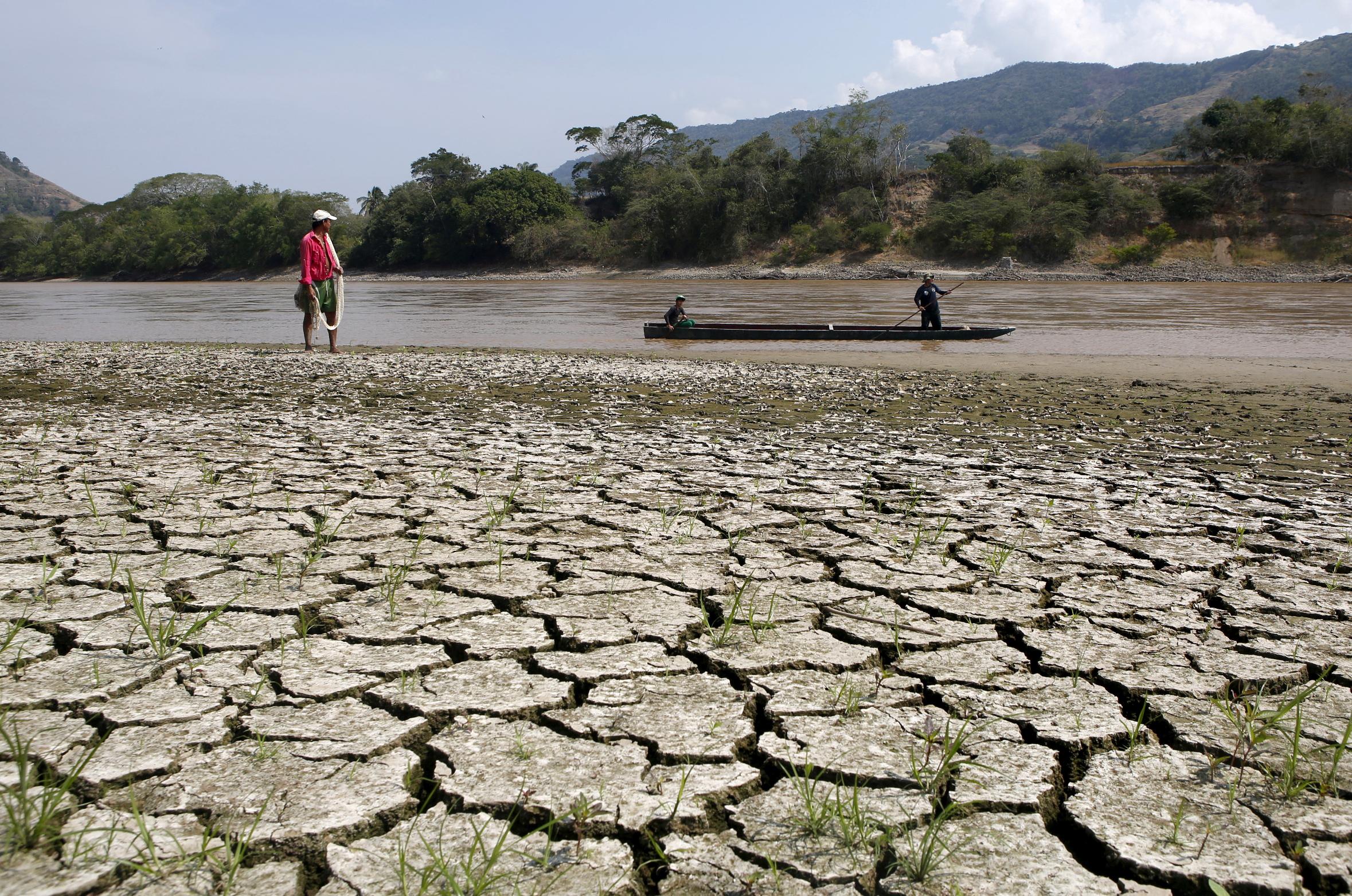
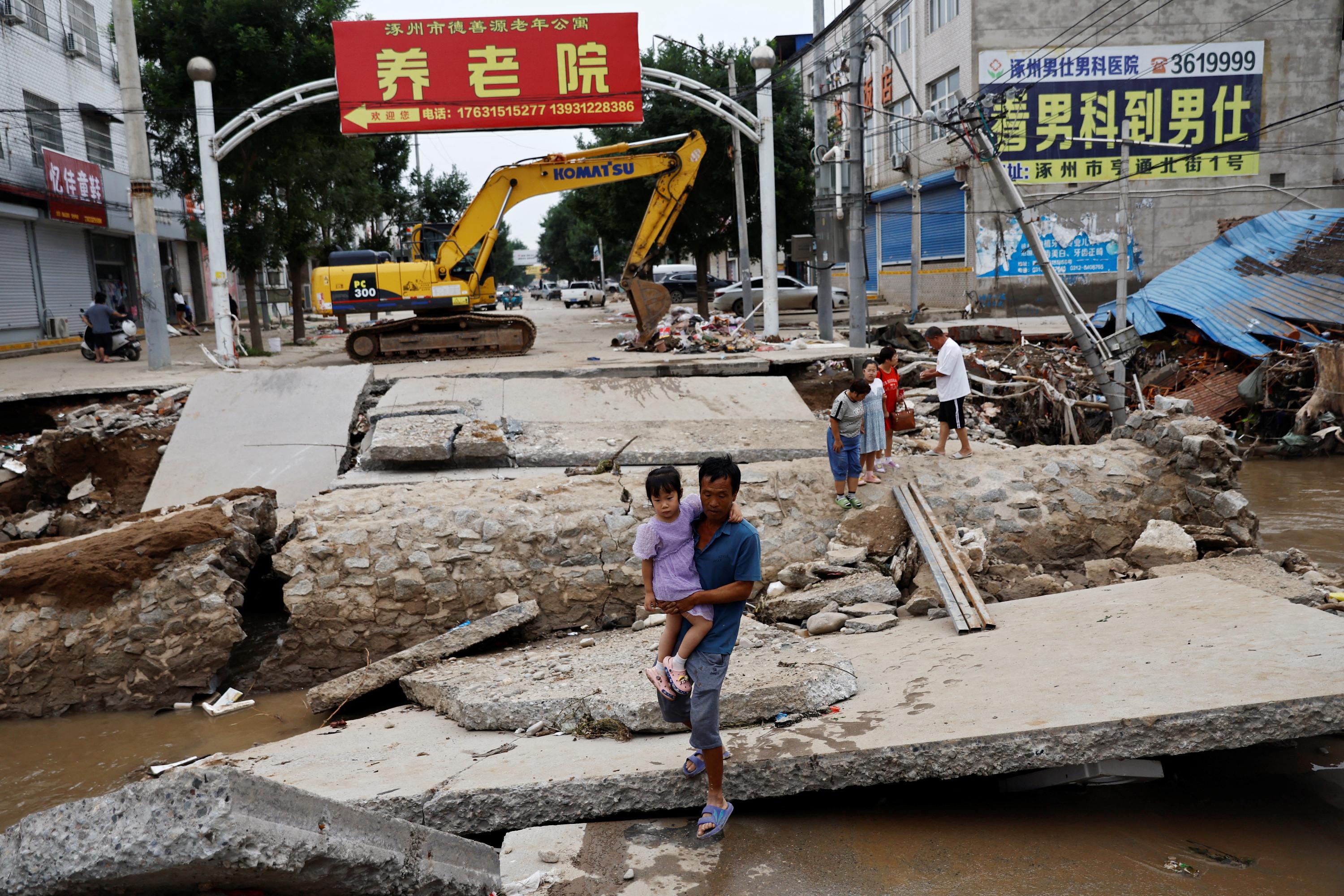
April 18 (Reuters) - Latin American nations must be on high alert as the weather phenomenon known as El Nino rapidly switches over to La Nina, experts said on Thursday, leaving populations and crops little time to recover. El Nino and its abundant rains could soon turn into droughts caused by La Nina as well as an intense hurricane season across South America, experts said at a panel organized by the United Nations' Food and Agriculture Organization (FAO). The full weather pattern involving El Nino, La Nina and a neutral phase typically lasts between two to seven years. But experts said that the transition period from El Nino to La Nina is getting shorter. "We just saw it happen," said Yolanda Gonzalez, director of the International Research Center for the El Nino Phenomenon. "A year ago we came out of a Nina, and in March there were already signs of a Nino." "Now in March, April there are signs of a Nina," she added. "We haven't been able to recover from the impact." In South America, the weather patterns can hit key crops such as wheat and corn, denting commodity-dependent economies. The phenomenon is not caused by climate change, FAO's technical team told Reuters, but experts have seen that the effects of the weather pattern, such as rainfall, heat waves and drought, have become more extreme. The rapid transitions between El Nino and La Nina could also be correlated with climate change, FAO said, though scientists have yet to establish definitive causation. "These abrupt changes, and the fact that these cycles are now almost overlapping, ultimately decreases the ability to adapt to the changes," said Marion Khamis, FAO's regional risk management specialist. "This implies a huge challenge." The Reuters Daily Briefing newsletter provides all the news you need to start your day. Sign up here. https://www.reuters.com/world/americas/latin-america-must-brace-el-nino-flips-la-nina-experts-warn-2024-04-18/