2024-04-18 06:31
NIAMEY, April 18 (Reuters) - On a hospital bed in Niger, a 96-year-old woman lay motionless attached to a drip - one of thousands of possible victims of West Africa's worst heatwave in living memory, which a report said on Thursday was linked to fossil fuel-driven climate change. In late March and early April, days and nights of extreme heat above 40° Celsius (104°F) gripped many West African countries. Temperatures soared so high in Mali and Burkina Faso they equated to a once in 200-year event, according to the report on the Sahel region by World Weather Attribution (WWA). The severity of the heatwave led WWA's team of climate scientists to conduct a rapid analysis, which concluded the temperatures would not have been reached if industry had not warmed the planet by burning fossil fuels and other activities. "In a pre-industrial climate, we wouldn't expect to see heat waves at this intensity at all," WWA statistician Clair Barnes told Reuters. "It was the hottest that anyone in living memory has had to deal with (there)," she said. Despite a lack of data, WWA estimates there were hundreds or possibly thousands of heat-related deaths, and it warned such extreme heat will become much more common without greater global efforts to reduce planet-warming emissions. On the current trajectory, if fossil fuel emissions do not fall "we would expect to see heatwaves like this maybe ten times more frequently, so potentially up to ten times a year," Barnes said. "It's something that people are going to have to adapt to and learn to live with." Given the growing threat, the group recommends that countries formulate heat action plans that would warn citizens when extreme temperatures are imminent and offer guidance on how to prevent overheating. ELDERLY AT RISK The plight of the nonagenarian in Niger illustrates the threat such extreme temperatures pose, particularly to older people in countries where access to air conditioning or even electric fans can be limited. Standing at the hospital bedside on Monday, daughter Zeynabou Toure described how her mother quickly sickened in the heat at the start of April, prompting them to rush to hospital. They were among an unusually high number of patients seeking care at the facility in Niger's sun-baked capital Niamey, said doctor Andia Abdoul-Kader. "We have seen more and more cases of dehydration," he told Reuters in his office. "It really affects the elderly ... four to five litres of water need to be replenished for the patient to return to normal." While Abdoul-Kader has not recorded excess deaths, Gabriel Toure Hospital in the capital of neighbouring Mali reported 102 deaths, likely heat-related, in the first four days of April. This compares to 130 deaths it recorded in total for the whole of April last year. "This indicates an exceptional situation this year," said one of the hospital's department heads, doctor Djibo Mahamane Django, in an online video post on April 5. The Reuters Daily Briefing newsletter provides all the news you need to start your day. Sign up here. https://www.reuters.com/world/africa/deadly-heat-west-africa-warns-climate-change-driven-scorchers-come-says-report-2024-04-18/

2024-04-18 06:07
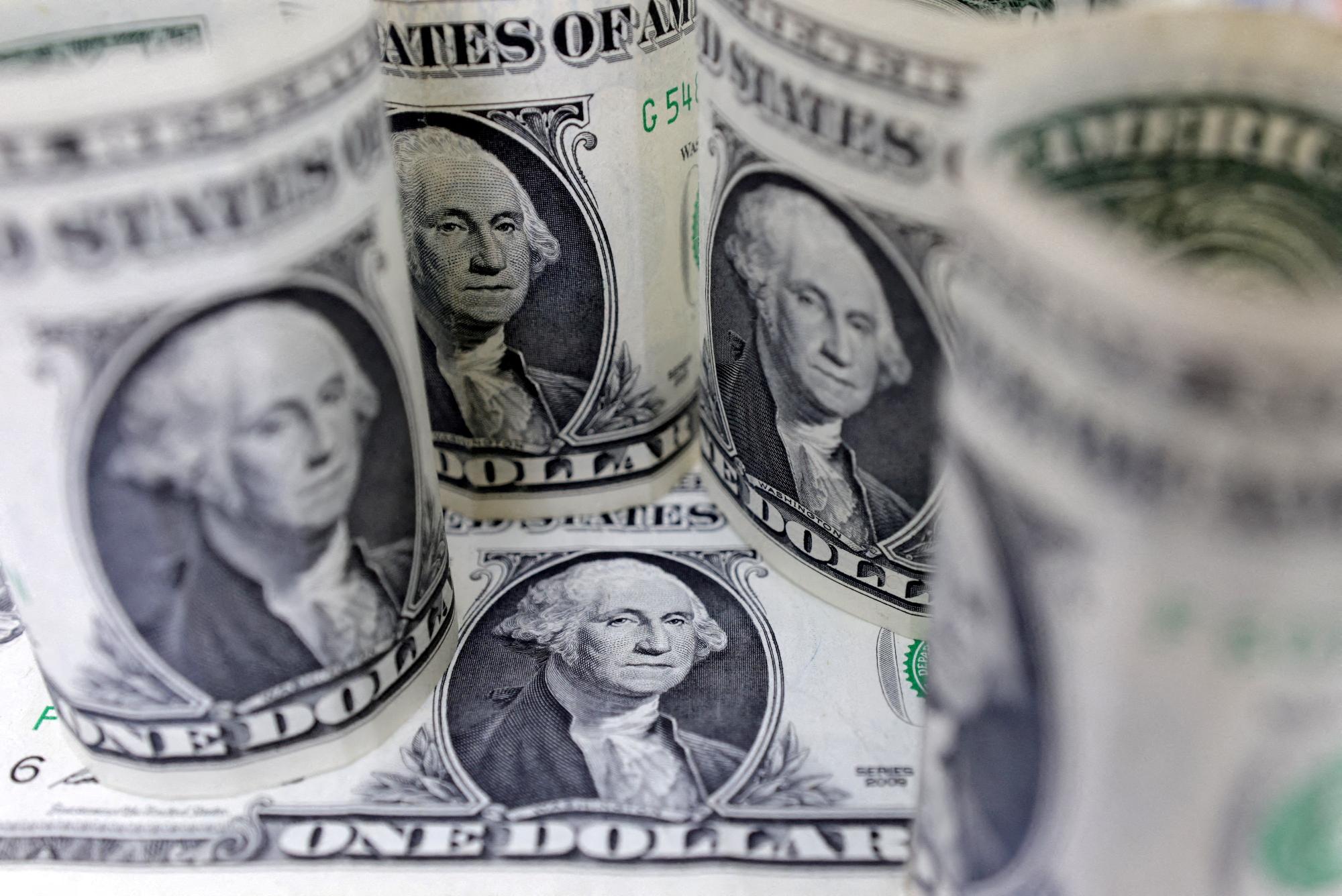
Philly Fed manufacturing gauge races to 2-year high U.S. jobless claims come in higher than expected U.S. housing starts drop in March Fed funds futures now showing 38 bps in cuts this year BOJ's Ueda says cenbank may hike rates again NEW YORK, April 18 (Reuters) - The dollar rose on Thursday as a mixed batch of U.S. data did little to shake views that the economy is still on solid ground, suggesting the Federal Reserve will likely delay the timing of its first interest rate cut since 2020 to later this year. Comments from New York Fed President John Williams saying there is no urgent need to cut interest rates right now given the strength of the economy, also helped lift the dollar. The New York Fed president is always a voter on the central bank's policy-setting committee. A warning by finance chiefs of the United States, Japan and Korea over sharp decline in the yen and won weighed, however, on the dollar overnight and gave the yen some rare respite. But the impact has since dissipated. The yen had risen modestly on Wednesday after Japan's top currency diplomat Masato Kanda said finance leaders of the G7 reaffirmed their stance that excessive currency volatility was undesirable. But strong U.S. economic data and persistent inflation have prompted investors to drastically rethink the chances of the Fed cutting rates any time soon. On Thursday, that strength was on display once again. Manufacturing activity in the U.S. Mid-Atlantic region expanded by the most in two years in April on the strength of new orders and shipments of finished goods. The Philadelphia Fed's monthly business conditions index rose to 15.5 from 3.2 in March, exceeding the median estimate among economists for a reading of 2.3 and overshooting even the most optimistic forecast among 34 economists surveyed. "It's really hard to fight dollar strength right now. U.S. data continues to suggest that the Fed is not going to be cutting any time soon," said Vassili Serebriakov, FX strategist, at UBS in New York. "We're starting to see more policy divergence priced between the U.S. and the rest of G10. When you look at the 10-year real rate differentials between the U.S. and Europe, those have widened in favor of the dollar." Other economic reports on Thursday were neutral to weak. U.S. initial jobless claims were unchanged at a seasonally adjusted 212,000 for the week ended April 13, data showed, still higher than the forecast of 215,000. In the housing sector, U.S. existing home sales fell in March as higher interest rates and house prices sidelined buyers. Home sales dropped 4.3% last month to a seasonally adjusted annual rate of 4.19 million units. In afternoon trading, the dollar index , which measures the U.S. currency against six of its peers, rose 0.2% at 106.15, still within reach of this week's 5-1/2-month high of 106.51 hit on Tuesday. The index has been up 4.5% so far this year. The Japanese currency slipped against the dollar, pushing the greenback up 0.1% to 154.580 yen, not far from the yen's 34-year low of 154.79 hit on Tuesday. Market participants have raised the bar on possible intervention by Japanese authorities to prop up the yen, now pointing to the 155 level, even though they believe Japan could step in any time. Bank of Japan Governor Kazuo Ueda said on Thursday the central bank may raise interest rates again if the yen's declines significantly push up domestic inflation. In other currencies, the euro slid 0.3% against the dollar to $1.0643. Sterling slipped 0.1% to $1.2440. U.S. rate futures on Thursday have priced in about 38 basis points of easing in 2024, or 1-1/2 cuts of 25 bps each. That has been a steep reduction from the six quarter-point easing at the start of the year. Traders see September as the most likely starting point for the cut, versus June just a couple of weeks ago, based on the CME FedWatch Tool. "We'll get the U.S. GDP (gross domestic product) number next week, but people are looking beyond that now. The next big number is the jobs data on May 3rd, which is likely to show a solid number, say north of 250,000," said Marc Chandler, chief market strategist, at Bannockburn Forex in New York. "The market is also making that adjustment in terms of Fed policy. The fed funds futures are showing about 1-1/2 cuts, which tells me there is room to get that to just one cut." In cryptocurrencies, bitcoin rose 4.4% to $63,508 ahead of the widely anticipated halving event in the next few days. Bitcoin halving refers to a technical adjustment built into the digital currency's code which reduces the rate at which new coins are created. Coming soon: Get the latest news and expert analysis about the state of the global economy with Reuters Econ World. Sign up here. https://www.reuters.com/markets/currencies/dollar-takes-breather-investors-ponder-us-rates-outlook-2024-04-18/
2024-04-18 05:03
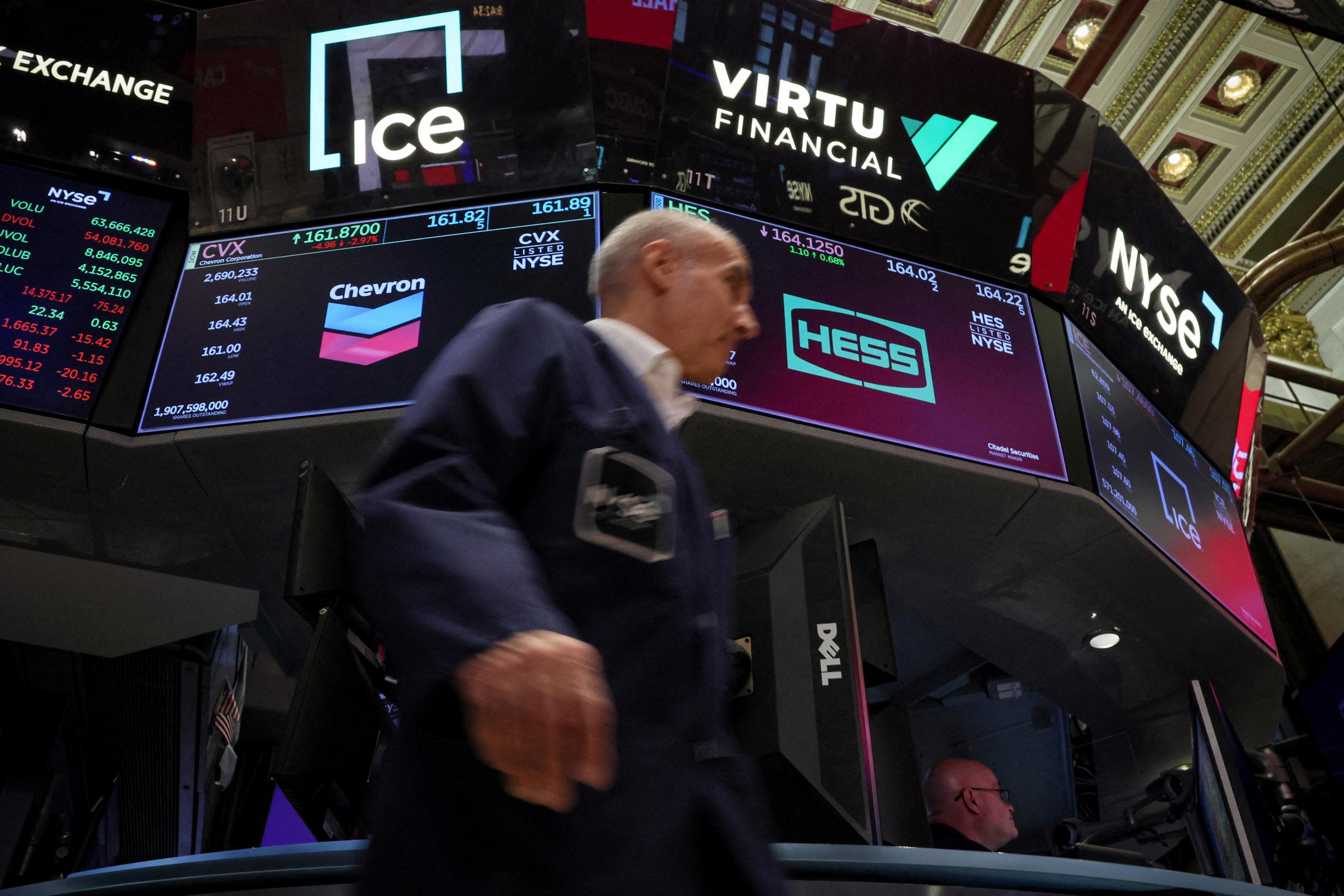
NEW YORK, April 18 (Reuters) - Volatility-linked investment strategies are joining the nascent sell-off in U.S. stocks and could help accelerate declines if market gyrations keep increasing. Volatility control funds - systematic investment strategies that typically buy equities when markets are calm and sell when they grow turbulent - hoovered up stocks as the S&P 500 marched to record highs this year. With the S&P 500 now off more than 4% from those levels and the Cboe Volatility Index (.VIX) New Tab, opens new tab near its highest point since October, some of these funds are once again becoming sellers. Though the S&P 500 is still up about 5% year-to-date, further gyrations could trigger more selling from the funds: analysts at Nomura estimate the strategies could dump some $45 billion worth of stocks if the S&P 500 averages daily moves of 1% over the next two weeks. "Their positioning is clearly above average,” said Parag Thatte, a strategist at Deutsche Bank. "There is room for them to pull back in terms of exposure." Nomura's Charlie McElligott estimates that volatility control funds have already started selling, shedding about $16.2 billion in equity exposure over the last week. While that is small compared with the S&P 500’s $42 trillion market capitalization, the funds’ tendency to follow market momentum can sometimes exaggerate stock moves, market participants said. Other, slower moving strategies could also join in if volatility increases. The market's recent swings were preceded by a long period of calm in which investors piled in to equities, driven by evidence of strong-yet-stable economic growth and expectations that the Fed would deliver several rate cuts this year. The VIX has not risen over the 20 mark - a level associated with healthy demand for portfolio hedges - for 120 sessions, the longest such streak since 2018. Stock gyrations have increased in recent weeks as hopes for rate cuts fade in the face of stronger-than-expected inflation. Those worries have been exacerbated as a spreading conflict in the Middle East drives up oil prices, threatening to push inflation higher. Volatility has picked up in other asset classes as well. The MOVE index (.MOVE) New Tab, opens new tab, measuring expected volatility in U.S. Treasuries, stands at a three-month high following a steady rise in Treasury yields. The Deutsche Bank FX Volatility Index (.DBCVIX) New Tab, opens new tab, a measure of currency market swings, has climbed to a near 10-week high in the face of a rally in the U.S. dollar. "The volatility increase we're seeing is across asset classes," said Mandy Xu, head of derivatives market intelligence at Cboe Global Markets. "I think it is the market waking up to potential downside risk." One reason that selling from volatility-control funds has not kicked in to higher gear so far is that the declines in the S&P 500 have been relatively measured, Barclays strategists wrote. However, “the funds are quite susceptible to a massive unwinding from the currently high level of equity allocation, particularly if volatility reprices higher in case inflation keeps surprising to the upside, limiting the Fed's ability to cut rates," according to Barclays. Volatility control funds have a relatively short fuse compared with other computer-driven strategies, making them among the first to react when the market landscape changes. A more pronounced jump in volatility could also activate slower-reacting funds that use volatility as a trading signal, including commodity trading advisers and risk parity funds, piling more pressure on the market as they ramped up selling. Nomura’s McElligott said CTAs could sell some $31 billion in equities if the S&P 500 falls another 2% to around the 4,914 level in the weeks ahead. One catalyst for such moves could be corporate earnings season, which kicked in to gear last week. Investors next week will be bracing for earnings from a slew of technology and growth heavyweights, including Tesla (TSLA.O) New Tab, opens new tab, Meta Platforms (META.O) New Tab, opens new tab, Microsoft (MSFT.O) New Tab, opens new tab and Google parent Alphabet (GOOGL.O) New Tab, opens new tab. The U.S. will also get a look at another inflation measure on April 26, when the personal consumption expenditures index is released. "Volatility control has been the larger force to date with regard to systematic deleveraging ... during this choppy pullback," McElligott said. "CTAs join the party in the coming weeks if weakness persists." Get a look at the day ahead in U.S. and global markets with the Morning Bid U.S. newsletter. Sign up here. https://www.reuters.com/markets/us/wobbling-us-stocks-could-push-volatility-linked-funds-ramp-up-selling-2024-04-18/
2024-04-18 04:33
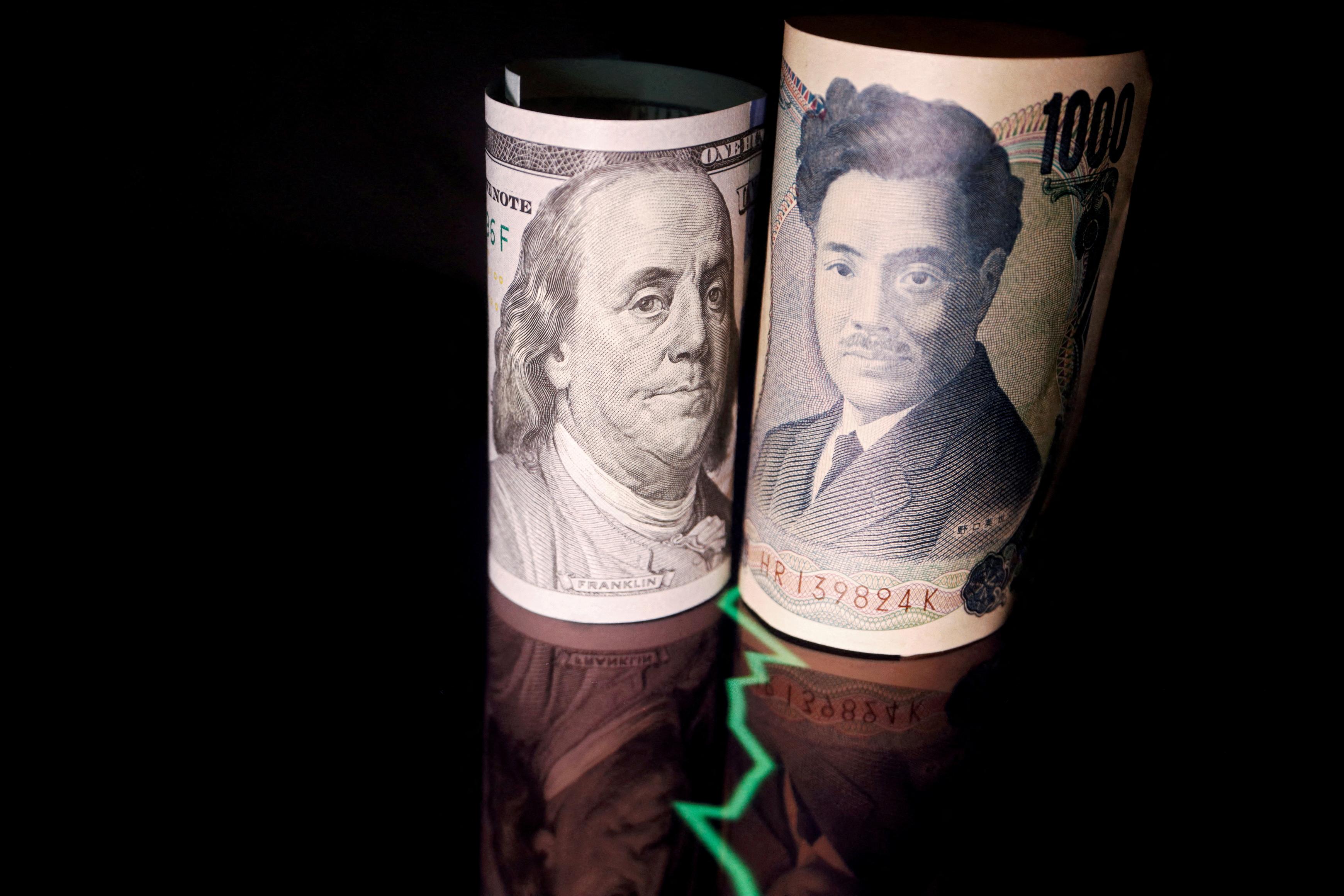
A look at the day ahead in European and global markets from Kevin Buckland Some respite for Asian stock markets may bode well for the European open, in what has so far been a week to forget for world equities. Part of that seems to be driven by hopes for strong results from Taiwan Semiconductor Manufacturing Co, aka TSMC (2330.TW) New Tab, opens new tab, undoing the gloom from Dutch chip-equipment maker ASML's (ASML.AS) New Tab, opens new tab lacklustre new bookings. The sentiment shift was evident in Tokyo, where chip-testing equipment maker Advantest (6857.T) New Tab, opens new tab - an Nvidia (NVDA.O) New Tab, opens new tab supplier - marched steadily from being down 2.5% at the open to enter the midday recess with a 4% gain. Notably, U.S. mega tech earnings kick off later on Thursday, starting with Netflix . Investors were likely also cheered by the promise of more stability in currency markets, after a Japanese official said a G-7 statement would acknowledge that excessive FX swings can hurt economic growth, in a nod to concerns about the effects of the weakest yen in 34 years . If that helps draw a line on the dollar's explosive resurgence, it may be felt in Asia most, where the risk of competitive devaluations was simmering. But the effect will ripple across the rest of the world as well, providing some extra bounce for the euro and sterling as they recover from multi-month troughs. The monetary policy picture globally hasn't changed though, with bets on the Federal Reserve being the first of the biggest central banks to cut rates this year flipping in recent weeks to them being the last. The barrage of commentary from global financial leaders continues on Thursday, with the International Monetary Fund and World Bank Spring meetings in Washington, among other major events. ECB vice-president Luis de Guindos presents the bank's annual report and his colleagues Joachim Nagel, Isabel Schnabel, Mario Centeno, Gediminas Simkus and Boris Vujcic are also on the podium at various venues. The Bank of England's Megan Greene also speaks and has taken a hawkish tone in recent comments, warning of inflation risks from the Middle East and pushing back against bets that rate cuts would come quicker than in the United States. Key developments that could influence markets on Thursday: -IMF/World Bank meetings in Washington -TSMC, Netflix earnings Get a look at the day ahead in U.S. and global markets with the Morning Bid U.S. newsletter. Sign up here. https://www.reuters.com/markets/global-markets-view-europe-2024-04-18/
2024-04-18 02:15
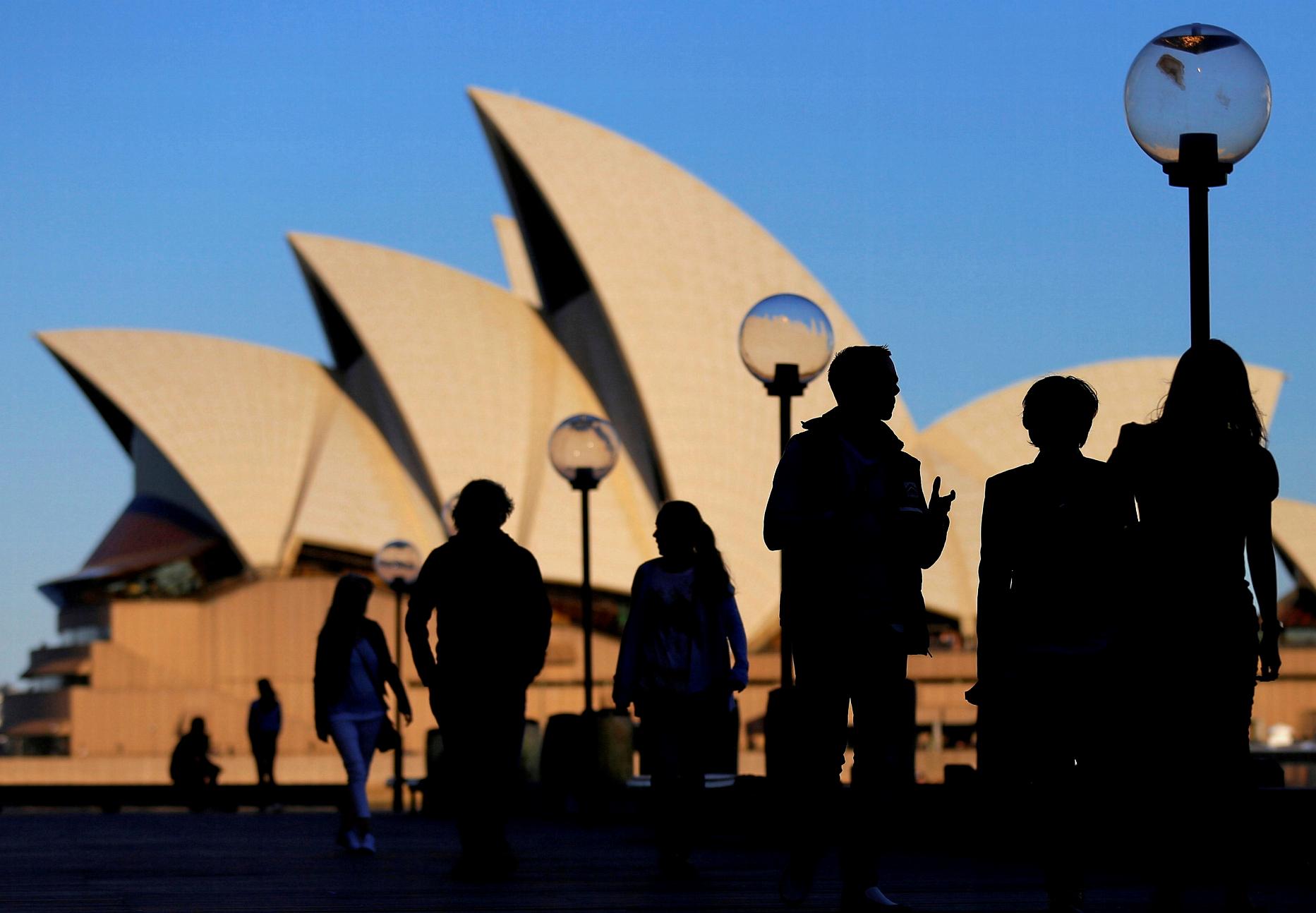
SYDNEY, April 18 (Reuters) - Australian employment fell in March after an enormous gain the month before while the jobless rate resumed its uptrend, a sign that the relatively tight labour market was still on track to loosen, albeit at a slower pace. Market reaction to the data was largely muted. The Australian dollar initially dipped after the data before recovering to $0.6440, while three-year bond futures held at 96.1. Markets, which had already slashed bets of rate cuts this year, are still confident rates have peaked. Monetary easing is a long way away though, probably in December. Figures from the Australian Bureau of Statistics on Thursday showed net employment dropped 6,600 in March from February, when it rose a revised 117,600. Market forecasts had been for a small gain of 10,000 after a blockbuster February. Full-time employment rose 27,900 in March. The jobless rate climbed slightly to 3.8% from 3.7% the previous month, although that was under a forecast of 3.9%. Analysts say the March data provides a clearer read on the current labour market conditions as the influence of large seasonal-led statistical changes smoothen out. "The small drop in employment in March followed a larger-than-usual flow of people into employment in February... However, in March, the flows into employment had returned to a more usual pattern," said Bjorn Jarvis, ABS head of labour statistics. "The labour market remained relatively tight in March." The Reserve Bank of Australia has left interest rates unchanged at 4.35% for three straight meetings now as confidence grew that the job market will continue to loosen further. However, at it most recent meeting in March it said nothing has been ruled in or out on policy. The central bank judged the current labour market condition as tight, but the jobless rate was expected to tick up to 4.2% by June and 4.3% by the end of the year. Markets are confident that interest rates have peaked but any rate relief looks to be a long way out. Swaps are implying only a 65% probability of a rate cut in December, meaning even one rate cut this year is not guaranteed. The Reuters Daily Briefing newsletter provides all the news you need to start your day. Sign up here. https://www.reuters.com/world/asia-pacific/australia-march-employment-unexpectedly-falls-6600-jobless-rate-ticks-up-38-2024-04-18/
2024-04-18 01:31
TSMC Q1 net profit T$225.5 bln vs T$218.1 bln analysts forecast Stock price has surged on chip demand for AI applications TAIPEI, April 18 (Reuters) - Taiwanese chipmaker TSMC (2330.TW) New Tab, opens new tab posted a 9% rise in first-quarter net profit on Thursday that beat market expectations as it rides a wave of demand for semiconductors used in artificial intelligence applications. Taiwan Semiconductor Manufacturing Co Ltd (TSMC) , the world's largest contract chipmaker and a major Apple Inc (AAPL.O) New Tab, opens new tab and Nvidia (NVDA.O) New Tab, opens new tab supplier, has benefited from a surge towards AI that has helped it weather the tapering off of pandemic-led electronics demand and pushed TSMC's stock to a record high. TSMC saw January-March net profit rise to T$225.5 billion ($6.98 billion) from T$206.9 billion a year earlier. The profit beat a T$218.1 billion LSEG SmartEstimate, which is weighted toward forecasts from analysts who are more consistently accurate. TSMC, Asia's most valuable listed company, said first-quarter revenue rose 13% year-on-year to $18.87 billion, better than the company's previous forecast of $18 billion to $18.8 billion. The company last week announced first quarter revenue in Taiwan dollars, coming in at T$592.64 billion. Capital expenditure in the first quarter was $5.77 billion, TSMC said, compared with $5.24 billion in the fourth quarter of 2023. TSMC's Taipei-listed shares have surged 36% so far this year. The stock was flat on Thursday ahead of the results versus a 0.4% gain for the benchmark index (.TWII) New Tab, opens new tab. The company will provide updates on its outlook for the current quarter and the rest of the year on an earnings call starting at 0600 GMT, including capital expenditure which it has previously guided as being in the range of $28 billion to $32 billion this year, compared with last year's $30.45 billion. On Wednesday, ASML (ASML.AS) New Tab, opens new tab, the largest supplier of equipment to computer chip makers like TSMC, reported weaker than expected first-quarter new bookings, though sales to China held up despite U.S.-led restrictions. ($1 = 32.3190 Taiwan dollars) The Technology Roundup newsletter brings the latest news and trends straight to your inbox. Sign up here. https://www.reuters.com/technology/tsmc-set-report-5-rise-first-quarter-profit-strong-ai-chip-demand-2024-04-18/