2024-04-16 11:33
BEIJING, April 16 (Reuters) - German Chancellor Olaf Scholz on Tuesday said he had asked Chinese President Xi Jinping to exert influence over Russia to end the war in Ukraine, adding that both leaders rejected attacks on nuclear facilities. Speaking on the final day of his trip to China, Scholz also said China had agreed to open up beef and apple imports from Germany and facilitate pork imports. Speaking on economic issues, Scholz said Europe wanted to reduce risks, intensify existing contacts and build new ones. The Reuters Daily Briefing newsletter provides all the news you need to start your day. Sign up here. https://www.reuters.com/world/europe/germanys-scholz-i-asked-chinas-xi-pressure-russia-stop-war-2024-04-16/

2024-04-16 11:32
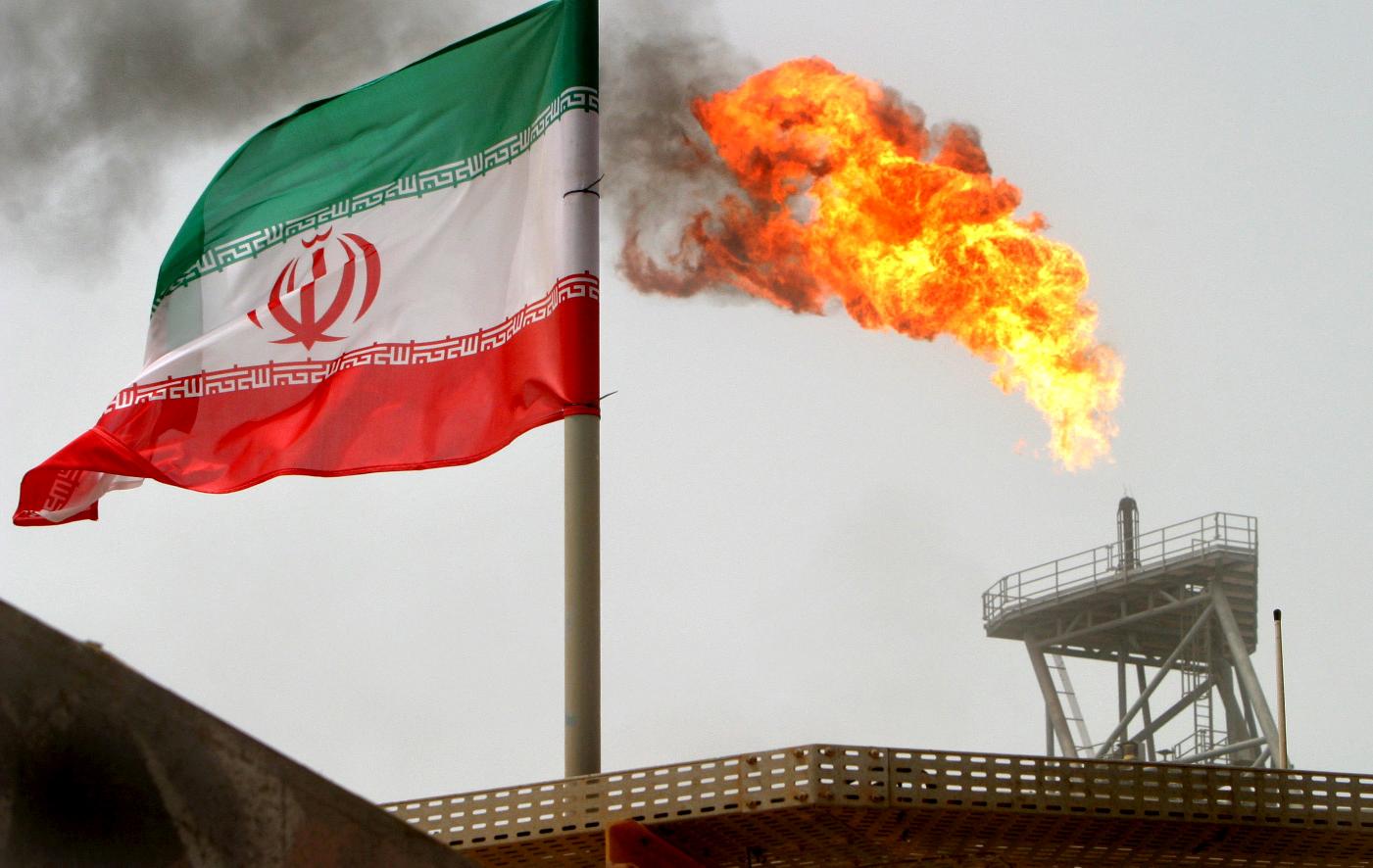
April 16 (Reuters) - Iran, the third largest producer in the Organization of the Petroleum Exporting Countries (OPEC), produces about 3 million barrels of oil per day (bpd), or around 3% of total world output. Following are some facts on Iran's oil industry as anxiety mounts its supply could be disrupted and cause a surge in international oil prices because of extreme tension in the Middle East. SANCTIONS AND OPEC Iran's oil production has been the target of successive waves of sanctions. The United States has sought to limit Iran's oil exports since President Donald Trump exited a 2015 nuclear accord between Western powers and Iran in 2018 and re-imposed sanctions aimed at curbing Iran's revenue. During Trump's term, Iran's oil exports slowed to a trickle. They have risen during President Joe Biden's tenure as analysts say sanctions have been less rigorously enforced, Iran has succeeded in evading them, and as China has become a major buyer, according to industry trackers. Although a member of OPEC and OPEC+ - which brings together OPEC and allies, including Russia - Iran, because of the sanctions imposed on it, is exempt from the group's output restrictions that are designed to support the oil market. RISING OUTPUT Driven by strong Chinese demand last year and continuing into 2024, Iran's crude exports in March averaged 1.61 million bpd according to industry analysts Kpler, the highest since May 2023 when they were 1.68 million bpd, the highest since 2018. NUCLEAR DEAL AND ITS IMPACT The peaks of 2018 reflected the easing of sanctions that followed the 2015 nuclear deal with Iran. Iranian crude and condensate exports reached 2.8 million bpd in May 2018, the highest since at least 2013 according to industry analysts Kpler. In May 2018, the crude oil portion of Iran's exports was 2.51 million bpd, Kpler found. According to OPEC data, that was the most since 2011 when Iran exported 2.54 million bpd on average. Iran's oil production reached all-time highs in the 1970s with a peak of 6.02 million bpd in 1974, according to OPEC data. That amounted to over 10% of world output at the time. TRUMP AND BIDEN Also in May 2018, the United States under Trump's presidency unilaterally withdrew from the 2015 deal and re-imposed sanctions, aiming to cut Iran's oil sales to zero. Iran stopped providing data on its oil exports, but assessments based on tanker tracking show they fell sharply in the next two years to below 200,000 bpd in some months of 2020, the lowest since at least 1980 according to OPEC data. In late 2020 Joe Biden won the U.S. presidential election. In January-March 2021, China increased its imports of Iranian oil to almost 800,000 bpd in January and almost 1 million bpd in March, although imports dropped again in April of that year. In 2021, Iran and the United States began indirect talks meant to bring both countries back into full compliance with the 2015 nuclear deal. Iranian exports rose during 2022, ending the year above 1 million bpd. Analysts have said the higher exports appear to be partly a result of Iran's success in evading U.S. sanctions. Iran has for years evaded sanctions through ship-to-ship transfers and "spoofing" - or manipulating GPS transponders so that ships show up in different positions - and the country is getting better at such tactics, analysts have said. Analysts have also said the rise in exports appears to be the result of U.S. discretion in enforcing the sanctions. A State Department spokesman said the Biden administration had not lifted any sanctions on Iran and continued to increase pressure on the Islamic Republic, Reuters reported on Tuesday. Get a look at the day ahead in U.S. and global markets with the Morning Bid U.S. newsletter. Sign up here. https://www.reuters.com/markets/commodities/irans-oil-exports-tensions-with-west-2024-04-16/
2024-04-16 11:25
April 16 (Reuters) - Canadian miner Barrick Gold (ABX.TO) New Tab, opens new tab on Tuesday reported lower-than-expected preliminary gold production for the first quarter hurt by planned maintenance and sequencing at its mines. Barrick reported a total preliminary output of 940,000 ounces of gold in the three months ended March 31, below analysts' estimates of 984,000 ounces, according to LSEG data. The world's second-largest gold miner was unable to beat production estimates in 2023. Barrick expects all-in-sustaining costs (AISC) per ounce of gold, an industry metric that reflects total expenses, to be about 7% to 9% higher than the previous quarter. U.S. shares of the firm were 2.2% lower in premarket trading, while spot gold was down 0.4%. Miners, including First Quantum (FM.TO) New Tab, opens new tab in Panama and platinum and palladium miners in Africa have run into a spate of operational and labor troubles, leading to higher costs and production halts. Barrick's Porgera gold mine in Papua New Guinea had been shuttered since 2020, but restarted operations late into the first quarter. The company, however, added that it expects gold and copper production to increase through the year, with its Pueblo Viejo gold mine in the Dominican Republic ramping up from the second quarter. Barrick also reported preliminary copper production of 40,000 tonnes, down from 113 million pounds (51,255.94 tonnes) in the previous quarter, largely due to lower grades mined at its Lumwana mine in Zambia. AISC for the red metal, which is widely used in power, construction and transportation sectors, is expected to rise by 14% to 16% from the previous quarter. The Toronto, Canada-based company is scheduled to release its fourth-quarter results on May 1, 2024. Get a look at the day ahead in U.S. and global markets with the Morning Bid U.S. newsletter. Sign up here. https://www.reuters.com/markets/commodities/barrick-gold-reports-lower-preliminary-gold-copper-output-q1-2024-04-16/
2024-04-16 10:44
April 16 (Reuters) - A lack of air defense missiles prevented Ukraine from thwarting a Russian missile attack last week that destroyed the biggest power plant in the region around the capital Kyiv, President Volodymyr Zelenskiy said. Zelenskiy's comments, which follow repeated warnings from his government to its allies about scarce air defences, reflect the dire situation Ukraine finds itself in as Russia scales up strikes on its energy system. "There were 11 missiles flying. We destroyed the first seven, and four (remaining) destroyed Trypillia. Why? Because there were zero missiles. We ran out of missiles to defend Trypillia," he said in the interview with PBS. Reuters was not able to independently verify the account. Zelenskiy has earlier warned that Ukraine has already had to make tough choices about what to protect and said his country could run out of defensive missiles entirely if Russian attacks continued apace. Destroyed in 11 March strike, Trypilska thermal power plant was the biggest energy facility near Kyiv and was built to have a capacity of 1,800 megawatts, more than the pre-war needs of Ukraine's biggest city. Other stations and imports have filled the gap for now but residents have been urged to save power. Russia has stepped up combined missile and drone strikes targeting Ukraine's grid system since mid-March. It is the second concerted Russian attack on the energy system since Russian forces invaded Ukraine more than two years ago and has proven much more devastating than the first one. In recent attacks, Ukraine lost about 7 gigawatt of power generating capacity, with major thermal power plants and transmitting capabilities significantly damaged. Moscow says the strikes are aimed at degrading Ukraine's ability to fight and are in retaliation for recent attacks inside Russia. Western allies have been reluctant to send additional air defenses to Ukraine, which says it needs 25 Patriot systems to cover its territory properly. Germany has pledged to deliver another system following urgent calls from Kyiv. The Reuters Daily Briefing newsletter provides all the news you need to start your day. Sign up here. https://www.reuters.com/world/europe/ukraine-says-it-ran-out-missiles-stop-russian-strike-ruining-power-station-2024-04-16/

2024-04-16 10:19
MUMBAI, April 16 (Reuters) - The Indian rupee ended at a record closing low on Tuesday, as rising geopolitical tensions in the Middle East and worries that the Federal Reserve will delay interest rate cuts triggered a selloff in risky assets. The rupee ended at 83.5350 to the U.S. dollar, its weakest close on record, compared with 83.4500 in the previous session. The currency hit a lifetime low of 83.5475 on Tuesday but averted further losses on likely intervention by the central bank through state-run banks, traders said. Indian financial markets will be closed on Wednesday. "Given the heightened geopolitical conflict in the Middle East region, investors will prefer to go long on the dollar and we may see the rupee touch fresh record highs," Jigar Trivedi, senior research analyst - currencies and commodities at Reliance Securities said. The Reserve Bank of India is expected to intervene to curb the volatility since there are ample forex reserves available, he added. Concerns that Israel could retaliate to Iran's attack over the weekend hurt appetite for the rupee and other Asian currencies. Israel's Prime Minister Benjamin Netanyahu summoned his war cabinet for the second time in less than 24 hours on Monday to weigh a response to Iran's attack, Reuters reported citing a government source. An Iranian deputy minister said that Iran's response to any Israeli retaliation would come in 'seconds, not 12 days'. Most Asian currencies dropped, with the Korean won and the Indonesian rupiah leading the losses. The dollar index rose to its highest level in nearly six months, while Asian equities fell. Bets of delayed policy easing by the Fed were reinforced following strong retail sales data in the U.S. The 10-year Treasury yield was trading near five-month highs on expectations a rate cut in unlikely this quarter. Keep up with the latest medical breakthroughs and healthcare trends with the Reuters Health Rounds newsletter. Sign up here. https://www.reuters.com/markets/currencies/rupee-ends-record-closing-low-risk-off-broad-dollar-rally-2024-04-16/
2024-04-16 10:03
A look at the day ahead in U.S. and global markets from Mike Dolan With Middle East anxiety still brewing in the background, the red hot U.S. retail readout for March has underlined the sheer strength of the economic expansion there and is super-charging the dollar around the world. Against Tuesday's news of a spluttering March for China's economy, and a surprising rise in British jobless during the month, the exceptional U.S. performance stands out yet again and has catapulted the dollar to new highs for the year. China's first-quarter GDP annual growth of 5.3% did surpass expectations but March industry and retail growth missed forecasts, new home prices fell at their fastest pace in eight years and property investment fell almost 17% year-on-year. And even though Wall St stocks indexes (.SPX) New Tab, opens new tab were side-swiped again on Monday by a mix of the interest rate implications of such brisk growth, heightened geopolitical tensions and a tepid earnings season outlook, the greenback is building a head of steam. Aided by scaled-back Federal Reserve rate cut expectations while pressure builds on other central banks to ease first, the dollar's main index (.DXY) New Tab, opens new tab hit a five-month high on Tuesday and has now gained 4% in just six weeks. The euro , China's offshore yuan and sterling hit their weakest levels against the buck since November while the Japan's yen skidded to new 34-year low of 154.60 per dollar. Currency volatility gauges (.DBCVIX) New Tab, opens new tab hit their highest in more than two months. Monday's news of a surprise March U.S. retail sales surge saw economists revise up their first-quarter U.S. economic growth estimates to just under 3% annualised. Morgan Stanley raised its Q1 gross domestic product growth estimate to 2.7% from 2.4% and against a standing consensus forecast of 2.1%. The Atlanta Fed's 'GDPNow' real time estimate is running at 2.8%. The figures reinforced the 'no landing' economic scenario touted by many investors and drew caution from Fed officials and jarring interest rate markets yet again. "The worst thing to do is act urgently when urgency is not required," said San Francisco Fed boss Mary Daly, one of 19 U.S. central bankers who set monetary policy. Fed futures now don't see a first rate cut this year until September. With the International Monetary Fund's Spring meeting getting underway in Washington this week, Fed Chair Jerome Powell is due to speak on Tuesday - as is European Central Bank head Christine Lagarde and Bank of England governor Andrew Bailey. The IMF also releases its updated World Economic Outlook later on Tuesday and markets will keenly watch its forecasts for U.S. growth for this year and next. In the meantime, March U.S. industrial production and housing starts are the next big numbers in the data diary. The upshot is a restive U.S. Treasury market, where 10-year Treasury yields hit 4.66% on Monday for the first time since November and held those gains today. Treasury volatility gauges (.MOVE) New Tab, opens new tab hit their highest since Jan. 5. With the first quarter U.S. corporate earnings season kicking into gear, stock market volatility is on the rise again too. The VIX (.VIX) New Tab, opens new tab 'fear index' hit its highest of the year on Tuesday too at 19.56 - coincidentally the average of the past 35 years since the index's inception. Although a Goldman Sachs beat on Monday lifted its stock and contrasted to a shaky start to the season for the big banks, the aggregate annual profit growth estimate for S&P500 companies has fallen to 2.7% for Q1 from as much as 5% at the start of the month and more than 7% at the start of the year. Bank of America and Morgan Stanley are among the big names reporting later on Tuesday. The mix of rate worries, earnings and geopolitics saw the S&P500 lose more than 1% again on Monday to its lowest in almost two months, although futures were steadier ahead of today's bell. The Russell 2000 of small cap stocks (.RUT) New Tab, opens new tab fell 1.4% and is now negative for the year to date. Bourses across Asia and Europe were down more than 1% on Tuesday too. With Middle East tensions simmering, U.S. crude oil prices held steady about $85 per barrel. Gold prices slipped back further from Friday's record high. Key diary items that may provide direction to U.S. markets later on Tuesday: * US corporate earnings: Bank of America, Morgan Stanley, Bank of New York Mellon, Northern Trust, PNC, Omnicom, Johnson & Johnson, UnitedHealth, United Airlines, JB Hunt * German Chancellor Olaf Scholz meets with China's President Xi Jinping and Premier Li Qiang in Beijing * US March industrial production, housing starts/permits. Canada March consumer price inflation * International Monetary Fund releases World Economic Outlook * Federal Reserve Chair Jerome Powell, Fed Vice Chair Philip Jefferson, New York Fed President John Williams and Richmond Fed chief Thomas Barkin all speak; European Central Bank President Christine Lagarde, ECB policymaker and Bundesbank chief Joachim Nagel, ECB policymaker and Bank of Finland chief Olli Rehn all speak; Bank of England governor Andrew Bailey and BoE's next deputy governor for monetary policy Clare Lombardelli speak. * US Treasury sells 12-month bills Get a look at the day ahead in U.S. and global markets with the Morning Bid U.S. newsletter. Sign up here. https://www.reuters.com/markets/us/global-markets-view-usa-2024-04-16/