
2024-04-16 05:09
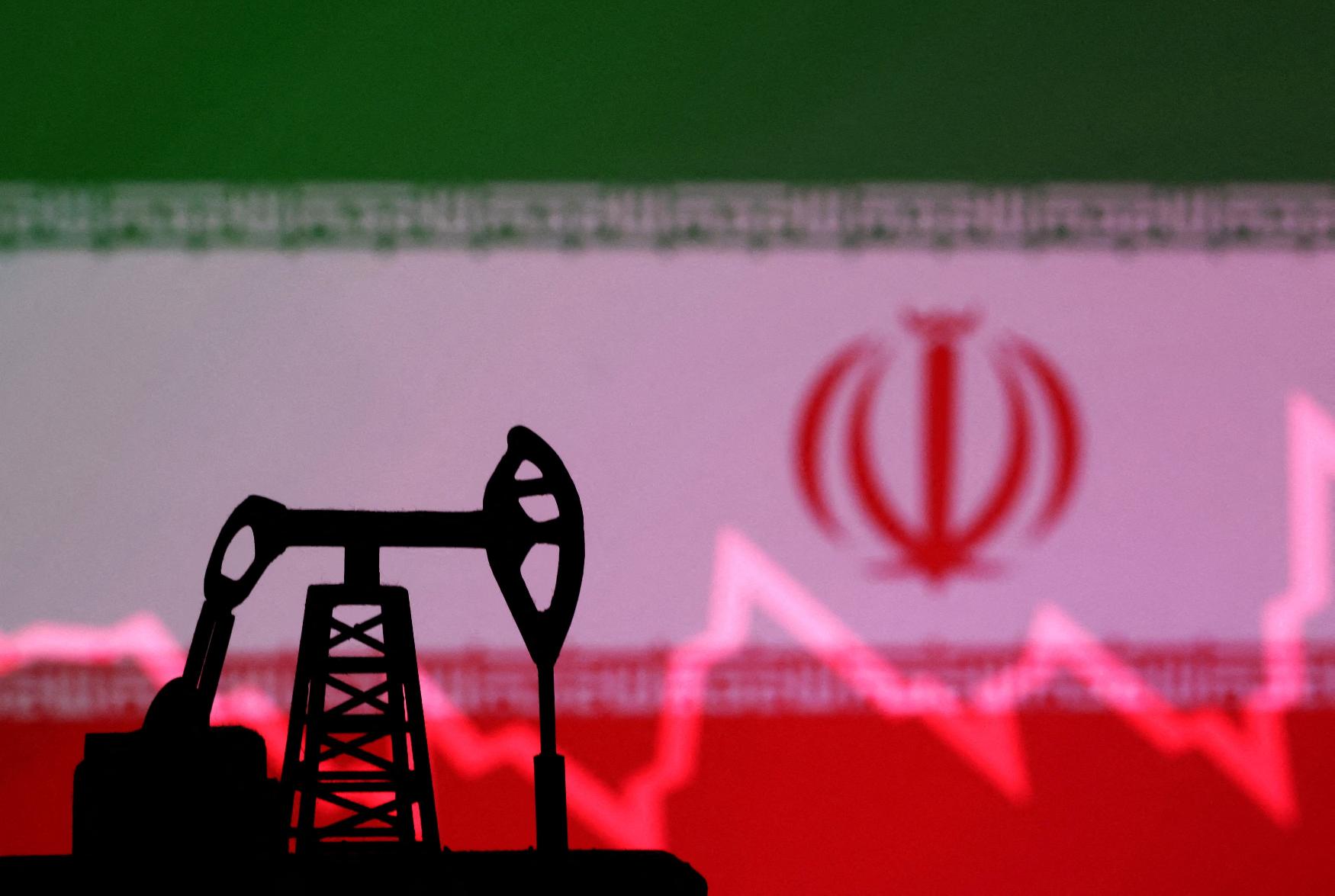
WASHINGTON, April 16 (Reuters) - Iran's unprecedented missile and drone strike on Israel is unlikely to prompt dramatic sanctions action on Iran's oil exports from the Biden administration due to worries about boosting oil prices and angering top buyer China, said analysts. Shortly after Tehran launched its weekend attack - retaliation for Israel's suspected April 1 strike on the Iranian consulate in Damascus - House Republican leaders accused President Joe Biden of failing to enforce existing measures and said they would take up this week a series of bills to sharpen sanctions on Iran. Speaking to Fox News on Sunday, Representative Steve Scalise the No. 2 House Republican, said the administration had made it easier for Iran to sell its oil, generating revenues that were being used to "go fund terrorist activity." The political pressure to punish Iran creates a thorny problem for the administration: how to deter such attacks in future without escalating regional tensions, raising oil prices or antagonizing China, the biggest buyer of Iranian oil. Washington has said for months that among its primary goals is to keep the Gaza conflict between Palestinian group Hamas and Israel from metastasizing in to a wider regional war, with a key aim of keeping Tehran on the sidelines. Several regional analysts said they doubted Biden would take significant action to ramp up enforcement of existing U.S. sanctions to choke off Iran's crude exports, the lifeblood of its economy. "Even if these bills pass, it's hard to see the Biden administration going into overdrive, to try to spring into action or enforce existing sanctions or new ones to try to cut or curb (Iranian oil exports) in any meaningful way," said Scott Modell, a former CIA officer, now CEO of Rapidan Energy Group. ENFORCING SANCTIONS Former President Donald Trump reinstated U.S. sanctions on Iran's oil in 2018 after pulling out of an international deal on Tehran's nuclear program. The Biden administration has sought to crack down on evasion of those measures with sanctions against companies in China, the United Arab Emirates and elsewhere. Despite those efforts, Rapidan estimates Iran's oil exports have hit 1.6 million to 1.8 million barrels a day, excluding condensates, a very light oil. That is close to the 2 million barrels a day Iran exported before sanctions, said Modell. The possible effect on gasoline prices is one reason Biden, a Democrat, may not move strongly to curb Iran's oil exports. Kimberly Donovan, a sanctions and anti-money laundering expert at the Atlantic Council, said that oil-related sanctions have not been strictly enforced in the past couple of years. "I would not expect the administration to tighten enforcement in response to Iran's missile and drone attacks against Israel over the weekend, mainly for concerns (that) could lead to increases in oil prices," she said. "The price of oil and ultimately the prices of gas at the pump become critical during an election year." A State Department spokesman said the Biden administration had not lifted any sanctions on Iran and continued to increase pressure on the Islamic Republic. "Our extensive and overlapping sanctions on Iran remain in place, and we continue to enforce them," said the spokesman. THE CHINA FACTOR Aggressively enforcing sanctions could also destabilize the U.S.-China relationship, which Chinese and U.S. officials have tried to repair following a rocky period after the U.S. last year downed a suspected Chinese surveillance balloon that crossed U.S. territory. Almost all Iranian oil entering China is branded as originating from Malaysia or other Middle Eastern countries and is carried by a "dark fleet" of older tankers that typically switch off their transponders when loading at Iranian ports to avoid detection. Tanker tracking specialist Vortexa Analytics estimated China acquired a record 55.6 million metric tons or 1.11 million barrels of Iranian crude a day last year. That amounted to roughly 90% of Iran's crude oil exports and 10% of China's oil imports. Several analysts suggested Washington might take some action to cut Iran's oil exports in part to temper any Israeli reaction to the Iranian strikes, which could escalate the conflict. But they said this would fall short of dramatic action such as sanctioning a major Chinese financial institution and instead could involve targeting Chinese or other entities engaged in such trade. "If you really want to go after Iran's oil exports yes, you would have to take meaningful action against China," said one source familiar with the issue. "Are you really going to go after the big banks? Are you going to do something that the administration has not done and even the Trump administration did not do?" he added. Jon Alterman, a Middle East analyst at the Center for Strategic and International Studies, said there were limits to what Washington can do to impose sanctions and that evaders are adept at finding loopholes. "I'd expect to see a gesture in the direction of (imposing) economic consequences on Iran, but I don't expect the White House — or any future White House — to be able to completely turn off the spigot of Iranian oil," he said. The Reuters Daily Briefing newsletter provides all the news you need to start your day. Sign up here. https://www.reuters.com/world/biden-unlikely-cut-irans-oil-lifeline-after-israel-attack-2024-04-16/
2024-04-16 05:03
April 16 (Reuters) - Could bitcoin's bumper rally just be getting started this year? That's the question on the minds of cryptocurrency traders ahead of the upcoming bitcoin 'halving', a change in the token's underlying blockchain technology that is designed to reduce the rate at which new bitcoins are created. Previous bitcoin halvings in 2012, 2016 and 2020 were followed by massive rallies in its price: a year after the May 2020 bitcoin halving, bitcoin was up more than 545%. The next halving is currently slated to occur on April 20, per data platform CoinGecko. But this time around, the market is split on whether bitcoin could be in for another meteoric rise. At the halving, the amount of bitcoin available as rewards for miners is cut in half, making mining less profitable and slowing the production of new tokens. Some bitcoin enthusiasts say that bitcoin's enhanced scarcity gives it extra value. In an April 8 report, Bitfinex analysts predicted bitcoin's price would soar about 160% in the 12-14 months after this year's halving, which they said could push bitcoin to an all-time high of more than $150,000. "This current cycle stands out from all the other previous cycles as the bitcoin price has already achieved a new all-time high - even before the halving. This anomaly could be interpreted as a bullish indicator, yet it also introduces a level of uncertainty into the market dynamics," the report said. David Mercer, CEO of LMAX Group, which operates an institutional crypto exchange, is among the skeptics: "The view from the grown-up market is this: 2012, 2016, 2020, the halving preceded a massive bull run, so the evangelist will tell you, 2024 is going to be the same. We think not." The reason? Some analysts say the impact of the halving could have already been priced into bitcoin's recent move skyward. Bitcoin hit an all-time high in March at $73,803.25, and has risen more than 60% since Jan. 1 as investors cheered new U.S. spot bitcoin exchange-traded funds (ETFs) and bet on the entry of new institutional money into the asset class. The bitcoin ETFs "brought in a tremendous amount of interest and net new flows into bitcoin preceding the halving event, whereas in the past, we've seen price levels right after the halving event bring in those new flows," said Thomas Perfumo, head of strategy at crypto exchange Kraken. PRICED IN? Halvings happen approximately every four years, though, according to some analysts, it's difficult to rely on historical precedent. They say that a combination of factors outside of the halving could have contributed to bitcoin's rally in 2020, including looser monetary policy and stay-at-home retail investors spending spare cash on cryptocurrencies. "A sample size of three [halvings] is not necessarily large enough to be conclusive. It is also important to note that other bullish events in the industry contributed to the gains," researchers at crypto analytics firm Kaiko said in a note. Still, others say that the ETFs could just be one in a series of catalysts that could support bitcoin's price in the year following a halving. The U.S. Federal Reserve is widely expected to cut interest rates this year, which could boost risk assets such as cryptocurrencies. "You have a simultaneous influx of new money into the asset class, finally, by way of the ETF ... then there's also the Fed, indicating that they plan on easing monetary policy later this year," said Ravi Doshi, head of markets at FalconX, a crypto prime broker. "Assuming that inflation prints continue to stay muted, you have this recipe for significantly higher prices." Keep up with the latest medical breakthroughs and healthcare trends with the Reuters Health Rounds newsletter. Sign up here. https://www.reuters.com/markets/currencies/cryptoverse-hold-halving-2024-04-16/
2024-04-16 04:39
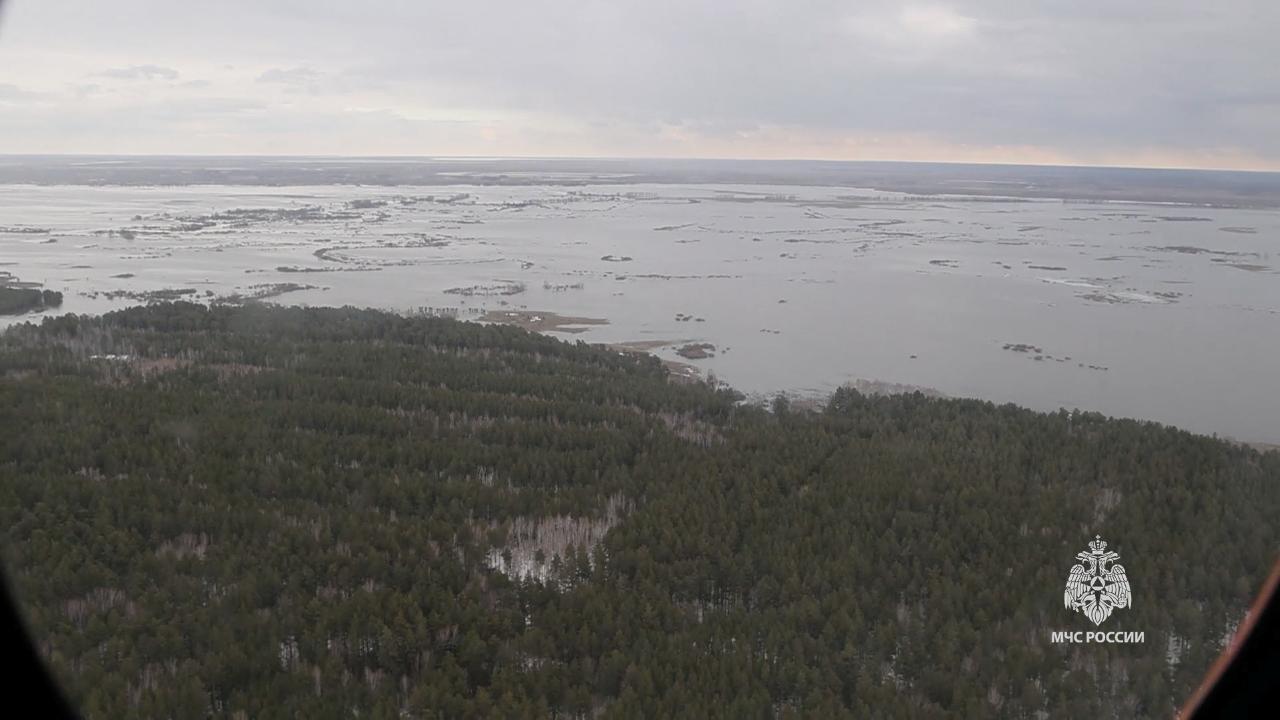
PETROPAVLOVSK, Kazakhstan, April 16 (Reuters) - More than 2,000 houses were flooded in Kazakhstan's northernmost region as of Tuesday, authorities said, while across the border in Russia, Kurgan and Tyumen provinces were also evacuating thousands of people due to the deluge. Water levels in rivers in swathes of Russia's Ural and southwestern Siberian regions, as well as adjacent areas of Kazakhstan, were still rising rapidly, officials said. Kazakh President Kassym-Jomart Tokayev arrived in Petropavlovsk on Tuesday, where local governor Gauez Nurmukhambetov told him 10,345 people in the region have been evacuated as parts of the city remained under water, Tokayev's office said. "We are going through tough times. This is a disaster of a national scale," Tokayev said at a meeting with residents. "I think the next 10 days will be critical, but we are already taking measures to rebuild the country and deal with the aftermath of this disaster." More than 300 houses and nearly 700 residential plots have been flooded in Russia's Kurgan region straddling the Tobol River near the border with Kazakhstan, Russia's emergency ministry said on Tuesday. "The water level in the Tobol River is rising rapidly," the ministry said on the Telegram messaging app. In the city of Kurgan, the region's administrative centre, power was cut off, affecting about 1,500 residents, local officials said late on Monday. Vadim Shumkov, governor of the Kurgan region, had said that he expected a "very difficult" situation, with the waters in the Tobol rising possibly up to 11 meters (36 ft), or nearly double the bursting level at some places. Residents of Ishim, a town of 65,000 people in the Tyumen region in southwestern Siberia, bordering Kazakhstan, were asked early on Tuesday to urgently evacuate because of a critical rise in the water level in the Ishim River that flows through the town. Regional governor Alexander Moor also urged residents of the Kazanky and Ishim districts to evacuate. "The probability is growing of dams bursting, or water pouring over them. Therefore we are beginning an urgent evacuation of the population," he said in a video address posted online. "You all know about the danger. Gather your valuables. Immediately drive to safe places, to relatives or evacuation points where we will supply you with all essentials." Russia's southern Ural region, southwest Siberia and northern Kazakhstan have been grappling with the worst flooding in living memory after large snow falls melted swiftly amid heavy rain over land already waterlogged before winter. By late Monday, melt waters that swelled the tributaries of the world's seventh longest river system, had forcing more than 125,000 people to flee their homes. In the West Kazakhstan region crossed by the Ural river, authorities said they expected the flood wave to hit the province on April 20 and were pre-emptively evacuating some settlements on the river. From West Kazakhstan, the Ural continues to the Atyrau region, Kazakhstan's oil industry hub, where it flows into the Caspian Sea. The Reuters Daily Briefing newsletter provides all the news you need to start your day. Sign up here. https://www.reuters.com/world/europe/nearly-1000-houses-plots-flooded-russias-kurgan-region-2024-04-16/
2024-04-16 04:33
A look at the day ahead in European and global markets from Ankur Banerjee Rising tensions in the Middle East and the return of a higher-for-longer narrative on U.S. rates have sapped risk appetite, sending Asian stocks tumbling, the dollar climbing to five-month highs and leaving the fragile yen stuck at levels last seen in the mid 1990s. The dour mood is set to continue in Europe as bourses there are due to open sharply lower, futures indicate. UK labour and wage data will likely hog the spotlight as traders parse through the reports to gauge when the Bank of England will start its rate cutting cycle. Markets are pricing in August as the most likely start date for policy easing, with 49 basis points of cuts expected for the year. The Federal Reserve on the other hand is likely to be in no rush to start its easing cycle after March retail sales came in higher than expected, the latest evidence of a resilient U.S. economy. Markets are now pricing in less than two rate cuts this year compared with six (yes, you read that right) rate cuts anticipated at the start of 2024. The starting point for the easing cycle is now September, pushed back from June, which was pushed back from March. Comments from Fed officials have also led traders to dial back their expectations with San Francisco Federal Reserve Bank President Mary Daly the latest to suggest the Fed is in no hurry to cut rates. "The worst thing to do is act urgently when urgency is not required," Daly said. The safe-haven flight to gold and dollars continued as the world awaits word on how Prime Minister Benjamin Netanyahu would respond to Iran's first-ever direct attack. The yen, often sought as a safe asset, weakened further to 34-year lows as the widening difference between U.S. and Japan rates weigh. Meanwhile, China GDP handily beat estimates but weakness in March data kept investors worried about the country's economic recovery. China will also be at the forefront of the corporate world's mind as LVMH (LVMH.PA) New Tab, opens new tab, the world's biggest luxury group, reports earnings, with investors bracing for a steep slowdown in luxury sales amid lacklustre Chinese demand. Key developments that could influence markets on Tuesday: Economic events: UK employment change for Feb, UK average weekly earnings for 3 months through Feb Earnings: LVMH, UnitedHealth, Johnson & Johnson, Bank of America and Morgan Stanley. Get a look at the day ahead in European and global markets with the Morning Bid Europe newsletter. Sign up here. https://www.reuters.com/markets/europe/global-markets-view-europe-2024-04-16/

2024-04-16 01:41
PALO ALTO, California, April 15 (Reuters) - There is "no urgency" to cut U.S. interest rates, Mary Daly, the president of the San Francisco Federal Reserve Bank, said on Monday, with the economy and labor market strong, and inflation still above the Fed's target of 2%. The Fed is increasingly expected to hold its policy rate steady in the range of 5.25% to 5.5% until mid-September, more than a year past its last rate hike, before cutting rates just twice before year-end, but inflation in the first three months was higher than most forecasters expected. "The worst thing to do is act urgently when urgency is not required," Daly, one of 19 U.S. central bankers who set monetary policy, said at the Stanford Institute for Economic Policy Research. As recently as March most Fed policymakers saw at least three rate cuts by year's end. But strong consumer spending, and a labor market in which unemployment was 3.8% last month, give little cause for concern that policy is too tight. Just two weeks ago Daly said three rate cuts this year would be "reasonable." She did not repeat that view on Monday, nor offer any clear signal on when she might be ready to consider a rate cut, except for saying she would need to be confident inflation was headed toward 2%. "Policy is in a good place; we are in a ready position," she added. "We have to be thoughtful about not getting too confident that the latest sticky inflation is an indication where we are going forward, and we can't get too confident that our projection that inflation will continue to come down is going to materialize." Get a look at the day ahead in U.S. and global markets with the Morning Bid U.S. newsletter. Sign up here. https://www.reuters.com/markets/us/us-fed-should-not-act-urgently-when-its-not-required-daly-says-2024-04-16/

2024-04-16 00:35
TOKYO, April 16 (Reuters) - Japanese Finance Minister Shunichi Suzuki said on Tuesday he was closely watching currency moves and will provide a "thorough response as needed" after the dollar surged to a fresh 34-year high. The dollar hovered around 154.15 yen after breaching the 154 yen level in Asia late Monday, the highest since June 1990. In a press conference, Suzuki said he was not aware that foreign exchange will be explicitly addressed at the G20 finance minister meeting in Washington this week, but the subject would be brought up as a topic of conversation. "On international issues, including foreign exchange, Japan will seize various opportunities, not only at the G20, to firmly communicate its position as necessary," Suzuki said. Keep up with the latest medical breakthroughs and healthcare trends with the Reuters Health Rounds newsletter. Sign up here. https://www.reuters.com/markets/currencies/japans-finance-minister-says-hes-closely-watching-fx-2024-04-16/


